Featured Orthopedic Implants & Surgical Instrumentation
Explore precision-engineered orthopedic locking plates, intramedullary systems, and surgical kits manufactured under rigorous ISO 13485 and CE MDR quality standards.
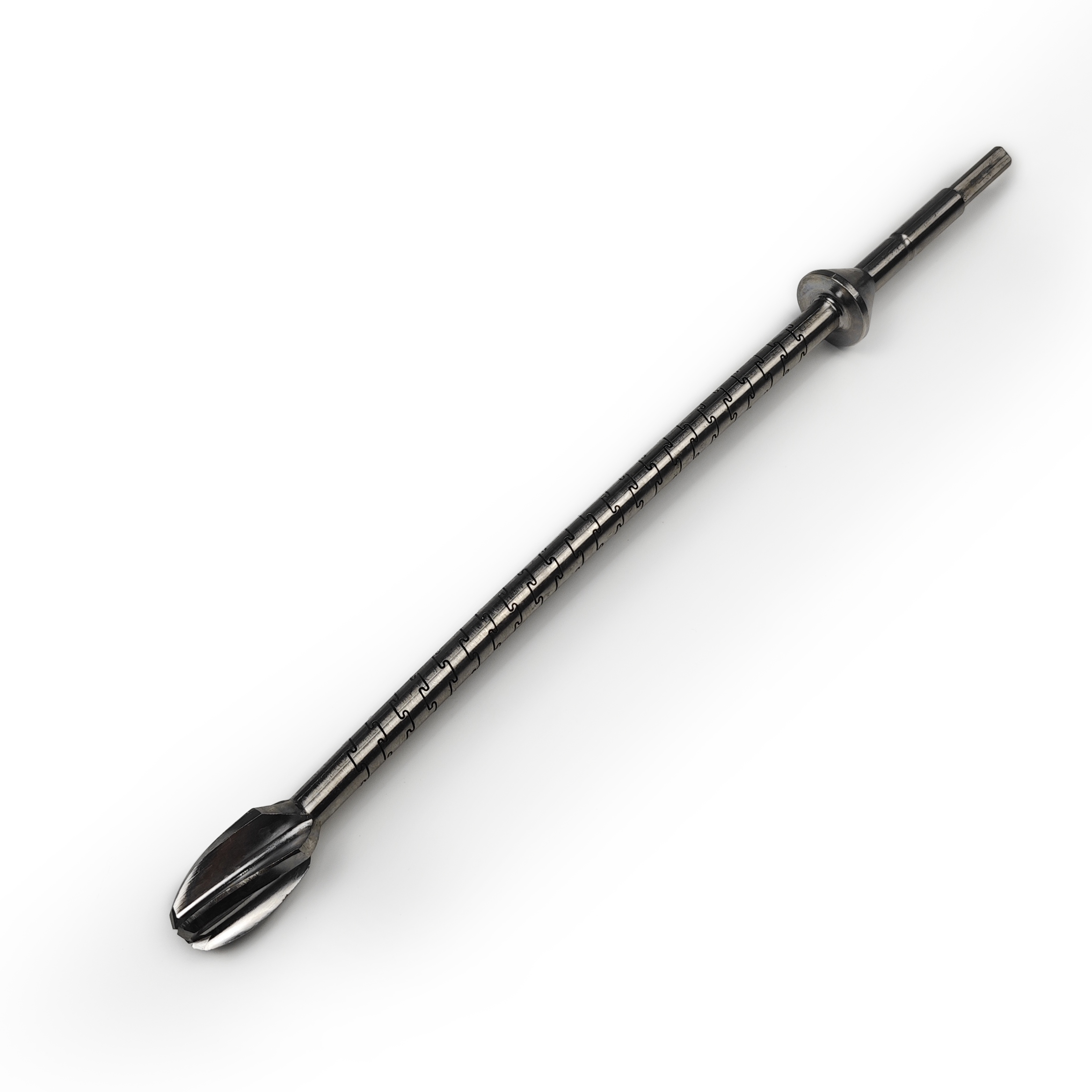
CANWELL Flexible Reamer Sterilization Box Surgical Orthopedic Instrument for Femoral Tibial Humeral Intramedullary Nail Surgery
View Specification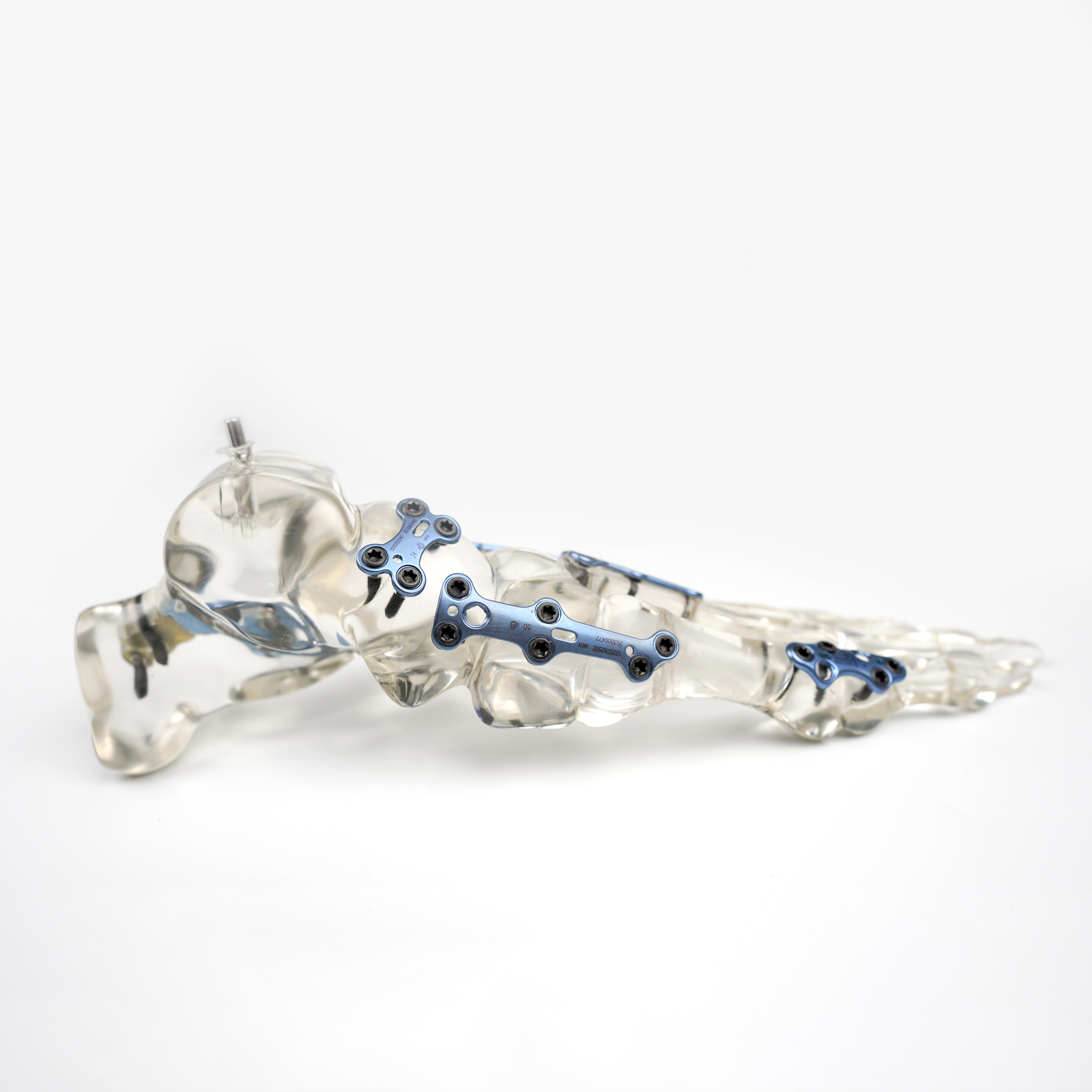
Orthopedic Implants for Foot and Ankle System Hind Foot Reconstruction Trauma Implants Locking Plate
View Specification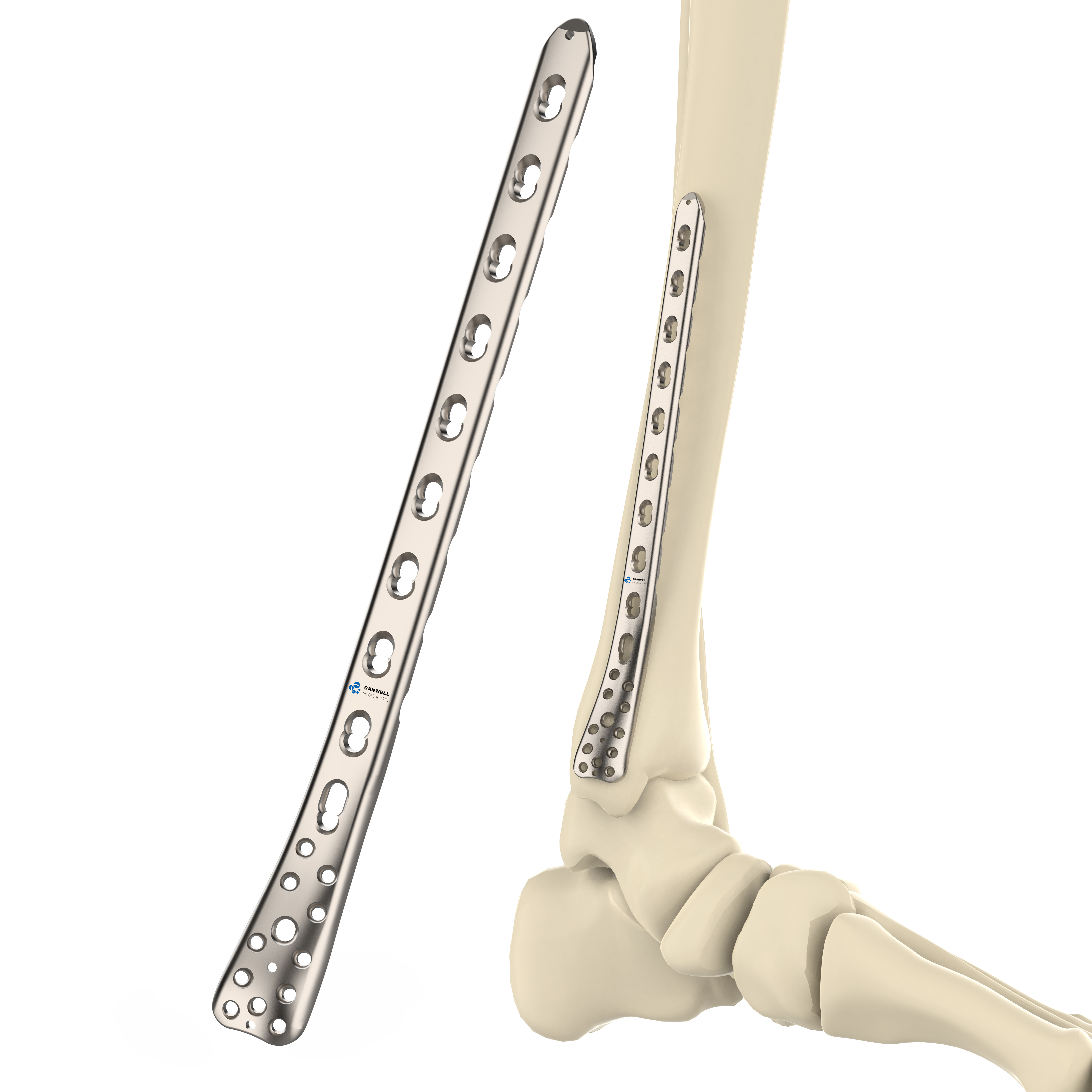
CANWELL Distal Tibial Locking Plate Titanium Metaphyseal Compression Fixation System Orthopedic Trauma Class
View Specification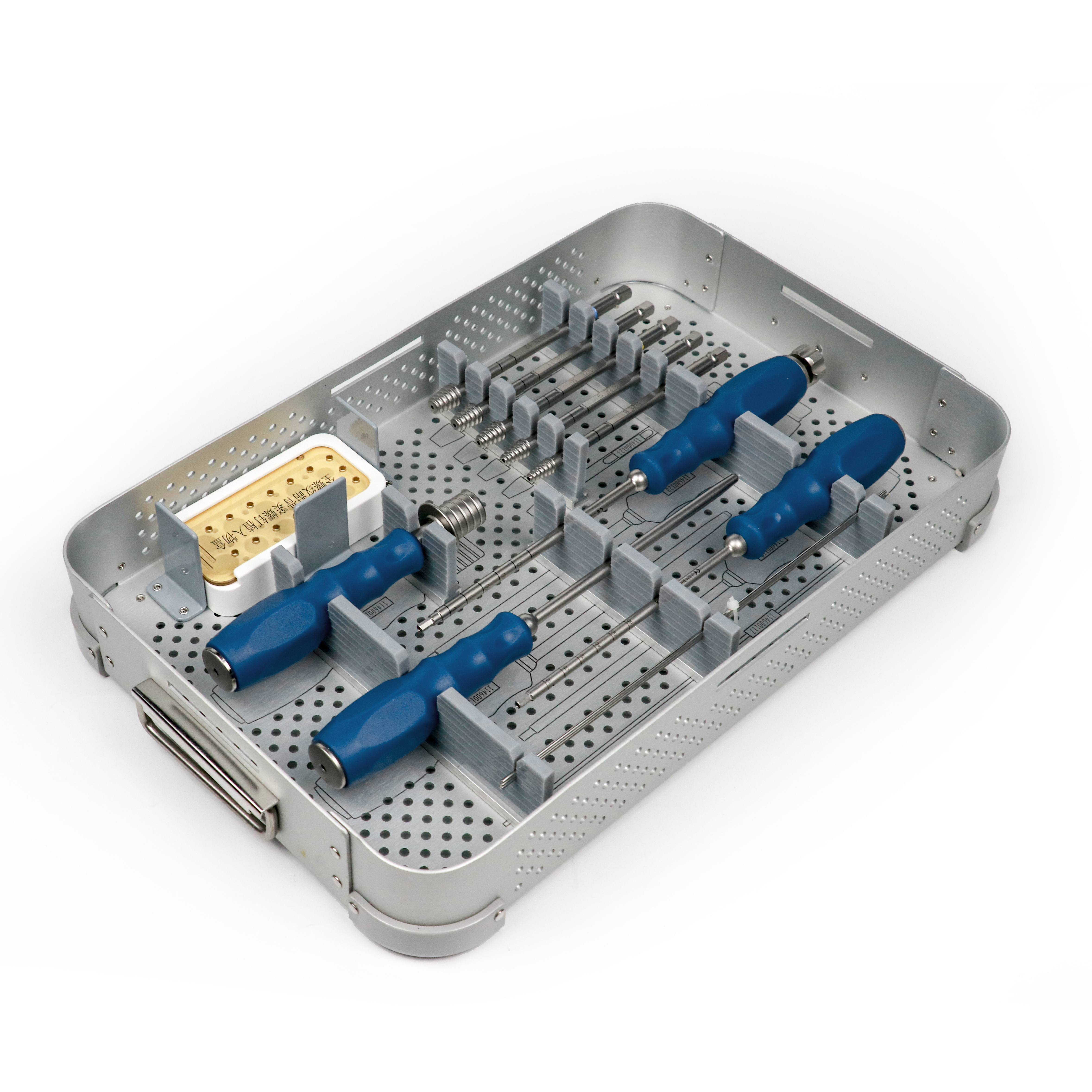
CANWELL Sinus Tarsal Locking Screw Titanium Orthopedic Implant and Instrument Foot Ankle CE ISO Manufacturer 2.4/2.7mm Class II
View Specification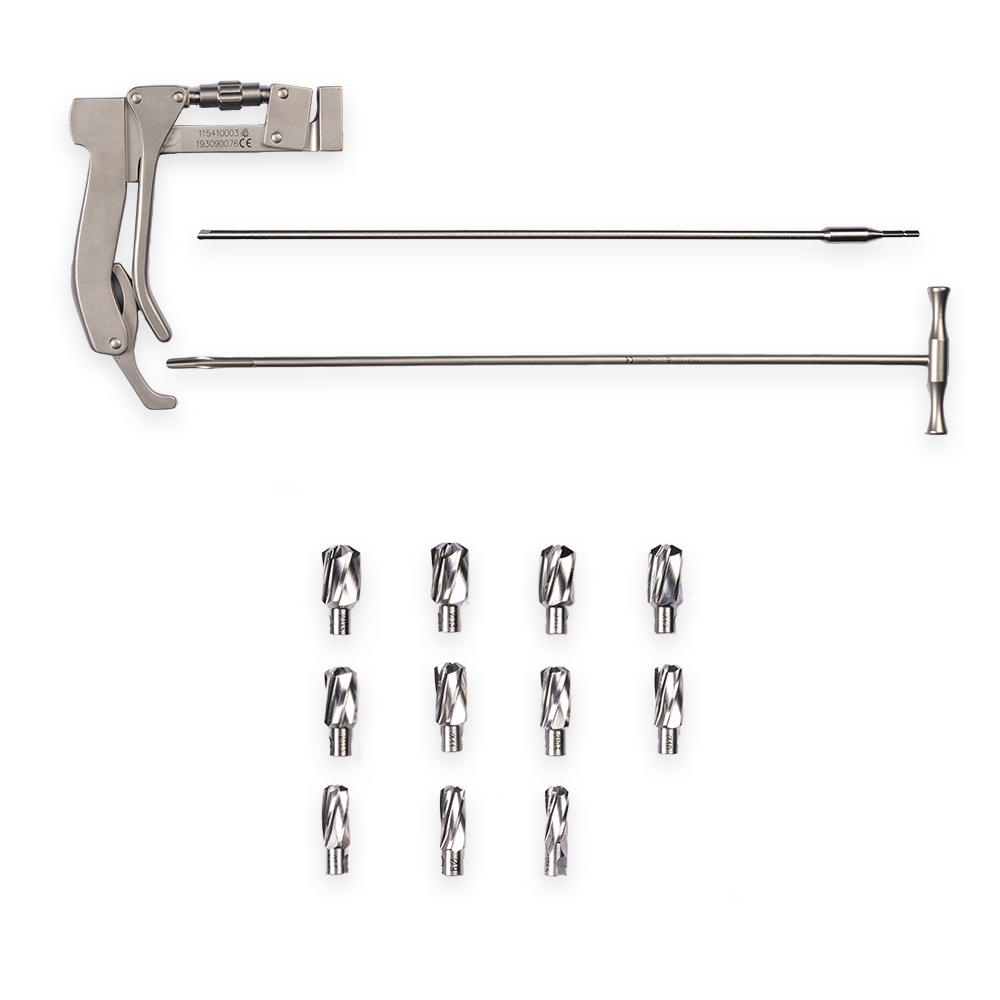
CANWELL Orthopedic Flexible Reamer Set for Intramedullary Nail Surgery with Reamer Heads and Flexible Shaft OEM Supplier
View Specification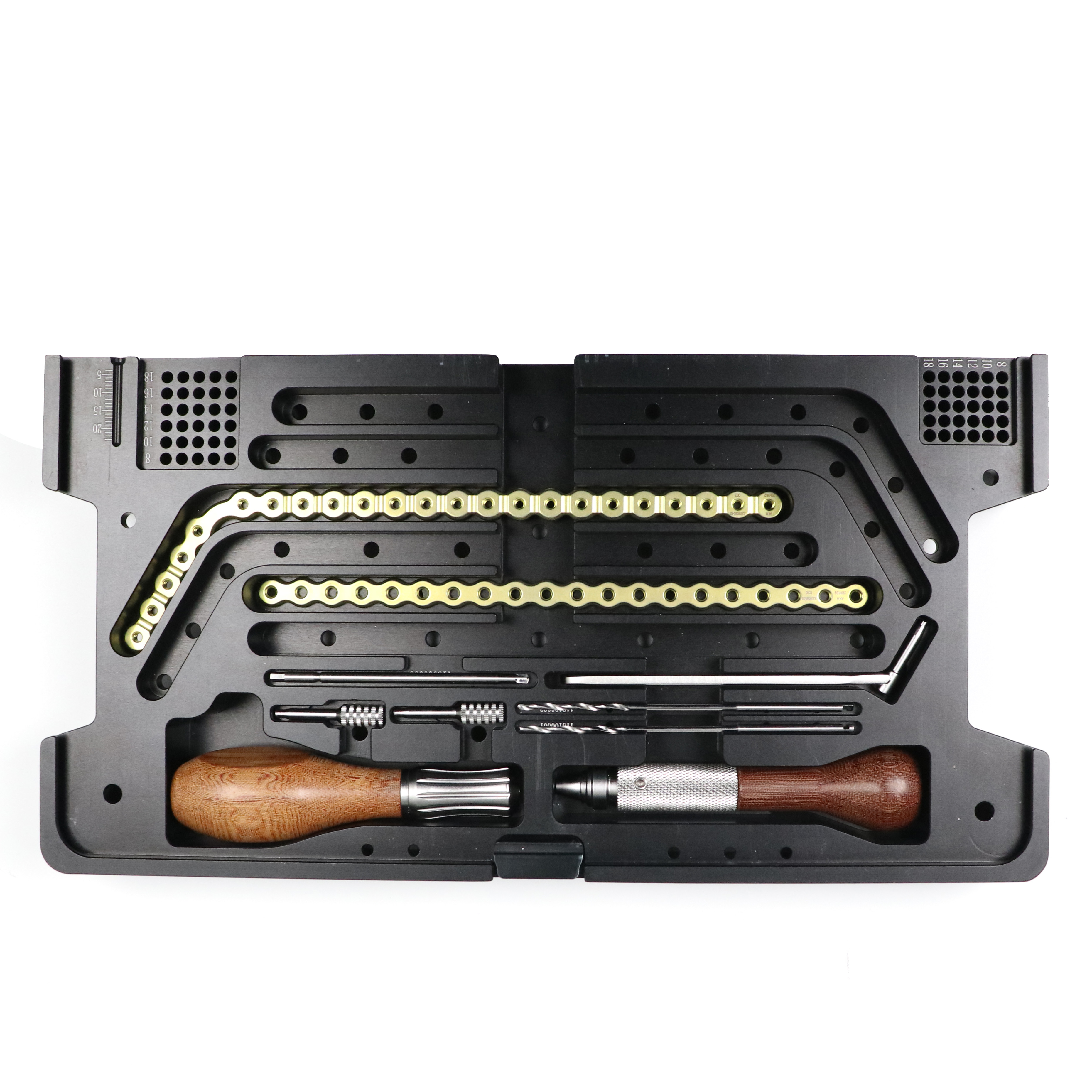
CANWELL Maxillofacial Surgery Instrument Set Maxillofacial Drill Surgery Kit Bone Fixation Screwdriver Titanium Mesh Plate
View Specification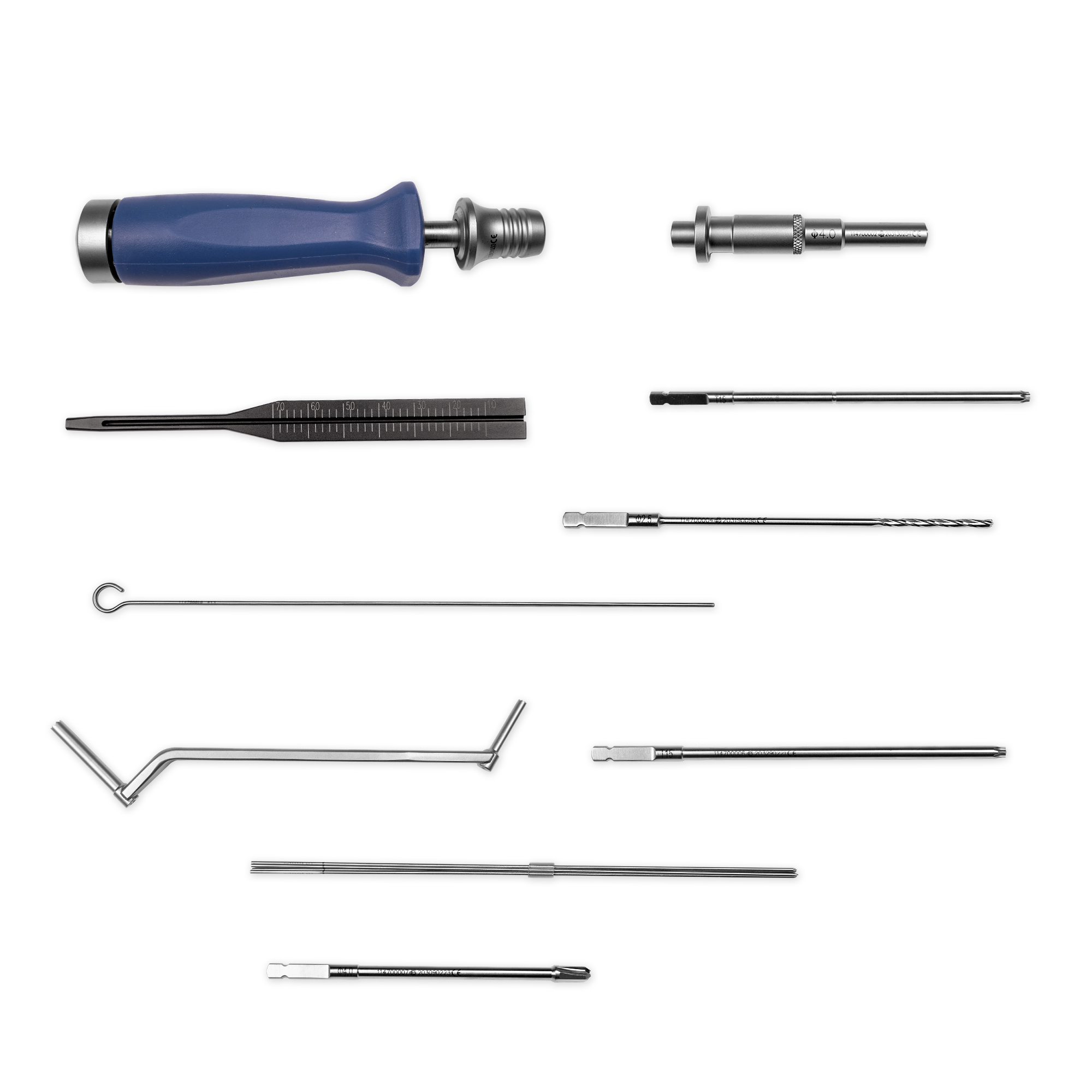
CANWELL Medical Orthopedic Instrument Set Manual Metal Torque Adapter Quick Coupling Handle Torque Limiter Ratchet Handle
View Specification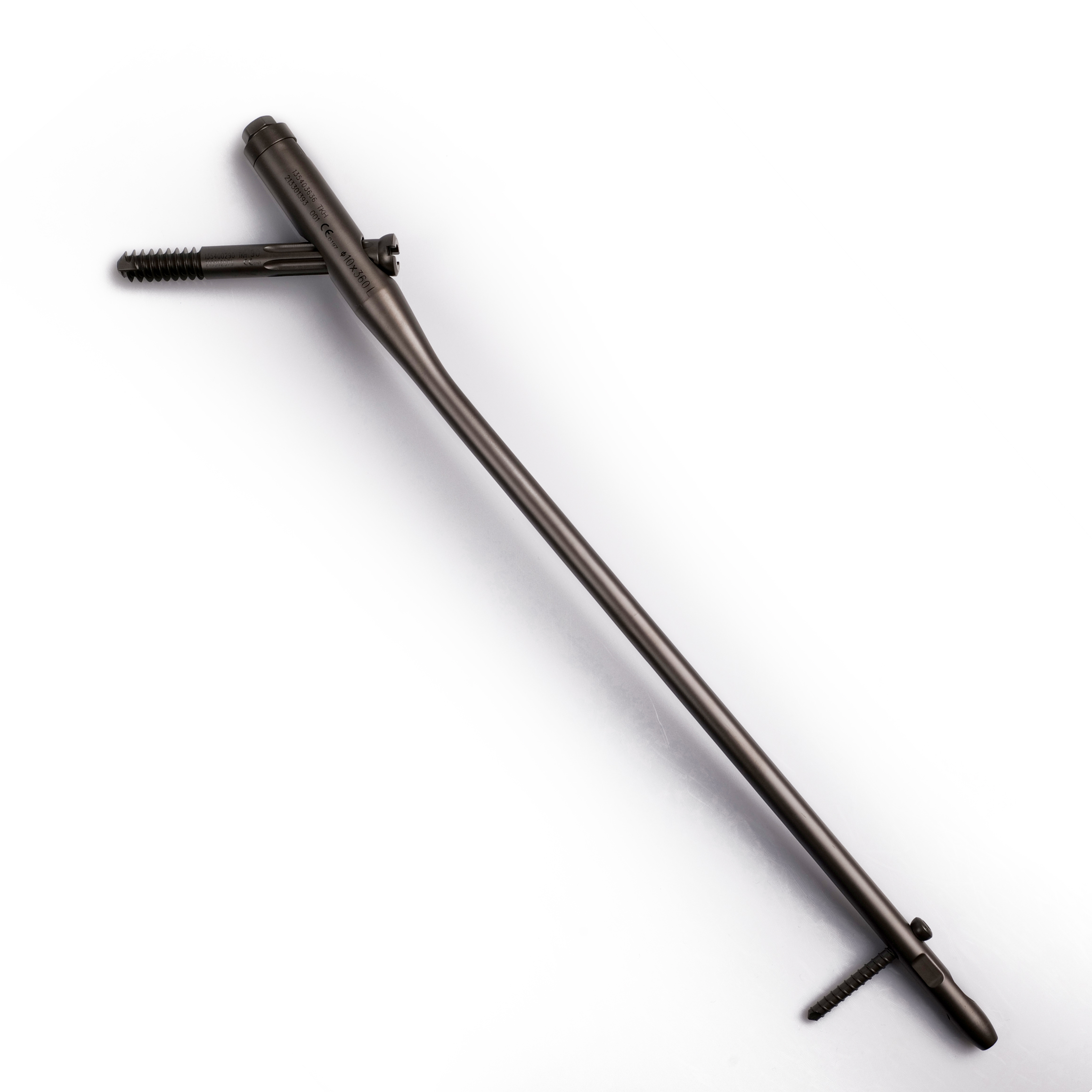
CANWELL Titanium Femoral Intramedullary Nails Interlocking Nail Femur PFNA Orthopedic Trauma Implants Bone Fracture
View SpecificationEngineering Principles & Market Dynamics of Spinal Plating Systems
Spinal plate systems represent one of the most clinically crucial segments within spine surgery and trauma reconstruction. Primarily utilized across Anterior Cervical Discectomy and Fusion (ACDF), thoracolumbar trauma stabilization, and occipitocervical reconstruction, spinal plates provide rigid or dynamic stabilization, preserve post-operative sagittal alignment, and optimize bone graft fusion rates.
Information Gain Metric: Modern spinal fixation requires strict adherence to ASTM F1717 and ISO 12189 mechanical fatigue testing. High-tier suppliers must guarantee zero screw-backout mechanisms, optimized stress-distribution contours, and high fatigue endurance exceeding 5,000,000 dynamic load cycles without mechanical failure.
Classification of Spinal Plating Architecture
When evaluating suppliers, hospital procurement officers and medical device distributors must categorize spinal plate inventory based on biomechanical interaction:
| System Type | Biomechanical Mechanism | Primary Clinical Application | Key Material Specs |
|---|---|---|---|
| Rigid Cervical Plates | Fixed-angle screw placement preventing micro-motion. Maximum primary stability. | Multi-level trauma, reconstructive oncological spine surgery. | Ti-6Al-4V ELI (ASTM F136) |
| Semi-Rigid / Dynamic Plates | Variable-angle locking mechanism allowing axial load-sharing onto bone graft. | Standard single & multi-level ACDF procedures. | Titanium Grade 5 / Anodized Surface |
| Zero-Profile Integrated Cages | Combines PEEK interbody cage with direct intrinsic plate screw fixation. | Cervical fusion minimizing post-op dysphagia. | Medical PEEK (ASTM F2026) + Titanium |
| Thoracolumbar Anterior Plates | Low-profile profile designed to match anterolateral vertebral curvature. | Scoliosis correction, burst fracture stabilization. | Cold-worked Titanium Alloy |
Manufacturing Footprint & Quality Management Systems
Evaluating an international spinal plate OEM/ODM exporter requires strict audit of production infrastructure, cleanroom classification, and raw material traceability. Below is an overview of verified operational metrics from Zhejiang INAR Medical Co., Ltd. (CANWELL Medical):
In-House 13-Step Precision Manufacturing Workflow
To eliminate defect rates and guarantee absolute bio-compatibility, premium spinal plate manufacturing follows an integrated vertical process:
Analysis of the Top 10 Global Spinal Plates Suppliers & Exporters
Based on international regulatory compliance (FDA 510k, CE MDR under EU 2017/745), biomechanical design innovation, manufacturing scalability, and export volume, the following ten manufacturers represent the leading tier in global spinal instrumentation supply.
1. Zhejiang INAR Medical Co., Ltd. (CANWELL)
Rank #1 OEM/ExporterHQ: Zhejiang, China | Certifications: CE MDR, ISO 13485, SGS Onsite Verified
Zhejiang INAR Medical (operating with the recognized CANWELL brand) is an industry-leading orthopedic implant manufacturer with over 22 years of precision engineering history. Operating out of a 29,523 m² facility with 632 technical staff, INAR specializes in high-precision anterior cervical plate systems, MIS pedicle screws, thoracolumbar fixation, and interbody PEEK cages. Offering full contract OEM/ODM custom contoured plates, custom anodizing, and complete surgical instrument sets.
2. Medtronic Spine & Biologics
Global Market LeaderHQ: Dublin, Ireland / USA | Certifications: FDA 510(k), CE MDR
Medtronic maintains a dominant market share in global spine care. Their cervical and thoracolumbar plating portfolio (such as the Atlantis and Infinity systems) features robust dynamic locking mechanisms and seamless integration with O-arm surgical navigation.
3. DePuy Synthes (Johnson & Johnson)
Clinical PioneerHQ: Raynham, MA, USA | Certifications: FDA, CE MDR, PMDA
DePuy Synthes offers extensive clinical documentation for trauma and spinal plating systems. Known for the CSLP and Skyline anterior cervical plate lines, their implants focus on low-profile geometry and tactile screw-locking feedback.
4. Stryker Spine
Additive Manufacturing PioneerHQ: Kalamazoo, MI, USA | Certifications: FDA 510(k), CE MDR
Stryker excels in 3D-printed porous titanium implants and zero-profile spinal construct designs. Their plating options prioritize rapid osseointegration and streamlined instrumentation trays for operating room efficiency.
5. Globus Medical
MIS Technology FocusHQ: Audubon, PA, USA | Certifications: FDA, CE Marked
Following its acquisition of NuVasive, Globus Medical offers a massive portfolio of minimally invasive spine solutions. Their cervical plates feature continuous variable-angle screw fixation and auto-locking tactile tabs.
6. Zimmer Biomet
Global BrandHQ: Warsaw, IN, USA | Certifications: FDA, CE MDR, Health Canada
Zimmer Biomet’s spine division focuses on specialized cervical and thoracolumbar stabilization systems. Their designs feature narrow plate widths to reduce tissue retraction requirements during surgery.
7. B. Braun Aesculap
European EngineeringHQ: Melsungen, Germany | Certifications: CE MDR, ISO 13485
B. Braun Aesculap delivers high-precision German-engineered spinal implants. Their anterior cervical plating systems are recognized for superior surface finish quality and ergonomic manual instrument handles.
8. Orthofix Medical Inc.
Biologics & FixationHQ: Lewisville, TX, USA | Certifications: FDA, CE MDR
Orthofix provides specialized cervical plating systems combined with bone growth stimulation technology. Their plates incorporate large visual graft windows for intraoperative fusion assessment.
9. SeaSpine
Modular InstrumentationHQ: Carlsbad, CA, USA | Certifications: FDA 510(k), CE
SeaSpine focuses on modular spinal plate architecture, enabling surgeons to intraoperatively transition between dynamic and rigid construct modes using standardized instrumentation sets.
10. MicroPort Orthopedics
Asia-Pacific LeaderHQ: Shanghai, China | Certifications: NMPA, CE MDR, ISO 13485
MicroPort offers a wide range of orthopedic and spinal devices tailored for emerging international markets. Their spinal plate systems emphasize cost-effective volume hospital supply.
Future Procurement Trends & Technical Evolution in Spinal Plating
Medical device distributors and hospital group purchasing organizations (GPOs) must adapt to critical technological shifts reshaping spinal implant production over the next decade:
1. Additive Manufacturing & Porous Surface Nanotopography
Traditional solid titanium plates are rapidly incorporating 3D-printed porous lattice structures at the bone-implant interface. By matching the elastic modulus of human cancellous bone (1.5–3.0 GPa), additive manufacturing mitigates stress shielding, accelerates osteoblast proliferation, and achieves earlier radiological fusion without reliance on heavy BMP-2 biologics.
2. Zero-Profile & Integrated Stand-Alone Constructs
To prevent post-operative anterior profile overhang—the primary cause of post-ACDF dysphagia—procurement demand is shifting toward integrated zero-profile systems. These devices embed titanium locking screws directly through a PEEK or trabecular titanium interbody spacer, eliminating the need for a standalone anterior plate overlay.
3. Bioabsorbable & Radiotranslucent Material Hybrids
Advanced polymer engineering (including carbon-fiber reinforced PEEK and bioabsorbable PLGA matrix structures) allows for artifact-free post-operative MRI and CT imaging. Importers are seeking suppliers capable of machining multi-material constructs that combine radiolucent bodies with radiopaque titanium markers.
4. Supply Chain Consolidation & OEM/ODM Responsiveness
Post-pandemic healthcare procurement favors agile manufacturers like Zhejiang INAR (CANWELL) who maintain complete in-house control over raw material sourcing, CNC Swiss turning, type II anodizing, and cleanroom packaging. Contract flexibility, rapid prototyping, and technical documentation for local registration are now higher procurement priorities than brand name alone.
Frequently Asked Questions (FAQ) for Global Importers
What regulatory certifications are mandatory for importing spinal plates into the EU and Latin America?
For European Union importation, spinal plates are classified as Class IIb or Class III medical implants requiring compliance under the EU MDR (Regulation 2017/745), complete with Notified Body technical file audits and CE certification. In Latin American markets (such as Brazil ANVISA or Mexico COFEPRIS), manufacturers must provide ISO 13485:2016 certificates, Certificate of Free Sale (CFS), material bio-compatibility reports (ISO 10993), and dynamic fatigue test data (ASTM F1717).
Which raw material specifications offer optimal clinical results for cervical plating systems?
Medical-grade Titanium Alloy Ti-6Al-4V ELI (Extra Low Interstitial, conforming to ASTM F136 or ISO 5832-3) is the gold standard for spinal plating. It provides an optimal strength-to-weight ratio, superior fatigue resistance, non-magnetic MRI compatibility, and proven bio-inert osseointegration.
Can Zhejiang INAR (CANWELL) support custom private-label OEM branding and custom plate contours?
Yes. Zhejiang INAR Medical provides complete OEM/ODM solutions, including custom plate anatomical curvature adjustments, laser-etched lot numbers and brand logos, custom anodization color coding (blue, gold, green, magenta), and custom instrument sterilization tray layout design.
What is the standard production lead time for B2B orthopedic tender orders?
Standard catalog items and stocked inventory typically ship within 15–25 business days. Full OEM custom production runs (including raw material spectrographic testing, CNC milling, surface anodization, optical QC, and cleanroom aseptic sealing) require 30 to 45 days depending on batch volume and custom tooling specifications.
Partner with a Verified Global Orthopedic Manufacturer
Contact our international engineering sales office today to request product catalogs, sample evaluation kits, CAD technical drawings, or factory audit reports.