Featured Medical Implants & Surgical Instrumentation
SGS-verified, CE MDR & ISO 13485 compliant orthopedic hardware manufactured in high-precision CNC environments.
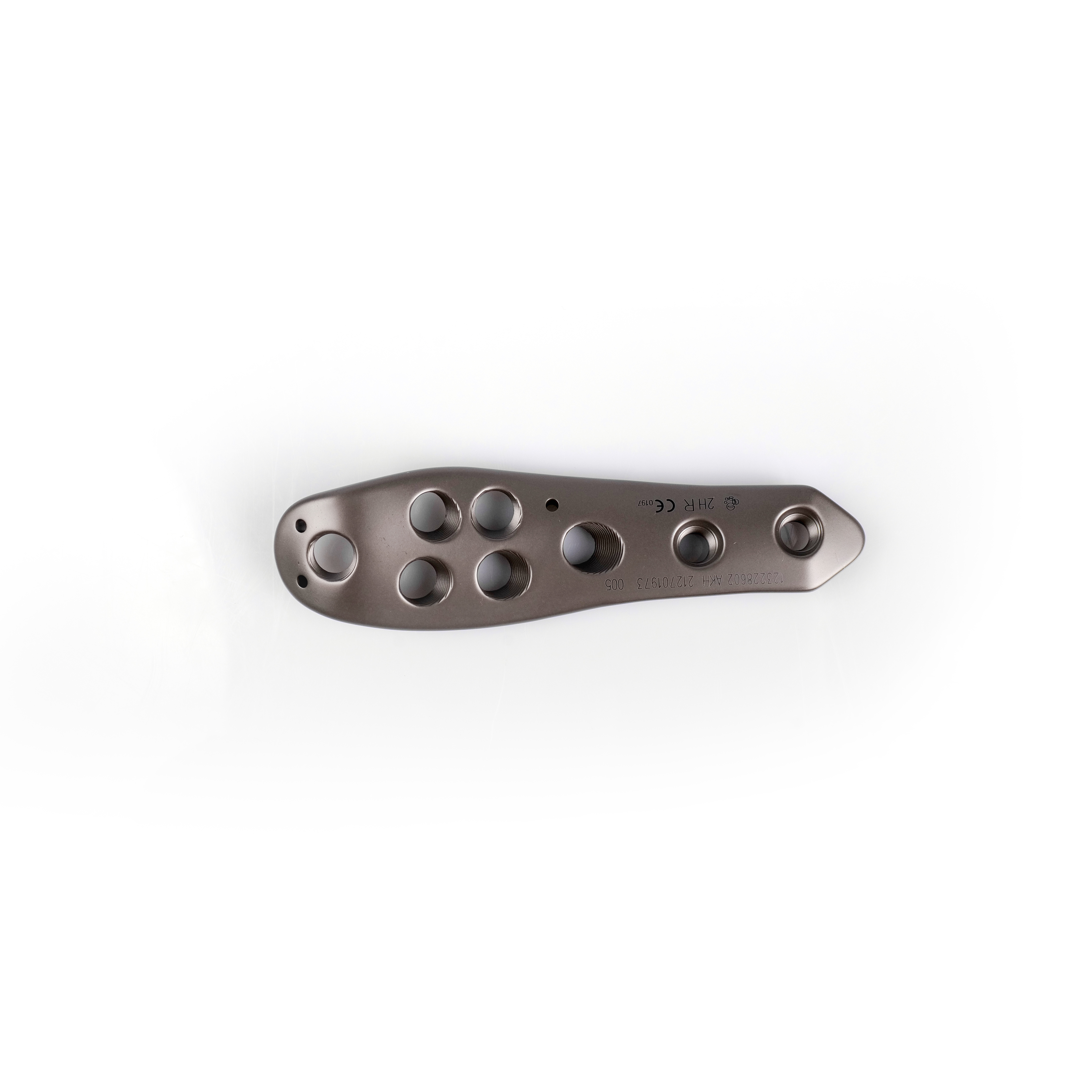
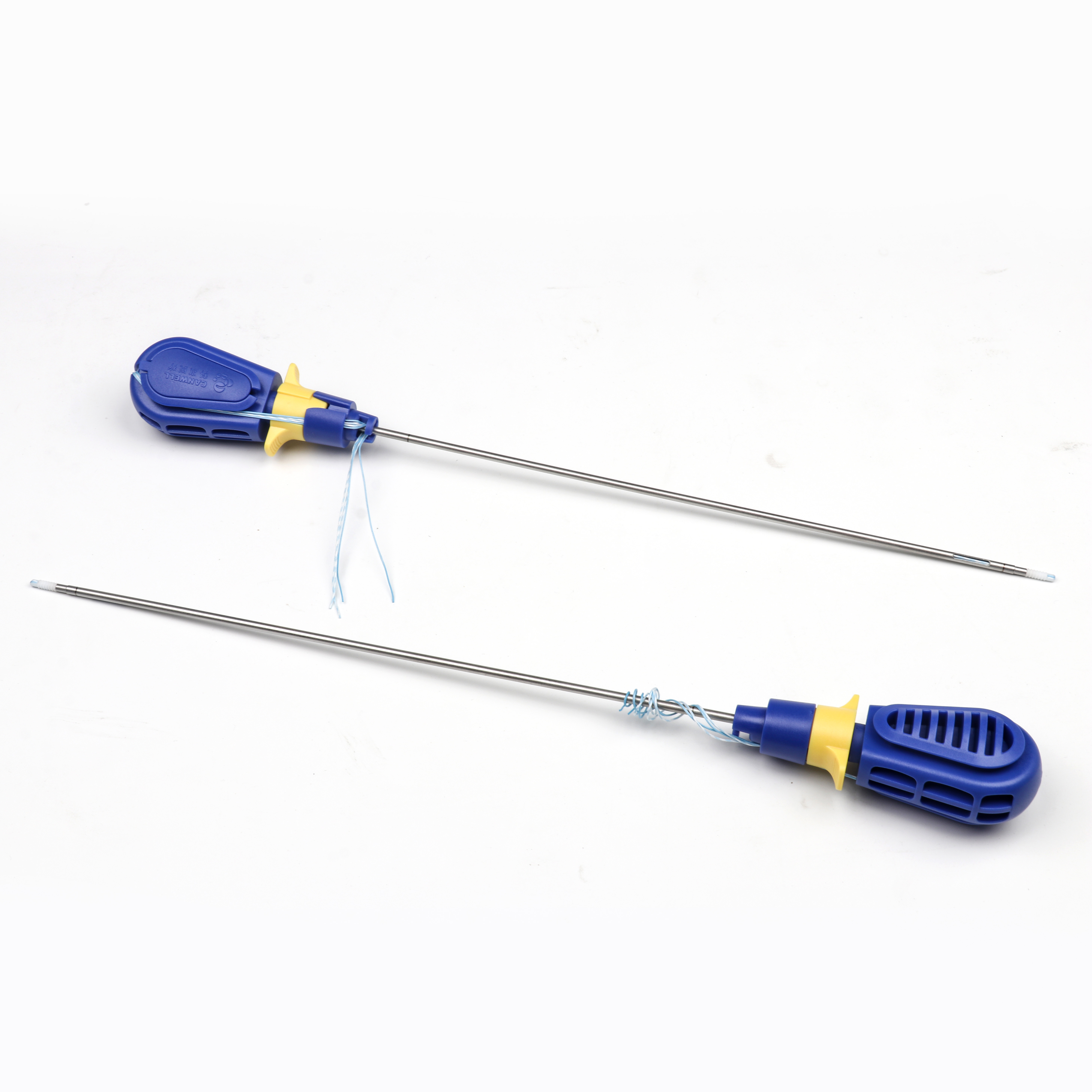
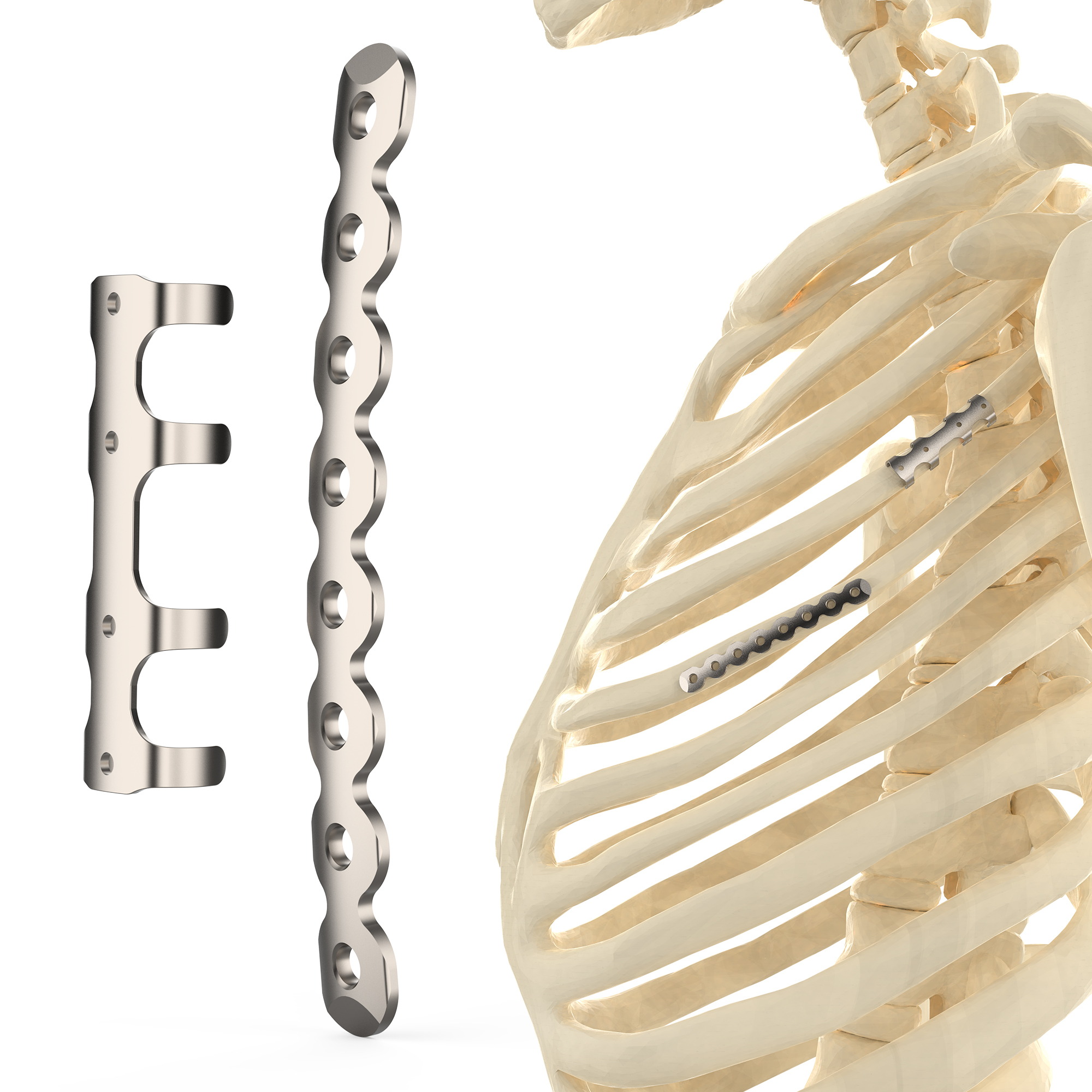
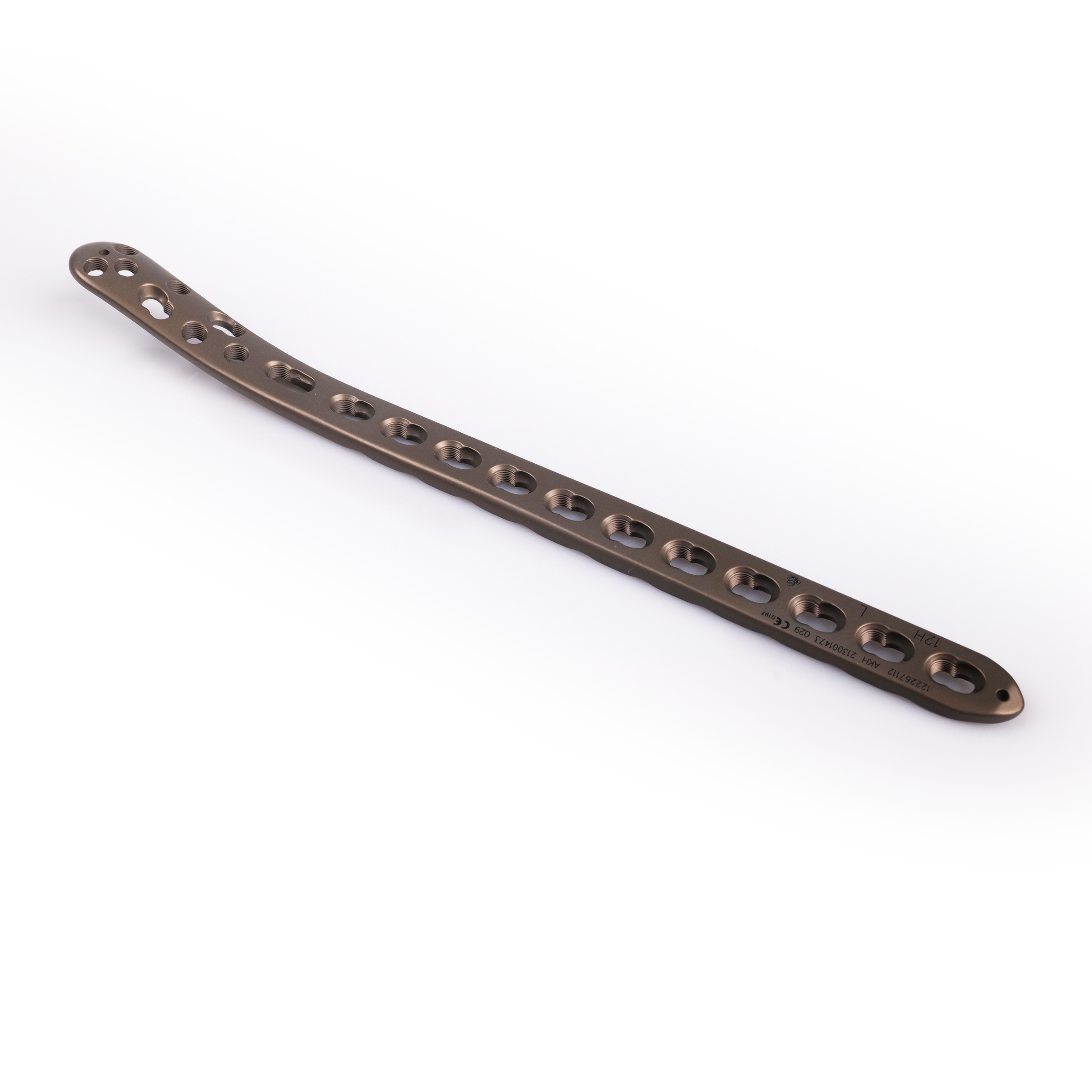
Enterprise Manufacturing Rigor & Global Compliance Infrastructure
As an established China cannulated screws manufacturer and exporter, our enterprise operates a fully integrated 29,523 square meter manufacturing complex staffed by 632 dedicated personnel. verified onsite by SGS Group, our facility implements strict regulatory protocols compliant with EU MDR (Regulation EU 2017/745), ISO 13485:2016, and Directive 93/42/EEC.
In trauma surgery, the mechanical integrity of hollow internal fixation devices cannot be compromised. Our cannulated screws are machined using high-precision 5-axis Swiss-type CNC automatic lathes from raw medical-grade Titanium Alloy (Ti-6Al-4V ELI conforming to ASTM F136) and High-Grade Stainless Steel (316L Standard ASTM F138). By holding inner cannulation concentricity within an exacting tolerance of ±0.01mm, we eliminate guide-wire binding, reduce intraoperative friction, and guarantee optimum interfragmentary compression during minimally invasive procedures.
Engineering Excellence in Cannulated Screw Systems
A Technical Evaluation of Threads, Cannulation Tolerance, and Biomechanical Compression
1. Metallurgical Composition & Biomechanical Selection Criteria
The clinical efficacy of a cannulated screw rests fundamentally on its stress-to-yield ratio, fatigue threshold, and biocompatibility. In modern trauma surgeries—ranging from intracapsular femoral neck fractures to delicate scaphoid fixations—the implant choice dictates post-operative recovery speeds and non-union rates.
| Material Variant | Standard Specs | Tensile Strength (MPa) | Yield Strength (MPa) | Primary Clinical Indications |
|---|---|---|---|---|
| Ti-6Al-4V ELI Titanium | ASTM F136 / ISO 5832-3 | ≥ 860 | ≥ 795 | Femoral neck, scaphoid, osteoporotic bone, long-term implantation |
| 316L Stainless Steel | ASTM F138 / ISO 5832-1 | ≥ 690 | ≥ 460 | Rigid internal fixation, heavy load-bearing lower extremity trauma |
| Bioabsorbable PLGA/PLLA | ISO 10993 / ASTM F1927 | Variable Deg. | Controlled Elasticity | Ligament reattachment, pediatric trauma, sports medicine reconstruction |
2. Geometrical Dynamics: Self-Tapping, Reverse Threading & Headless Compression
Cannulated screws require complex geometric cutting flutes at the distal tip. Our engineering design incorporates dual self-tapping flutes engineered to excavate bone debris efficiently during Kirschner-wire guided insertion. For Headless Cannulated Compression Screws (HCS), differential thread pitch between the proximal and distal ends forces the fracture gap to close dynamically as the screw advances into the bone tissue.
Concentric Cannulation
Gun-drilled core channels maintaining ±0.01mm tolerance eliminate wire binding and deflection during percutaneous fluoroscopic insertion.
Self-Tapping Flutes
Reverse-cutting edges permit smooth counter-clockwise removal without compromising native trabecular bone structure during hardware removal.
Torque Transfer Drives
Precision Star/Torx or Hexagonal drive recesses distribute driver engagement forces evenly, mitigating driver strip-out risk under high insertion torque.
Future Trends in Cannulated Screw Design & Manufacturing
Next-Generation Technological Trajectories Impacting Global Orthopedic Procurement
1. Biodegradable Magnesium Alloys
Development of bioresorbable Mg-Zn-Zr cannulated screws that gradually absorb within 12-24 months, completely removing the requirement for secondary hardware extraction operations.
2. 3D-Printed Porous Architectures
Integration of Additive Manufacturing (SLM/EBM) to produce cannulated screws with porous lattice shafts that encourage osseointegration along the implant core.
3. Nanostructured Surface Anodization
Type II and Type III hard anodization featuring antimicrobial silver/zinc nanocoatings to minimize implant-associated infection risks (S. aureus resistance).
Future Procurement Trajectories (2025–2030)
Global hospital buying groups and orthopedic importers are shifting towards suppliers who provide integrated system bundles rather than standalone screws. Future tender specifications will prioritize vendors capable of delivering pre-sterilized, single-use procedure kits containing the cannulated screw, matching K-wire, drill bit, tap, and countersink packed inside sterile double-blister blisters.
Furthermore, regulatory stringency under the EU MDR transition phase is consolidating market share toward manufacturers with comprehensive clinical evaluations, PMCF (Post-Market Clinical Follow-up) datasets, and transparent material traceability systems. China manufacturers leading this segment are investing heavily in automated optical inspection (AOI) and 100% laser-based dimensional verification.
13-Stage Precision Manufacturing & Quality Protocol
Zero-Defect Quality Assurance Built into Every Cannulated Screw
| Step # | Process Phase | Machining & Inspection Detail | Standard Quality Control Output |
|---|---|---|---|
| 01 | Material Selection | Certified ASTM F136 Ti-6Al-4V ELI & ASTM F138 316L round bars | Spectral Material Certification & Ultrasonic Defect Check |
| 02 | Longitudinal Cutting | Automated precise length cutting for Swiss lathe feeding | Dimensional Uniformity check (±0.05mm) |
| 03 | Gun Drilling (Cannulation) | Deep-hole micro gun drilling under high-pressure coolant injection | Internal Bore Roughness Ra < 0.4 μm, Concentricity ±0.01mm |
| 04 | 5-Axis CNC Turning | Thread profile turning, self-tapping flute cutting, head shaping | Pitch Diameter & Thread Profile Optical Comparator Check |
| 05 | Driver Recess Broaching | Hexagonal / Torx precision broaching for positive drive fit | Go/No-Go Gauge Verification |
| 06 | Deburring & Polishing | Electropolishing and mechanical deburring of micro-burrs | Stereomicroscopic 20x Surface Examination |
| 07 | Ultrasonic Washing I | Multi-frequency ultrasonic solvent degreasing and cleaning | Particulate Residue < 0.1 mg/unit |
| 08 | Passivation / Anodizing | Type II / Type III titanium anodizing for color coding & oxide protection | Biocompatible Oxide Thickness & Color Consistency Audit |
| 09 | Fluorescent Penetrant Test | Non-destructive testing (NDT) to identify surface micro-cracks | Zero Micro-fracture Pass Rate |
| 10 | Ultrasonic Washing II | Deionized water rinse stage within ISO Class 8 environment | Conductivity monitoring < 1.0 μS/cm |
| 11 | 100% OQC Inspection | Full dimensional, pitch, and length CMM optical scanning | Defect Rate < 50 PPM (Parts Per Million) |
| 12 | Aseptic Packing | Double-peel pouch heat sealing inside ISO Class 7 Cleanroom | Seal Integrity ASTM F1929 Dye Penetration Test |
| 13 | Storage & Traceability | Laser marking of UDI (Unique Device Identifier), Lot Number | Full Batch-to-Material Traceability Logging |
Frequently Asked Questions (Procurement & Technical Manual)
Essential Guidelines for Hospital Purchasing Committees, Importers, and OEM Partners
• Micro/Small Fragment (2.4mm, 2.7mm, 3.0mm, 3.5mm, 4.0mm): Accommodates 1.1mm to 1.4mm guide wires. Primary applications include scaphoid, wrist, ankle, and foot osteotomies.
• Large Fragment (4.5mm, 6.5mm, 7.3mm): Accommodates 2.0mm to 2.8mm threaded guide wires. Primary applications include femoral neck fractures, intercondylar femoral fractures, tibial plateau, and sacroiliac disruptions.
• CE Certificates under EU MDR / Directive 93/42/EEC & ISO 13485 Quality Management Certificate.
• Raw material mill test certificates (ASTM F136 Ti-6Al-4V ELI / ASTM F138 316L).
• Biocompatibility reports (ISO 10993 series testing including cytotoxicity, sensitization, and systemic toxicity).
• Mechanical static axial pull-out, torsional strength, and fatigue test reports (ASTM F543 compliant).
• Sterilization validation reports (ISO 11137 for Gamma / EO sterilization).
Partner with China's Premier Cannulated Screw Manufacturer
Elevate your orthopedic portfolio with high-precision, SGS-verified trauma implants. Contact our engineering team today for technical catalogs, CAD files, and competitive B2B quotation plans.
Inquire Now