Featured Electric & Medical Hospital Bed Portfolio
Explore our engineered clinical beds, ICU patient platforms, and nursing care solutions built to IEC 60601-2-52 safety specifications for global healthcare systems.
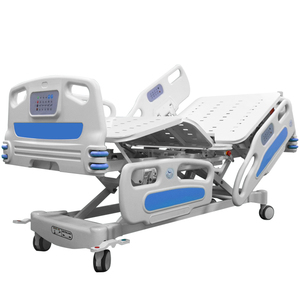
Longermay Factory Medical Hospital Bed Prices
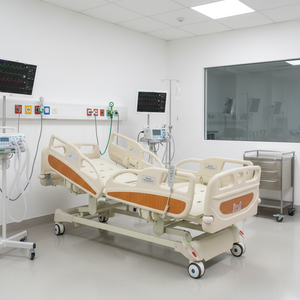
Hospital Furniture Patient Nursing Clinical Medical Bed 3/5/7 Function Electric Hospital ICU Bed
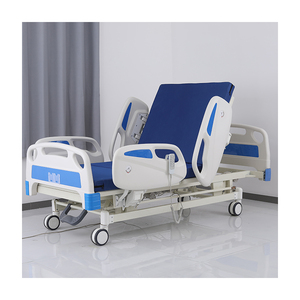
Chenhong CH-C8 Factory Supplied Double-Shaking Stainless Steel Class II Medical Beds For ICU & Hospital Wards
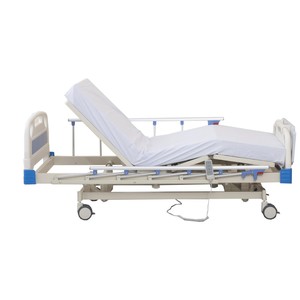
GRACEMED 3-Function Hospital Electronic Medical Bed with L&K Motor CE Certified 1-Year Warranty
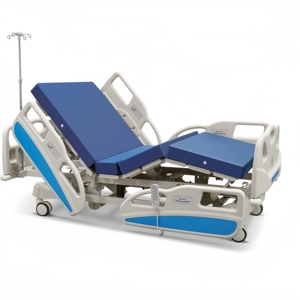
Cama Clinica Medical Patient Bed 5 Function ICU Electric Hospital Bed With Mattress
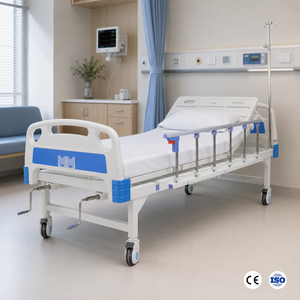
OEM Custom 2-Function Manual Medical Hospital Bed With Adjustable Anti-Collision ABS Headboard for Clinic Patient Care
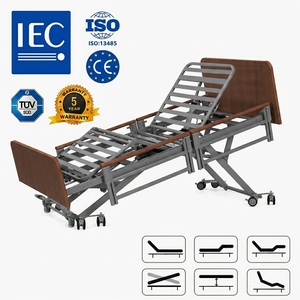
Electric Hospital Bed For Home Use Adjustable Patient Medical Bed With Rails 5-Year Warranty IEC 60601 Nursing Home Care Bed
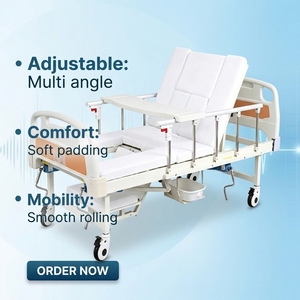
Hospital Grade Multifunctional Manual Nursing Bed with Steel Construction for Clinic Patient Care
Why Leading Global Healthcare Suppliers Source from Premium Chinese OEM Manufacturers
Over the past two decades, China has evolved from a component sub-assembly hub into the world's primary epicenter for advanced medical furniture manufacturing, combining high-grade robotic steel fabrication with precision electric actuation systems.
Certified ISO 13485 QMS Architecture
Top tier manufacturers operate strict Quality Management Systems specifically audited for Class II medical device manufacturing, guaranteeing batch-to-batch traceability, raw material certifications, and flawless weld integrity.
Integrated Motor Actuator Options
Direct access to world-class silent linear actuators including LINAK, DewertOkin, and high-performance certified L&K / Timotion motor systems, offering IPX4 water resistance and emergency manual lowering levers.
End-to-End OEM / ODM Customization
From custom bed dimensions, bed board perforation patterns, central locking caster brake mechanisms, to custom color-coded ABS side-rail assemblies and branded control handsets.
Strategic Sourcing Guide: Top China Electric Bed Manufacturers & Exporters Analysis
When global hospital procurement boards, government healthcare tenders, and medical equipment distributors evaluate China electric bed manufacturers and exporters, the selection criteria extend far beyond simple pricing. As healthcare systems globally face increasing patient acuity rates, aging demographics, and stringent caregiver safety mandates, electric medical beds have evolved into critical therapeutic instruments.
This comprehensive whitepaper provides B2B healthcare buyers with deep tactical insights into supply chain dynamics, technological trends, quality management standards (such as IEC 60601-2-52), and risk mitigation strategies required when negotiating OEM contracts with Chinese medical device manufacturers.
1. Comparative Sourcing Matrix: Tier-1 Chinese Exporters vs. Regional Assemblers vs. European OEMs
Understanding the manufacturing landscape in China is crucial for maximizing total value and avoiding post-installation failures. The table below illustrates the structural and operational distinctions across manufacturer tiers:
| Evaluation Metric | Tier-1 Chinese Export Manufacturers | Low-Cost Local Assemblers | Traditional European Brands |
|---|---|---|---|
| Regulatory Compliance | ISO 13485, FDA 510(k), CE MDR, IEC 60601-2-52 | Basic CE Mark (Self-Declared), Limited Testing | Full Global Compliance (CE MDR, FDA, TGA) |
| Actuator & Motor Hardware | LINAK / DewertOkin / Grade-A L&K Motors | Unbranded Domestic Motors (High Noise, Low Cycle) | LINAK / Proprietary European Motors |
| Steel Frame Treatment | Robotic Laser Cut, Phosphating & Anti-Bacterial Powder Coating | Manual Weld, Standard Spray Paint (Prone to Rust) | Automated Robotic Weld & Premium Epoxy Coating |
| Safe Working Load (SWL) | 230 kg to 300 kg (Bariatric Rated) | 135 kg to 170 kg (Limited Margin) | 250 kg to 320 kg |
| Caster & Brake Systems | Central Locking Brake Pedal (TENTE / Secure Castors) | Individual Plastic Wheel Brakes | Central Dual-Pedal Locking Castor Systems |
| Total Cost of Ownership (TCO) | Optimal (High Durability / Low Freight Cost) | High Long-Term Cost (High Maintenance Rate) | Extremely High Initial Capital Expenditure |
2. Global Sourcing & Future Procurement Trends (2025–2030)
The international market for medical furniture is undergoing a rapid transition driven by modern patient care protocols. Key procurement trends shaping the future orders of electric hospital beds include:
- Integrated Weighing & Patient Telemetry: Modern Intensive Care Unit (ICU) beds are no longer static positioning frames. Top exporters now offer embedded digital load cell weighing systems with LCD interfaces built directly into the side rails, enabling continuous patient mass monitoring without physical transfer.
- Out-of-Bed Fall Prevention Sensors: Hospital-acquired falls present severe clinical liabilities. Advanced 5-function and 7-function electric beds incorporate pressure-sensing pads, side-rail safety angle indicators, and nurse-call interface sockets that immediately alert central nursing stations upon unauthorized patient exit.
- Radiographic & C-Arm Translucency: High-end ICU electric beds feature radiolucent HPL (High-Pressure Laminate) bed decks with built-in X-Ray cassette sliders. This allows clinical teams to perform thoracic and abdominal radiography directly in the ward, minimizing movement for critically ill patients.
- Home Care & Long-Term Nursing Decentralization: As healthcare systems shift towards home-based recovery, the demand for foldable 3-function and 5-function electric home care beds has escalated. Buyers prioritize low-bed height profiles (as low as 250mm off the floor) to prevent fall injuries during sleep.
3. Technical Analysis: Core Functions of Modern Electric Hospital Beds
When specifying custom OEM hospital bed requests, engineering teams must define exact functional configurations. Below is an anatomical breakdown of standard movement configurations available from leading exporters:
Backrest Adjustment (0° - 75°)
Powered by linear actuators to relieve respiratory distress, support Fowler positioning, and facilitate comfortable eating and reading postures for long-stay patients.
Knee-Rest / Leg-Rest Lift (0° - 45°)
Prevents patient sliding toward the foot of the bed (shear force reduction) while improving lower extremity venous return and preventing deep vein thrombosis (DVT).
Hi-Low Vertical Height Adjustment
Allows height adjustment from ~400mm (safe transfer for patients) up to ~800mm (ergonomic working height for nurses, preventing caregiver lumbar strain).
Trendelenburg & Reverse Trendelenburg (±16°)
Vital for shock management, emergency circulatory stabilization, and surgical recovery positioning. Controlled seamlessly via central attendant control panels.
One-Button Cardiac Chair Position
Simultaneously articulates backrest, thigh-rest, and tilt angles to transition the patient into a seated upright chair position, expanding lung capacity without leaving the bed.
Emergency Manual CPR Release
Mechanical quick-release levers located on both sides of the bed frame allow instant horizontal flattening of the backrest during cardiac arrest emergencies.
4. Quality Assurance Protocols & Regulatory Standard Audits
To safeguard hospital investments and ensure international customs clearance, direct buyers must verify compliance with international standards during factory audits:
- IEC 60601-2-52 Standard Compliance: This standard mandates strict dimensions for side-rail entrapment gaps (preventing neck/head entrapment), structural static and dynamic load testing, and mechanical strength requirements under maximum load.
- IPX4 Fluid Ingress Protection: Electric actuators, control boxes, and hand controllers must withstand liquid spills, disinfectant washing, and routine sanitation sprayings without electrical short-circuiting.
- Electromagnetic Compatibility (IEC 60601-1-2): Actuator motors must produce minimal electromagnetic emissions so as not to interfere with nearby cardiac monitors, ventilators, or infusion pumps.
- Salt Spray & Adhesion Testing: Cold-rolled steel bedframes must undergo multi-stage zinc phosphating followed by electrostatic powder coating, tested for over 500 hours of continuous salt spray exposure to prevent corrosion in humid tropical hospital wards.