Featured Trauma Implants & Surgical Systems
Explore our top-tier titanium dynamic compression plates, low-profile locking systems, and precision surgical instruments crafted for global distributors and medical institutions.
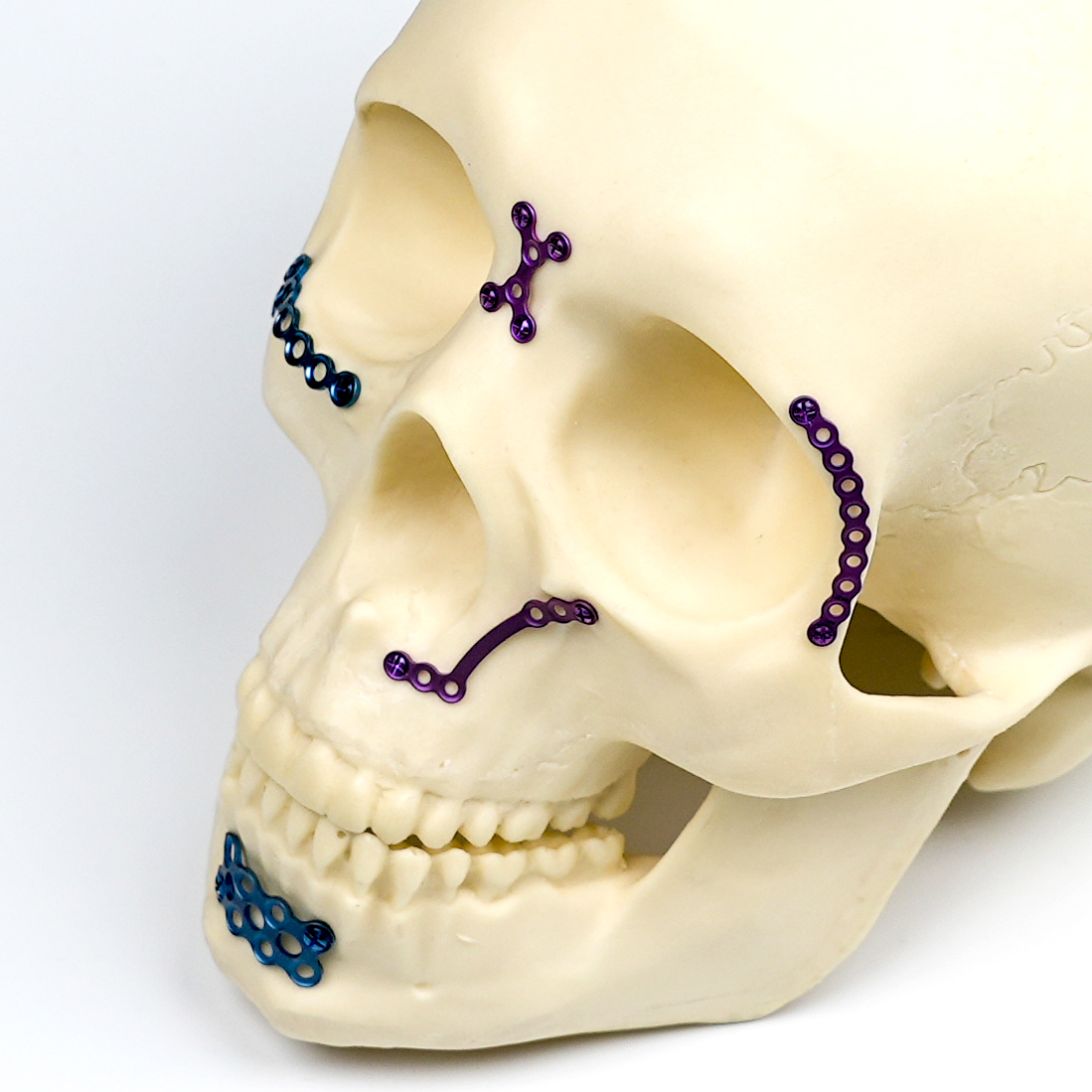
CANWELL CMF Titanium Maxillofacial Plate & Screw System
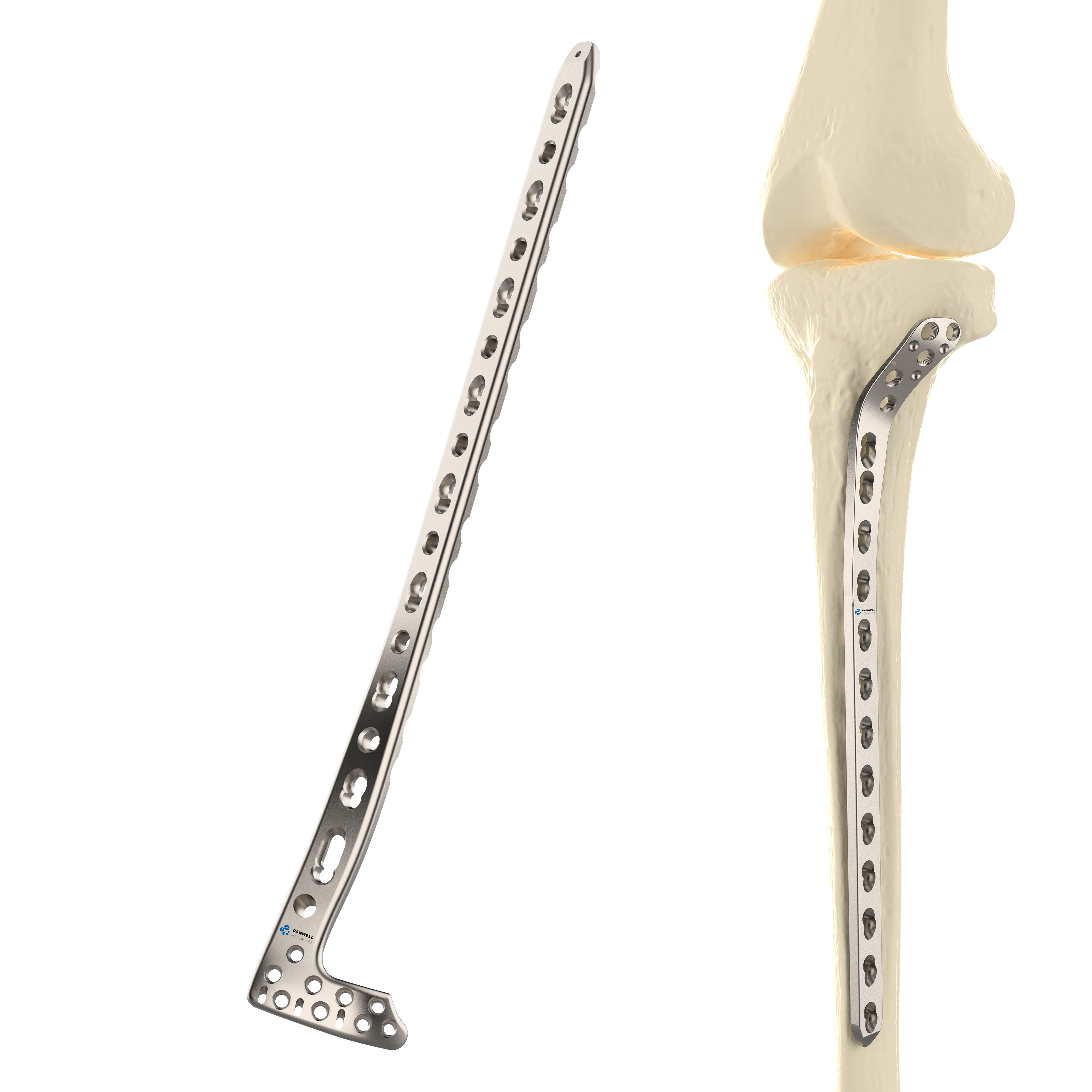
CANWELL Distal Tibial Low Profile Locking Plate Fixation System
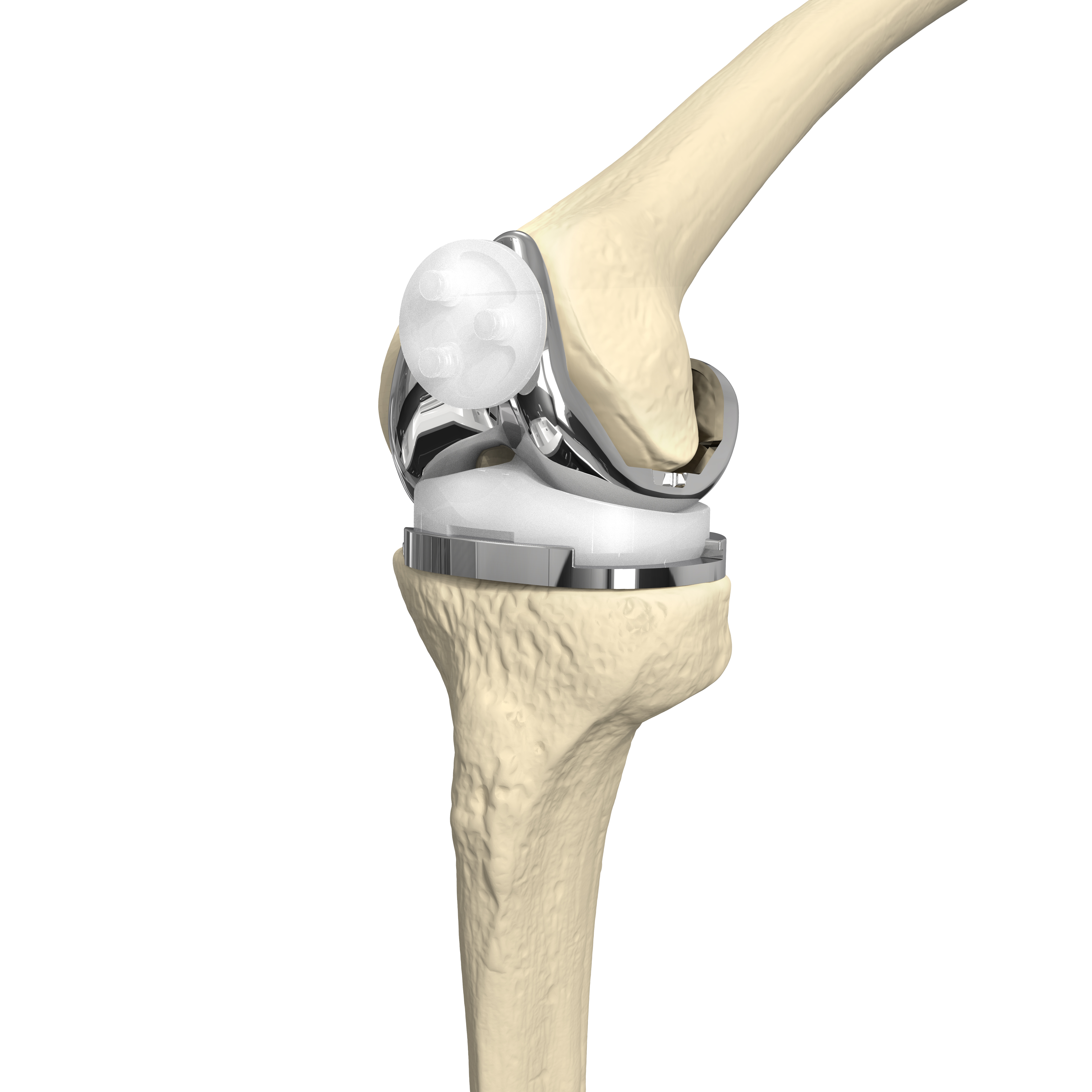
CANWELL CE Certified Artificial Knee Joint Replacement Kit
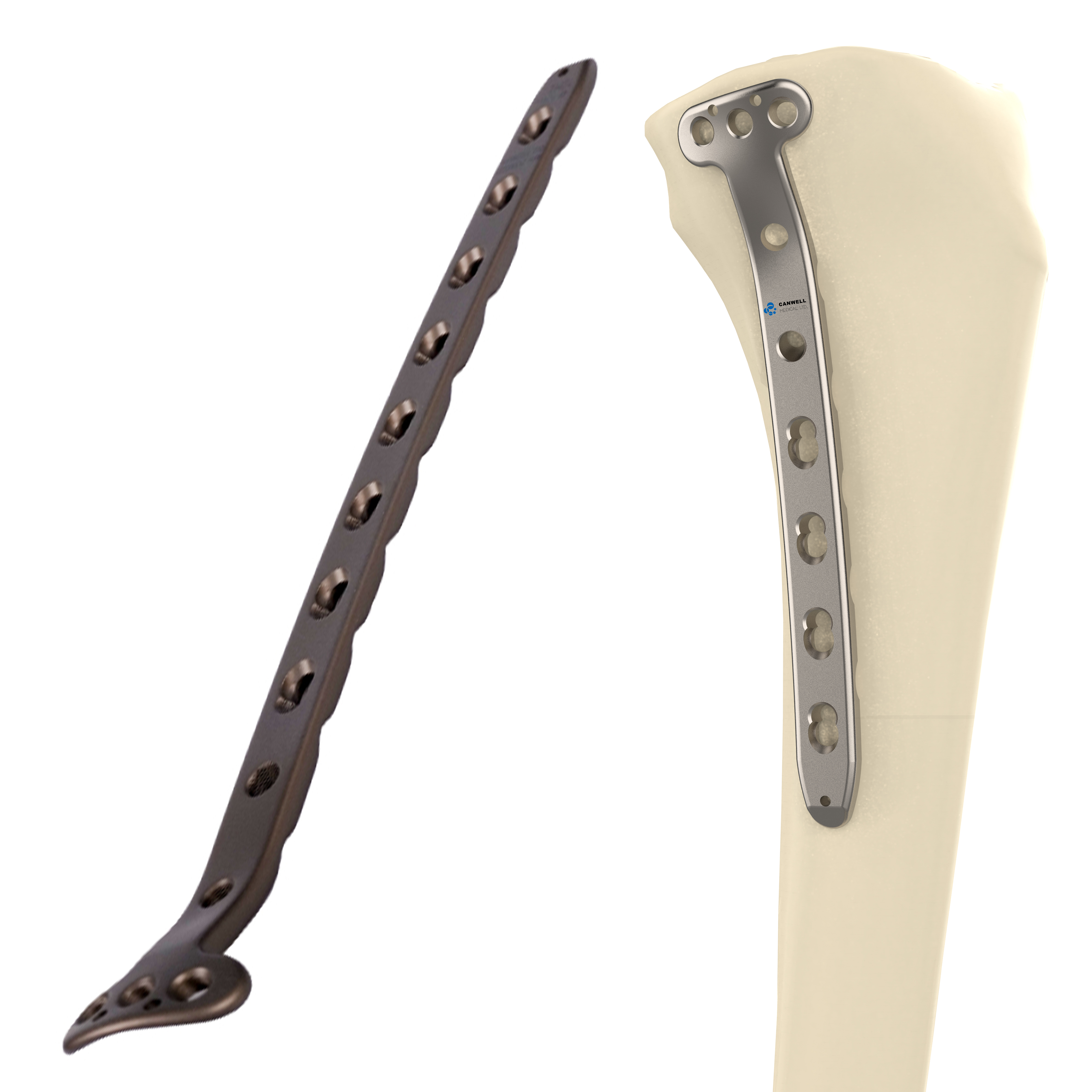
CANWELL Proximal Medial Titanium Tibial Locking Plate
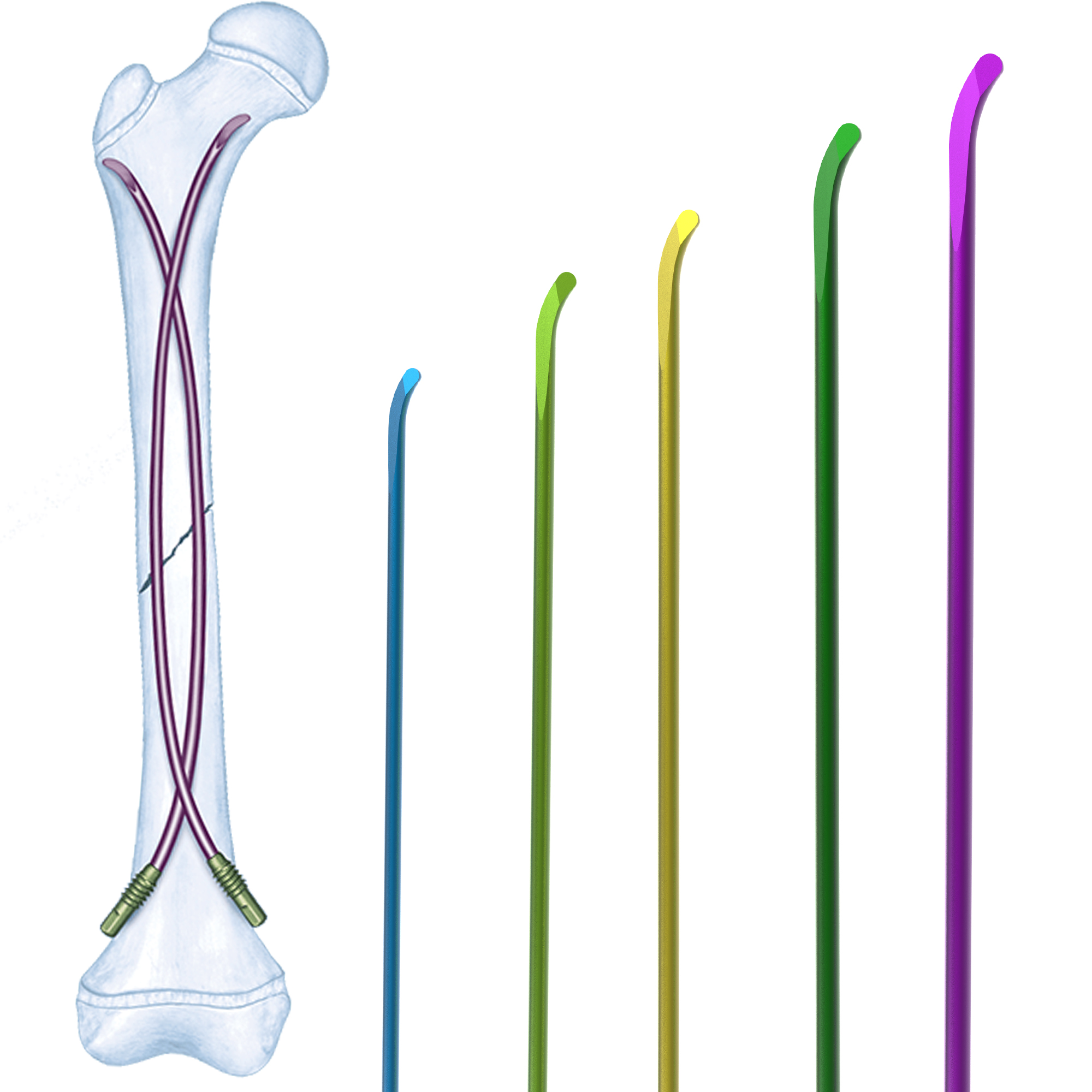
Canwell Titanium Elastic Stable Intramedullary Nail (TEN)
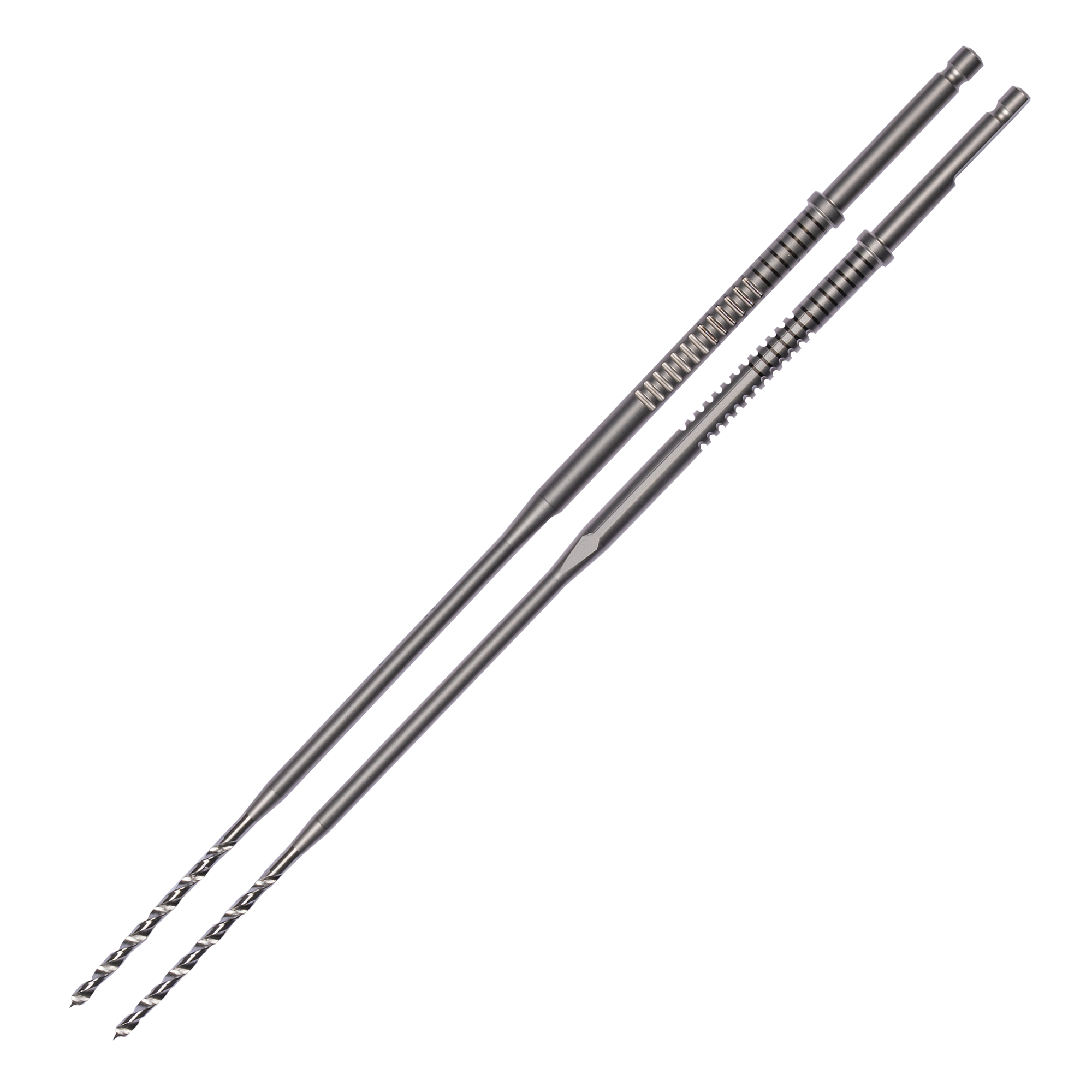
CANWELL Bone Drill Bit Flexible Surgical Quick Coupling System
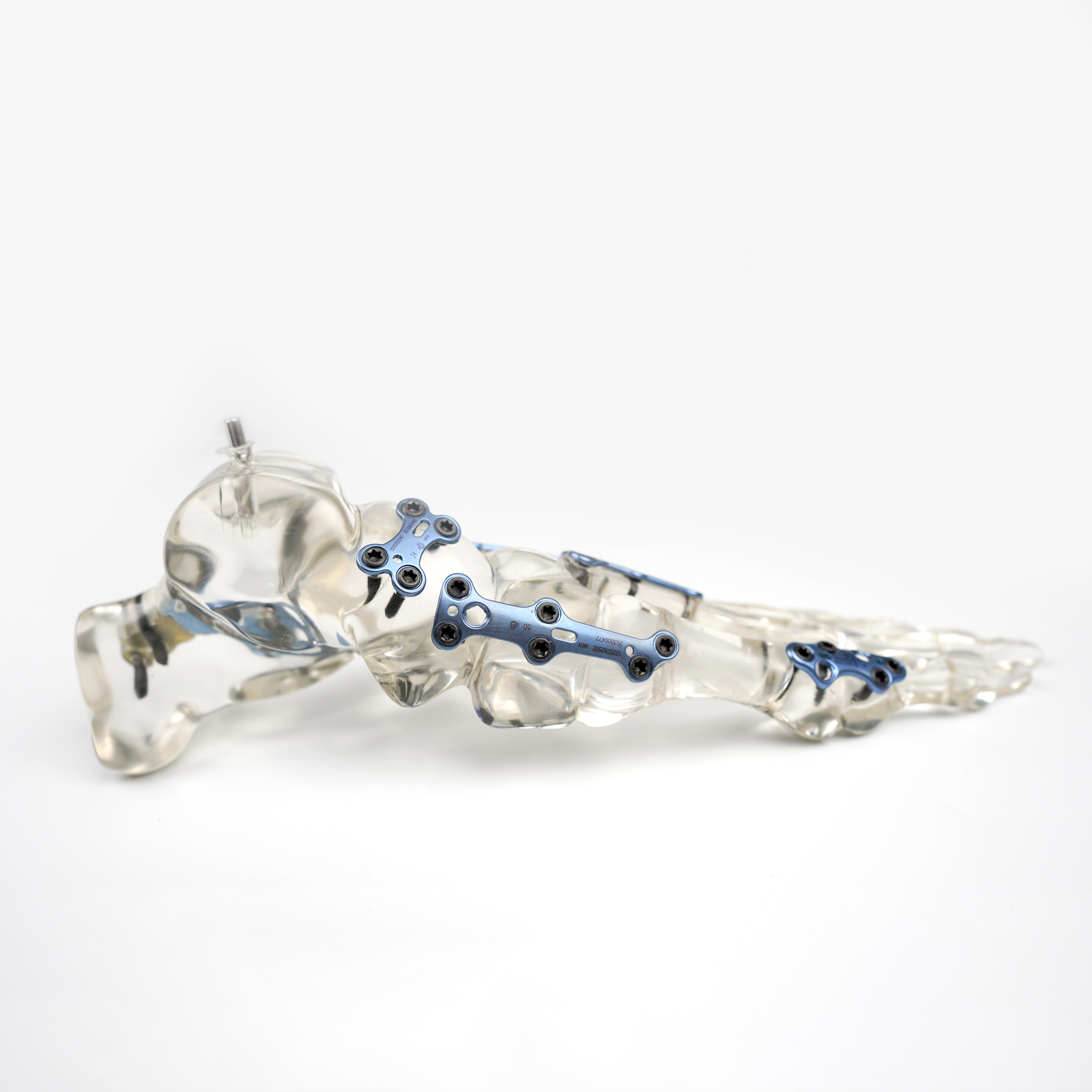
Orthopedic Implants Foot & Ankle Reconstruction System
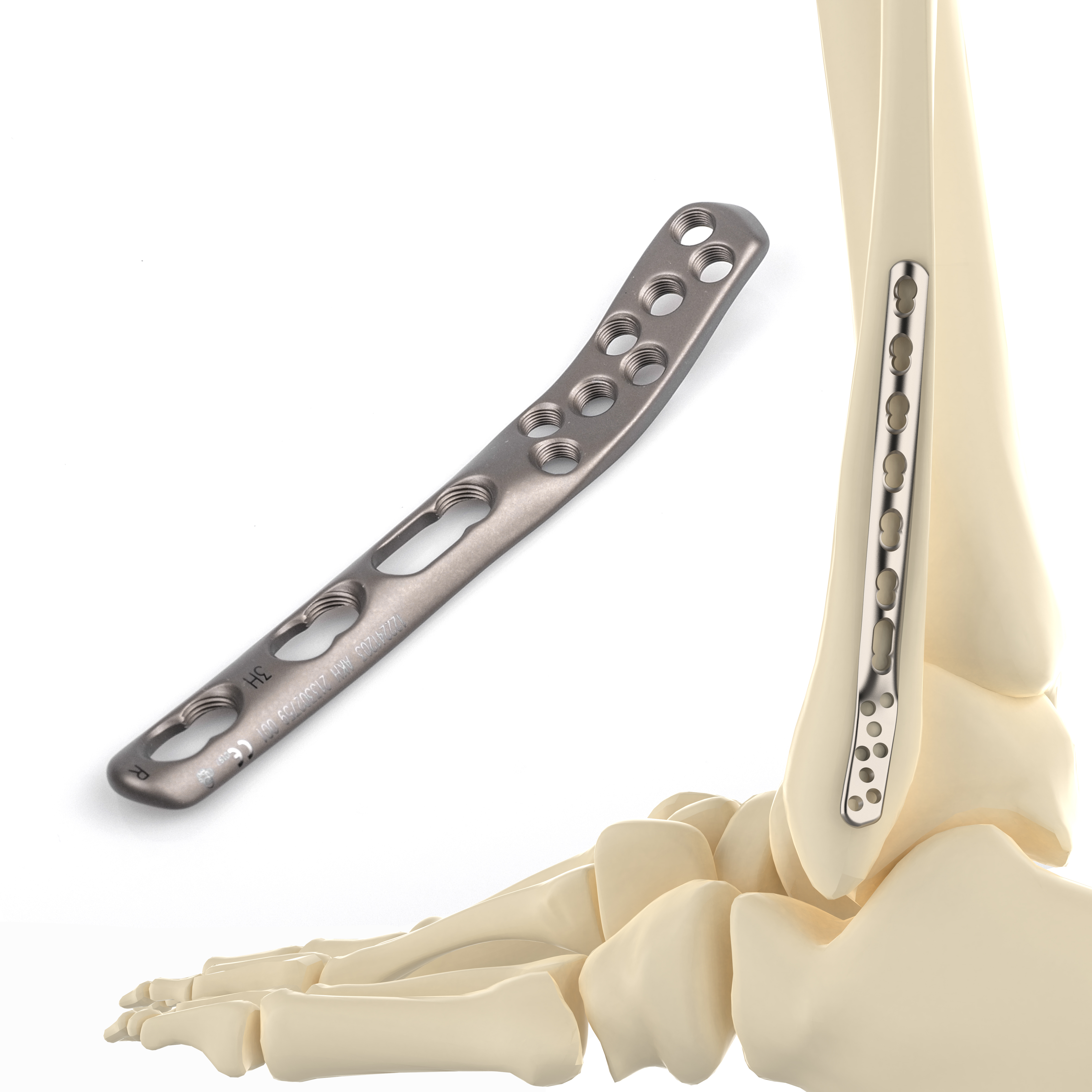
CANWELL Titanium Posterolateral Distal Fibula Locking Plate
Biomechanical Engineering Principles of Dynamic Compression Plates (DCP)
Dynamic Compression Plates (DCP) represent a cornerstone in orthopedic trauma surgery, utilizing precision-engineered dynamic geometry to achieve rigid internal osteosynthesis without external immobilization.
Spherical Gliding Principle
The core biomechanical innovation of the DCP lies in its specially shaped oval screw holes with inclined ramps. As spherical-headed cortical screws are tightened, the head slides down the ramp, shifting the underlying bone fragment horizontally by up to 1.0mm per screw to generate potent axial compression across the fracture line.
Primary Bone Healing
By eliminating interfragmentary motion under physiological loads, DCP constructs foster primary (direct) bone healing without callus formation. Interfragmentary compression increases friction stability between bone ends, significantly reducing micro-motion that could lead to non-union or delayed union.
LC-DCP Vascular Preservation
Modern evolution introduced the Limited Contact Dynamic Compression Plate (LC-DCP). Featuring undersurface undercut grooves, the LC-DCP reduces plate-to-bone contact by up to 50%, preserving periosteal capillary blood supply, minimizing cortical necrosis, and lowering post-operative stress-shielding effects.
"Information Gain Insight: Advanced finite element analysis (FEA) indicates that transitioning from conventional flat-bottom DCPs to undercut LC-DCP geometries restores up to 38% more periosteal perfusion while preserving structural rigidity under torsional and bending loading vectors."
Biomechanical Fixation System Comparison
| System Type | Compression Mechanism | Periosteal Contact Area | Primary Indication | Biological Impact |
|---|---|---|---|---|
| Standard DCP | Dynamic Inclined Gliding Ramp | High (~85-100%) | Diaphyseal Transverse Fractures | Rigid Fixation Potential localized temporary ischemia |
| LC-DCP (Limited Contact) | Symmetrical Dynamic Slope + Undercuts | Medium (~40-50%) | Complex Long Bone Fractures | Vascular Protection Faster cortical revascularization |
| LCP (Locking Compression) | Combination Hole (Gliding + Threaded) | Minimal (Off-plate elevation) | Osteopenic Bone & Comminuted Fractures | Biological Healing Angular stable construct |
Material Engineering & Metallurgical Integrity
Reliability in orthopedic trauma implants starts at the atomic level. Our raw materials undergo rigorous chemical and mechanical screening to exceed international medical standards.
Ti-6Al-4V ELI (ASTM F136)
Extra Low Interstitial Grade 5 Titanium alloy provides superior strength-to-weight ratio, outstanding fatigue limit, and ultimate biocompatibility. Modulus of elasticity (110 GPa) closely matches cortical bone compared to steel, reducing stress shielding.
Medical Steel 316LVM (ASTM F138)
Vacuum Arc Remelted (VAR) stainless steel provides high tensile strength, supreme ductability for intraoperative contouring, and exceptional resistance to pitting corrosion in physiological saline environments.
Type II Electrochemical Anodization
Titanium surface modification creates a dense oxide layer that enhances surface hardness, reduces wear debris release, prevents fretting corrosion, and provides color-coded dimensional identification for operating room staff.
CNC Precision Tolerances
Multi-axis Swiss longitudinal CNC lathes ensure machining tolerances within ±0.005mm. Screw hole ramp angles, counter-sink geometry, and thread profile pitches are 100% verified via optical profile projectors.
Future Procurement Trends & Market Dynamics in Trauma Systems
As global healthcare systems demand higher quality compliance alongside cost efficiency, medical device buyers must navigate key shifts in supply chain management, regulatory frameworks, and product design.
1. EU MDR (2017/745) Compliance Rigor
Regulatory hurdles are shifting procurement toward established manufacturers holding direct CE MDR certifications. Importers require complete technical documentation, clinical evaluation reports (CER), and transparent Post-Market Surveillance (PMS) systems to guarantee market continuity.
2. Turnkey OEM/ODM Private Labeling
Global brand owners are moving away from multi-vendor fragmented supply chains. Leading factories now offer end-to-end OEM customization—including custom plate geometry bending, custom anodization schemes, laser etching, sterile packaging, and customized instrument kit design.
3. Hybrid Dynamic/Locking Systems
The market is rapidly adopting "Combo Hole" system designs that merge dynamic compression capabilities with threaded locking mechanics in a single plate slot. Procurement managers are consolidating inventory by specifying versatile hybrid systems that handle both simple and complex fractures.
State-of-the-Art Production & Quality Ecosystem
Our manufacturing facility represents the pinnacle of medical-grade orthopedic manufacturing, audited onsite by SGS Group and certified under ISO 13485 quality systems.
End-to-End Manufacturing
From raw material bar stock longitudinal cutting, 5-axis CNC high-speed milling, automated polishing, surface sand-blasting, penetrant defect testing, to final double-stage ultrasonic cleaning—every process is controlled in-house without sub-contracting.
Rigorous Quality Testing Lab
Our mechanical testing laboratory operates multi-axis fatigue testing machines, static four-point bending testers (conforming to ASTM F382), micro-hardness testers, and accelerated packaging aging chambers to guarantee implant survival under physiological stress.
Class 100,000 Cleanroom Packaging
Products destined for sterile delivery are processed in our certified Class 100,000 cleanroom. Utilising Tyvek heat-sealed blister packaging, implants are shielded from biological contamination and prepared for gamma-ray or ETO sterilization protocols.
Frequently Asked Questions (FAQ)
Essential answers for medical device distributors, hospital buyers, and OEM procurement managers.
What international certifications do your dynamic compression plates carry?
Can you manufacture dynamic compression plates according to custom drawings or samples (OEM/ODM)?
What raw materials are utilized for your DCP and LC-DCP implant lines?
How do you ensure interfragmentary compression precision across batch production runs?
What are the typical lead times and Minimum Order Quantities (MOQ) for B2B orders?
How are product quality control inspections handled prior to shipment?
Accelerate Your Orthopedic Supply Chain Today
Partner with an SGS-verified manufacturer. Request direct factory quotations, technical dossiers, or OEM project evaluations from our engineering experts.
Inquire Now