Featured Medical Beds & Emergency Transport Solutions
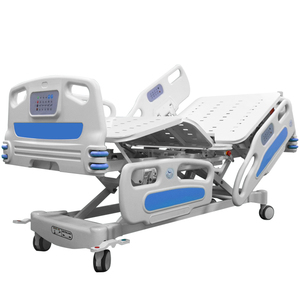
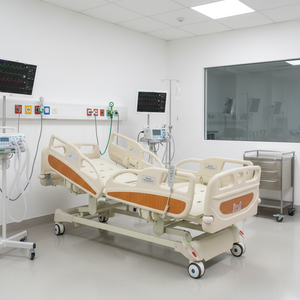
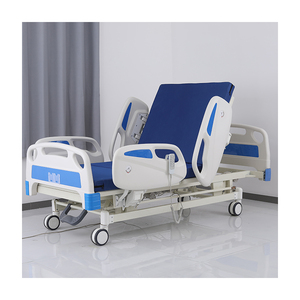
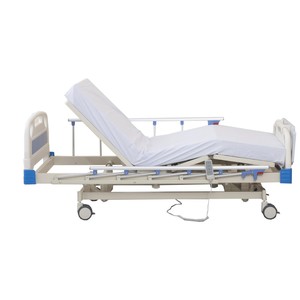
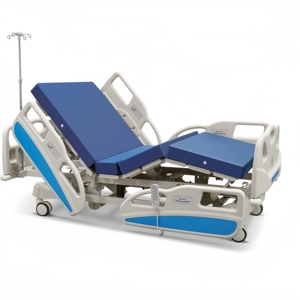
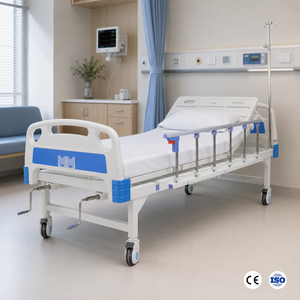
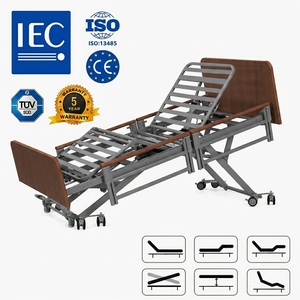
Explore our certified manufacturing line featuring hospital beds, ICU multi-function units, and hydraulic emergency stretchers compliant with international healthcare regulations.
Manufacturing Authority & Quality Engineering Standards
Precision manufacturing combined with rigorous clinical evaluation protocols guarantees high durability, low maintenance, and ultimate safety for trauma centers worldwide.
ISO 13485 & FDA Compliance
Our manufacturing processes comply fully with ISO 13485, CE MDR, and FDA 510(k) standards, ensuring reliable global regulatory clearance for medical importers.
30-Point QC Verification
Every emergency stretcher and electric ICU bed undergoes 30 rigorous quality inspections and 15 mechanical stress tests before shipment.
Global Procurement Network
Exporting to over 65 countries with dedicated OEM/ODM customisation for emergency response units, hospitals, and medical equipment distributors.
Technical Deep-Dive: Emergency Stretcher & Transfer Trolley Engineering
In acute care environments, patient transport equipment must function flawlessly under extreme physiological and operational pressure. Modern emergency stretchers (often categorized as hydraulic transport trolleys or casualty rescue stretchers) serve as an indispensable bridge between pre-hospital care, emergency department triage, radiological examination, and surgical suites. Selecting top trusted emergency stretcher factories requires evaluating structural engineering integrity, fluid movement dynamics, infection prevention materials, and compliance with IEC 60601-2-52 standards.
Strategic Procurement Takeaway: High-performing emergency stretchers incorporate dual hydraulic pumps for rapid height adjustment, fifth-wheel direction steering for tight corridor navigation, and full-length radiolucent X-ray decks that eliminate unnecessary patient repositioning during critical trauma assessments.
1. Advanced Hydraulic Systems and Elevation Dynamics
The core mechanism of a heavy-duty emergency transfer trolley resides in its hydraulic lift architecture. Premium factories utilize dual-pedal hydraulic pump systems positioned symmetrically on both sides of the base frame. This setup provides seamless height adjustment (typically ranging from 550mm to 900mm), Trendelenburg positioning (-18° to +18°), and anti-Trendelenburg tilting. Dual-side controls enable medical personnel to react immediately to cardiac events or shock states without stepping away from the patient's head or torso.
2. Directional Steering & Ergo-Maneuverability
Navigating crowded hospital hallways and fast-moving elevators requires superior caster physics. Leading manufacturers integrate a retractable 5th wheel steering mechanism (5th directional castor). When engaged, the central wheel locks into a fixed longitudinal plane, reducing the turning radius and preventing side-skidding during rapid transport. Coupled with central-locking brake pedals at all four corners, the stretcher remains immobile during emergency intubation or bedside procedures.
3. Radiological Translucency & Immediate Diagnostics
Time lost during trauma diagnostics directly affects clinical outcomes. Advanced emergency stretchers feature a full-length X-ray translucent backrest or a continuous C-arm compatible cassette platform. Constructed from high-density phenolic resin or advanced carbon-composite materials, these decks allow emergency room staff to perform chest, abdominal, and spinal X-ray imaging directly on the stretcher, eliminating painful and risky patient transfers.
Emergency Stretcher vs. Standard Ward Bed Specs
A comparative structural evaluation highlighting critical operational parameters required for emergency care vs. long-term care equipment.
| Technical Parameter | Emergency Stretcher (e.g. JE-200) | ICU Electric Medical Bed (e.g. ES-19HD) | Standard Manual Nursing Bed |
|---|---|---|---|
| Primary Application | Trauma Triage & Rapid Transport | Critical Care & Continuous Monitoring | General Ward & Post-Op Recovery |
| Drive Mechanism | Dual Hydraulic Pumps / Manual Pedal | Multi-Motor Electric (Linak/Dewert) | Manual Double-Shaking Cranks |
| Safe Working Load (SWL) | 230 kg – 300 kg | 250 kg – 350 kg | 175 kg – 200 kg |
| Mobility & Steering | 5th Wheel Steering + Central Brake | Central Brake + Directional Lock | Individual Brake Casters |
| X-Ray Compatibility | Full-length Radiolucent Deck (Optional) | Integrated Backrest X-Ray Holder | Non-Radiolucent Solid Steel |
| Positioning Speed | Instant Trendelenburg (<3 Seconds) | Electric One-Touch CPR / Chair | Manual Crank Adjustment |
Global Procurement Trends: Future of Emergency & Hospital Equipment (2025–2030)
Healthcare procurement strategies are undergoing a paradigm shift driven by demographic aging, supply chain diversification, and technological convergence. Procurement directors and medical equipment distributors must align their sourcing models with the following key developments:
1. Smart Sensing & IoT Integration
Next-generation stretchers and ICU beds are incorporating built-in weighing scales, out-of-bed pressure alarm sensors, and patient position telemetry systems. Real-time patient data streams directly to nursing stations, dramatically lowering patient fall rates and assisting caregivers in bed-exit management.
2. Infection Control & Antimicrobial Coatings
Hospital-Acquired Infections (HAIs) remain a primary concern in trauma wards. Leading stretcher factories now utilize silver-ion electrostatic powder coatings on all metallic structural frames, combined with seamless, ultrasonic-welded polyurethane mattress covers resistant to blood, chemicals, and fluid penetration.
3. Lightweight Structural Metallurgy
The demand for reduced physical exertion among nursing staff has spurred the adoption of high-tensile aircraft-grade aluminum alloys and reinforced ABS components. Modern stretchers offer maximum structural rigidity while keeping overall equipment weight minimal for smooth steering.
4. Stringent Regulatory Harmonization
With the full implementation of the European Union Medical Device Regulation (EU MDR 2017/745) and strict FDA auditing, global buyers are consolidating order volumes with certified tier-1 manufacturers capable of delivering full technical documentation and clinical evaluation reports.
Frequently Asked Questions by Medical Procurement Officers
Clear guidance on factory selection, compliance standards, MOQ requirements, and custom manufacturing options.
Partner with Certified Medical Stretcher Experts
Whether you are issuing a government healthcare tender, equipping a new hospital emergency department, or expanding your medical distribution network, our engineering team is ready to deliver tailored OEM/ODM solutions.