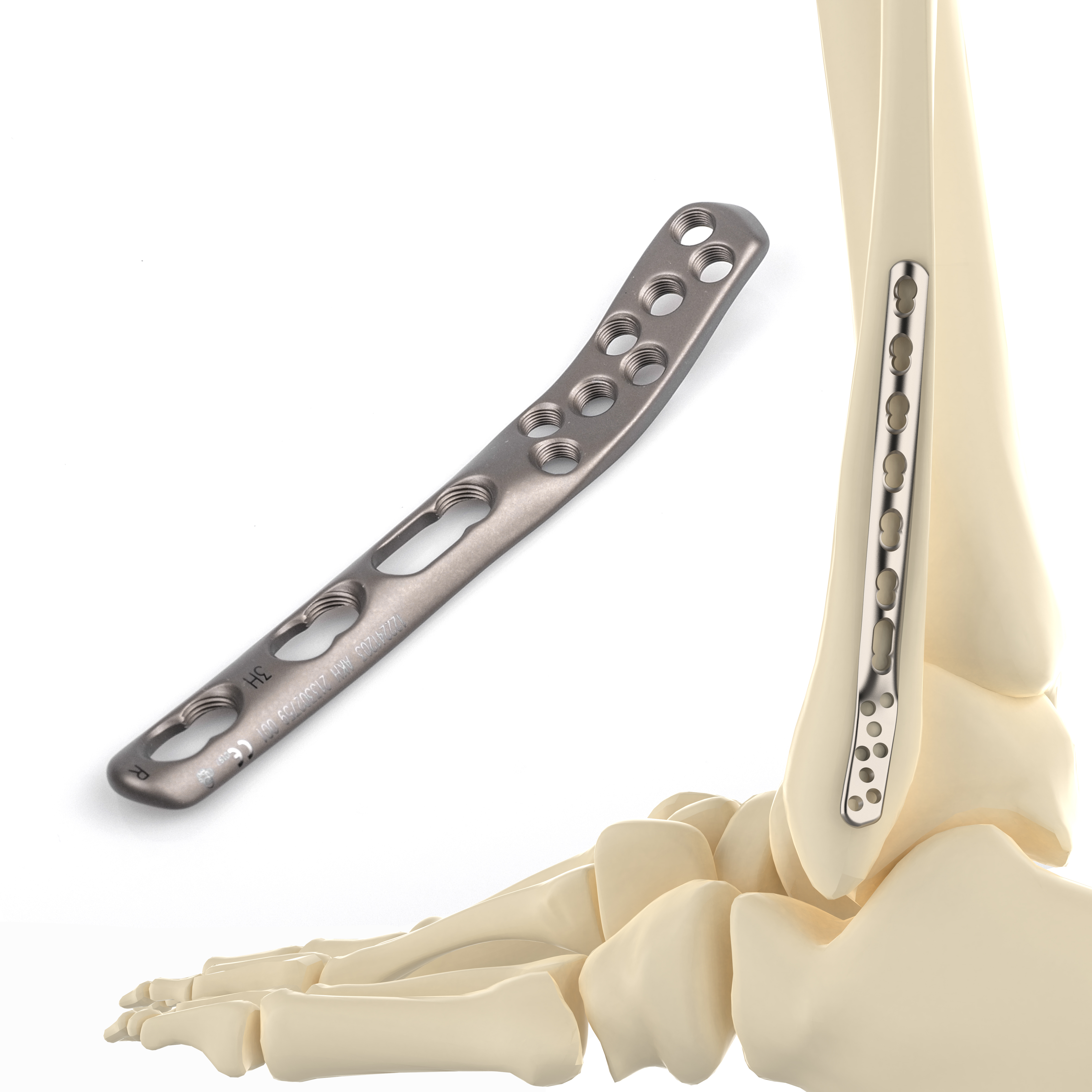
Posterolateral Distal Fibula Locking Plate System
Anatomically contoured posterolateral fibula locking plate engineered for 2.7mm/3.5mm cortex & locking screws, ensuring optimal articular alignment and micro-motion minimization.
Technical SpecsSGS-verified, CE-certified orthopedic implants manufactured with medical-grade Titanium (Ti-6Al-4V ELI) and PEEK polymers under strict ISO 13485 quality protocols.
Anatomically contoured posterolateral fibula locking plate engineered for 2.7mm/3.5mm cortex & locking screws, ensuring optimal articular alignment and micro-motion minimization.
Technical Specs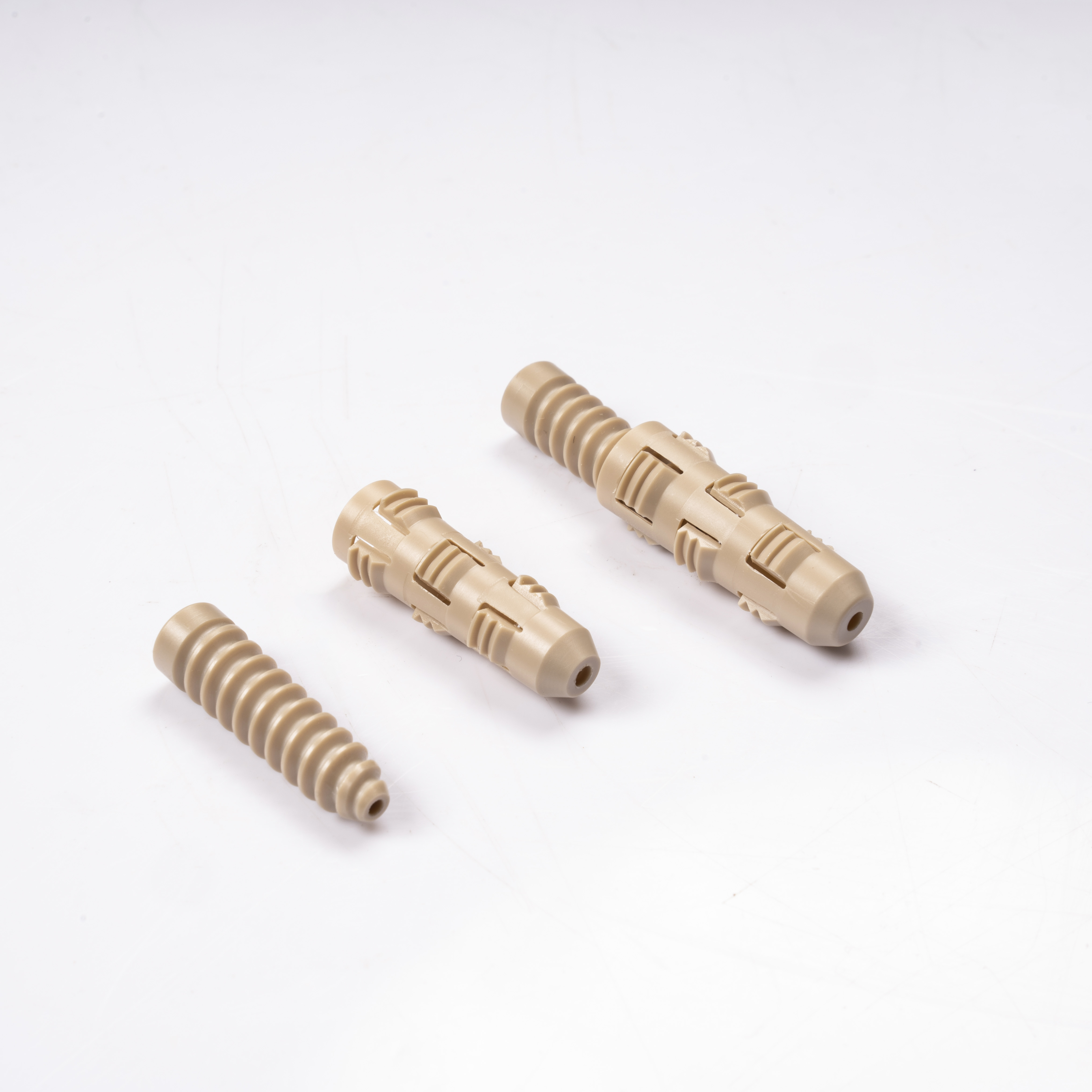
Biocompatible radiolucent PEEK polymer interference screw for ligament fixation, featuring rounded thread contours to preserve soft tissue integrity during graft insertion.
Technical Specs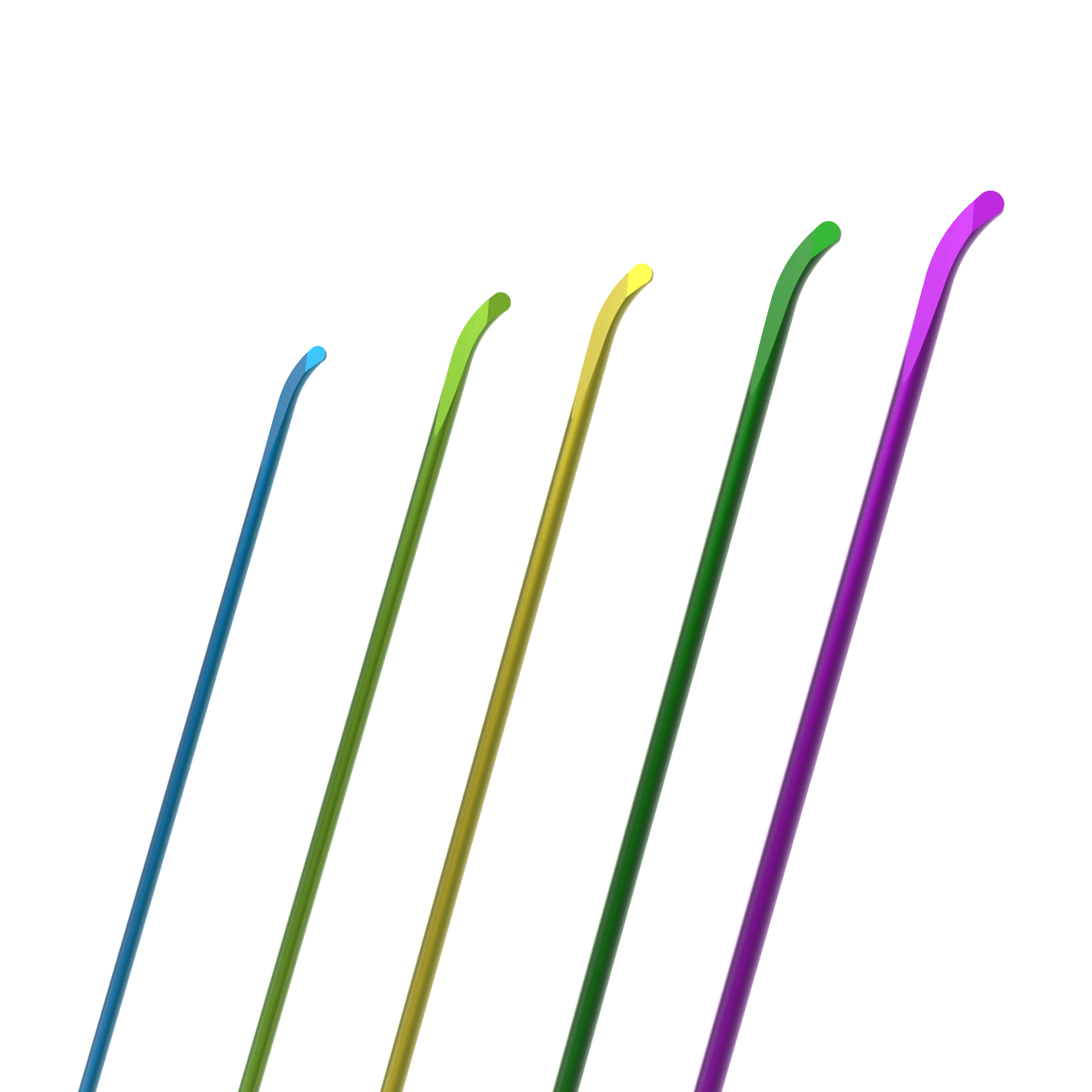
Flexible titanium intramedullary nails with full surgical instrument sets designed specifically for minimally invasive pediatric long-bone fracture stabilization.
Technical Specs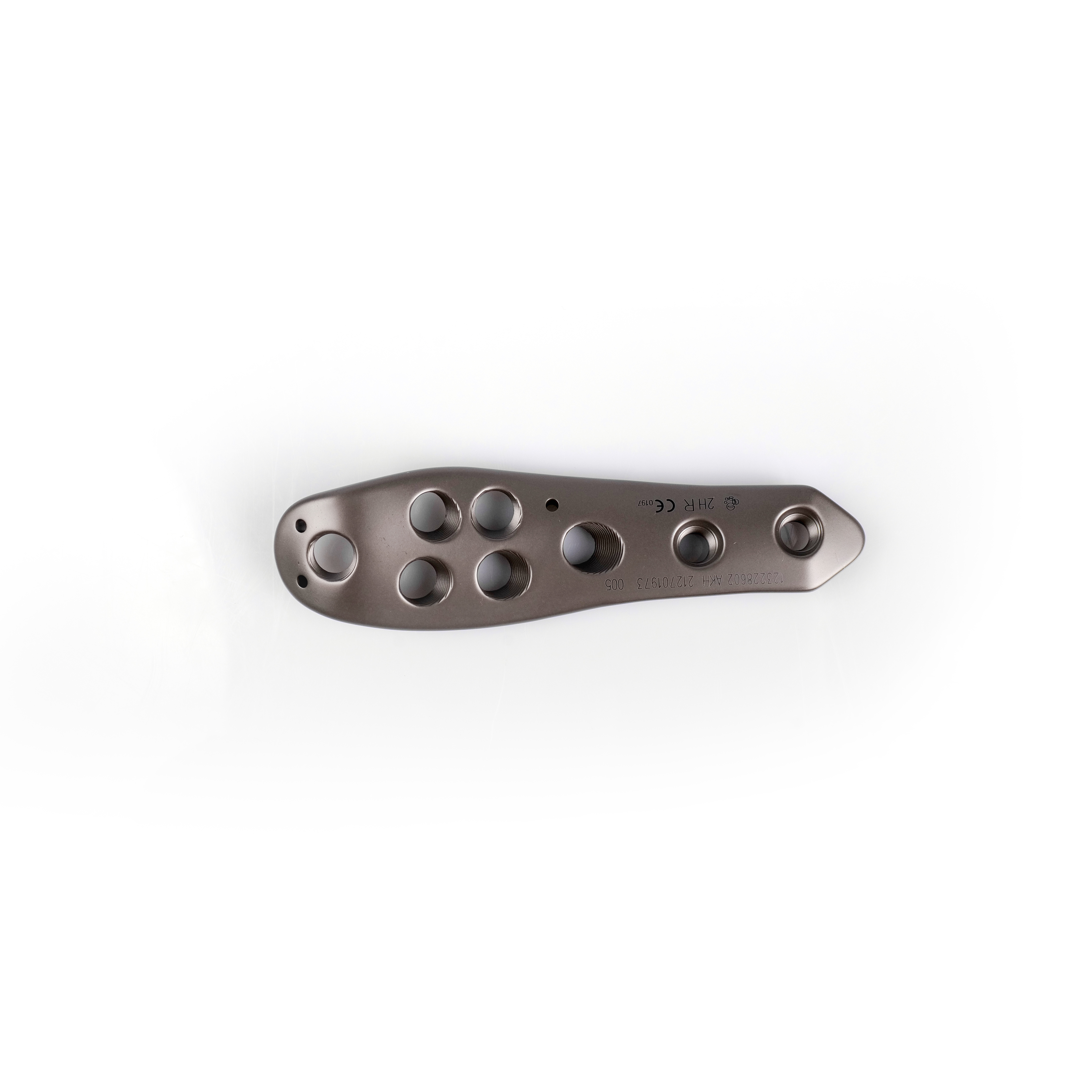
High-strength titanium alloy distal femoral outer-side locking plate designed for complex supracondylar and intra-articular comminuted fracture compression.
Technical Specs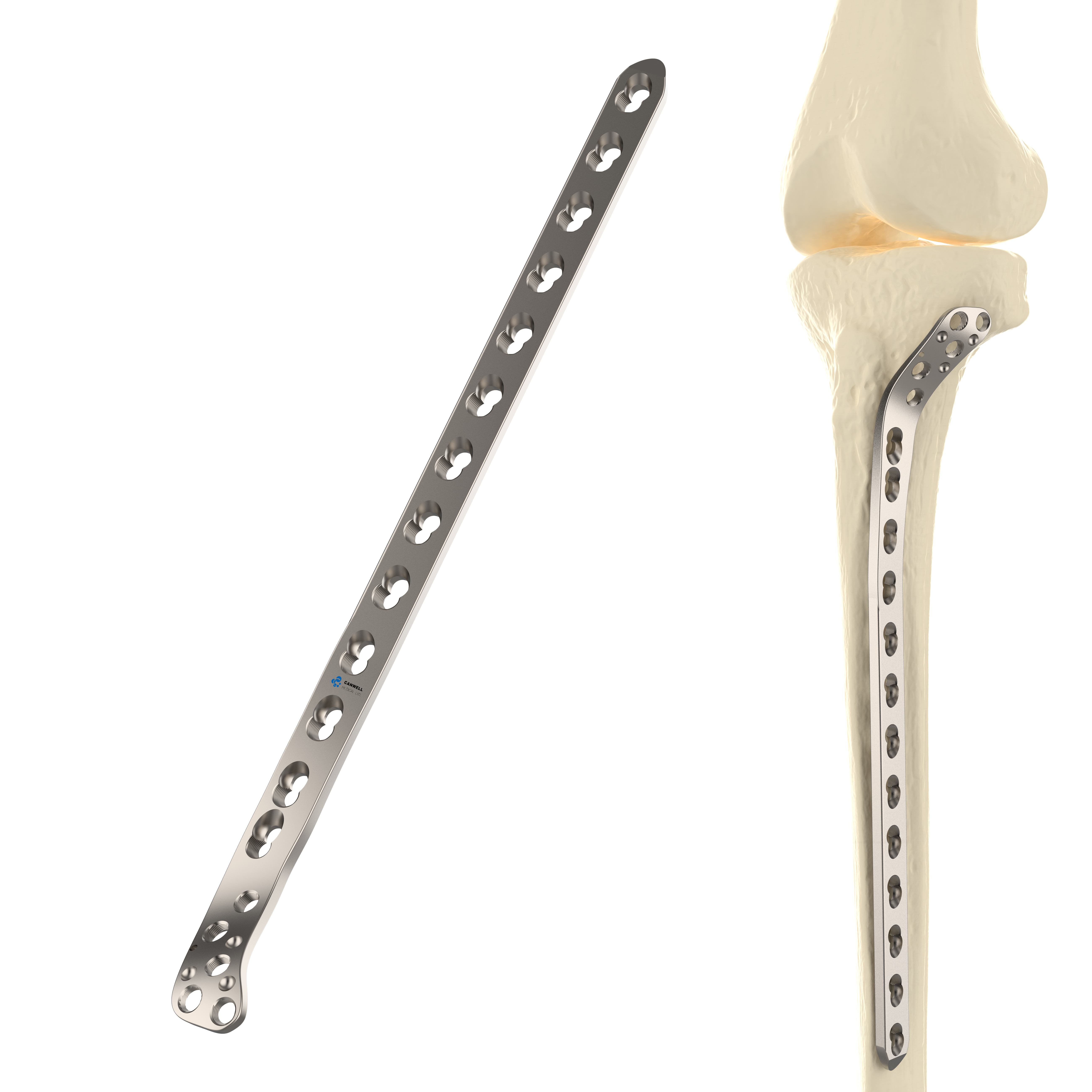
5.0mm system proximal tibial bone plate featuring anatomical contour fitting, combi-holes for dual compression, and multi-planar locking angle capability.
Technical Specs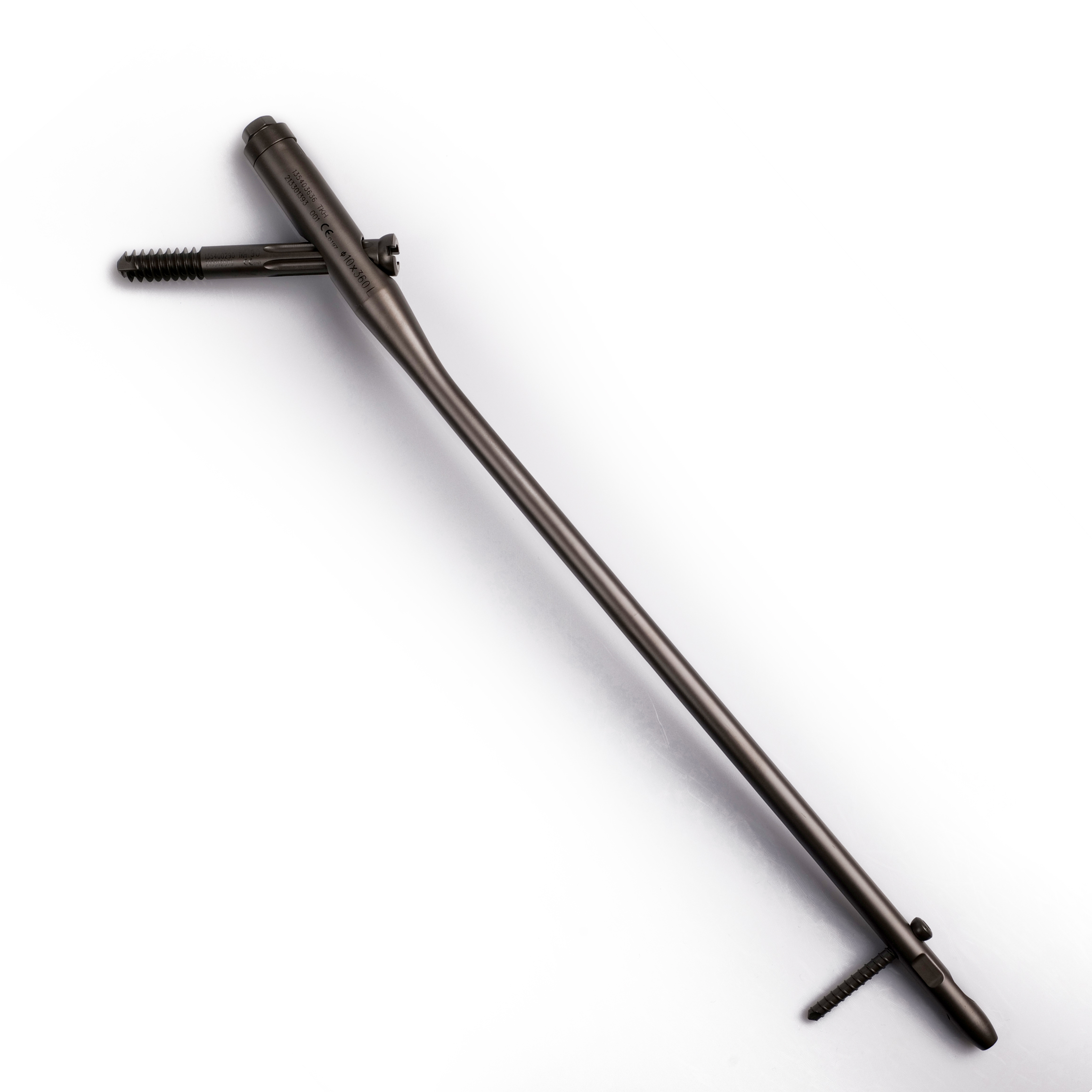
Proximal Femoral Nail Antirotation (PFNA) titanium system delivering load-sharing internal fixation for trochanteric and subtrochanteric femoral fractures.
Technical Specs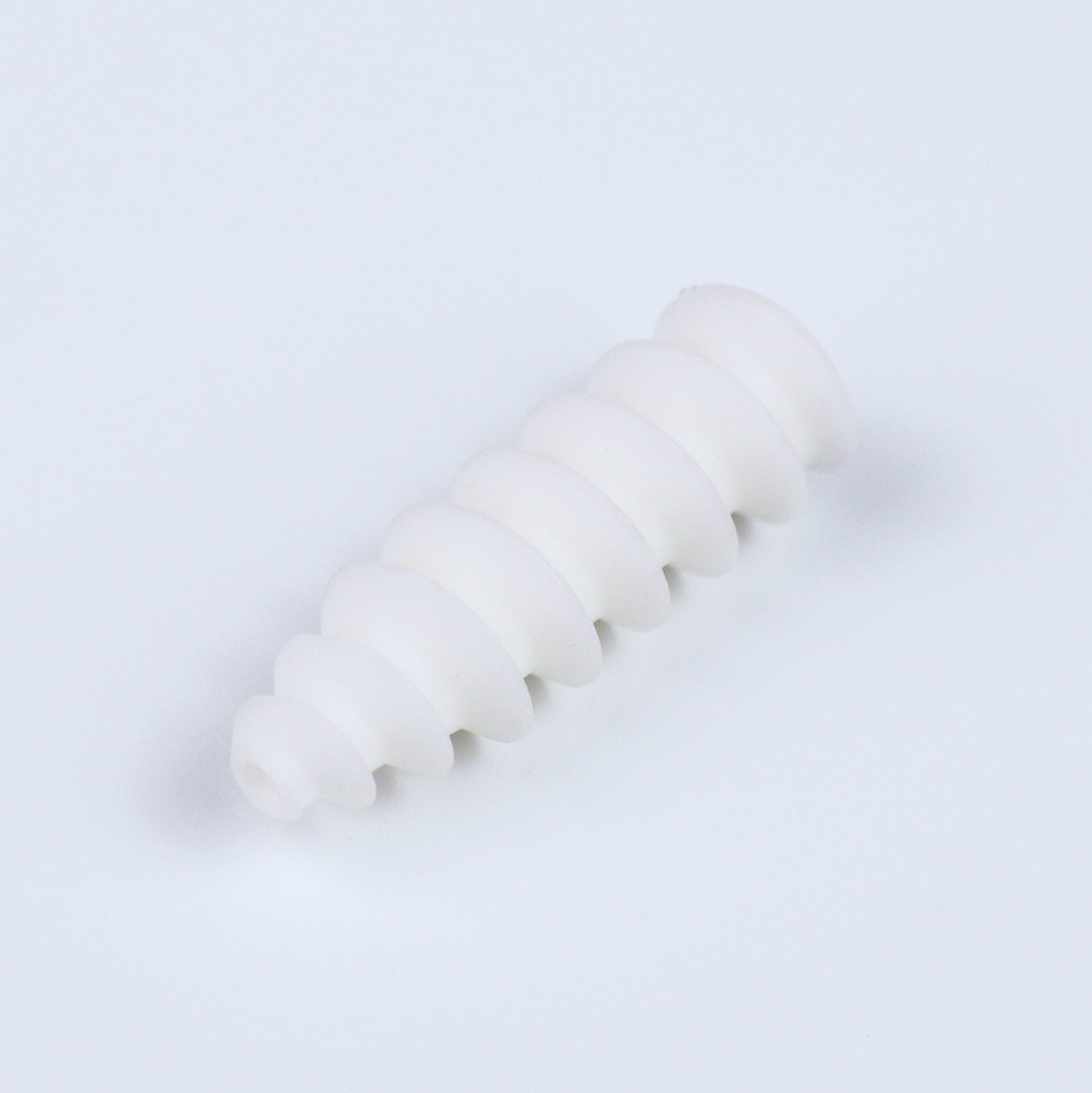
Advanced Poly(lactic-co-glycolic acid) bioabsorbable screw engineered for sports medicine arthroscopy, facilitating gradual osteoconductive bone remodeling.
Technical Specs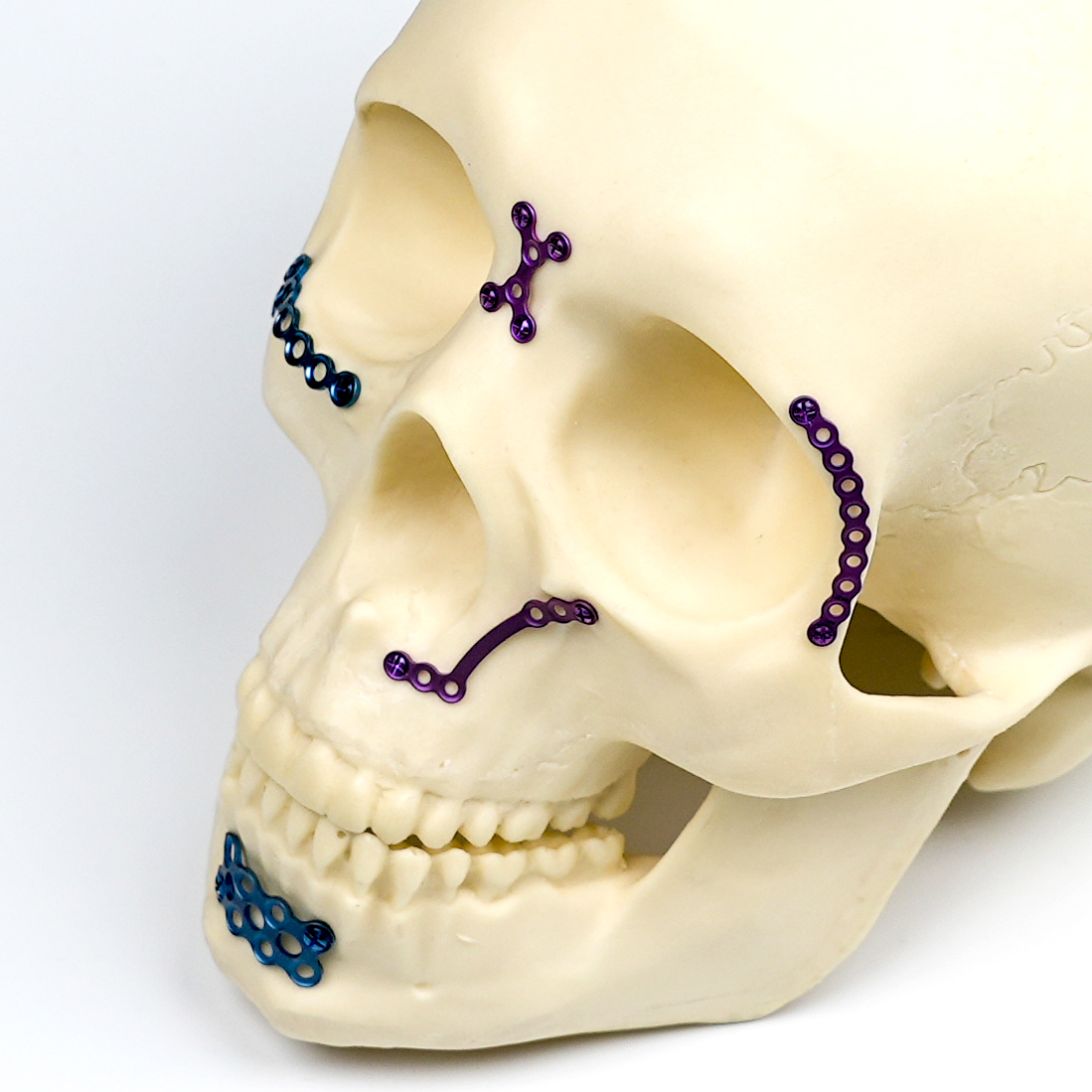
Ultra-low profile micro and mini titanium bone plates designed for craniomaxillofacial reconstruction, orbital rim repair, and oral orthognathic trauma surgery.
Technical SpecsThe global fracture fixation market is undergoing a profound paradigm shift driven by demographic aging, complex trauma cases, and strict regulatory changes, notably the transition to the European Union's Medical Device Regulation (EU MDR 2017/745). Hospital procurement teams, orthopedic brand owners, and international distributors require direct manufacturing partners capable of combining metallurgical mastery with total regulatory compliance.
Key Takeaway for B2B Buyers: Procuring fracture fixation devices requires evaluating raw material traceability (Ti-6Al-4V ELI ISO 5832-3), micro-machining precision tolerances (±0.005mm), sub-micron surface roughness (Ra < 0.4 µm), and documented cleanroom washing cycles to mitigate cross-contamination and implant failure risks.
Modern orthopedic trauma implants—such as variable-angle distal radius plates, proximal tibial locking plates, and intramedullary interlocking nails—demand uncompromised structural integrity. Premier Chinese manufacturers leverage high-precision Swiss-type 5-axis CNC machining centers to process biocompatible Grade 5 Titanium alloy (Ti-6Al-4V ELI) and PEEK (Polyether ether ketone). Titanium alloy ISO 5832-3 provides an optimal modulus of elasticity closer to human cortical bone, reducing the incidence of stress shielding compared to traditional 316L stainless steel.
To meet stringent hospital tender requirements across Europe, North America, and Latin America, top-tier factories utilize a closed-loop 13-stage manufacturing and verification workflow:
Operating a 29,523 m² modern manufacturing facility with over 632 dedicated staff and 22+ years of clinical innovation, our enterprise provides end-to-end OEM/ODM manufacturing solutions.
Our manufacturing plant has undergone comprehensive onsite supplier assessment by SGS Group, verifying production capacity, trade authenticity, and institutional quality control.
Complete regulatory documentation support—including Declarations of Conformity (DoC), technical files, and mechanical fatigue test reports—facilitates fast local product registration.
Private label laser marking, custom plate bending radii, specialized screw pitch designs, and custom sterilizable instrument container trays built directly to your CAD drawings.
As trauma care protocols advance toward minimally invasive stabilization and faster biological healing, orthopedic procurement professionals must anticipate major technological and supply-chain shifts:
Traditional fixed-angle locking plates are increasingly being superseded by Variable-Angle (VA) locking mechanisms. Polyaxial locking holes allow surgeons to angle screws up to 15 degrees in any direction off the central axis. This capability enables targeted screw placement into intact bone fragments around complex periarticular fractures while lowering the risk of joint penetration.
In sports medicine and pediatric fracture care, secondary surgical hardware removal creates significant physical trauma and healthcare costs. The shift toward bioabsorbable materials—such as Poly(lactic-co-glycolic acid) (PLGA) interference screws and degradable magnesium alloy pins—ensures controlled mechanical support during initial bone healing, followed by gradual physiological reabsorption without toxic residue.
Unique Device Identification (UDI) compliance is mandatory across global markets. Future procurement contracts require factories to provide direct laser-etched 2D DataMatrix barcodes on individual implants and primary packaging, guaranteeing 100% batch traceability from raw material melt heat numbers down to surgical insertion.
Connect directly with our biomedical engineering team for technical CAD reviews, formal price quotations, and sample evaluation requests.