Precision Orthopedic Implants & Fastening Systems
Explore our CE-certified, high-precision orthopedic trauma and sports medicine surgical solutions manufactured under strict ISO 13485 and EU MDR compliance.
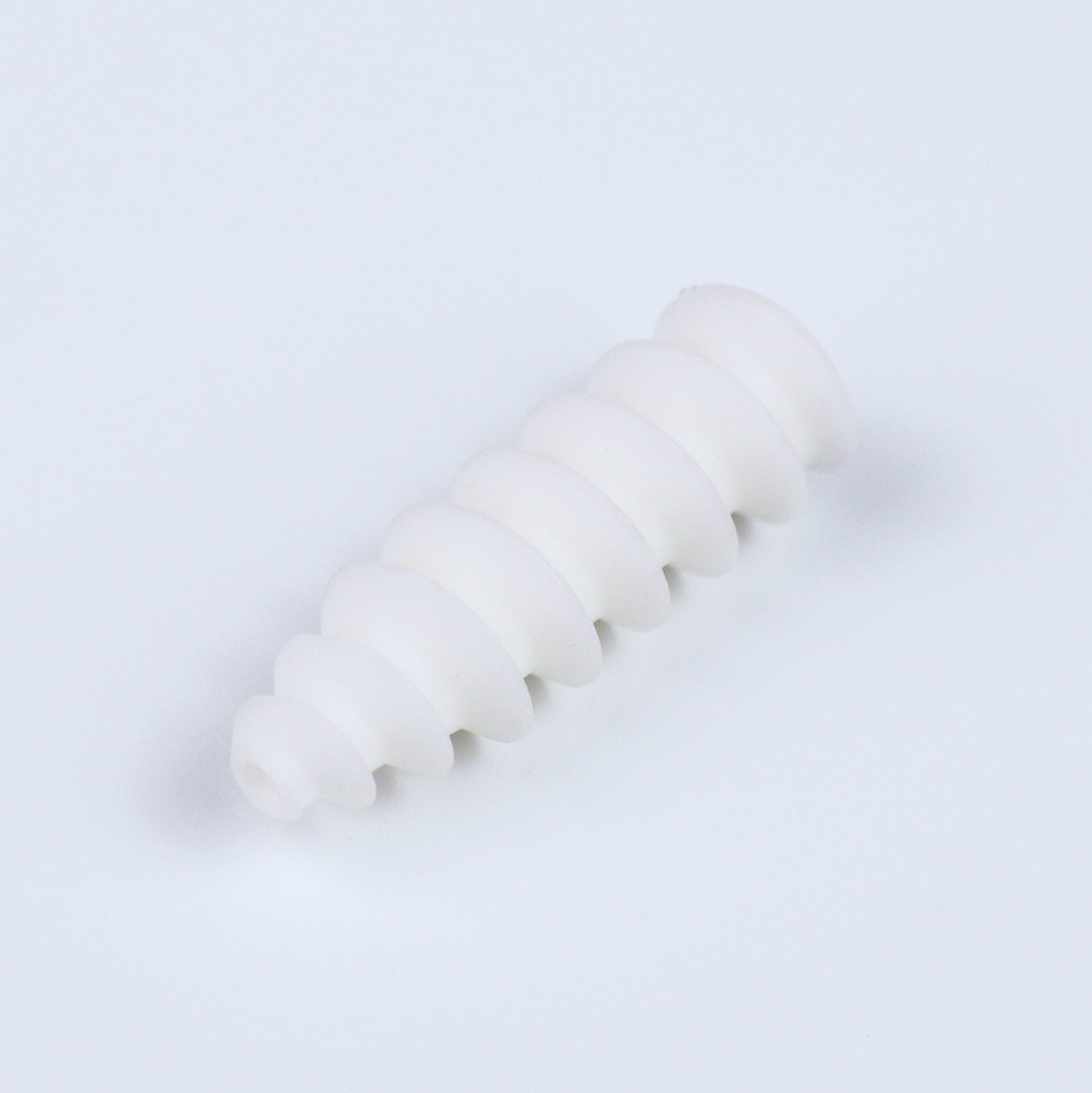
CANWELL Biodegradable ACL Interference Screw PLGA ACL/PCL Reconstruction Arthroscopy Implants
View Technical Specs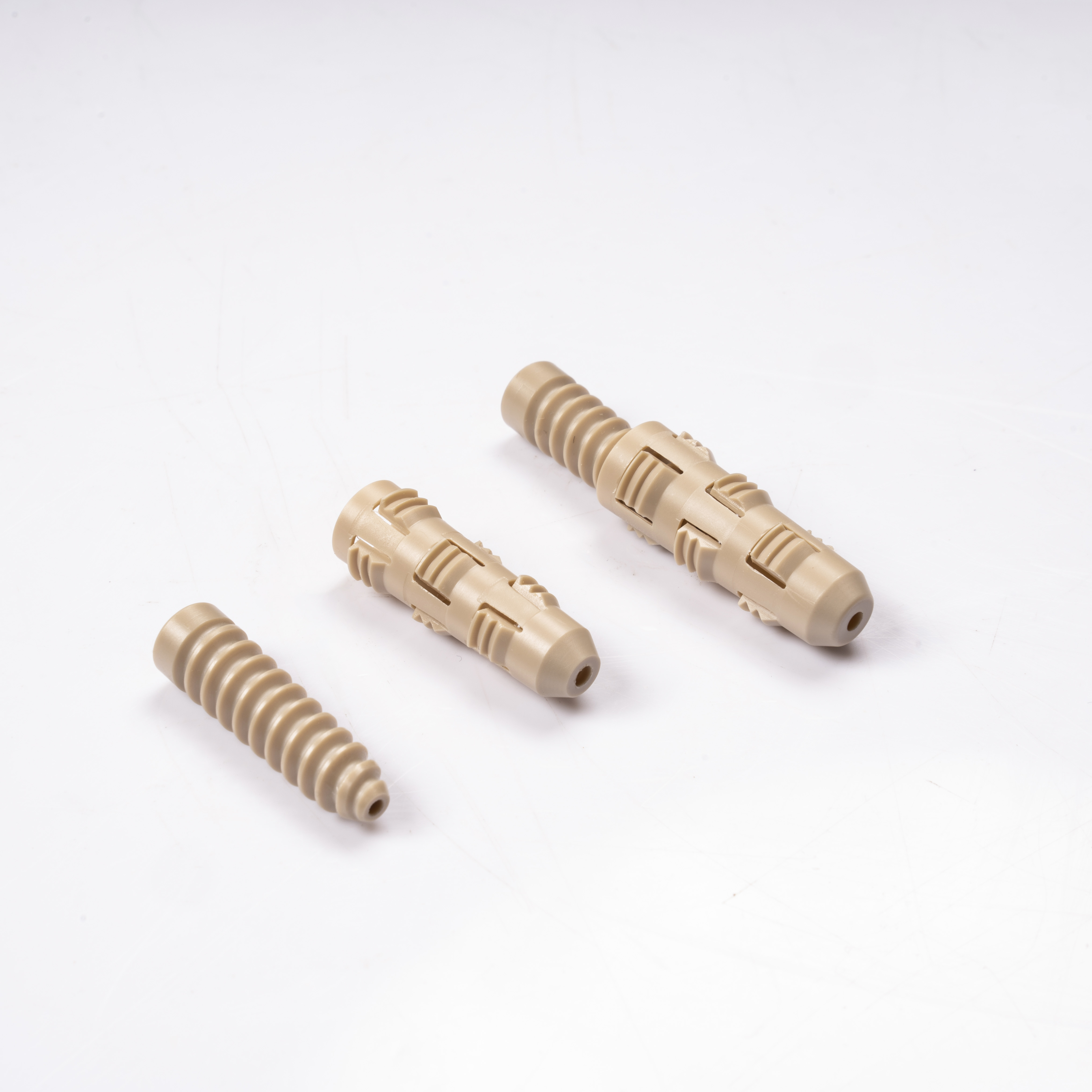
CANWELL Sports Medicine ACL/PCL Reconstruction PEEK Interference Screw System
View Technical Specs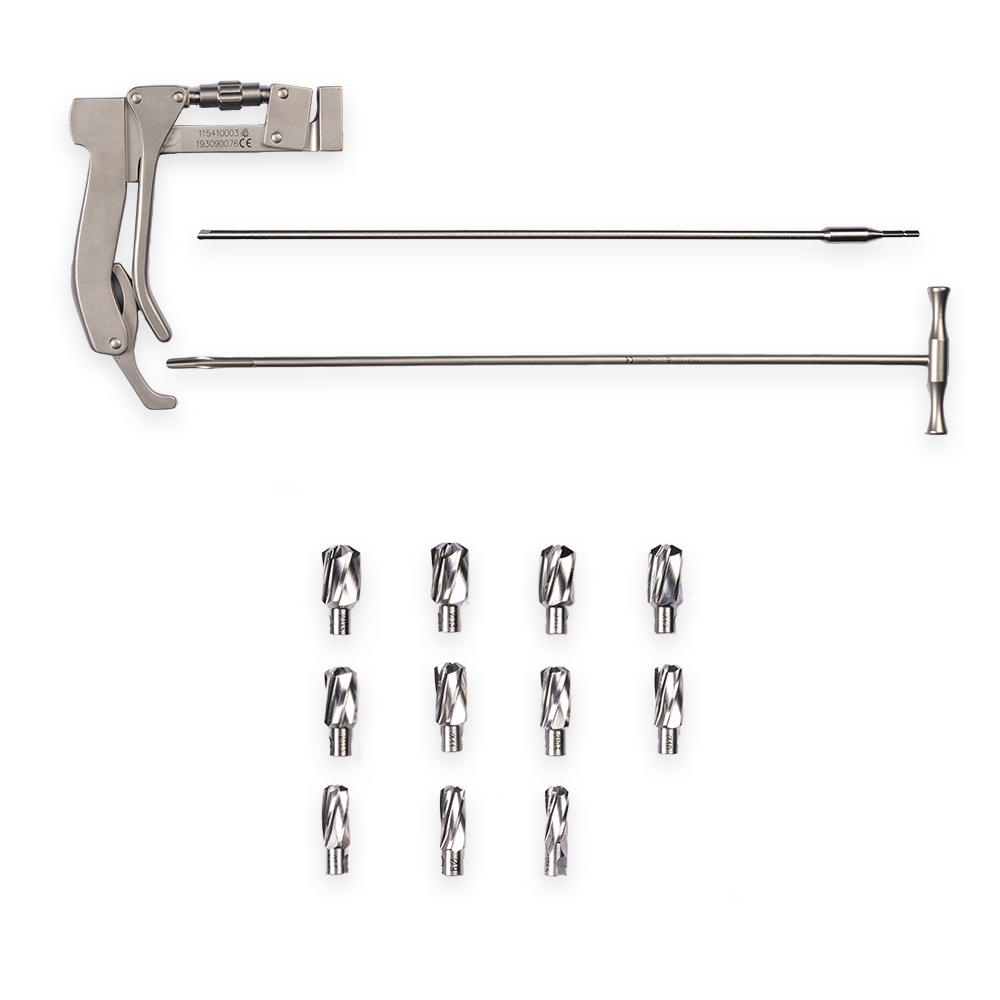
CANWELL Orthopedic Flexible Reamer Set for Intramedullary Surgery with Shafts
View Technical Specs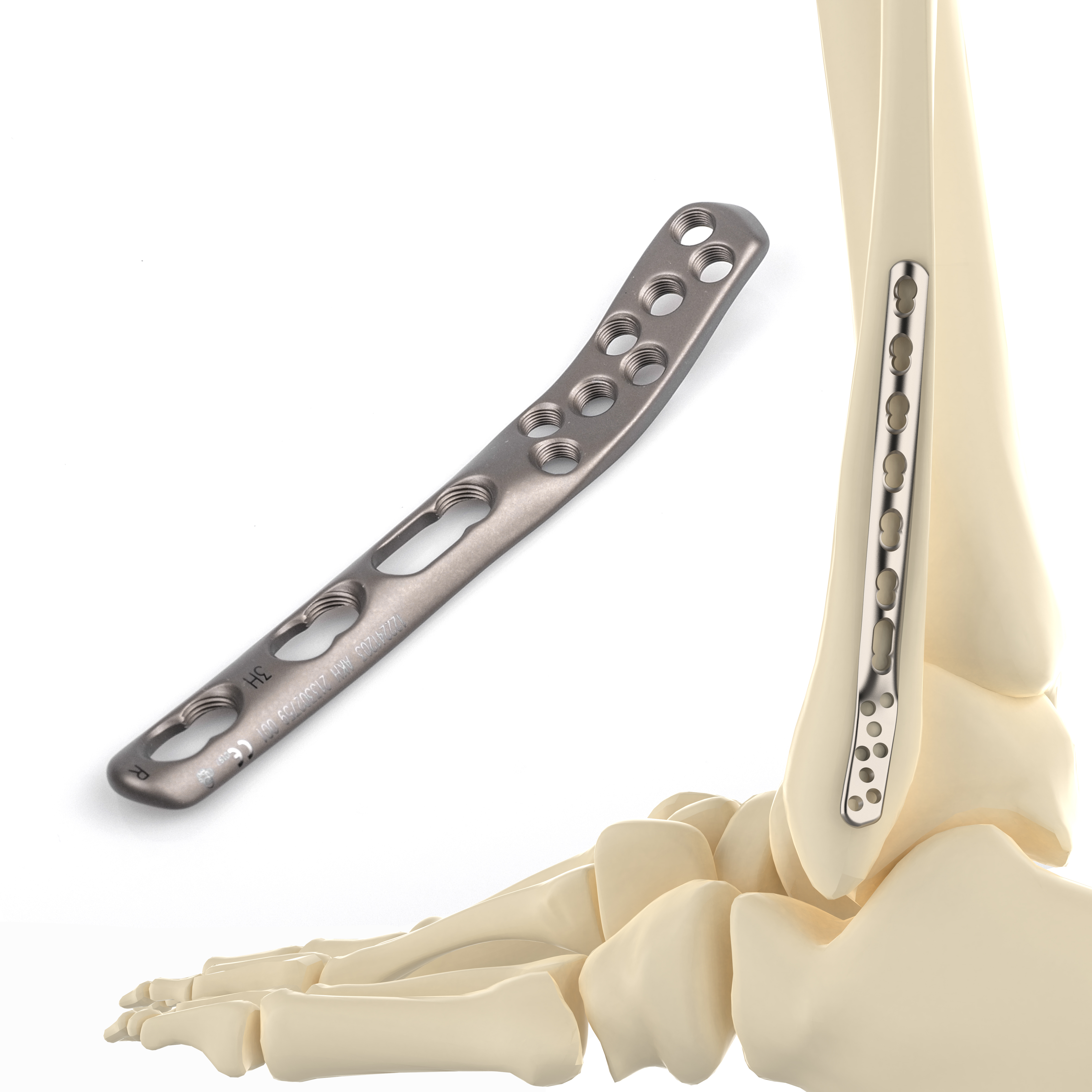
CANWELL Titanium Posterolateral Distal Fibula Locking Plate 2.7/3.5mm Screw System
View Technical Specs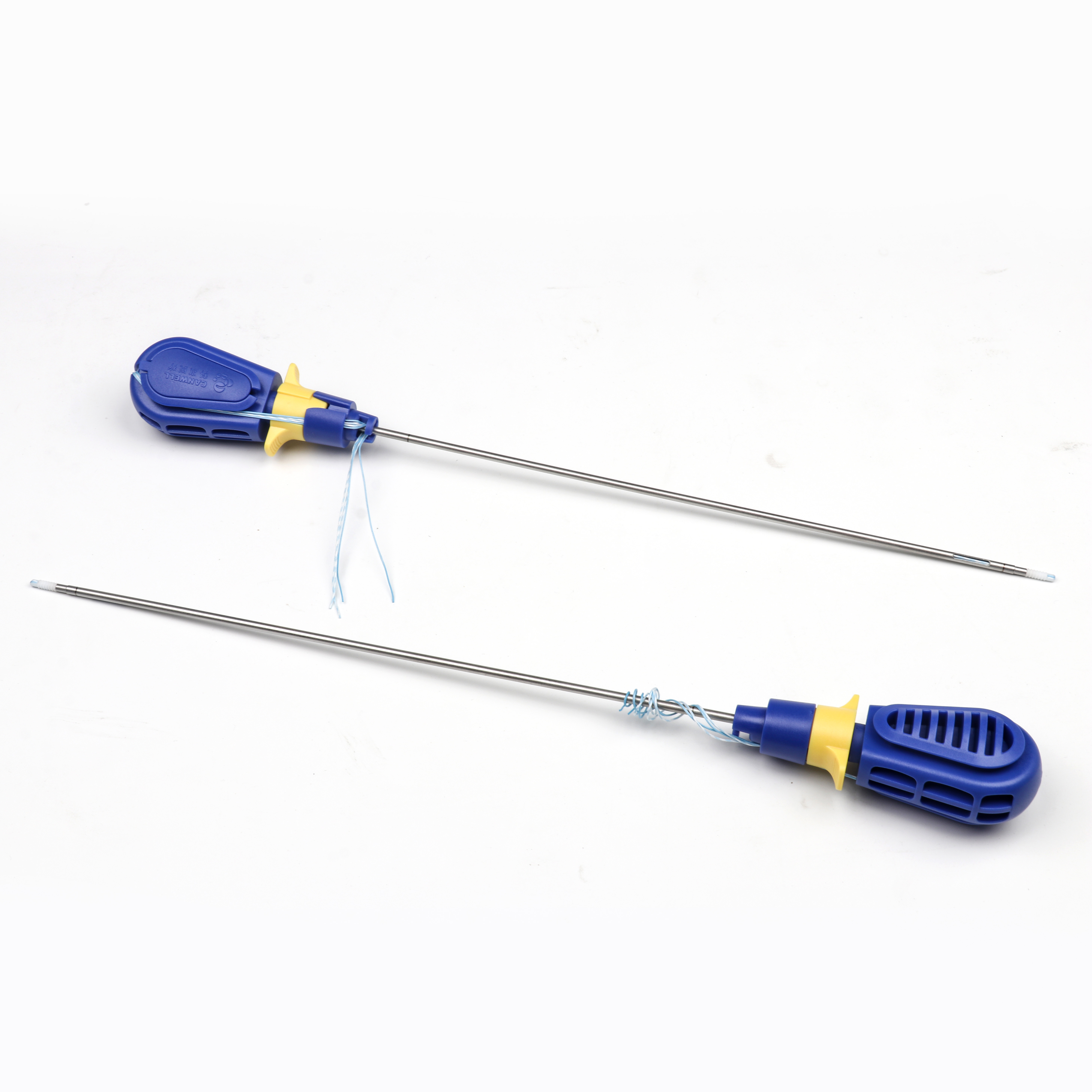
CANWELL Bioabsorbable Knotless Suture Anchor PLGA Arthroscopic Rotator Cuff Anchor
View Technical Specs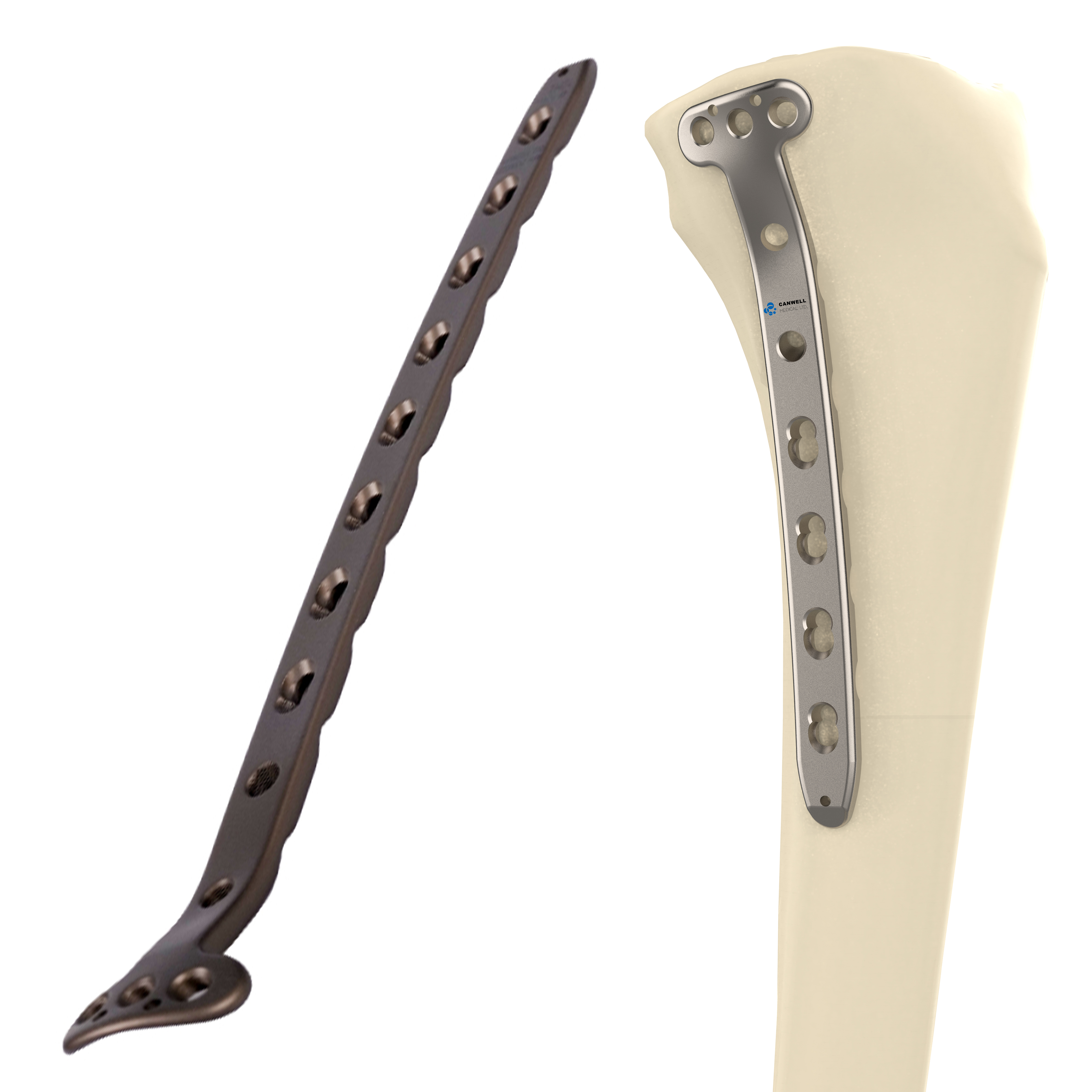
CANWELL Proximal Medial Titanium Tibial Locking Compression Plate System
View Technical Specs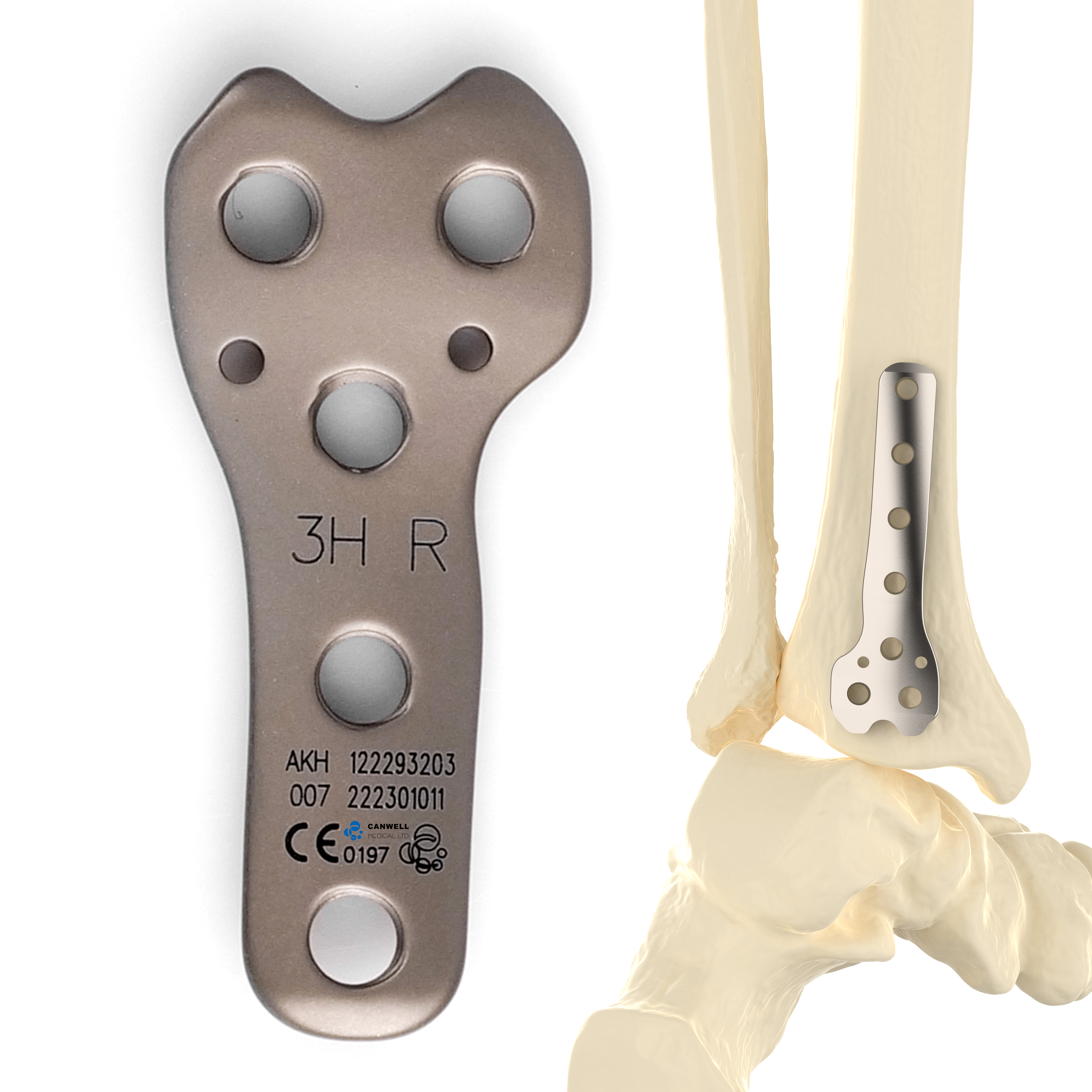
CANWELL Distal Tibial Titanium Posterior Limb Compression Locking Plate
View Technical Specs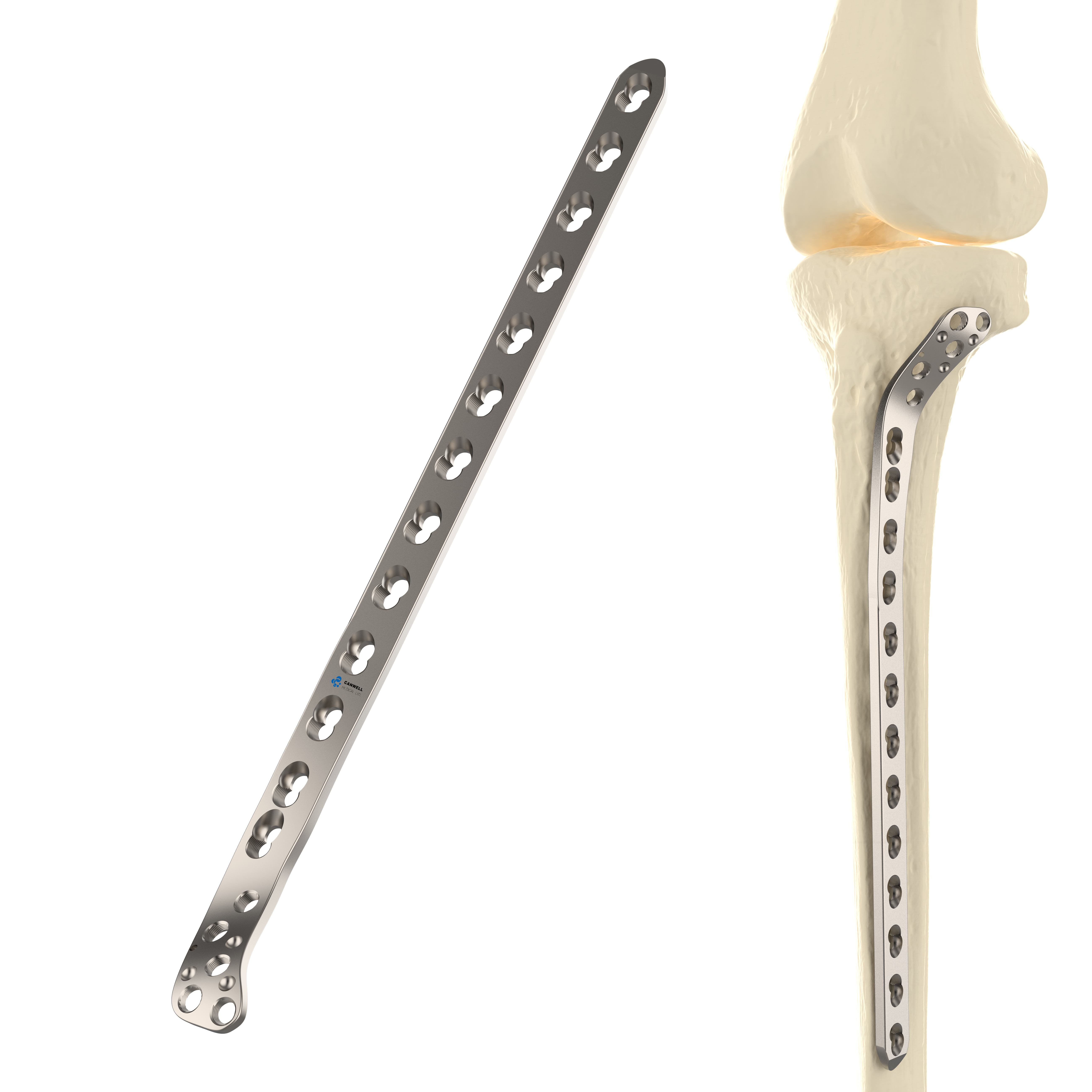
CANWELL Proximal Lateral Tibial Locking Plate 5.0mm Screw Orthopedic System
View Technical SpecsBiomechanical Engineering & Metallurgy of Headless Compression Screws
Headless Compression Screws (HCS) represent a pinnacle of precision orthopaedic engineering, specifically designed to achieve firm interfragmentary compression across fracture sites without leaving a prominent screw head above the cortical or articular surface. Historically popularized by the original Herbert screw design for scaphoid nonunion repair, modern headless cannulated screws utilize differential pitch mechanics or variable thread leads to pull bone fragments together dynamically upon rotation.
When sourcing from accredited headless compression screws factories, hospital procurement officers and OEM brand managers must evaluate critical mechanical and dimensional parameters to prevent complications such as driver stripping, guide-wire binding, or loss of axial fixation:
- Cannulation Concentricity: Precision Swiss-lathe drilling ensures guide-wire passages maintain concentricity tolerances within $\pm 0.02\text{ mm}$, preventing wire binding during percutaneous insertion.
- Differential Pitch Differential: Proximal threads feature a finer pitch compared to coarse distal threads, yielding controlled interfragmentary gap reduction with measurable torque-to-compression ratios.
- Hexalobular (Torx) Drive Recess: Modern headless screws feature deep hexalobular or tri-lobe driver recesses, distributing torsional stress across multiple contact points to eliminate driver cam-out during dense cancellous or cortical bone advancement.
- Subchondral Preservation: A true headless profile allows the screw to be fully buried beneath cartilage surfaces in scaphoid fractures, distal radius intra-articular cuts, and osteochondral allograft fixation, eliminating soft-tissue impingement.
Medical-Grade Metallurgy
Forged from Titanium Alloy Ti-6Al-4V ELI (ASTM F136) or implant-grade Stainless Steel 316L (ASTM F138), maximizing fatigue resistance and biocompatibility.
Swiss-Type Precision CNC
Machined using multi-axis longitudinal CNC lathes achieving micrometric thread consistency, clean cannulation, and burr-free surface geometry.
Surface Anodization & QC
Type II/III anodic oxide coating for enhanced wear resistance, high cycle fatigue strength, clear color-coding, and bio-passivated surface purity.
Raw Material & Manufacturing Specification Standards
Qualified B2B orthopedic buyers must ensure that contract manufacturers operate under recognized international mechanical and metallurgical standards. Below is a comparative technical analysis of implant materials utilized across modern headless compression screws, trauma plates, and sports medicine interference screws:
| Material Classification | Standard Specification | Tensile Strength (MPa) | Primary Clinical Application | Biomechanical Advantage |
|---|---|---|---|---|
| Titanium Ti-6Al-4V ELI | ASTM F136 / ISO 5832-3 | $\ge 860\text{ MPa}$ | Headless Screws, Trauma Plates, Nails | High strength-to-weight ratio, elastic modulus close to bone, MRI compatible |
| Stainless Steel 316L | ASTM F138 / ISO 5832-1 | $\ge 860\text{ MPa}$ | Cost-effective Trauma Fixation, Instruments | Superior ductility and shear strength during high-torque insertion |
| Medical Grade PEEK | ASTM F2026 | $\ge 90\text{ MPa}$ | Interbody Cages, ACL Interference Screws | Radiolucent (X-ray clear), no metallic artifacts, modulus matching cancellous bone |
| PLGA Bioabsorbable | ASTM F2502 | Custom Composite | Sports Medicine Anchors & ACL Screws | Gradual bioresorption, eliminates permanent hardware removal surgeries |
Future Sourcing & Technology Trends in Headless Compression Screws (2025–2030)
As orthopedic healthcare systems demand shorter surgical times, reduced hardware removal rates, and optimized patient outcomes, the global market for headless compression fasteners and cannulated screws is undergoing significant technological transformation. Procurement directors should align with manufacturers who are actively innovating in the following areas:
1. Bio-Composite Hybrids & Resorbable Fastening Matrices
While metallic headless screws remain the gold standard for high-load scaphoid nonunions and osteotomies, sports medicine and osteochondral reconstruction are rapidly shifting toward bio-composite polymers. Blends of Poly(L-lactide-co-glycolide) (PLGA) with $\beta$-Tricalcium Phosphate ($\beta$-TCP) or hydroxyapatite (HA) provide initial rigid compression while stimulating progressive osteoconduction as the screw degrades into water and carbon dioxide over 18 to 24 months.
2. Variable-Lead Thread Geometries
Next-generation headless screws feature continuous, progressively changing thread leads along the entire length of the screw shaft rather than discrete distal and proximal threaded zones. This continuous pitch gradient eliminates the unthreaded central waist, increasing thread contact area across osteotomy lines and delivering superior axial pullout strength in osteopenic bone (evaluated under ASTM F543 testing standards).
3. Additive Manufacturing & Porous Surface Engineering
3D printing via Selective Laser Melting (SLM) enables the production of headless screws with dense structural cores and micro-porous outer surfaces. This porous titanium architecture allows bone ingrowth directly into the screw threads, creating a permanent osteointegrated anchor for challenging nonunion sites.
4. Digital Supply Chain Integration & Laser UDI Tracking
Global regulatory mandates (such as US FDA UDI and EU MDR Annex VI) require full traceability down to individual production lots. Trusted Chinese exporters now integrate direct fiber-laser marking of Unique Device Identifiers (UDI) directly onto screw shanks or sterile pouch packaging, providing seamless digital inventory management for hospital networks.
B2B Sourcing FAQ: Headless Screws & Orthopedic Manufacturing
Which regulatory certifications do INAR Medical orthopedic implants carry?+
Do you support full OEM & ODM customization for private label brands?+
What mechanical quality testing protocols are performed in-house?+
What materials are utilized for your sports medicine and trauma product lines?+
What is your manufacturing facility capacity and export experience?+
Enterprise Advantage: Why Partner with Zhejiang INAR Medical
Choosing the right manufacturing partner for headless compression screws and trauma implant systems is critical to securing long-term market share and avoiding regulatory delays. Zhejiang INAR Medical Co., Ltd. combines extensive manufacturing infrastructure with strict European quality management standards to deliver uncompromised medical devices at direct factory economics.
Key competitive advantages that set our enterprise apart include:
- End-to-End Vertical Integration: From raw material longitudinal cutting and Swiss 5-axis CNC machining to sandblasting, anodizing, penetrant testing, and aseptic cleanroom packaging—100% of critical manufacturing steps are performed in-house.
- Traceability & Quality Assurance: Every single batch is assigned a digital tracking ID. We maintain complete material mill certs, ultrasonic washing logs, and OQC inspection sheets for full audit readiness.
- Complete System Supply: In addition to screws and locking plates, we design and manufacture matching surgical instrument sets, reamers, drill guides, and driver shafts, offering hospital procurement teams a complete single-source solution.
Request OEM Pricing & Technical Catalog
Partner with a top trusted Chinese headless compression screw manufacturer and exporter. Contact our international export engineering team today for technical data sheets, sample evaluation kits, or private label quotations.