Precision Orthopedic Implants & Instrument Systems
Directly sourced from verified medical manufacturing lines engineered under ISO 13485 and CE MDR certifications.
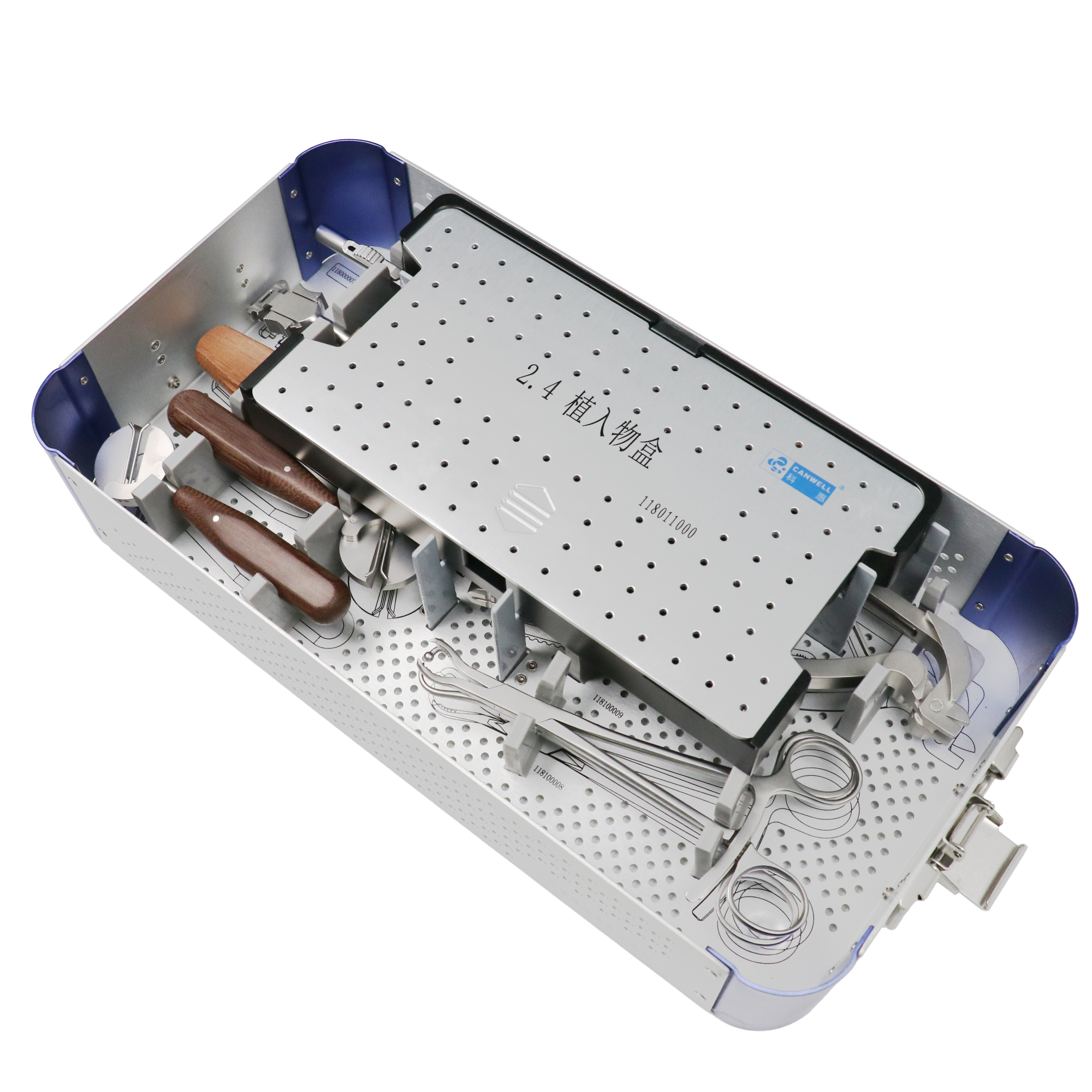
CANWELL Oral and Maxillofacial Surgery Instruments Set Cranium Kit
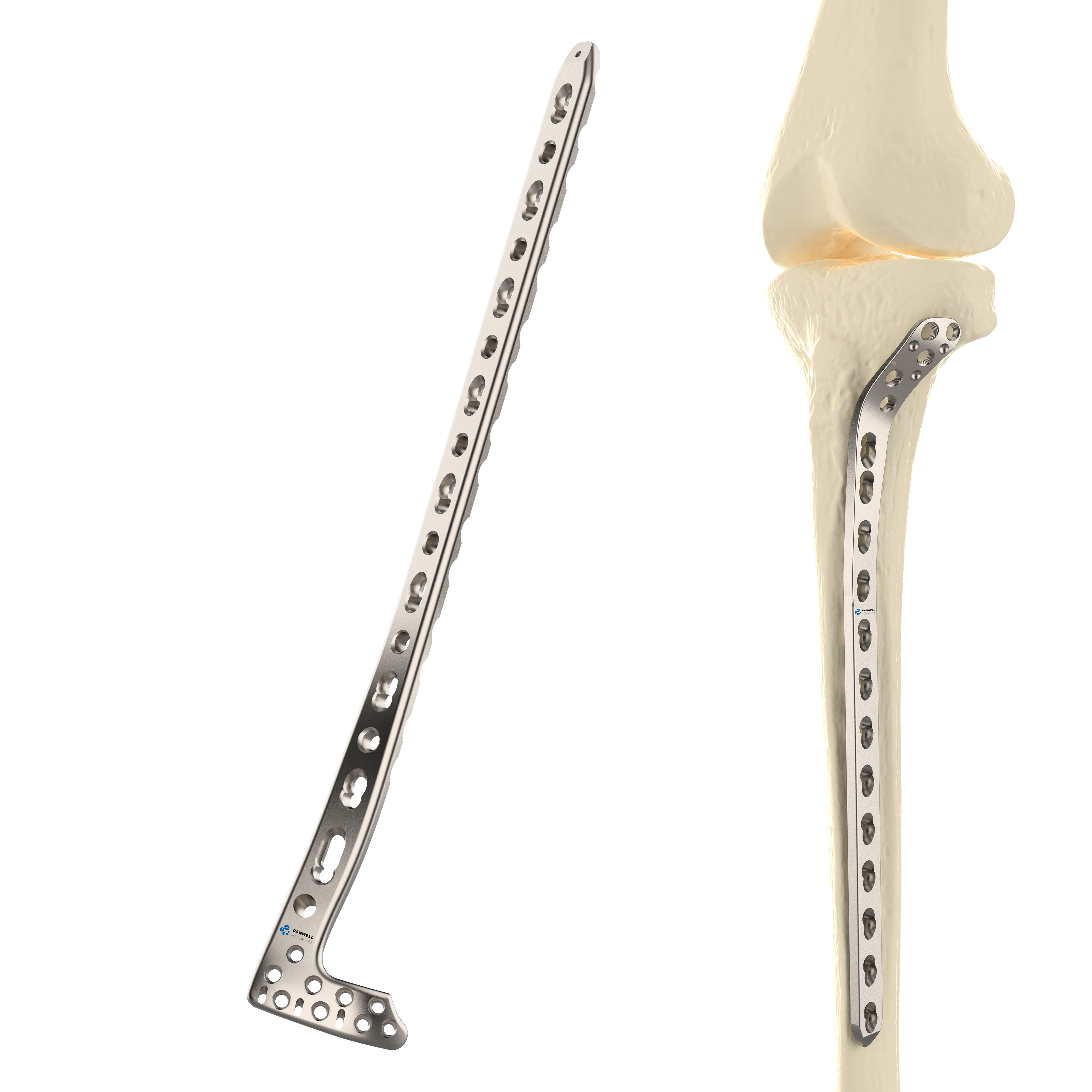
CANWELL Distal Tibial Low Profile Locking Plate Compression System
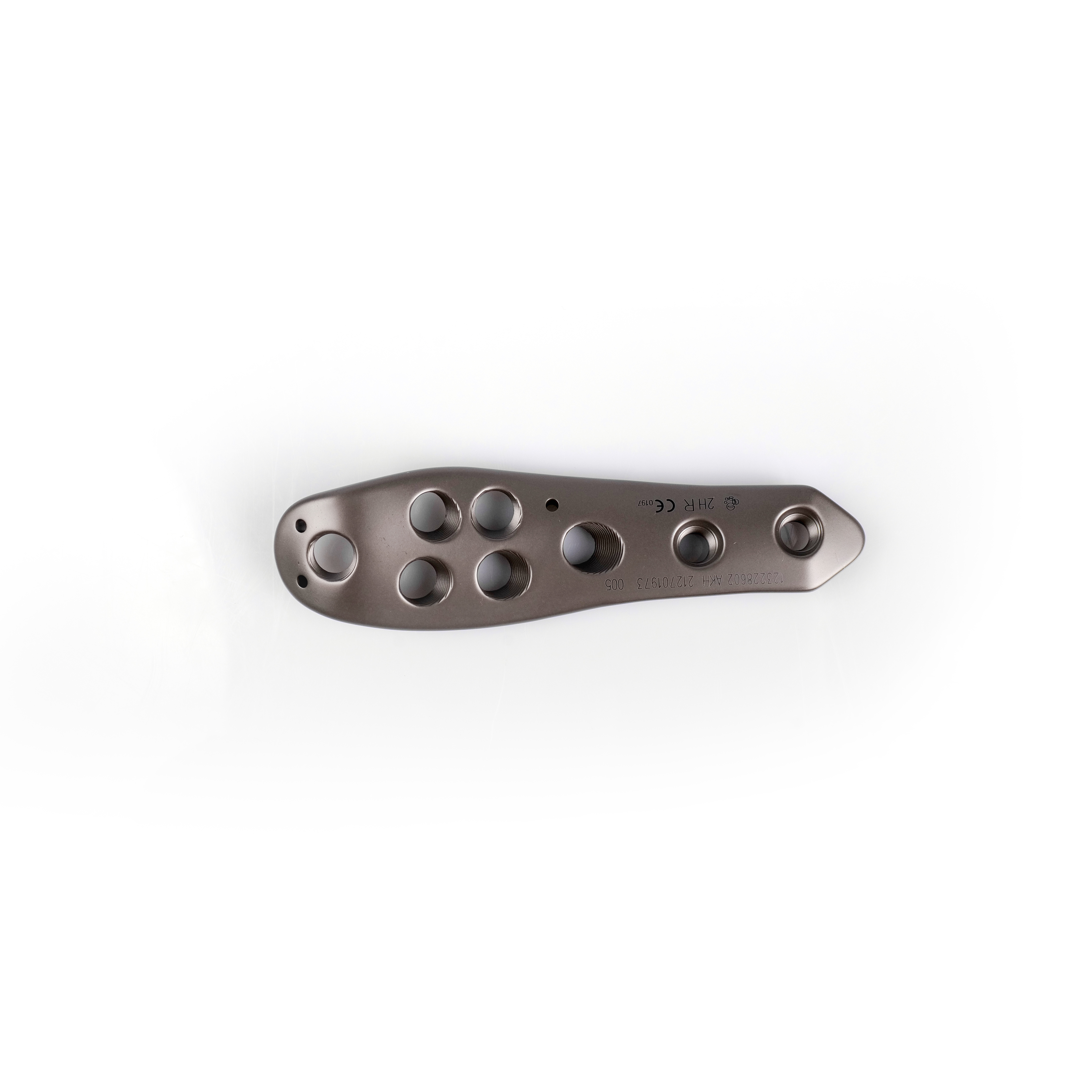
CANWELL Titanium Tibia & Distal Femoral Outer Side Locking Plate
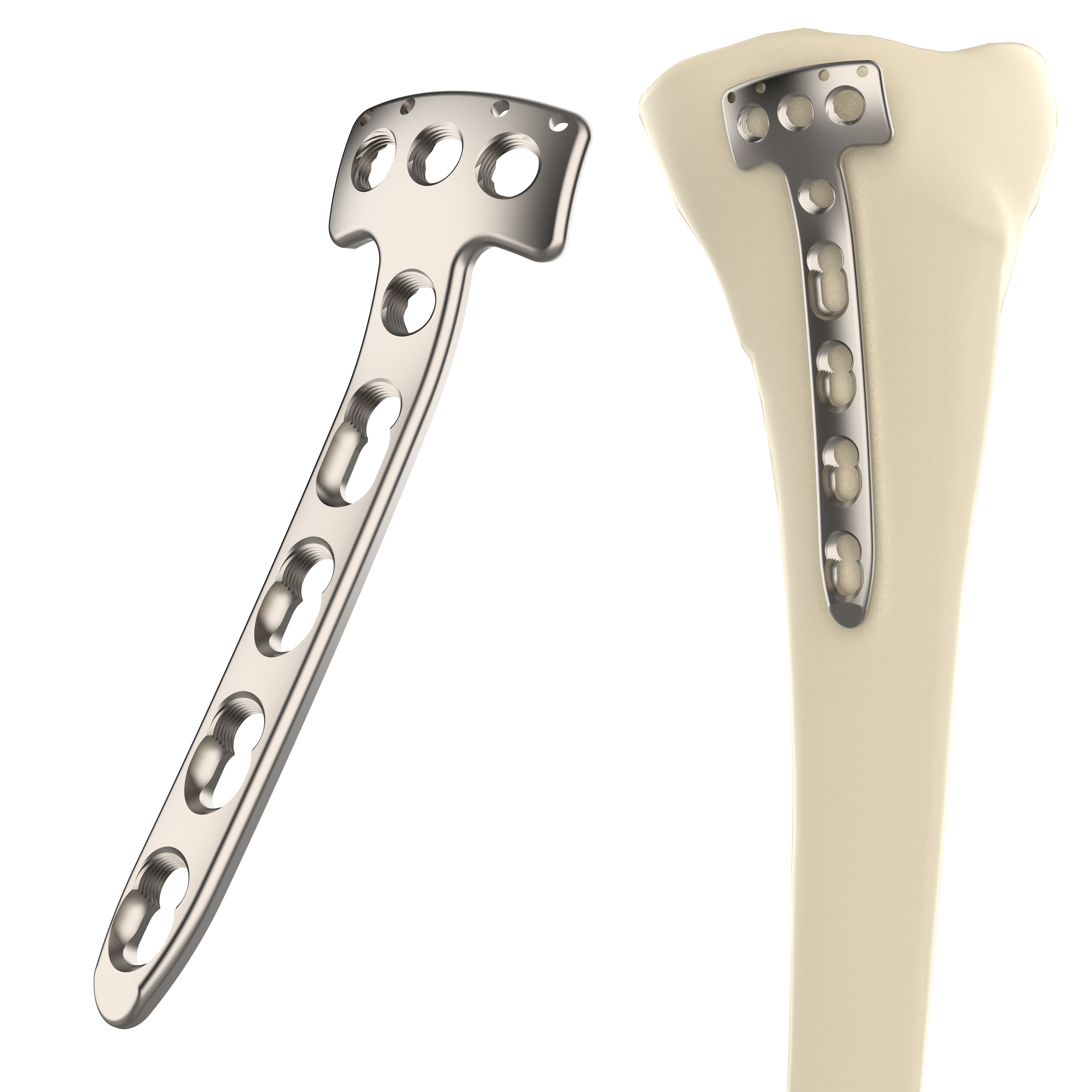
CANWELL Titanium Proximal Middle Tibial Locking Plate ORIF System
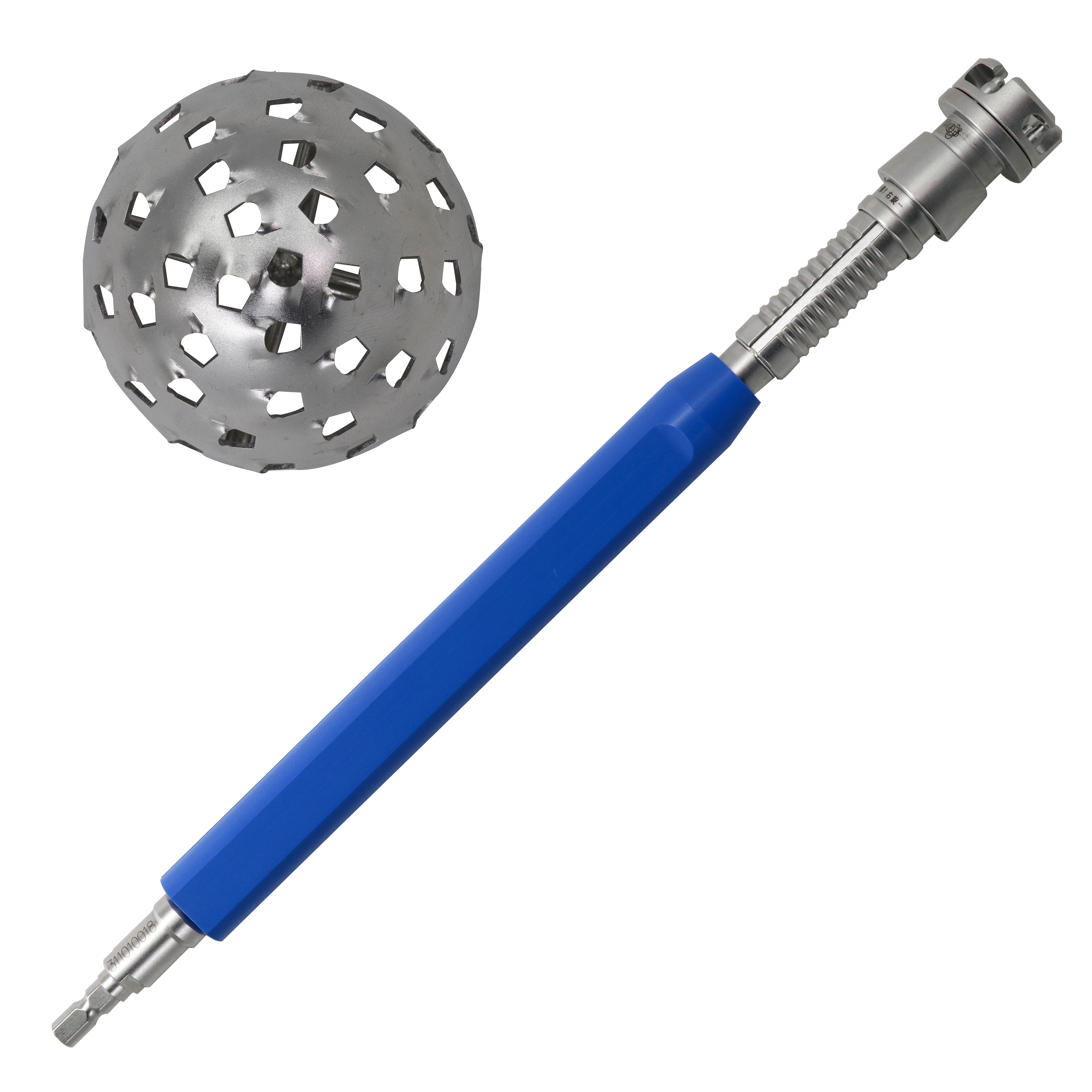
CANWELL High Precision Acetabular Reamers Hip Instrument Set
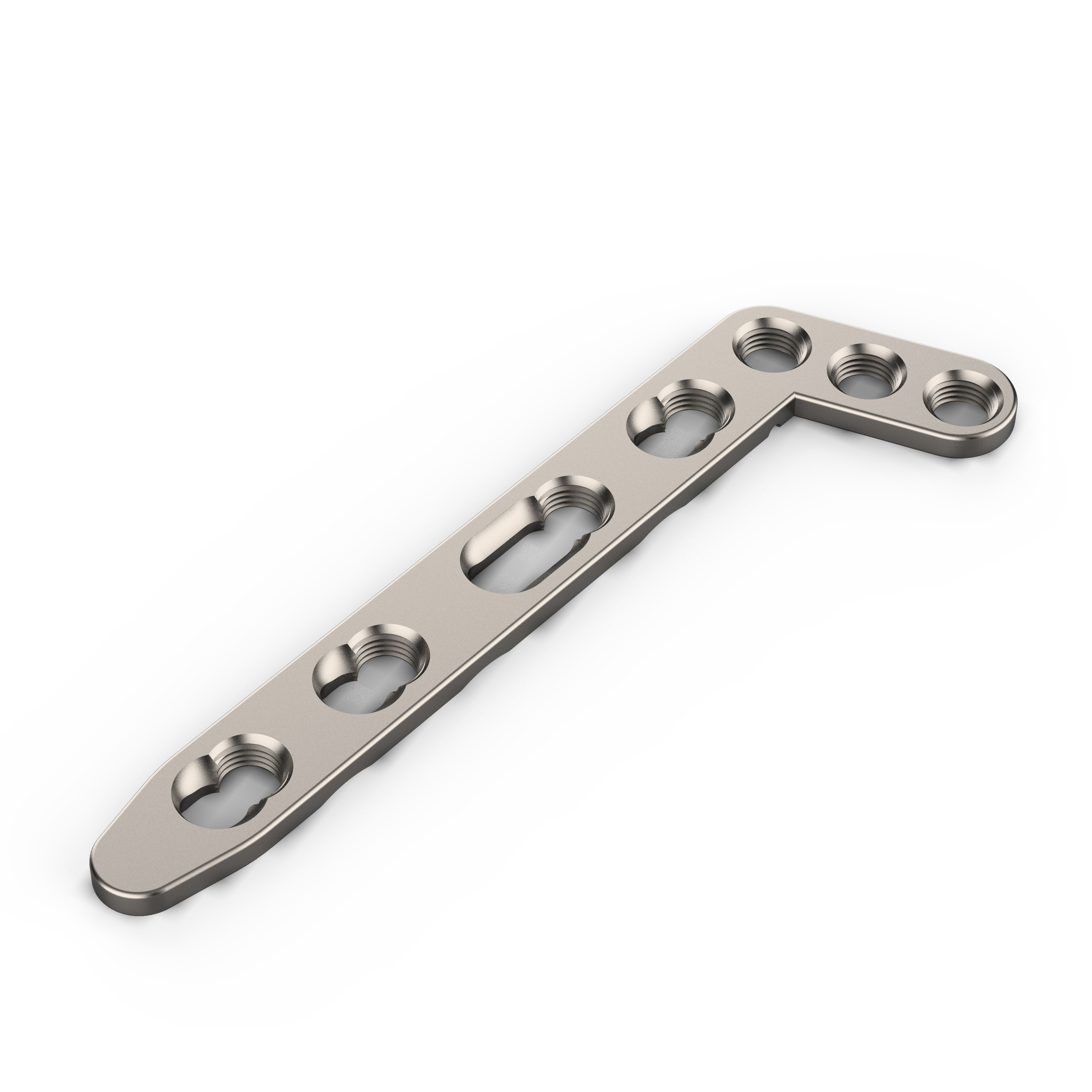
CANWELL Distal Radius Dorsal Titanium Locking Plate Wrist System
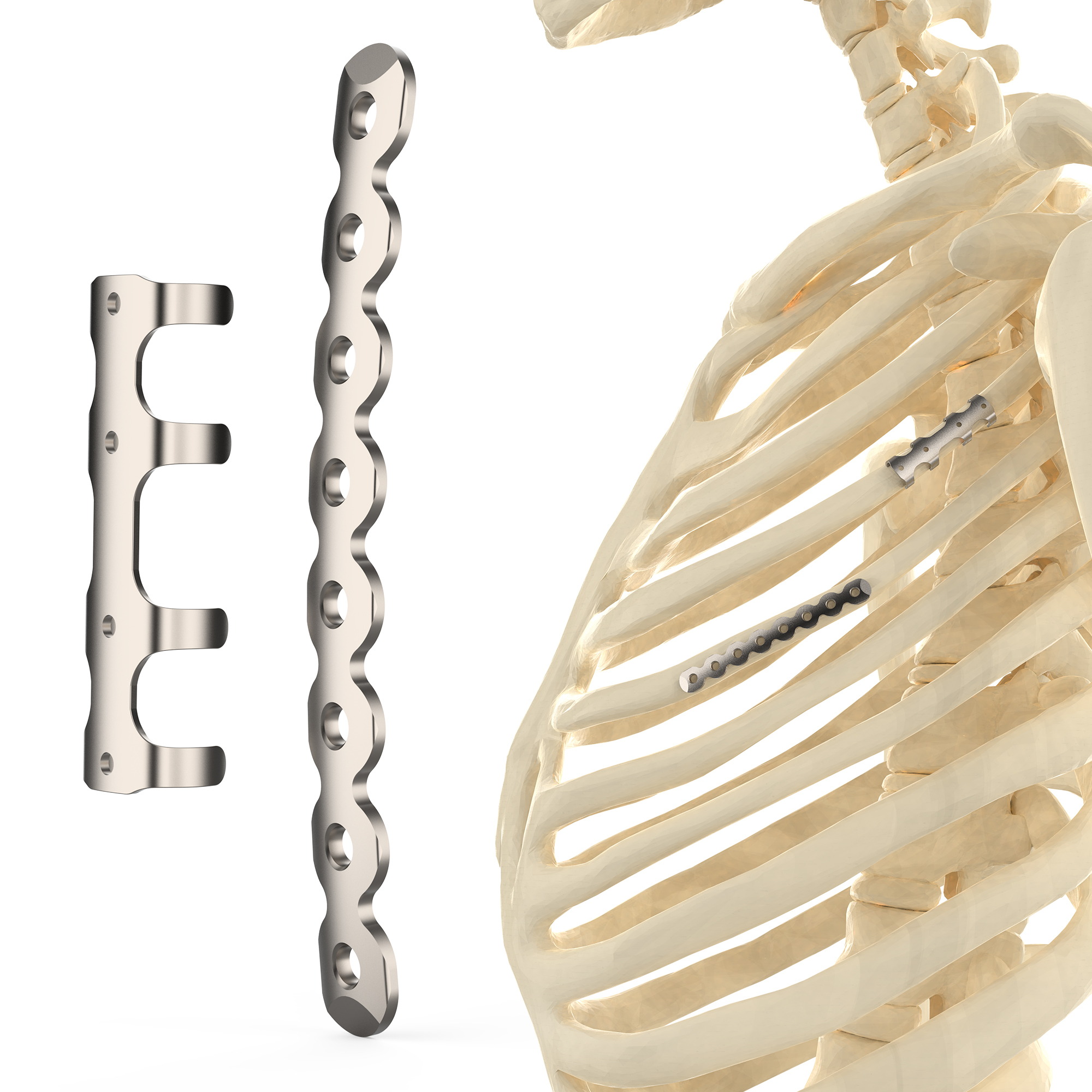
CANWELL Titanium Rib Locking Plate Bone Fixation Trauma System
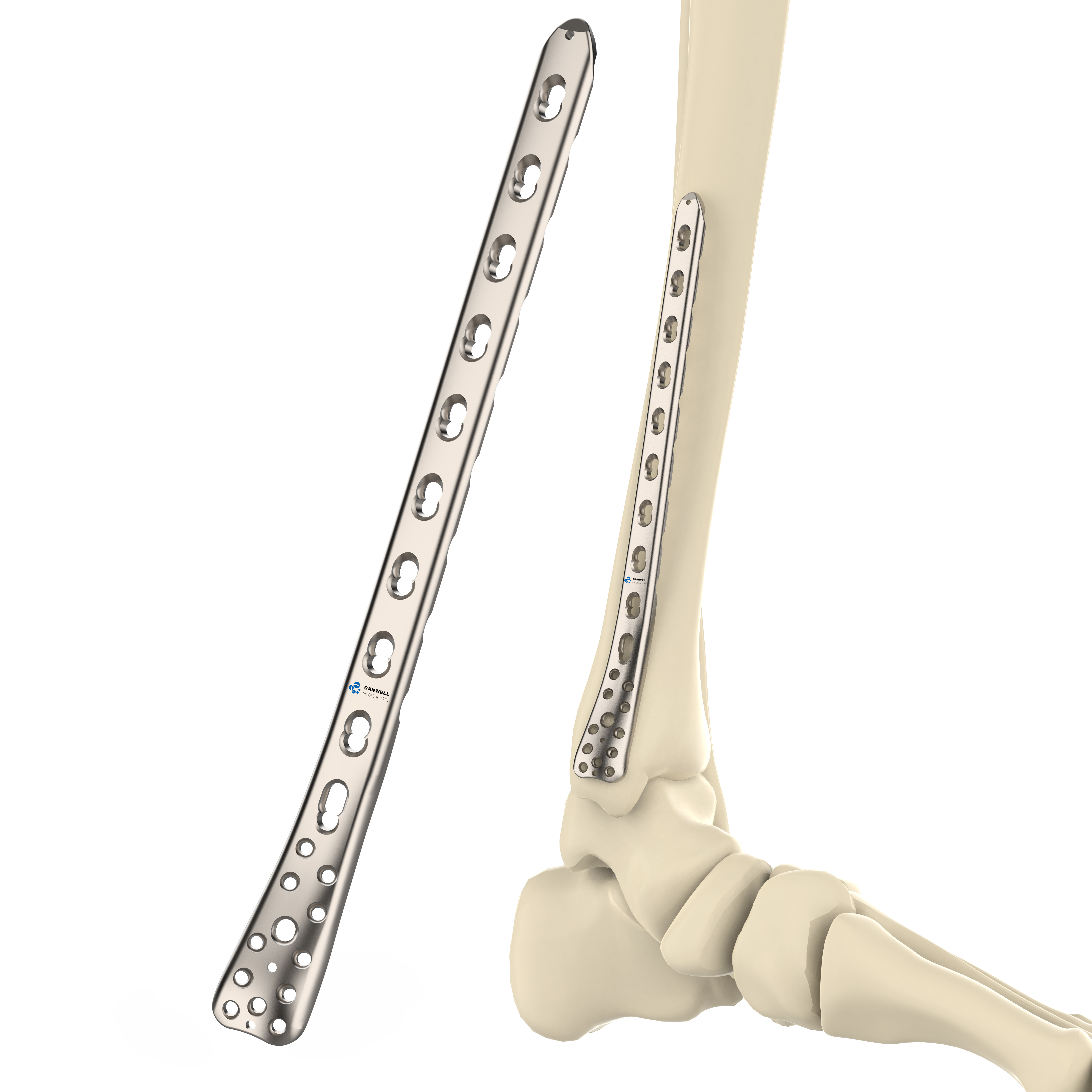
CANWELL Distal Tibial Titanium Metaphyseal Locking Compression Plate
The Evolving Architecture of Interbody Cages: A Biomechanical Whitepaper
Interbody fusion cages have revolutionized spinal reconstruction surgery over the past three decades, evolving from static metallic threaded cylinders into anatomically tailored, porous, bio-interactive implants. Used primarily in Lumbar Interbody Fusion (PLIF, TLIF, ALIF, LLIF/DLIF, OLIF) and Anterior Cervical Discectomy and Fusion (ACDF), interbody cages serve three essential biomechanical objectives: establishing immediate post-operative mechanical stability, restoring intervertebral disc height and sagittal lordosis, and optimizing the biological microenvironment for osseous bridging across adjacent vertebral endplates.
From a clinical and materials science standpoint, the success of an interbody fusion cage relies heavily on its mechanical compliance with host bone. According to Wolff’s Law, bone remodels in response to mechanical stress. If an interbody implant is excessively rigid—such as historical solid titanium alloys—it bears the vast majority of axial loads, inducing a stress-shielding effect that leads to bone resorption, device subsidence into vertebral bodies, and pseudoarthrosis. Conversely, if an implant lacks sufficient compressive load-bearing capability, structural failure occurs under dynamic anatomical loads.
Key Technical Insight: Modern interbody cage design prioritizes balancing Young's Elastic Modulus with host cancellous bone (~0.5–3.5 GPa) and cortical bone (~12–18 GPa). Advanced PEEK polymers (3.6 GPa) and additive manufactured 3D porous titanium lattices (1.5–3.0 GPa) are the leading materials engineered to eliminate stress shielding while maximizing radiolucency and osteoconductivity.
For global medical device distributors, hospital procurement boards, and orthopedic brand owners, selecting a qualified manufacturing partner for interbody fusion devices requires strict scrutiny of material sourcing, precision CNC machining capabilities, cleanroom packaging standards, and comprehensive regulatory technical files.
Material Science Breakdown: PEEK vs. Porous Titanium vs. Bioactive Composites
The choice of raw material dictates the osteoinductive potential, radiolucency, and subsidence risk profile of an interbody cage. Leading exporters and manufacturers must maintain mastery over diverse biomaterial processing techniques.
| Biomaterial Standard | Elastic Modulus (GPa) | Radiolucency / Imaging | Osseointegration Potential | Subsidence Risk Profile |
|---|---|---|---|---|
| Unfilled PEEK OPTIMA® | ~3.6 GPa (Matches Cortical) | 100% Radiolucent (X-ray/CT/MRI) | Passive (Requires Tantalum Markers) | Very Low (Favorable elastic match) |
| Porous 3D Printed Ti-6Al-4V ELI | ~1.5 - 3.0 GPa (Adjustable Lattice) | Opaque (Slight Scatter Artifact) | Active (Cellular Ingrowth into Pores) | Low (Anatomical Endplate Conformity) |
| Plasma-Sprayed Titanium PEEK | ~3.6 GPa Core | Semi-Radiolucent | Enhanced Surface Bioactivity | Low-Moderate (Coating delamination risk) |
| Carbon Fiber Reinforced PEEK | ~18 GPa (High Stiffness) | Radiolucent with Artifacts | Bio-inert | Moderate (Increased rigidity) |
Polyetheretherketone (PEEK-OPTIMA®) remains a gold standard for spinal cages due to its chemical inertness, biocompatibility, and radiographic transparency, enabling surgeons to easily assess fusion mass progression via standard X-ray or CT scans. However, hydrophobic native PEEK can sometimes form a fibrous tissue interface rather than direct bone-to-implant contact. To resolve this, top-tier factories utilize chemical surface modifications, plasma-sprayed porous titanium coatings, or additive 3D-printed porous titanium constructs featuring interconnected micro-porosity (300–700 µm pore size), mimicking cancellous bone architecture to promote osteoblast migration and angiogenesis.
Enterprise Advantages: Manufacturing & OEM/ODM Excellence at INAR Medical
When evaluating top trusted interbody cages factories and exporters, Zhejiang INAR Medical Co., Ltd. stands out as a world-class center of manufacturing excellence. Operating from a massive 29,523 m² integrated production base in Jinhua, Zhejiang, China, INAR Medical combines over 22 years of specialized orthopedic manufacturing experience with rigorous European regulatory standards.
5-Axis CNC Precision Machining
Utilizing high-precision Swiss-type longitudinal automatic lathes and German DMG MORI 5-axis machining centers, INAR guarantees sub-micron dimensional tolerances on complex PEEK tooth profiles and interbody fixation features.
SGS Audited & CE MDR Certified
Our facility has passed comprehensive onsite supplier assessments by SGS Group. Product lines carry full Class III CE marking under EU MDR (2017/745) and MDD 93/42/EEC, supported by complete Technical Documentation Files (TDF).
ISO Class 7 Cleanroom & Aseptic Packaging
Implant finishing, multi-stage automated ultrasonic cleaning, dye penetrant defect testing, and primary blister packaging take place entirely inside ISO Class 7 cleanrooms to guarantee minimal bioburden levels prior to sterilization.
Full OEM / ODM & Private Labeling
We provide end-to-end custom product development, including anatomical contour modifications, proprietary instrument tray design, color anodized titanium markers, laser-etched UDI serial numbers, and private-label box packaging.
Our workforce of 632 dedicated staff includes a senior engineering division focused on biomechanical stress simulation (FEA analysis) and static/dynamic fatigue testing in accordance with ASTM F2077 (Static and Dynamic Compression/Torsion Testing of Interbody Fusion Devices) and ASTM F2267 (Measurement of Subsidence Under Static Axial Load).
Future Procurement & Strategic Technology Trends in Interbody Cages (2025–2030)
As healthcare systems globally shift toward value-based care and minimally invasive spine surgery (MISS), the interbody cage procurement landscape is experiencing profound technological shifts. Importers and hospital distributors must stay ahead of these five dominant development trends:
1. Expandable Interbody Implant Architectures
Static cages require aggressive disc space distraction and endplate preparation, increasing the risk of intraoperative endplate damage. The market is shifting rapidly toward titanium and PEEK expandable cages. Inserted through a narrow MIS surgical corridor, these devices expand in situ vertically (to restore disc height) and lordotically (to re-establish natural spinal curvature). This minimizes neural tissue retraction while maximizing graft footprint coverage.
2. 3D-Printed Porous Titanium Lattice Topologies
Additive manufacturing via Electron Beam Melting (EBM) or Direct Metal Laser Sintering (DMLS) allows engineers to produce bio-mimetic interbody structures with stochastic or deterministic porosity. These 3D porous scaffolds feature interconnected pores that act as a structural lattice for osteoblast attachment, proliferation, and matrix mineralization. By removing the need for synthetic bone graft extenders in some indications, 3D printed cages are rapidly capturing market share from traditional solid PEEK designs.
3. Hydrophilic & Nanostructured Surface Technologies
Surface chemistry at the nanoscale is critical for early cellular adhesion. Future-proof factories are investing heavily in molecularly altered PEEK surfaces (such as nano-hydroxyapatite infused PEEK or chemical-etched nano-rough titanium) that convert hydrophobic surfaces to hydrophilic ones. This accelerates protein adsorption and shortens the biological fusion window from months to weeks.
4. Patient-Specific 3D Reconstructed Custom Cages
For complex deformity corrections, revision spine surgeries, or severe vertebral body destruction (tumor/trauma cases), standardized off-the-shelf interbody cages are insufficient. Advanced exporters are establishing digital workflow pipelines that convert patient CT DICOM datasets into customized, 3D-printed titanium implants contoured perfectly to the patient's unique endplate morphology.
5. Integrated Sensor-Embedded "Smart Cages"
Emerging research focuses on embedding micro-electromechanical systems (MEMS) and passive wireless sensors inside interbody cages. These sensor systems monitor localized strain, micro-motion, temperature, and pH levels across the fusion site, transmitting real-time biotelemetry data to clinicians to non-invasively confirm solid osseous fusion without repetitive ionizing CT radiation.
Comprehensive Procurement FAQ for B2B Importers & Distributors
Below are critical technical and regulatory questions addressed by our senior QA engineering team for global procurement managers evaluating interbody cage suppliers.
Which certifications and technical files do INAR Medical interbody implants possess? +
What materials are utilized for INAR spinal interbody cages and radio-markers? +
What is the typical OEM/ODM workflow and timeline for custom cage projects? +
How does INAR Medical ensure batch-to-batch quality control and traceability? +
Can INAR Medical supply matching surgical instrument sets for cage deployment? +
Partner with a World-Class Interbody Cage Manufacturer
Expand your spinal product portfolio with CE MDR-certified, precision-engineered PEEK and Titanium interbody cages. Contact our senior biomedical engineering team today for technical catalogs, OEM quotes, and factory audit arrangements.
Send an Inquiry