Executive Summary: Sourcing High-Performance Medical Cots & Hospital Beds
In modern healthcare facility management and international medical equipment procurement, securing a reliable medical cot factory and supplier is a foundational decision that impacts patient recovery outcomes, clinical ergonomics, operational safety, and total cost of ownership (TCO). Medical cots—commonly referred to as hospital beds, ICU nursing cots, or clinical care frames—have evolved from simple manual furniture into complex, mechatronic medical devices regulated under strict international standards such as IEC 60601-2-52 and ISO 13485.
This technical whitepaper provides healthcare procurement officers, hospital project engineers, and medical device distributors with a comprehensive analysis of medical cot manufacturing specifications, clinical evaluation criteria, regulatory benchmarks, and emerging industry trends. By understanding the mechanical structural integrity, drive systems, electronic microcontrollers, and ergonomic fall-prevention mechanisms required in clinical settings, healthcare buyers can make data-driven, risk-averse sourcing decisions.
Core Procurement Insight: A top-tier medical cot factory must offer full compliance with IEC 60601-1 electrical safety standards, structural load verification beyond 250 kg Safe Working Load (SWL), anti-microbial surface coatings, and modular actuator replacement architectures to guarantee minimum 10-year service life in continuous clinical environments.
Top Trusted Medical Cot Models & Specifications
Direct factory-supplied medical cots engineered for intensive care, general clinical wards, long-term nursing care, and emergency transport.
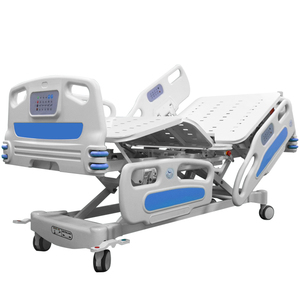
Longermay Factory Medical Hospital Bed Prices
- Direct Factory Direct Sourcing
- Steel Frame Ward Cot
- Economical Bulk Procurement
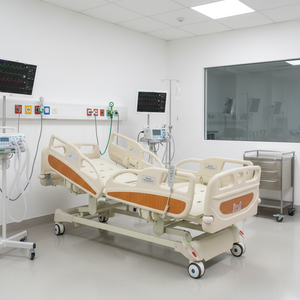
Hospital Furniture Patient Nursing Clinical Medical Bed 3/5/7 Function Electric Hospital ICU Bed
- 3/5/7 Multi-Function Electric
- Advanced Critical ICU Setup
- Integrated Ergonomic Controls
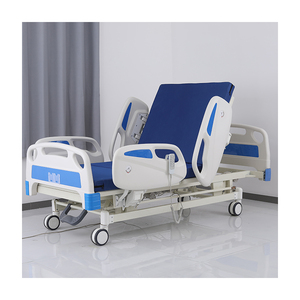
Chenhong CH-C8 Factory Supplied Double-Shaking Stainless Steel Class II Medical Beds
- Stainless Steel Structure
- Double-Shaking Mechanism
- Class II Medical Certification
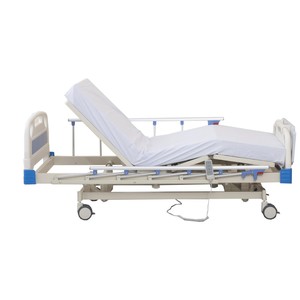
GRACEMED 3-Function Hospital Electronic Medical Bed with L&K Motor CE Certified
- Heavy-Duty L&K Linear Actuator
- CE Certified Safety System
- 1-Year Warranty Coverage
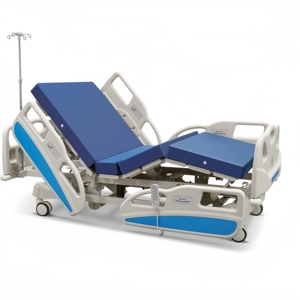
Cama Clinica Medical Patient Bed 5 Function ICU Electric Hospital Bed With Mattress
- Full 5-Function ICU Motion
- Medical Grade Anti-Bedsore Mattress
- Trendelenburg & Reverse Tilts
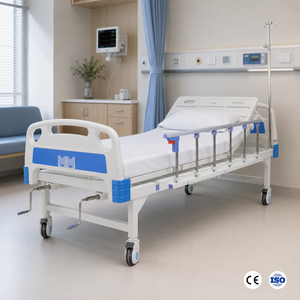
OEM Custom 2-Function Manual Medical Hospital Bed With Anti-Collision ABS Headboard
- Anti-Collision Removable ABS Board
- Smooth Foldable Manual Crank
- OEM Customization Support
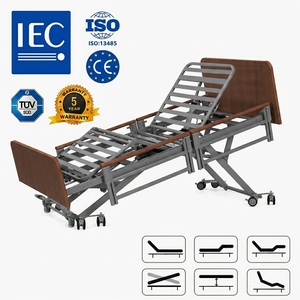
Electric Hospital Bed For Home Use Adjustable Patient Medical Bed IEC 60601
- IEC 60601 Safety Standard
- Home Care & Nursing Home Ready
- Extended 5-Year Warranty
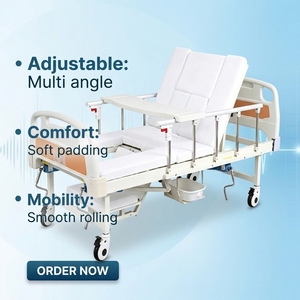
Hospital Grade Multifunctional Manual Nursing Bed with Robust Steel Construction
- High-Strength Carbon Steel Frame
- Multifunctional Manual Adjustment
- Heavy-Duty Castor Brakes
Why Partner with Joson-Care: Technical & Manufacturing Dominance
Combining over two decades of engineering heritage with Taiwan's advanced medical device manufacturing infrastructure.
ISO 13485 & Regulatory Rigor
Every medical cot manufactured in our facilities undergoes 30 discrete quality assurance inspections and 15 mechanical stress tests. We maintain full regulatory documentation including ISO 13485 quality system compliance, CE marking under EU MDR standards, and FDA registration for North American health networks.
Award-Winning Innovation
Recognized with prestigious accolades including the Taiwan Excellence Award for our flagship ES-19HD ICU Bed. Our engineering team specializes in human-centric design, integrating X-Ray radiolucent backrests, automatic chair positioning, and digital weight scale sensor arrays directly into the cot chassis.
Global Logistics & OEM Support
Exporting to over 65 countries across North America, Europe, Asia-Pacific, and the Middle East. We provide full OEM/ODM customization—from custom dimensioning, color-coded ABS side rails, and custom linear actuator voltage setups to private-label branding and localized spare parts stocking.
Technical Deep-Dive: Structural Engineering & Safety Standards of Medical Cots
A high-performance medical cot must balance several competing engineering requirements: high load capacity, low frame vibration, zero-pinch safety clearance, electrical insulation safety, and resistance to hospital-grade chemical disinfectants. Sourcing teams must evaluate medical cot suppliers against three critical technical vectors:
1. Frame Material & Surface Finishing Technology
The core structural chassis of professional medical cots is constructed using high-tensile cold-rolled steel tubing (such as Q235 or Q345 grade). The steel undergoes multi-stage chemical pretreatment, including degreasing, zinc phosphate conversion coating, and automated robotic electrostatic powder coating. This process creates an anti-corrosive, non-porous epoxy coating that withstands harsh cleaning agents containing sodium hypochlorite, isopropyl alcohol, and quaternary ammonium compounds without flaking or oxidizing.
2. Actuator Drive Systems & Microcontroller Safety
Electric medical cots rely on low-voltage DC linear actuators (typically 24V DC from premium brands such as LINAK, Dewert, or L&K). Key electrical parameters to verify include:
- Ingress Protection Rating: Minimum IPX4 water resistance across all motors and control boxes; IPX6 for wash-down compatible operating theater cots.
- Duty Cycle Compliance: Standard 10% duty cycle (2 minutes continuous operation followed by 18 minutes rest) with thermal overload protection circuitry.
- EMC Compliance: Compliance with IEC 60601-1-2 standard for electromagnetic compatibility, ensuring zero electronic interference with critical medical equipment such as ventilators, ECG monitors, and infusion pumps.
3. Patient Ergonomics & Fall-Prevention Mechanism (IEC 60601-2-52)
Patient safety guidelines mandate strict dimensional parameters to eliminate entrapment zones between side rails, headboard/footboard panels, and the mattress deck. Full-length or split four-piece folding side rails must incorporate automatic locking drop mechanisms, angle indicators for Trendelenburg tilt (+16°) and backrest elevation (0-75°), and dual-sided nurse control panels featuring quick CPR emergency mechanical releases.
Future Product & Development Trends in Medical Cot Manufacturing
Analyzing the technological shift toward smart ward integration, digital health monitoring, and sustainable manufacturing.
IoT Connectivity & Smart Sensor Integration
The next generation of medical cots is evolving into active digital monitoring nodes. Modern factory designs incorporate piezoelectric load cell weight sensors embedded in the four chassis corners, allowing continuous patient weight measurement without physical transfers. Furthermore, out-of-bed pressure alarm sensors and Ethernet/Wi-Fi telemetry modules connect directly to Central Nursing Stations (CNS) and Electronic Health Record (EHR) systems to predict patient exit risks and prevent accidental falls.
Infection Control & Hygiene-Centric Design
Following global pandemic protocols, medical cot engineering now prioritizes seamless, open-chassis designs with removable ABS or PP plastic mattress platform decks that can be quickly unclipped and autoclaved. Ultrasonic seamless welding on side rail joints eliminates hard-to-clean crevices, preventing bio-burden accumulation and resistant bacterial colonization (such as MRSA and C. difficile).
Bariatric Capability & High SWL Ratings
With rising global obesity rates, hospital procurement teams are replacing standard 175 kg SWL cots with heavy-duty frames rated for 250 kg to 350 kg Safe Working Loads. Modern bariatric cots integrate dual-actuator lift columns, widened mattress decks (from standard 90 cm up to 120 cm), and motorized 5th wheel steering systems to enable effortless single-caregiver transport through corridors.
Modular Architecture & Total Cost Reduction
Leading factories are standardizing modular sub-assemblies. By using interchangeable motor boxes, plug-and-play hand pendants, and universal side rail brackets across 3-function, 5-function, and manual cots, hospital maintenance departments can reduce spare part inventory stocks by up to 40% while accelerating repair turnaround times.
Strategic Sourcing Guide: Future Procurement Trends for Healthcare Buying Groups
Global hospital networks, government health ministries, and private clinical groups are shifting away from short-term purchase price metrics toward strategic Total Cost of Ownership (TCO) procurement models. When negotiating with a medical cot factory or B2B supplier, procurement officers must account for the following strategic factors:
1. Warranty Structure and Spare Parts Guarantee
Leading Taiwanese and tier-1 Asian manufacturers provide a minimum 2-to-5-year comprehensive warranty on structural steel welds and linear actuator motors. Strategic contracts should mandate a guaranteed 10-year supply window for critical spare parts (such as replacement control PCB boards, hand controllers, gas springs, and castor bearings).
2. Compliance with Changing Regulatory Landscapes (EU MDR & FDA 510k)
As the European Union strictly enforces the Medical Device Regulation (MDR 2017/745) and the US FDA updates guidelines on patient entrapment, procurement managers must verify that their factory supplier holds current Technical Documentation Files (TDF) and Risk Management reports under ISO 14971. Sourcing non-certified cots exposes healthcare institutions to severe legal liability and operational disruption.
3. Freight Optimization & KD (Knock-Down) Packaging
With international ocean freight rates fluctuating, buying from a medical cot factory offering optimized semi-knocked-down (SKD) or completely knocked-down (CKD) packaging can increase 40ft HQ container loading capacity from 40 assembled units to over 120 SKD units. This reduces per-unit shipping cost by up to 65% while maintaining easy 15-minute final assembly at the target hospital site.
Frequently Asked Questions (FAQ)
Answers to common technical, manufacturing, and shipping questions when sourcing medical cots globally.
Partner with a Certified Medical Cot Manufacturer
Connect directly with our engineering and export team to request OEM/ODM technical specifications, factory direct pricing quotes, or bulk hospital tender documentation.