Precision Engineering
Featured Orthopedic Implants & Surgical Systems
CE-marked and SGS-verified surgical instrumentation and trauma fixation solutions engineered for demanding clinical applications.
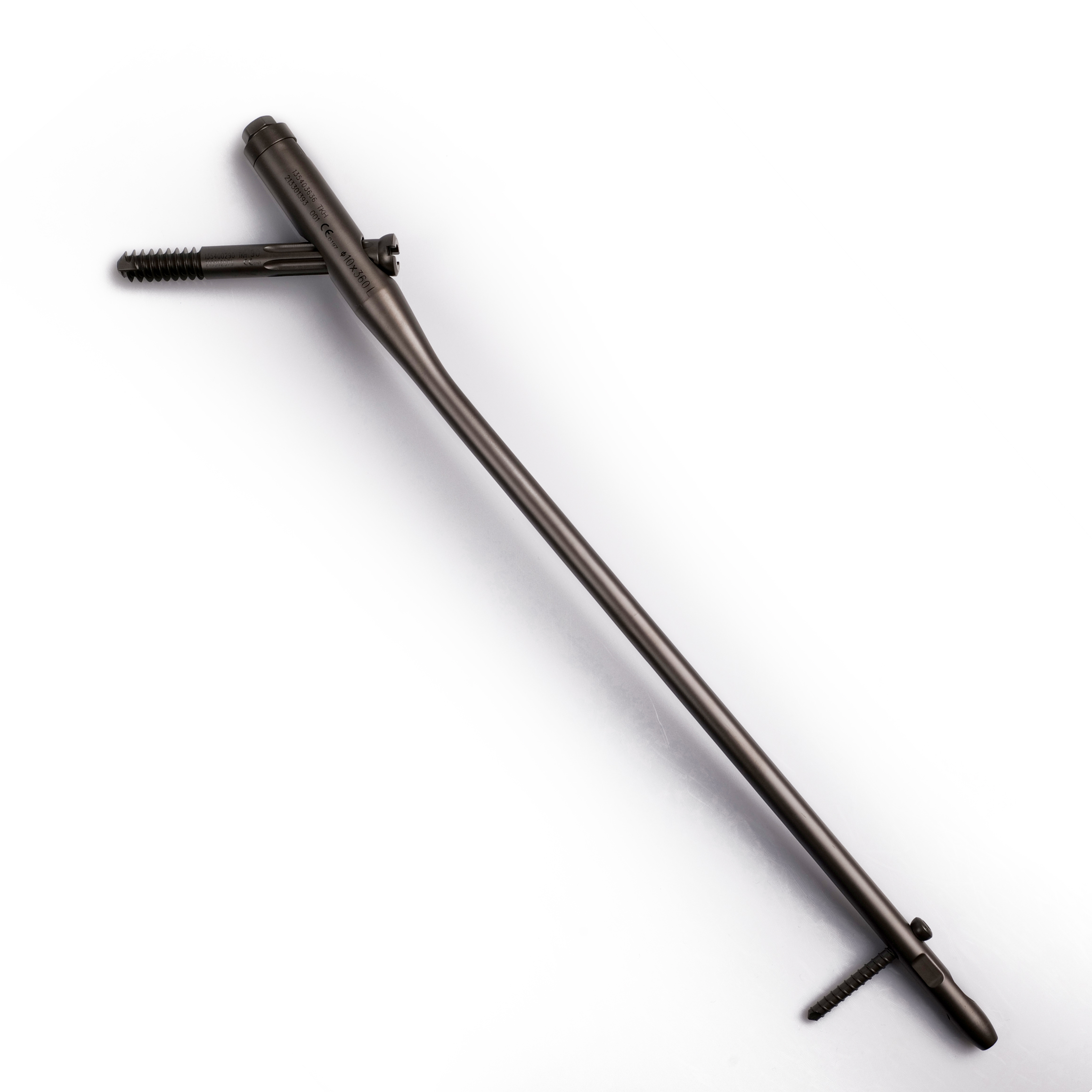
CANWELL Titanium Femoral Intramedullary Nails Interlocking Nail Femur PFNA Orthopedic Trauma Implants
View Product Specifications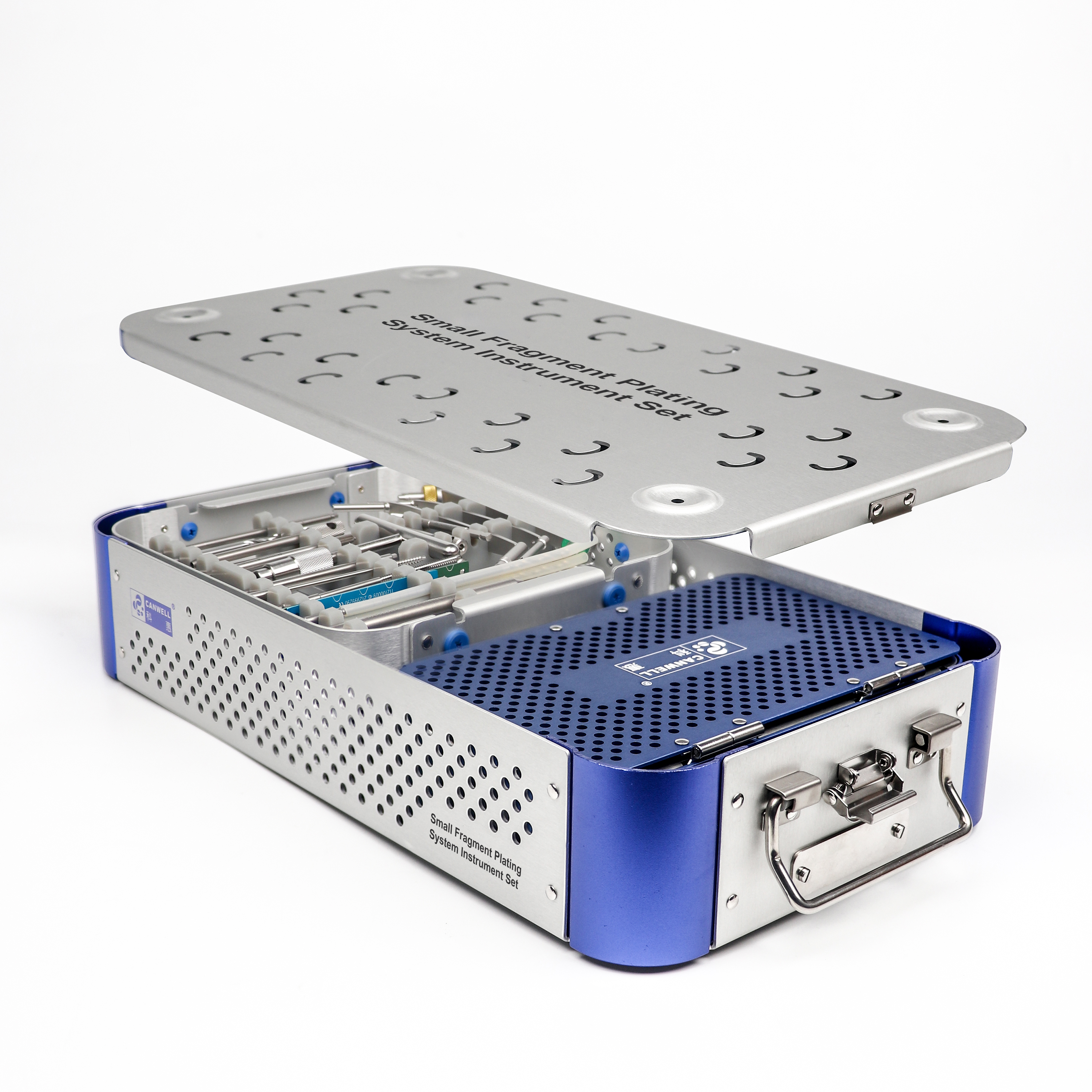
CANWELL Small Fragment Orthopedic Instrument Set Basic Surgical Instruments Traumatology
View Product Specifications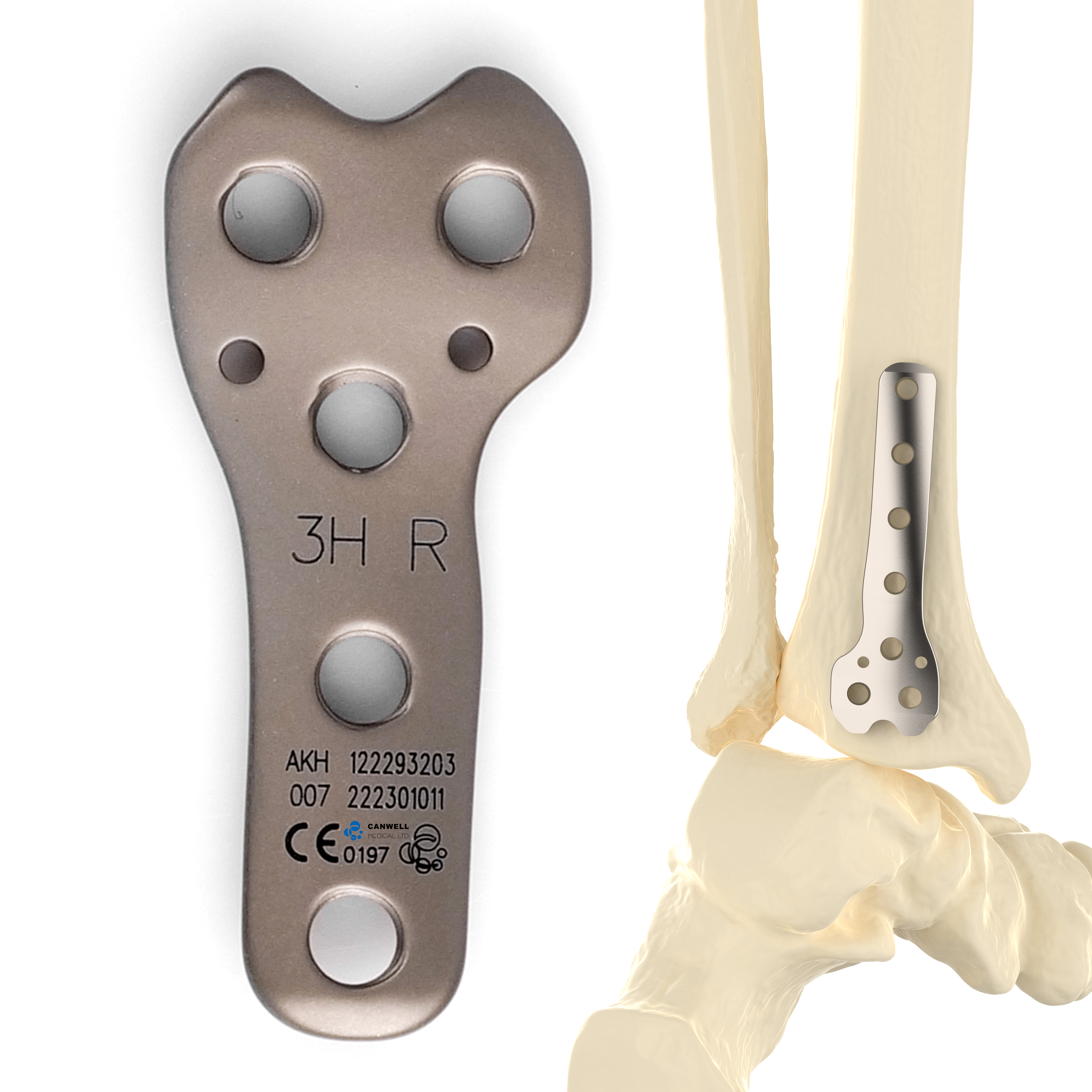
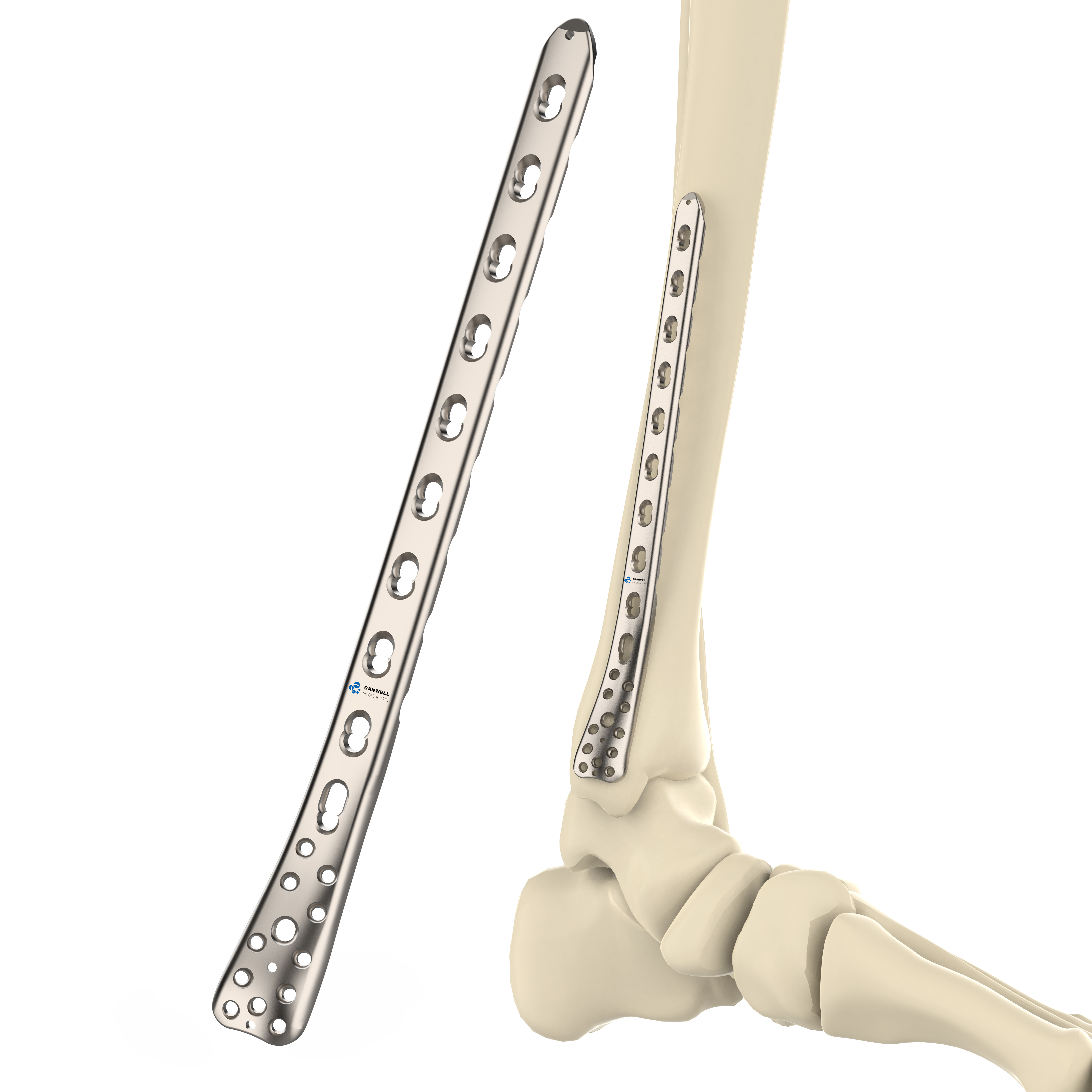
CANWELL Distal Tibial Titanium Locking Plate Posterior Limb Compression Trauma Implant
View Product Specifications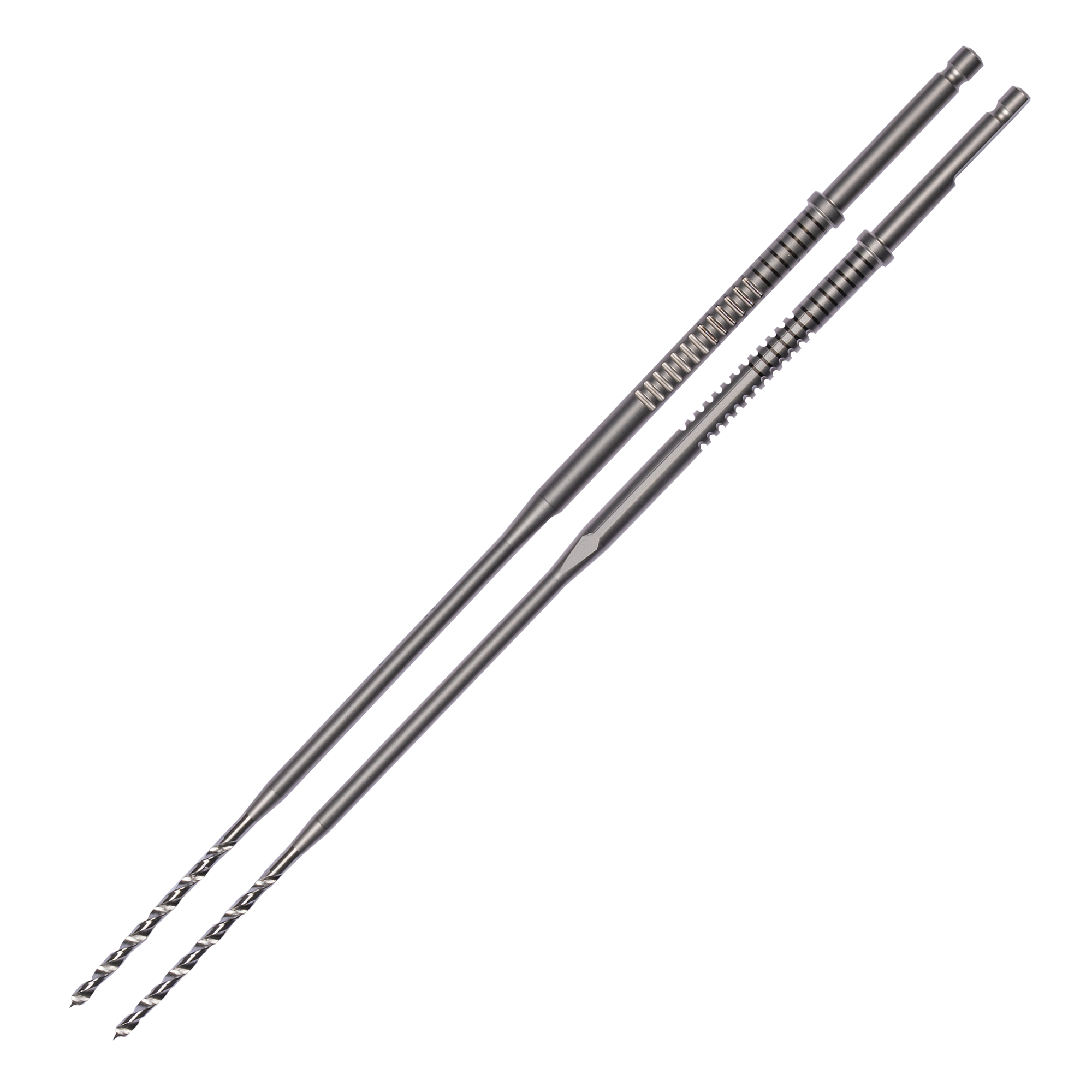
CANWELL Bone Drill Bit Bone Flexible Surgical System Soft AO Normal Type Quick Coupling
View Product Specifications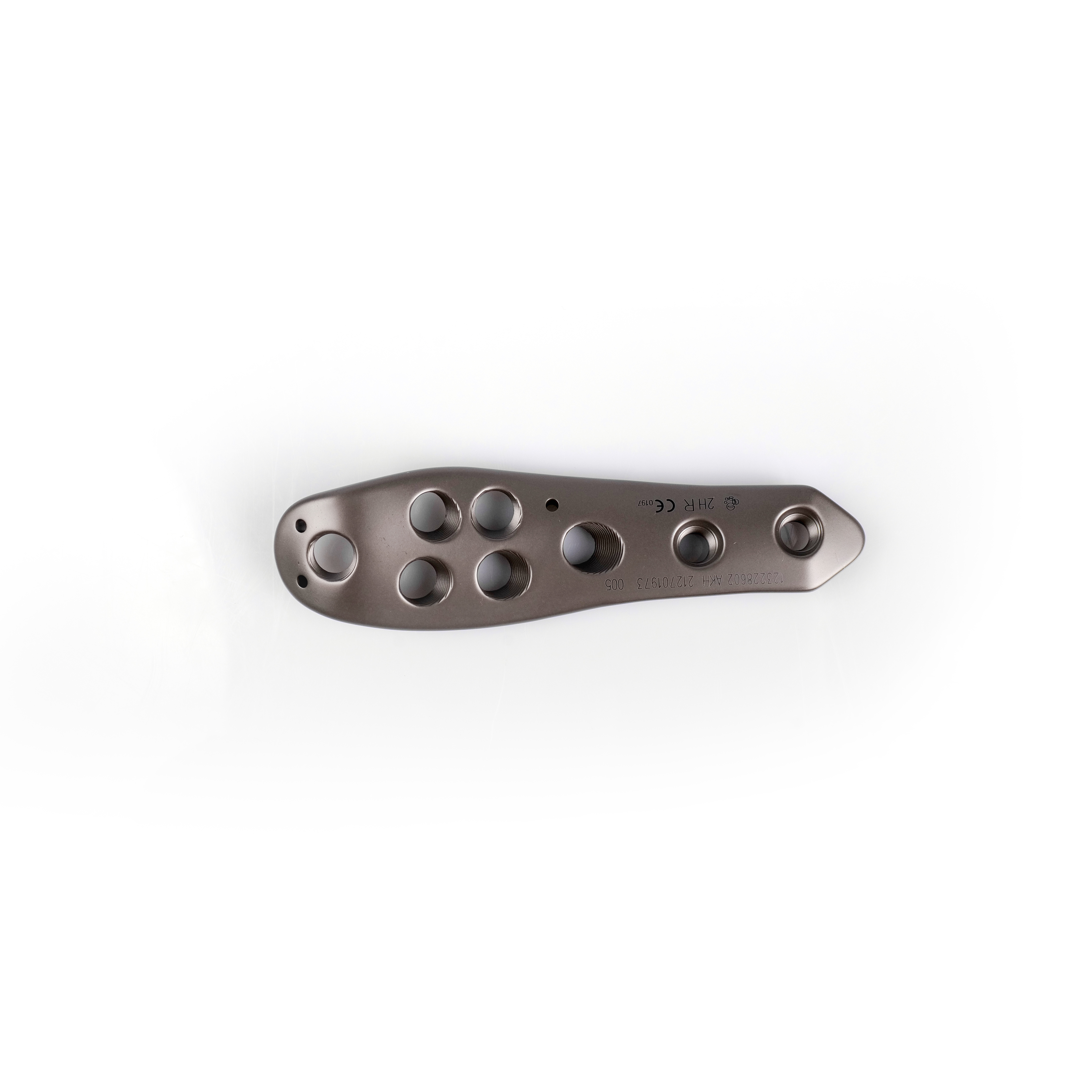
CANWELL Titanium Tibia Locking Plate Lateral Distal Femoral Outer Side Implant
View Product Specifications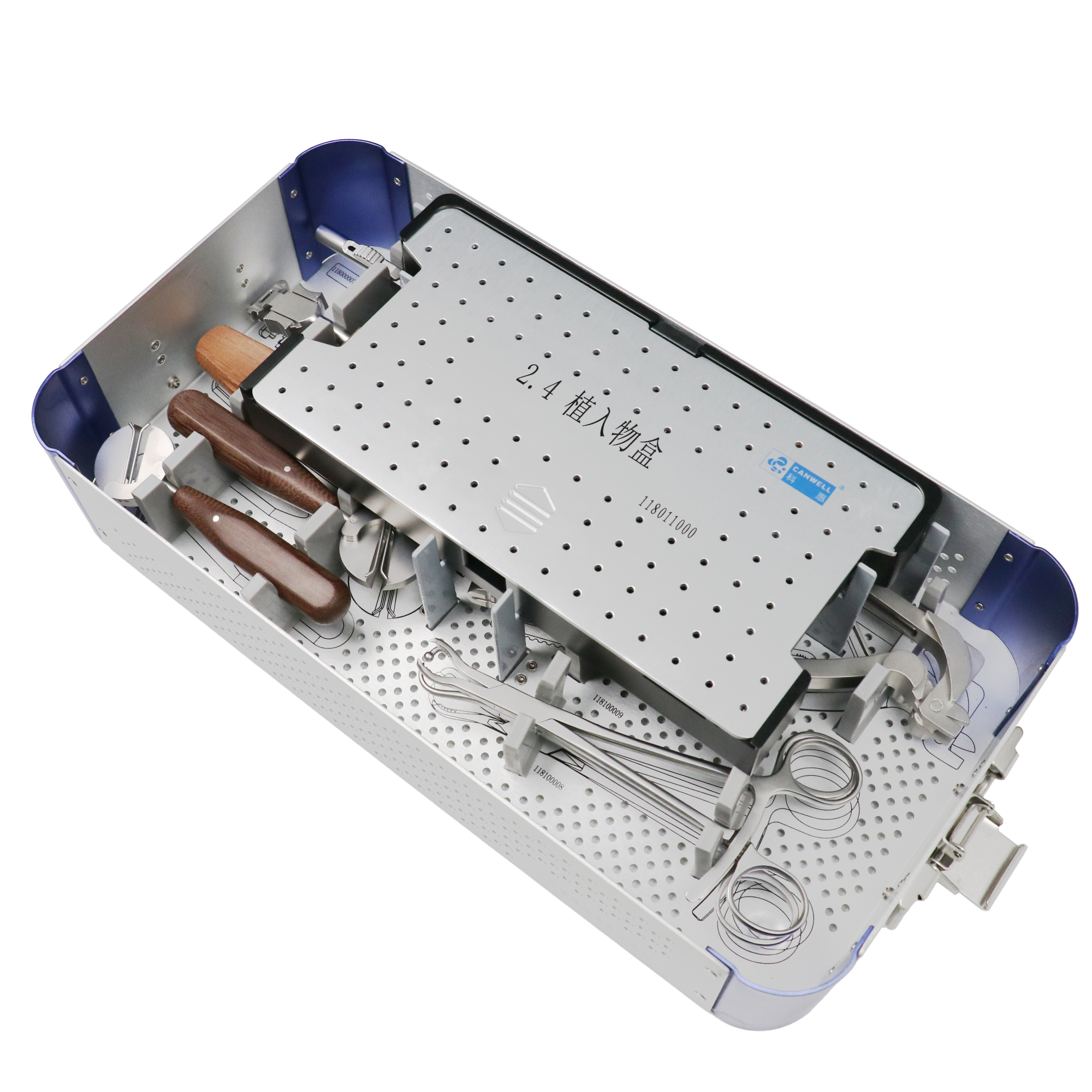
CANWELL Oral & Maxillofacial Surgery Instruments Set Cranium Surgical Kit
View Product Specifications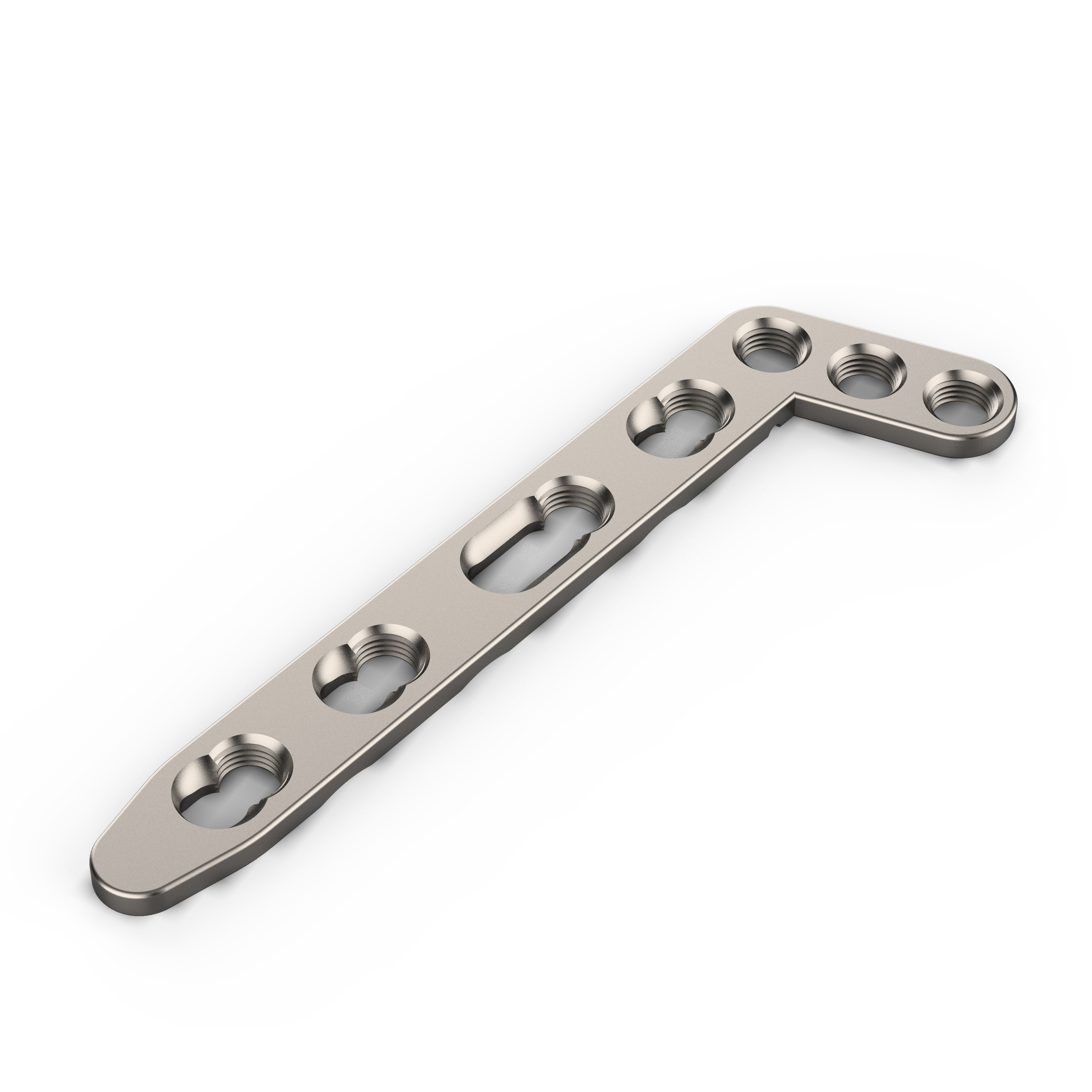
CANWELL Distal Radius Dorsal Titanium Locking Plate 3 Holes Oblique Volar Wrist
View Product Specifications22+
Years Industry Expertise
632
Specialized Workforce
29,523m²
Modern Manufacturing Floor
CE / MDR
Certified Implant Systems
Industrial Technical Analysis: Biomechanical Principles of Modern Spinal & Orthopedic Fixation
Spinal fixation systems represent one of the most critical segments of complex orthopedic reconstructive surgery. Designed to treat severe segmental instability, degenerative disc pathologies, spondylolisthesis, vertebral fractures, and spinal deformities (such as idiopathic scoliosis and kyphosis), these systems must maintain rigid structural alignment while facilitating bony fusion (arthrodesis). As surgical techniques transition toward Minimally Invasive Surgery (MIS) and navigation-guided placement, global hospital procurement committees must carefully evaluate the biomechanical integrity, metallurgical purity, and fatigue-resistance threshold of spinal hardware.
Key Engineering Takeaway: The survival rate of spinal construct assemblies hinges upon dynamic fatigue resistance under cyclic multi-axial loads, minimizing stress shielding via modulus-matched titanium alloys (ASTM F136 Ti-6Al-4V ELI) and PEEK polymers.
Pedicle Screw Kinematics & Thread Design Innovations
The primary mechanical anchor in posterior spinal instrumentation remains the pedicle screw system. Modern polyaxial and monoaxial pedicle screws rely on dual-thread or friction-fit lead geometry to optimize pullout strength in both cortical pedicle walls and cancellous vertebral bodies. Advanced multi-thread designs increase thread pitch near the screw head to accelerate insertion velocity, while micro-serrated flank surfaces improve osteointegration at the bone-screw interface.
Polyaxial screw heads engineered with dynamic spherical friction locking mechanisms allow up to 50 degrees of angular trajectory flexibility. This capability dramatically reduces intraoperative rod-contouring stress, lowering the risk of notch-induced rod fracture under heavy torsional fatigue. High-tier suppliers utilize low-profile screw tulip geometries to minimize soft-tissue irritation, particularly during lumbar spinal fusion and MIS percutaneous fixations.
Interbody Fusion Cages: Radiolucency & Surface Porosity
Interbody fusion devices (PLIF, TLIF, ALIF, and DLIF cages) fabricated from polyetheretherketone (PEEK) have long been favored for their elastic modulus (3.6 GPa), which closely mirrors native human cortical bone (12–18 GPa). This mechanical parity minimizes stress shielding and subsequent cage subsidence into adjacent vertebral endplates. Furthermore, PEEK’s innate radiolucency enables precise post-operative radiological assessment of bone graft maturation via CT and X-ray imaging without metal artifacts.
However, next-generation spinal cage technologies are rapidly adopting 3D-printed porous titanium constructs or PEEK surfaces coated with Plasma-Sprayed Titanium/Hydroxyapatite (HA). These biomimetic structures feature interconnecting micro-pores (ranging from 300 to 600 microns) that promote direct cellular attachment, angiogenesis, and rapid osteoblast proliferation, securing early primary stabilization without sacrificing radiolucent evaluation windows.
Strategic Horizon
Future Global Procurement & Technological Trends in Spinal Fixation
Insights into shifting market dynamics, material science advancements, regulatory tightening, and digital surgical integration.
1. Additive Manufacturing & Porous Titanium
Direct Metal Laser Sintering (DMLS) titanium alloys are replacing monolithic machined implants. Porous lattice designs encourage rapid osseointegration, reducing reliance on bone morphogenetic proteins (BMPs) and shortening hospital stay durations.
2. Navigation & Robotic System Compatibility
Importers are prioritizing pedicle screw instrumentation sets equipped with optical and electromagnetic navigation arrays. Compatibility with surgical robotic arms guarantees accurate trajectory placement, reducing operative revisions.
3. Strict Regulatory Frameworks (EU MDR)
The transition from MDD 93/42/EEC to EU MDR (2017/745) Class III mandates rigorous clinical evaluation reports (CERs) and post-market clinical follow-up (PMCF). Only fully verified tier-one manufacturers will maintain global market clearance.
Manufacturing Infrastructure & Supply Chain Trust: The INAR Advantage
When evaluating top trusted spinal fixation suppliers and exporters, clinical outcome predictability is directly linked to manufacturing repeatability. Zhejiang INAR Medical Co., Ltd. operates a state-of-the-art 29,523 m² production base staffed by 632 dedicated medical device personnel. Audited onsite by SGS Group, the facility operates strict quality management loops under ISO 13485 standards.
13-Step
Rigorous Quality Route
Class 7
Aseptic Cleanroom Packing
100%
Batch Traceability Control
End-to-End In-House Manufacturing Capabilities
Unlike trading intermediaries who assemble components from disparate workshops, INAR maintains absolute control over the complete production pathway. Medical-grade titanium alloy bar stock (Ti-6Al-4V ELI) undergoes longitudinal multi-axis CNC lathe turning, micro-milling, automated polishing, ultrasonic cleaning, and controlled anodizing for color-coded dimensional sizing. Critical quality checkpoints include non-destructive penetrant testing for surface micro-fissures and 3D CMM dimensional verification.
For distributors seeking customized private-labeling (OEM/ODM), INAR provides complete design control, custom plate contouring, proprietary tray modularization, and multi-lingual laser marking, ensuring smooth regulatory registration across Latin America, Southeast Asia, the Middle East, and Europe.
Procurement Clarity
Frequently Asked Questions for Medical Importers & Distributors
Detailed technical and commercial answers addressing common sourcing inquiries in spinal fixation procurement.
What regulatory compliance credentials are required for global exportation of spinal pedicle screw systems?
Spinal fixation systems fall under high-risk medical device classifications (Class III under EU MDR, Class II/III under US FDA). Trusted exporters must possess ISO 13485 certification, CE certification under Medical Device Directive 93/42/EEC or Regulation (EU) 2017/745, material test certificates (MTC) proving ASTM F136 or ISO 5832-3 titanium compliance, and third-party facility verification reports (such as SGS or TÜV NORD onsite assessments).
How do manufacturers validate the dynamic fatigue strength of spinal hardware?
Spinal constructs undergo rigorous mechanical testing in accordance with ASTM F1717 (Standard Test Methods for Spinal Implant Constructs in a Vertebrectomy Model) and ISO 12189. Testing evaluates static compression bending, static torsion, and dynamic axial fatigue up to 5,000,000 cyclic loads without functional failure, simulating heavy physiological loads over long-term clinical implantation.
What custom OEM/ODM packaging options are available for hospital supply contracts?
Importers can select between sterile double-pouch Tyvek packaging (gamma or EO gas sterilized ready for direct operating room deployment) or non-sterile bulk packaging intended for in-hospital tray sterilization. Private labeling services include custom laser marking of GTIN/UDI barcodes, color-coded anodization matching distributor branding, and customized stainless steel surgical instrument trays.
Why is color anodization important for titanium traumatology and spinal screws?
Anodization creates a controlled biocompatible oxide layer on titanium surfaces, significantly increasing corrosion resistance and reducing metal ion release. Color coding (e.g., magenta for 5.5mm, yellow for 6.5mm, blue for 7.5mm screws) allows operating room surgical technicians to instantly distinguish thread diameters during rapid, high-stress surgical procedures.
What lead times and minimum order quantities (MOQs) apply for commercial hospital tenders?
Standard inventory items (such as standard pedicle screws, locking plates, and intramedullary nails) generally ship within 15–20 business days. Custom OEM orders requiring unique contour forging or specialized instrument tooling typically require 30–45 days. MOQ requirements vary depending on customization requirements, with flexible sample evaluation plans available for qualified regional distributors.
Partner with a Top Trusted Spinal Fixation Manufacturer
Enhance your orthopedic product catalog with certified, high-precision spinal screws, trauma plates, intramedullary nails, and custom surgical instrument sets. Connect directly with our engineering and export team today.