High-Precision Orthopedic Instruments & Fixation Systems
Manufactured to rigorous international medical standards, these complementary precision instrument sets and locking systems empower orthopedic surgical teams across Ukrainian regional clinical and trauma hospitals.
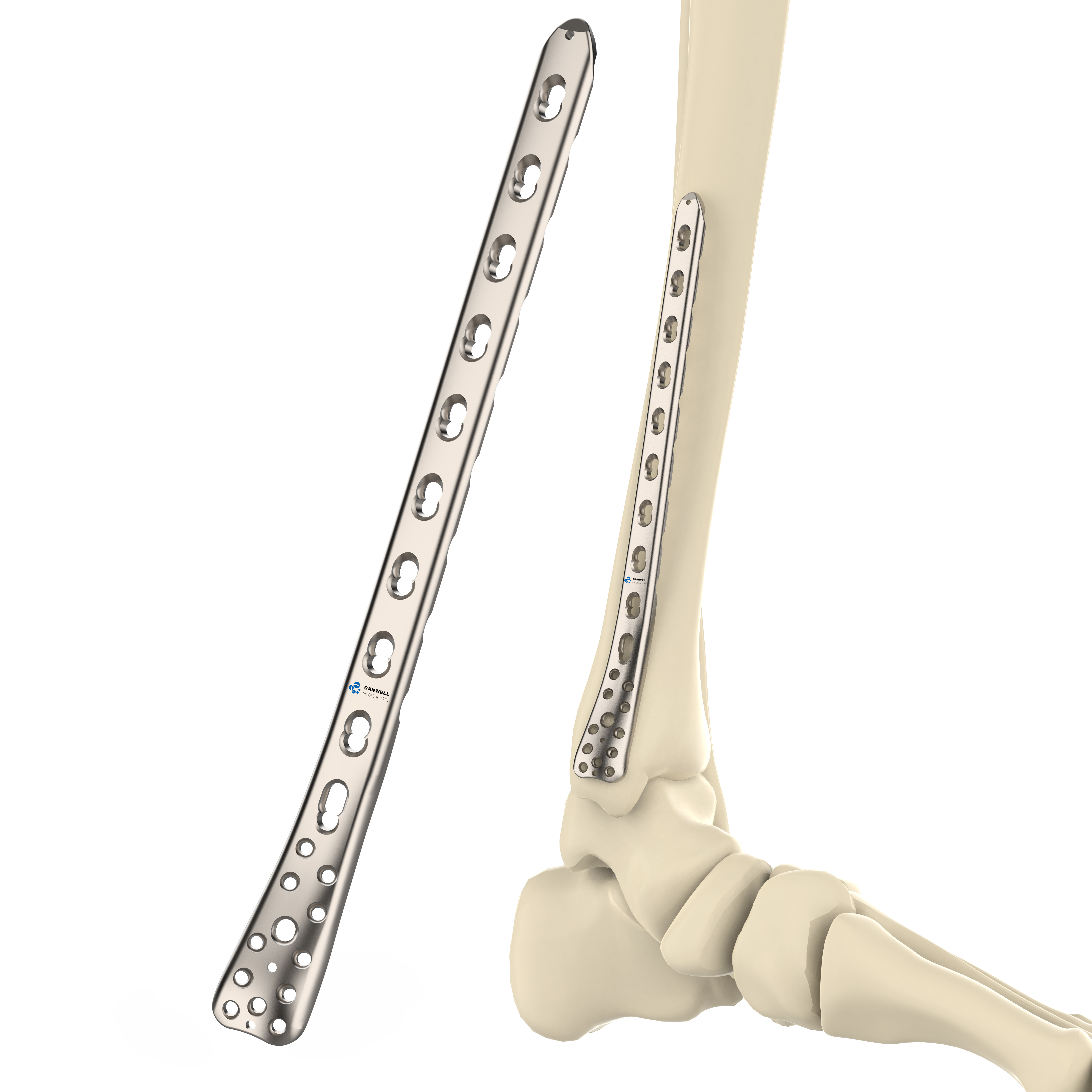
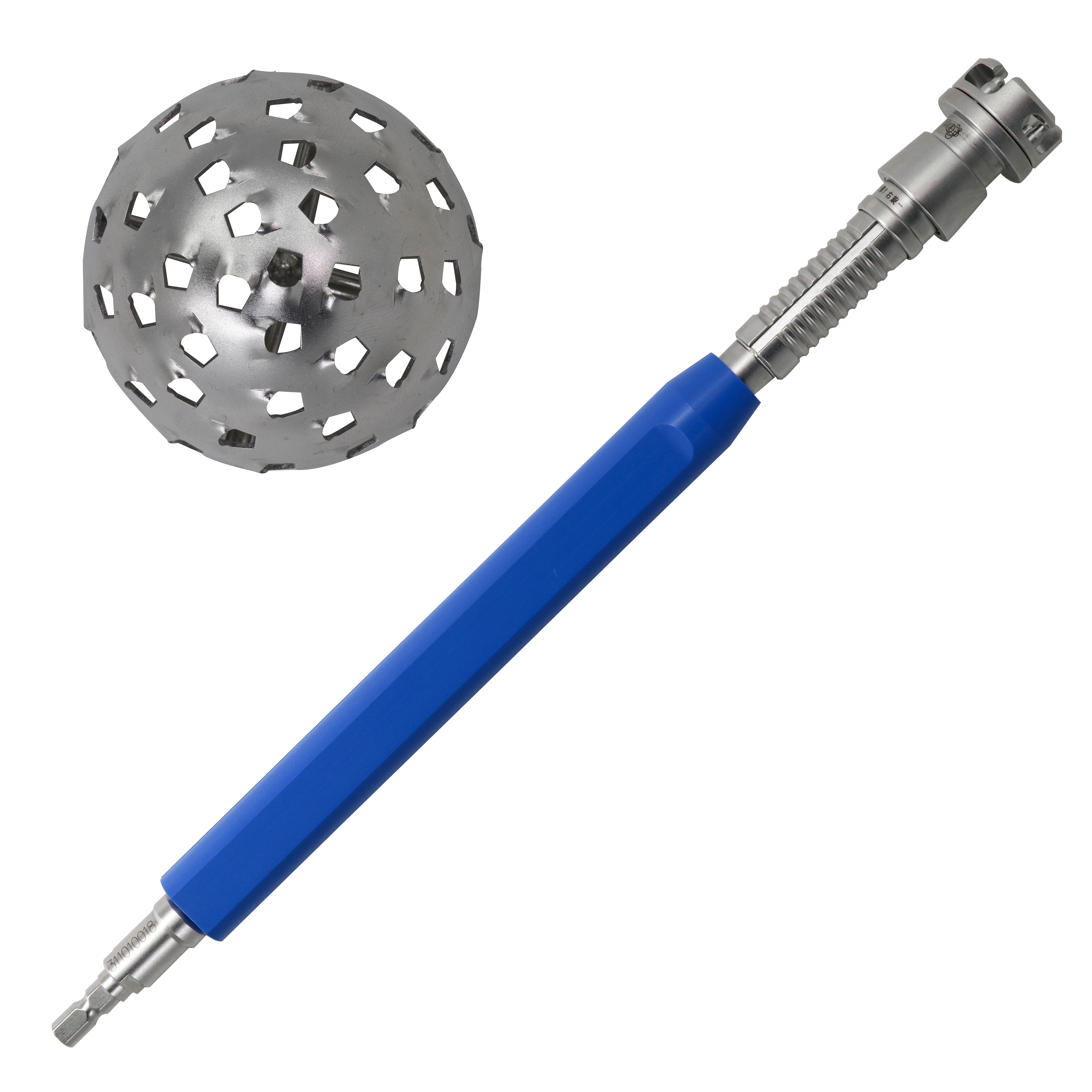
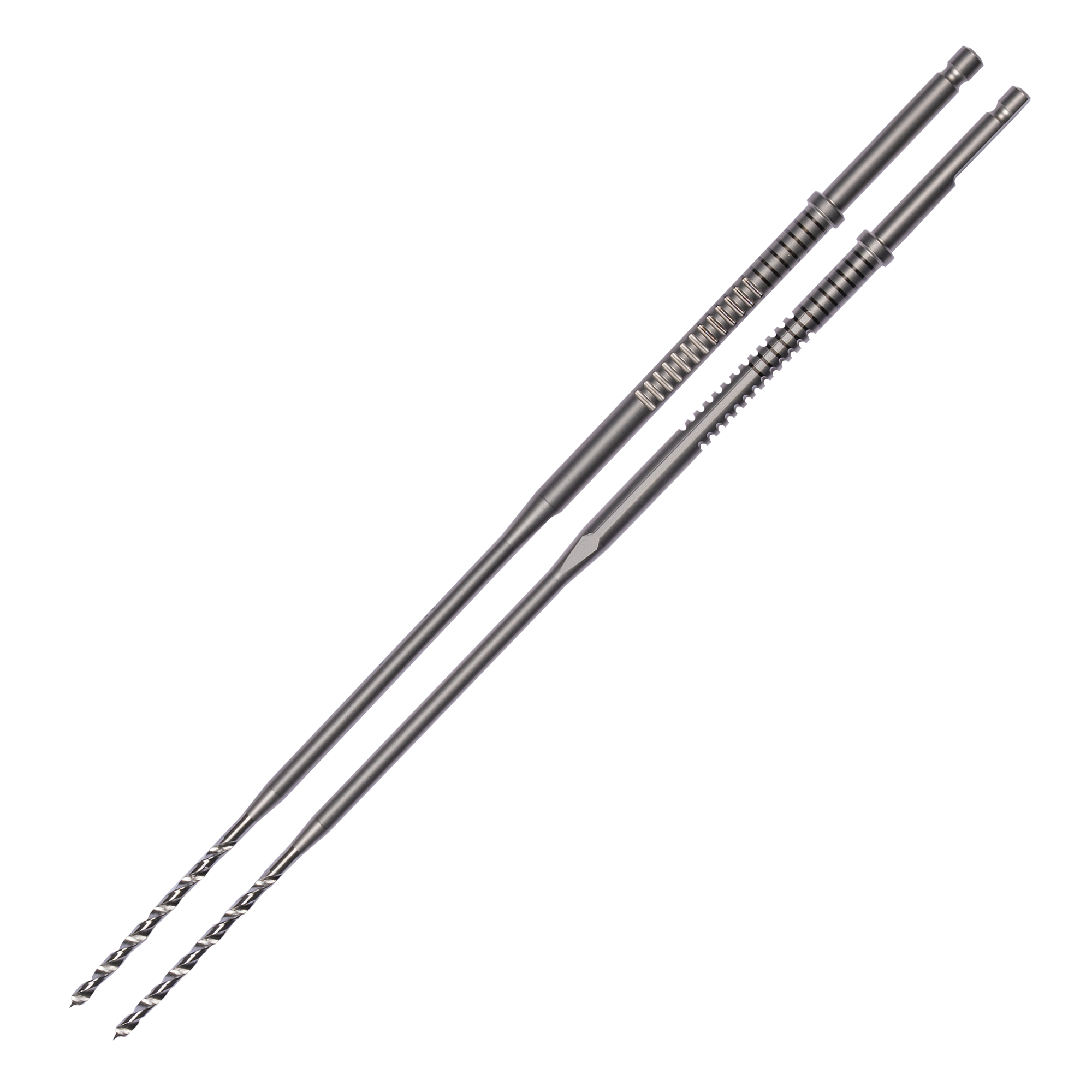
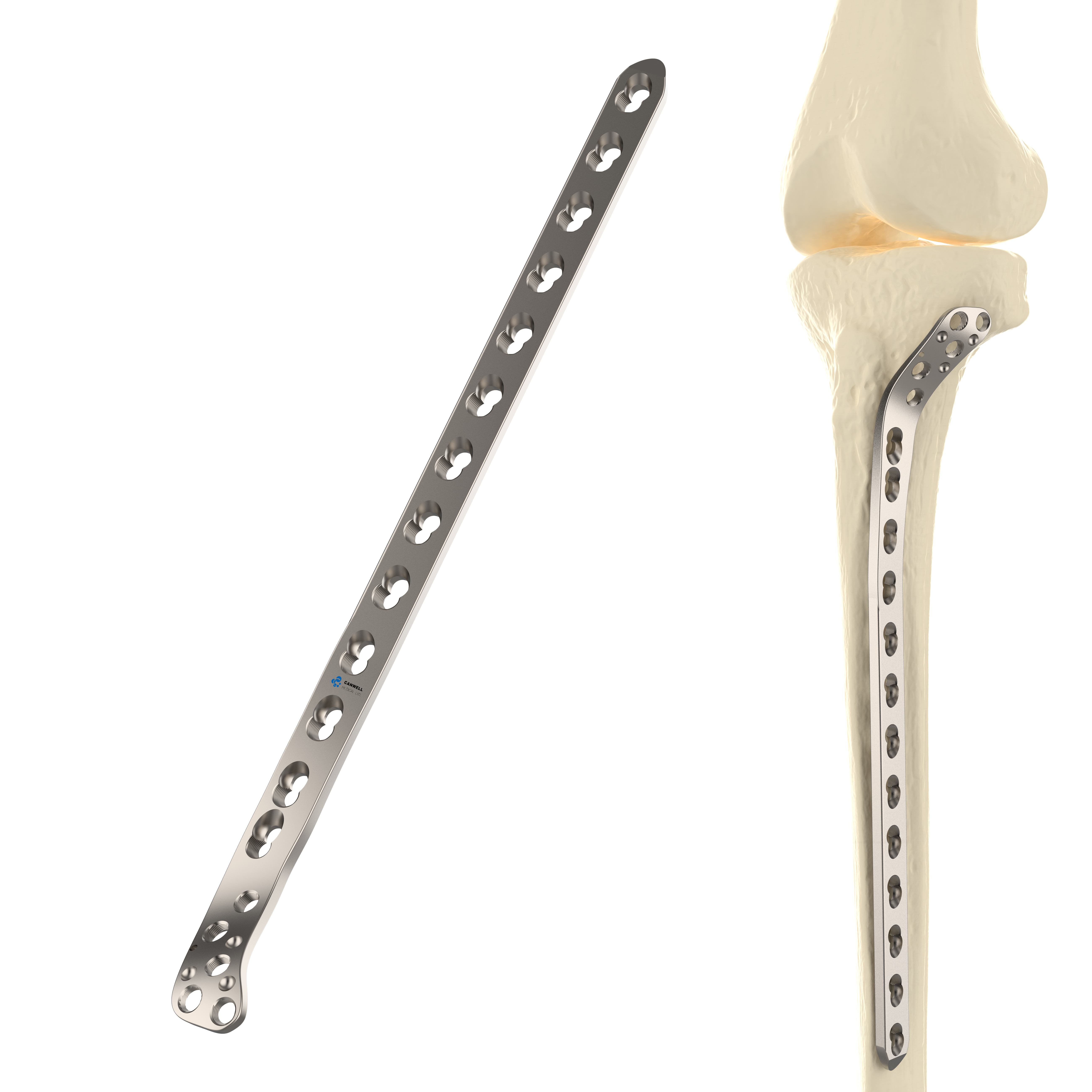
Localized Application Scenarios in Ukraine: Addressing Extreme Pelvic Trauma & Joint Reconstruction
The orthopedic landscape across Ukraine has experienced a massive paradigm shift. Beyond standard degenerative joint disease, tertiary clinical centers are faced with complex blast trauma, severe bone-loss resections, and revision arthroplasty that require exceptional primary stability.
Clinical Insight: Contemporary reconstructive hip surgery in Ukrainian military and civilian hospitals in Kyiv, Dnipro, Lviv, and Kharkiv demands an immediate shift toward biological, cementless acetabular fixation. Porous titanium acetabular cups featuring interconnected trabecular lattices provide the robust initial mechanical friction needed to overcome massive pelvic defect classifications (Paprosky Type II and Type III), ensuring rapid osseointegration even under compromised vascular conditions.
Complex Blast & High-Energy War Trauma
Blast polytrauma frequently results in comminuted acetabular column fractures, deep pelvic wall disruption, and extensive periarticular soft-tissue devascularization. Standard cemented polyethylene cups fail prematurely in these environments due to osteolysis and micromotion.
- Biomechanical Solution: Electron Beam Melting (EBM) 3D-printed porous titanium hemispherical cups with high friction coefficients (μ > 0.95).
- Screw Multi-Angle Augmentation: Multi-hole cup configurations enabling divergent cancellous bone screw fixation into safe structural corridors (ilium and ischium).
- Modular Trabecular Wedges: Titanium augments that compensate for segmental uncontained acetabular roof deficiency.
Civilian Degenerative & Secondary Dysplastic Osteoarthritis
Due to delays in routine joint preservation surgeries during wartime disruptions, civilian presentation of secondary osteoarthritis (often secondary to untreated developmental dysplasia of the hip, DDH) has worsened in average Crowe stage across regional polyclinics.
- Elliptical Flattening Geometries: Pure press-fit cups engineered with a 1-2 mm equatorial diametrical over-dimension for true peripheral biological ring seating.
- Bone Preservation: Minimal-reaming designs paired with CANWELL high-precision hemispherical reamers safeguard viable pelvic subchondral bone stock.
- Extended Articulation Options: Ultra-High-Molecular-Weight Polyethylene (UHMWPE) blended with Vitamin E for minimal volumetric wear rates (< 5 mm³/year).
Revision Arthroplasty in Regional Trauma Hubs
Major hubs such as the Sytenko Institute of Spine and Joint Pathology in Kharkiv and the Mechnikov Hospital in Dnipro manage hundreds of revision procedures annually involving chronic periprosthetic joint infection (PJI) and massive metallosis-induced osteolysis.
- Dual Mobility Systems: Reducing post-revision dislocation rates from upwards of 12% to below 1.5% through large effective head-diameter kinematic stabilization.
- Porous Biological Revision Shells: Titanium alloy shells with macro-pore structures (600-800 μm) promoting extensive neovascularization and osteoconduction.
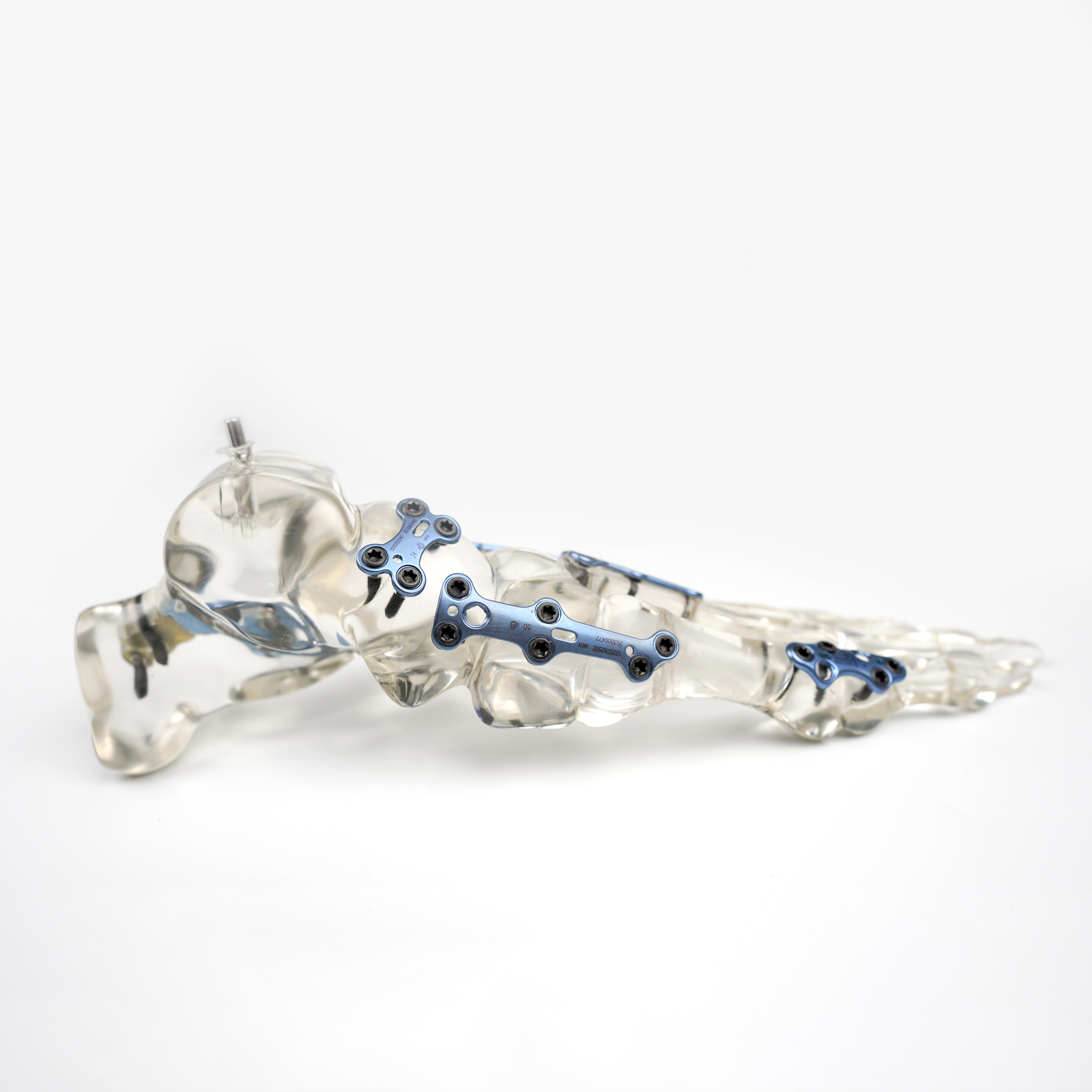
- Full Interoperability: Seamless interface with high-strength locking screws, flexible drills, and manual torque-limiting drivers.
Ukrainian Orthopedic Market Trends: Decentralized Hospital Tendering & Regulatory Modernization
Procuring acetabular cups and arthroplasty systems in Ukraine requires a granular understanding of the evolving legal, regulatory, and public health procurement architecture governed by the Ministry of Health (MoH) and the Prozorro electronic bidding network.
Prozorro & Medzakupivli Ukrainy Centralization
Over 75% of public orthopedic tender volume now routes through Prozorro and the State Enterprise "Medical Procurement of Ukraine" (Medzakupivli). Transparency dictates strict technical evaluation criteria where clinical documentation, shelf-life verification, and competitive tiered pricing determine hospital contract awards.
Suppliers that can bypass European tier-1 distributor markups by providing direct-from-factory pricing with CE MDR and ISO 13485:2016 verification secure winning advantages in regional tender allocations.
Regulatory Alignment: Technical Regulation 753 vs. EU MDR
Ukraine continues its active harmonization toward European Union regulatory norms. Implants must conform to Technical Regulation No. 753 on Medical Devices. Manufacturers possessing audited CE marks under EU MDR (2017/745) or 93/42/EEC can leverage expedited recognition routes through accredited Ukrainian conformity assessment bodies (CABs).
Our complete technical documentation packages—comprising biocompatibility validation (ISO 10993), wear debris simulation (ISO 14242), and clinical evaluation reports—streamline national market authorization.
The Surge in Demand for Domestic Consignment Stocking
Wartime logistics have rendered "just-in-time" delivery models obsolete. Ukrainian regional healthcare departments and private clinic networks (such as Dobrobut or Oxford Medical) now require authorized local distributors to maintain comprehensive consignment hubs in central and western Ukraine.
We provide full master-supply backing: standardized container shipments with customizable shell-to-liner size matrices (outer diameters from 44 mm to 64 mm in 2 mm increments), paired with localized surgical instrument trays.
Why International Orthopedic Distributors Choose Our Manufacturing Ecosystem
Combining state-of-the-art Swiss CNC multi-axis turning, proprietary additive 3D trabecular surface engineering, and end-to-end quality assurance, we supply distributors, clinical groups, and brand owners with premium arthroplasty implants that meet the highest mechanical safety metrics.
Tier-1 Medical Metallurgy
We machine exclusively from certified medical-grade titanium alloy bar stock (ASTM F136 Ti-6Al-4V ELI) and implantable medical PEEK. Raw ingots undergo optical emission spectrometry and ultrasonic defect inspection before entering production.
SGS Audited Infrastructure
Our expansive 29,523 m² production site underwent stringent onsite verification by SGS Group. Equipped with longitudinal cutting lathes, automated grinding, multi-stage ultrasonic washing lines, and Class 7 cleanrooms, nothing critical is outsourced.
Validated Surface Treatments
From porous titanium plasma-spray to advanced 3D lattice additive structures, our cup surfaces achieve 60-70% interconnecting porosity with pore diameters between 400 μm and 600 μm, precisely mimicking natural human cancellous bone trabeculae.
Comprehensive OEM/ODM
Support encompasses laser branding, custom shell geometry adaptations, specific anodized color coding, customized reamer connection styles (AO, Zimmer, or Hudson), and tailor-made hospital tender container trays for fast turnaround.
Rigorous 13-Step Production Protocol for Acetabular Implants
Every acetabular cup and arthroplasty component fabricated at our facility undergoes a fully audited, uncompromised 13-stage manufacturing route designed to prevent failure, delamination, or aseptic loosening:
1. Certified Raw Bar Stock: ASTM F136 titanium alloy batch testing and spectrometer validation.
2. Longitudinal Precision Cutting: Swiss lathe high-speed blank separation with minimal thermal variance.
3. 5-Axis CNC Hemispherical Machining: Ultra-precise inner locking groove and apical hole threading.
4. Porous Trabecular Application: Additive electron beam melting or vacuum plasma coating for porous exterior.
5. Micro-Fine Polishing: Inner bearing retention surface mirror-polishing to Ra ≤ 0.05 μm.
6. Ultrasonic Degreasing I: Multi-frequency chemical de-oiling bath removal of machine residues.
7. High-Precision Grinding: Strict diametrical tolerance inspection (± 0.015 mm).
8. Fluorescent Penetrant Testing: 100% surface inspection for micro-fissures or material discontinuities.
9. Controlled Anodization: Type II titanium medical anodization for surface passivity and corrosion resistance.
10. Ultrasonic Washing II: High-purity deionized water sonic bath cycle.
11. Outgoing QC (OQC): Coordinate measuring machine (CMM) dimensional checks and tensile pull-off testing.
12. Class 10,000 Aseptic Packaging: Medical-grade Tyvek double-blister sterile packaging.
Frequently Asked Questions: Sourcing Acetabular Cups for Ukraine
Key technical, regulatory, and logistics answers for hospital purchasing directors, medical distributors, and humanitarian tender committees evaluating our orthopedic manufacturing capabilities.
What regulatory certificates accompany your acetabular cups for clearance into Ukraine? +
Our orthopedic implant lines carry CE marking under EU MDR (Regulation 2017/745) and Directive 93/42/EEC, supported by complete ISO 13485:2016 quality management system certifications. For entry into Ukraine, these documents are utilized by local authorized representatives to complete the Declaration of Conformity under Technical Regulation No. 753. We supply full technical dossiers, material test reports (MTR), biocompatibility assessments (ISO 10993), wear simulation data (ISO 14242), and packaging sterilization validation reports (ISO 11137 / ISO 11607) translated or notarized as required by Ukrainian conformity assessment bodies.
How does your trabecular porous titanium coating perform against traditional plasma spray? +
While traditional vacuum titanium plasma spray offers adequate 2D roughness, our 3D trabecular porous structures provide a fully interconnected 3D open-pore network with volumetric porosity up to 65% and mean pore sizes of 500 μm. This architecture closely mirrors the modulus of elasticity of human cancellous bone, significantly minimizing "stress shielding" bone resorption. Furthermore, the average static shear strength of our porous coating exceeds 30 MPa, well above FDA and ASTM F1147 regulatory thresholds, virtually eliminating the hazard of coating delamination during aggressive surgical impaction.
What acetabular cup geometries and bearing surfaces do you supply? +
We manufacture a comprehensive arthroplasty matrix, including:
1. Hemispherical Press-Fit Cups: Standard cluster-hole, multi-hole trauma, and solid-back configurations (diameters 44–64 mm).
2. Dual Mobility Acetabular Systems: Highly polished inner chrome-cobalt or titanium shells for high-dislocation-risk polytrauma patients.
3. Polyethylene Liners: Neutral, 10-degree, and 20-degree hooded/posterior elevated liners machined from Vitamin E cross-linked UHMWPE (XLPE) or standard cross-linked polyethylene, accepting 28 mm, 32 mm, and 36 mm femoral heads.
4. Ceramic-Liner Compatible Cups: Precision taper locks accommodating BIOLOX delta ceramic inserts.
What are the shipping lead times and contingency logistics routes into Ukraine? +
Standard OEM/ODM production lead times range between 3 to 5 weeks depending on custom laser markings and packaging specifications. For catalog products, factory inventory is dispatched within 5-7 business days. Consignments are typically air-freighted to major European cargo logistics hubs (Warsaw, Poland; Frankfurt, Germany; or Budapest, Hungary) and transported overland via bonded international road freight directly through western Ukrainian customs entry points (Krakovets, Yahodyn, or Chop) to your designated warehouse in Lviv, Kyiv, or other municipal destinations.
Can you provide complete matching surgical instrument trays for hospital tenders? +
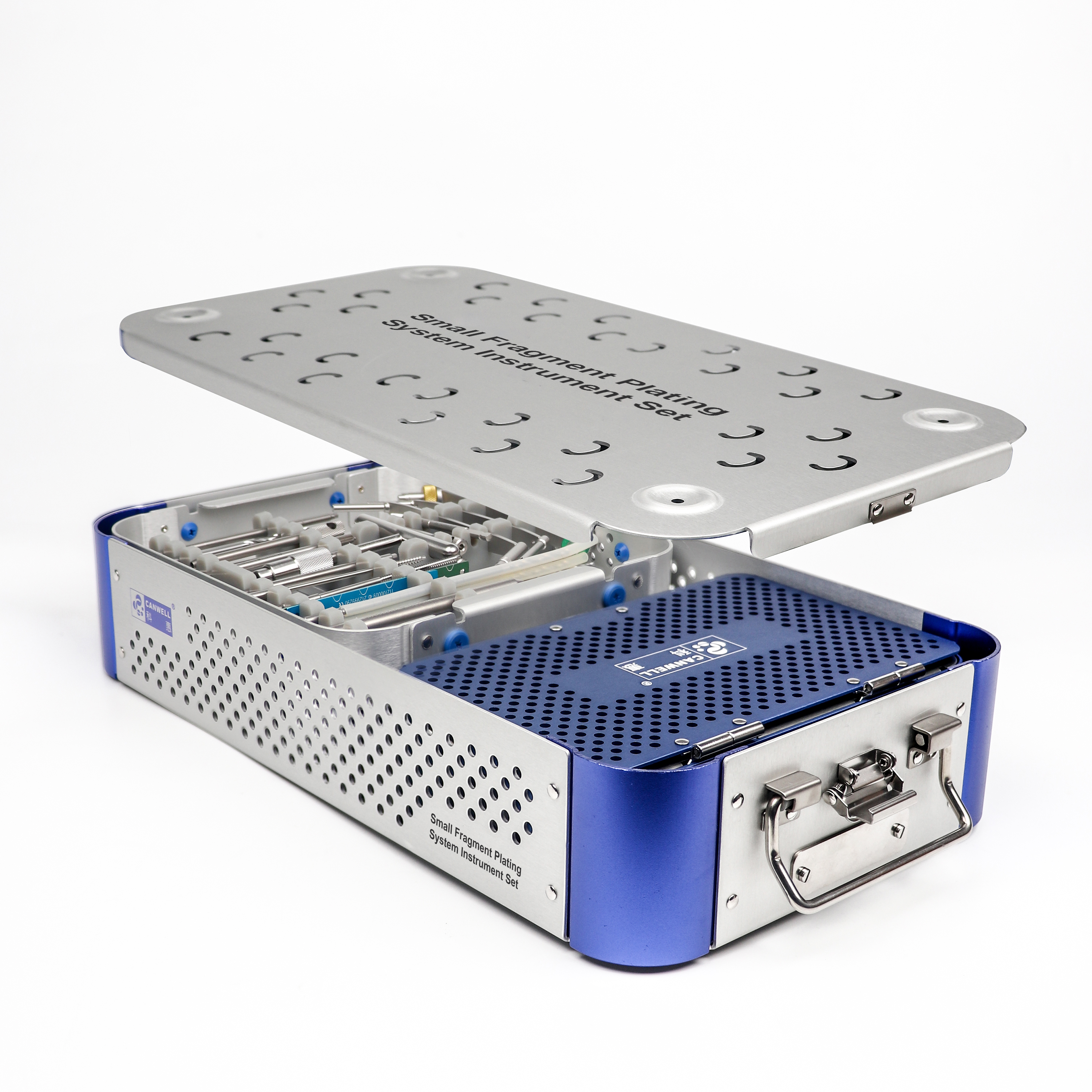
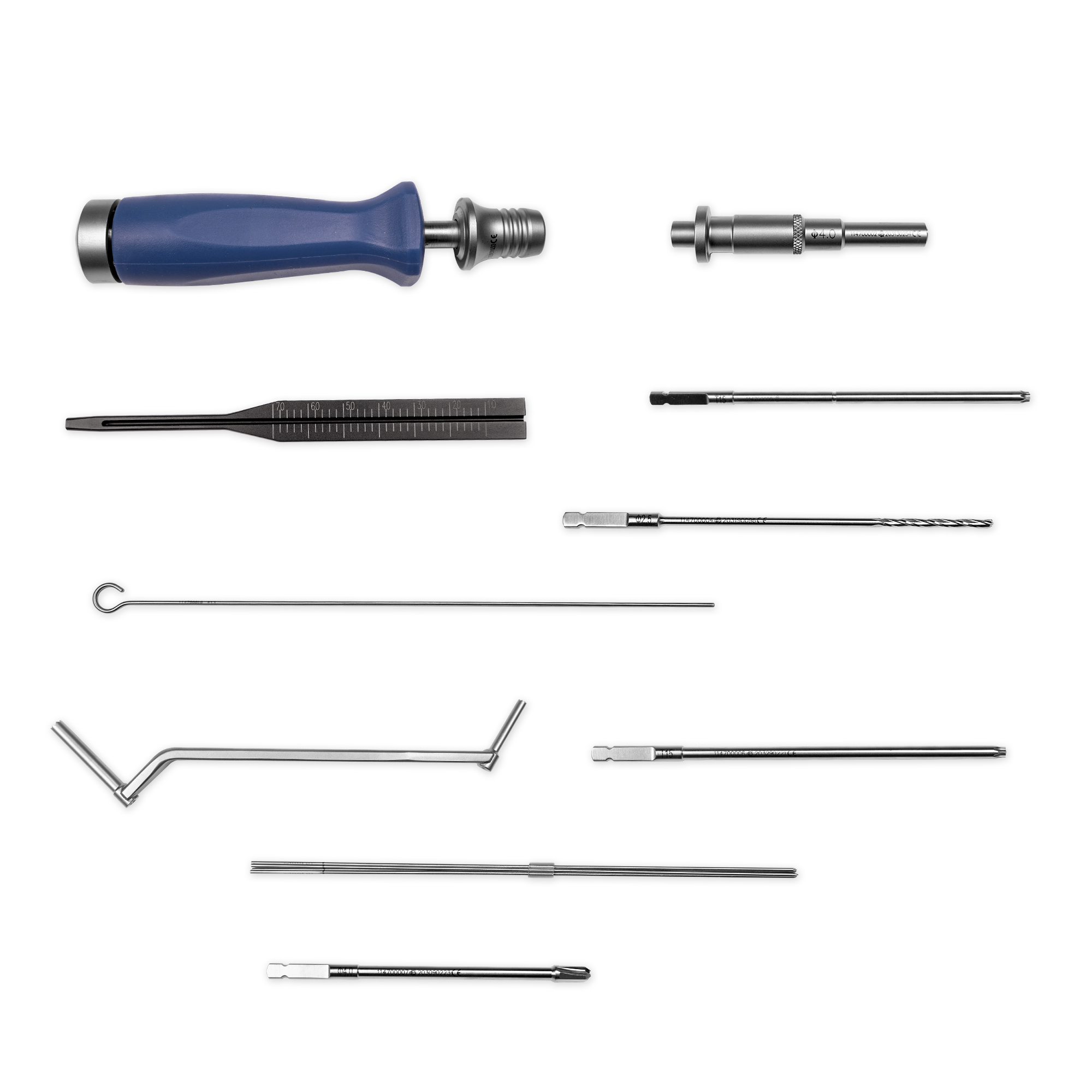
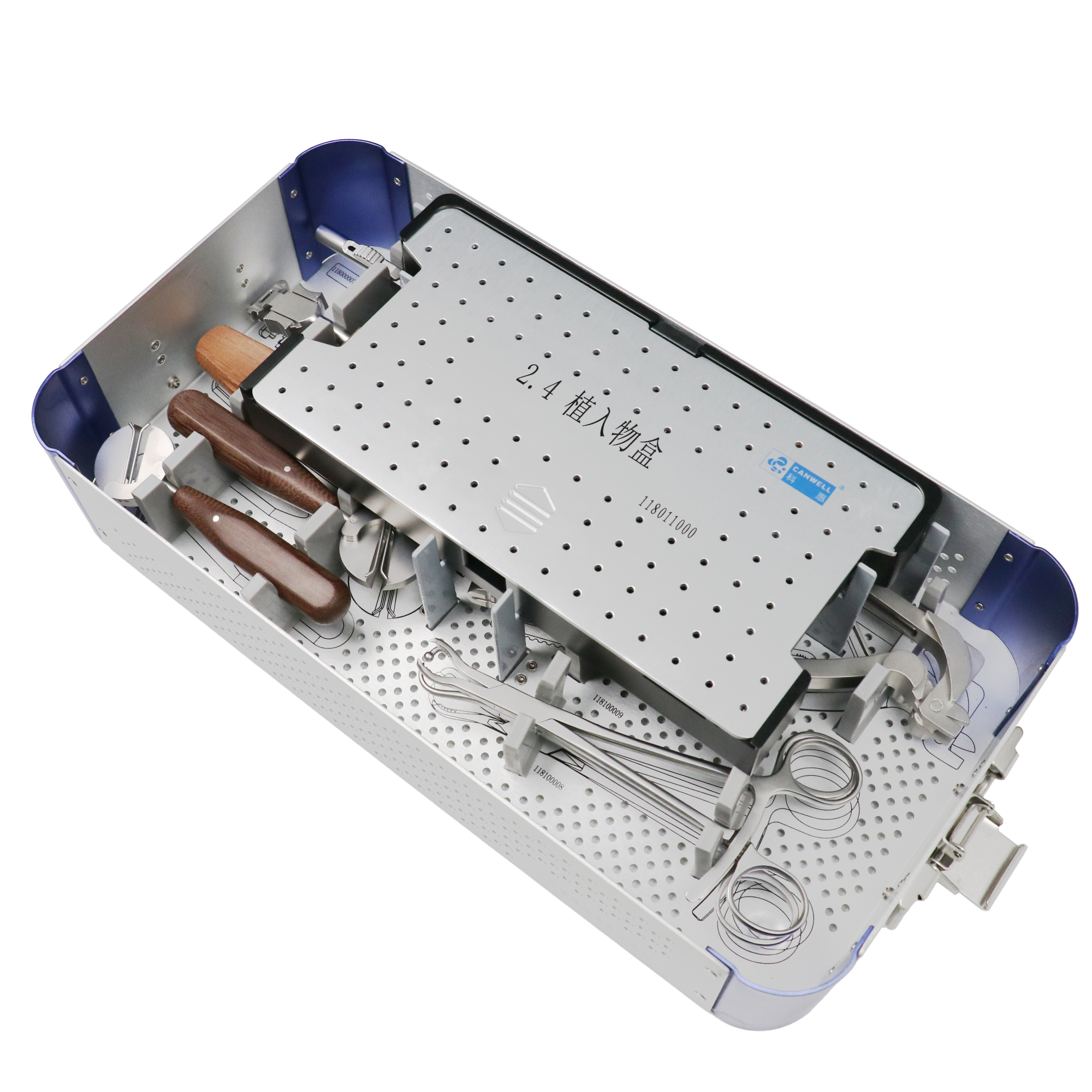
Yes. A major failure point for hospital tenders is mismatched surgical instrumentation. We engineer and supply dedicated, fully passivated stainless-steel and aluminum alloy instrument containers. These sets include quick-coupling acetabular reamers (sizes 42–66 mm in 1 mm or 2 mm steps), curved and straight cup positioners, ball-joint screw drivers, depth gauges, flexible drills, and trial liners—fully validated for repeat autoclave sterilization cycles at 134°C.
What is your Minimum Order Quantity (MOQ) and sample evaluation protocol? +
To support hospital registration and clinical evaluation by lead orthopedic surgeons in Ukraine, we provide sample sets with low initial thresholds. Clinical sample kits (including trial implants, reamers, and demo shells) can be evaluated prior to bulk commitments. Standard production MOQs for private-label distributors begin at 50 units across mixed shell sizes, with scalable volume discounts for regional tender contracts.
Connect with Our Engineering & Export Supply Team
Partner directly with an SGS-verified manufacturer of CE-marked acetabular systems, locking trauma plates, and hip arthroplasty tooling. Receive technical documentation, quotation schedules, and sample kits for your Ukrainian medical tenders.