Featured ACL Reconstruction & Orthopedic Implants for Sapporo Health Systems
Engineered to meet stringent PMDA and JIS quality thresholds, our surgical implant and instrument sets deliver anatomical conformity, low notch sensitivity, and high pull-out resistance for sports traumatology and complex fractures.
Hokkaido's Alpine Sports Biomechanics & The Sapporo Orthopedic Ecosystem
Sapporo serves as the tertiary medical anchor for over 5.2 million residents of Hokkaido, operating as the apex referral center for university hospitals, sports medicine institutes, and specialized trauma clinics across Ishikari and Shiribeshi subprefectures. The region's defining geographical reality—being surrounded by premier alpine ski resorts including Niseko United, Rusutsu, Kiroro, Teine, and Sapporo Kokusai—generates an extraordinary seasonal surge in ligamentous and articular knee trauma between November and April.
Alpine skiing, freestyle snowboarding, and extreme winter sports place unique biomechanical stress on the human knee. Kinematic analyses of slope injuries demonstrate that the "phantom foot" mechanism (internal rotation combined with knee flexion and quadriceps contraction) and high-speed backward twisting falls induce massive rotational torque, resulting in complete ruptures of the anterior cruciate ligament (ACL), concomitant medial collateral ligament (MCL) tears, and lateral meniscal root avulsions. For Sapporo-based orthopedic surgeons, managing these complex multiligamentous knee injuries requires implants that demonstrate exceptional primary mechanical stability, biocompatibility, and zero graft laceration risk during aperture fixation.
- High Rotational Torque Resistance
- Atraumatic Rounded Screw Flutes
- Sub-Zero Shelf Stability & Sterility
- PMDA-Compatible Class III Dossiers
Dedicated continuous precision machining and orthopedic implant fabrication.
Class 100,000 cleanrooms, CNC workshops, testing labs and automated packing lines.
Biomedical engineers, quality metallurgists, CNC technicians, and regulatory experts.
Individual laser batch tracking, penetrant flaw detection, and mechanical torque verification.
ACL Aperture Fixation: PEEK vs. Titanium vs. Bioabsorbable PLGA
A clinical and tribological breakdown of interference fixation technologies tailored for Japanese arthroscopic preferences and postoperative MRI artifact minimization.
PEEK Interference Screws
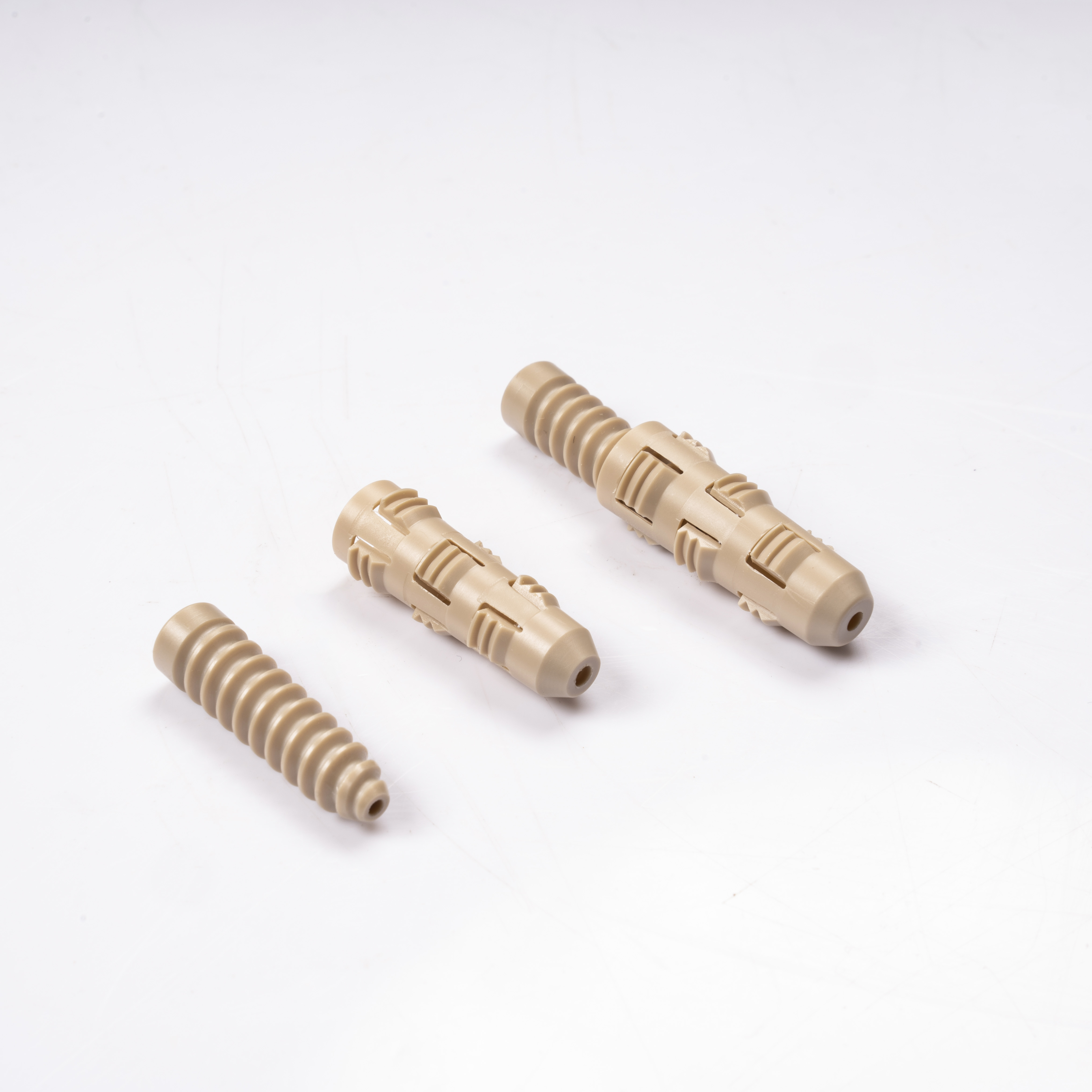
Manufactured from medical-grade Polyetheretherketone (PEEK-OPTIMA), these radiolucent screws eliminate MRI scatter during postoperative graft vascularization and tunnel osteolysis assessments. With an elastic modulus close to cortical bone (~18 GPa), PEEK minimizes stress shielding while delivering exceptional torsional resistance during cannulated insertion into dense tibial or femoral cancellous bone.
Clinical Benefit in Sapporo: Enables high-resolution postoperative MRI monitoring of soft-tissue autografts (semitendinosus-gracilis or quadriceps tendon) frequently utilized in Japanese clinical athletic cohorts.
Bioabsorbable PLGA Screws
Engineered from Poly(L-lactide-co-glycolide) (PLGA), bioabsorbable screws maintain rigid mechanical fixation during the critical 8–12 week osteointegration window before undergoing gradual hydrolytic degradation into non-inflammatory water and carbon dioxide. Blended with beta-tricalcium phosphate (β-TCP) in custom configurations, they encourage active osteoconductive bone ingrowth into the bone tunnel.
Clinical Benefit in Sapporo: Eliminates the requirement for secondary hardware removal surgeries, an essential economic and patient-recovery consideration in Japan's universal health insurance system.
Titanium Ti-6Al-4V ELI Fixation
Precision-milled from medical-grade Extra Low Interstitial Titanium (ASTM F136), our metallic interference screws and suspensory buttons provide absolute mechanical certainty with pull-out strengths exceeding 950 N. Featuring anodized surface treatments and fully rounded blunt threads, they provide optimal fixation in poor bone mineral density or revision cases without sharp cut-through risks.
Clinical Benefit in Sapporo: The golden standard for revision ACL reconstructions, osteoporotic bone, or heavy alpine athletes requiring immediate weight-bearing stabilization.
Implant Dimensions, Mechanical Capacities & Surgical Indications
Standard factory specifications available for contract manufacturing, private labeling, and hospital direct supply across Hokkaido prefecture.
| System Category | Material Standard | Available Diameters / Lengths | Ultimate Tensile / Torsional Strength | Surgical Technique Fit |
|---|---|---|---|---|
| ACL PEEK Interference Screw | Medical-Grade PEEK (ASTM F2026) | Ø7, 8, 9, 10, 11 mm; L 20–35 mm | Torsional Yield > 2.8 N·m; Pull-out > 650 N | Aperture fixation for BTB, Hamstring, & Quadriceps Tendon |
| Bioabsorbable Interference Screw | PLGA 85/15 + optional β-TCP (ASTM F1925) | Ø7, 8, 9, 10 mm; L 23, 28, 30 mm | Degradation window: 18–36 months; Retention > 12 wks | Arthroscopic femoral/tibial anatomical fixation |
| Suspensory Cortical Loop Button | Ti-6Al-4V ELI Plate + UHMWPE Braid | Button: 12 × 4.2 mm; Loops: 15–50 mm | Ultimate Tensile Load > 1,450 N (Loop + Lock) | All-inside or outside-in femoral cortical suspension |
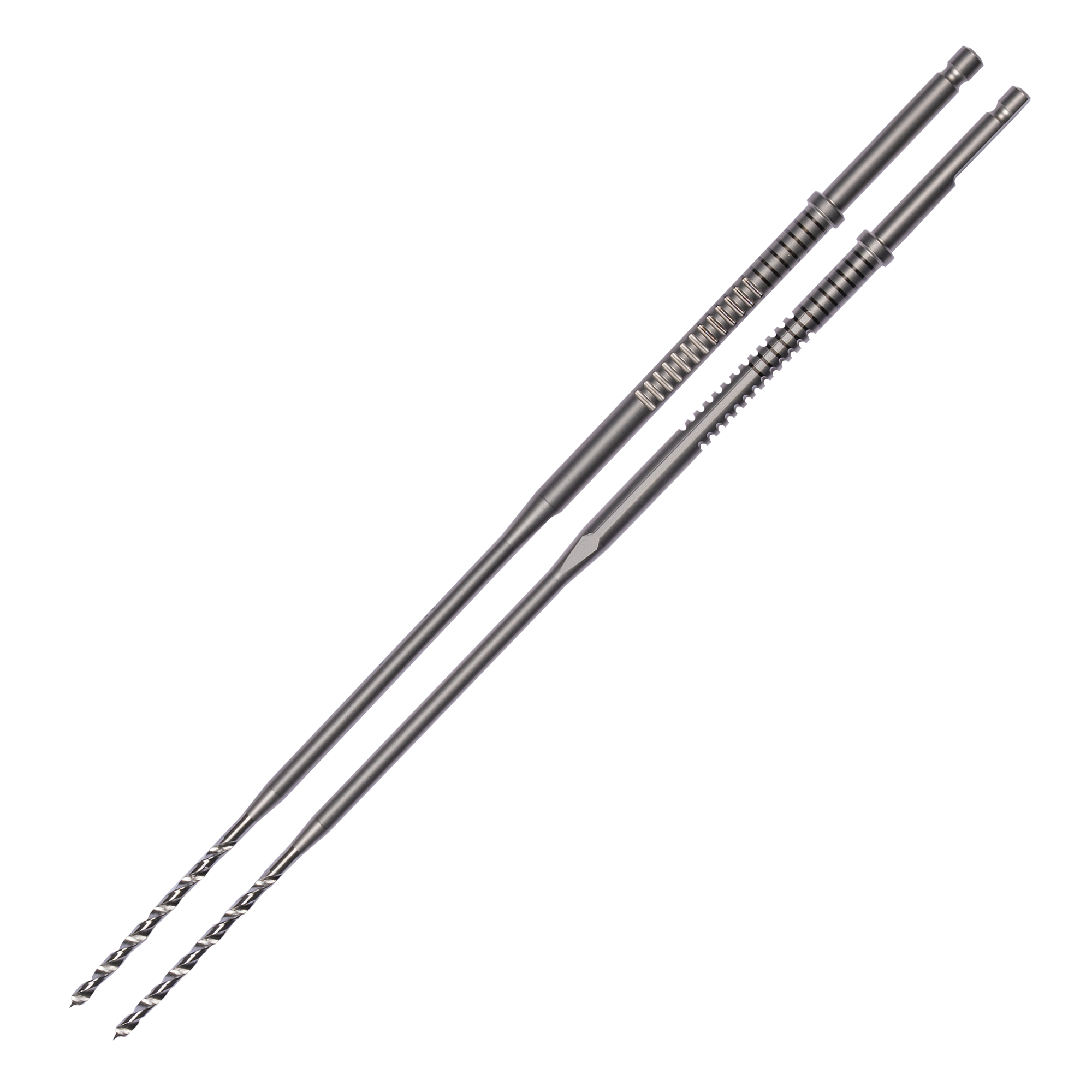
| Flexible Surgical Drill Bit System | Medical Martensitic Stainless (AISI 420/440) | Ø4.5–12.0 mm (0.5 mm steps); AO Coupling | Flexible shaft deflection up to 45° without fatigue failure | Anatomic transportal femoral tunnel drilling with cartilage clearance |
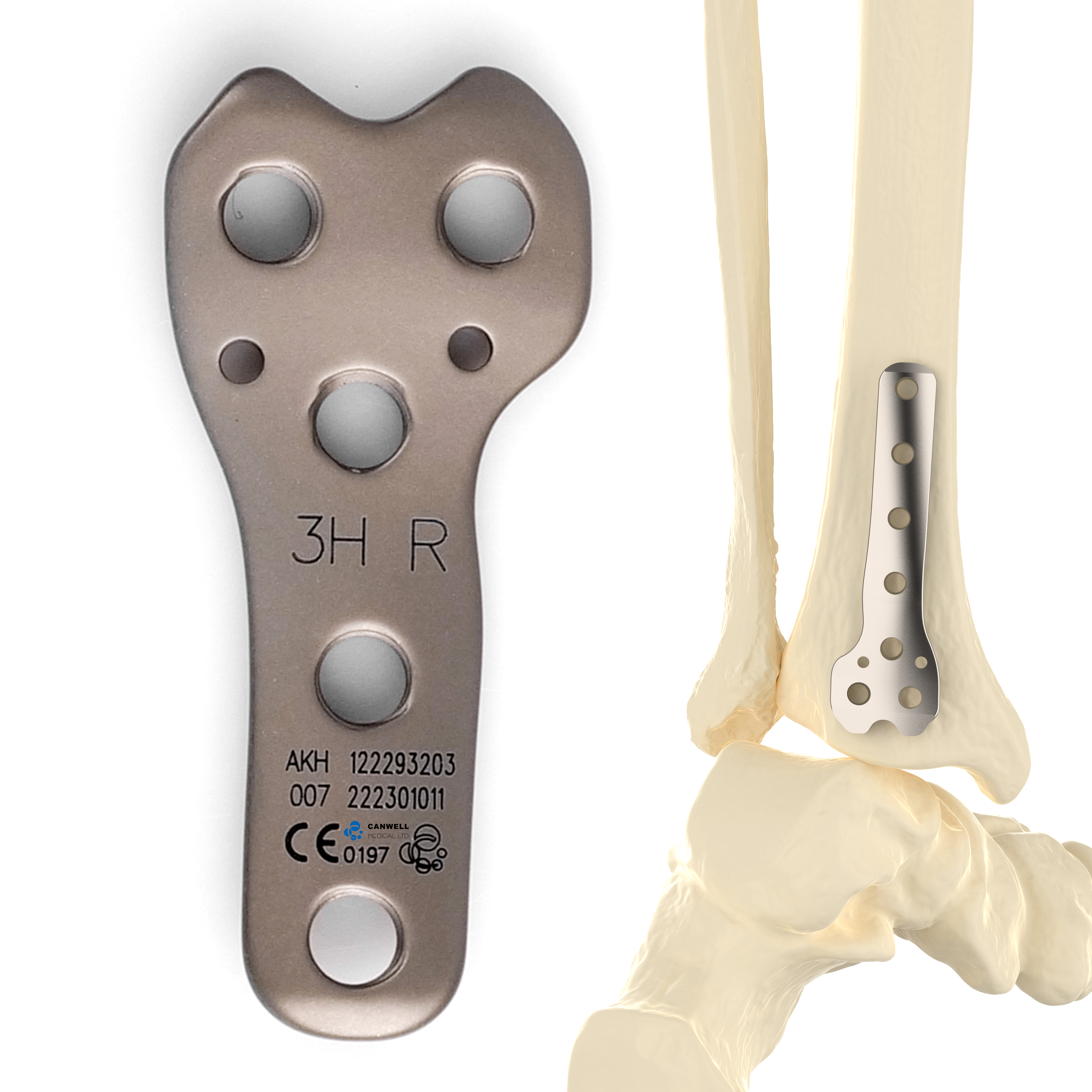
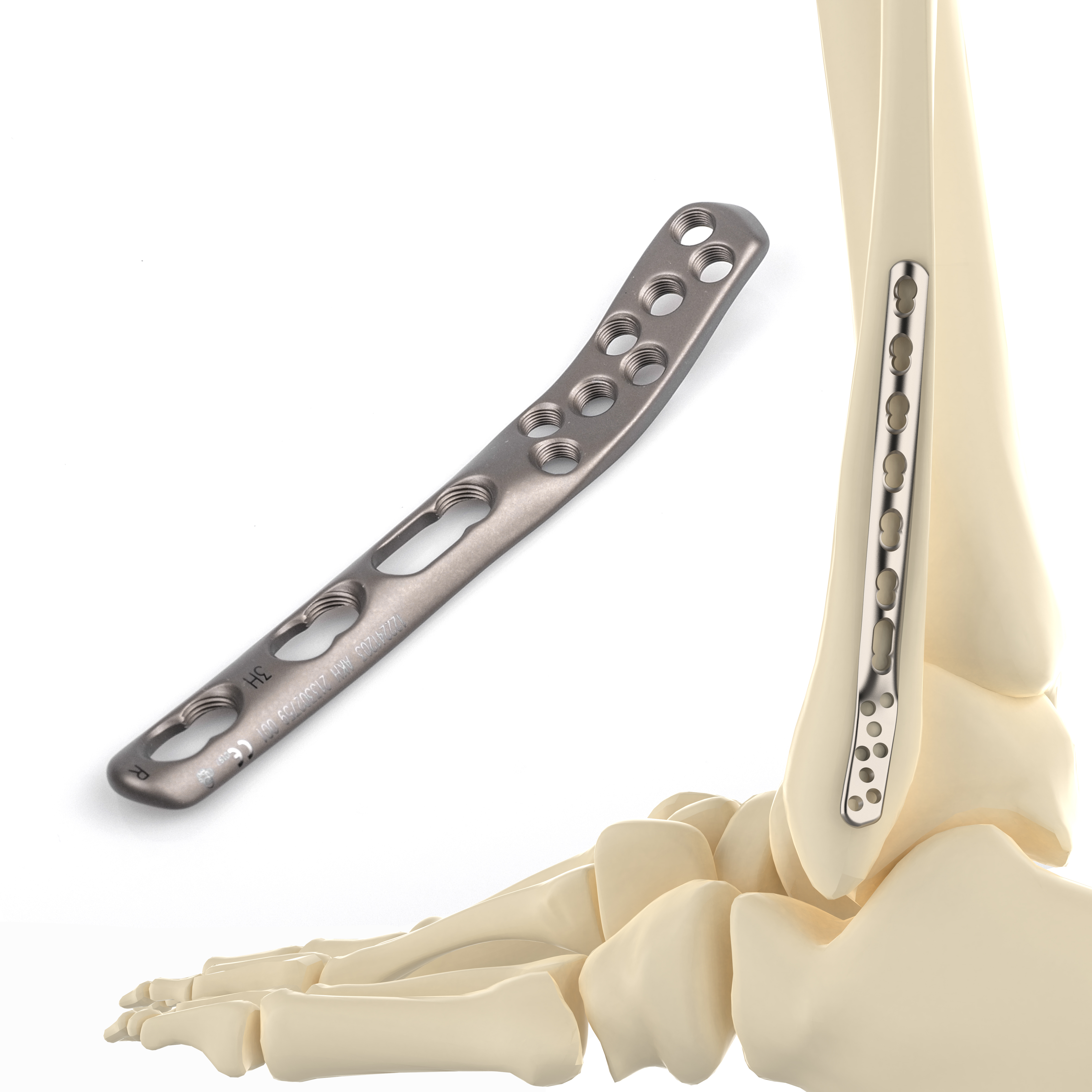
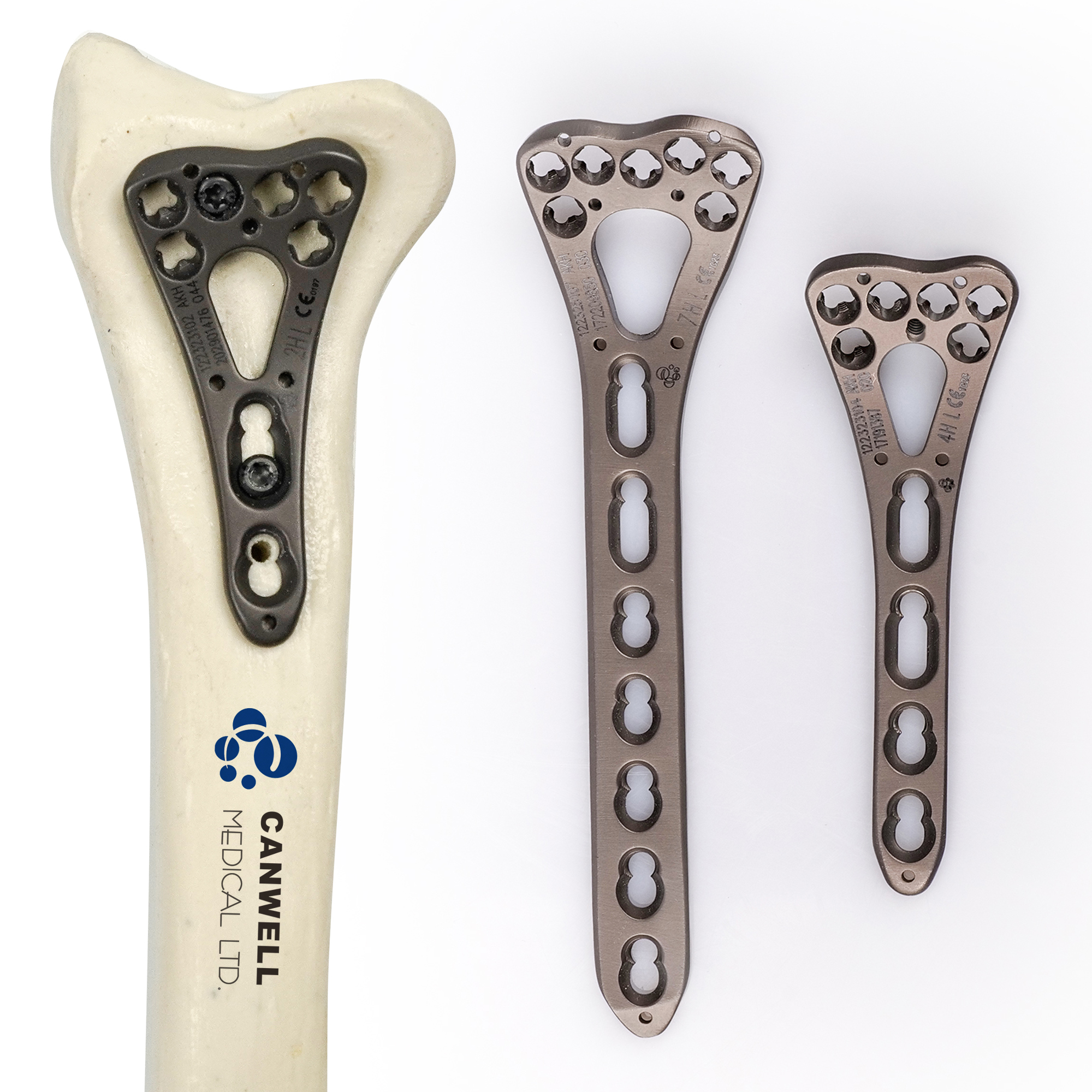
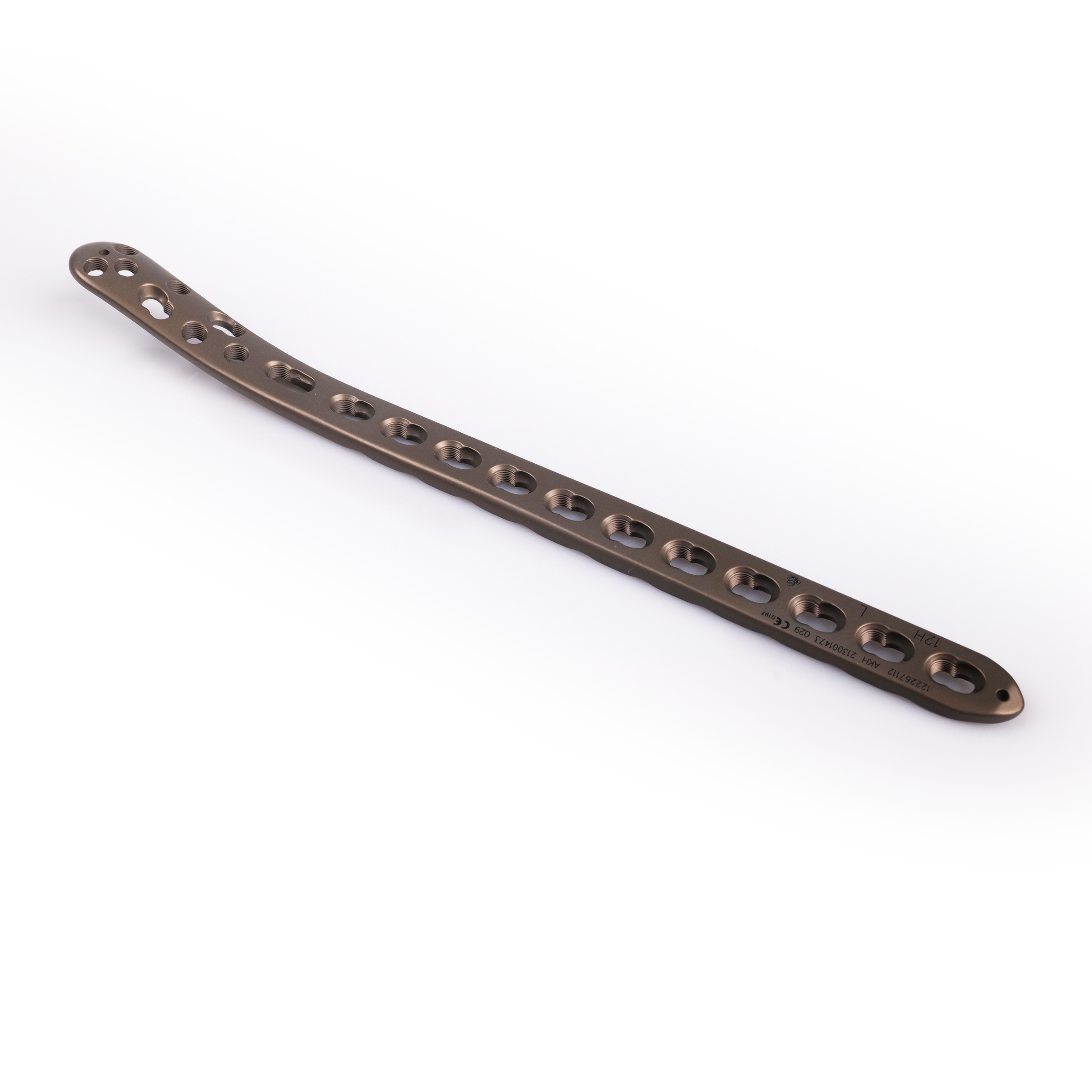
| Distal Tibial & Fibula Plates | Anodized Pure Ti & Ti-Alloy (ISO 5832-3) | 3–12 Holes; 2.7 / 3.5 mm Locking Screws | Bending fatigue limit validated to 1,000,000 cycles | Concomitant distal tibia/fibula alpine torque fracture stabilization |
Emerging Orthopedic Trends Across Sapporo & Hokkaido (2025–2030)
How evolving winter sports tourism, Japanese demographic shifts, and robotic-assisted surgical adoption are restructuring the regional orthopedic procurement framework.
Robotic & Anatomic Accuracy
Orthopedic departments in Sapporo (e.g., Hokkaido University Hospital and affiliated sports centers) increasingly implement 3D fluoroscopic and robotic-assisted tunnel trajectory guides. This shift demands drill bits and guide pins with tighter concentricity tolerances (±0.01 mm) to avoid tunnel convergence.
Inbound Winter Sports Demand
The astronomical expansion of high-velocity ski and freeride tourism in Hokkaido has caused emergency trauma centers in Kutchan, Otaru, and Sapporo to treat more severe, multiligamentous injuries requiring immediate emergency reconstruction rather than elective repair.
Active Masters Athletics
Japan's rapidly aging demographic remains remarkably active in Hokkaido, where senior skiers demand joint-preserving biological ACL reconstruction. Fixation devices must accommodate osteopenic tibial tunnels through specialized thread depth without compromising tendon-bone integration.
Lean Hospital Consignment
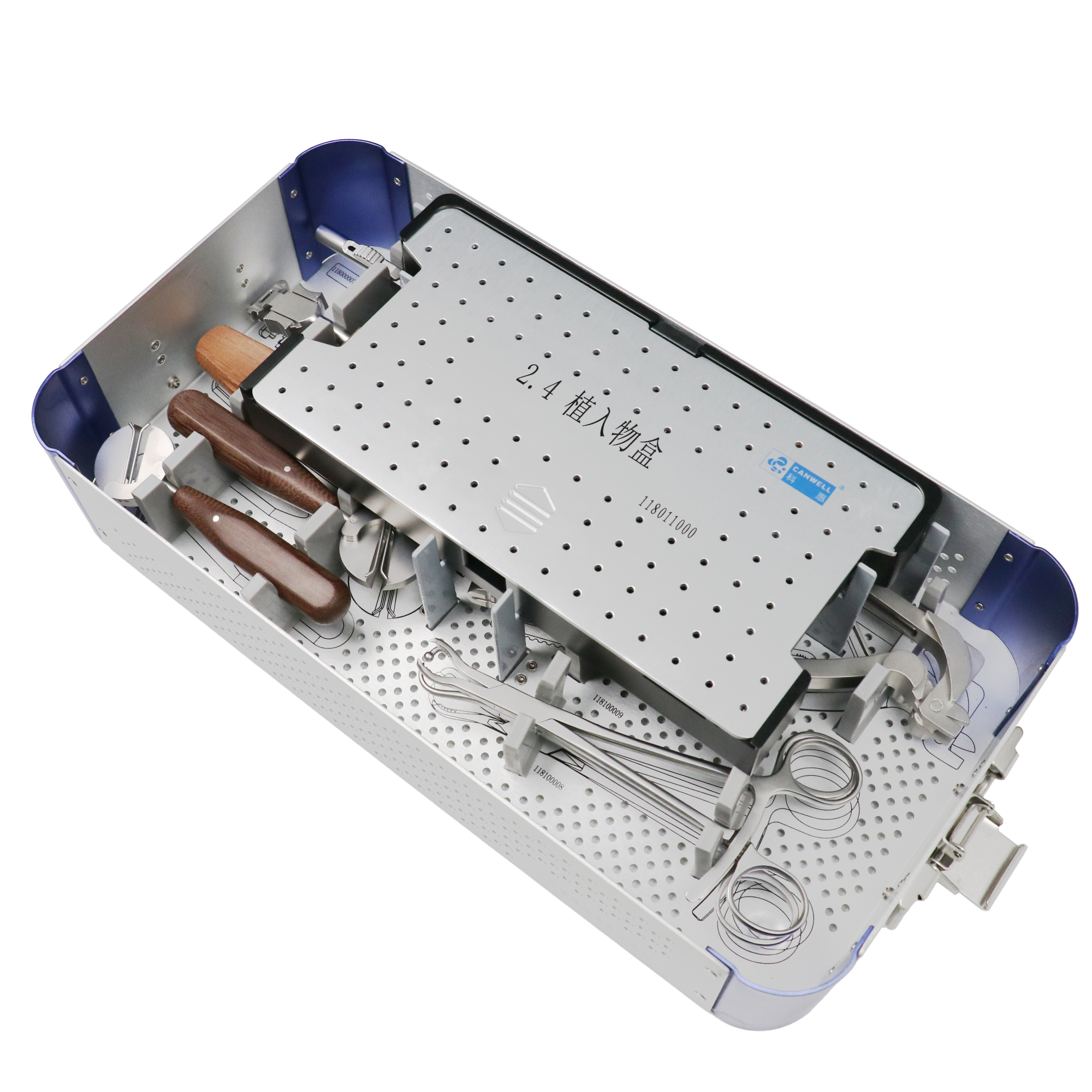
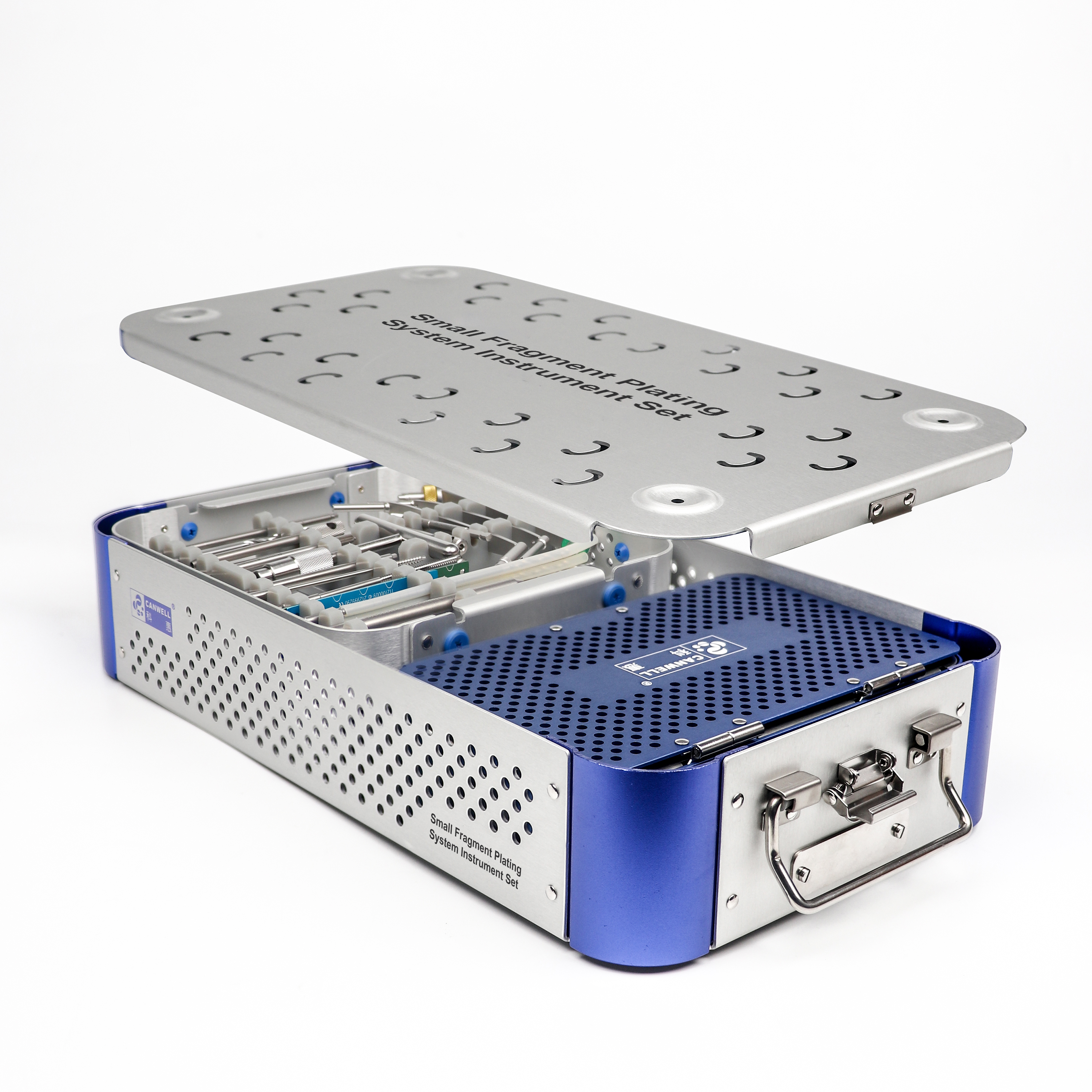
To control hospital operational expenditure under DPC (Diagnosis Procedure Combination) reimbursement models, regional Japanese procurement agencies prefer versatile modular kits that integrate multi-use cannulated reamers, taps, and drivers into a single compact sterilization tray.
Industrial Manufacturing Capabilities Behind CANWELL Orthopedics
With over two decades of precision manufacturing, Zhejiang INAR Medical Co., Ltd. operates a fully integrated, audited production base delivering worldwide regulatory conformance and OEM/ODM capacity.
Advanced 5-Axis CNC Precision
Our facility houses Japanese Citizen and Swiss-type multi-axis CNC turning and milling centers capable of sub-micron precision. This allows complex geometries—such as reverse-fluted cannulated threads, variable-pitch lead-ins, and cortical buttresses—to be machined in single setups, eliminating axial runout and tooling marks.
Rigorous Class 100,000 Cleanrooms
Production does not end at machining. Products proceed through multi-stage ultrasonic de-oiling, passivating acid baths, and surface electro-polishing before entering our Class 100,000 (ISO 8) cleanrooms. Here, parts undergo fluorescent penetrant inspection, final sterile barrier vacuum-sealing, and laser lot marking.
SGS Audited & CE Certified
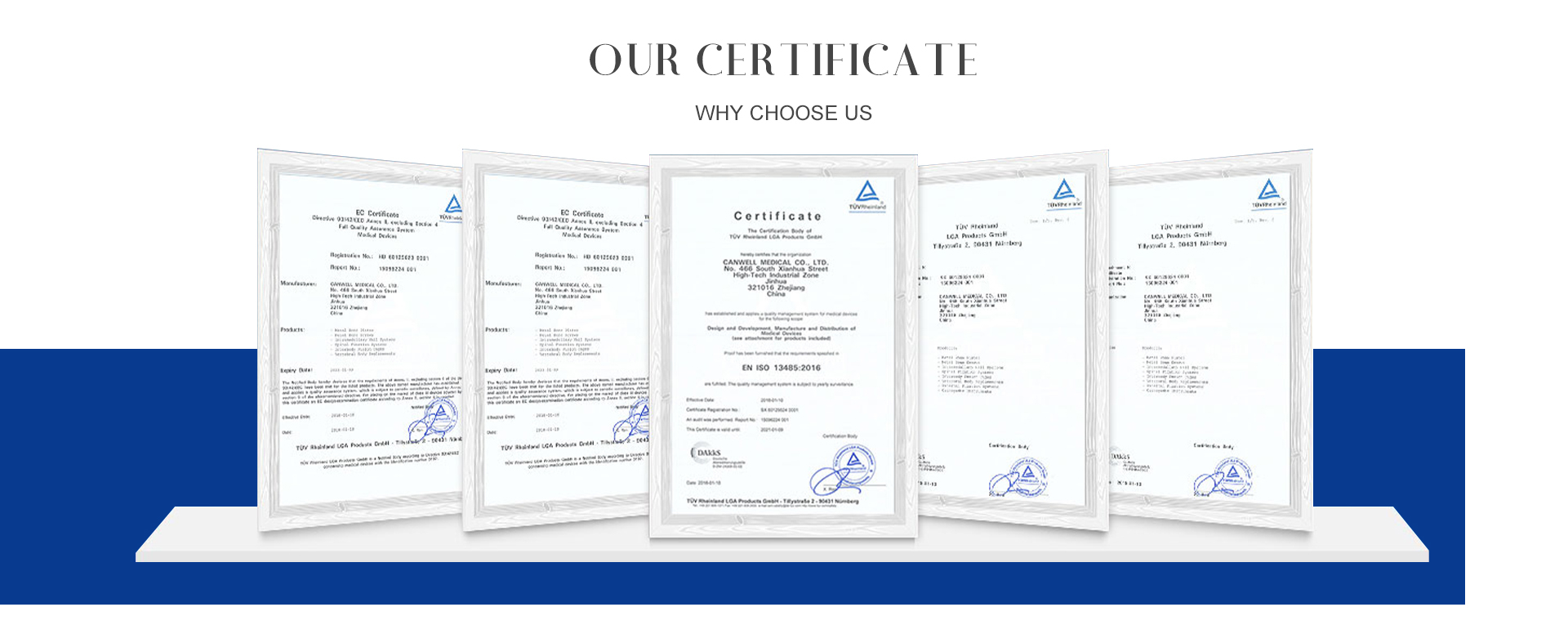
Our quality management system is audited onsite by SGS Group, maintaining compliance with ISO 13485:2016 and medical device CE approvals (MDR and MDD 93/42/EEC). Full material mill test certificates (chemical assay and tensile elongation) accompany every raw stock batch of Titanium, PEEK, and PLGA.
Frequently Asked Questions by Japanese Distributors & Hospital Groups
Clarifying regulatory, logistics, sterilization, and customization inquiries specific to medical device trade within Hokkaido prefecture.