Featured Ambulance Stretchers & Medical Transport Beds
Engineered for extreme durability, road terrain adaptability, and seamless patient transfer. Certified to ISO 13485, CE, and IEC 60601 safety standards for immediate deployment in Nigeria.
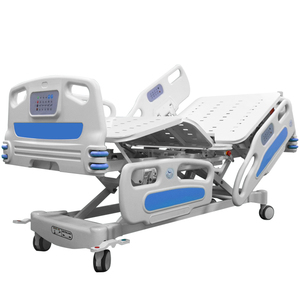
Longermay Factory Medical Hospital Bed & Stretcher Platform
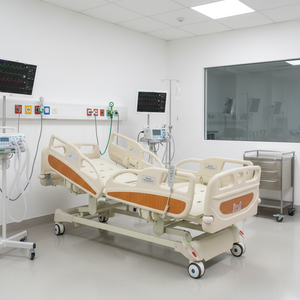
Multi-Function Electric Patient Nursing Bed & Transfer System
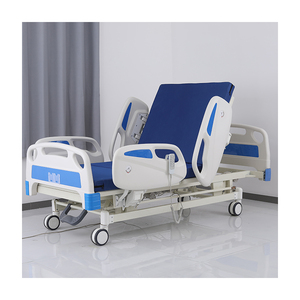
Chenhong CH-C8 Double-Shaking Stainless Steel Transport Bed
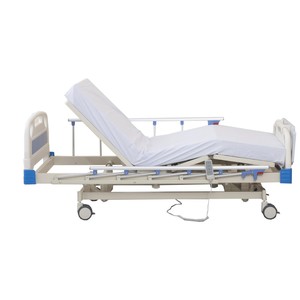
GRACEMED 3-Function Electronic Emergency Stretcher Bed
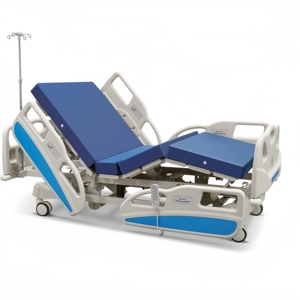
Cama Clinica 5-Function Electric ICU & Emergency Transport Bed
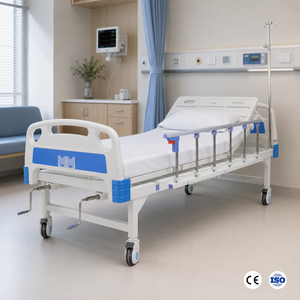
OEM Custom 2-Function Manual Emergency Care Stretcher
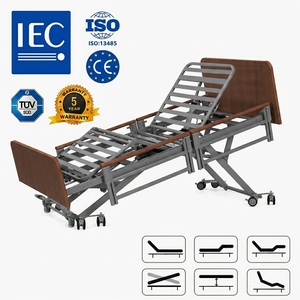
Adjustable Electric Patient Transport Bed (IEC 60601 Certified)
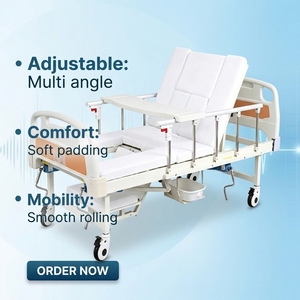
Hospital-Grade Steel Construction Manual Transfer Stretcher
Ambulance Stretcher Market Dynamics & Operational Challenges in Nigeria
Nigeria represents the largest healthcare market in West Africa, driven by a growing population exceeding 220 million people and rapid urban expansion across key commercial centers such as Lagos, Abuja, Kano, Port Harcourt, and Ibadan. As federal and state ministries of health prioritize emergency response upgrades, private hospital networks and oil & gas healthcare facilities are simultaneously accelerating their investments in modern emergency patient transport infrastructure.
However, operating emergency medical services (EMS) and ambulance fleets in Nigeria presents unique engineering and mechanical demands. Manufacturers must account for rigorous local conditions, including high humidity levels in coastal states, elevated ambient temperatures in the north, and prolonged physical stress caused by unpaved or uneven road networks during pre-hospital transport.
Information Gain Insight: Ambulance stretchers deployed in Nigeria experience up to 40% higher mechanical vibration strain compared to Western European healthcare environments. Equipment survival rates depend heavily on structural alloy thickness, shock-absorption mechanics, and tropicalized anti-corrosion surface treatments.
Key Environmental & Infrastructure Drivers in Nigeria
Terrain Resilience
Ambulances navigating suburban and rural roads require stretchers equipped with heavy-duty polyurethane castors, reinforced wheel axles, and automatic mechanical leg locks to absorb shock impacts.
Humid & Coastal Protection
High salinity and relative humidity in maritime zones (Lagos, Rivers, Delta State) lead to rapid oxidation. High-grade extruded 6061-T6 aluminum alloys and electrostatically applied epoxy powder coatings are essential.
Power Independence
Given occasional regional power grid fluctuations, electric-powered stretchers and hospital transfer beds supplied to Nigeria must incorporate robust lithium backup power units and seamless manual mechanical overrides.
Engineering Specifications & Stretcher Classifications
Selecting the correct emergency stretcher for ambulance fleets operating in Nigeria requires balancing patient safety, ergonomic handling for paramedics, vehicle floor heights, and structural payload capacity. Our manufacturing facility provides customized OEM/ODM configurations engineered specifically to interface with popular emergency vehicle models used across West Africa, including the Toyota HiAce, Nissan NV350, and Ford Transit.
| Stretcher Category | Primary Structure | Load Capacity | Loading Mechanism | Best Suited Nigerian Application |
|---|---|---|---|---|
| Automatic Loading Stretcher | High-Tensile 6061-T6 Aluminum Alloy | 220 kg - 250 kg | Mechanical Drop-Down Foldable Legs | Urban EMS (LASEMBUS, Federal Medical Centers, Private Hospitals) |
| Hydraulic Height-Adjustable Stretcher | Tubular Steel + Polymer Side Rails | 250 kg - 300 kg | Dual-Pedal Hydraulic Pump System | ICU Patient Transfers & Emergency Trauma Wards |
| Foldable Emergency Scoop Stretcher | Anodized Lightweight Aluminum | 159 kg - 180 kg | Dual-Hinge Quick-Release Clutch | Extrication, Field Trauma & Rural Outreach Services |
| Multi-Position Chair Stretcher | Powder-Coated Aluminum Alloy | 160 kg - 200 kg | Gas-Spring Backrest Adjustment | Narrow Corridor Transfers & High-Rise Elevator Dispatch |
Critical Safety & Ergonomic Innovations
To safeguard both patient and paramedic team during rapid loading into ambulance vehicles, modern stretchers incorporate advanced mechanical safeguards:
- Dual Left/Right Safety Lever Release: Prevents accidental leg collapse during patient loading onto high-bed ambulance floors.
- X-Ray Translucent Backrest Plates: Enables immediate emergency chest X-ray diagnosis without transferring critical trauma patients off the stretcher bed.
- Integrated IV Pole & Oxygen Cylinder Bracket: Ensures continuous fluid administration and respiratory support during pre-hospital transport.
- Telescopic Loading Wheels: Allows effortless, single-paramedic loading into vehicle rear compartments, minimizing physical strain.
Localized Application Scenarios Across Nigerian Healthcare Sectors
Healthcare delivery in Nigeria spans diverse operational environments, ranging from top-tier private medical centers in Victoria Island, Lagos, to remote primary healthcare centers (PHCs) in rural regions. Our manufacturing solutions are structured to meet the specific equipment parameters of each segment:
1. State Emergency Management Agencies (e.g., LASEMA, LASEMBUS)
High-frequency emergency response calls demand quick-release, auto-loading stretchers with high structural fatigue resistance. Our platforms undergo 15,000 continuous loading cycle tests to ensure uninterrupted operational readiness.
2. Private Tertiary Hospitals & Clinics
Private medical groups in Lagos, Port Harcourt, and Abuja prioritize patient comfort and clinical versatility. Electric and hydraulic stretchers featuring smooth Trendelenburg positioning and washable foam mattresses elevate patient care standards.
3. Oil & Gas Offshore & Industrial Clinics
Operating in Niger Delta coastal environments requires heavy-duty marine-grade stainless steel stretchers, anti-corrosive hardware, and compact foldable options suitable for helicopter and maritime emergency evacuation.
4. Rural Primary Health Care Centers (PHCs) & NGOs
Manual emergency stretchers featuring simple mechanical maintenance, long-lasting spare parts, and low overall tare weight allow humanitarian missions to operate reliably even without local electrical infrastructure.
Procurement Trends & Regulatory Framework in Nigeria
Medical equipment procurement in Nigeria is experiencing a shift toward standardized quality verification and long-term durability. Procurement officers across public hospitals, private clinics, and medical supply companies are actively demanding proven certification compliance to streamline customs import clearance and safeguard capital expenditures.
Regulatory Compliance: NAFDAC & SONCAP Verification
All medical devices and emergency equipment entering Nigeria must comply with regulatory requirements set by the National Agency for Food and Drug Administration and Control (NAFDAC) and the Standards Organization of Nigeria Conformity Assessment Program (SONCAP).
Compliance Assurance: Our factory provides comprehensive compliance documentation package for Nigerian importers—including ISO 13485 Quality Management System certificates, CE Declaration of Conformity (MDR 2017/745), IEC 60601-1 electrical safety test reports, and factory-issued Certificates of Free Sale (CFS) necessary for rapid SONCAP and NAFDAC registration.
Emerging Procurement Preferences in West Africa
- Shift toward Factory-Direct Sourcing: Nigerian medical distributors are increasingly bypassing intermediary traders to partner directly with certified original equipment manufacturers (OEMs) to lower procurement costs while securing guaranteed genuine replacement parts.
- Demand for Modular & Multi-Functional Units: Hospitals prefer stretchers capable of dual-purpose functionality—serving as ambulance transport platforms that seamlessly transition into emergency department recovery beds.
- Standardization of Vehicle Fixing Systems: Standardized floor-mounting lock systems (such as 3-point and 4-point stretcher anchor locks) are being adopted universally to ensure patient safety across heterogeneous ambulance fleets.
Why Partner With Our Manufacturing Facility
With over 25 years of specialized experience in medical furniture, hospital beds, and emergency stretchers manufacturing, our Taiwanese-engineered manufacturing setup maintains rigorous quality control at every phase of production. We export certified medical equipment to healthcare institutions across 65+ countries worldwide.
30+ Quality Inspection Protocols
Every ambulance stretcher undergoes strict quality control, including dynamic weight load tests, hydraulic pressure retention checks, lock mechanism fatigue tests, and salt spray anti-corrosion verification.
Export Mastery & Logistics Support
Experienced in shipping sea container loads (20GP, 40HQ) to Apapa Port and Tincan Island Port in Lagos, as well as Onne Port in Port Harcourt. Optimized flat-pack packaging maximizes container space utilization.
Complete OEM / ODM Customization
We support custom stretcher dimensional adjustments, specific ambulance floor locking track integration, customized frame colors, local language branding labels, and customized spare parts kit inclusion.
Frequently Asked Questions (FAQ) — Nigeria Procurement
Request Factory Direct Pricing & Wholesale Catalog
Partner directly with an ISO 13485 & CE certified medical bed and emergency stretcher manufacturer. Connect with our engineering and sales team for customized quotations, technical data sheets, and OEM deployment in Nigeria.