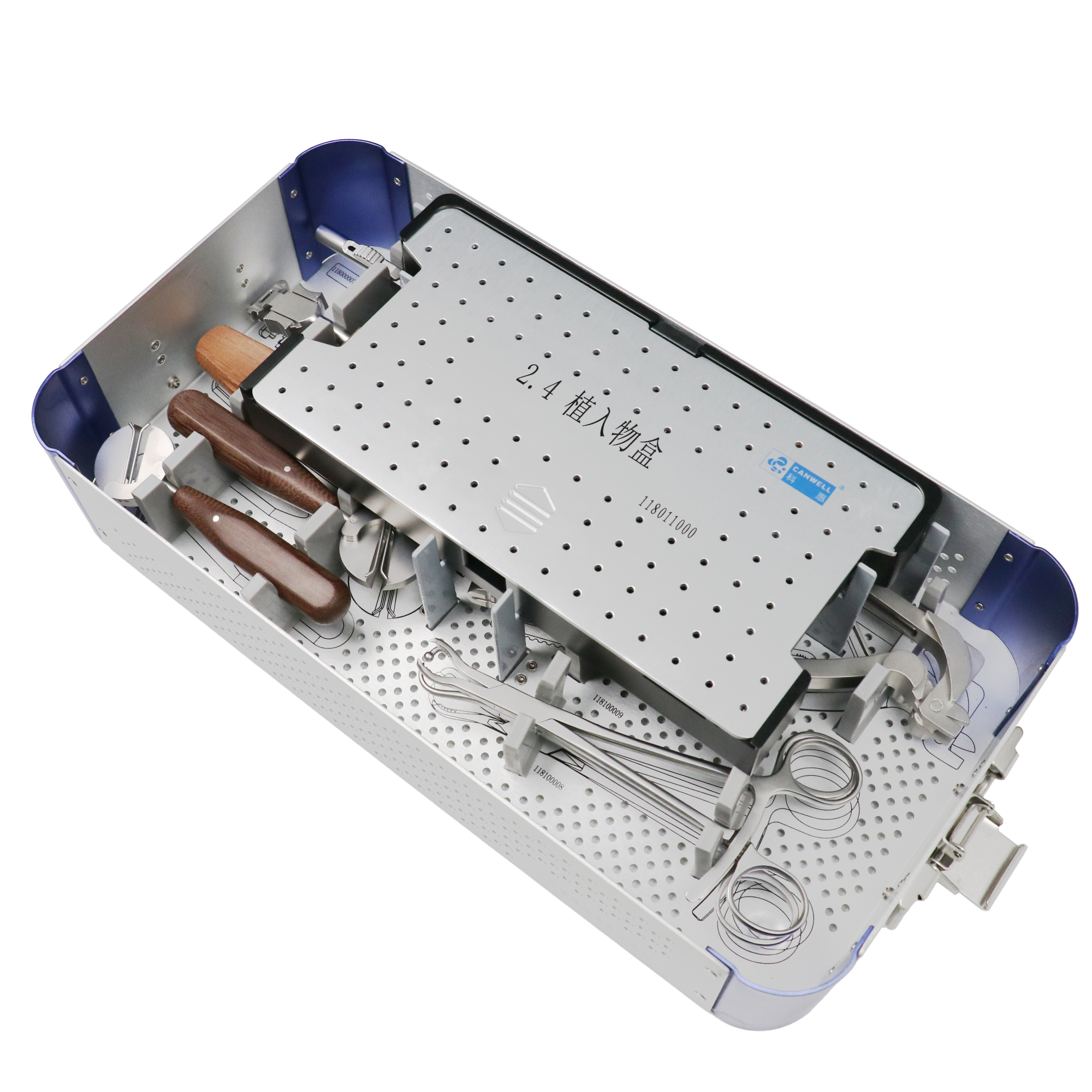
Surgical Instruments
Anatomically contoured locking compression plates, intramedullary stabilization devices, and complementary arthroplasty assemblies machined under strict ISO 13485 cleanroom protocols.
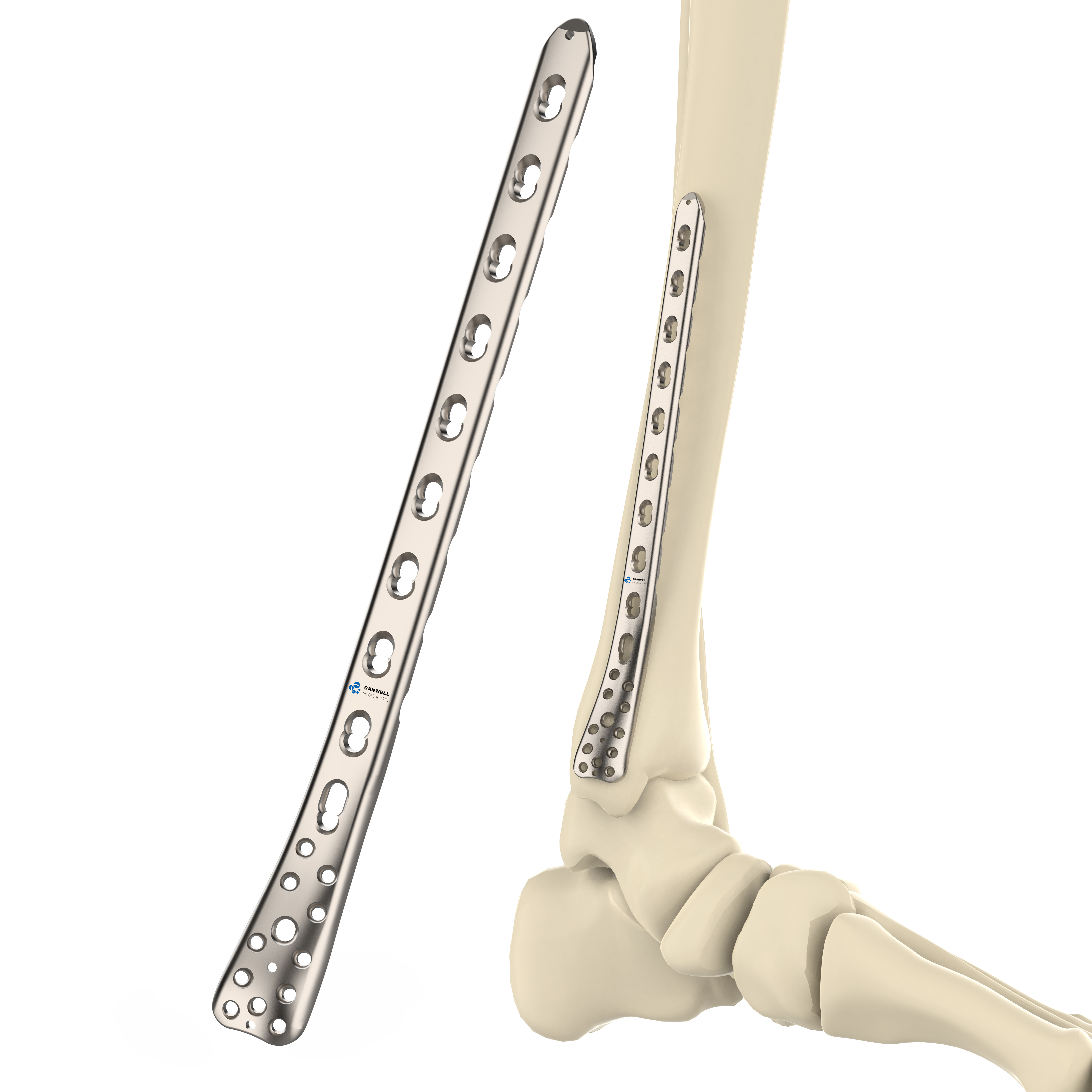
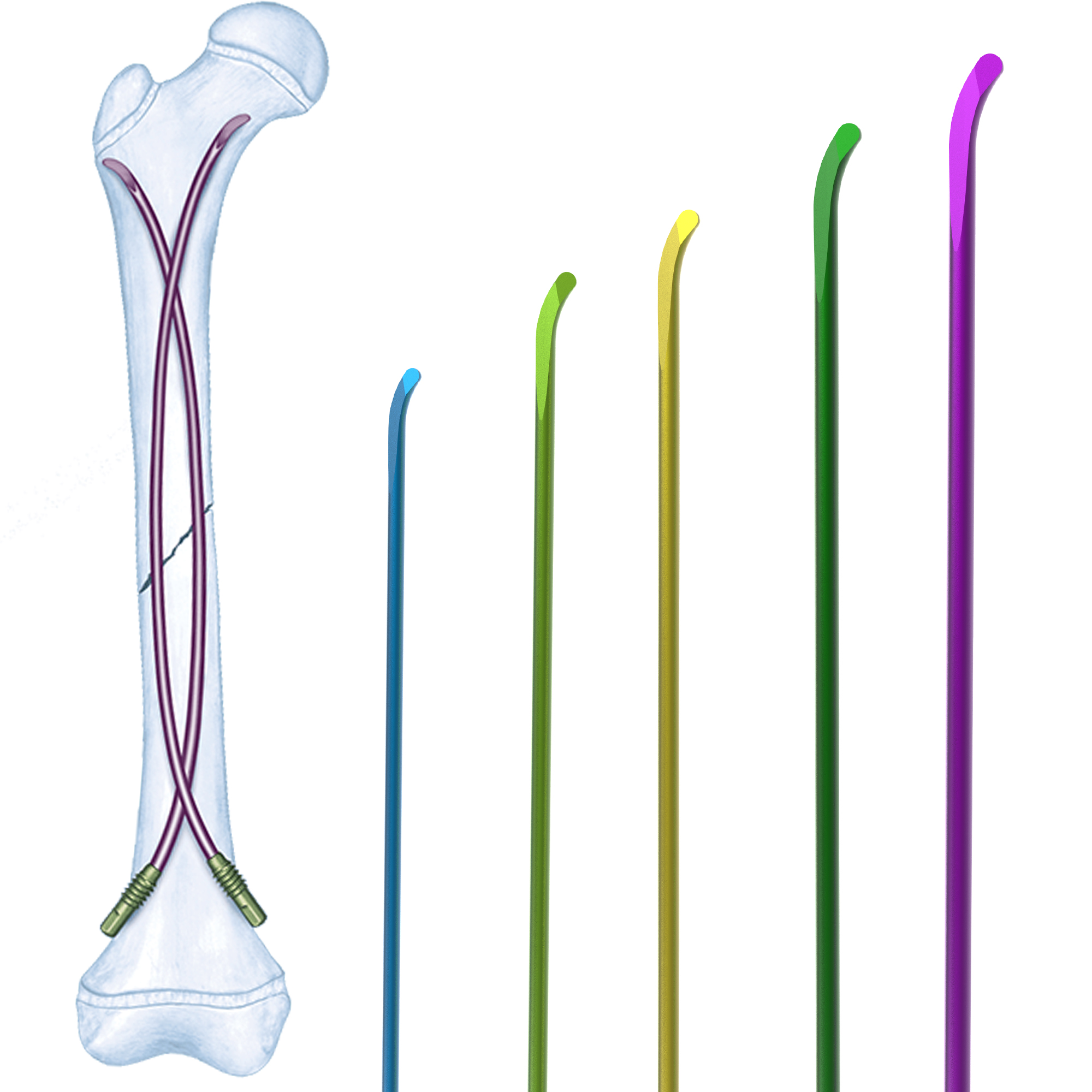
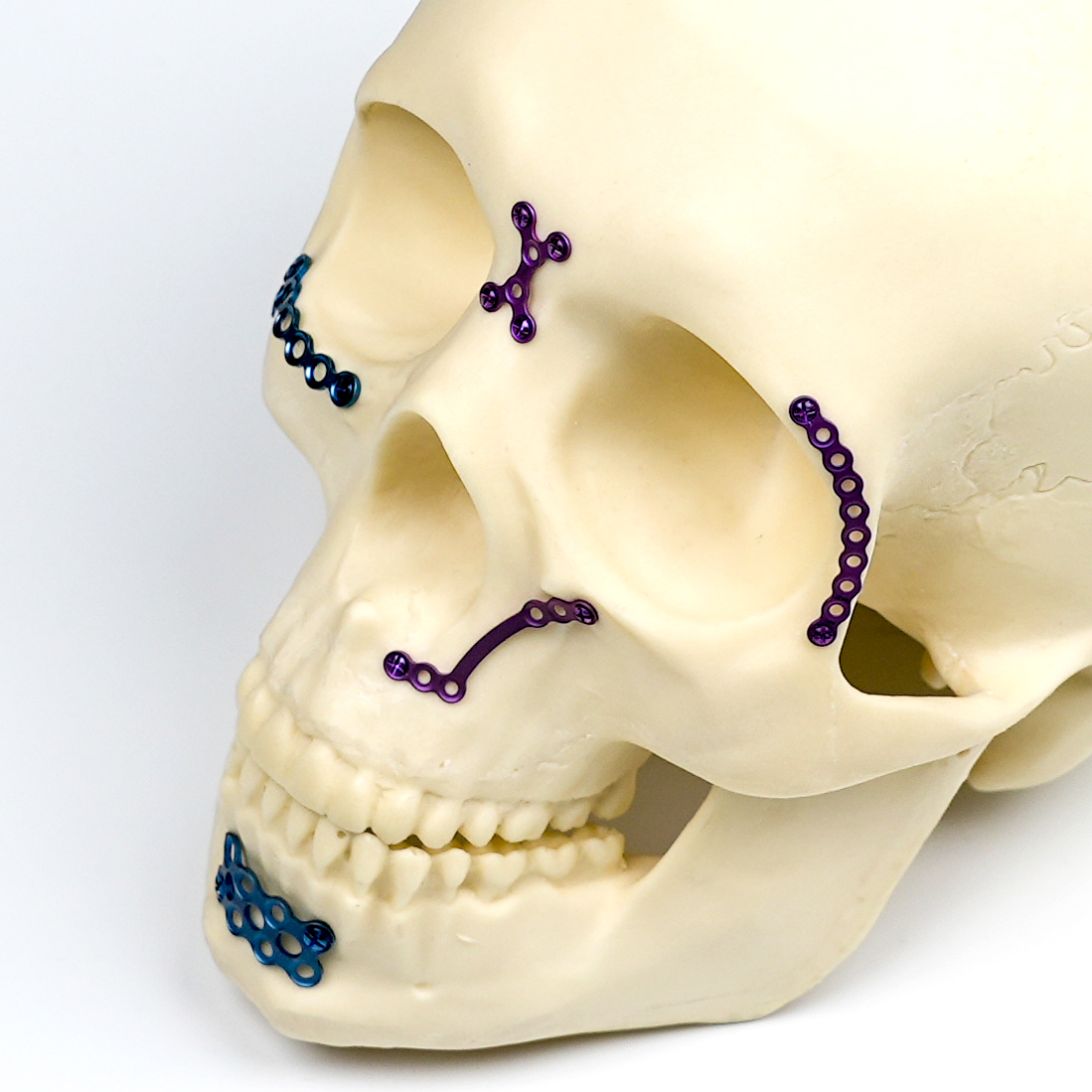
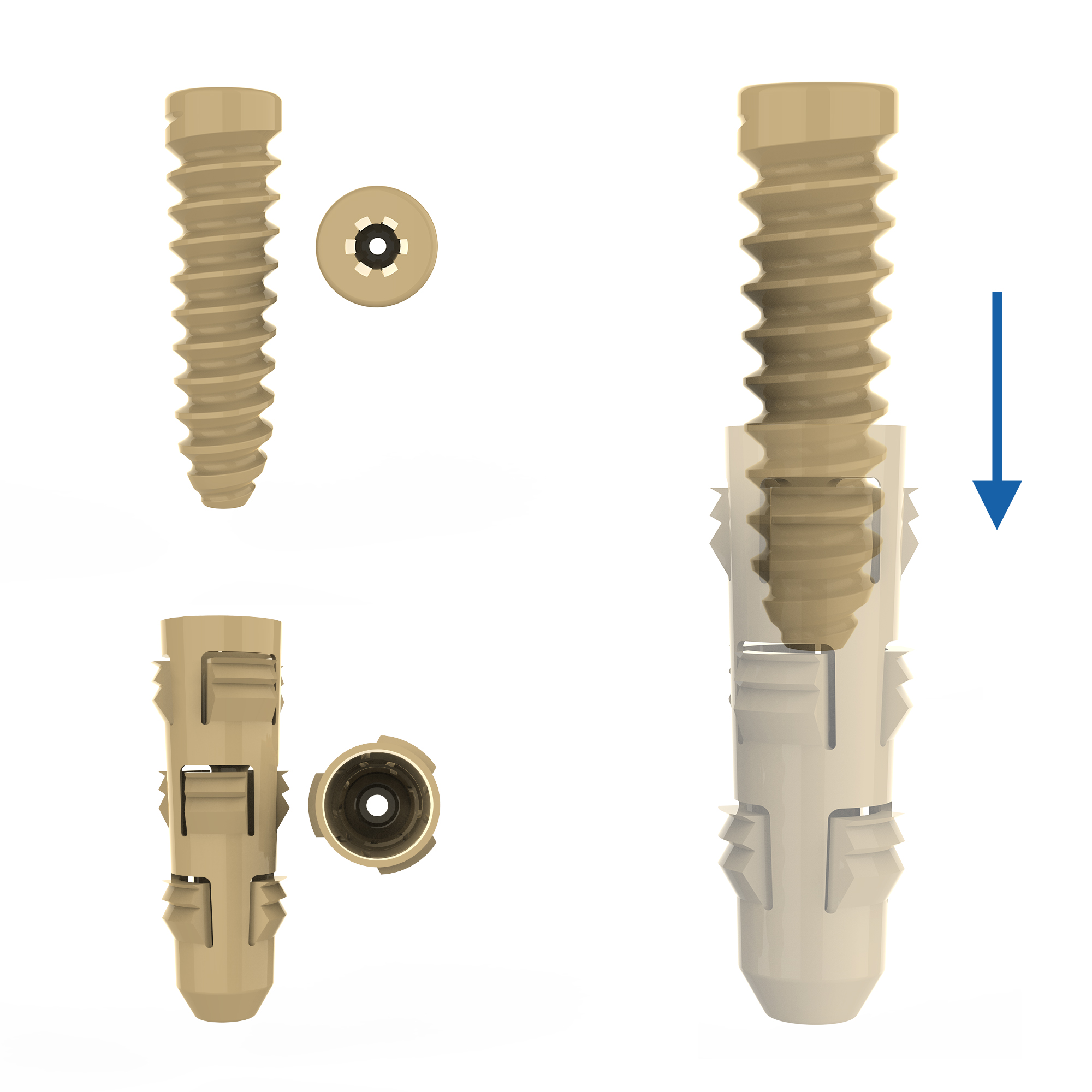
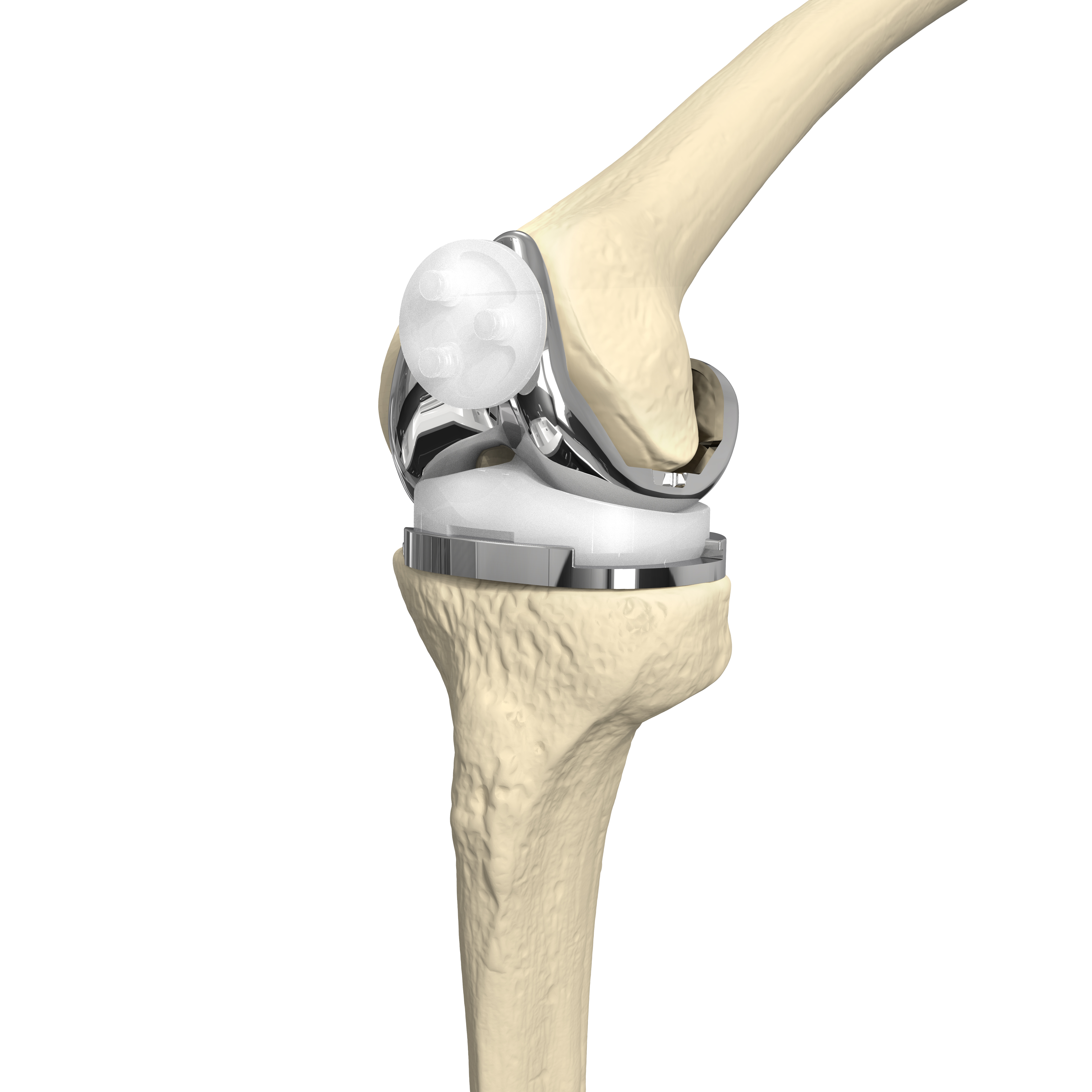
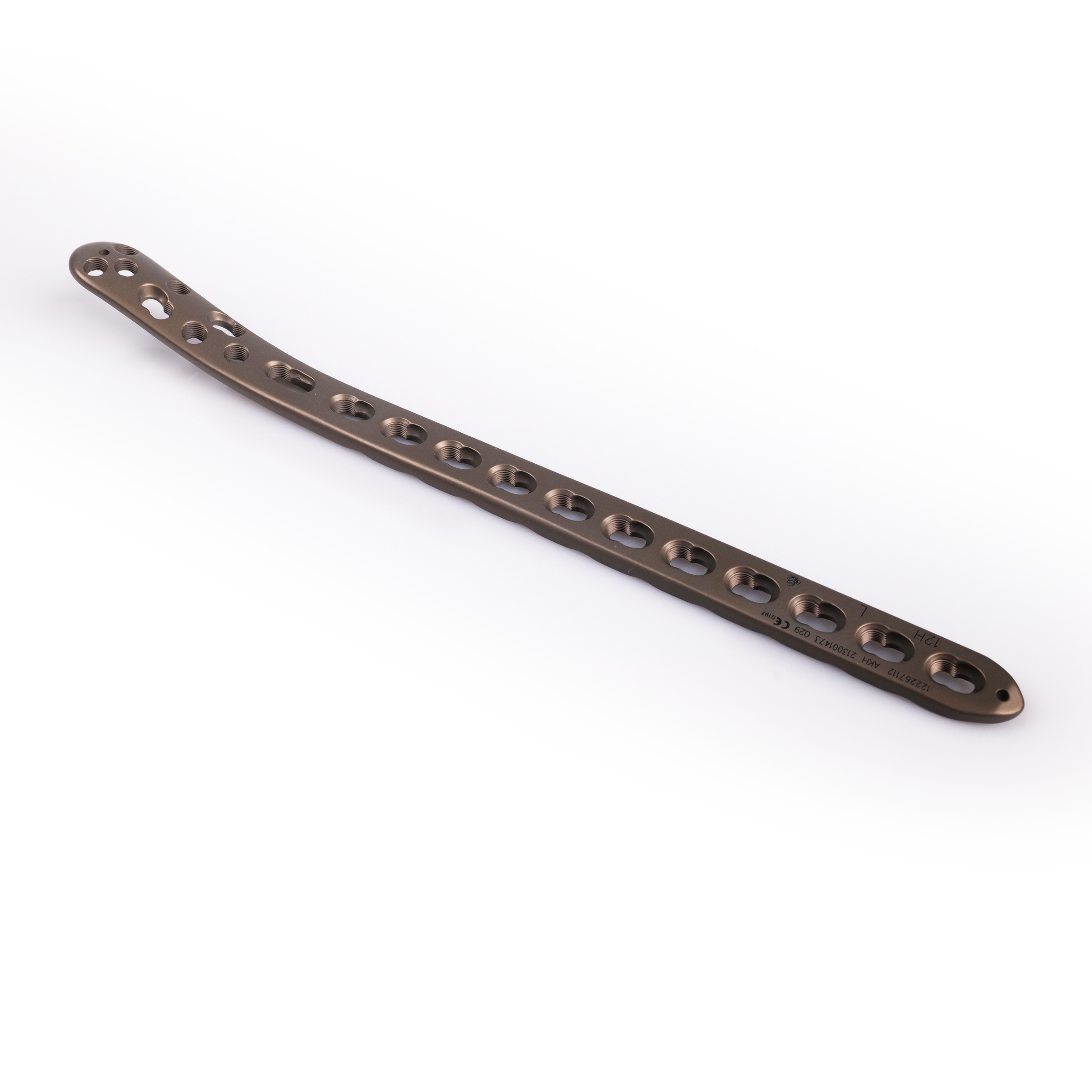
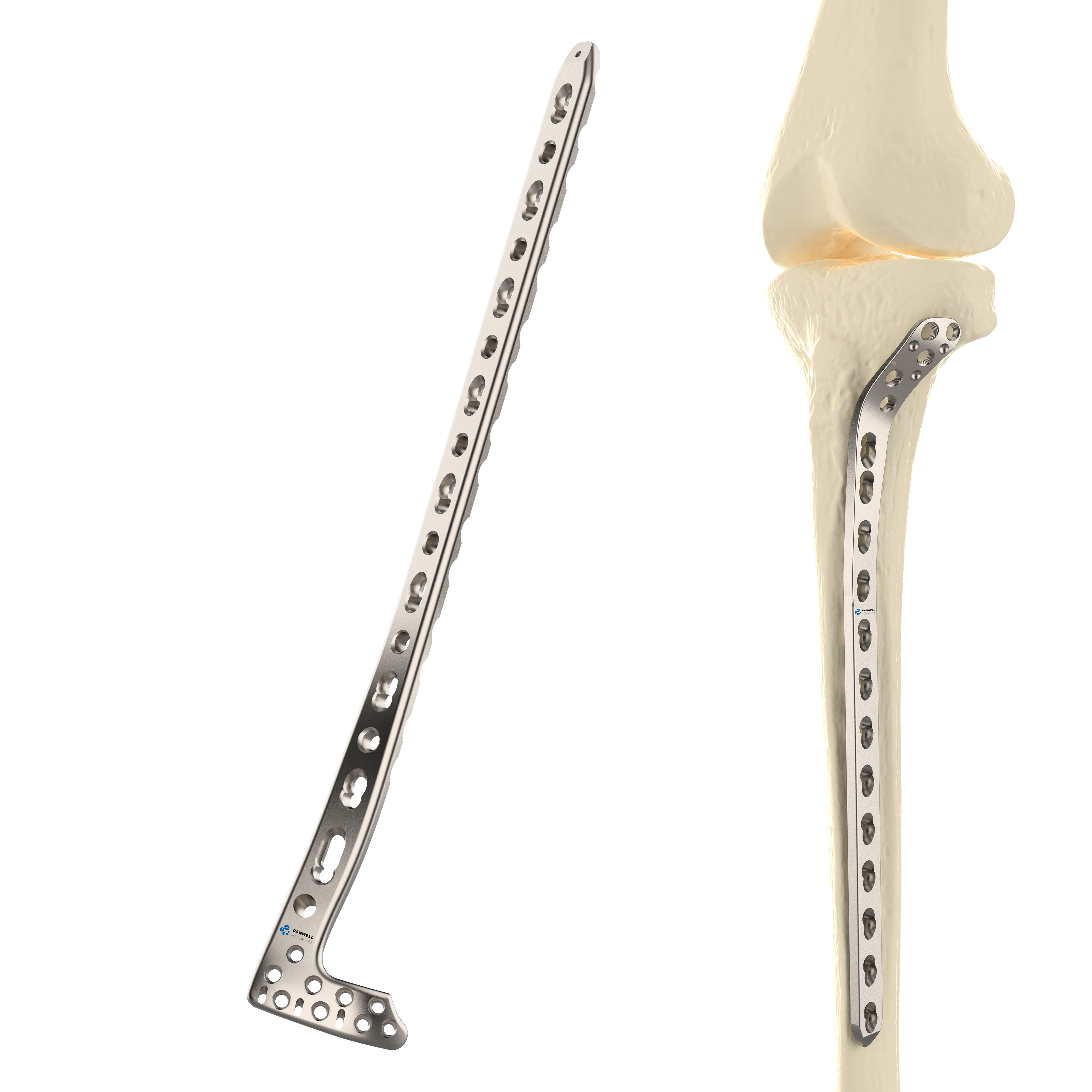
The city of Dortmund, positioned as the commercial and industrial anchor of the Ruhr Metropolitan Region (Ruhrgebiet) in North Rhine-Westphalia (NRW), represents one of Europe's densest healthcare ecosystems. With major university-affiliated clinical institutions such as Klinikum Dortmund, specialized trauma centers enrolled in the TraumaNetzwerk Ruhrgebiet (certified by the Deutsche Gesellschaft für Unfallchirurgie - DGU), and private surgical clinics, the demand for precision orthopedic implants remains consistently high. However, the localized trauma market is undergoing unprecedented tectonic shifts driven by regulatory friction, fiscal containment under the German DRG (Diagnosis Related Groups) system, and post-pandemic supply chain de-risking.
For German medical device distributors, hospital procurement consortiums (Einkaufsgemeinschaften such as Prospitalia, Sana, or AGKAMED), and surgical department heads in Dortmund, securing dependable suppliers of ankle plates—specifically anatomically pre-contoured distal tibial, fibular, and pilon fracture fixation systems—is fraught with distinct hurdles. The transition to the European Medical Device Regulation (EU MDR 2017/745) has forced many legacy European original equipment manufacturers (OEMs) to prune low-volume SKUs or elevate pricing by 30% to 50% to absorb notified body compliance audits. Consequently, healthcare procurement specialists in the Dortmund region are proactively qualifying tier-one global manufacturing partners that combine certified technical dossiers with direct factory pricing models.
As a leading orthopedic implant manufacturer operating over 29,523 m² of precision manufacturing facilities, Zhejiang INAR Medical Co., Ltd. (operating the prominent CANWELL implant lines) bridges this precise structural gap. By uniting over 22 years of surgical device engineering with onsite SGS supplier assessments and dual CE certification under both the MDR 2017/745 and Directive 93/42/EEC, we supply distributors serving Dortmund and surrounding cities—such as Bochum, Essen, and Münster—with hospital-ready distal tibial locking compression plates, variable-angle fibular systems, and customized trauma kits.
The ankle joint (talocrural articulatio) sustains some of the highest contact pressures per unit area across the entire human skeleton, bearing upwards of 5.5 times body weight during dynamic gait cycles. Fractures occurring within the distal epiphyseal and metaphyseal zones of the tibia and fibula—classified under the AO/OTA 43 (distal tibia/pilon) and AO/OTA 44 (malleolar segment) systems—present demanding mechanical trade-offs between rigid interfragmentary stabilization and biological periosteal preservation.
Our distal tibia and fibula locking plates are precision CNC-milled exclusively from certified medical-grade titanium alloy Ti-6Al-4V ELI (ASTM F136 / ISO 5832-3). This alloy delivers an optimal elastic modulus (approx. 110 GPa) significantly closer to cortical bone (18–20 GPa) than traditional 316LVM stainless steel (200–210 GPa), dramatically reducing stress-shielding phenomena and preventing accelerated peri-implant bone resorption under ambulatory cyclic loading.
The distal medial tibia and lateral malleolus feature exceptionally thin soft-tissue envelopes. INAR's distal tibial plates feature tapered, low-profile borders (down to 1.5 mm at the articular fringe) and countersunk screw heads that minimize soft-tissue impingement, skin breakdown, and secondary hardware removal surgeries in German outpatient clinics.
Equipped with specialized combi-holes accepting both conventional cortical screws and multidirectional threaded locking pegs (allowing up to ±15° cone angulation), surgeons can steer trajectories into subchondral bone stock without compromising the structural thread-lock engagement of the plate.
Every plate undergoes standardized electrolytic Type II surface anodization. This electrochemical stabilization suppresses micro-fretting corrosion, limits heavy metal ion release (vanadium/aluminum leaching), and deters bacterial biofilm colonization (e.g., Staphylococcus epidermidis) during extended internal fixation periods.
| Biomechanical Parameter | INAR Titanium Ankle Plating | Standard 316LVM Systems | Clinical Advantage in German Tenders |
|---|---|---|---|
| Elastic Modulus (GPa) | 105 – 114 GPa (Ti-6Al-4V ELI) | 205 – 210 GPa | Diminished stress-shielding, superior secondary callus induction |
| Plate Profile Thickness | 1.5 mm – 2.4 mm contoured | 2.8 mm – 3.5 mm rigid | Mitigates peroneal tendon rubbing and wound dehiscence |
| Screw Locking Mechanism | Variable-Angle (±15°) + Combi-hole | Fixed-Angle Uniaxial Thread | Enables anatomical capture of tiny Volkmann / Chaput fragments |
| Imaging Artifacts (CT/MRI) | Low susceptibility void artifact | Substantial magnetic susceptibility distortion | Permits clear postoperative MRI monitoring of syndesmotic ligaments |
| Packaging Standard | Cleanroom double-sterile blister (ISO 11607) | Non-sterile bulk trays / Reprocessed | Direct OR delivery, reducing hospital sterilization overheads |
The operational reality of surgical departments in Dortmund imposes unique demands on ankle fixation portfolios. Situated in Germany's historical industrial heartland, Dortmund exhibits a demographic profile characterized by both an active aging population with osteoporotic bone architecture and high-energy athletic trauma associated with regional sports leagues and heavy logistics industries along the canal and rail hubs.
Severe axial compression fractures resulting from vehicular collisions on major arterial motorways (A40, A45, A2) or industrial falls frequently arrive at Dortmund's supraregional trauma centers. These comminuted tibial plafond fractures necessitate multiplanar buttress plating. INAR's anterior, medial, and anterolateral distal tibial locking systems provide stable raft constructions supporting subchondral joint surfaces, allowing early weight-bearing without secondary loss of articular reduction.
The lateral malleolus plays an indispensable role in maintaining the talocrural mortise. Our anatomically shaped lateral distal fibula plates feature dedicated oblong syndesmotic holes positioned precisely to accommodate syndesmosis fixation screws or flexible suture-button repair kits without plate distortion, satisfying the exacting stabilization guidelines mandated by the German Association for Foot and Ankle Surgery (D.A.F.).
The prevalence of type-2 diabetes and advanced osteoporosis in mature patients treated across municipal clinics in Dortmund, Schwerte, and Lünen demands superior screw pullout resistance. INAR's locked screw technology acts as an internal fixator, transferring mechanical stress away from degraded cortical bone directly into the titanium plate structure, significantly reducing the hazard of hardware loosening or varus collapse.
Procuring surgical hardware in Germany differs sharply from non-European jurisdictions. To succeed in the Dortmund orthopedic marketplace, suppliers and their distributing partners must navigate three pivotal industry trends:
Under statutory mandates established by the Federal Joint Committee (Gemeinsamer Bundesausschuss - G-BA) and recent healthcare reform initiatives spearheaded by the German Federal Ministry of Health, a growing proportion of simple malleolar fracture repairs (Weber A and uncomplicated Weber B) are transitioning from inpatient hospital stays to ambulatory surgical centers (Ambulantes Operieren - AOP). Ambulatory centers operate under strict global flat-rate reimbursements. They demand high-quality, pre-sterilized, single-use procedure kits that bypass hospital central sterilization units (AEMP/ZSVA), driving up demand for streamlined, cost-effective titanium ankle plating sets.
Distributors across North Rhine-Westphalia have felt the squeeze of the European MDR grace period phase-outs. German clinical buyers require unequivocal evidence that implant suppliers possess audited technical documentation, Validated Cleanroom Packaging (EN ISO 11607-1/2), Accelerated & Real-Time Aging Data, and full EUDAMED registration capabilities with unique Device Identification (UDI) barcoding. INAR Medical provides complete regulatory transparency, eliminating registration bottlenecks for regional European trading houses.
Hospital procurement groups in Dortmund are moving away from exclusive dependency on high-margin multinational cartels. By establishing direct OEM/ODM partnerships with verified manufacturers, regional distributors can offer equivalent German DIN EN ISO 13485-compliant implants at 25% to 40% lower acquisition expenditure, winning municipal hospital tenders while safeguarding robust operational margins.
Combining state-of-the-art multi-axis CNC robotics, rigorous testing labs, and 10+ years of dedicated international export expertise.
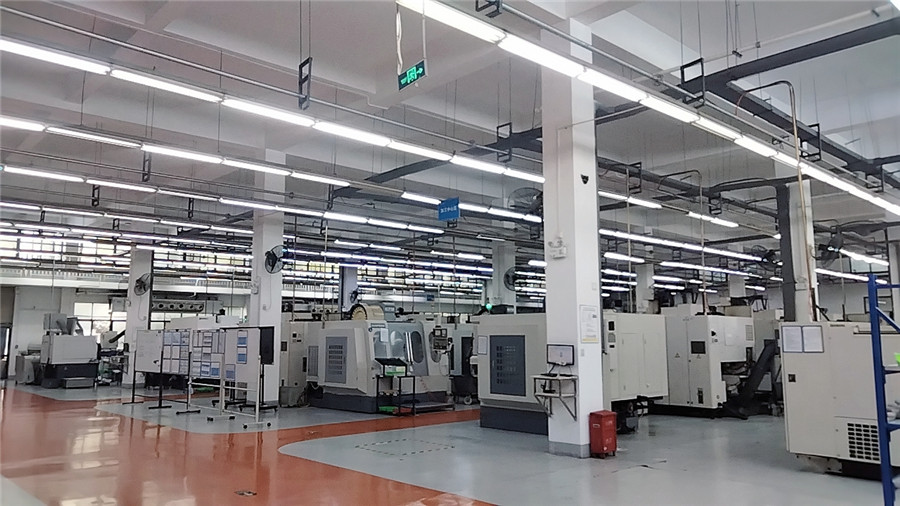
Our Jinhua plant operates precision Swiss-type lathes and German/Japanese 5-axis machining centers, guaranteeing tolerances within ±0.005 mm for screw threads and plate contours.
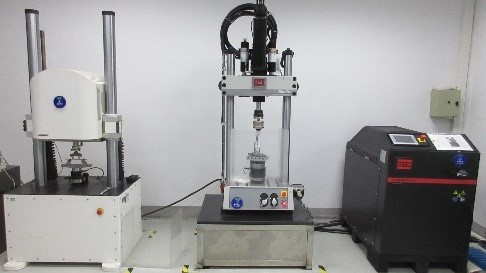
In-house servo-hydraulic testing rigs subject plates and locking screws to over 5,000,000 cyclic loading runs in accordance with ASTM F382 and ISO 9585 standards prior to commercial batch release.
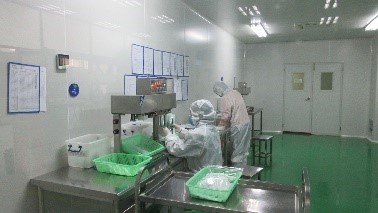
Fully climate-controlled cleanroom operations provide medical-grade Tyvek blister heat sealing, validated bioburden controls, and ethylene oxide (EO) or gamma sterilization readiness.
From spectroscopic inspection of incoming raw titanium bar stocks through longitudinal cutting, CNC milling, vibratory deburring, ultrasonic bath cascades, penetrant micro-crack detection, anodizing, and final optical CMM outgoing inspection (OQC), our facility has been independently inspected onsite by SGS Group, verifying world-class supply reliability.