Engineered for rigid internal fixation, osteotomy stability, and trauma reconstruction. Supplying healthcare systems across Chișinău, Bălți, and surrounding regional emergency hospitals.
Biomechanical Engineering & Clinical Application in Lower Extremity Trauma
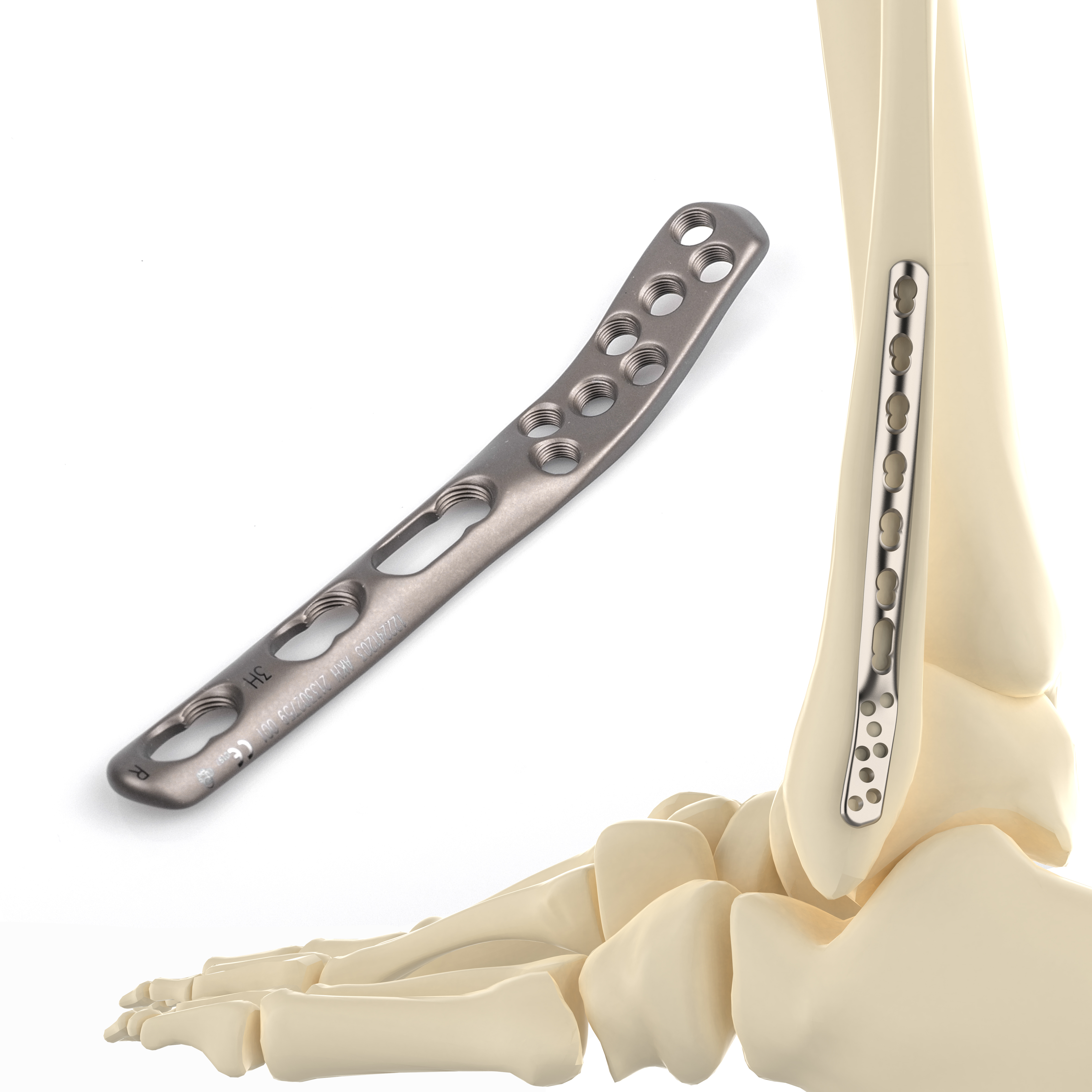
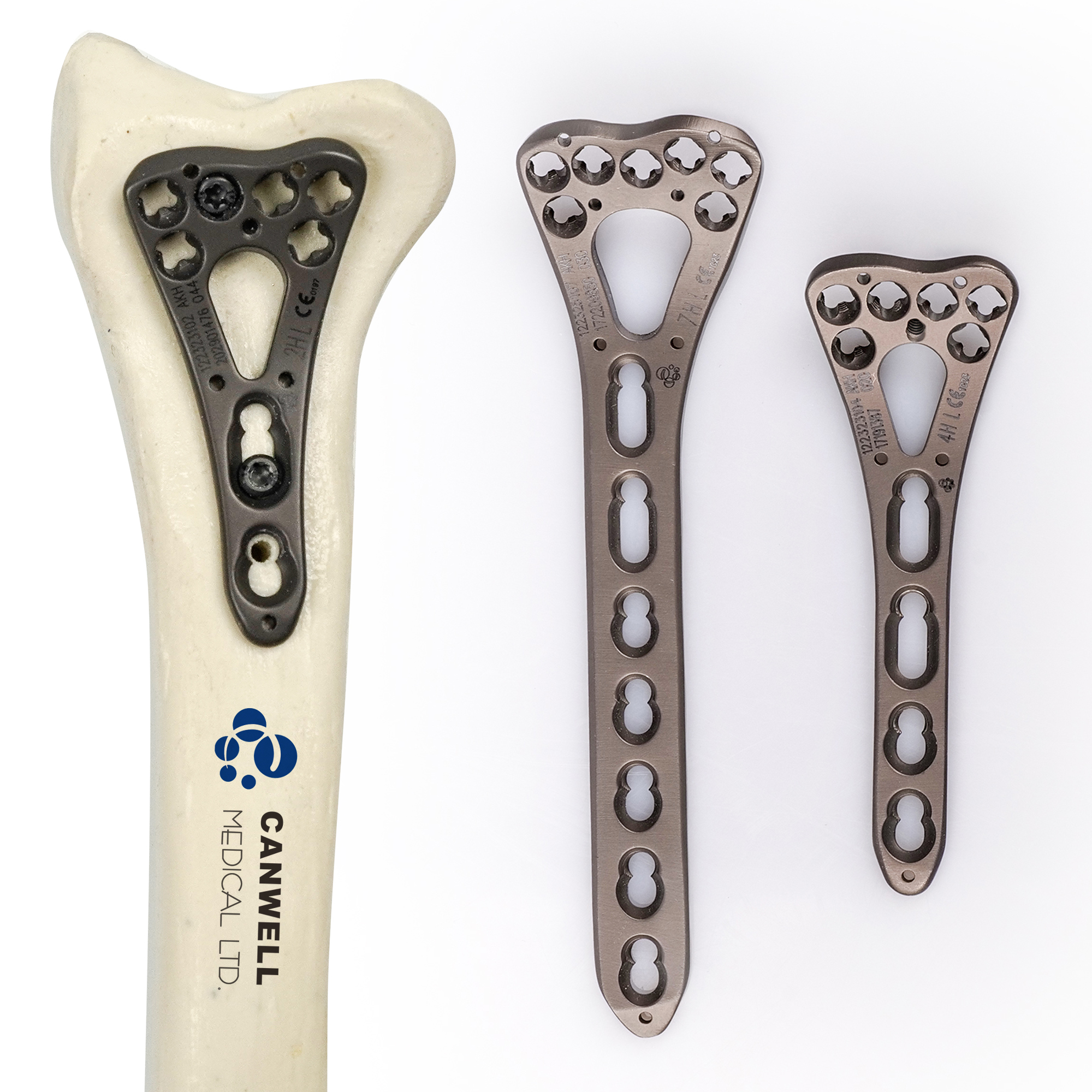
Fractures of the distal tibia and fibula represent among the most challenging trauma indications managed in European emergency care. In the clinical theater of the Republic of Moldova, orthopedic surgeons frequently confront complex rotational mechanisms, comminuted malleolar ruptures, and fragile soft-tissue envelopes. As a primary manufacturer and exporter, our engineered ankle plating solutions—most notably our CANWELL Titanium Posterolateral and Distal Fibula Locking Plate System (2.7/3.5mm)—provide anatomically pre-contoured geometries designed to neutralize shear forces, reduce periosteal devascularization, and eliminate intraoperative contouring delays.
The mechanical paradigm of ankle osteosynthesis demands high cyclic fatigue endurance combined with low-profile construct dimensions. Conventional straight reconstructive or dynamic compression plates (DCP) require extensive mechanical bending, which introduces micro-structural stress concentrations and risks compromising the biological blood supply to the lateral malleolus. Our modern anatomically contoured distal fibula plates accommodate variable-angle (VA) locking screws and low-profile distal cortical screws, facilitating stable multi-planar fixation even in osteopenic and severely osteoporotic bone beds.
Clinical Applications & Surgical Scenarios in Moldova
Healthcare delivery in Moldova functions under an optimized, centralized emergency infrastructure. The primary trauma workloads are concentrated within municipal tertiary centers like the Institutul de Medicină Urgentă (Emergency Medicine Institute) and the Spitalul Clinic de Traumatologie și Ortopedie in Chișinău, while secondary district hospitals (Spitalele Raionale) manage stabilized osteosynthesis and rural road/agricultural accidents across northern regions (Bălți, Soroca) and southern sectors (Cahul).
Danis-Weber Type B & C Fractures
Anatomic locking reconstruction of trans-syndesmotic and supra-syndesmotic fibular fractures. Integration of dedicated non-locking syndesmotic positioning holes alongside locking fixation preserves the syndesmosis without plate displacement.
Posterolateral Antiglide Plating
Posterior approach biomechanics allow the plate to act as a buttress against superior and posterior shear forces, securing comminuted osteoporotic fragments common in elderly clinical cohorts in Moldovan district clinics.
Pilon Fracture Complex Sub-Fixation
Serving as lateral pillar reconstruction in combined tibial plafond trauma. Restoring exact fibular length and rotational alignment prior to medial or anterior distal tibial locking plate application prevents angular talar mal-reduction.
Moldovan Orthopedic Market Evolution & Tender Requirements
Moldova's surgical and medical device market is undergoing significant regulatory realignment driven by its EU candidate status and direct harmonization with the European Medical Device Regulation (EU MDR 2017/745). Historically dependent on disparate non-standardized implant imports, public health tenders administered through the Centrul pentru Achiziții Publice Centralizate în Sănătate (CAPCS) now require rigorous traceability, verified biocompatibility files, and standardized sterilization indicators.
Furthermore, financial rationalization across the Moldovan Compulsory Health Insurance Fund (CNAM - Compania Națională de Asigurări în Medicină) requires hospitals to purchase durable, precision implant sets that guarantee high intraoperative success rates while minimizing hardware failure and costly revision surgeries. Importers and local medical device distributors in Chișinău increasingly partner with integrated manufacturers capable of delivering direct factory pricing, comprehensive technical dossiers, and end-to-end instrument systems.
| Evaluation Parameter | Legacy Stainless / Non-Locking Systems | Our Grade 5 Titanium (Ti-6Al-4V ELI) Locking Systems | Clinical & Economic Impact in Moldova |
|---|---|---|---|
| Biomechanical Stability | Frictional contact; high screw-loosening risk in osteoporotic bone. | Fixed-angle construct; load distributed throughout locked screw threads. | Minimizes secondary displacement; essential for geriatric populations. |
| Biological Preservation | Compresses periosteum, compromising local cortical vascularity. | Plate-bone standoff preserves periosteal capillary perfusion. | Lowers infection risk and non-union rates in regional trauma wards. |
| Post-op Diagnostic Imaging | Substantial scatter artifacts during CT and 1.5T/3.0T MRI assessments. | Minimal MRI magnetic susceptibility and drastically reduced CT artifacts. | Accurate evaluation of articular joint surface and soft tissue repair. |
| Regulatory & Tender Compliance | Varied documentation; fragmented traceability under outdated norms. | Full CE mark, ISO 13485:2016, and comprehensive MDR technical files. | Immediate qualification in national CAPCS tender bids and hospital audits. |
Manufacturing Superiority: 13-Step In-House Precision Metallurgy
As an SGS-verified manufacturer with over 22 years of specialized biomechanical machining, our 29,523 m² production facility houses end-to-end tooling, eliminating outsourced vulnerabilities. Every batch of ankle plates supplied to European trade corridors undergoes an uncompromised 13-step fabrication chain:
Certified Titanium Stock
Utilizing exclusively medical-grade Ti-6Al-4V ELI (ASTM F136 / ISO 5832-3), sourced from audited metallurgical providers with full mill test certificates and chemical heat tracing.
5-Axis High-Precision CNC
Complex three-dimensional anatomical contours, chamfered low-profile screw hole geometries, and micro-metric threading cut within ±0.005mm dimensional tolerances.
Surface Integrity & Anodizing
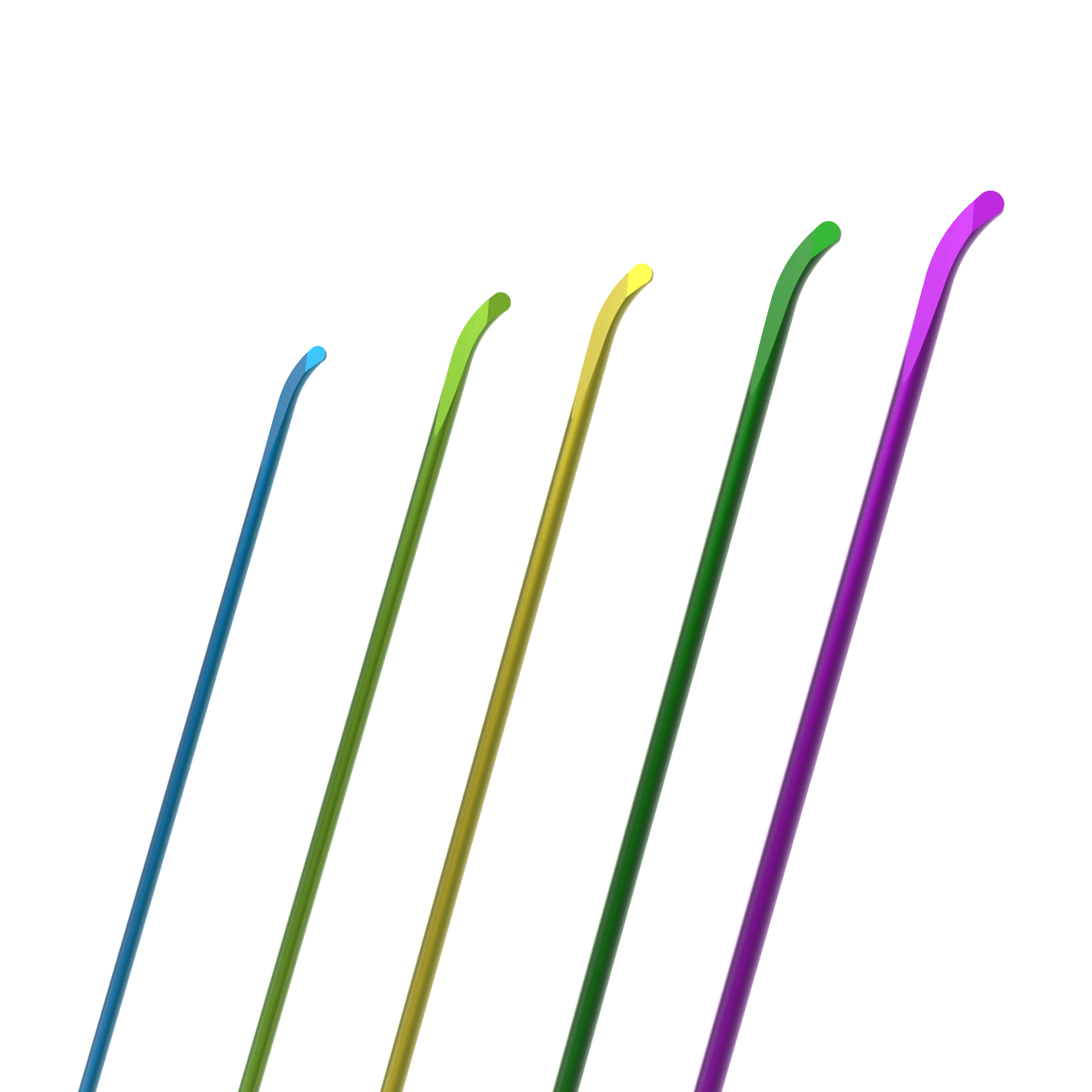
Two-stage ultrasonic solvent washing followed by Type II electrochemical anodization. Creates a fatigue-resistant oxide layer, preventing cold-welding and enabling color-coding.
Flaw Detection & OQC
Fluorescent penetrant testing under darkroom UV arrays verifies zero micro-fissures or stress fractures. 100% Outgoing Quality Control checks verify gauge alignment.
Cleanroom Aseptic Packaging
Packed in certified Class 100,000 cleanrooms using medical-grade Tyvek blister barriers, providing a 5-year validated shelf life for immediate sterile transfer or non-sterile hospital sterilization.
Custom OEM/ODM Integration
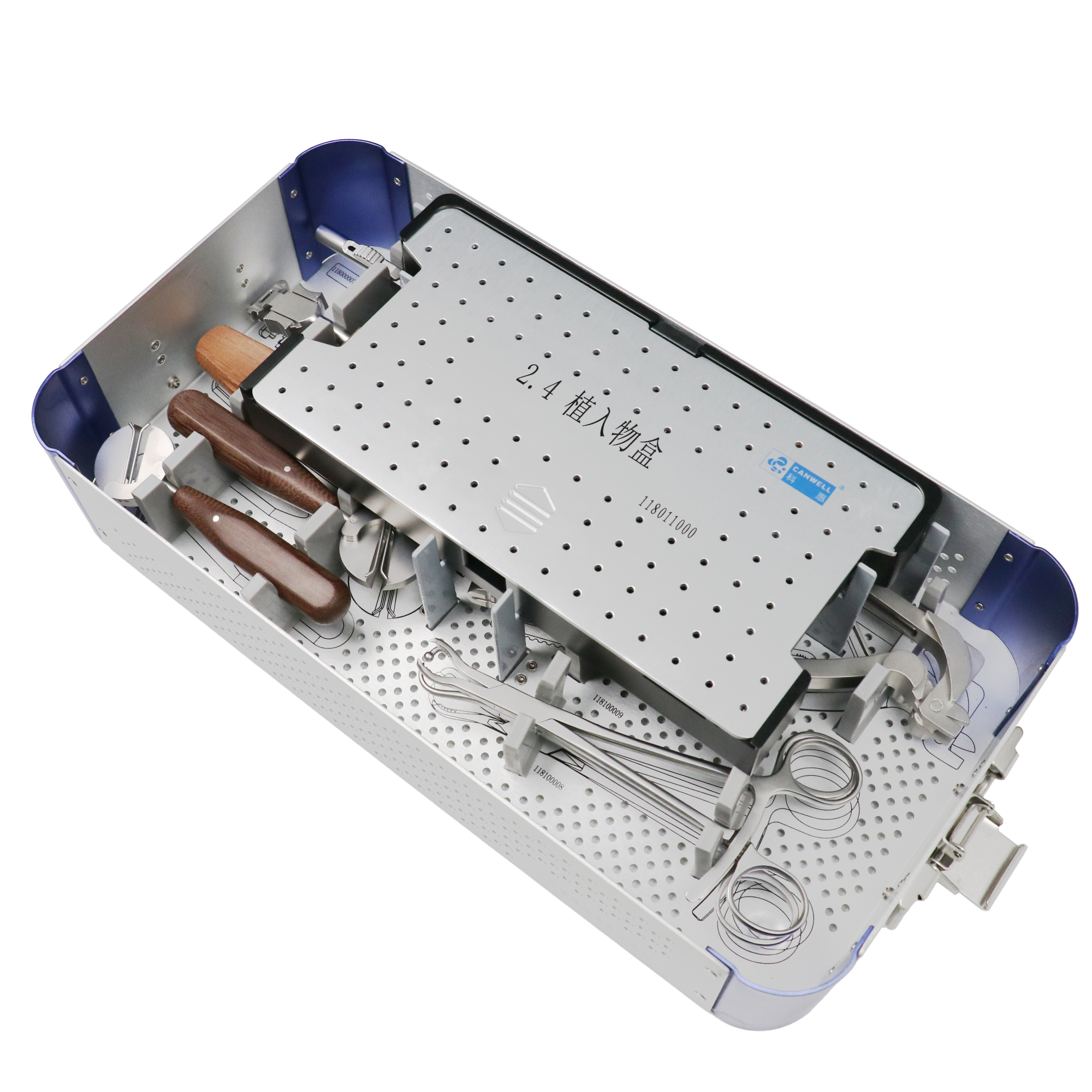
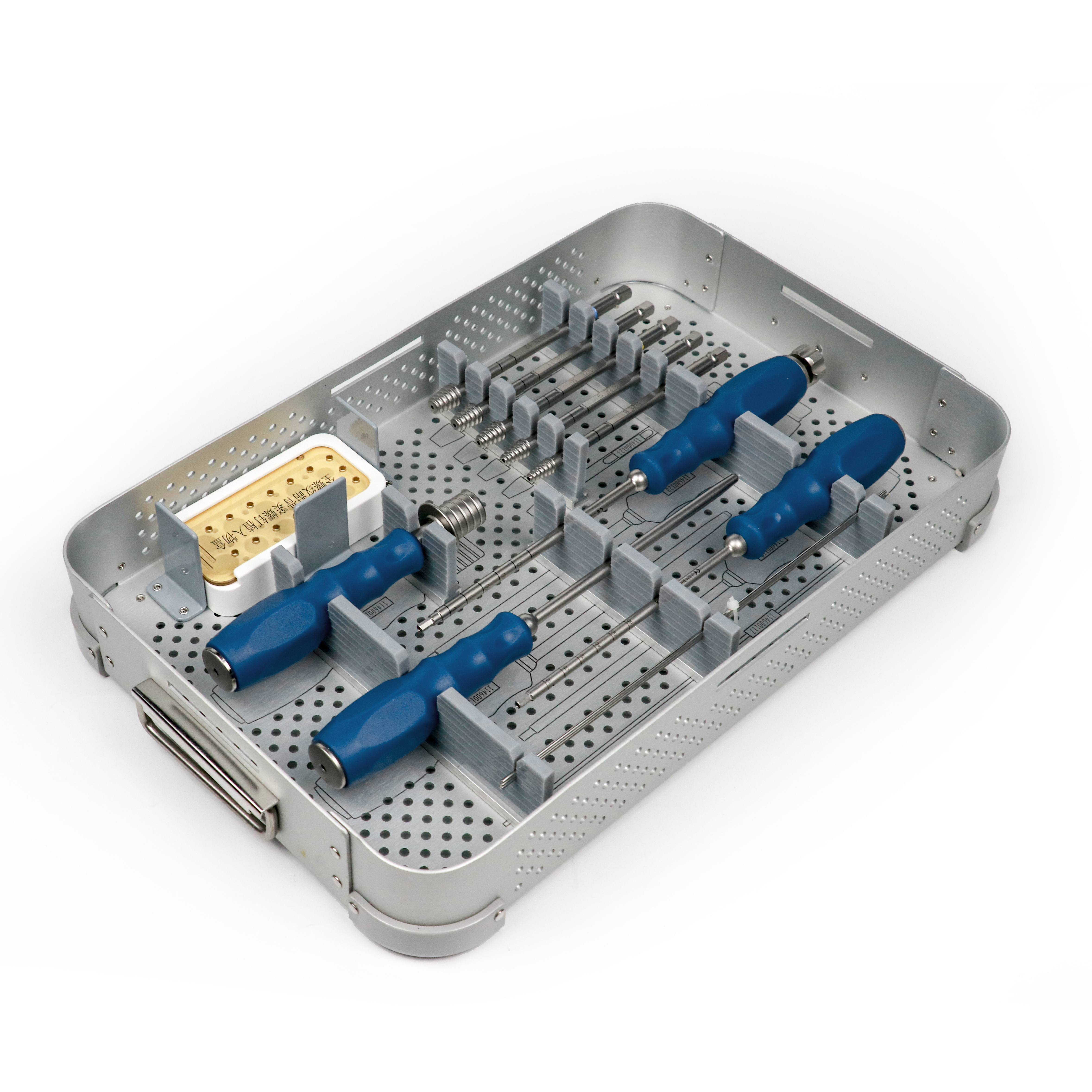
Full private-label marking, custom screw hole angles, tailored instrument tray layouts, and multilingual IFU preparation aligned with Moldovan tender guidelines.
Procurement FAQ: Sourcing Ankle Plates in Moldova
Addressing crucial regulatory, logistics, and quality assurance questions routinely raised by Moldovan biomedical engineers, procurement officers, and orthopedic distributors.