Core Orthopedic Implants & Instrumentation for South Korean Clinical Demands
Certified Class IIb & Class III implants designed to support complex reconstructive orthopedic, lower-extremity trauma, and sports medicine arthroscopic protocols.
Trauma Fixation Dynamics in South Korea's Central Healthcare Hub
A rigorous examination of orthopedic supply demands, regulatory prerequisites (MFDS), and anatomical plating innovations in Daejeon Metropolitan City.
Clinical Biomechanics & Soft Tissue Margin
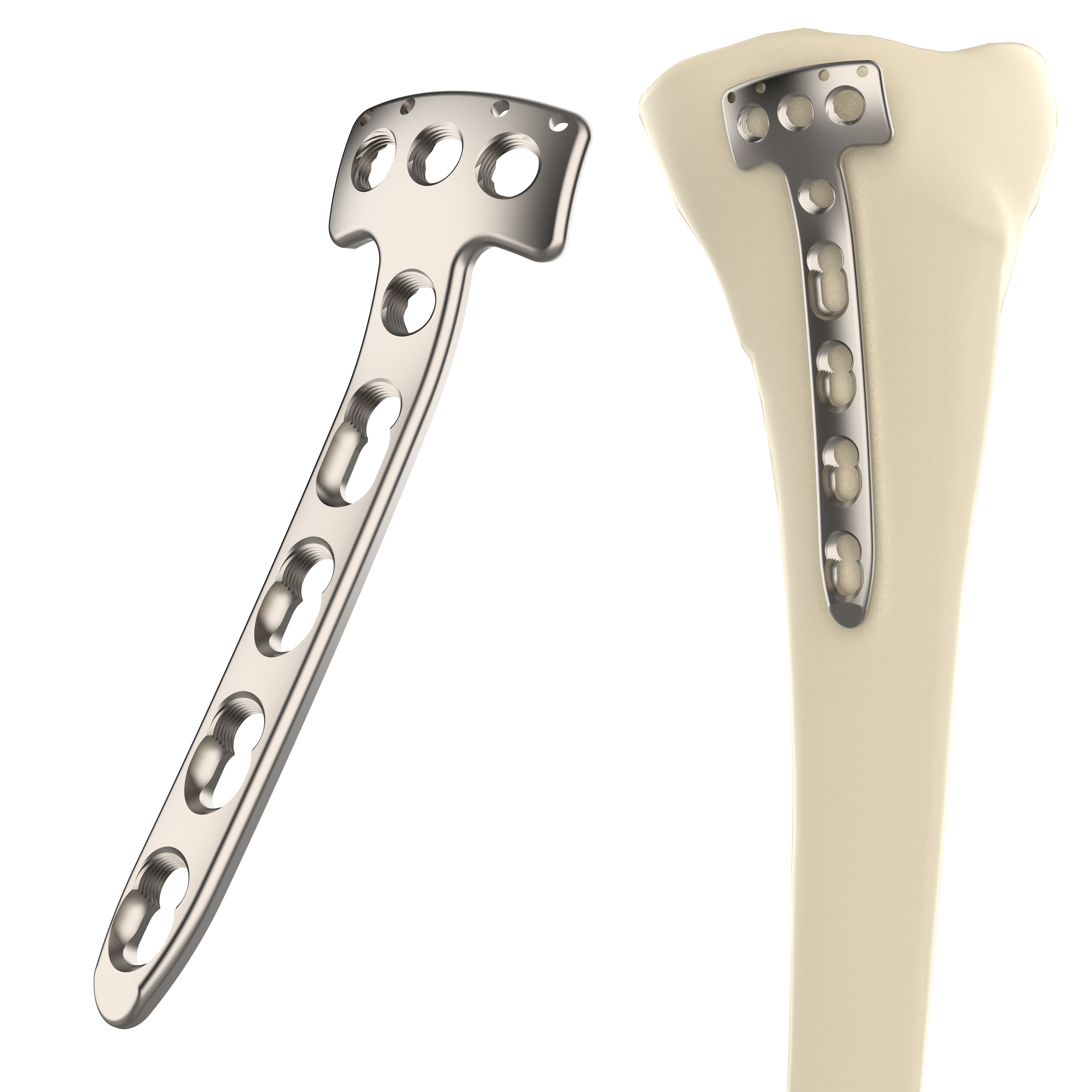
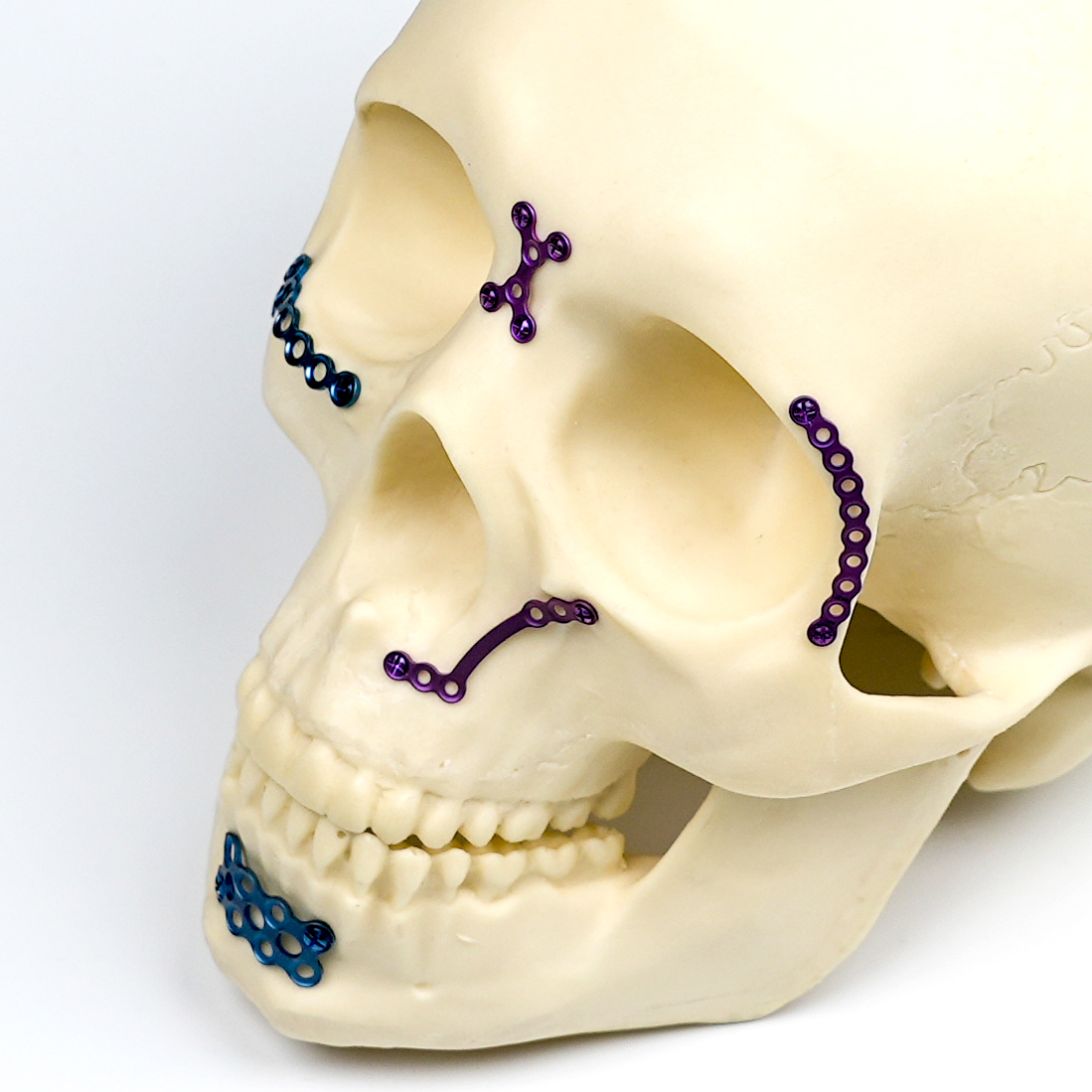
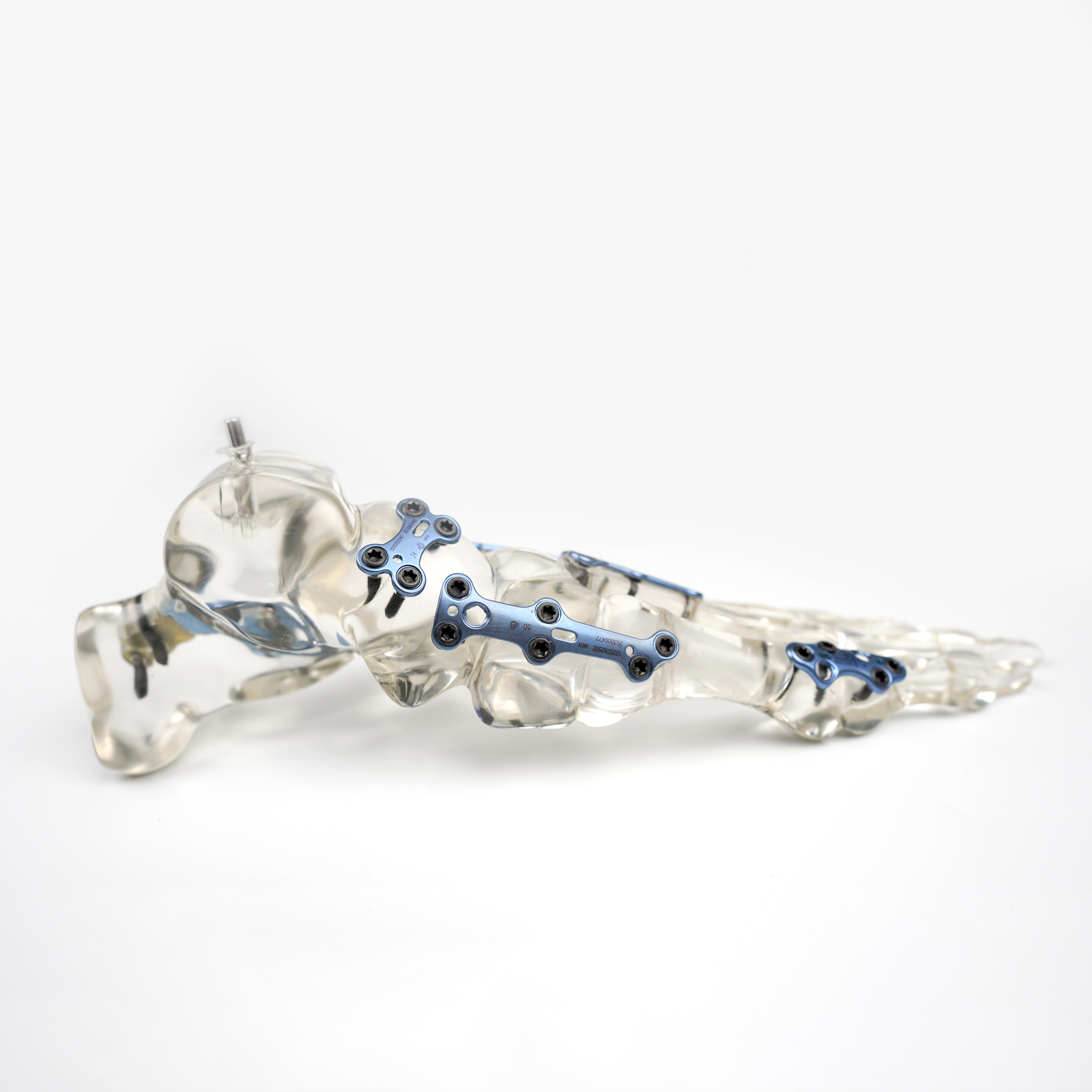
The distal fibula and medial malleolus possess minimal subcutaneous tissue coverage. In Korean patient cohorts, soft-tissue necrosis, wound dehiscence, and hardware prominence represent primary post-operative complications following open reduction and internal fixation (ORIF). Our ankle plating systems incorporate ultra-low-profile plate profiles (down to 1.5mm–2.0mm at the distal articular edge) with chamfered, high-radii perimeters to minimize peroneal tendon impingement and cutaneous friction.
Multi-Axial Locking in Osteopenic Bone
Elderly fragility fractures across Daejeon's Jung-gu and Dong-gu districts frequently present comminuted Danis-Weber Type B and C fractures accompanied by extreme metaphyseal bone loss. Utilizing Ti-6Al-4V ELI (Grade 23) alloy, our systems feature combi-holes allowing standard cortical compression alongside ±15° polyaxial locking screws. This permits precise screw trajectory divergence to engage subchondral bone stock without penetrating the tibiotalar articular space.
Integrated Syndesmotic Stabilization
High ankle sprains and pronation-external rotation injuries demand robust syndesmosis stabilization without inducing unphysiological joint synostosis. Our lateral fibular plates incorporate dedicated syndesmotic screw trajectories angled at 25°–30° anterior-to-posterior, facilitating either rigid quadricortical screw engagement or flexible dynamic suture-button construct passage, maintaining anatomical mortise reduction during functional weight-bearing protocols.
Localized Application Scenarios Across the Daejeon Medical Ecosystem
Aligning advanced metallurgy and anatomical contours with the specific surgical workflows of Central Chungcheong healthcare facilities.
Chungnam National University Hospital: Level 1 Trauma Protocols
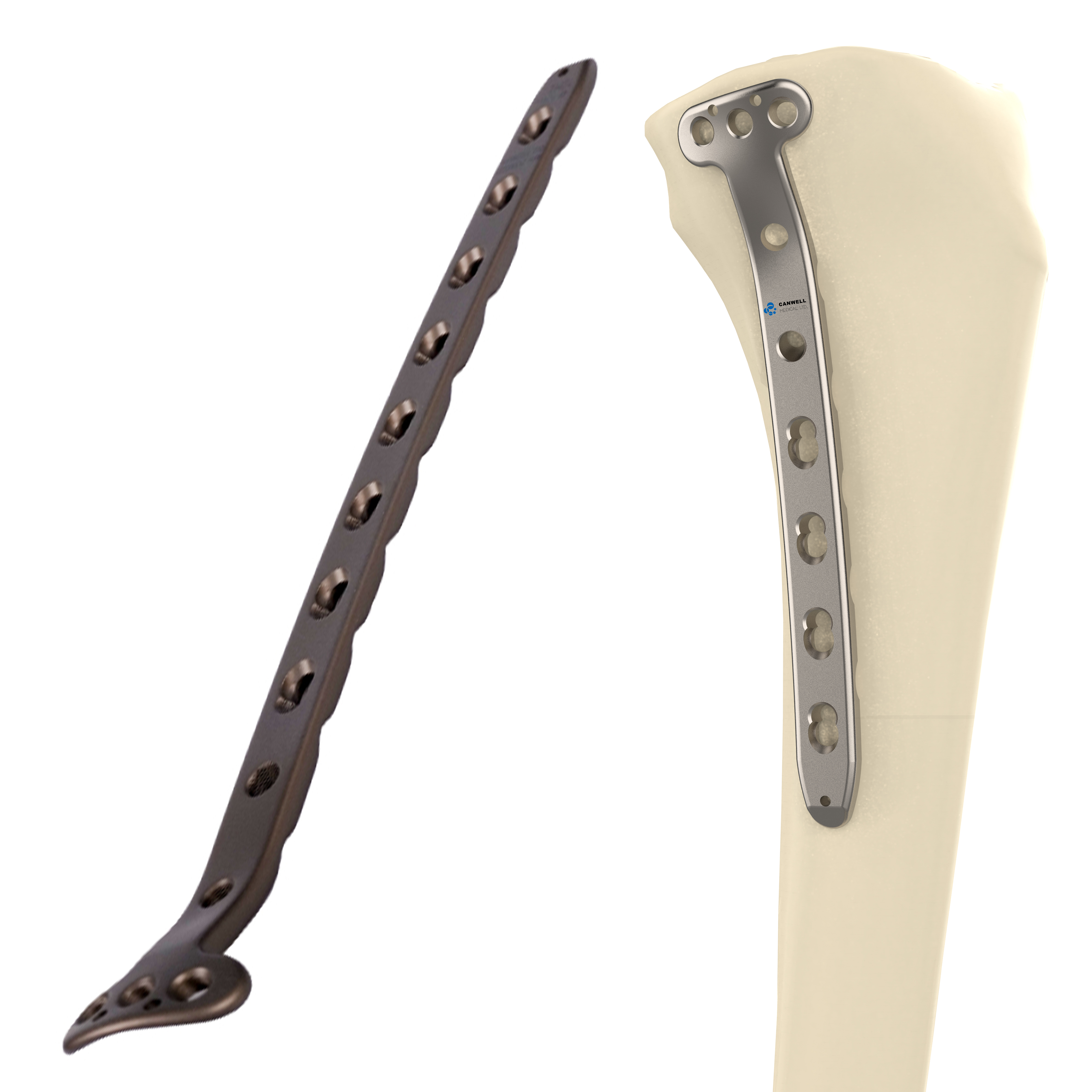
As the designated Regional Trauma Center for Daejeon and Sejong Special Self-Governing City, CNUH routinely encounters complex pilon fractures (AO/OTA 43-B and 43-C) stemming from expressway collisions and high-velocity transit trauma. Surgical intervention demands staged management: initial spanning external fixation followed by definitive ORIF via anterolateral or posterolateral approach. Our distal tibia locking plates feature pre-shaped anatomical contouring that matches the natural tibial torsion of East Asian skeletons, significantly reducing intraoperative plate bending time in emergent surgical bays.
Daedeok Innopolis & Yuseong District: High-Energy Industrial & Sports Trauma
Daejeon's Daedeok R&D District and active recreational demographics (frequent trekking in Gyeryongsan National Park) generate a consistent incidence of sports-induced rotational ankle injuries, Maisonneuve fractures, and trimalleolar injuries among young, active professionals. Surgeons at Eulji University Hospital and Daejeon Sun Hospital prioritize early functional recovery and accelerated return-to-labor. Our high-fatigue titanium locking constructs ensure absolute rigid stability, facilitating early joint mobilization without risk of fixation loosening.
Geriatric Fragility Fixation in Localized Orthopedic Specialty Centers
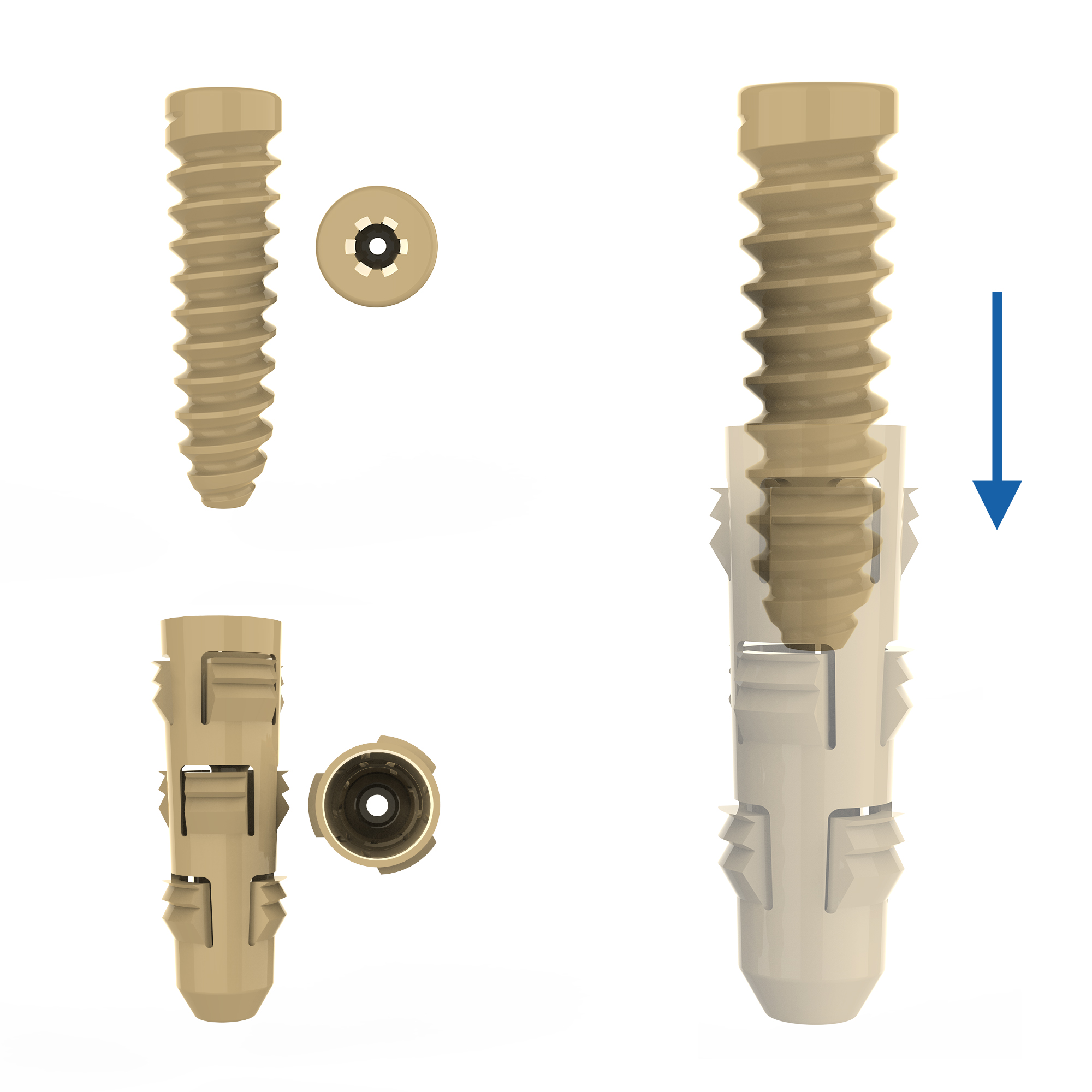
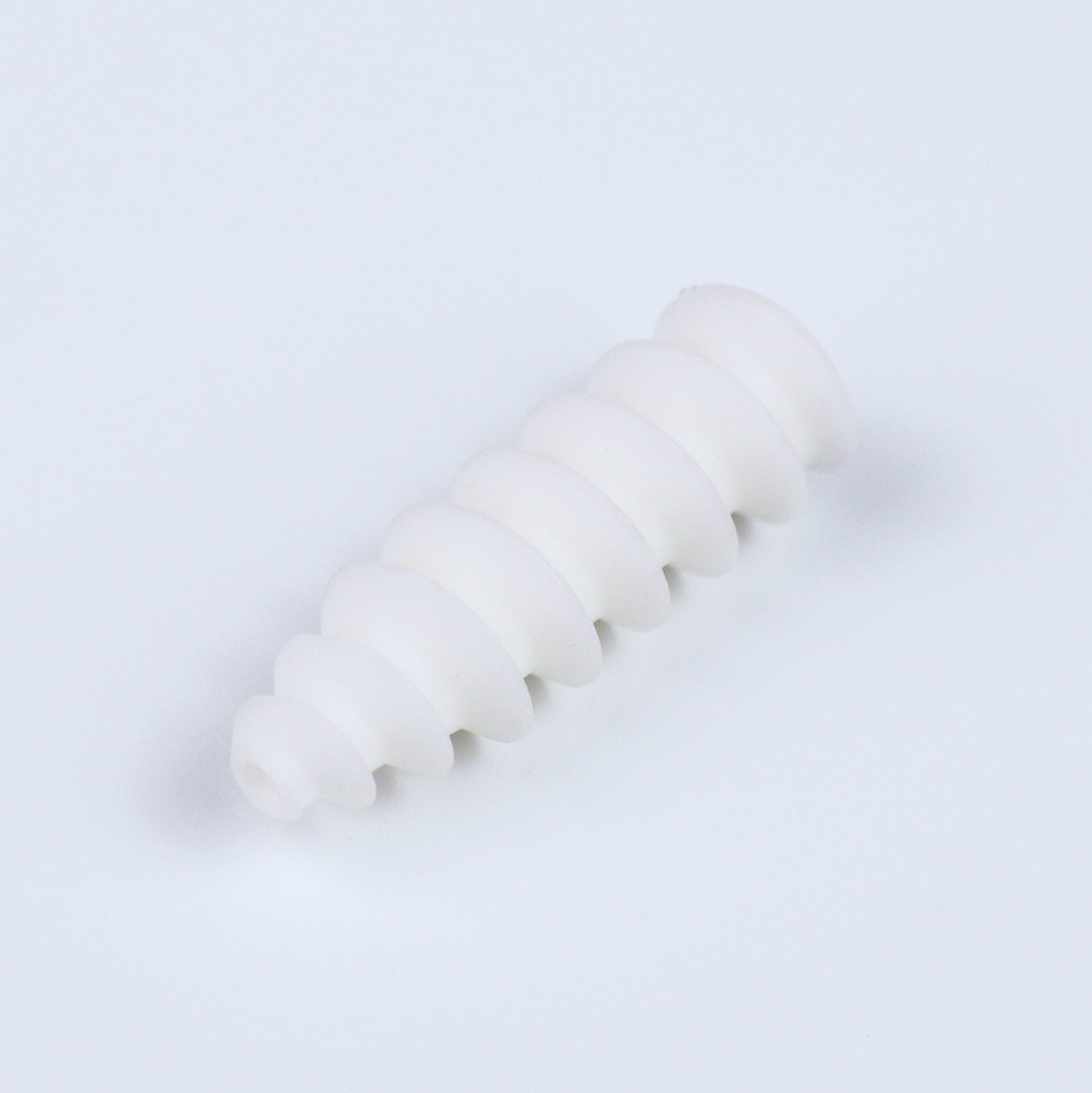
Specialized secondary centers such as Daejeon Woori Hospital and orthopedic private clinics throughout Seo-gu frequently manage low-energy slip-and-fall bimalleolar fractures in female patients aged 65+ with severe bone mineral density deficits (T-score < -2.5). The combination of 2.7mm and 3.5mm low-profile titanium locking screws with self-tapping flutes prevents strip-out in porous cancellous bone, minimizing revision rates associated with nonunion and avascular necrosis of the medial malleolar fragment.
Minimally Invasive Percutaneous Plate Osteosynthesis (MIPO)
Across progressive surgical teams in Daejeon, the adoption of biological osteosynthesis via MIPO techniques has surged to preserve periosteal blood supply and osteogenic fracture hematoma. Our plates incorporate tapered tips and low-friction electropolished anodized surfaces that glide smoothly beneath the subcutaneous tunneling pathway without snagging delicate neurovascular bundles such as the superficial peroneal nerve.
Engineering Specifications vs. South Korean Clinical Standards
How INAR Medical's advanced ankle plating portfolio compares against legacy trauma hardware in material purity, fatigue endurance, and surgical ergonomics.
| Evaluation Parameter | Legacy / Generic Trauma Implants | South Korean Clinical Expectation | INAR Medical Ankle Plating System |
|---|---|---|---|
| Raw Material Specification | Standard Ti-6Al-4V (Grade 5) or 316L SS | Biocompatible Medical Grade Titanium / PEEK | Ti-6Al-4V ELI (ASTM F136 / ISO 5832-3) |
| Distal Profile Thickness | 2.4 mm – 3.2 mm (Bulky) | Sub-2.0 mm to prevent skin impingement | 1.5 mm – 1.8 mm ultra-thin tapered profile |
| Locking Interface Mechanism | Monoaxial fixed-angle threading only | Polyaxial variable-angle preferred for articular work | Dual-mode Combi-Hole + ±15° Polyaxial Conical Lock |
| Surface Treatment & Finish | Standard mechanical polish, rough edges | High-purity anodization, laser color coding | Type II electrochemical anodization & deburred chamfers |
| Fatigue Resistance (Cycles to Failure) | 1.0 × 10^6 cycles at dynamic loading | Rigid stability during partial early bearing | >5.0 × 10^6 cycles (Validated on MTS dynamometers) |
| Cleanroom & Bioburden Standards | Manual wash, generic cleanroom assembly | Strict aseptic packaging for immediate sterilization | Dual ultrasonic wash + Class 100,000 cleanroom packaging |
The Evolution of South Korea's Ankle Reconstruction Market
Critical trends shaping device selection, supplier procurement, and regulatory clearances across Daejeon medical centers.
Stringent MFDS Technical Dossiers
The South Korean Ministry of Food and Drug Safety has substantially heightened technical review criteria under the Medical Device Act. Foreign manufacturers must submit full biocompatibility testing reports (ISO 10993 series), mechanical fatigue validation (ASTM F382 for bone plates, ASTM F543 for bone screws), and proof of a validated quality management system (ISO 13485 / GMP audit). INAR Medical works directly with Korean importers to supply comprehensive Technical Files and Declarations of Conformity, accelerating item authorization.
Rise of Pre-Contoured Anatomic Geometry
Surgeons in Daejeon's teaching hospitals have largely phased out conventional straight reconstruction plates that require extensive manual intraoperative bending. Cold-working titanium plates during surgery induces internal micro-cracks, increases notch sensitivity, and predisposes the hardware to premature fatigue fracture under cyclical ankle articulation. Our distal lateral fibular, medial malleolar, and posterior pilon plates are 3D-scanned and CNC-machined to conform to anatomical landmarks, ensuring primary fit.
Efficient Consignment & Instrument Logistics
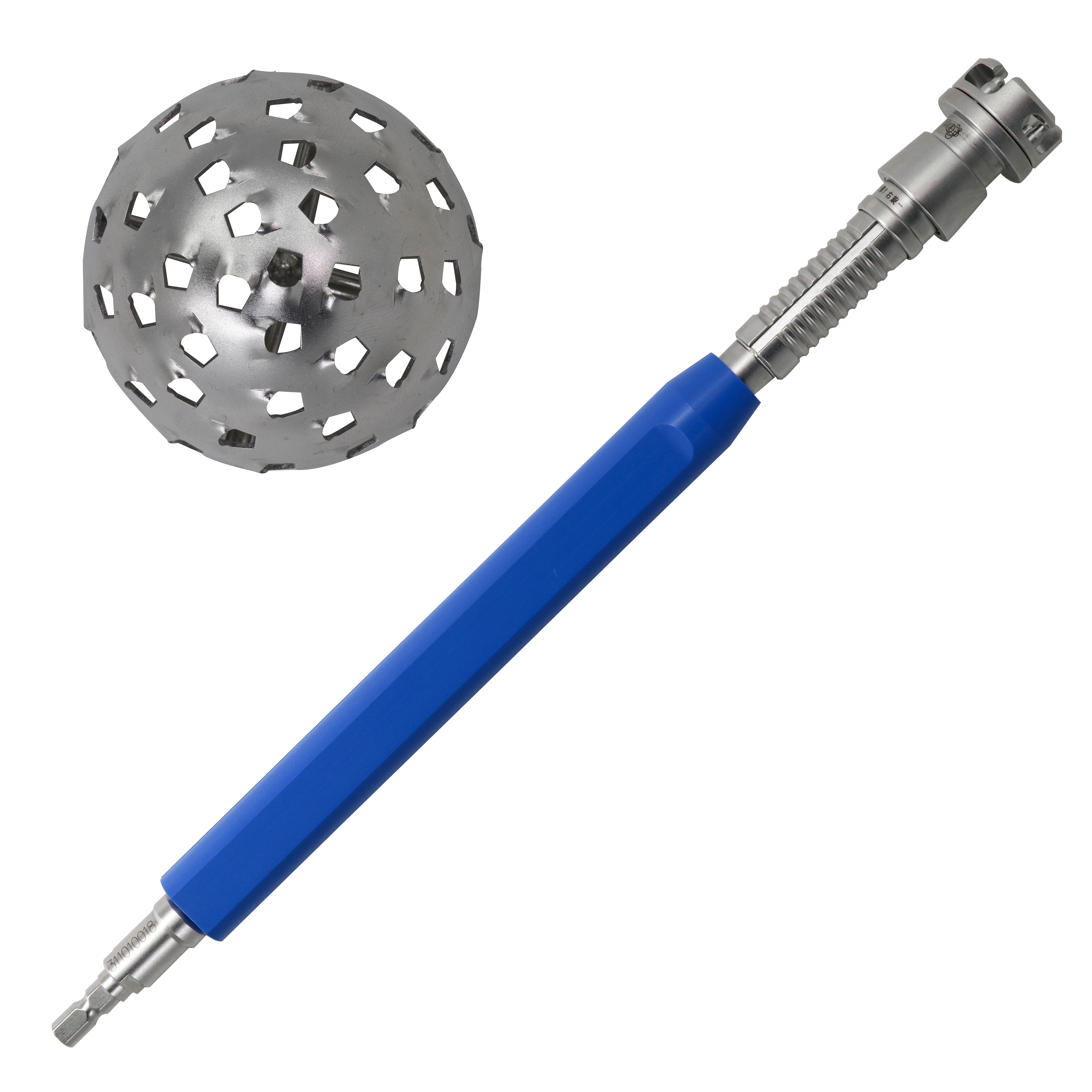
The Korean orthopedic distribution model relies extensively on distributor consignment kits provided directly to operating suites on emergency demand. INAR Medical manufactures robust, color-coded, CNC-milled aluminum alloy sterilization graphic cases containing complete screw assortments, quick-coupling hexalobe screwdrivers, drill bits, and tap guides. This drop-in instrumentation system streamlines the sterile processing department (SPD) turnover in fast-paced hospital centers.
Why International Distributors & Hospitals Partner with INAR Medical
Over two decades of precision manufacturing, certified infrastructure, and audited engineering transparency.
Integrated 13-Step Precision Manufacturing
From aerospace-certified raw bar stock sourcing, multi-axis Swiss longitudinal turning, 5-axis simultaneous CNC milling, through sand-blasting and micro-finishing, every implant step is housed in our 29,523 m² production campus without unmonitored third-party outsourcing.
SGS-Assessed & CE MDR Certified
Our facility has undergone comprehensive onsite supplier assessment by the SGS Group. Implants carry CE marking under EU MDR and 93/42/EEC directives, assuring Daejeon buyers of unwavering international compliance and audit-ready traceability records.
Dual Ultrasonic Wash & Penetrant Testing
Implant cleanliness and structural integrity are non-negotiable. Every production run undergoes primary and secondary multi-stage ultrasonic chemical degreasing, accompanied by liquid penetrant non-destructive testing (NDT) to eliminate micro-fissures and surface anomalies.
Custom OEM/ODM Brand Customization
We empower regional medical distributors across South Korea with custom branding services, including private-label high-precision laser marking, specialized electrochemical anodization color systems, bespoke plate contouring, and customized graphic sterilization trays.
Frequently Asked Questions by Korean Buyers & Hospital Groups
Clear, direct answers regarding regulatory compliance, lead times, instrumentation, and quality assurance.
How do INAR Medical's products support the South Korean MFDS registration process?
What titanium alloy grades are utilized for your ankle and lower extremity trauma plates?
Can instrument sets be tailored to the preferences of orthopedic surgeons in Daejeon?
What is the typical shipping lead time and logistics corridor from your factory to Daejeon?
Are implants delivered in sterile double-blister packaging or non-sterile hospital-bulk format?
How does your quality control lab validate fatigue strength for cyclical weight-bearing implants?
What are the Minimum Order Quantities (MOQ) for custom OEM ankle plate production?
Connect with an Orthopedic Trauma Supply Specialist for the Daejeon Market
Request technical dossiers, full product catalogs, CAD specifications, sample evaluation sets, or confidential OEM manufacturing quotations. Our export engineering team responds within 24 business hours.