Featured Arthroscopic & Trauma Instrumentation Systems
Direct-from-manufacturer orthopedic devices compliant with CE (EU MDR 2017/745) and ISO 13485:2016 international manufacturing standards.
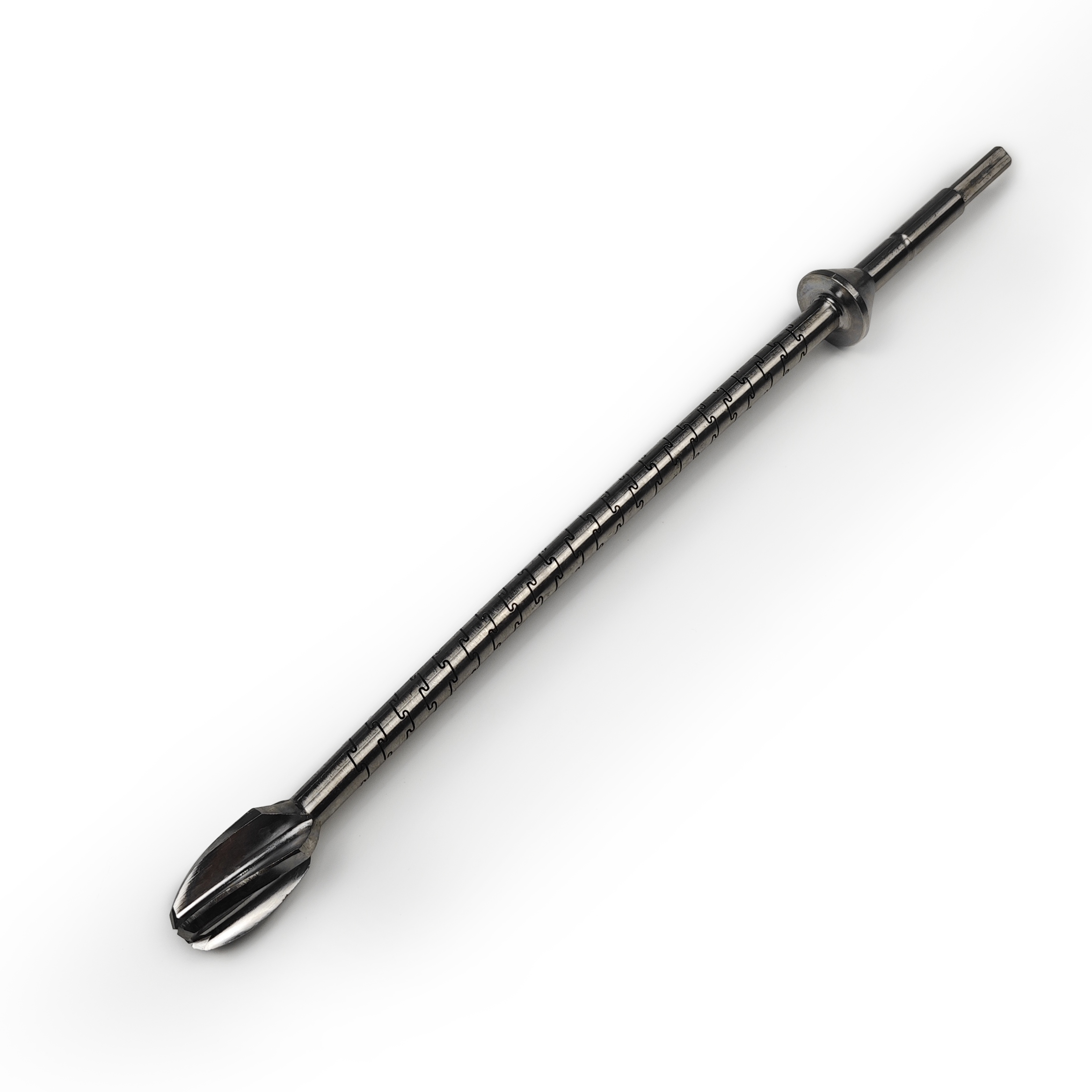
CANWELL Flexible Reamer Sterilization Box for Intramedullary Surgery
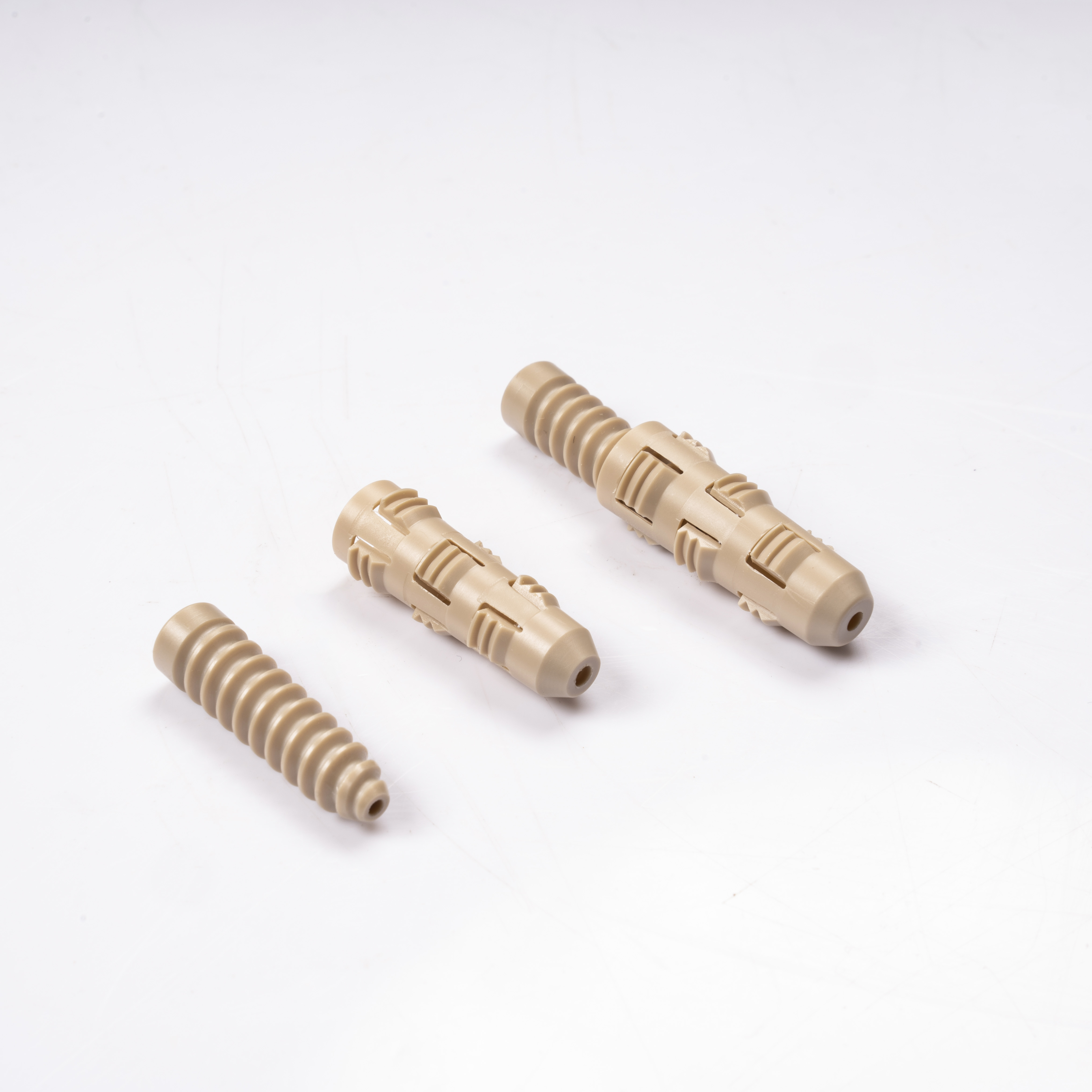
CANWELL ACL/PCL Arthroscopy Surgery PEEK Interference Screw System
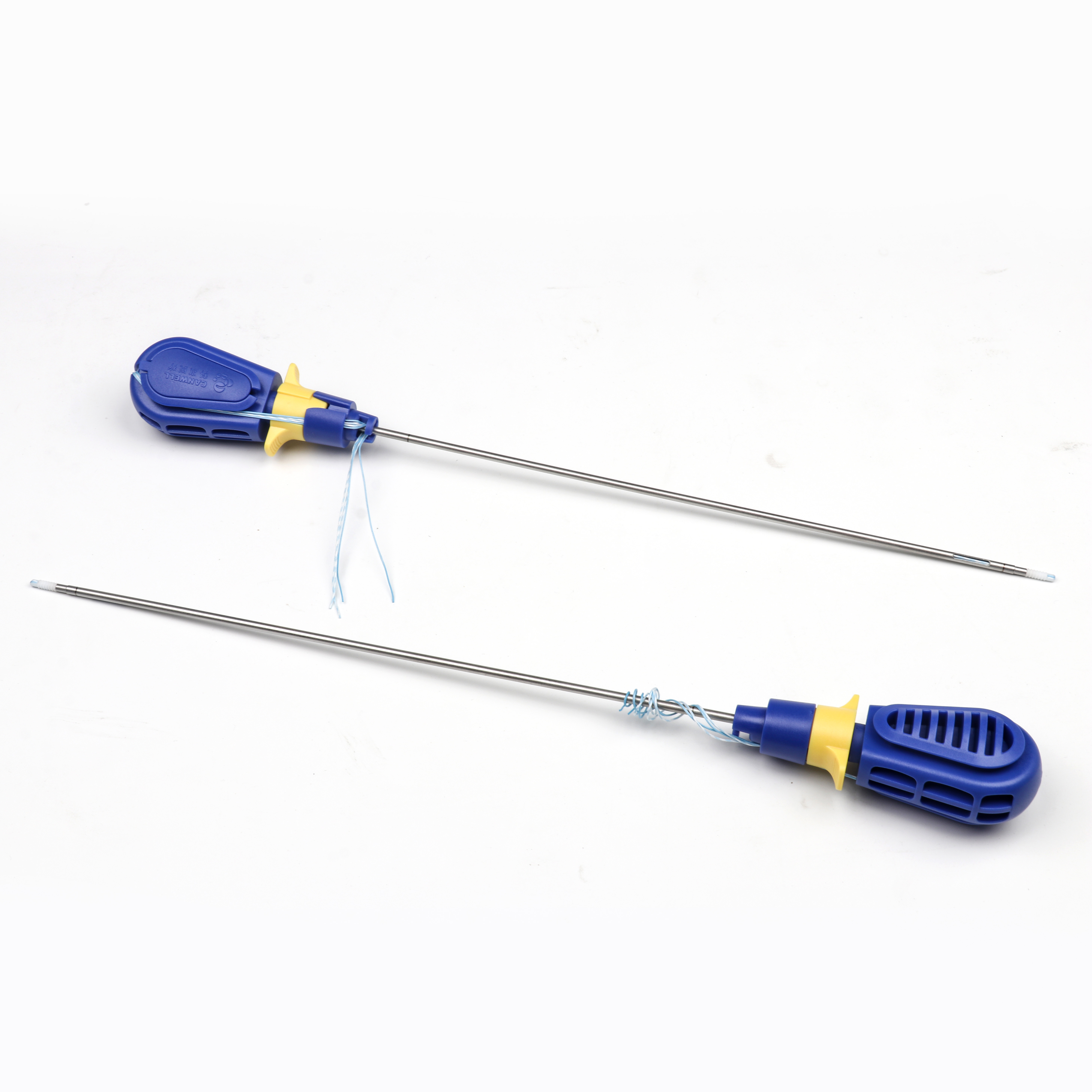
CANWELL Knotless PLGA Bioabsorbable Rotator Cuff Suture Anchor
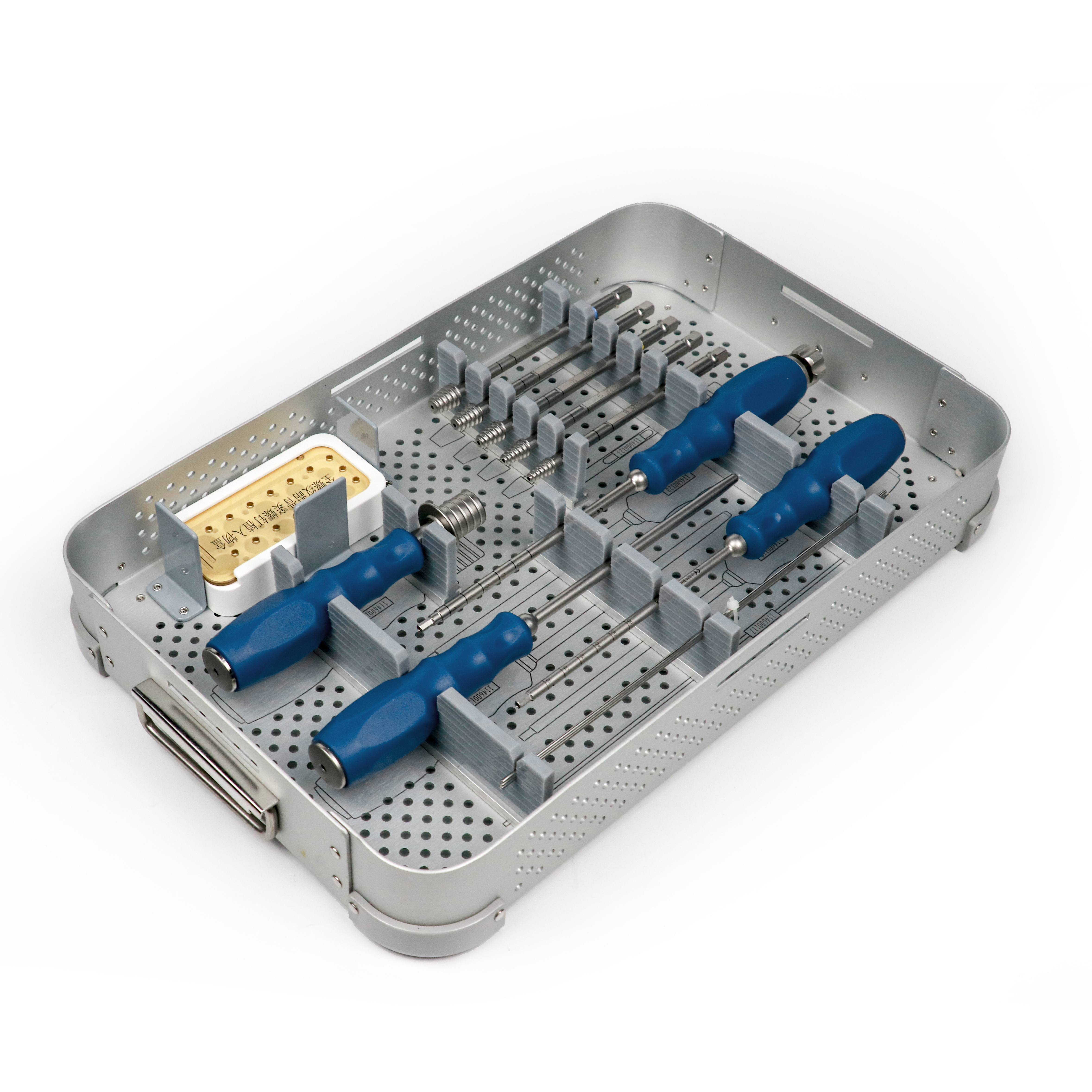
CANWELL Sinus Tarsal Titanium Locking Screw Implant (2.4 / 2.7 mm)
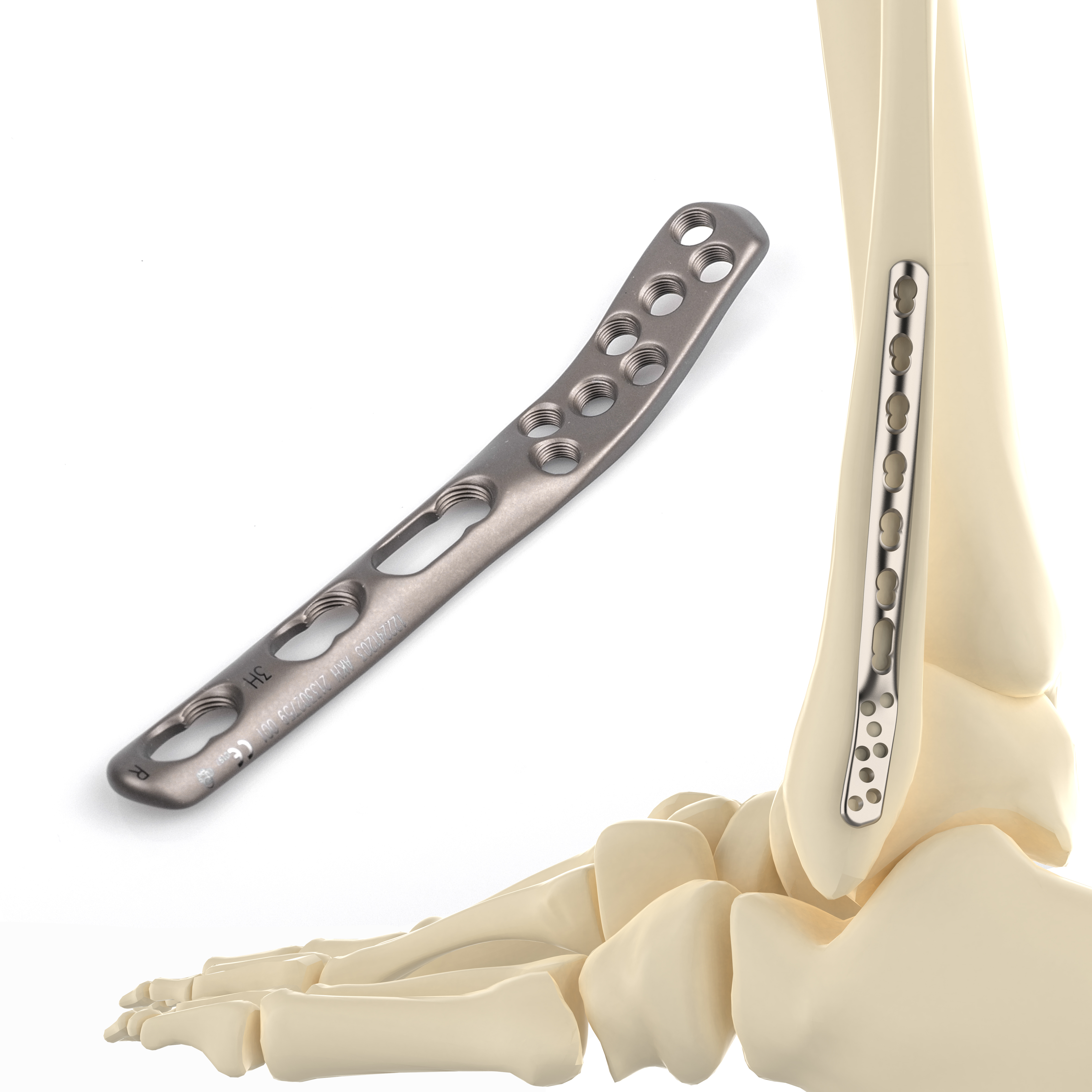
CANWELL Posterolateral Distal Fibula Titanium Locking Plate System
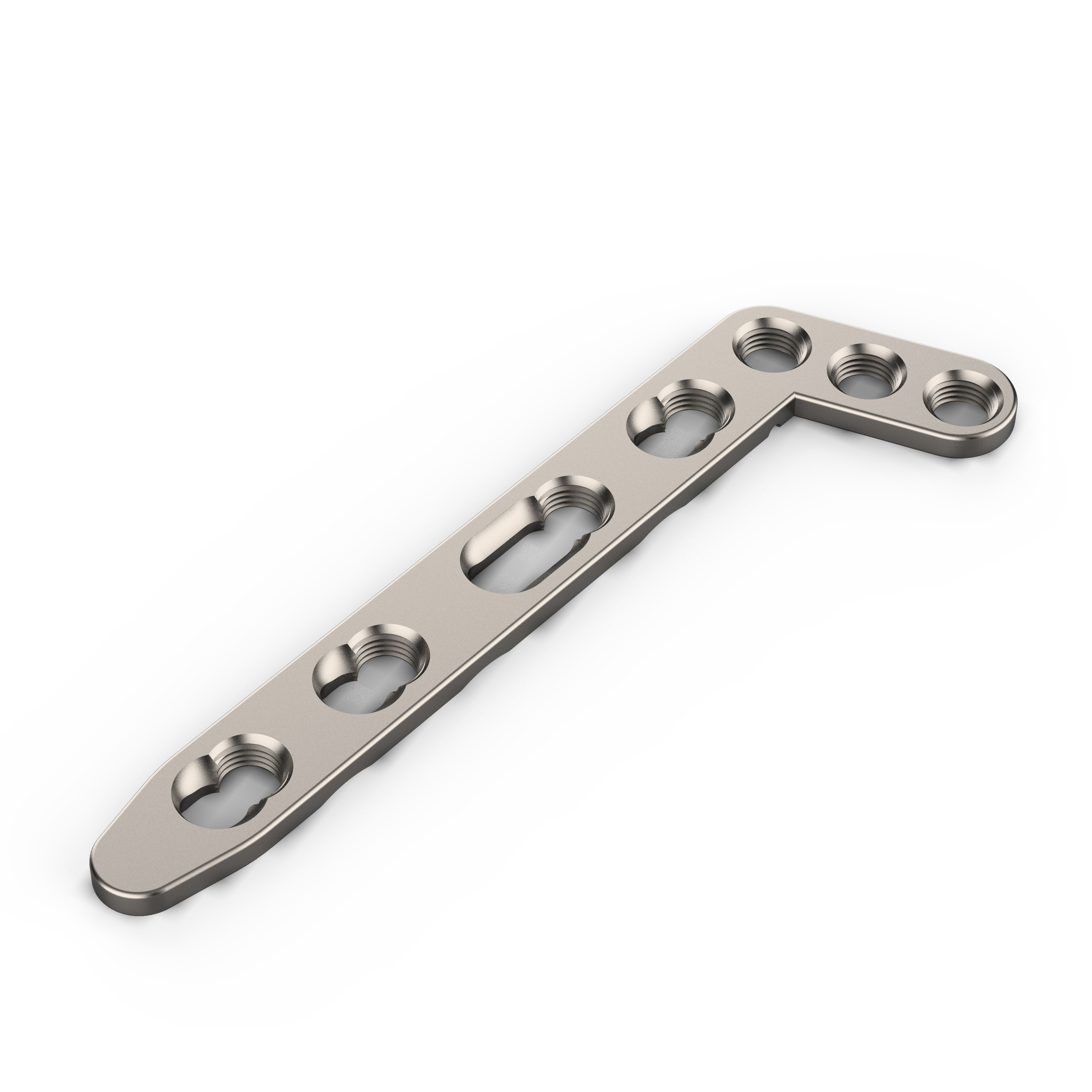
CANWELL Distal Radius Dorsal Titanium Volar Locking Fracture Plate
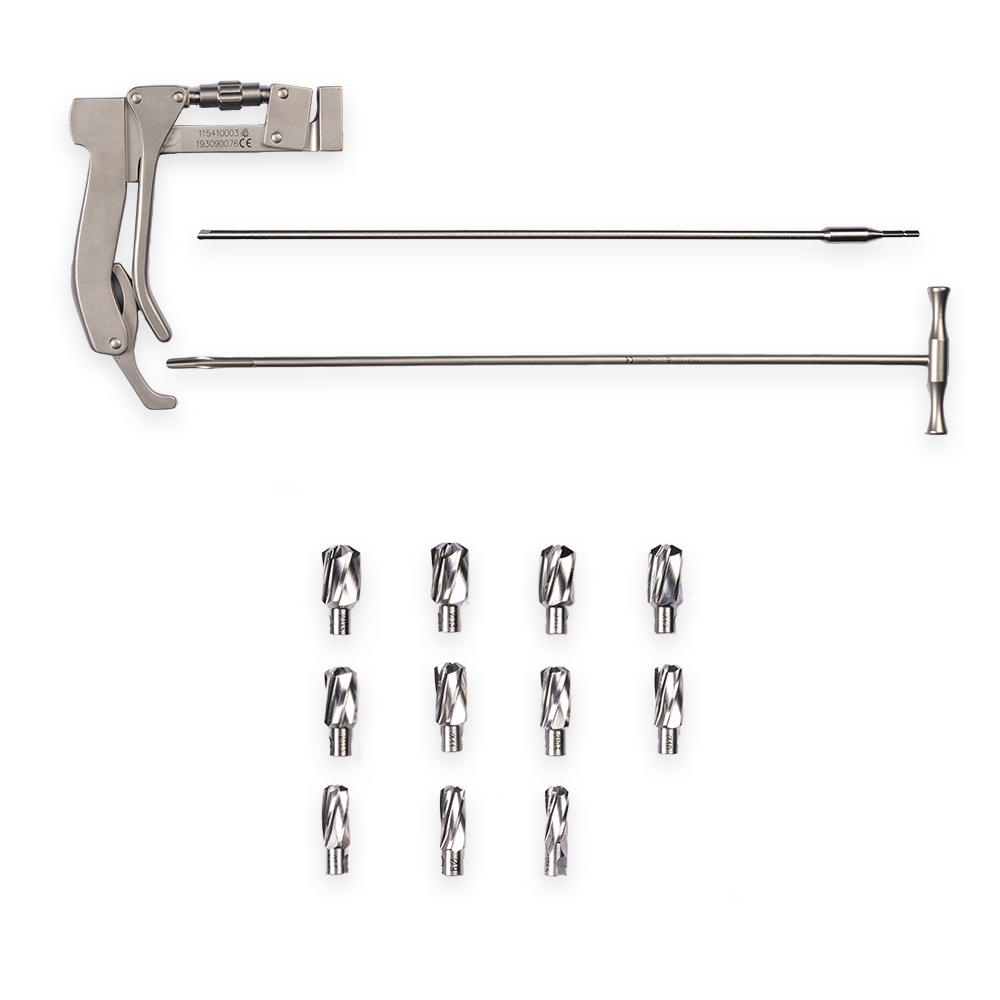
CANWELL Flexible Reamer Head & Shaft Instrumentation Set OEM
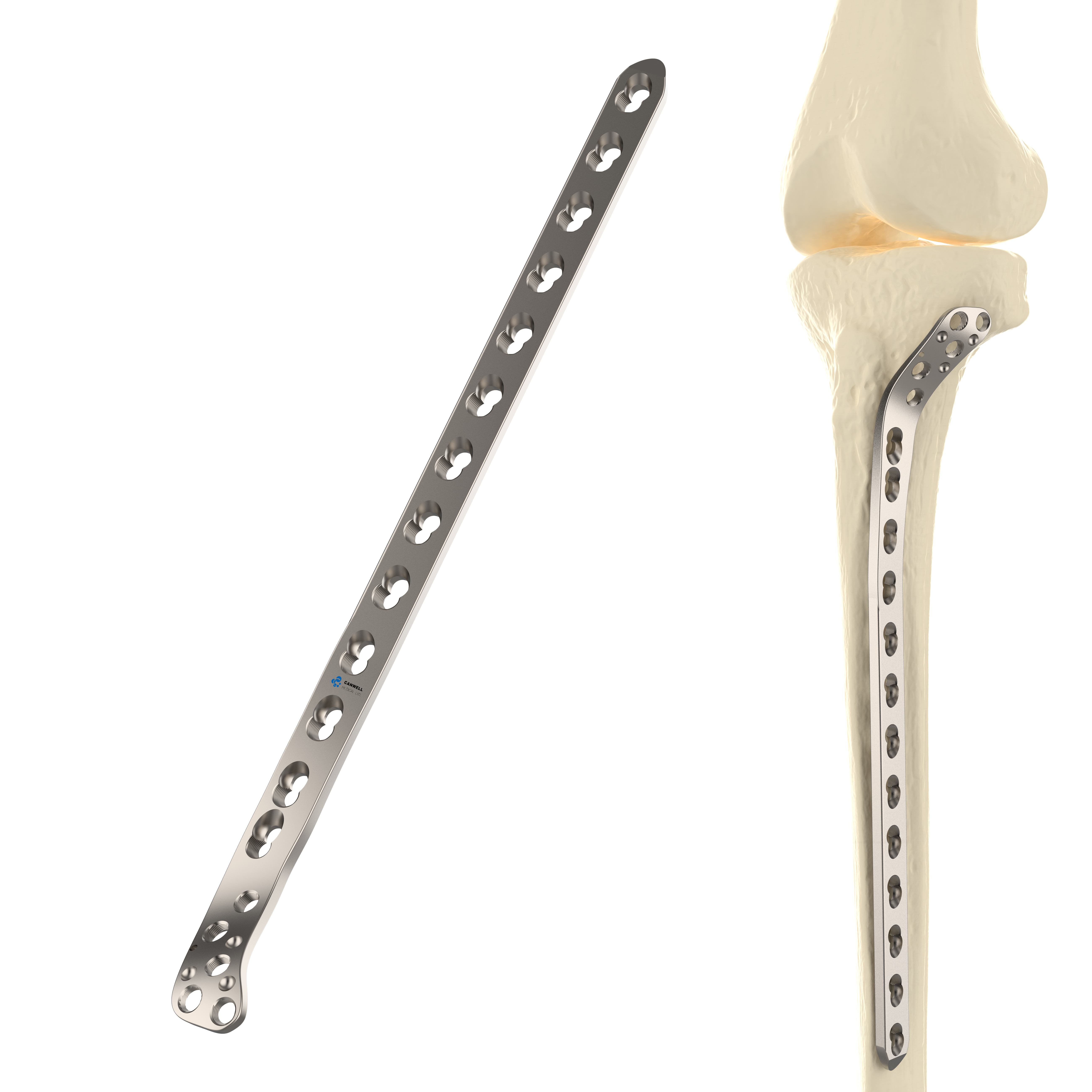
CANWELL Proximal Lateral Tibial Titanium Locking Plate (5.0 mm System)
Strategic Overview: Arthroscopy & Sports Medicine Supply Chain for Nantes Métropole
The urban medical network of Nantes Métropole, anchored by the Centre Hospitalier Universitaire de Nantes (CHU de Nantes—encompassing Hôtel-Dieu, Hôpital Nord Laennec, and the future Île de Nantes health cluster) alongside prominent private clinics like the Clinique Jules Verne and Santy-affiliated regional centers, represents one of western France’s most active hubs for arthroscopic interventions and sports traumatology. With high surgical turnover across knee ligament reconstructions (ACL/PCL), meniscal repairs, and rotator cuff repairs, medical procurement officers and biomedical engineers (ingénieurs biomédicaux) require robust manufacturing partners who offer both metallurgical excellence and stringent regulatory documentation.
As healthcare purchasing bodies within the Groupement Hospitalier de Territoire (GHT 44) face rising expenditure constraints coupled with the strict enforcement of the European Medical Device Regulation (EU MDR 2017/745), direct collaboration with vertically integrated device manufacturers has transitioned from an opportunistic cost-saving exercise to a strategic imperative. Zhejiang INAR Medical Co., Ltd., leveraging over 22 years of precision orthopedic production and an expansive 29,523 m² automated facility, bridges this supply-chain requirement by supplying CE-marked sports medicine implants, bioabsorbable fixation systems, and modular reaming sets directly to distributors, tender bidders, and surgical groups servicing the Loire-Atlantique region.
Clinical Point of Convergence: Arthroscopic repair protocols in French clinics increasingly prioritize early weight-bearing and minimally invasive ambulatory turnaround (<12 hours hospitalization). This transition places intense demand on implant osteointegration kinetics, rotational shear resistance, and knotless suture tension stability.
Material Science: Bioabsorbable Polymers & Precision Biomaterials in Nantes Surgeries
Arthroscopic joint stabilization depends critically on mechanical holding strength during early rehabilitation and bio-inert degradation without cystic osteolysis. CANWELL / INAR Medical addresses these surgical priorities through two primary material lines:
1. Poly(L-lactide-co-glycolide) (PLGA 85/15): Suture anchors and bioabsorbable interference screws are precision-molded with controlled crystallinity. This proprietary formulation delivers high initial torsional rigidity during insertion—preventing thread-stripping in dense subchondral bone—while undergoing hydrolytic degradation across a validated 18-to-24-month window, progressively transferring load to newly regenerated cancellous tissue without systemic inflammatory reaction.
2. Medical-Grade PEEK-OPTIMA® and Ti-6Al-4V ELI: Where permanent rigid anchoring is clinically indicated, radiolucent PEEK interference screws eliminate magnetic resonance imaging (MRI) scatter artifacts during post-operative graft monitoring. Concurrently, Ti-6Al-4V ELI (Grade 5 Extra Low Interstitial) medical alloy is deployed across bone plates and tarsal locking screws, guaranteeing fatigue endurance that exceeds ISO 5832-3 standards.
Localized Procurement Trends in the Pays de la Loire Health Ecosystem
The French regional purchasing syndicates (such as UniHA and CAIH) and regional hospital boards are accelerating tenders that enforce three core criteria: EU MDR certification traceability, total cost of ownership (TCO) optimization, and supply chain decarbonization under the French AGEC (Anti-Waste for a Circular Economy) laws. The days of accepting multi-layered intermediary distributor markups are fading. French hospital procurement managers require transparency across the entire value chain:
- Full Technical Documentation (STED Files): Immediate access to mechanical fatigue test reports (ASTM F543 for bone screws, ASTM F2502 for bioabsorbable plates and anchors), ISO 10993 biocompatibility dossiers, and validated packaging aging studies (ASTM F1980).
- Sterilization & Packaging Architecture: Delivery of instruments and implants ready for hospital CSSD (Central Sterile Services Department) reprocessing, featuring modular, laser-etched, color-anodized trays that withstand 500+ autoclave steam cycles (134°C per French hospital standard protocols).
- EDI & Rapid Replenishment Logistics: Streamlined direct air freight clearance to Nantes Atlantique Airport (NTE) or expedited maritime routing into Port of Nantes-Saint-Nazaire for high-volume tender shipments, minimizing stockout vulnerabilities.
Engineered for European Clinical Specifications
How our vertically integrated manufacturing facility provides decisive advantages for surgical centers in Nantes.
Audited Manufacturing Purity
Operating a dedicated ISO Class 7 (Class 10,000) aseptic cleanroom environment with in-line ultrasonic multi-stage washing, ensuring sub-micron bioburden counts and endotoxin levels consistently under <20 EU/device.
Swiss 5-Axis CNC Precision
Equipped with high-speed Citizen and DMG MORI multi-axis machining centers capable of holding geometric tolerances within ±0.005 mm, vital for complex knotless anchor eyelets and interference screw pitch uniformity.
Full OEM/ODM Private Label
Direct laser engraving of UDI (Unique Device Identification) codes, bespoke anodizing per surgical tray protocols, and tailored French-language instruction manuals (IFU) formulated in accordance with ANSM directives.
System Specification Matrix for Hospital Procurement
Mechanical benchmarks and chemical parameters across key arthroscopy and orthopedic product lines.
| Product Category | Primary Material | Standard Reference | Clinical Application | Regulatory Approval |
|---|---|---|---|---|
| ACL Interference Screws | PEEK-OPTIMA / PLGA 85:15 | ASTM F2026 / ASTM F2502 | Tibial/Femoral graft fixation in ACL/PCL reconstructions | CE MDR / ISO 13485 |
| Knotless Suture Anchors | Bioabsorbable PLGA + UHMWPE | ISO 10993 / ASTM F543 | Shoulder rotator cuff repair, Bankart/SLAP repair | CE MDR / ISO 13485 |
| Sinus Tarsal Screws | Ti-6Al-4V ELI (Grade 5) | ISO 5832-3 / ASTM F136 | Subtalar arthroereisis & hindfoot stabilization | CE Class IIb |
| Distal Fibula Plating | Anodized Medical Titanium | ISO 5832-3 | Posterolateral ankle trauma & osteotomy fixation | CE Class IIb |
| Flexible Reamer Systems | Surgical Stainless Steel (17-4PH) | ASTM F899 | Intramedullary canal preparation for femoral/tibial nails | Class I / Reusable |
Frequently Asked Questions by Nantes Procurement Officers
Clarifying regulatory standing, logistical turnaround, and customization for buyers across France.