Featured Orthopedic & Arthroscopy Systems
Direct factory-manufactured surgical instruments, interlocking nails, and anatomical locking plate systems tested under rigorous cyclic stress protocols and conforming to international clinical parameters.
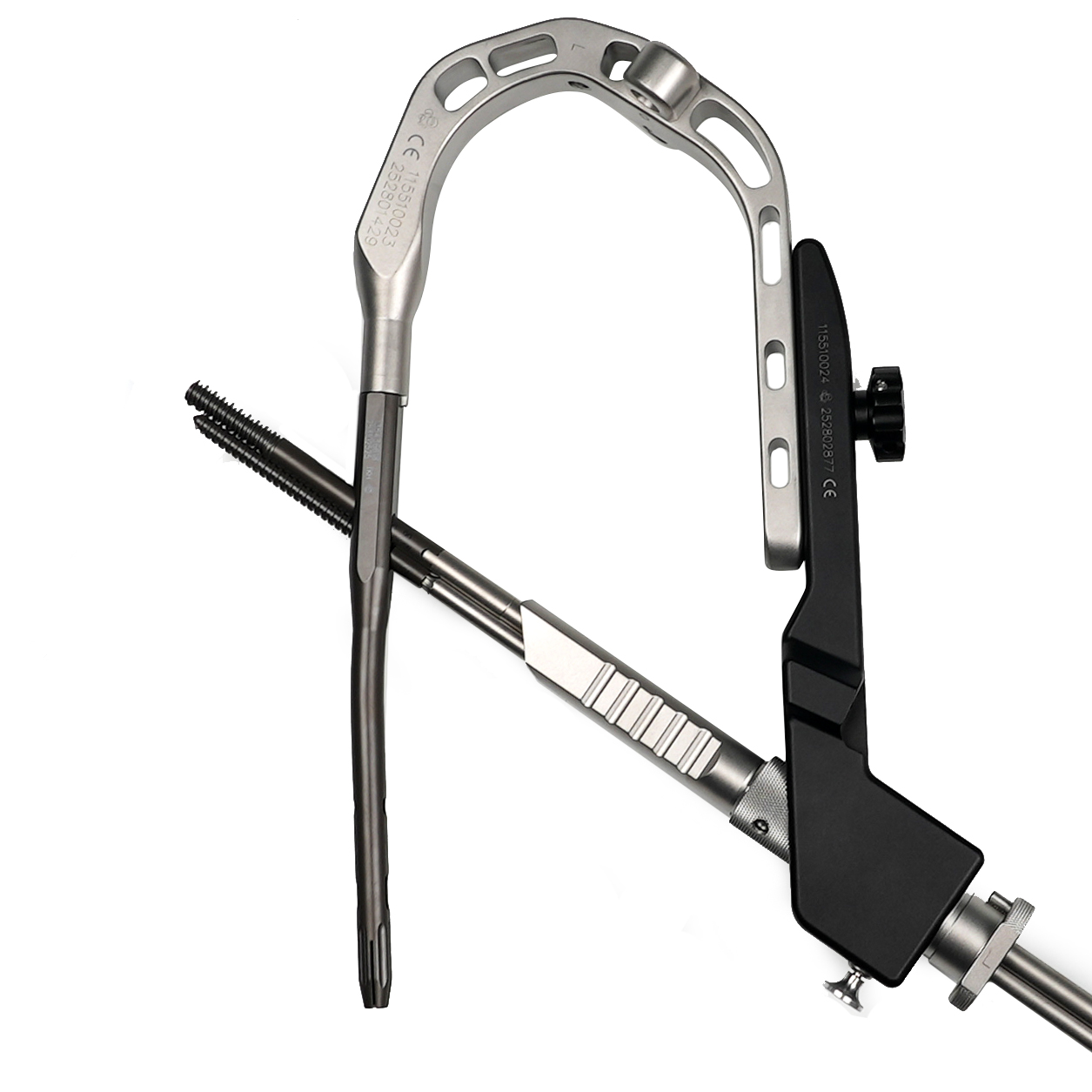
CANWELL Titanium Femoral Intramedullary Nails Interlocking Nail Femur Orthopedic Trauma Implants Bone Fracture
Technical Specifications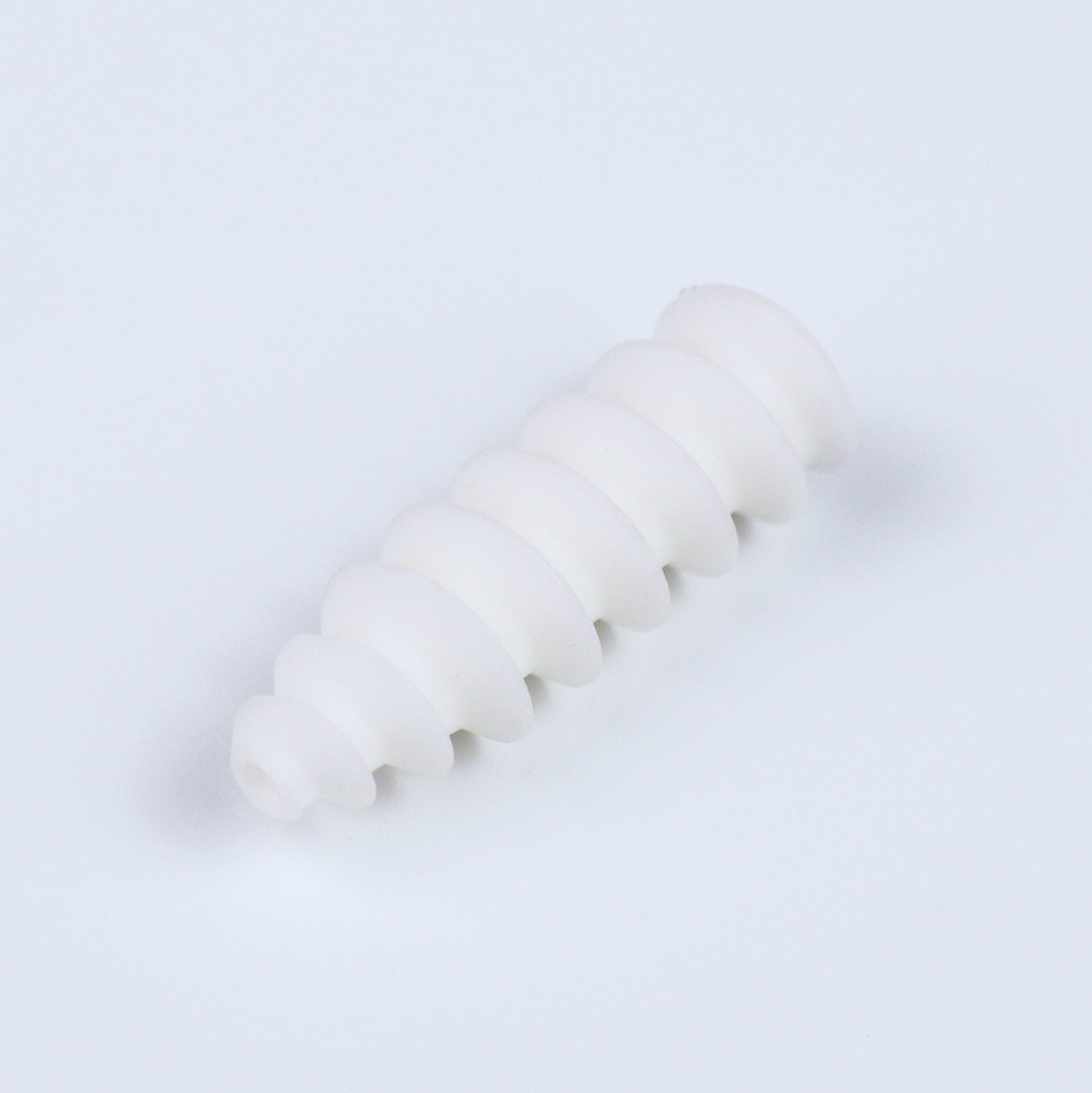
CANWELL Biodegradable Acl Interference Screw PLGA ACL/PCL Reconstruction Arthroscopy Surgery Orthopedic Implants CE
Technical Specifications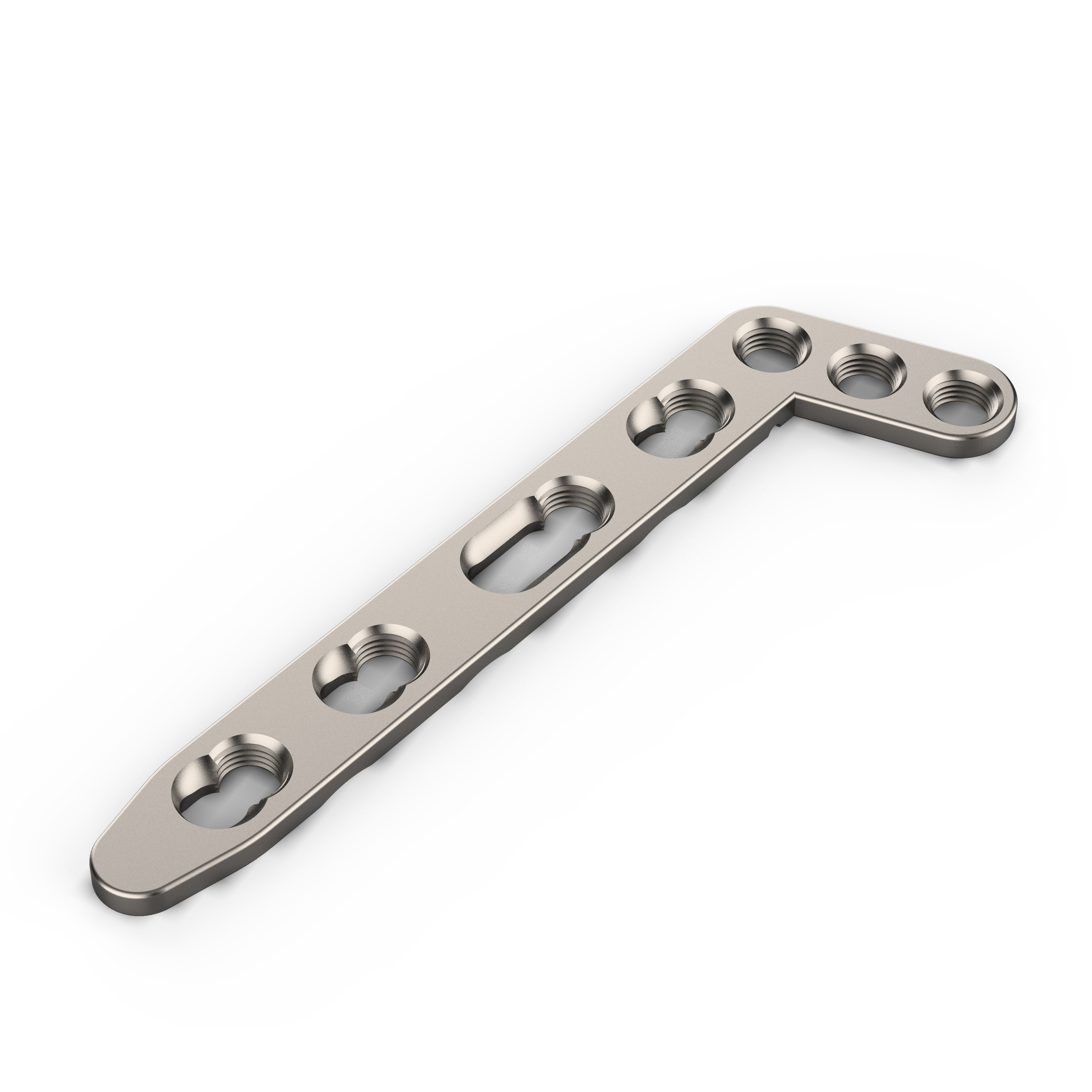
CANWELL Distal Radius Dorsal Titanium Locking Plate 3 Holes Oblique Volar Wrist Orthopedic Trauma Implant Bone Fracture Class
Technical Specifications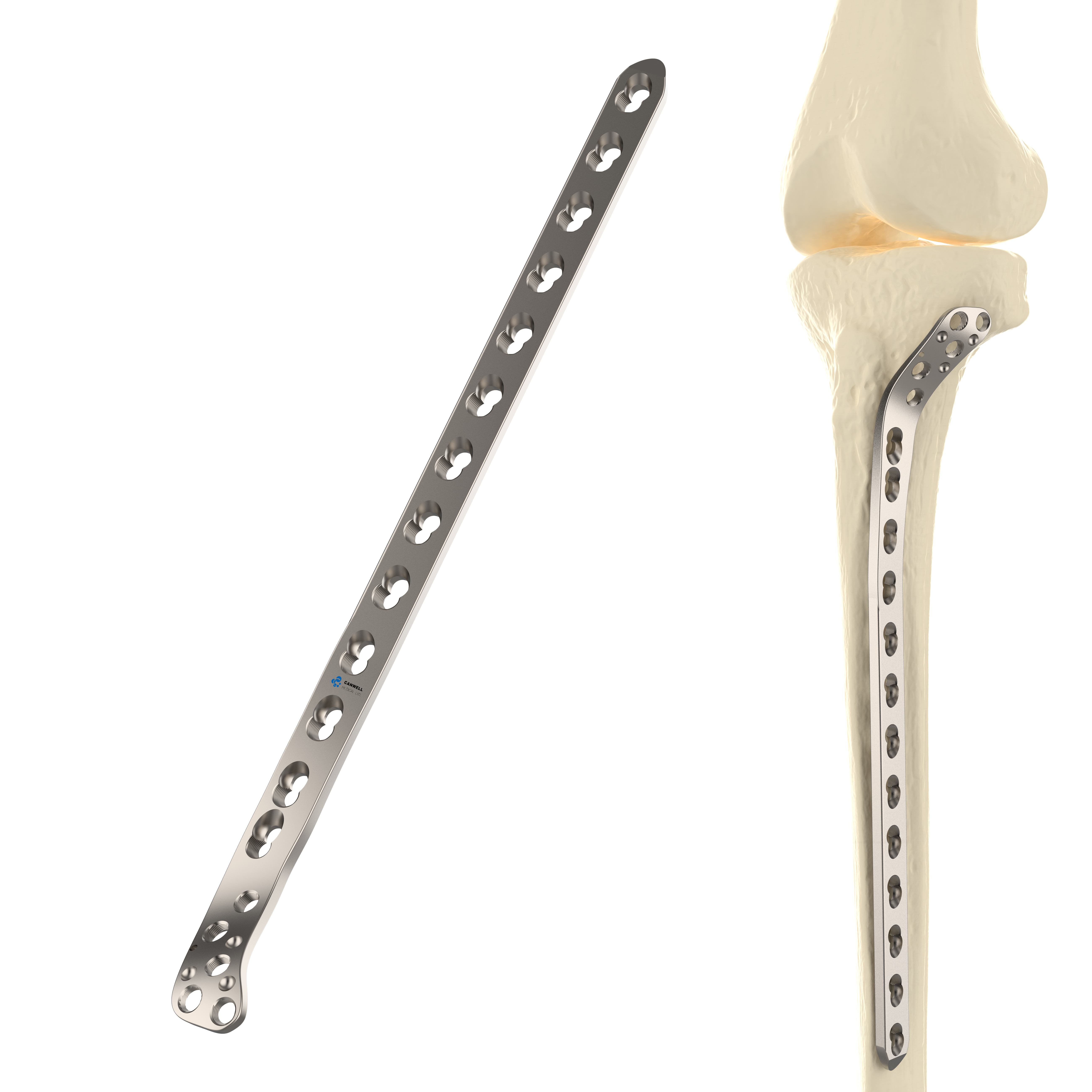
CANWELL Proximal Lateral Tibial Locking Plate Orthopedic Trauma Implant Hospital Bone Plate 5.0mm Screw Orthopedic Manufacturer
Technical Specifications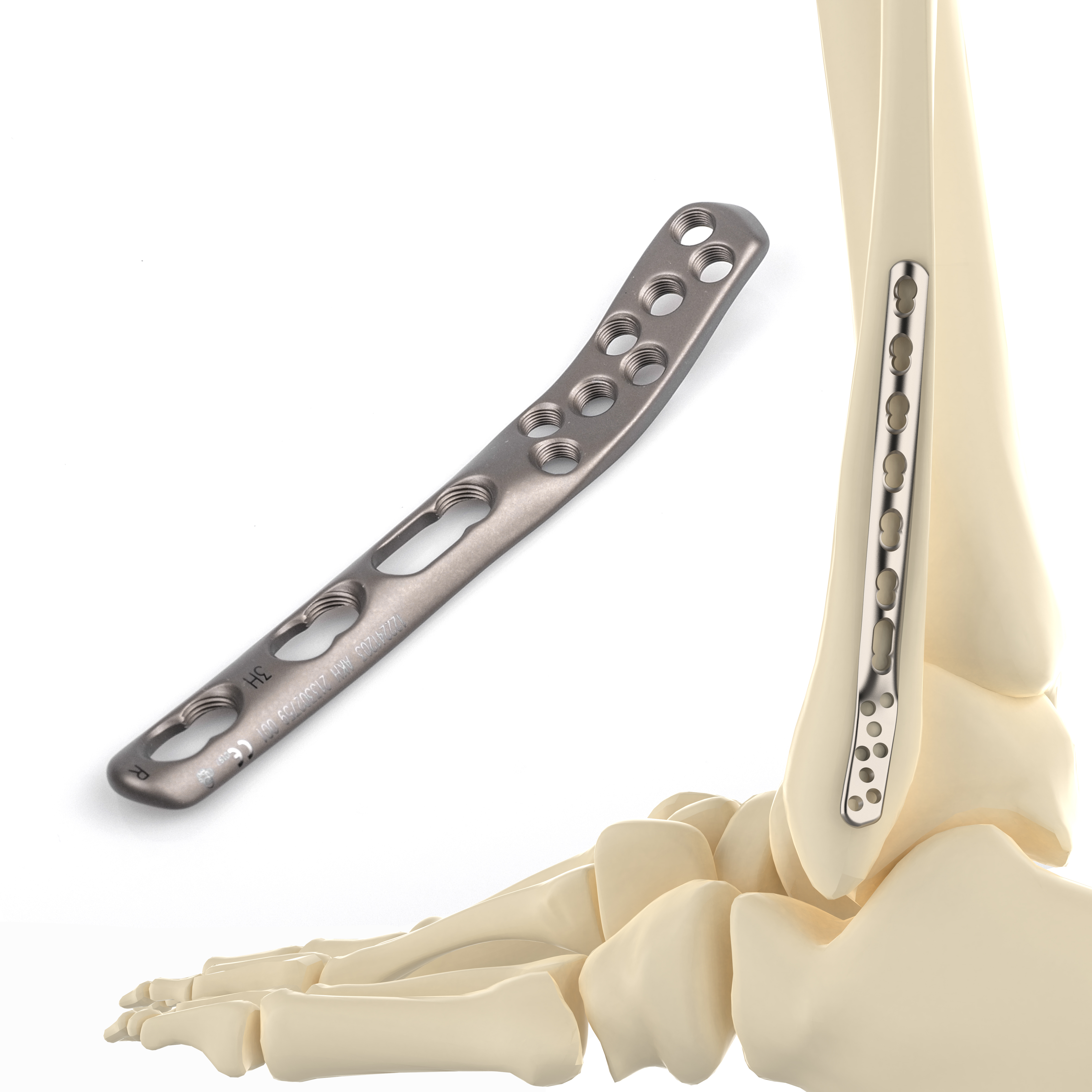
CANWELL Fibula Plate Titanium Posterolateral Distal Fibula Locking Plate 2.7/3.5mm Screw System Orthopedic Implant Manufacturer
Technical Specifications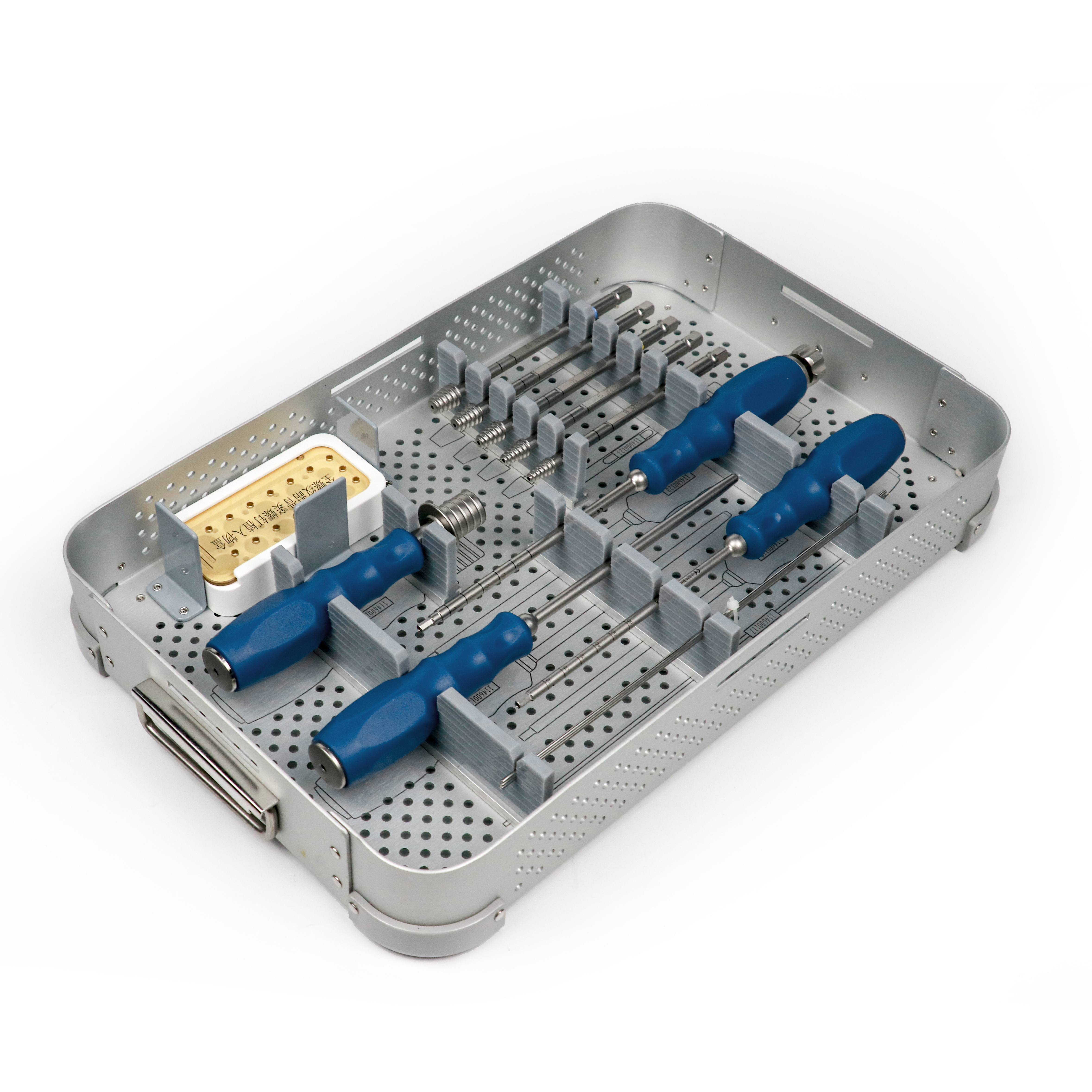
CANWELL Sinus Tarsal Locking Screw Titanium Orthopedic Implant and Instrument Foot Ankle CE ISO Manufacturer 2.4/2.7mm Class II
Technical Specifications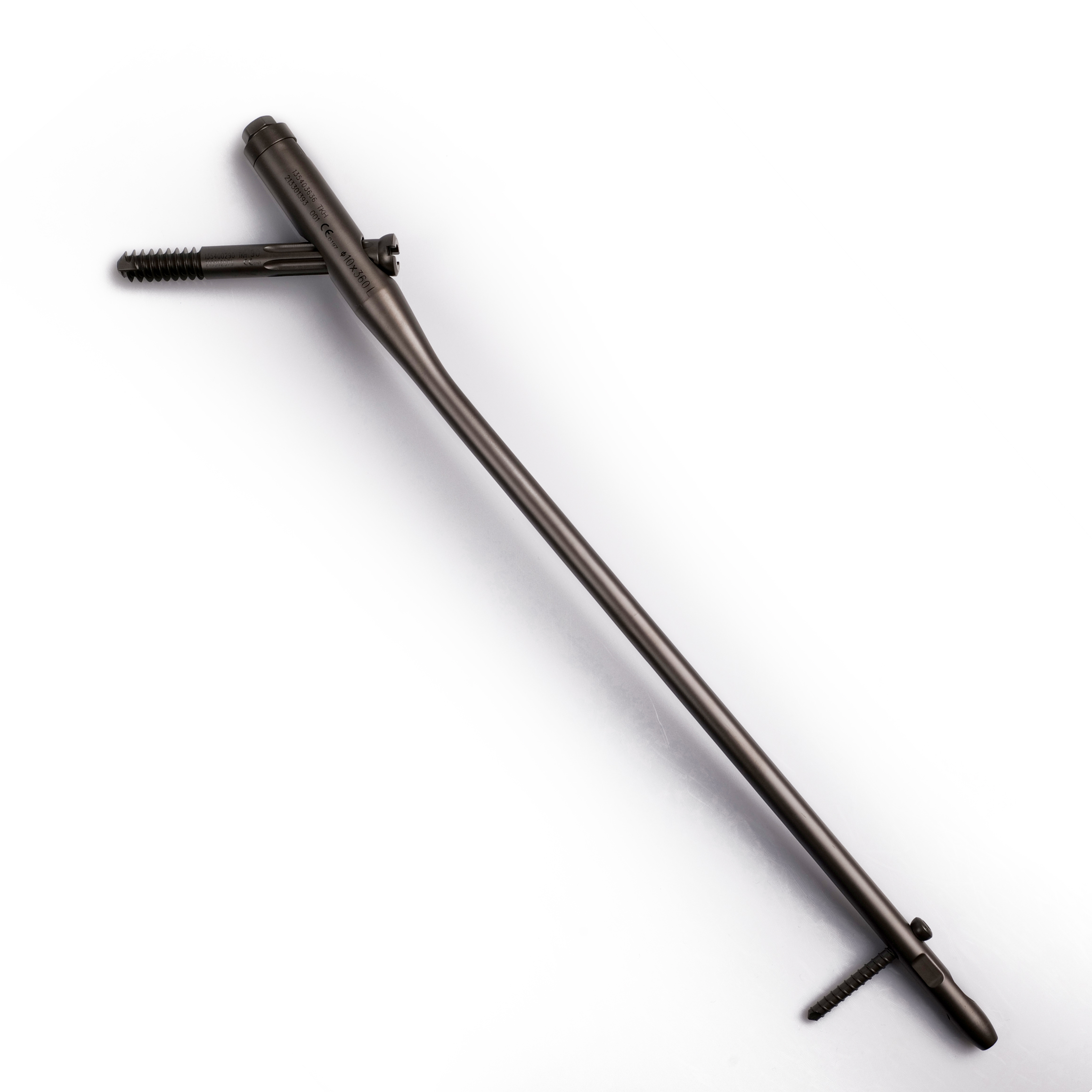
CANWELL Titanium Femoral Intramedullary Nails Interlocking Nail Femur PFNA Orthopedic Trauma Implants Bone Fracture
Technical Specifications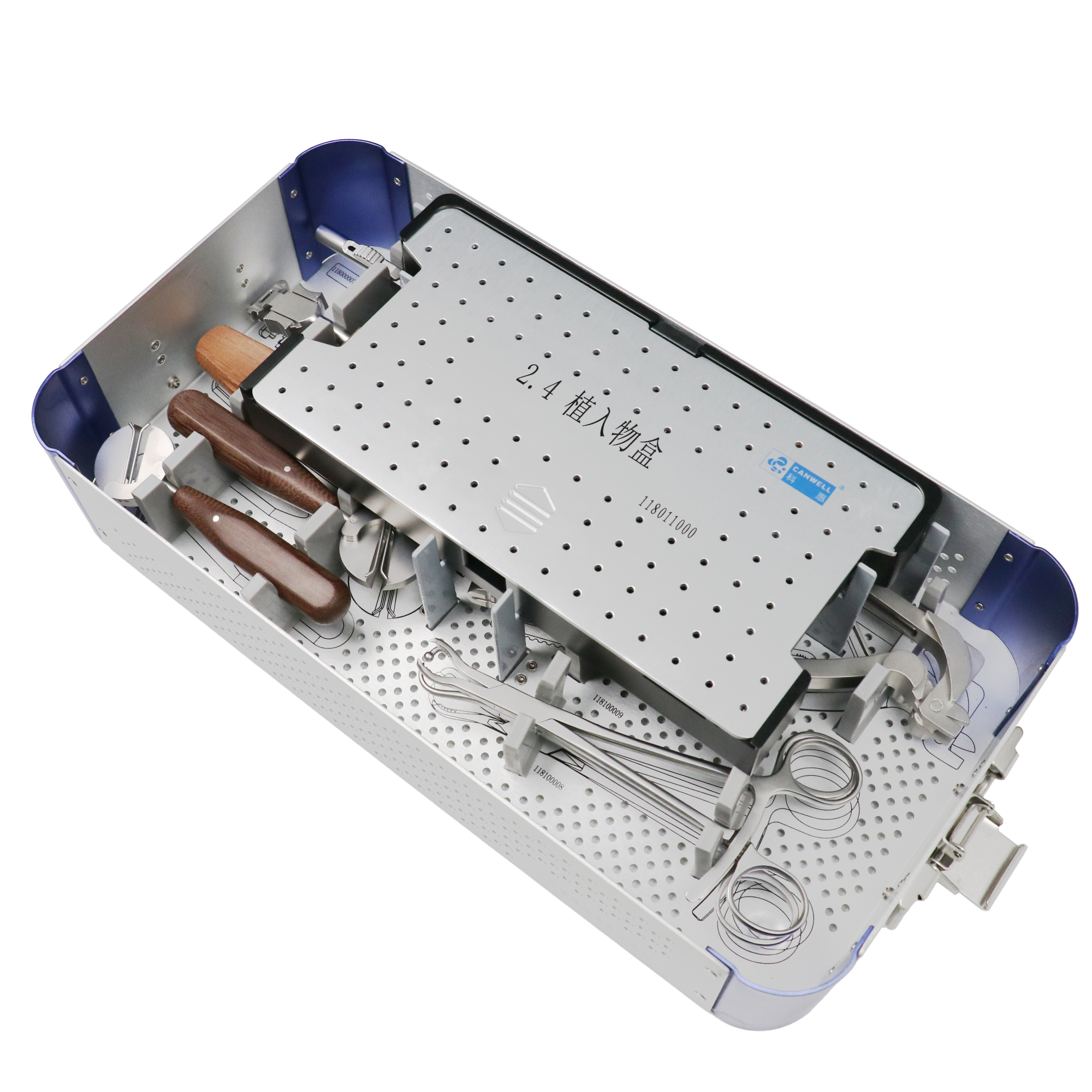
CANWELL Oral and Maxillofacial Surgery Instruments Set Cranium Maxillofacial Surgery Kit Bone Screwdriver Factory Price
Technical SpecificationsThe Arthroscopic & Orthopedic Device Ecosystem in Switzerland: Engineering Demands, MedDO Dynamics, and Supply Continuity
Switzerland’s medical device market stands as one of the most clinically sophisticated and regulatory-intensive environments in global healthcare. Characterized by high per-capita healthcare expenditure, dense concentrations of academic medical centers, and a patient demographic engaged in lifelong alpine athletics, the Swiss Confederation places uncompromising demands on arthroscopic surgical equipment, trauma implants, and joint stabilization systems. For hospital procurement syndicates, cantonal purchasing alliances, and specialized surgical distributors across Zurich, Geneva, Bern, Basel, and Lausanne, securing instrumentation that bridges microscopic surgical precision with robust regulatory compliance is a clinical and operational imperative.
Clinical Application Scenarios Across Swiss Cantonal & Private Networks
The operational landscape for arthroscopy in Switzerland is bifurcated into high-volume university medical centers (such as Inselspital Bern, Centre Hospitalier Universitaire Vaudois [CHUV], and Hôpitaux Universitaires de Genève [HUG]) and private clinic chains (such as the Hirslanden Group and Swiss Medical Network). Each clinical environment exercises specific procurement priorities:
In academic centers, complex multidirectional joint instability and revision arthroscopies necessitate comprehensive instrument sets. Surgeons require tactile fidelity when manipulating low-profile suture passers through tight intra-articular portals, particularly during posterior horn meniscal repairs and subscapularis tendon reconstructions. The bioabsorbable interference screw systems utilized must exhibit predictable degradation kinetics: our PLGA (poly-lactic-co-glycolic acid) copolymer matrices provide initial mechanical fixation exceeding 450 N of pull-out force while degrading via physiological hydrolysis into non-inflammatory lactic and glycolic acid monomers over 18 to 24 months, avoiding late-stage foreign-body cyst formations that challenge postoperative MRI evaluation.
Conversely, Swiss outpatient ambulatory surgery centers (Ambulantes Operieren) emphasize procedural turnaround, instrument durability, and modularity. In response to recent Swiss Tarmed/Tardoc tariff reforms incentivizing ambulatory arthroscopic interventions for meniscectomies, rotator cuff debridement, and acromioclavicular (AC) joint fixations, procurement teams actively seek instrumentation sets that offer universal coupling, ergonomic quick-release handles, and high-cycle autoclave resilience to maintain swift operating room turnover.
Alpine Sports Traumatology
Optimized for rapid, low-trauma fixation of acute ACL/PCL disruptions, chondral shearing fractures, and tibial plateau splits originating in downhill skiing and mountaineering incidents.
Degenerative Shoulder & Cuff
Delivering high-tensile UHMWPE suture anchors, AC repair buttons, and low-profile punches for active geriatric Swiss patients suffering chronic impingement and rotator cuff arthropathy.
Small Joint & Wrist Arthroscopy
Engineered for scaphoid non-union, triangular fibrocartilage complex (TFCC) tears, and distal radius intra-articular fractures utilizing cannulated headless titanium compression systems.
Complex Pelvic & Femoral Fixation
Supplying trauma clinics with multi-axis titanium intramedullary nails and anatomically contoured locking plates designed to stabilize peri-articular fractures alongside arthroscopic inspection.
Emerging Procurement Trends & Regulatory Shifts in Switzerland (2025–2030)
Following the expiration of the mutual recognition agreement (MRA) institutional framework between Switzerland and the European Union, the regulatory landscape governing medical devices transitioned fundamentally under the revised Swiss Medical Devices Ordinance (MedDO / Medizinprodukteverordnung, SR 812.213). Foreign manufacturers must now comply with stringent mandate structures through a formally appointed Swiss Authorized Representative (CH-REP), while maintaining product technical documentation fully aligned with EU MDR (Regulation [EU] 2017/745) requirements.
Swiss hospital purchasing committees have responded to these systemic shifts by rethinking their vendor portfolios. Historical reliance on domestic Swiss or legacy Western European tier-one brands often imposed an inflated "Swiss price premium" (Schweizer Hochpreisinsel) without commensurate technical differentiation. Leading Swiss distributors are now pursuing direct partnerships with audited, large-scale original equipment manufacturers (OEMs) that possess established CE MDR certifications, ISO 13485:2016 audited quality systems, and demonstrated export compliance.
| Evaluation Parameter | Legacy Swiss Brand Baseline | INAR Medical Manufacturing Benchmark | Procurement Advantage for Swiss Buyers |
|---|---|---|---|
| Regulatory Traceability | MDR CE Mark / Domestic Focus | Dual CE (EU MDR 2017/745 & 93/42/EEC) + SGS Audited | Frictionless Swissmedic & CH-REP dossier registration |
| Raw Material Provenance | Proprietary European Melt Sources | Certified ASTM F136 Ti-6Al-4V ELI & Implant PEEK | Full lot-level chemical & tensile test reports per batch |
| Surface Finishing | Mechanical & Acid Passivation | Multi-stage Anodizing, Ra < 0.2 µm Electro-polishing | Superior biocompatibility and micro-fissure resistance |
| Autoclave Cycle Endurance | 150–200 Standard Cycles | Tested to 300+ Pre-vacuum Steam Cycles (134°C) | Reduced CSSD replacement frequency and lower lifecycle cost |
| Supply Flexibility | Rigid Catalog SKUs, Long Lead Times | Integrated In-House CNC, Custom Contours, OEM Trays | Agile buffer stocking and cantonal tender customization |
Sustainable CSSD Operations: Autoclave Resilience and Instrument Longevity
Central Sterile Supply Departments (CSSD / AEMP) in Swiss hospitals enforce some of the world’s most stringent decontamination guidelines. Driven by Swissmedic regulations and Swiss Professional Association for Sterile Supply (SSSH / SGSH) directives, all surgical instruments undergo aggressive automated alkaline washing, followed by prolonged fractional vacuum steam sterilization cycles at 134°C for a minimum holding period of 18 minutes to safeguard against prion protein infectivity. Low-grade surgical instrumentation rapidly succumbs to crevice corrosion, intergranular pitting, and pivot joint loosening under these aggressive hydrothermal shocks.
Our manufacturing philosophy addresses this clinical reality by deploying high-purity martensitic and austenitic surgical-grade stainless steels alongside biomedical titanium alloys (Ti6Al4V ELI). Controlled vacuum heat treatment, bead-blast stress relief, and proprietary electrolytic passivation create a hyper-dense chromium oxide passive layer that resists recurrent alkaline exposure (pH > 10.5). Arthroscopic scissors, basket punches, suture graspers, and drill guides maintain structural sharpness and tactile detent spring tensions over hundreds of autoclave cycles, ensuring surgeon confidence throughout long operating days.
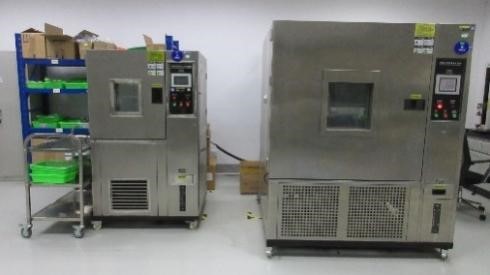
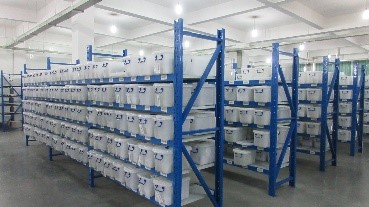
Verified Manufacturing Capacity & Engineering Scale
Operational data verified through independent onsite audits conducted by SGS Group. Real physical capacity engineered to support high-volume hospital contracts and global OEM supply pipelines.
Under One Roof: The 13-Stage Precision Manufacturing Cycle
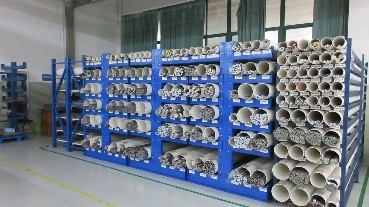
Precision medical device engineering tolerates zero variance. At our dedicated 29,523 m² production base, every orthopaedic trauma implant, cannulated screw, and arthroscopic instrument transitions through a rigorous 13-stage manufacturing and inspection sequence. By retaining all critical processes in-house—avoiding subcontracted secondary operations—we ensure batch-to-batch metallurgical homogeneity, tight dimensional tolerances (±0.005 mm), and flawless sterile barrier integrity.

Kinematic CNC Milling
Multi-axis Swiss-type sliding headstock lathes and CNC centers carve intricate jaw teeth, cannulated lumens, and helical threads with sub-micron repeat accuracy.
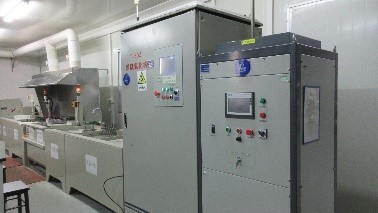
Dual-Stage Ultrasonic Bath
Immersed in cascading multi-frequency ultrasonic washing systems to strip hydrocarbons, machining lubricants, and microscopic particulate from cannulations.
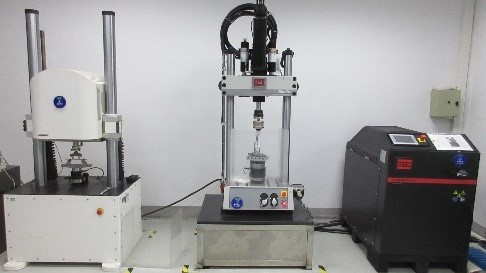
Dynamic Stress Validation
Mechanical test benches execute fatigue bending, axial pull-out, and torque-to-failure testing adhering to ASTM F543 and ISO 5832 standards.
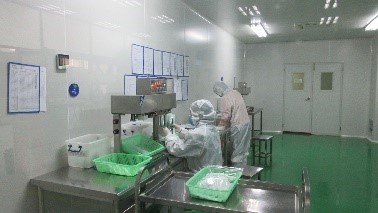
Class 10,000 Cleanroom Packaging
Microbiologically controlled enclosure ensures pre-sterilization bioburden minimization prior to validated Tyvek double-barrier blister sealing.
Frequently Asked Questions: Swiss Hospital & Distributor Sourcing
Technical, regulatory, and logistics clarifications addressing the specific compliance inquiries of Swiss MedTech importers, hospital biomedical engineers, and commercial distributors.
How do our devices comply with Swiss MedDO (SR 812.213) and the CH-REP requirement? +
What metallurgical grades are utilized for arthroscopic graspers, punches, and trauma implants? +
Can instruments withstand the mandatory 134°C extended steam sterilization cycles in Swiss CSSDs? +
Are unique device identification (UDI) laser marks and 2D DataMatrix codes compatible with Swiss hospital ERPs? +
What OEM / ODM capabilities are supported for Swiss distributors seeking customized surgical trays? +
What are the lead times and shipping routes for clinical consignments to Switzerland? +
Request Technical Dossiers & Complete System Catalogs
Connect directly with our senior orthopedic engineering and export team. Receive complete CAD specifications, material test reports, CE MDR technical documentation, and competitive institutional pricing for the Swiss market.