Instrument
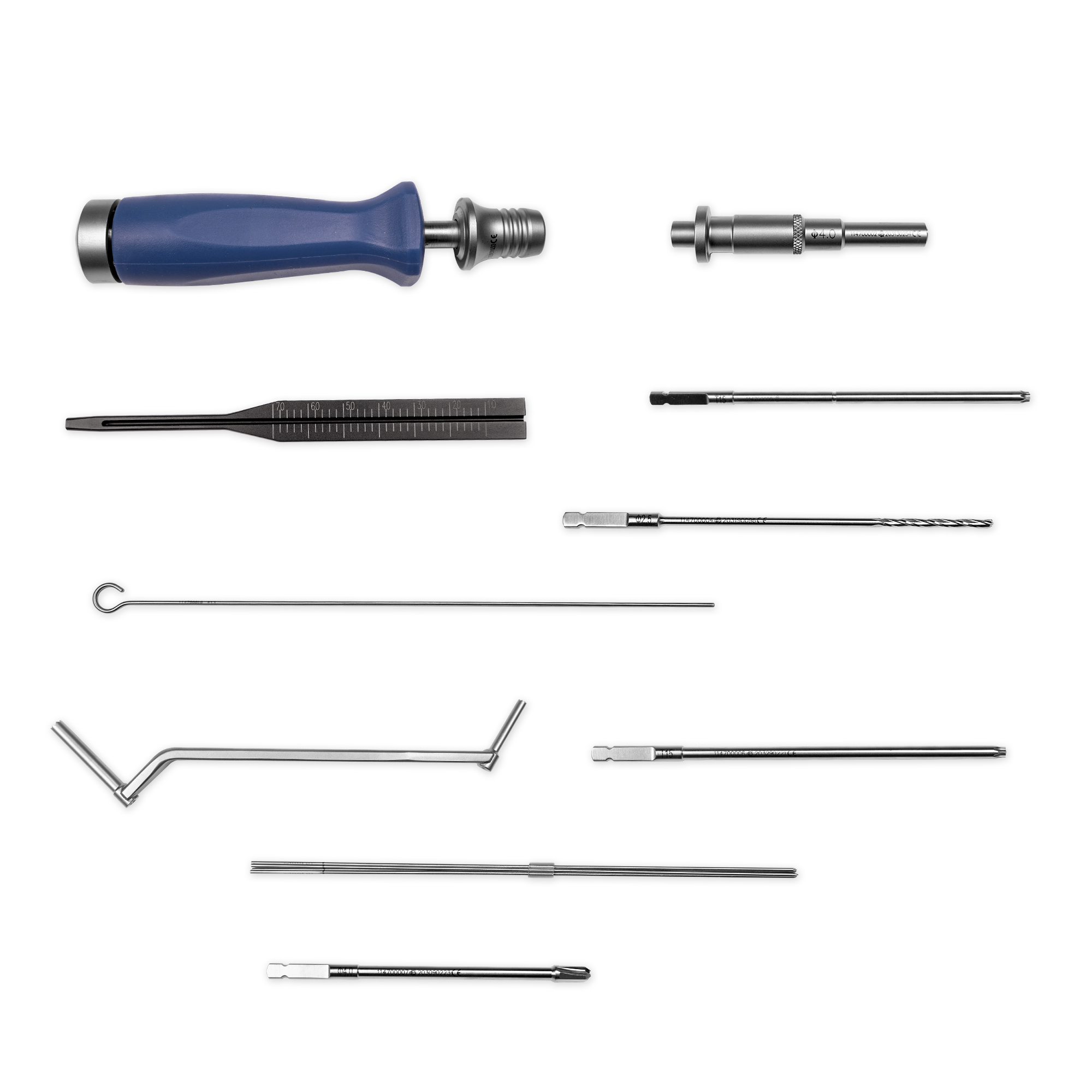
Manufactured under strict ISO 13485, CE MDR, and 93/42/EEC standards. Every device undergoes comprehensive ultrasonic decontamination, penetrant flaw detection, and mechanical endurance verification.
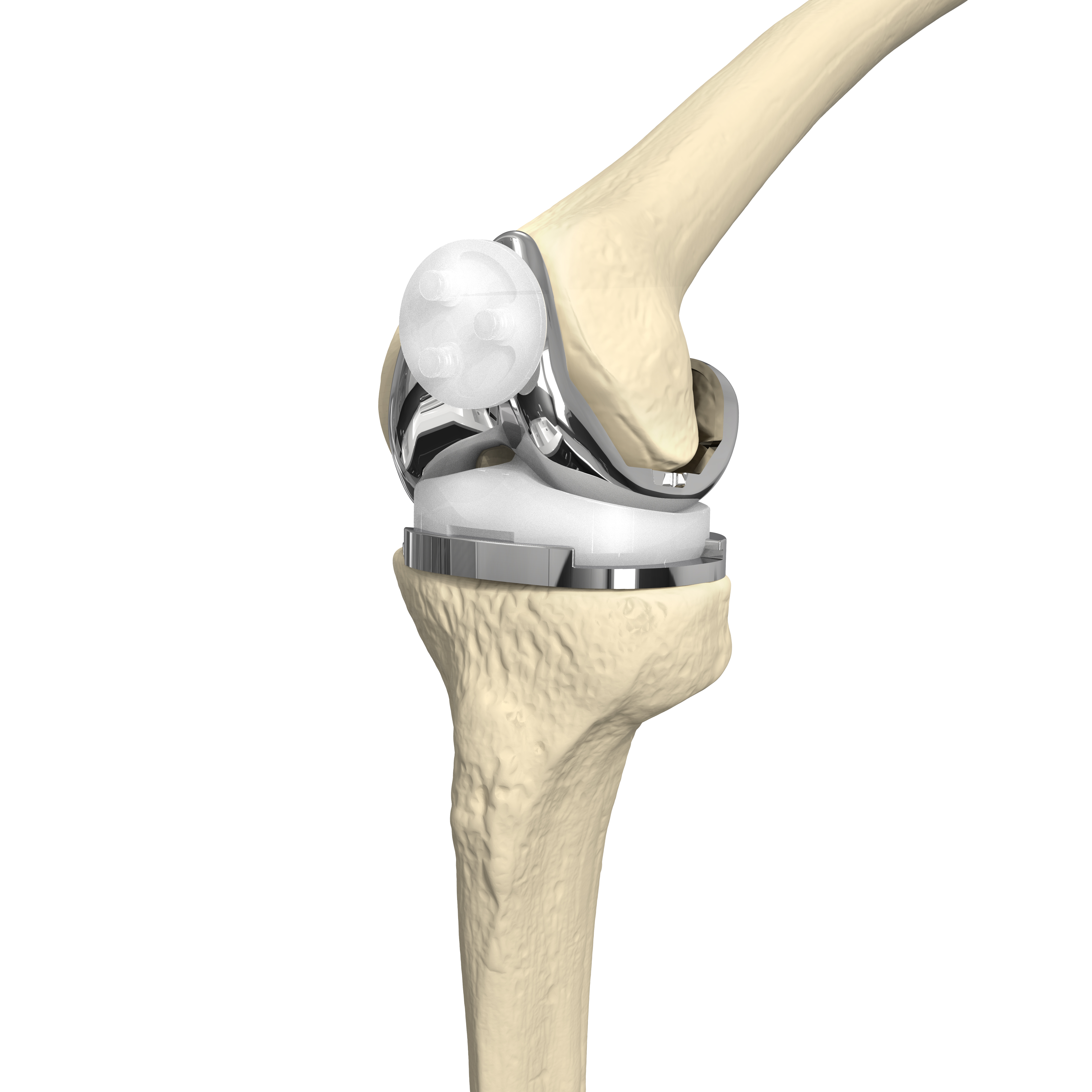
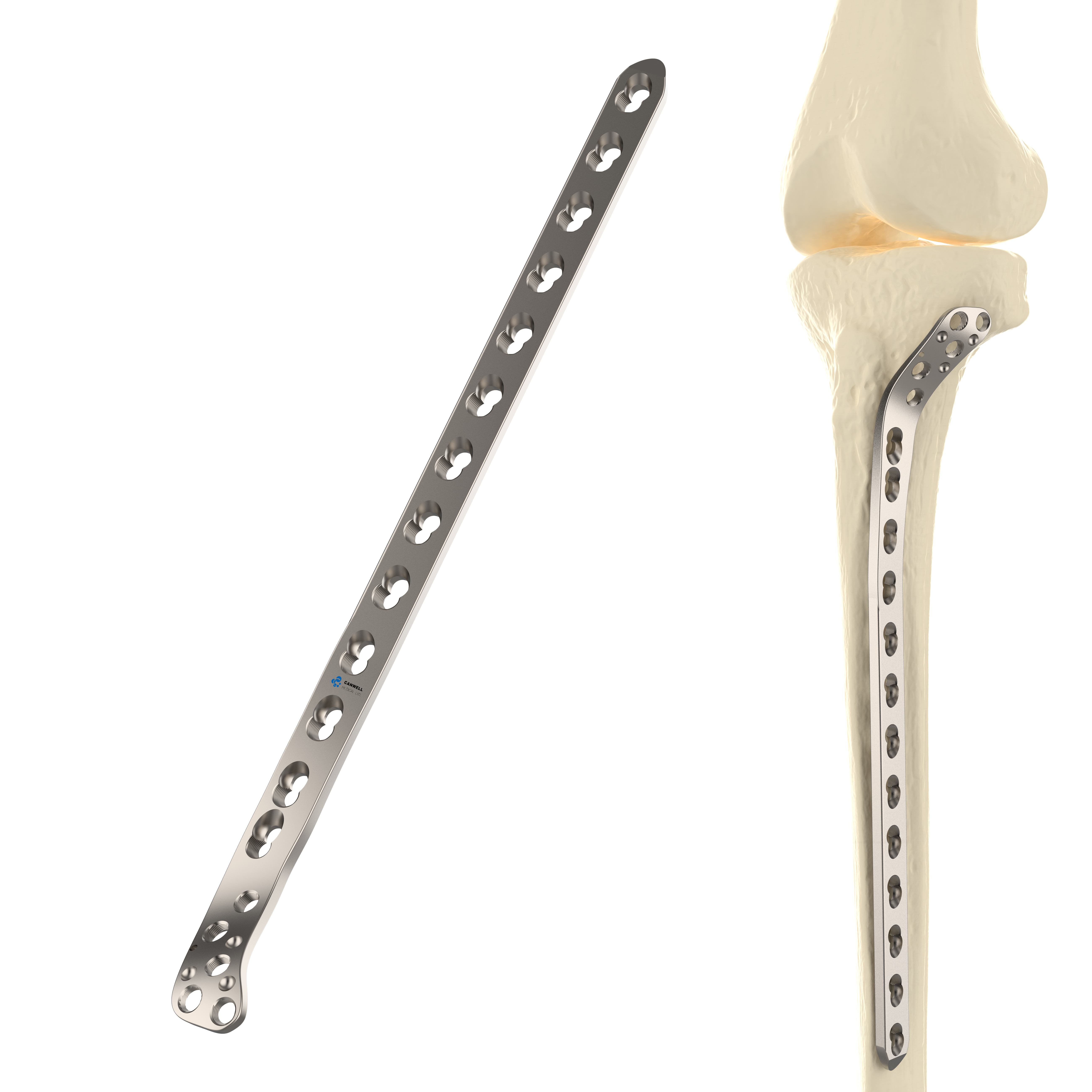
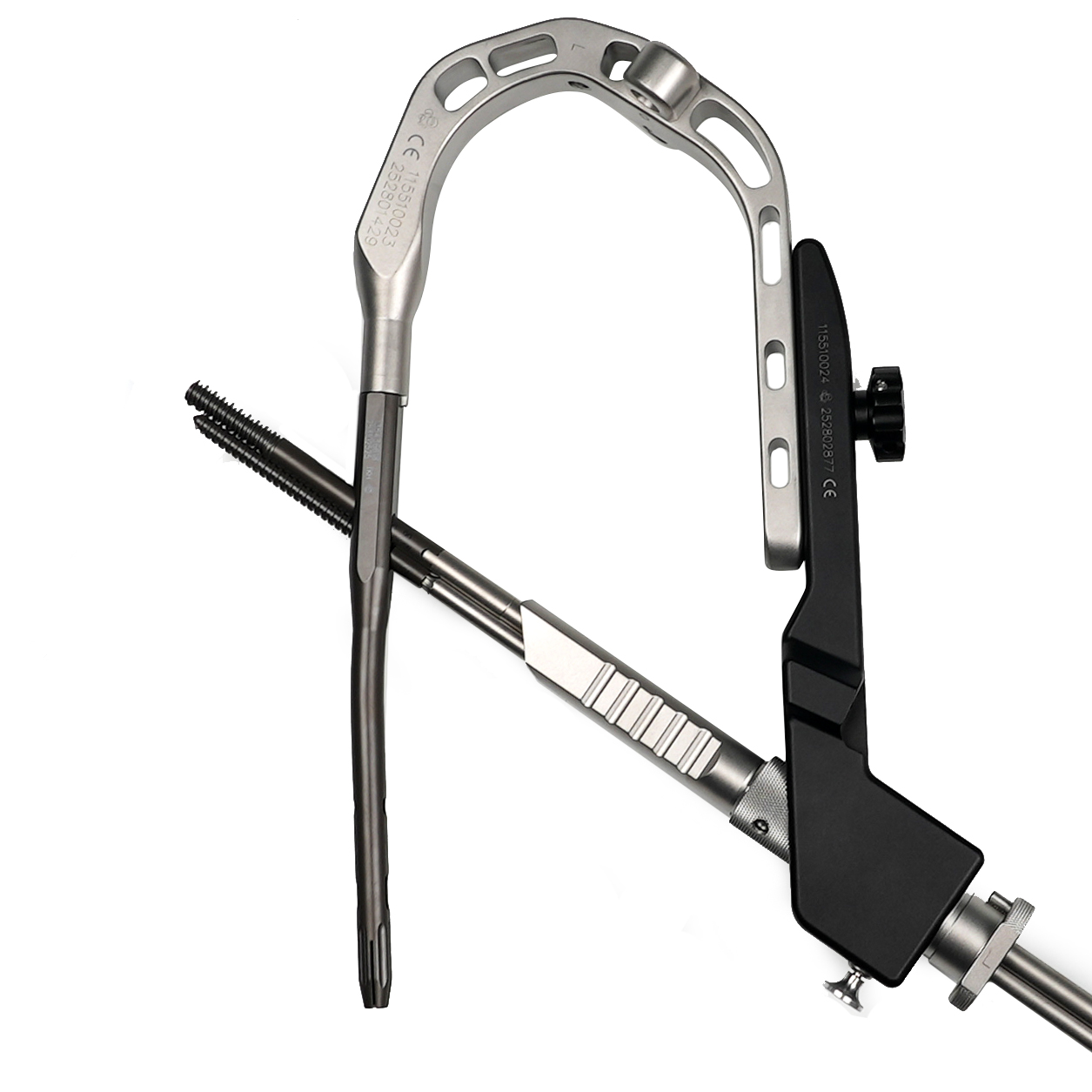
A comprehensive examination of balloon catheter dynamics, controlled polymethylmethacrylate (PMMA) void creation, and biomechanical stabilization across Turin's acute and geriatric care facilities.
Vertebral Compression Fractures (VCFs)—arising principally from progressive senile osteoporosis, secondary corticosteroid-induced osteopenia, and high-impact sporting trauma—represent a profound health burden across Northern Italy. Within the Metropolitan City of Turin and the wider Piedmont healthcare perimeter (Servizio Sanitario Regionale - SSR Piemonte), the adoption of minimally invasive vertebral augmentation has evolved beyond conservative bed-rest regimes and standard percutaneous vertebroplasty. The clinical shift toward Balloon Kyphoplasty (BKP) hinges upon its distinct mechanical premise: the percutaneous introduction of a high-pressure, inflatable bone tamp into the collapsed trabecular architecture of the vertebral body.
By inflating an engineered non-compliant or semi-compliant balloon catheter under continuous monoplanar or biplanar fluoroscopic guidance, surgeons achieve two paramount objectives: direct restoration of the central and anterior vertebral body height (thereby correcting localized kyphotic angulation), and the compaction of the surrounding cancellous bone into a dense perimeter shield. This creates a low-pressure structural void. Upon deflation and retrieval of the balloon tamp, high-viscosity polymethylmethacrylate (PMMA) bone cement is incrementally infused under low hydraulic resistance, substantially lowering the incidence of perivertebral venous extravasation, neuroforaminal compromise, and anterior cortical blowout compared to high-pressure vertebroplasty methodologies.
The clinical landscape of Turin presents distinct socio-demographic and geographic demands that heavily influence orthopedic device consumption. As the administrative capital of Piedmont, Turin houses world-renowned trauma, spine, and tertiary academic hospitals, notably the Azienda Ospedaliero-Universitaria Città della Salute e della Scienza di Torino—which includes the premier Centro Traumatologico Ortopedico (CTO Hospital di Torino) on Via Zuretti—as well as the Ospedale Mauriziano Umberto I and the Ospedale San Giovanni Bosco.
Treating high-energy burst fractures (Magerl Type A1/A2 and AO Spine A-class injuries) stemming from vehicular collisions and industrial activities across the Turin automotive belt.
Immediate percutaneous stabilization of acute axial-loading vertebral fractures generated at regional ski basins (Sestriere, Bardonecchia, and Via Lattea resorts).
Rapid height restitution and immediate pain abolition for elderly patients presenting with fragility fractures across Piedmont's demographic aging centers.
Reinforcement of osteolytic spinal metastases and multiple myeloma lesions in oncological therapy protocols at the Candiolo Cancer Institute (IRCCS Candiolo).
Turin’s orthopedic surgical departments demand exceptionally robust, predictable instrumentation. In winter sports trauma transported to CTO Turin from the Susa and Chisone valleys, vertebral fractures frequently present in young, dense-bone candidates where traditional inflation envelopes risk puncture upon contact with sharp trabecular fragments. Here, puncture-resistant multilayer balloon membranes fabricated from medical-grade polyurethane and crosslinked nylon polymers provide the requisite tensile hoop stress to displace hard bone chips safely.
Medical device purchasing across Turin and the Piedmont region operates within structured regulatory and economic parameters controlled by centralized public procurement platforms, primarily SCR Piemonte S.p.A. (Società di Committenza Regionale) in alignment with national guidelines established by CONSIP (Concessionaria Servizi Pubblici Informativi). Public health tenders issued by Local Health Authorities (Aziende Sanitarie Locali - ASL Città di Torino, ASL TO3, ASL TO4, and ASL TO5) require absolute conformity with European Medical Device Regulation (EU) 2017/745 (MDR), having phased out legacy MDD 93/42/EEC pathways.
Suppliers bidding for public spinal tenders must supply extensive Technical Documentation (Annex II/III MDR), comprehensive Clinical Evaluation Reports (CER), and verifiable Post-Market Clinical Follow-up (PMCF) registries that confirm long-term vertebral cement stability.
Regional DRG tariffs within Piedmont incentivize hospital directors to select kyphoplasty kits that reduce OR turnaround times. Ergonomic rapid-inflation syringes, quick-coupling pedicle access cannulae, and pre-calibrated cement delivery guns lower intraoperative fluoroscopy exposure.
Private healthcare complexes (Clinica Fornaca di Sessant, Clinica Santa Caterina da Siena, and Maria Pia Hospital) require high supplier agility, immediate lot-traceable consignment stocks, and modular instrument sterilization trays tailored to ambulatory surgery.
Surgical success in Balloon Kyphoplasty rests upon the exact calibration between the physical balloon envelope, the hydraulic inflation syringe, the transpedicular working cannula, and the radiopaque contrast media (such as Iohexol 300 mg I/mL). Below is a comprehensive engineering overview of our proprietary vertebral augmentation delivery parameters engineered for European spine protocols.
| Functional Parameter | Standard Vertebral Configuration | Thoracolumbar High-Strength Variant | Clinical Significance in Surgery |
|---|---|---|---|
| Nominal Balloon Working Lengths | 10 mm, 15 mm, 20 mm | 15 mm, 20 mm (Reinforced Wall) | Matches anatomical anterior-posterior dimensions of T5 through L5 vertebral bodies. |
| Maximum Rated Burst Pressure (RBP) | 400 psi (27.5 bar) | 450 psi (31.0 bar) | Prevents intraosseous rupture when compacting sclerotic, non-osteoporotic trabeculae. |
| Cannula Entry Diameter | 8 Gauge (3.8 mm OD) / 10 Gauge (3.0 mm OD) | 8 Gauge / 10 Gauge Extra-Thin Wall | Allows transpedicular access without encroaching upon the medial pedicle wall or spinal canal. |
| Radiopaque Marker Technology | Dual Platinum-Iridium Ring Markers | Dual Gold-Tungsten High-Density Bands | Ensures crystal-clear fluoroscopic positioning under dense bone backgrounds. |
| Biocompatible Membrane Material | Multilayer Polyether Block Amide (PEBAX) | Crosslinked Polyamide Composite | Maximizes tear resistance, puncture tolerance, and smooth deflation geometry. |
| Cement Injection Viscosity Window | 180 – 320 Pa·s (Extended Window) | 220 – 380 Pa·s (High-Viscosity Paste) | Guarantees doughy, safe void filling with near-zero leakage potential under C-arm visualization. |
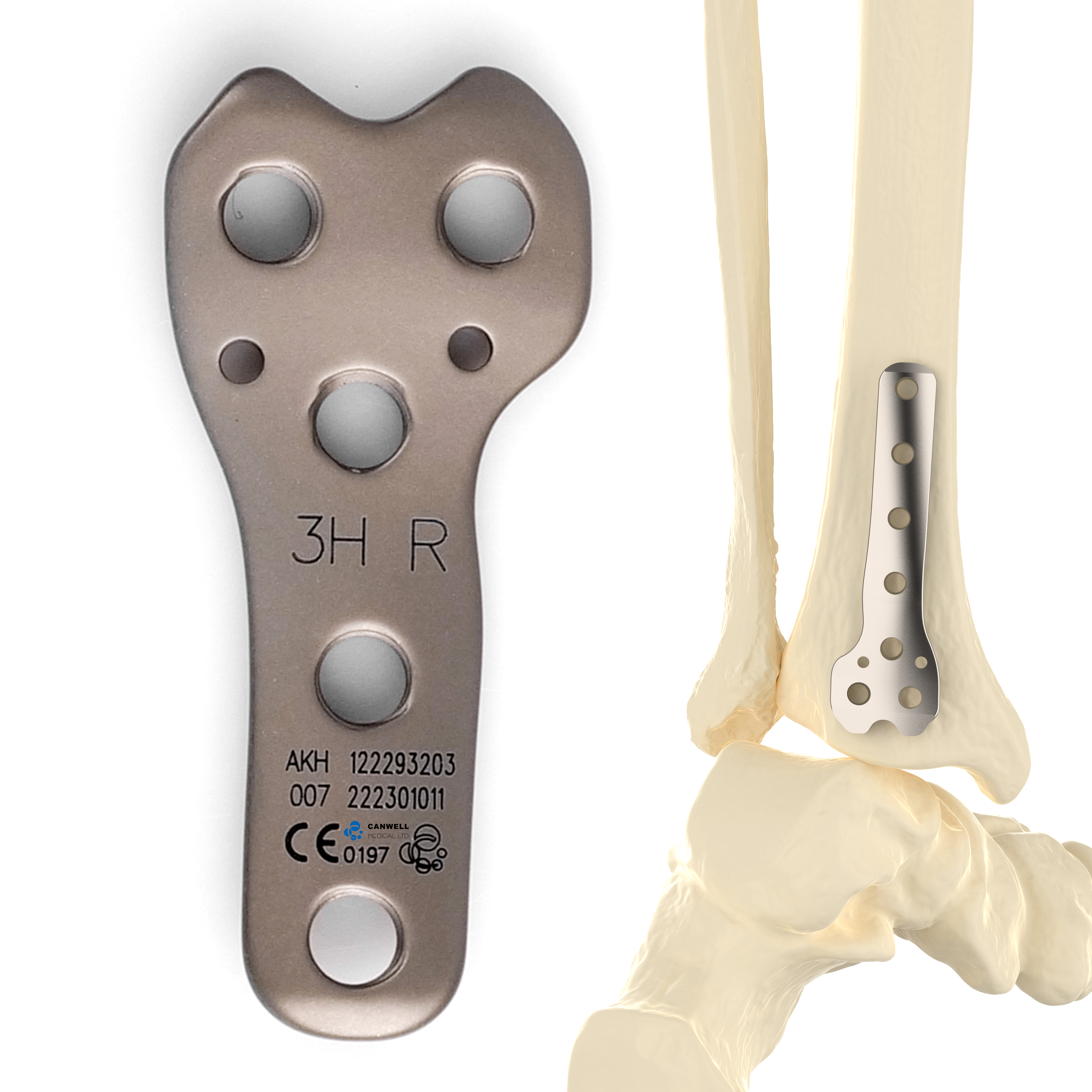
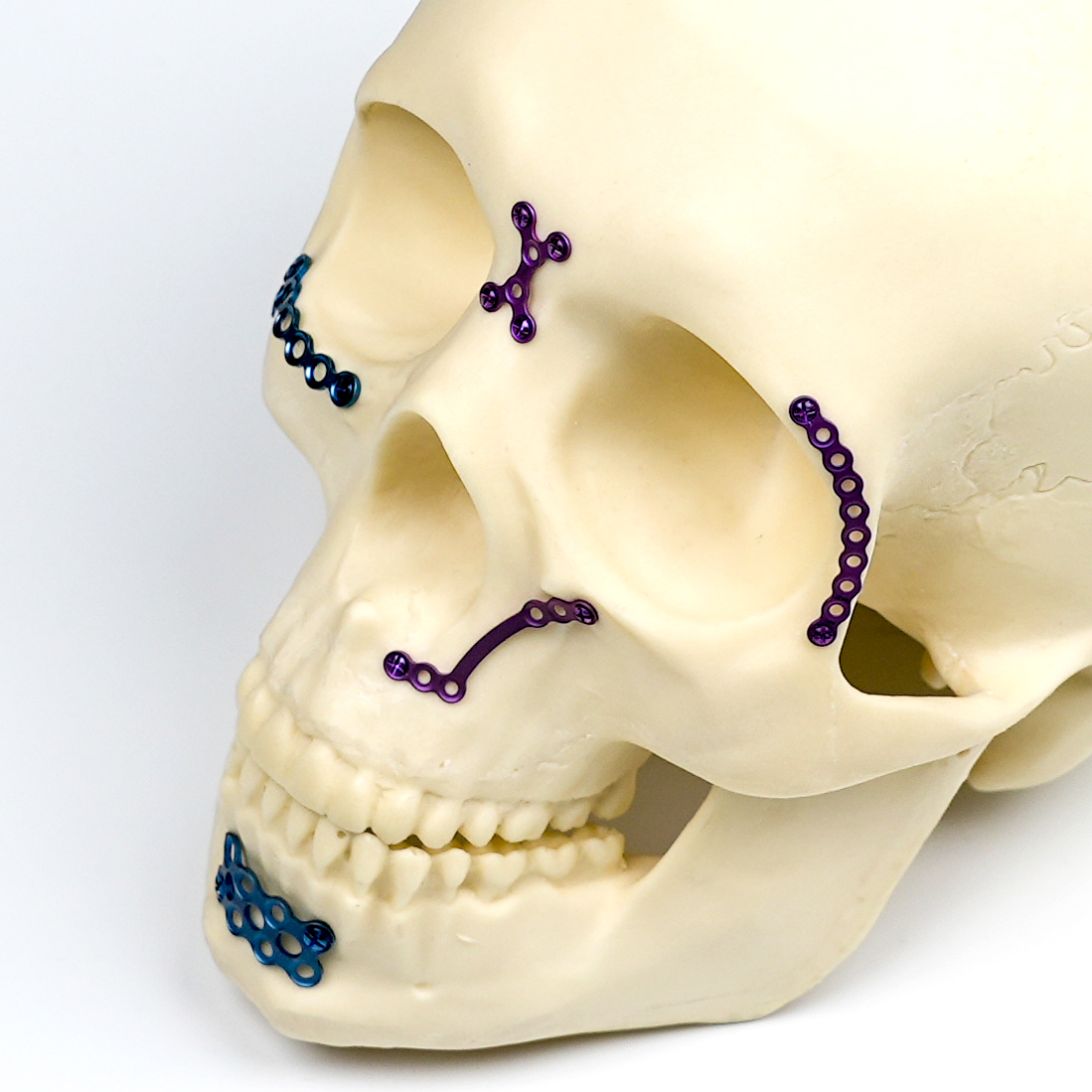
Vertebral augmentation does not occur in clinical isolation. In complex spinal surgery involving thoracolumbar burst fractures or severe degenerative deformities, Balloon Kyphoplasty is frequently married to posterior pedicle screw instrumentation, interbody PEEK cages, or supplemental trauma plating. Our complete manufacturing ecosystem—spanning spinal, trauma, maxillofacial, and arthroplasty sectors—delivers synchronized tooling that streamlines operating theater logistics for Turin purchasing consortia.
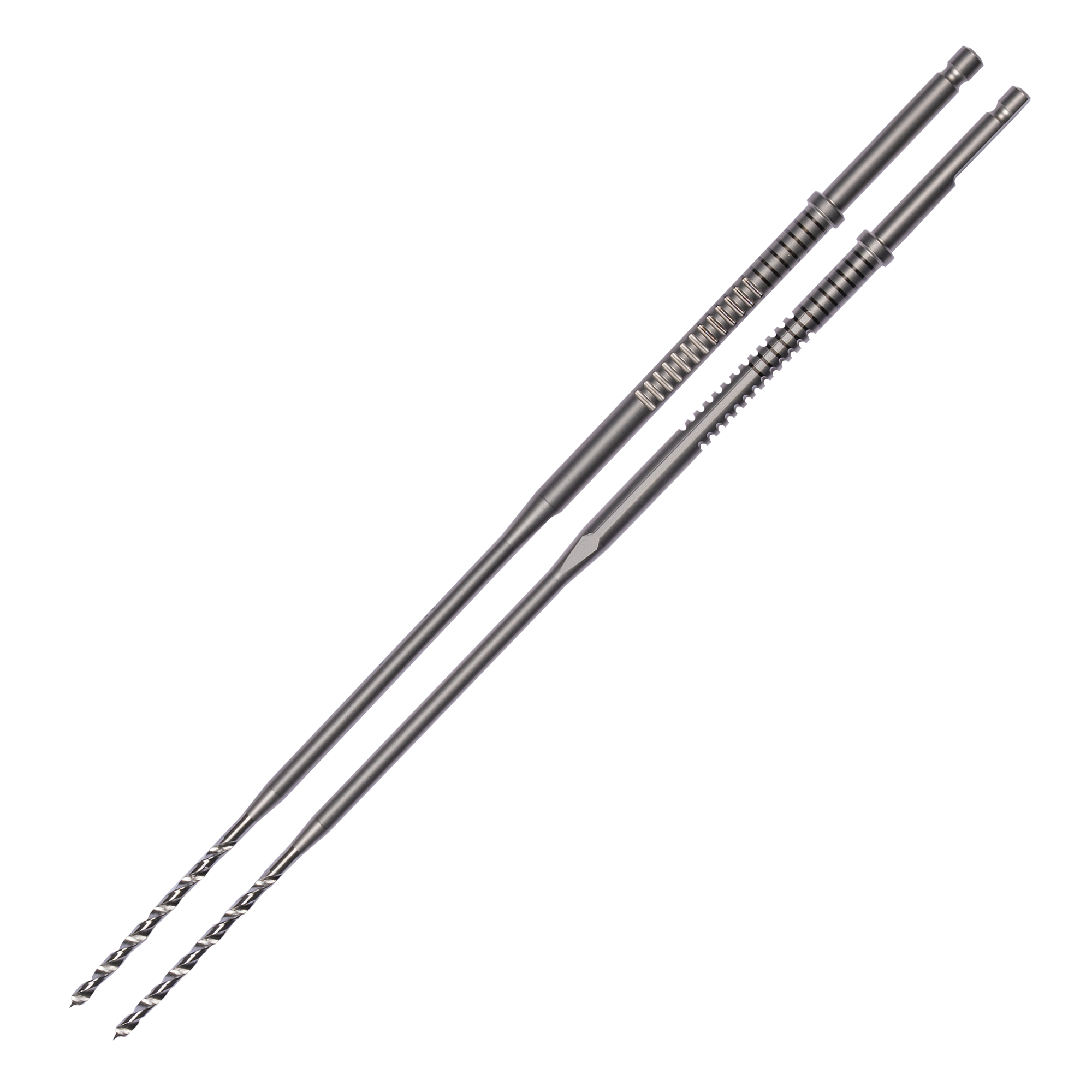
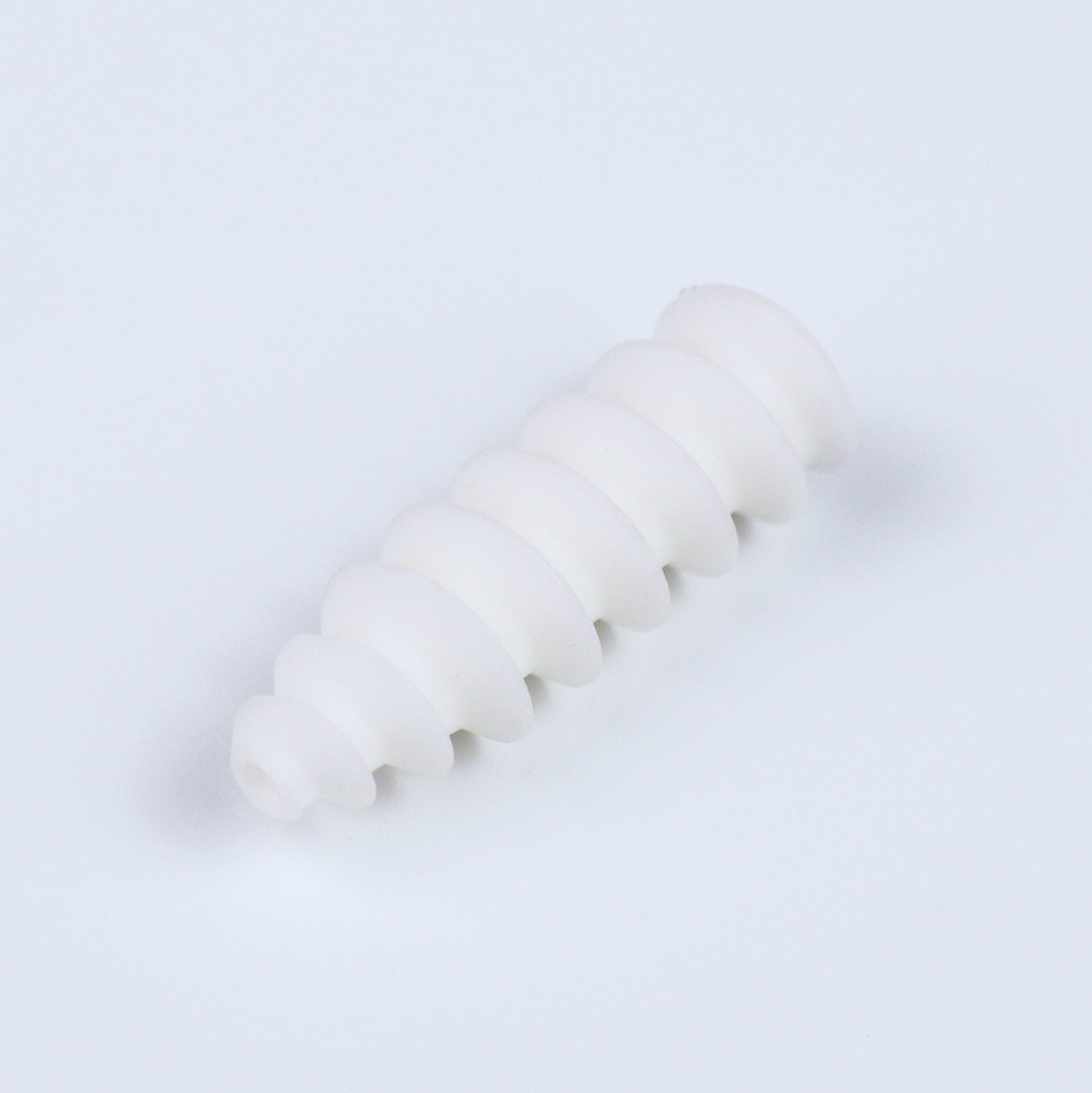
Whether navigating the acute transpedicular passage with our manual metal quick-coupling torque limiting handles, stabilizing long bones using titanium intramedullary nails, or anchoring ligamentous reconstructions with biodegradable PLGA screws, each component shares an uncompromising metallurgy baseline (ISO 5832-3 medical-grade Ti-6Al-4V ELI and cobalt-chromium-molybdenum alloys). This inter-compatibility minimizes instrument duplication across central sterilization units (CSUs).
Combining 22+ years of orthopedic manufacturing excellence with rigorous third-party certifications (SGS audited, CE MDR, ISO 13485) to deliver predictable supply continuity to European markets.
Independently verified manufacturing capacity, raw material provenance, and automated CNC milling accuracy.
Validated technical files, European authorized representation, and complete clinical evaluation reporting.
Dedicated high-speed Swiss-type turning centers, multi-axis wire EDM, and 100% in-house tooling capacity.
Double sterile barrier Tyvek blister packaging, bioburden monitoring, and ethylene oxide (EtO) batch validation.
Custom catheter length, tailored working sheath geometries, and branded laser-marking for European private labels.
Addressing essential regulatory, logistics, and procedural parameters for hospital procurement managers and distributors operating in Turin and the Piedmont region.
All balloon catheters, access needles, and inflation systems are fully certified under the EU Medical Device Regulation (MDR 2017/745). Complete technical dossiers, Declaration of Conformity (DoC), ISO 13485 quality certificates, and sterilized lot records are provided in English and Italian for effortless tender compliance.
Our inflatable bone tamps utilize reinforced multilayer PEBAX and nylon polymer membranes rated to a Maximum Burst Pressure (RBP) of up to 450 psi (31 bar). This provides superior puncture and shear tolerance against sclerotic bone spurs and alpine impact burst fractures commonly encountered at CTO Turin.
Yes. Supported by 632 dedicated personnel and in-house cleanroom packaging facilities, we offer full OEM/ODM customization. This includes custom sheath tip bevels, specialized laser marking on graduated cannulae, custom inflation syringe volumes, and branded sterile Tyvek blister trays.
For contracted distributors and regular hospital framework agreements in Turin, standard sterilized inventory batches are dispatched via direct air freight to Milan Malpensa (MXP) or Turin Caselle (TRN), clearing Italian customs and arriving at regional distribution depots within 5 to 7 business days.
Partner directly with an SGS-verified, CE-marked implant manufacturer. Access high-resolution surgical technique guides, biocompatibility testing certificates, and volume tender pricing tailored for Piedmont’s healthcare networks.