High-Precision Osteosynthesis Implants & Dedicated Instrumentation
Precision-milled trauma systems designed to facilitate anatomical reconstruction, minimize soft-tissue stripping, and reduce the operating theatre footprint across Florentine surgical departments.
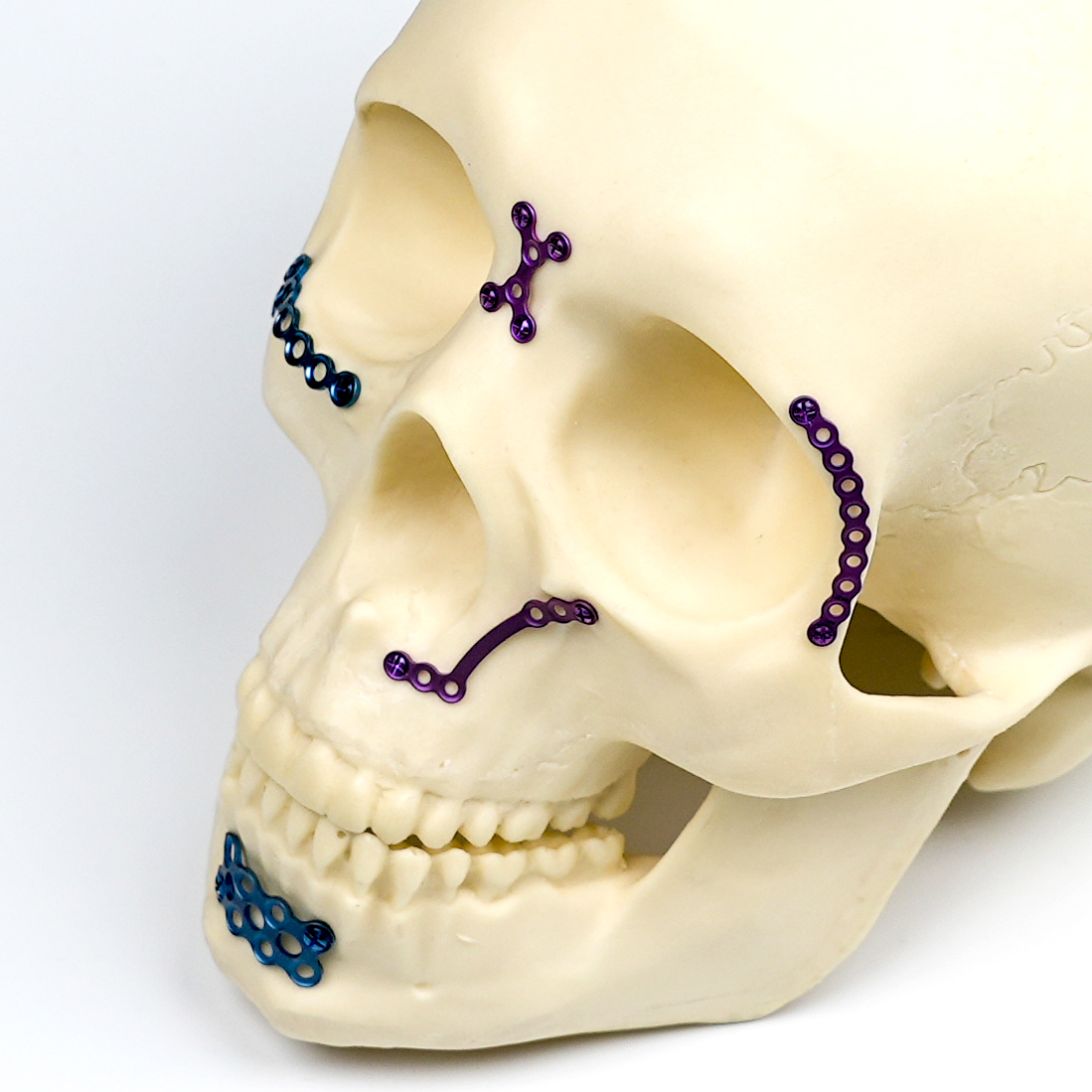
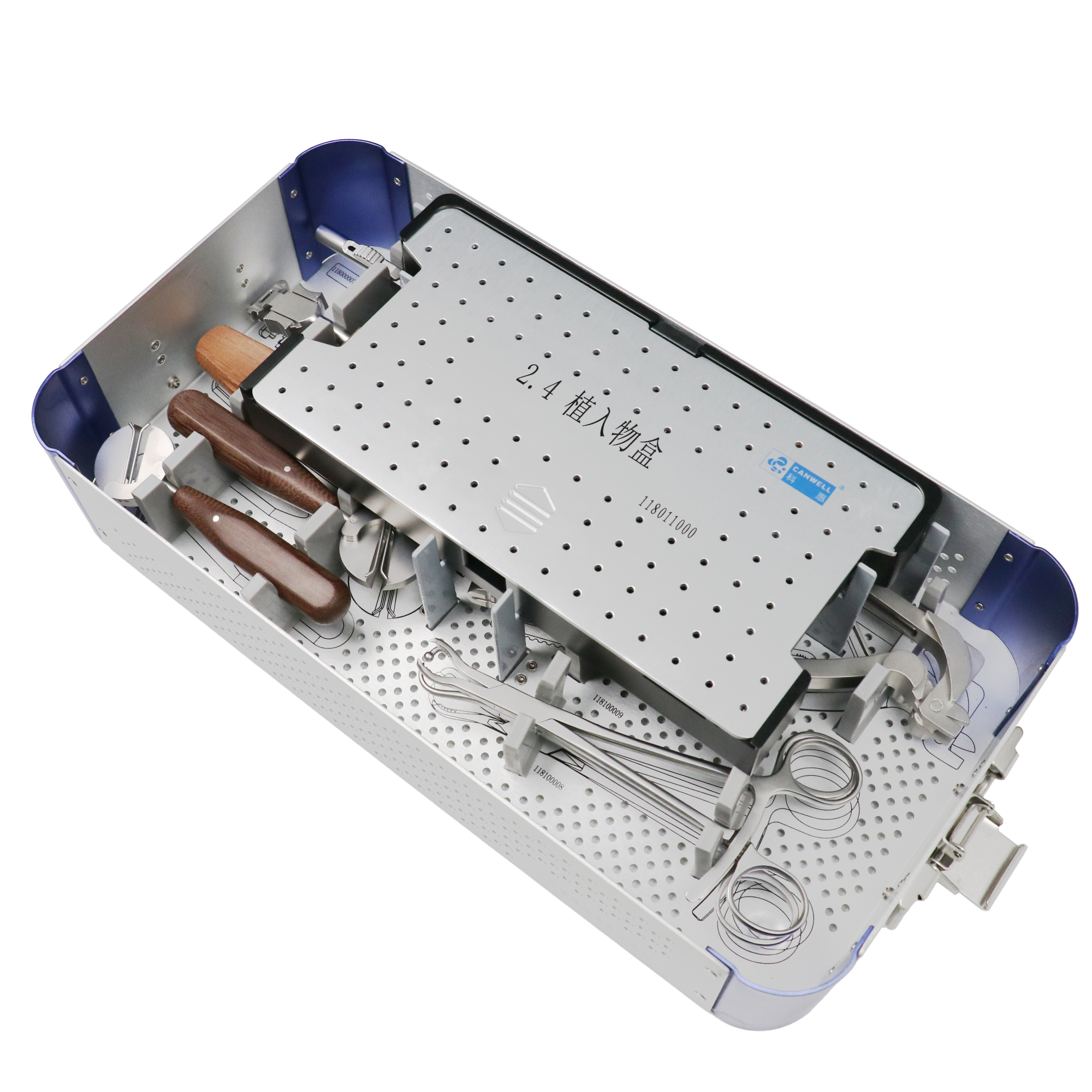
CMF Titanium Maxillofacial Plate & Screw System
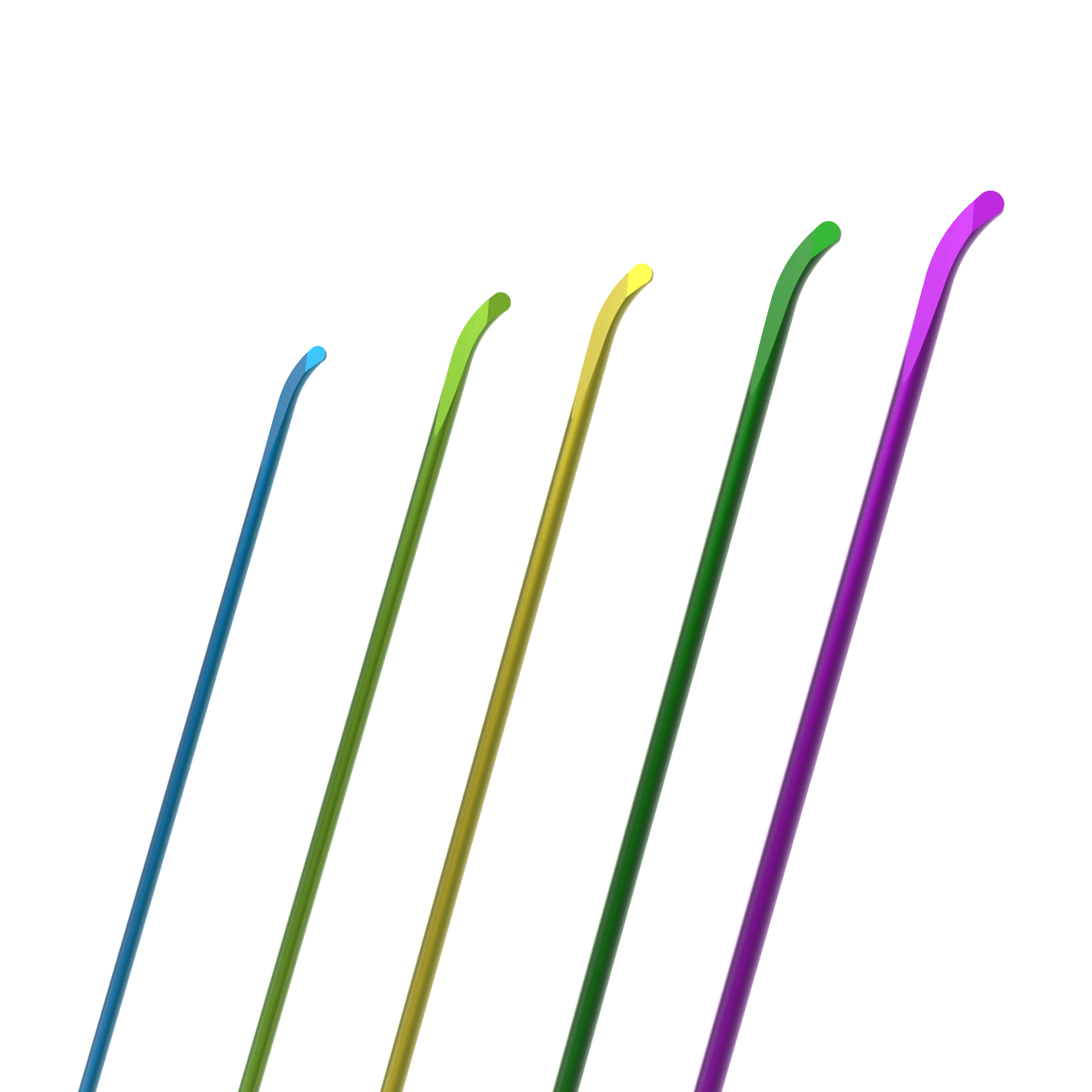
Titanium Elastic Nails (TEN) Instrument Kit
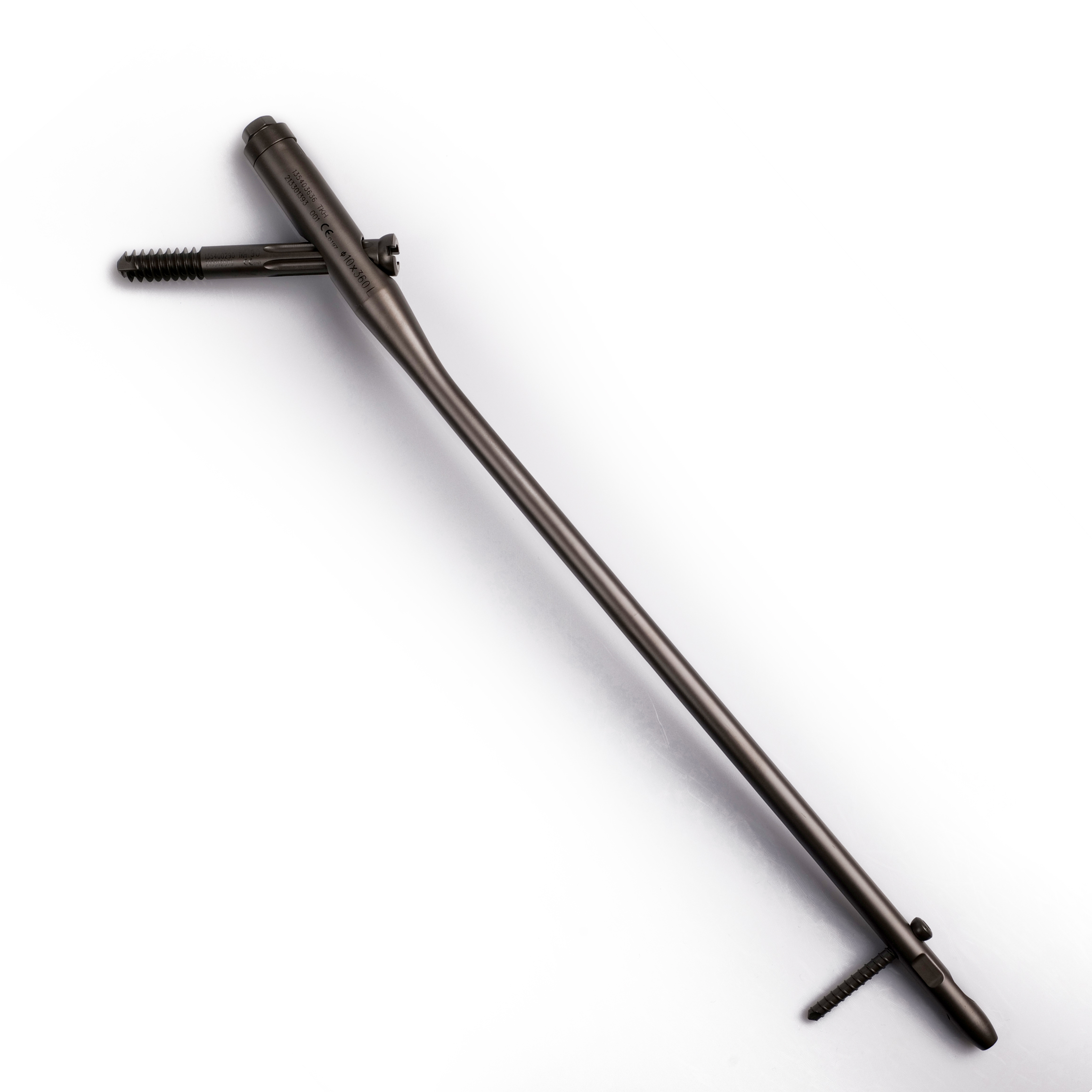
Titanium Femoral Interlocking PFNA Nail System
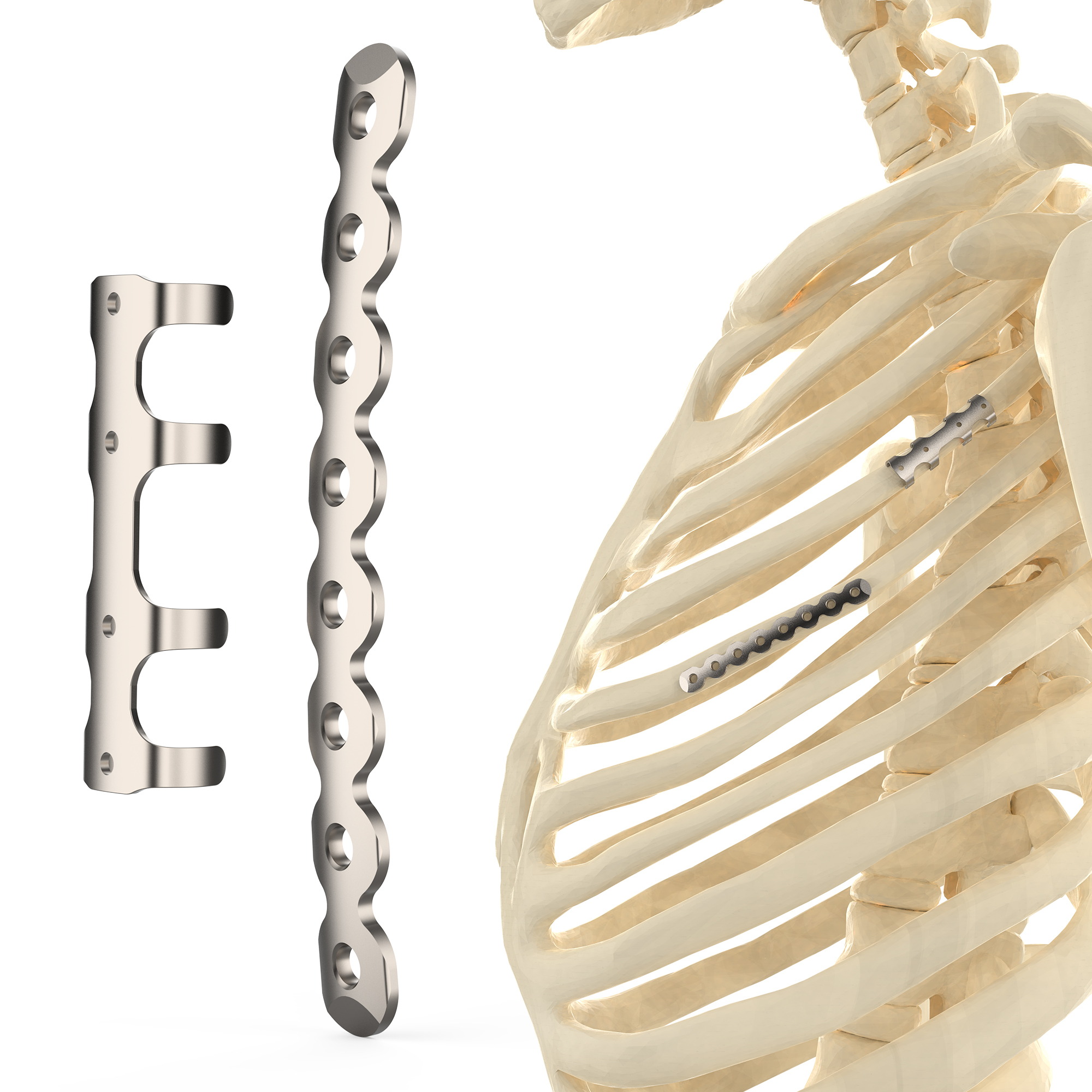
Titanium Rib Anatomical Locking Plate System
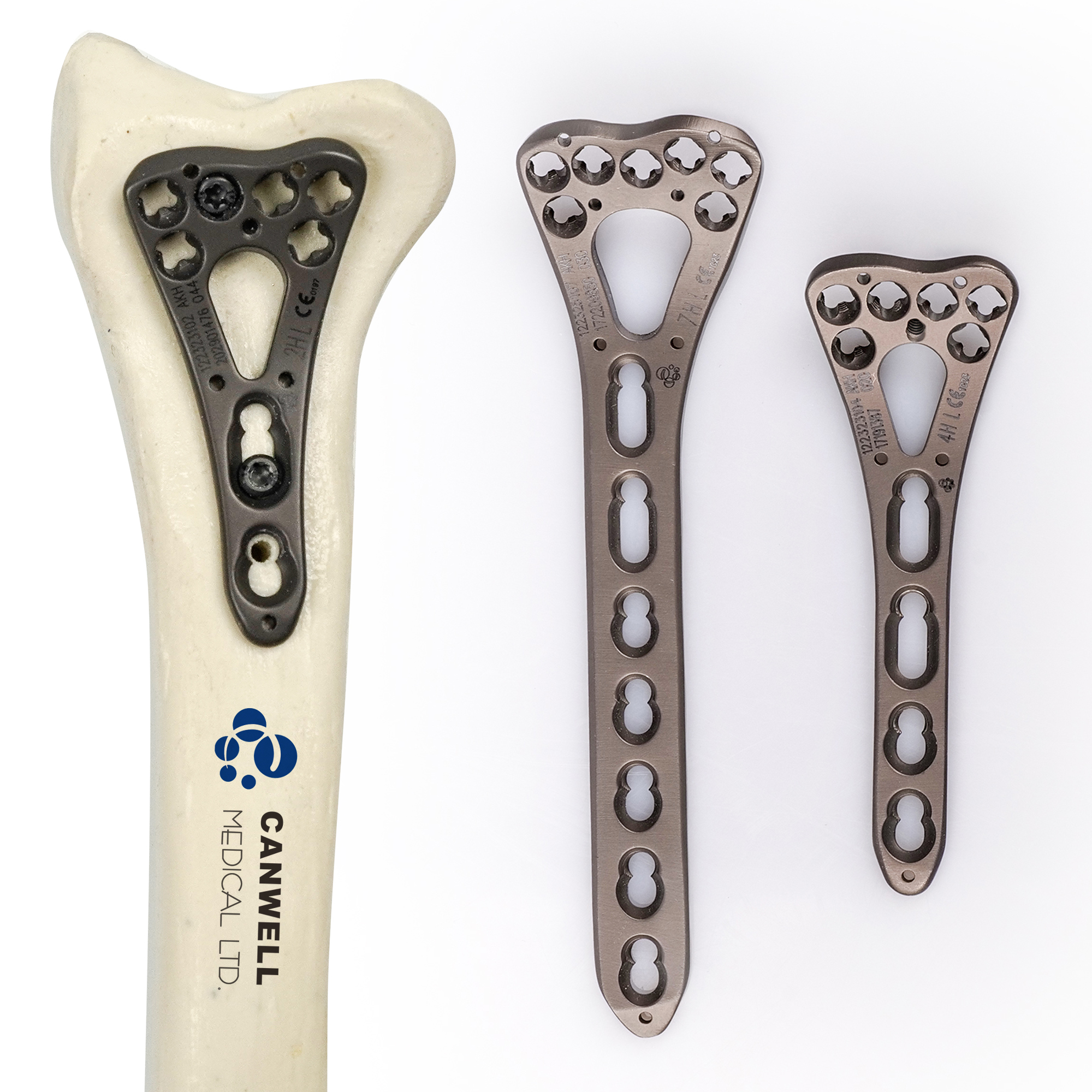
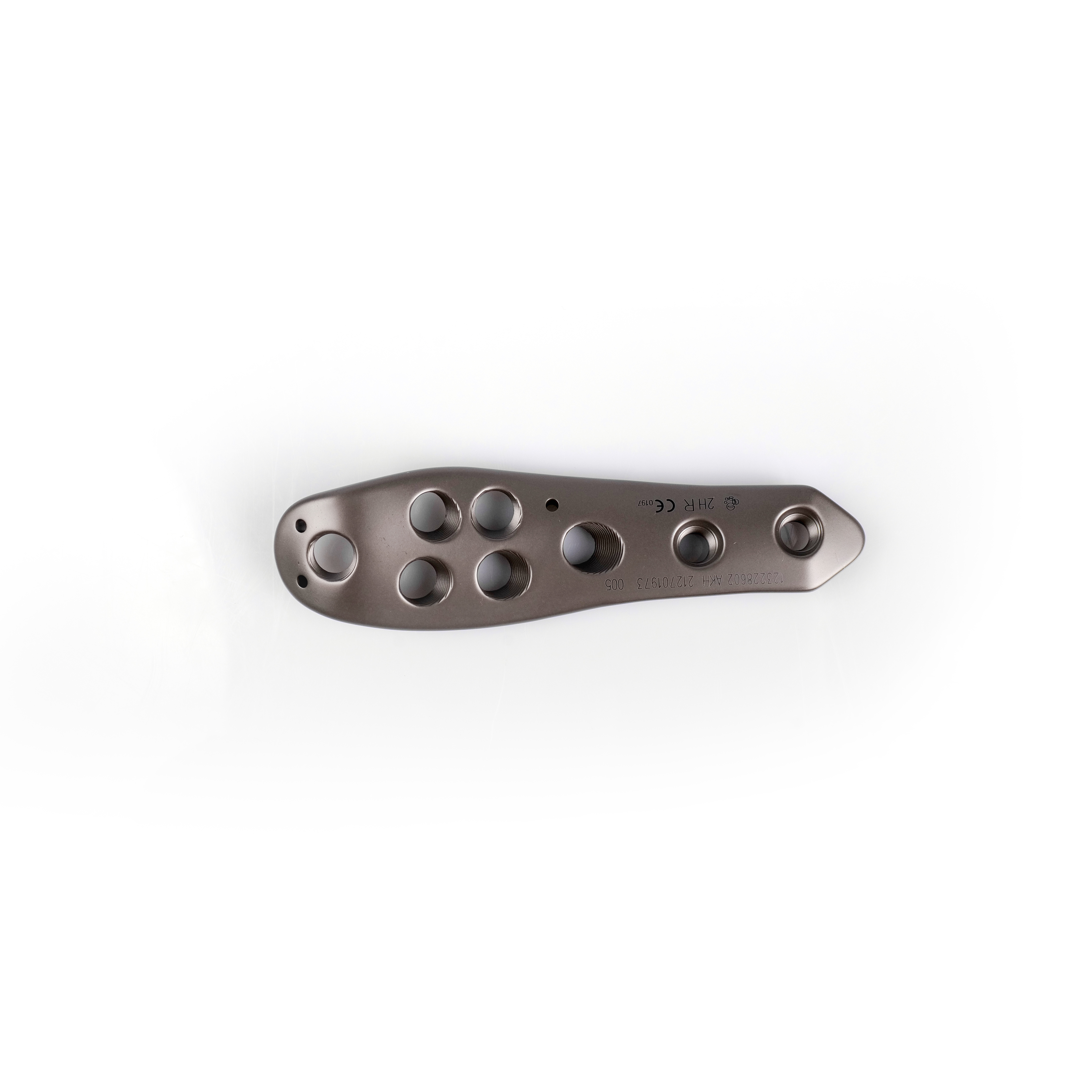
2.4/2.7mm Variable-Angle Volar Radius Plate
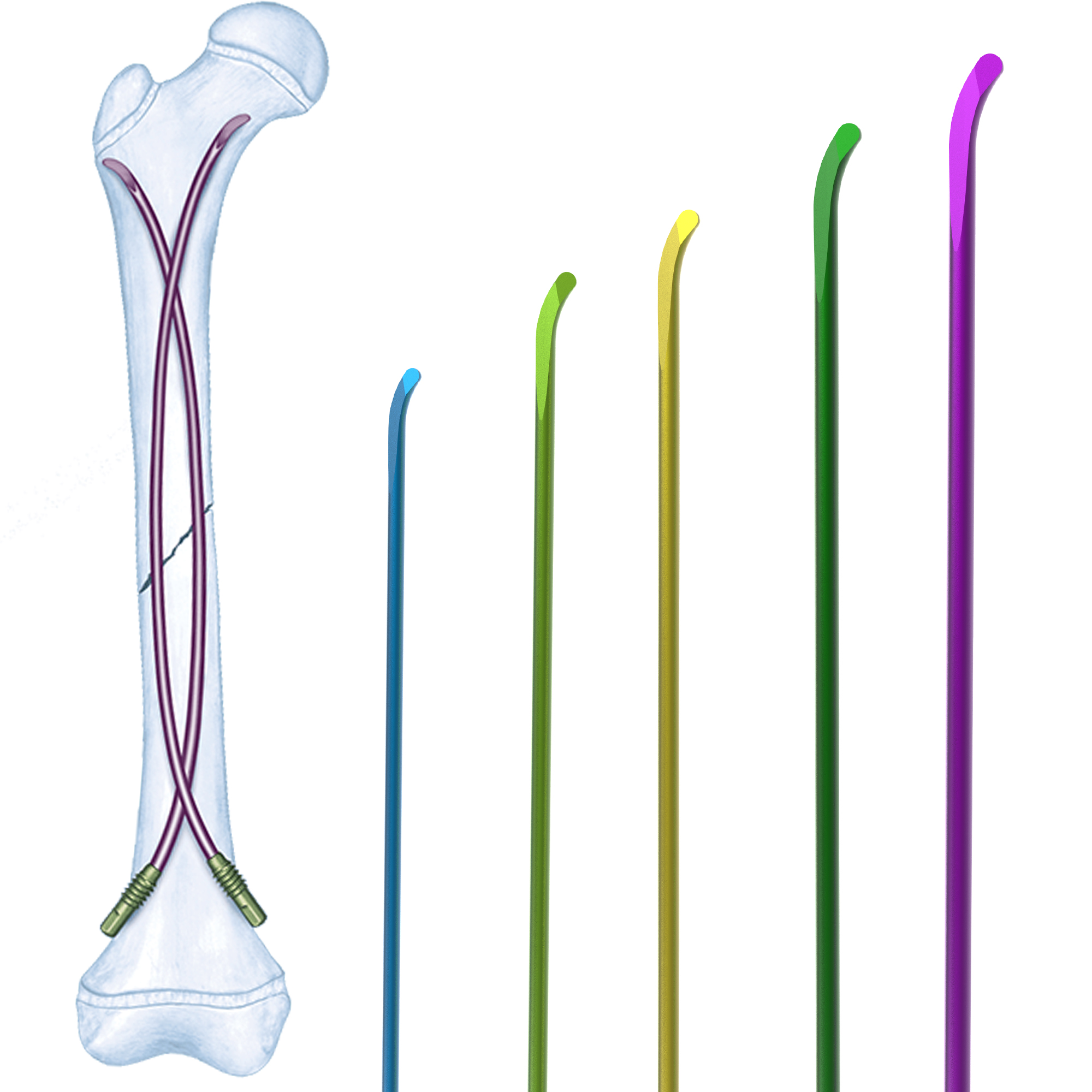
Titanium Elastic Stable Intramedullary Nail (TEN)
SGS-Verified Orthopedic Engineering: Inside Our 29,523 m² Complex
Operating with over 22 years of specialized metallurgical experience and 632 dedicated technicians, our facilities unite high-speed Swiss 5-axis CNC machining, class 100,000 cleanroom packaging, and dynamic fatigue validation under one verifiable audit trail.
Ti-6Al-4V Grade 5 ELI Metallurgy
All internal fixation plates utilize Extra Low Interstitial titanium per ASTM F136 and ISO 5832-3 standards. With tensile yield strength exceeding 795 MPa and modulus calibrated to 110 GPa, stress shielding against physiological cortical bone is significantly minimized.
Type II Anodic Surface Passivation
Proprietary electro-chemical micro-arc oxidation produces a uniform, non-delaminating oxide barrier. This completely mitigates cold-welding cross-galling between titanium locking screw tapers and threaded plate eyelets during high-torque insertion.
Multi-Axis Precision Milling
Utilizing high-rigidity CNC machine centers (Citizen, DMG Mori), contoured trauma plate geometry holds dimensional tolerances within ±0.01mm, ensuring exact congruence along anatomic bone contours and screw-to-plate thread engagement.
13-Stage Continuous Production & Quality Assurance Path
Every single bone plate delivered to our European and Italian partners follows an uninterrupted, audited manufacturing pathway from raw ingot inspection to double sterile-barrier packaging.
Raw Stock & Lathe
Spectrometric material verification, longitudinal precision sawing, and blank bar turning.
CNC Milling & Radius
5-axis synchronized hole threading, contoured beveling, and perimeter high-speed milling.
Finishing & Wash I
Mechanical tumbling, vibro-polishing, sand-blasting, and 7-tank multi-frequency ultrasonic degreasing.
Passivation & NDT
Electrochemical color anodization, fluorescent penetrant defect testing, and optical CMM profiling.
Aseptic Packing
ISO Class 7 cleanroom packaging, medical-grade Tyvek sealing, and accelerated real-time shelf life aging.
Deployment Scenarios Across the Metropolitan Florence Healthcare Network
From university-affiliated polytrauma centers to regional pediatric referral clinics, our bone plates and trauma assemblies match the complex demographic and surgical profiles of Tuscany.
AOU Careggi Trauma Center & CTO (Florence)
As the primary Level I Emergency Hub serving central Tuscany, Azienda Ospedaliero-Universitaria Careggi and the CTO hospital handle high-velocity motorcycle accidents along the Chianti corridor and motorway infrastructure.
- Pelvic & Femoral Stability: Rapid-entry suprapatellar intramedullary nails and 3.5mm/4.5mm titanium distal femoral locking systems allow early axial loading.
- Thoracic Integrity: Titanium anatomical rib locking plates provide immediate flail chest stabilization in poly-injured patients requiring mechanical ventilation weaning.
AOU Meyer Children's University Hospital
Meyer Children's Hospital in Florence represents the premier pediatric trauma and orthopedic center in central-southern Italy, requiring implants tailored to active skeletal growth.
- Titanium Elastic Nails (TEN): Diameters from 1.5mm to 4.0mm allow biological intramedullary alignment without crossing open distal/proximal physes.
- Pediatric Condylar Plates: Specially rounded low-profile plate margins mitigate tendon adhesion and periosteal devascularization during swift pediatric bone healing.
Tuscan Fragility Fracture & Osteoporotic Care (SSR Toscana)
With Florence and the broader Tuscany region recording an elevated aging demographic, hospital orthopedic wards experience recurrent osteoporotic wrist, hip, and ankle fractures requiring immediate, reliable fixation.
- Variable-Angle Volar Plates: Subchondral combi-holes enable polyaxial fixed-angle trajectories into poor-quality cancellous bone, averting secondary collapse.
- Helical Blade PFNA: Minimizes cancellous bone displacement compared to traditional lag screws, reducing cut-out rates in elderly osteopenic femoral necks.
Elective Orthopedic & Sports Medicine Clinics
Facilities such as Villa Donatello, Istituto Prosperius, and day-surgery clinics across the metropolitan area require lean instrument kits with rapid autoclave cycle adaptability and pristine finish consistency.
- Customized Tray Modularity: Consolidated small-fragment and mini-fragment sets eliminate tray clutter in high-throughput elective theatres.
- Sports Arthroscopy Consumables: Complementary AC repair buttons and biodegradable interference screws integrate smoothly into elective reconstructive schedules.
Evolving Procurement Dynamics in Florence and the Tuscan SSR
Understanding regional procurement mechanisms such as ESTAR tenders and navigating EU MDR 2017/745 transitions are vital for local Italian distributors and surgical supply partners.
1. Centralized Tender Evolution via ESTAR: In Tuscany, medical device procurement is orchestrated via ESTAR (Ente di Supporto Tecnico-Amministrativo Regionale). Tender scoreboards heavily prioritize clinical evidence, technical robustness (CE certification under MDR, surface integrity), delivery punctuality, and consignment management. Suppliers capable of offering fully traceable, standardized titanium trauma plates with transparent technical documentation obtain a measurable competitive advantage in public lot submissions.
2. The Biomechanical Transition to Limited-Contact (LC-LCP) Designs: Traditional rigid compression plates frequently triggered periosteal bone necrosis beneath the implant body. Current orthopedics demands plates engineered with dynamic undersurface scalloping. By minimizing direct cortical contact by up to 60%, periosteal vascularity remains uncompromised, substantially reducing secondary non-union and refracture occurrences post-hardware removal.
3. EU MDR 2017/745 Supply Resiliency: The transition from the MDD directive has led to critical catalog rationalization among legacy European implant providers. As surgical facilities face inventory deficits, our fully validated Class IIb and Class III documentation packs, comprehensive clinical evaluation reports (CER), and Post-Market Clinical Follow-up (PMCF) datasets provide unbroken supply continuity for private distributors and regional hospitals.
| Implant Parameter | Medical-Grade Ti-6Al-4V ELI (Our Standard) | Conventional 316L Stainless Steel | Clinical Advantage in Surgery |
|---|---|---|---|
| Elastic Modulus (GPa) | ~105 – 110 GPa | ~190 – 205 GPa | Closer to human cortical bone (~18 GPa), reducing stress shielding and bone resorption. |
| Yield Strength | ≥ 795 MPa | ≥ 290 – 310 MPa | Superior fatigue resistance under cyclical postoperative physiological ambulation. |
| Biocompatibility / Tissue Reactivity | Extreme; spontaneous TiO₂ passivation | Contains Nickel (12-15%) | Eliminates risk of nickel hypersensitivity reactions, localized osteolysis, and soft tissue irritation. |
| Diagnostic Imaging Artifacts | Low artifact distortion (MRI/CT compatible) | High scatter & magnetic susceptibility | Enables post-op CT and MRI evaluation of articular reduction and soft-tissue tendon status. |
| Surface Anodization | Type II Electro-chemical finish | Electropolished only | Prevents cold welding between screw head and locking hole threading under high seating torque. |
Frequently Asked Questions by Italian Hospital Buyers & Distributors
Detailed technical, regulatory, and logistics clarifications addressing the specific needs of procurement teams operating in Florence, Tuscany, and across the EU.
What regulatory certifications accompany your bone plates for entry into the Italian National Health System (SSN)?
Can your plates and screws be provided in consignment or depot stock configurations for Tuscan hospitals?
Do you support custom OEM or private label manufacturing for orthopedic brand owners in Italy?
What packaging validations exist to ensure sterility throughout transport to Florence?
What are standard production lead times and shipping routes to central Italy?
Equip Your Surgical Network With Certified Bone Plate Systems
Connect with our technical engineering and international regulatory export team. Request our complete surgical technique manuals, CAD dimensions, CE conformity packs, and competitive institutional price schedules.