Engineered Arthroplasty & Trauma Instrumentation Systems
Seamlessly compatible with primary hip reamers, variable-angle radius plates, and femoral interlocking intramedullary nailing suites deployed across Baguio medical hubs.
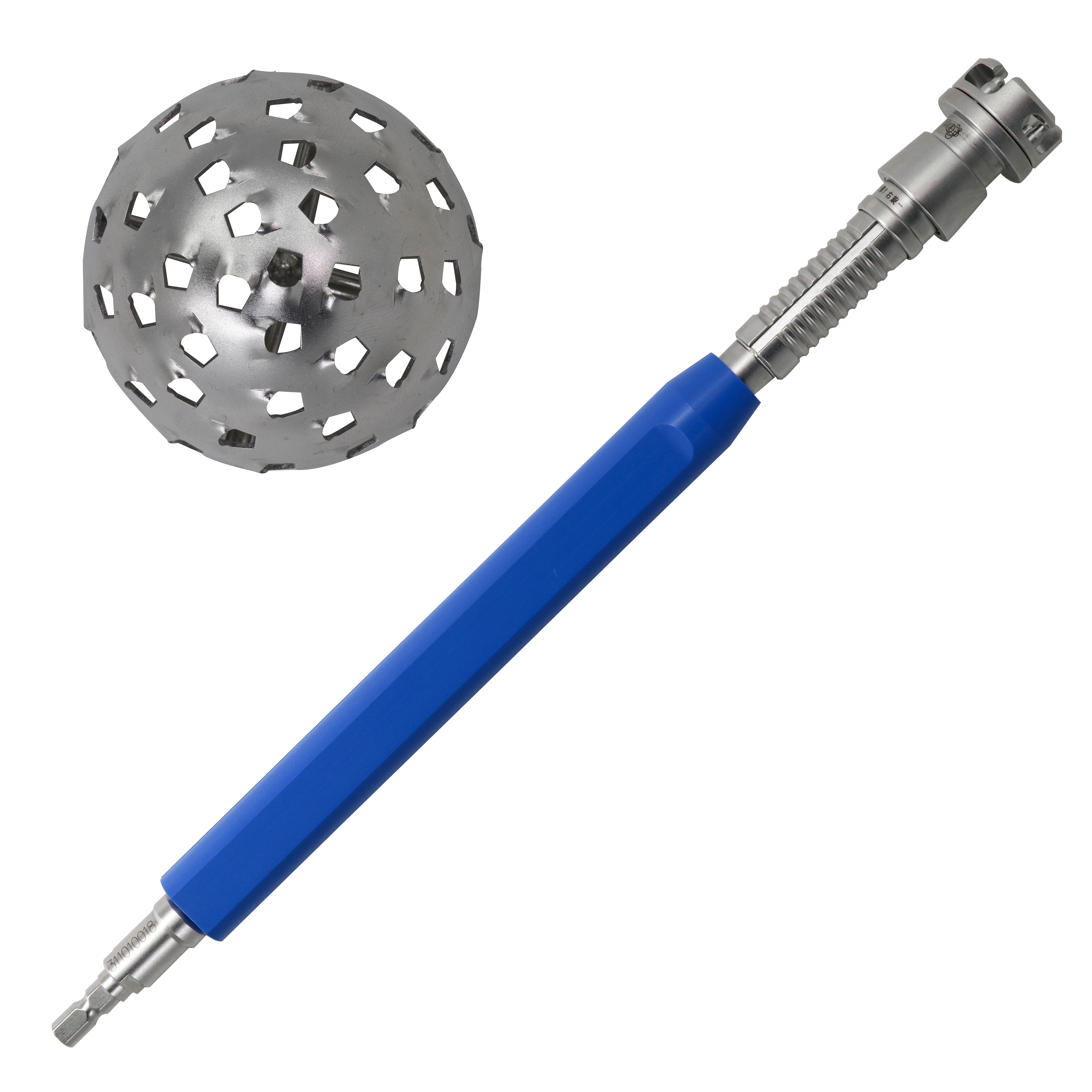
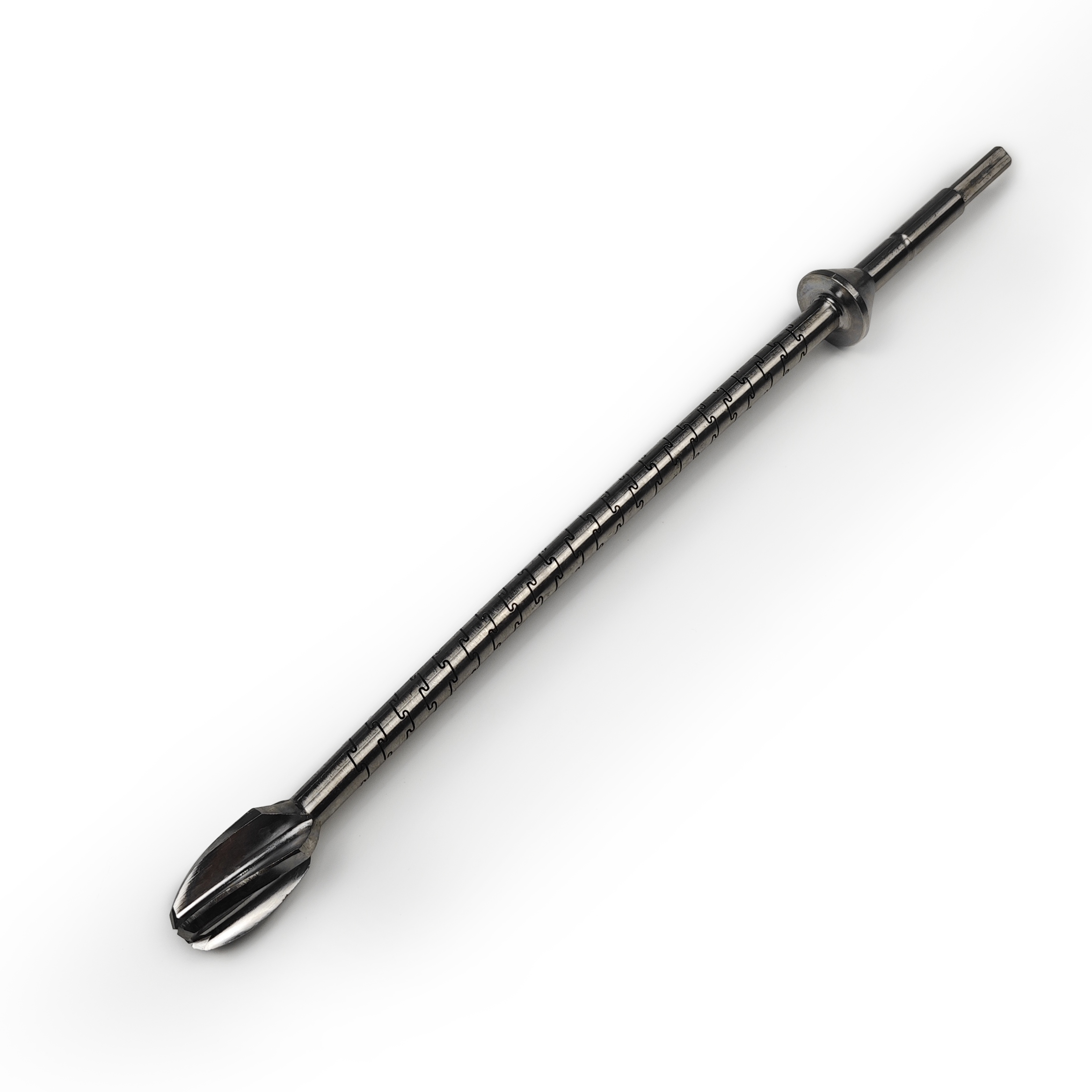
CANWELL Flexible Reamer Sterilization Box for Femoral/Tibial Nailing
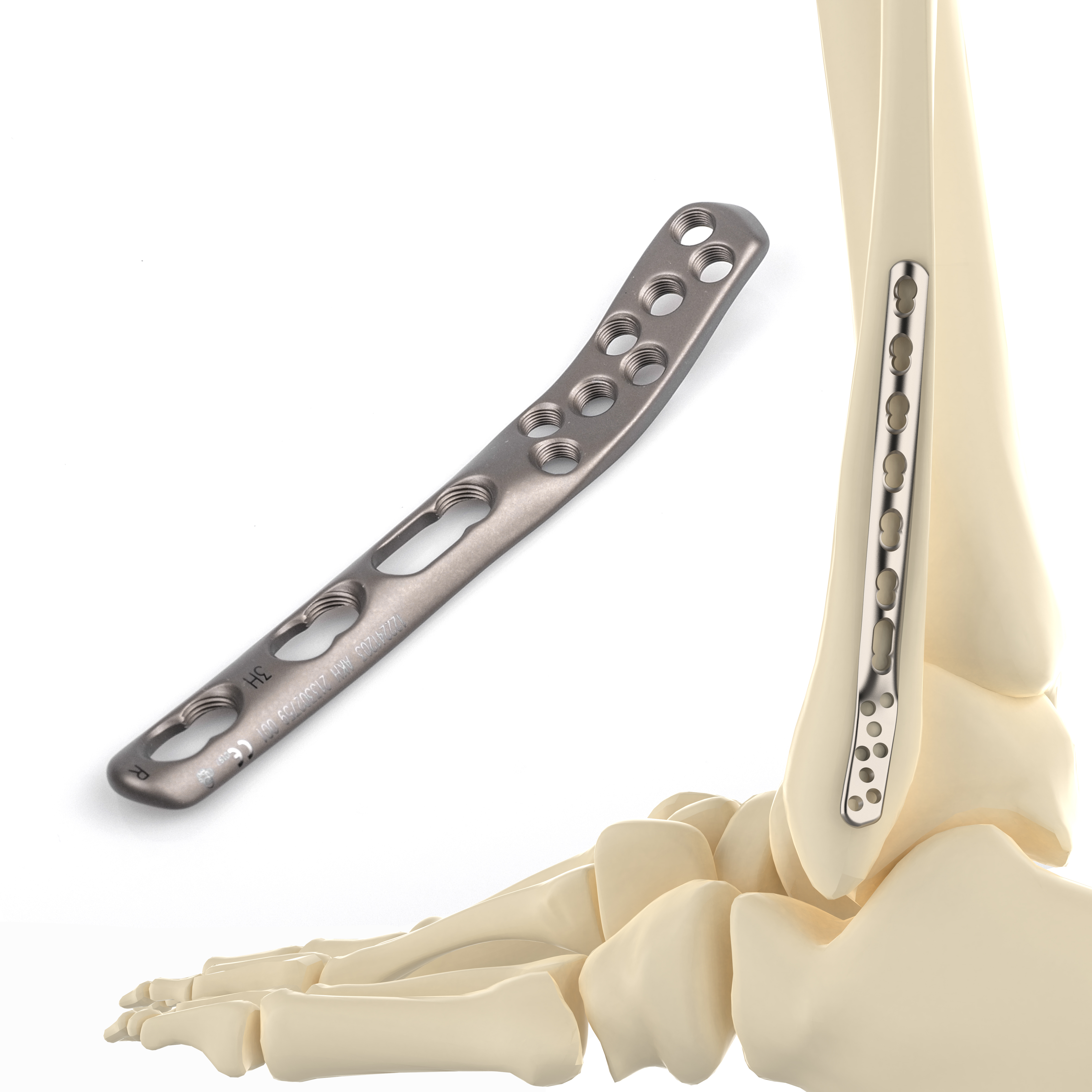
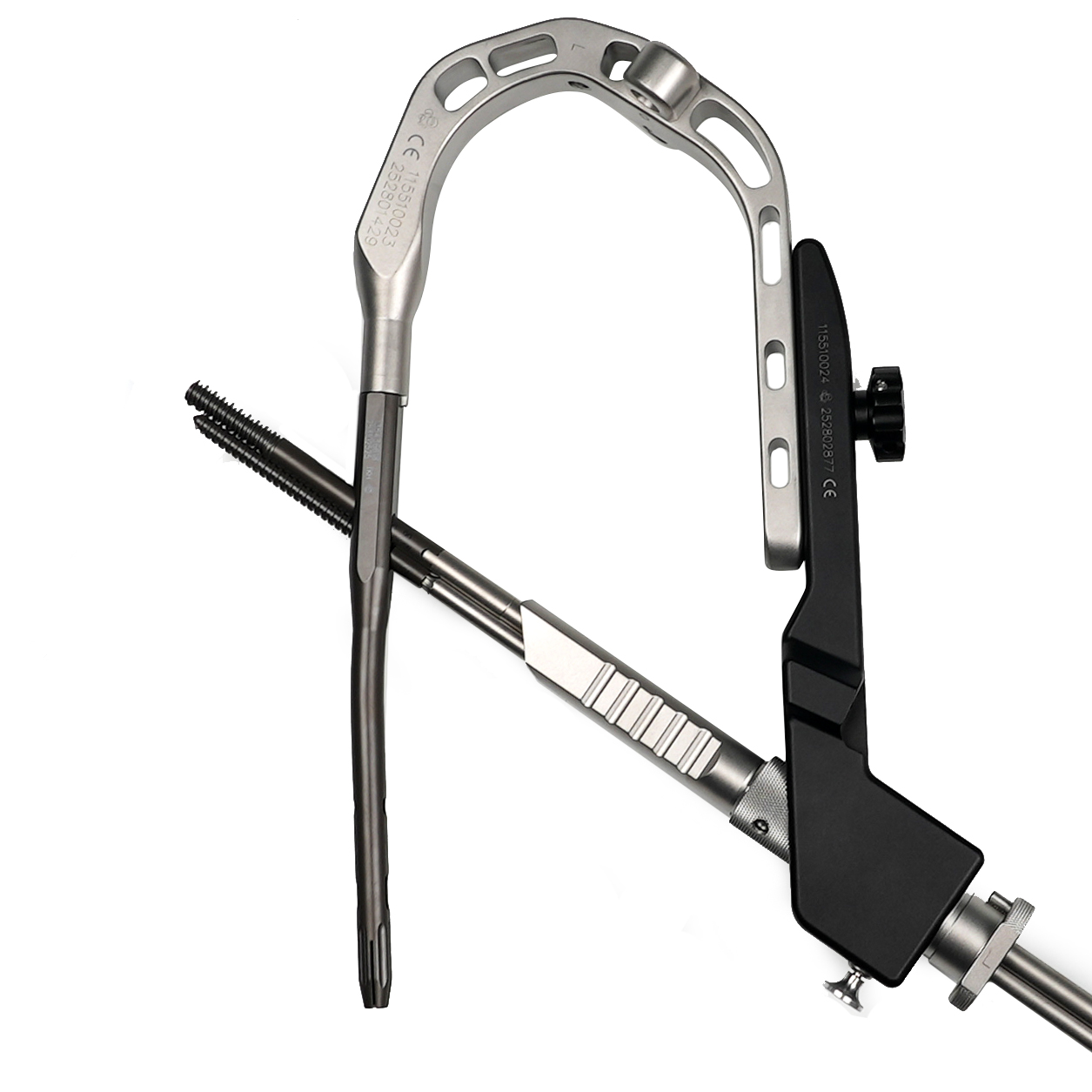
CANWELL Titanium Femoral Interlocking Nails Fracture Orthopedic Implants
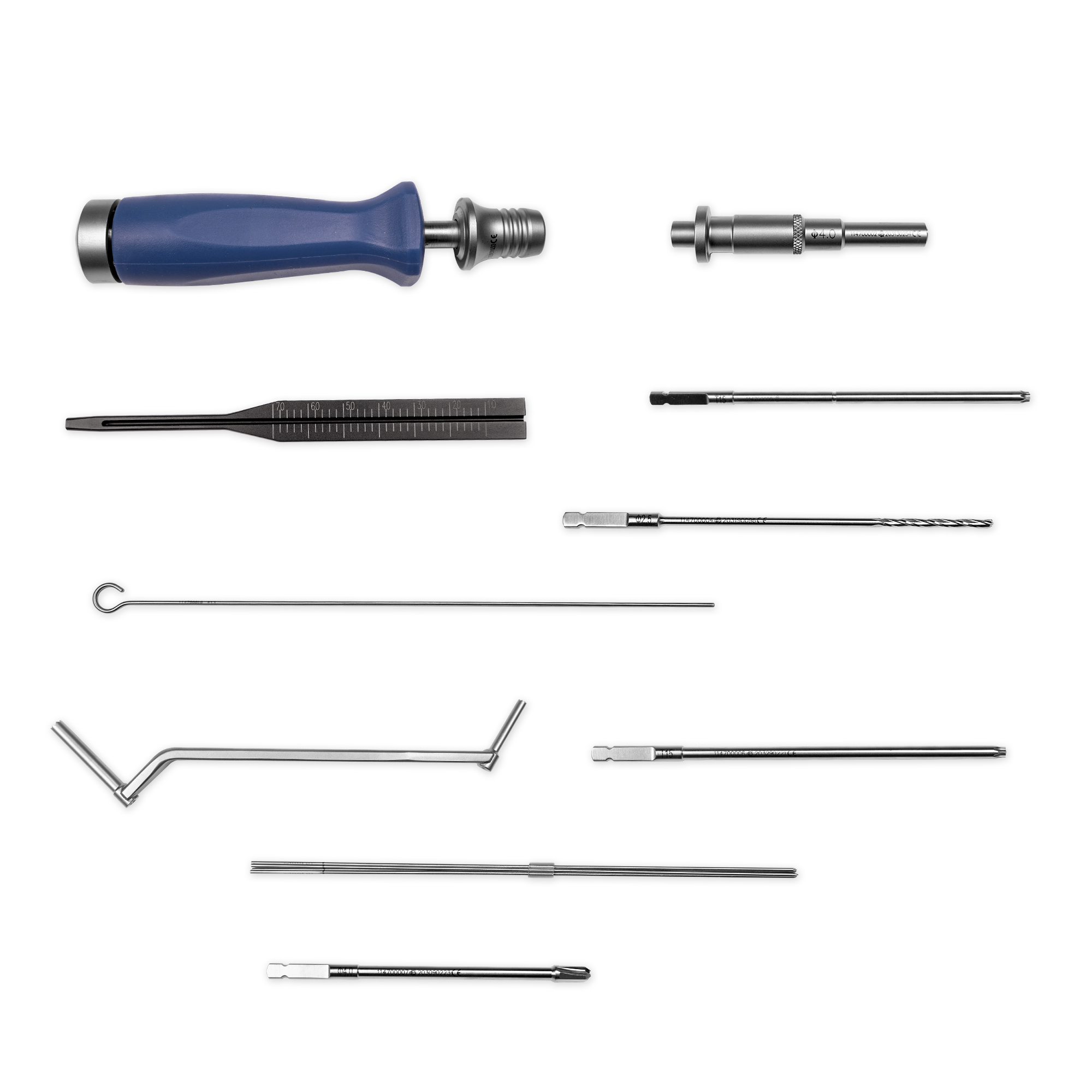
Orthopedic Trauma & Arthroplasty Demands in Baguio City & The Cordillera
Baguio City, situated at an elevation of approximately 1,500 meters within the Cordillera Central mountain range of Northern Luzon, operates as the primary medical, referral, and surgical epicenter for the entire Cordillera Administrative Region (CAR), encompassing Benguet, Mountain Province, Ifugao, Kalinga, Apayao, and Abra. Because of the rugged montane topography, complex road networks (such as Marcos Highway, Kennon Road, and Naguilian Road), and intense agricultural activity across Benguet's vegetable terraces, local tertiary hospitals confront a distinct epidemiological spectrum of orthopedic trauma and degenerative joint pathologies.
Tertiary referral institutions, most prominently the Baguio General Hospital and Medical Center (BGHMC), alongside private facilities such as Pines City Doctors' Hospital, Notre Dame de Chartres Hospital, and Saint Louis University Hospital of the Sacred Heart, witness a substantial caseload of high-energy vehicular trauma, fall-from-height fractures among farmworkers, and rapidly expanding elective joint replacements among the aging northern population.
In high-altitude agricultural farming regions surrounding Baguio, subtrochanteric fractures, proximal femoral comminution, and secondary osteoarthritis of the hip and knee demand rugged surgical tools. High-density cortical bone among indigenous Cordilleran populations requires bone rasps with superior chip-evacuation geometry, hardened tooth profiles, and fatigue-resistant quick-connect couplings that prevent micro-slippage and intraoperative canal thermal necrosis.
When preparing the medullary canal for cementless (press-fit) or cemented femoral stems, surgeons depend critically on progressive femoral rasping/broaching systems. The precision fit of the final stem dictates primary rotational stability, prevents early prosthetic subsidence, and minimizes the hazard of intraoperative periprosthetic fractures. For medical distributors serving Baguio tenders, procuring bone rasps and surgical broaches manufactured under validated CNC micro-milling and wire EDM processes is paramount to surgeon trust and patient rehabilitation outcomes.
Surgical Metallurgy & Geometrical Precision in Bone Rasp Manufacturing
Our ISO 13485 and CE MDR verified factory deploys state-of-the-art Japanese longitudinal CNC turning and 5-axis German milling centers to fabricate custom and standard surgical rasps. Unlike secondary trading vendors who source cast blanks with uneven tooth pitch, our factory controls the full metallographic spectrum from raw bar stock to ultrasonic passivation.
Medical Grade 17-4PH / 420B
Martensitic precipitation-hardening surgical stainless steel heated to 48-52 HRC, preventing premature tooth dulling during aggressive dense cortical compaction.
Cross-Hatched Tooth Geometry
Multi-directional tooth relief angles promote bone chip evacuation, reducing canal impaction hydraulic pressures that can induce fat embolization.
Modular Quick-Connect Locking
Hardened cam-lock interface with high torsional tolerance, fully compatible with straight and offset broach handles without rotational play.
Autoclave Chemical Passivation
Multi-tier ultrasonic bath treatment creating a continuous passive chromium oxide film that resists pitting corrosion in high-saline autoclave cycles.
Below is a comparative metallurgical benchmark showing why factory-direct CNC-machined broaches outperform generic commercial castings commonly circulating across developing secondary markets:
| Performance Characteristic | INAR Medical Factory Specification | Generic Casted Bone Rasps | Clinical Impact for Baguio Surgeons |
|---|---|---|---|
| Base Material Alloy | Custom 17-4PH / AISI 420B Medical Stainless | Low-grade 304 / Re-melted 316 Stainless | Prevents instrument snapping in sclerotic proximal femurs |
| Surface Rockwell Hardness | 50 - 54 HRC (Controlled vacuum temper) | 38 - 42 HRC (Variable non-uniform temper) | Maintains cutting edge over 350+ sterilization cycles |
| Broach Tooth Manufacturing | 5-Axis High-Speed CNC Precision Milling | Investment Casting with Hand Grinding | Ensures sub-millimeter match with implant CAD envelope |
| Canal Debris Flushing Ports | Full longitudinal flow-through channels | Solid core or shallow blind cavities | Facilitates thorough enzymatic cleaning in sterile supply rooms |
| Certifications & Traceability | CE MDR, ISO 13485, SGS Factory Audit | Self-declared or absent traceability | Immediate clearance for Philippine FDA & Hospital Tenders |
Surgical Application Scenarios Across Baguio Operating Theaters
Operating rooms in the mountainous Cordillera region manage orthopedic surgeries ranging from emergency stabilization to tertiary deformity reconstructions. Our bone rasps and accompanying orthopedic suites are engineered specifically for four primary local application environments:
- Primary Total Hip Arthroplasty (THA): Tapered wedge and collared stem rasps allow incremental, tactile canal rasping. The surgeon can accurately prepare both the metaphyseal flare and the diaphyseal channel in femoral bones altered by severe osteoarthritis or osteonecrosis.
- Intramedullary Long-Bone Preparation: Complementing our flexible reamer systems and titanium interlocking nail sets, customized canal rasps and entry hand reamers allow clean opening of proximal femoral entry points without cortical blowout.
- Trauma-Induced Proximal Femur Nonunion Revisions: Neglected or improperly healed fractures arriving from remote mountain villages require revision rasps to clean fibrotic scar tissue and sclerotic bone from the canal before revision stem or long nail insertion.
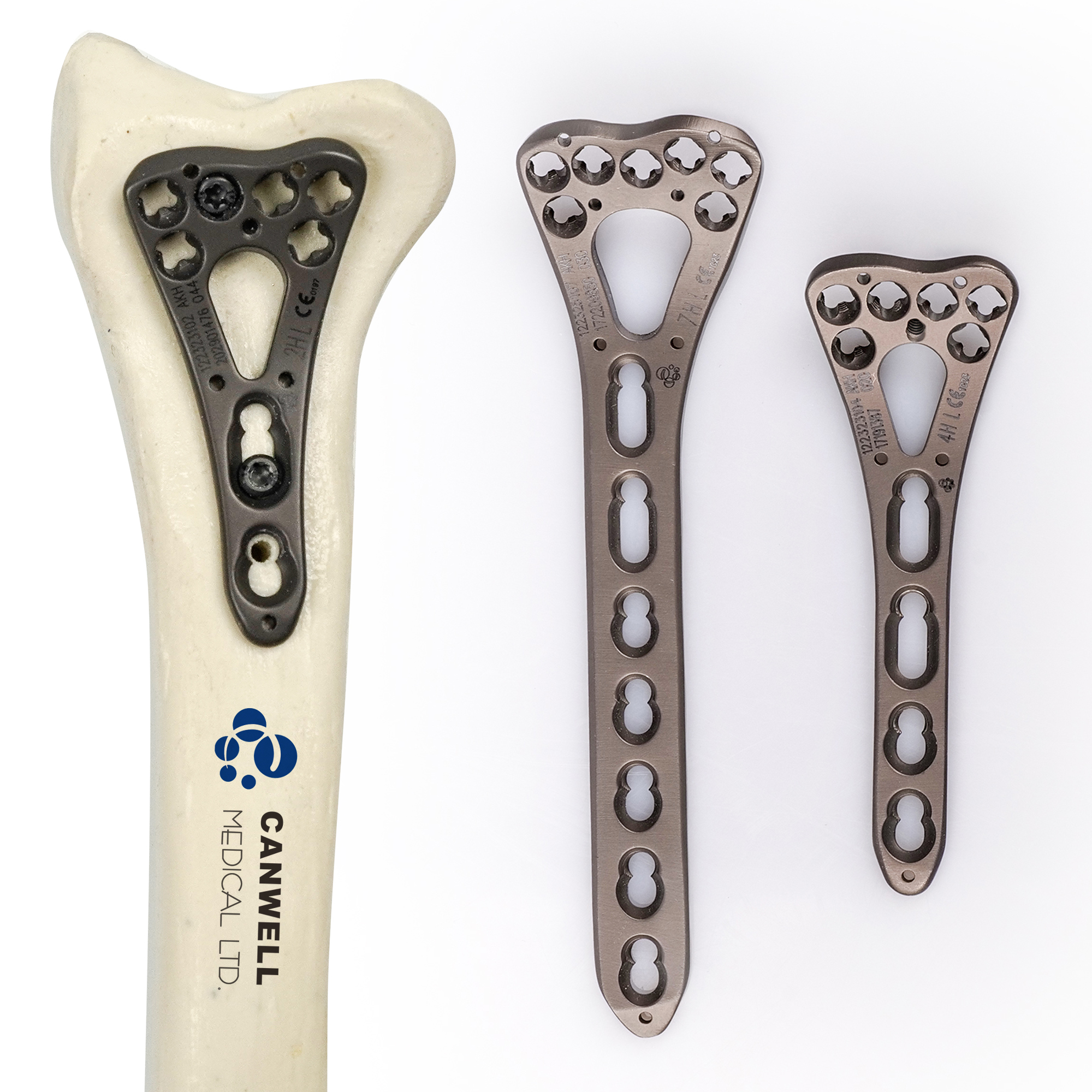
- Small Bone and Extremity Sculpting: Hand, wrist, and foot rasps utilized alongside volar distal radius locking plates to smooth sharp osseous margins, prepare bone graft beds, and achieve anatomic reduction in articular wrist trauma.
Procurement Dynamics & Supply Chain Trends in Northern Luzon
The orthopedic procurement ecosystem in Baguio and Region 1/CAR is undergoing a structural paradigm shift driven by several macroeconomic and regulatory developments:
1. Universal Health Care (UHC) Rollout & PhilHealth Case Rates: Republic Act No. 11223 (Universal Health Care Act) and expanded PhilHealth coverage for joint replacement and severe trauma have dramatically raised surgery volumes in government regional centers like BGHMC. Hospital bids necessitate robust supplier track records with documented manufacturer certifications (SGS, ISO 13485) and verifiable CE certificates to guarantee patient safety without exorbitant premium pricing of Western multinational brands.
2. Consolidation of Consignment vs. Direct Hospital Tendering: Historically, hospitals relied entirely on third-party instrument consignment from Manila importers, which often led to logistical delays along Kennon or Marcos Highway during the monsoon season (July–October). Modern hospital logistics in Baguio increasingly mandate dedicated in-house instrument trays. Hospitals and regional consortiums now seek direct factory relationships offering OEM customization, laser-etched inventory tracking, and swift replacement lead times.
3. Resilience in Mountain Logistics: Transportation through mountainous corridors demands durable instrument packaging and sterilization boxes capable of enduring rugged transit without damaging fragile broach teeth. Our specialized anodized aluminum sterilization containers and high-temp polymer cases ensure instruments arrive ready for immediate autoclaving.
Why Partner with INAR Medical for Baguio Orthopedic Supplies
Direct manufacturer capabilities verified onsite by SGS Group, giving orthopedic importers, distributors, and surgical centers in Baguio unrivaled competitive advantages.
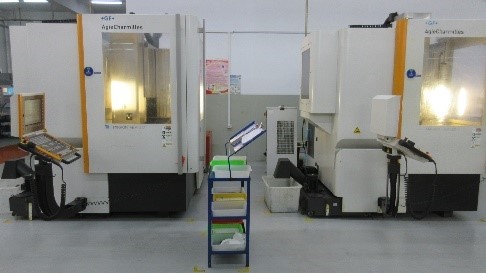
Multi-Axis CNC Milling Workshops
Over 80 CNC machines cutting high-strength titanium and surgical steel with tolerances down to ±0.005mm for exact implant-to-broach dimensional accuracy.
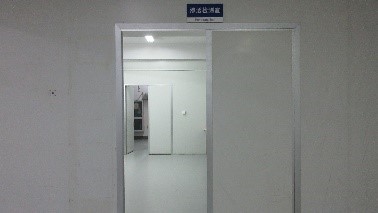
Defect Penetrant & Stress Testing
Every bone rasp and broach undergoes chemical penetrant defect testing, stress analysis, and Rockwell hardness verification before finishing.
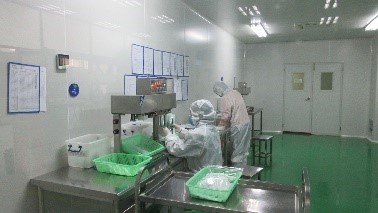
Class 10,000 Cleanroom Packaging
In-house ultrasonic automated washing and validated cleanroom packaging ready for prompt export to Manila ports and onwards to Benguet.
Complete OEM/ODM Instrumentation Trays & Registration Assistance
As a 22-year dedicated orthopedic implant and surgical instrument manufacturer with over 632 staff and a 29,523 m² facility in Zhejiang, China, INAR Medical delivers an all-inclusive partnership framework for Philippine orthopedic dealers:
- Philippine FDA (PFDA) Dossier Compilation: We provide full Technical Documentation files, ISO 13485:2016 audit reports, CE Declarations of Conformity (DoC), Certificates of Analysis (CoA), and Biocompatibility testing to streamline Certificate of Medical Device Registration (CMDR) and Notification (CMDN) approvals.
- Private Label & Custom Geometry: Laser etching of your hospital or distributor brand name, custom stem rasp taper angles, specialized quick-coupling shanks (AO, Stryker, Zimmer, or Hall style), and color-anodized modular broach handles.
- Sterilization Tray Customization: Complete CNC cut silicone bracket instrument cases labeled according to local surgical theater protocols, ensuring effortless tray reconciliation post-procedure.
Frequently Asked Questions for Baguio Procurement Teams
Critical answers addressing regulatory compliance, importation, custom tooth geometries, and delivery timelines to Benguet.