Arthroscopy
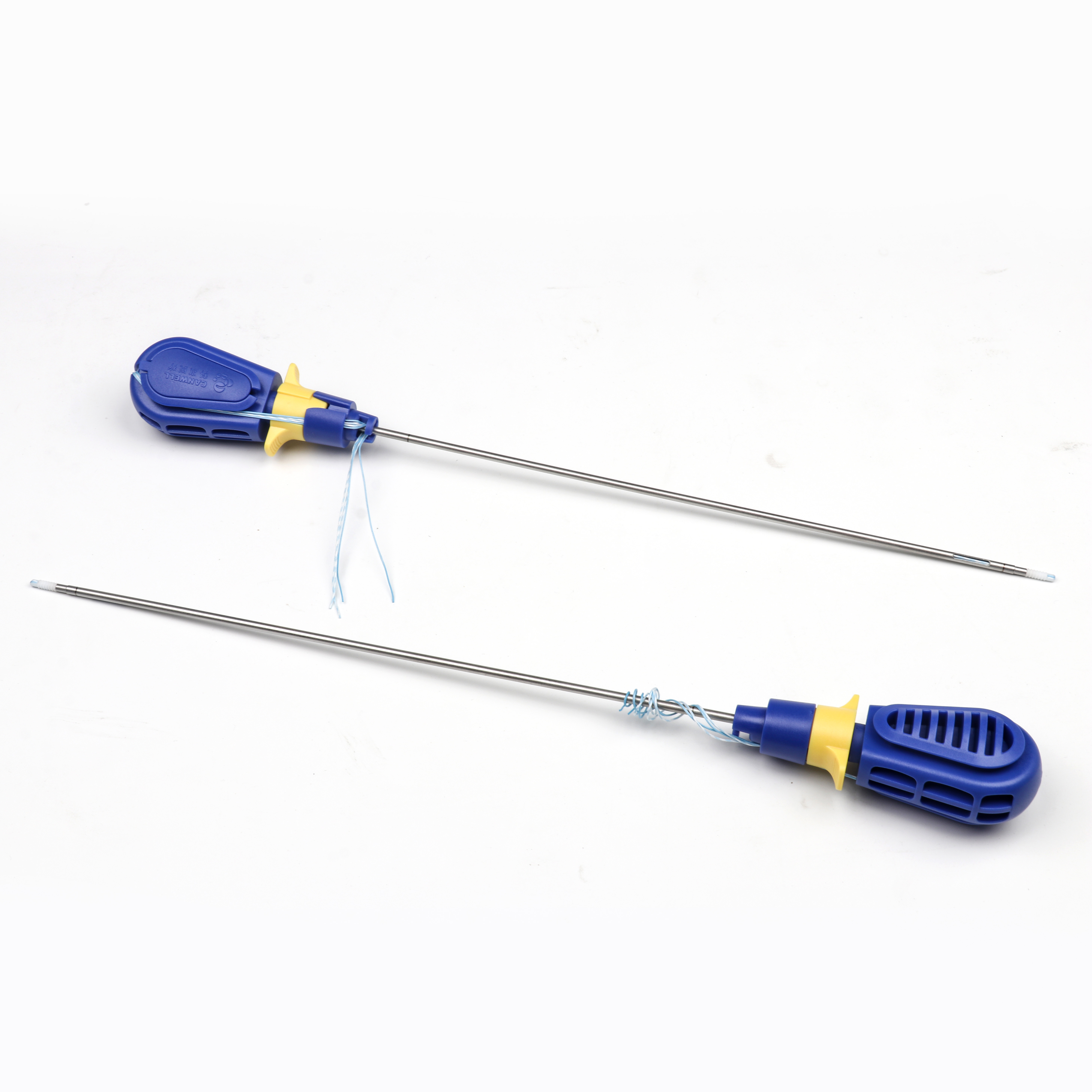
Precision-engineered bone preparation tools, trauma locking implants, and cannulated reamer systems designed for extreme operational resilience.
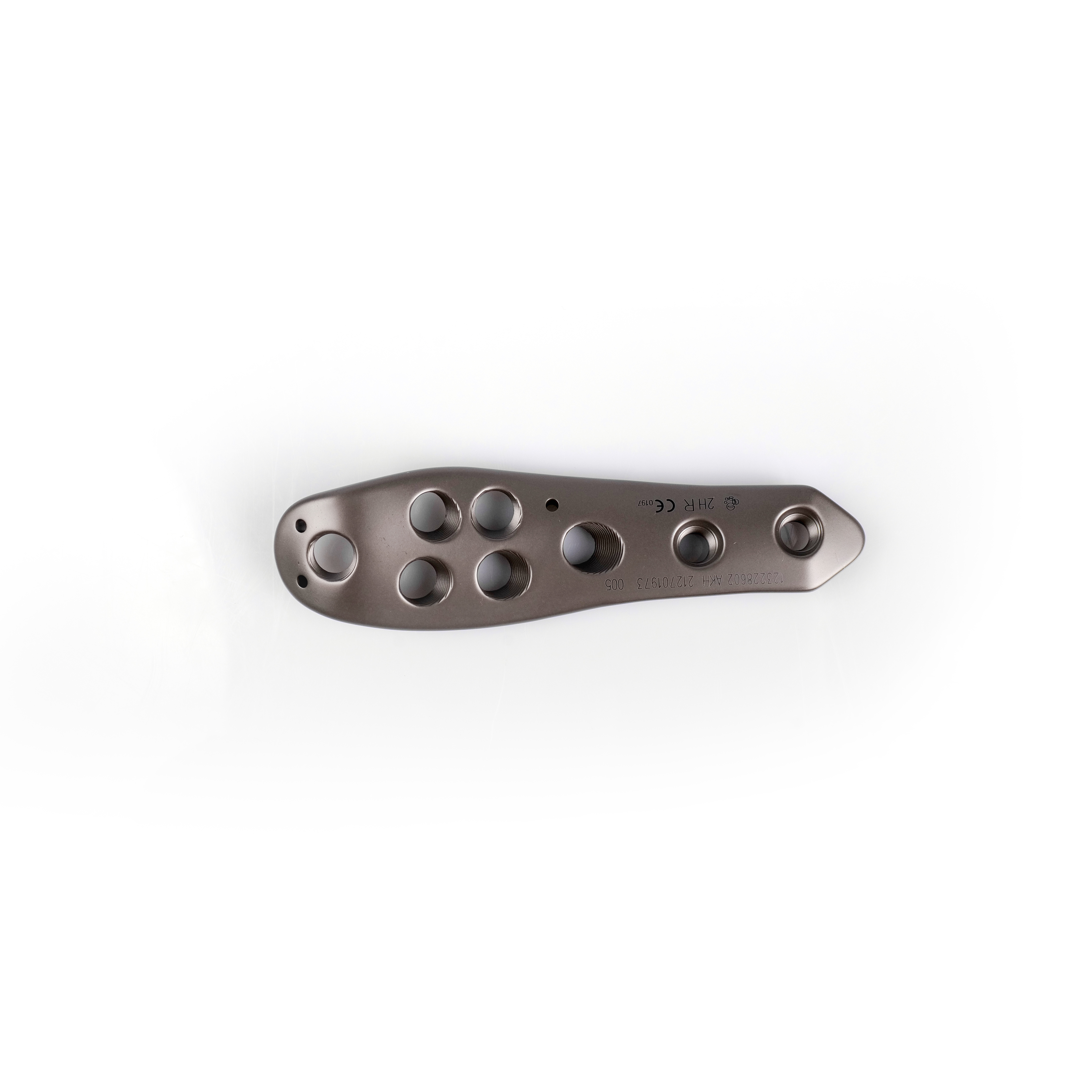
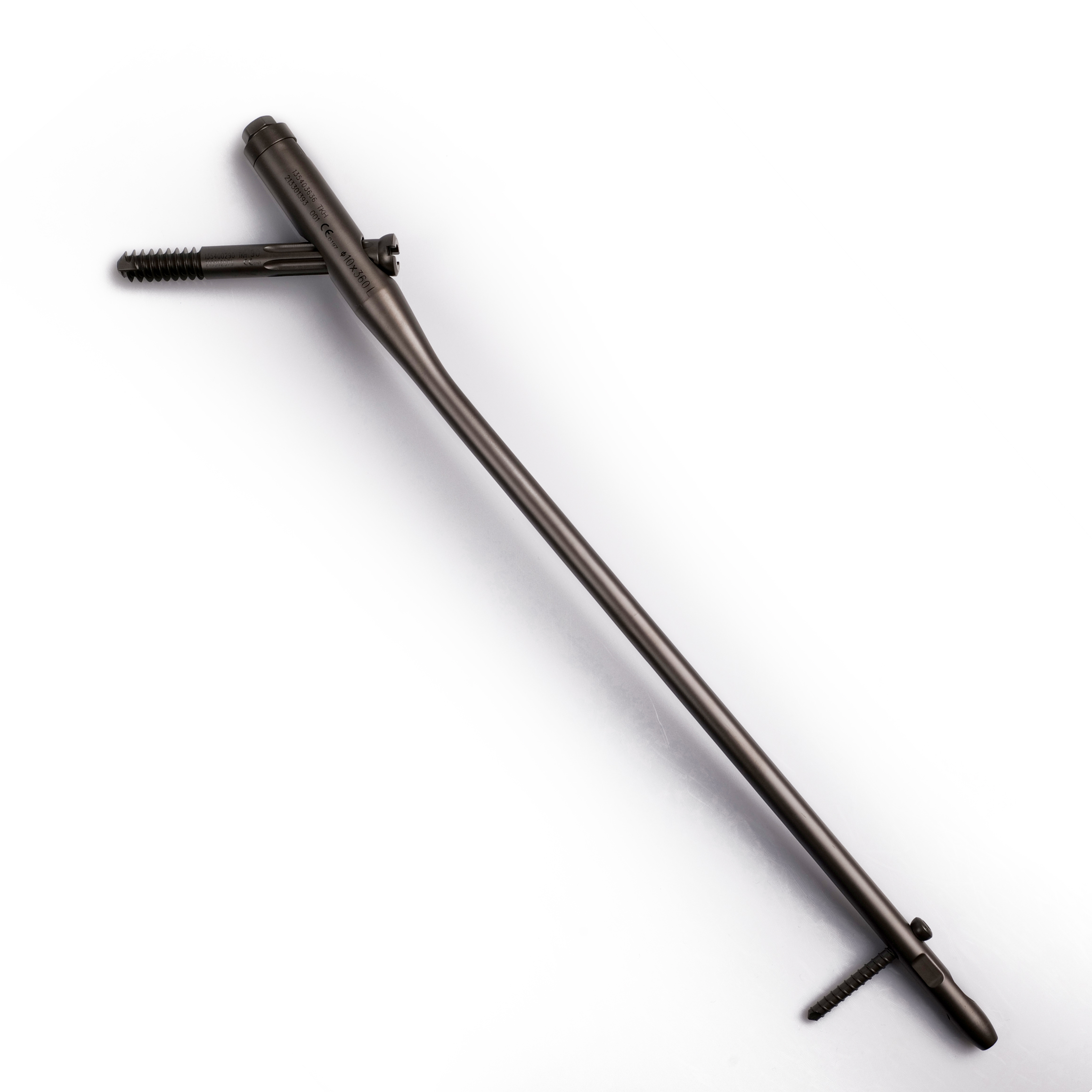
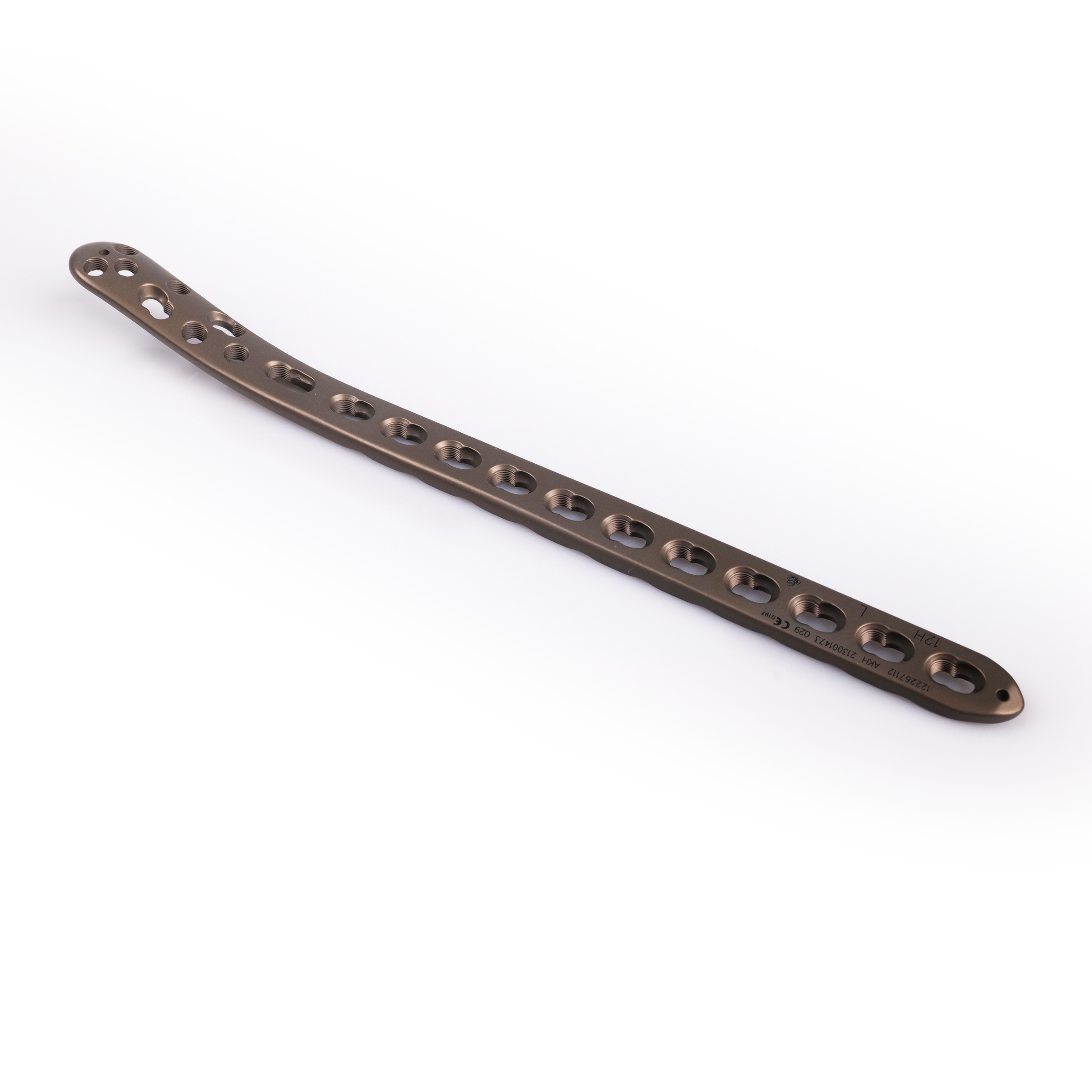
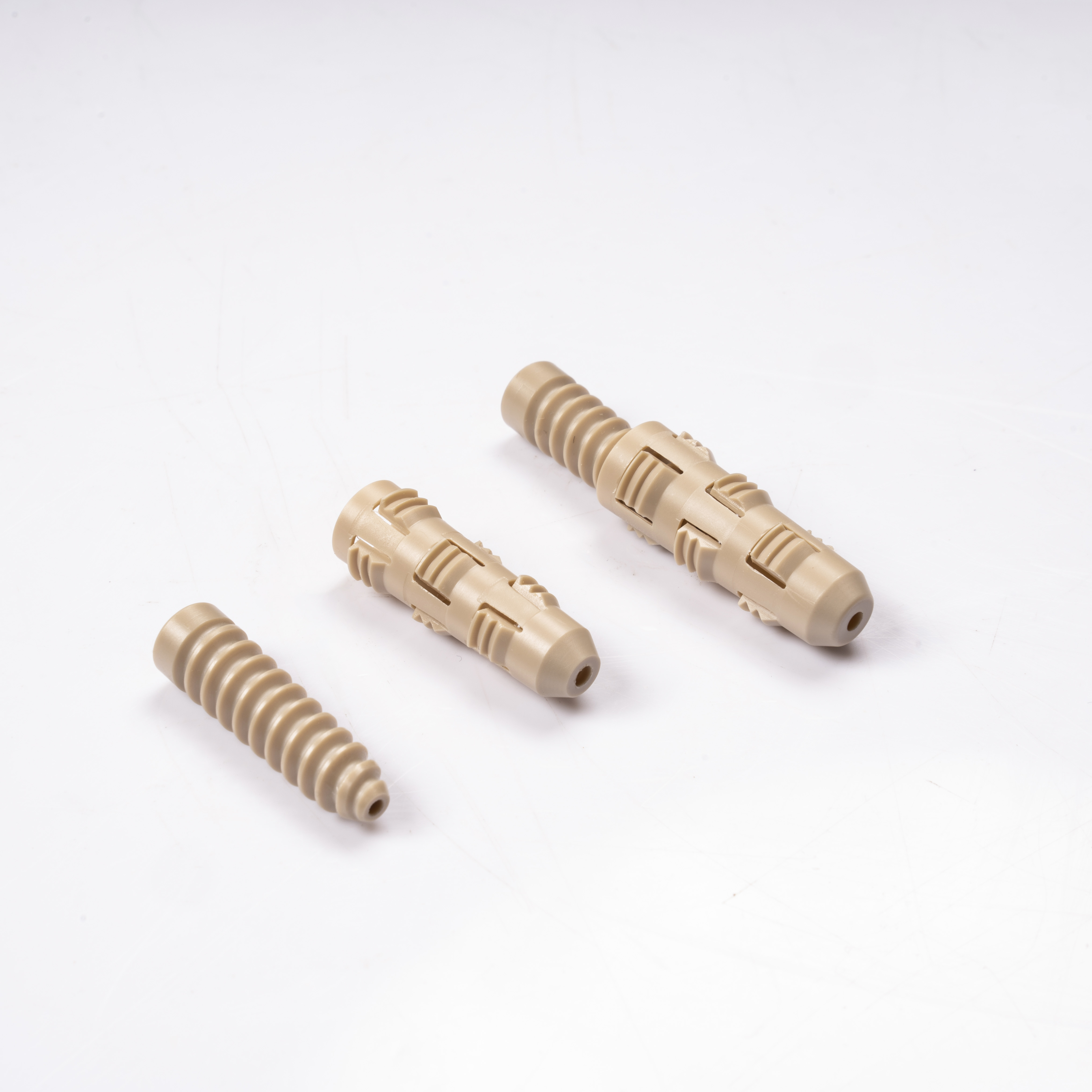
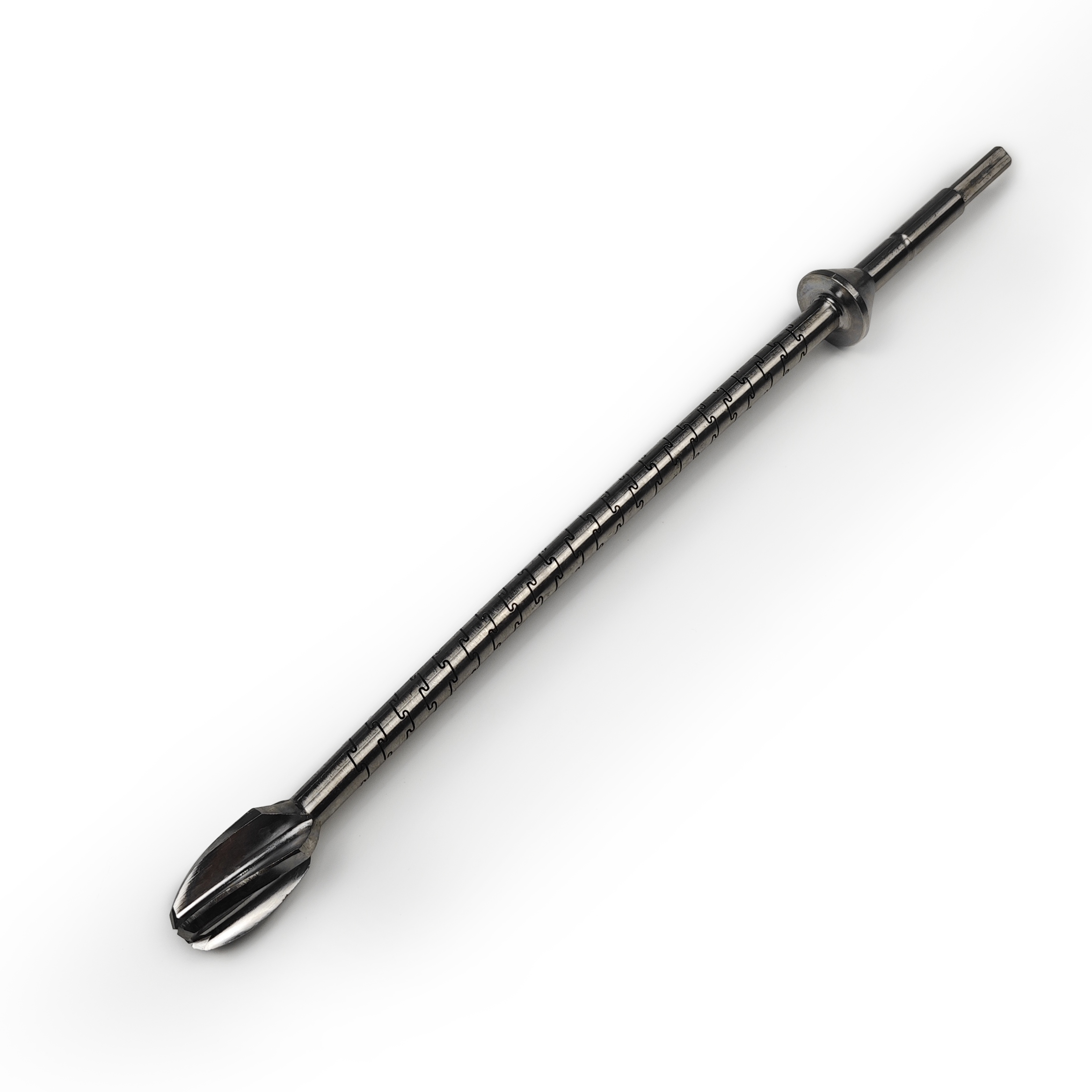
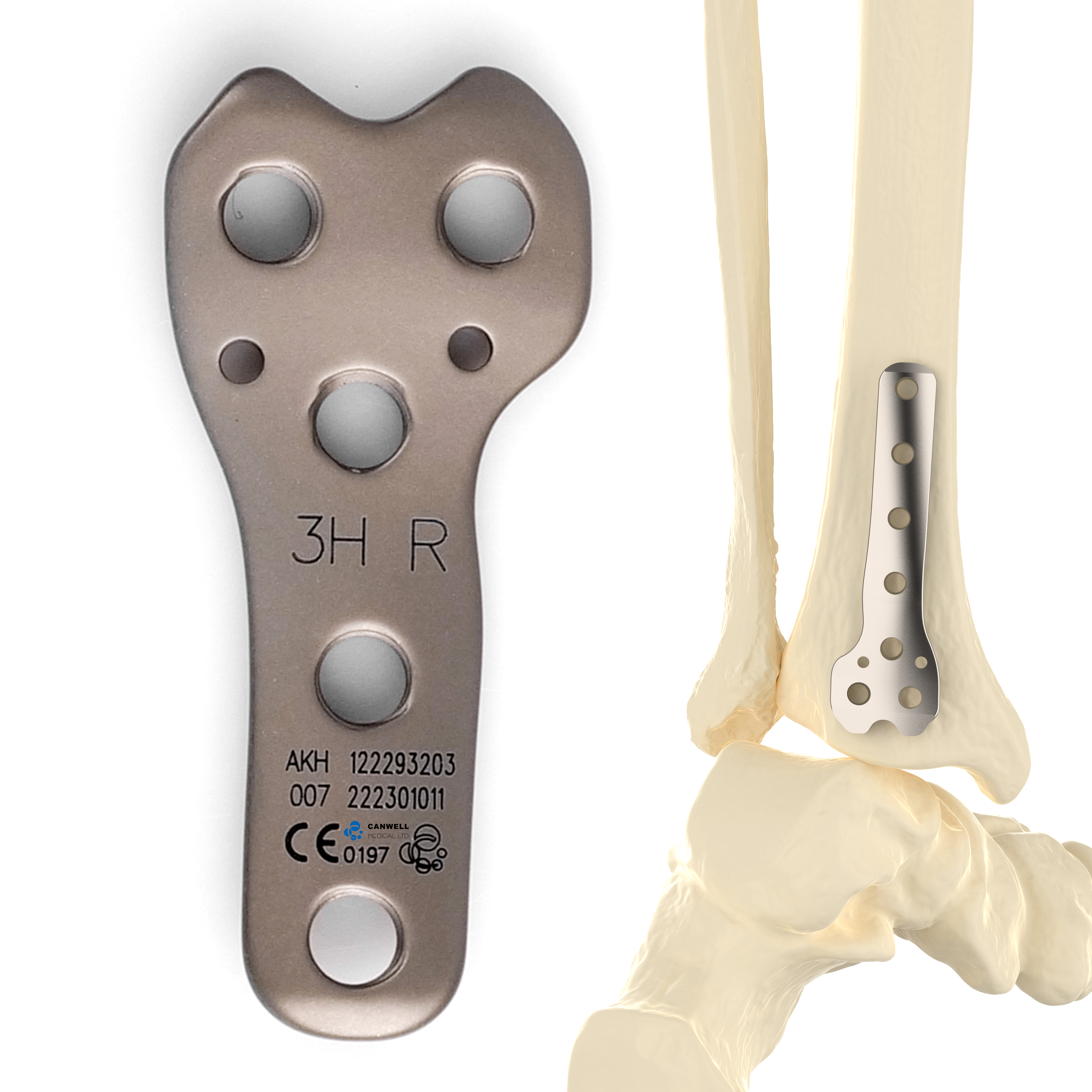
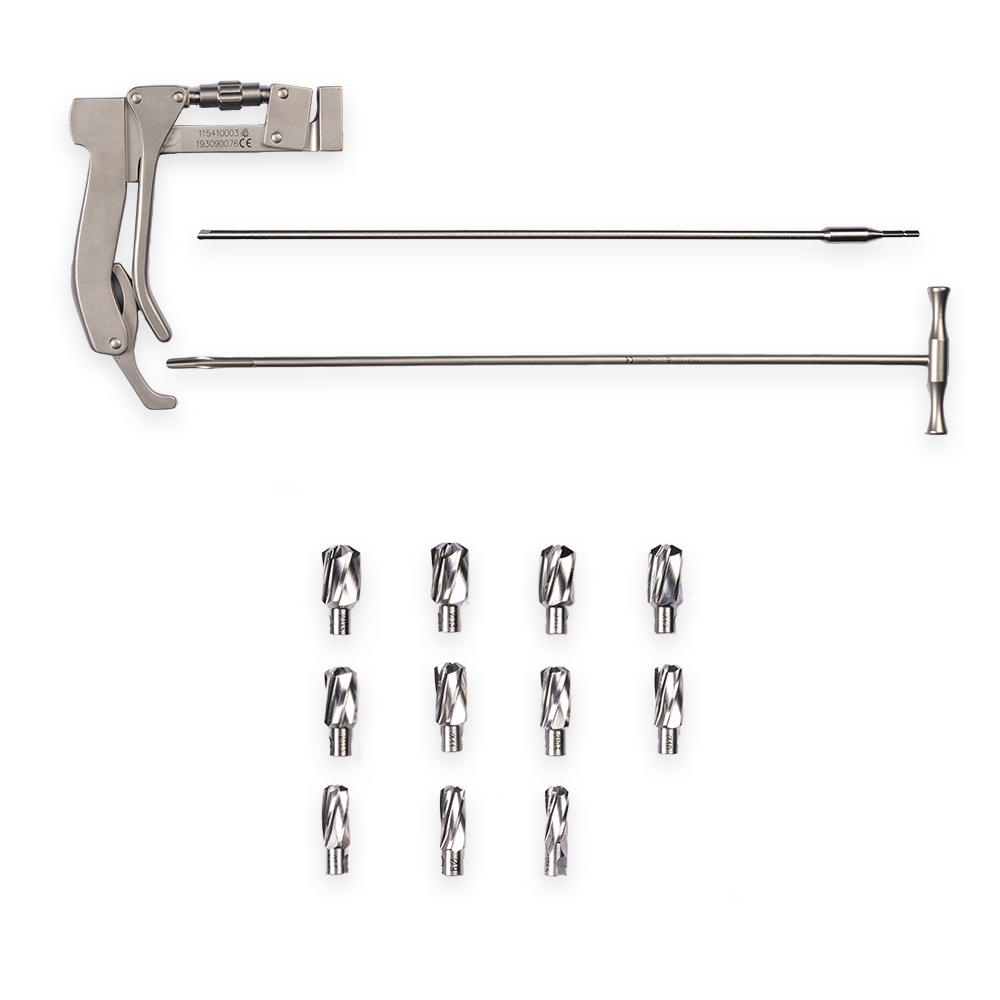
Continuous surgical instrument machining & clinical R&D
Dedicated bio-engineers, metallurgists, and QA technicians
Multi-axis CNC centers, passivation lines & cleanrooms
Laser etching, non-destructive penetrant & batch testing
A comprehensive analysis of metallurgical integrity, micro-geometry tooth configuration, and biomechanical precision demanded by modern arthroplasty and trauma reconstruction.
In modern orthopedic surgery, the mechanical preparation of the diaphyseal and metaphyseal intramedullary canal is pivotal to ensuring the primary biological fixation and secondary osseointegration of prosthetic stems and interlocking osteosynthesis devices. Bone rasps (also termed surgical broaches) represent the frontline mechanical interface between surgeon and cortical bone. Within surgical theaters across Latin America—and particularly in Venezuela's specialized trauma and reconstructive sectors—the demand for ultra-durable, surgically precise rasps has surged. A subpar broach compromises bone stock through thermal necrosis, uneven hoop stresses, micro-fractures, or debris deposition. Conversely, high-precision bone rasps manufactured from precipitation-hardened martensitic stainless steel (such as AISI 420 Mod, 17-4PH / DIN 1.4542) or biocompatible titanium alloys (Ti-6Al-4V ELI) ensure progressive, uniform cancellous bone compacting and controlled corticocancellous clearance.
For Venezuelan orthopedic procurement directors, hospitals, and biomedical importers navigating supply constraints, selecting dependable manufacturing partners requires evaluating strict manufacturing parameters: edge retention after multiple autoclave cycles, passivation integrity against harsh enzymatic decontaminants, and precise quick-coupling modularity with ergonomic extraction handles. INAR Medical delivers this level of uncompromising engineering by executing high-precision 5-axis CNC wire-EDM cutting, computer-controlled abrasive surface treatment, and validated multi-stage passivation that surpasses ASTM F899 standards for surgical instruments.
Engineered broaching instruments customized for total hip arthroplasty (THA), shoulder hemiarthroplasty, and trauma revision cases.
Engineered specifically for cementless tapered wedge and collared hip stems. Features bi-directional lateral tooth pitch that facilitates true cancellous bone compaction rather than aggressive bone removal, maximizing initial axial and torsional implant stability.
Calibrated for reverse and anatomic shoulder arthroplasty. Features progressive low-profile proximal fluting and integrated laser-etched anatomical resection depth landmarks, guaranteeing predictable seating in compromised osteopenic bone matrices.
Extended-length cylindrical and fluted geometries designed to clear sclerotic bone, distal fibrous sheaths, and residual polymethylmethacrylate (PMMA) cement mantles during complex revision hip arthroplasties and periprosthetic fractures.
Navigating the complex operational landscape across public hospitals (IVSS), military healthcare networks, and elite private clinics in Caracas, Maracaibo, and Valencia.
The Venezuelan healthcare ecosystem exhibits unique operational circumstances. In metropolitan centers like Caracas (Distrito Capital), Maracaibo (Zulia), and Valencia (Carabobo), clinical procurement operates across a bifurcated market: the public sector—overseen by the Ministerio del Poder Popular para la Salud (MPPS) and the Instituto Venezolano de los Seguros Sociales (IVSS)—and an agile private healthcare system comprising private clinics (clínicas privadas) and independent surgical centers. Due to historic macroeconomic fluctuations and currency liquidity constraints, surgical instrumentation supplied to Venezuela must exhibit far greater resistance to aggressive chemical sterilization cycles and repeated thermal autoclaving than sets destined for markets with single-use turnover regimes.
| Healthcare Segment | Primary Clinical Applications | Predominant Procurement Priorities | Instrument Compatibility Needs |
|---|---|---|---|
| Public Sector (IVSS & MPPS Tenders) | High-energy trauma reconstructions, complex fracture non-unions, high-volume femoral shaft stabilizations. | Extreme re-sterilization endurance, multi-system modularity, competitive FOB pricing, complete regulatory dossiers. | Universal quick-coupling adapters, AO-type connectors, compatibility with legacy reaming shafts. |
| Private Arthroplasty Clinics | Primary cementless total hip arthroplasty (THA), total knee reconstruction, sports injury revision. | Micron-level anatomical broach tolerances, titanium plasma compatibility, minimal intraoperative bone loss. | Proprietary locking broach handles, modular calcar cutters, high-visibility electro-etched depth gauges. |
| Military & Regional Trauma Centers | Blast injuries, ballistic trauma, complex multi-fragmentary distal tibia and femoral open fractures. | High fracture toughness steel (17-4PH), zero corrosion pitting under heavy use, rapid supply lead-times. | Ergonomic slap-hammers, reinforced strike plates, quick-release locking mechanisms. |
Furthermore, Venezuelan surgical teams frequently confront high volumes of road-traffic trauma (predominantly motorcycle incidents) requiring urgent intramedullary stabilization. Surgical broaches and bone rasps utilized in these procedures must maintain razor-sharp cutting ridges without chipping or shedding micro-particulates into the medullary space. In response, INAR Medical implements cryogenic temper hardening processes that achieve a surface hardness of HRC 52–56, providing unmatched wear resistance under heavy manual or pneumatic mallet impaction.
Key economic and regulatory shifts impacting medical device importation, inventory strategies, and surgical technology integration.
Venezuelan commercial distributors and private hospital syndicates increasingly bypass third-party regional brokers in Miami or Panama, establishing direct relationships with verified Chinese OEMs to eliminate markups and optimize import margins.
Registration via the Servicio Autónomo de Contraloría Sanitaria (SACS) demands verified Free Sale Certificates (FSC), ISO 13485:2016 accreditation, and CE conformity declarations under EU MDR/MDD. Uncertified manufacturers face total market exclusion.
Hospitals are consolidating inventories away from locked proprietary instrument sets. Procurement leads demand universal broach handles and quick-release connector shafts compatible with multiple implant systems, lowering overall capital expenditure.
With private healthcare capturing expanding insured and out-of-pocket patient bases in Caracas and Barquisimeto, private surgical networks are upgrading instrument quality to match international joint replacement clinical standards.
Decades of manufacturing discipline, certified production scale, and exhaustive regulatory documentation support global orthopedic brands and regional distributors.
Over two decades dedicated solely to orthopedic implants, specialized instrumentation, trauma locking systems, and spine devices.
Our expansive 29,523 m² production facility has undergone complete physical on-site supplier verification and validation by SGS.
Compliant with international regulatory frameworks, supporting seamless registration with Venezuelan SACS authorities.
From raw titanium and surgical stainless bar inspection to wire-EDM broaching, passivation, ultrasonic cleaning, and cleanroom packing.
Custom broach geometry, custom laser markings, localized Spanish packaging, and customized sterilization trays built to hospital specifications.
Addressing the technical, regulatory, shipping, and financial questions essential for successful importation into Venezuela.