Engineering High-Fidelity Bone Preparation Systems for Modern Orthopedics
A comprehensive clinical, metallurgical, and supply-chain overview designed for surgical procurement directors, medical device distributors, and orthopedic department heads in Caracas and the wider Venezuelan healthcare infrastructure.
Featured Orthopedic Trauma Fixation & Surgical Instrumentation
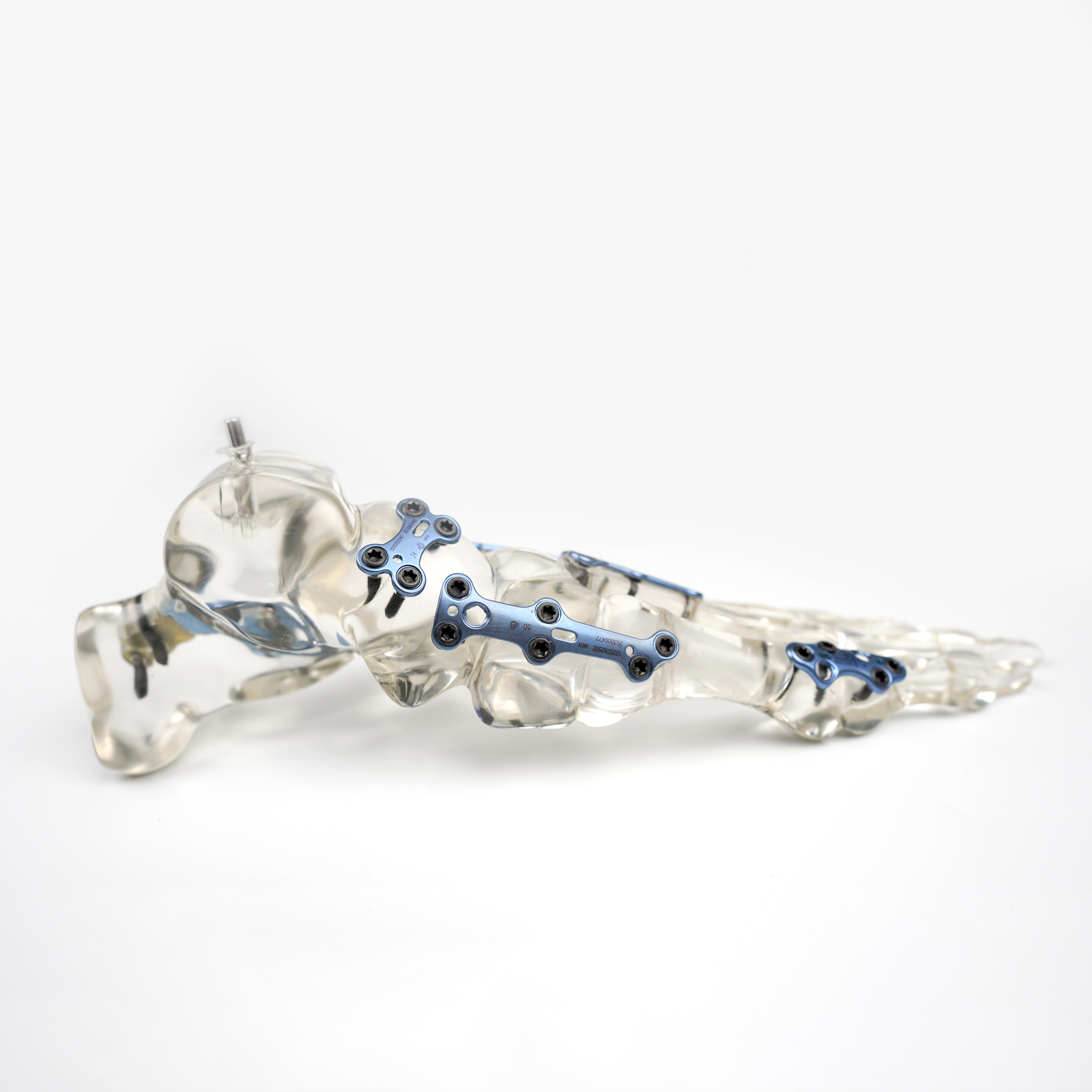
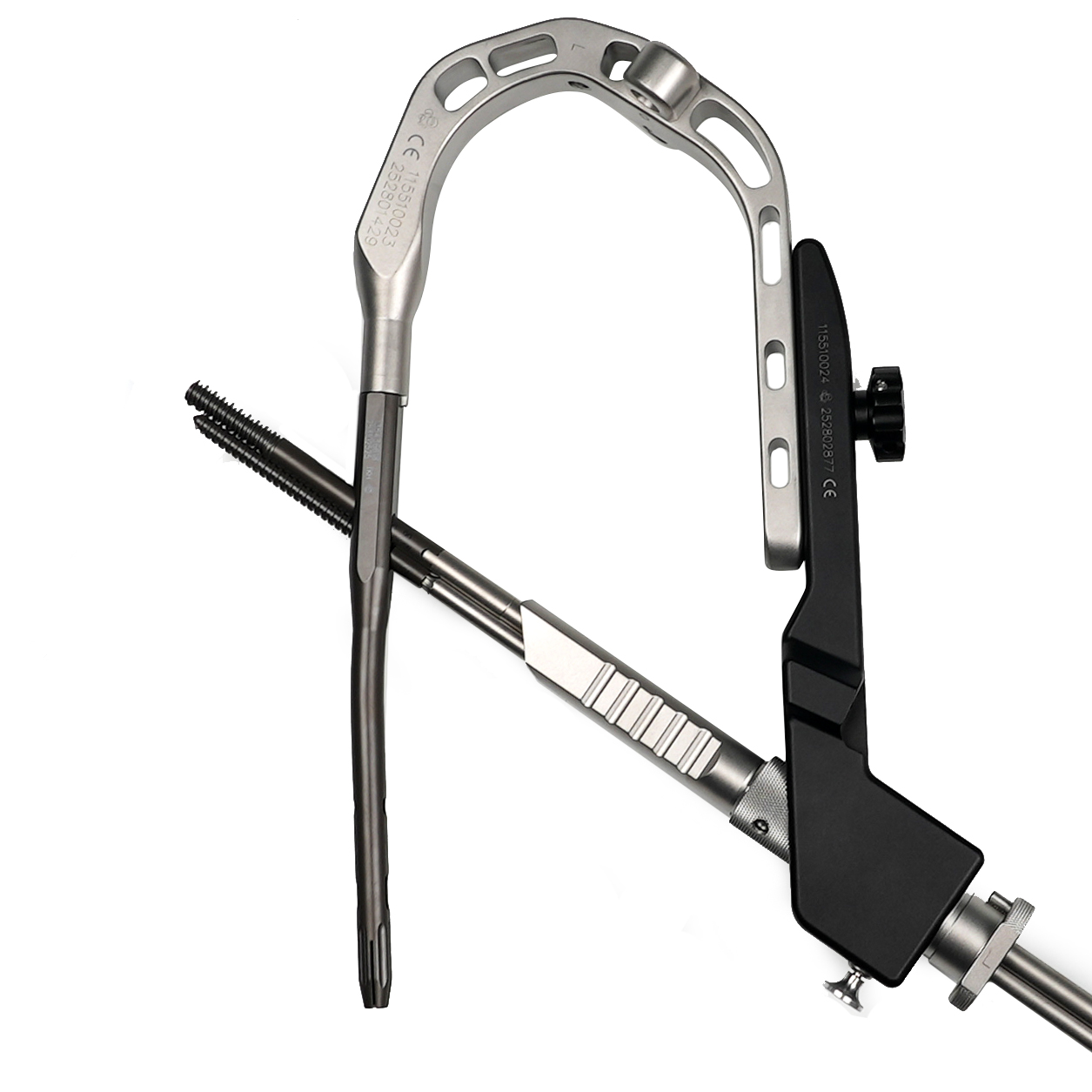
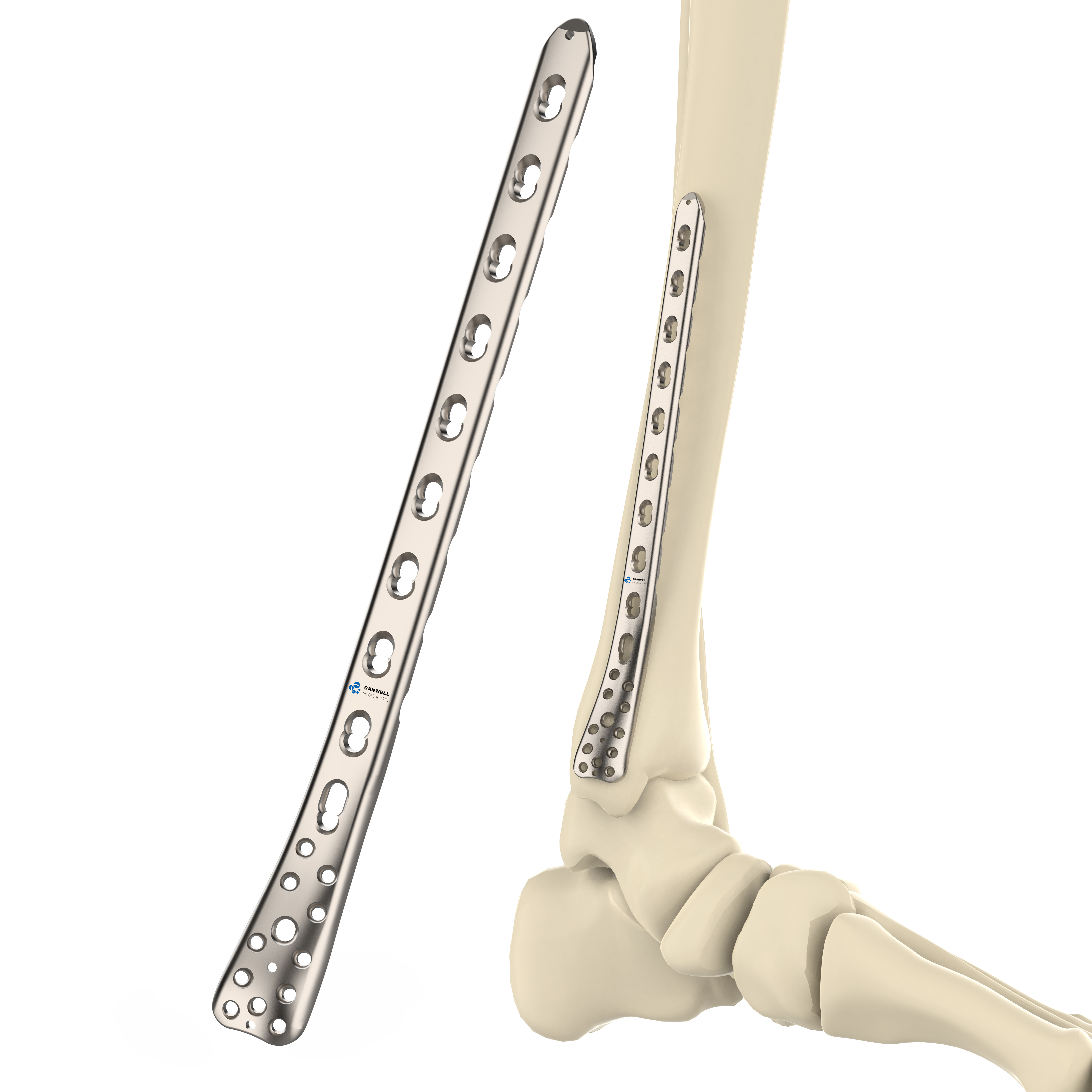
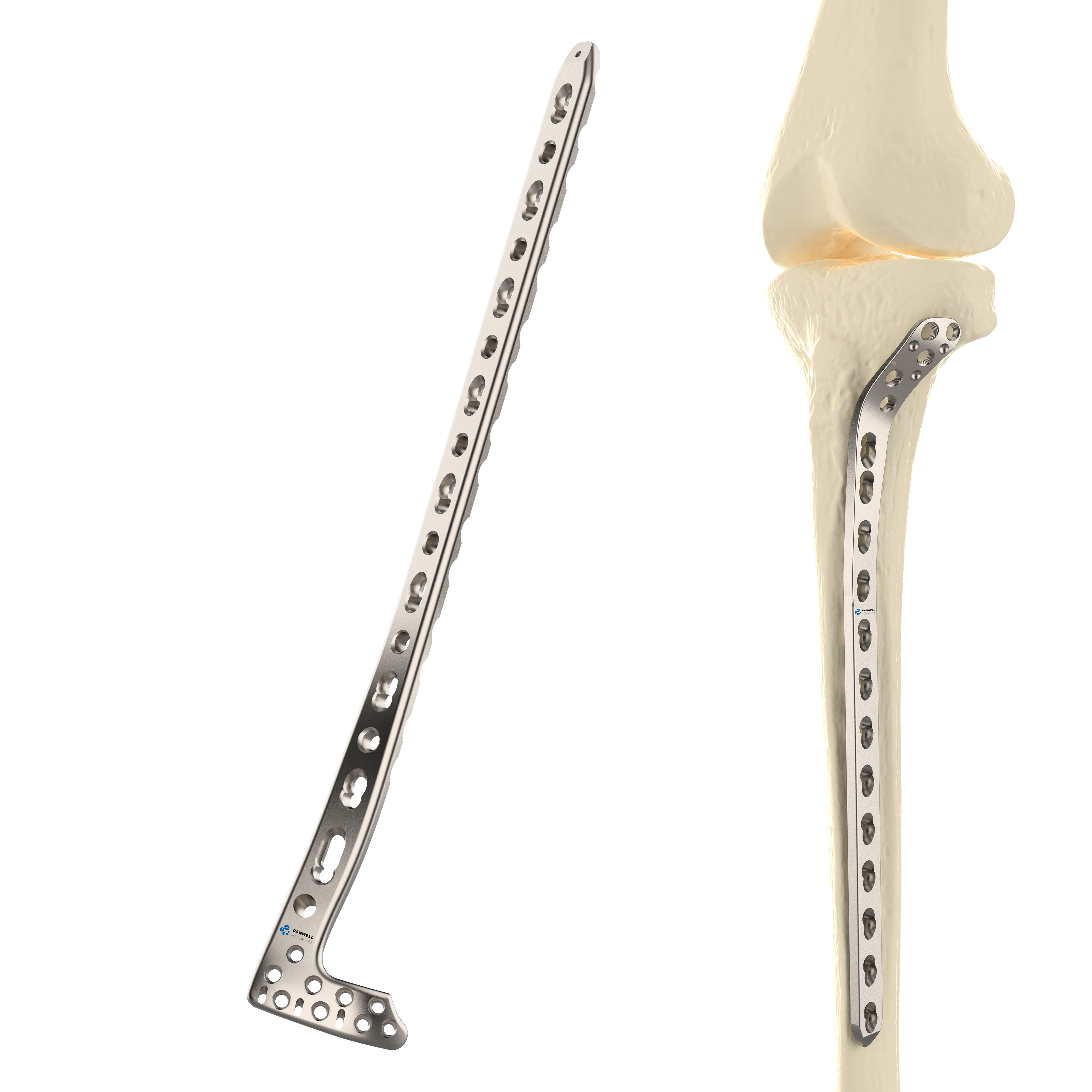
Explore our SGS-verified, CE-certified orthopedic systems designed to integrate seamlessly alongside surgical bone preparation procedures.
Clinical Anatomy, Metallurgy & Tribology of Surgical Bone Rasps
In modern orthopedic reconstructive surgery and complex traumatology, the bone rasp serves as a pivotal bridge between gross bone resection and micrometric prosthetic fixation. Operating in the delicate micro-environment of subchondral and cancellous trabeculae, bone rasps—ranging from curved metacarpal rasps, Cottle and Joseph nasal-maxillofacial rasps, to heavy-duty intramedullary canal rasps—must achieve controlled osseous contouring without inducing thermal osteonecrosis or micro-fracturing adjacent bone architecture.
From a metallurgical perspective, our surgical rasps are constructed from vacuum-hardened martensitic surgical stainless steels (such as AISI 420B, 440A, and custom 17-4 PH precipitation-hardened alloys) subjected to multi-stage sub-zero cryogenic stabilization. This heat treatment produces a core hardness ranging between 52 and 56 HRC. Such structural rigidity ensures that toothed cutting edges maintain razor-sharp geodetic profiles even when shaping dense sclerotic bone tissue, preventing microscopic edge rolling or metallic chipping that could compromise patient safety.
Furthermore, tooth geometry is engineered utilizing precision five-axis wire-EDM (Electrical Discharge Machining) and multi-directional laser milling. By maintaining cutting tooth pitch, clearance angles, and dual-direction escape flutes, our rasps channel bone morcellation debris outward away from the surgical field. This design actively reduces frictional drag, limits localized intraosseous temperatures well below the critical 47°C enzymatic necrosis threshold, and accelerates patient recovery through intact peri-implant osteoblast viability.
Passivated Corrosion Shield
Each instrument undergoes electropolishing followed by nitric/citric acid passivation, generating a chromium-dense oxide boundary layer that endures repeated autoclave cycles.
Anti-Clogging Tooth Flutes
Micro-grooved debris relief troughs prevent bone sludge accumulation, reducing excessive mechanical pressure during axial rasping passes.
Ergonomic Force Vectoring
Handles crafted with weight-relieved ergonomic contours enable surgeons to tactilely differentiate between soft cancellous pockets and dense cortical margins.
Localized Application Scenarios in Caracas Healthcare Network
The surgical environment within the Capital District of Caracas presents specific demographic, clinical, and logistical challenges. Procurement managers across institutions such as Hospital Universitario de Caracas (HUC), Centro Médico Docente La Trinidad, Hospital Dr. Domingo Luciani, and Clínica El Ávila navigate an intense demand profile characterized by heavy polytrauma triage alongside an expanding burden of elective joint reconstruction.
Public Traumatology & Emergency Hubs
- Polytrauma High-Energy Bone Preparation: Severe motorcycle and automotive collision traumas treated in El Llanito and Central Caracas require rapid bone debridement, sharp callous contouring, and cortical evening prior to distal tibia or femoral interlocking nail insertion.
- High-Throughput Autoclave Durability: Heavy surgical rosters in tertiary public emergency departments require instruments with superior resistance against chemical pitting, hard hospital water degradation, and aggressive flash sterilization routines.
- Cost-Effective Modularity: Standardized rasps compatible with universally available handle mounts reduce per-procedure instrument kit acquisition costs for public tenders.
Private Medical Centers & Orthopedic Clinics
- Elective Arthroplasty Preparation: Sub-millimetric canal reaming and broaching in total hip, knee, and shoulder arthroplasty procedures requiring precise implant press-fit stability.
- Maxillofacial & Reconstructive Surgery: Delicate nasal, zygomatic, and mandibular contouring following sports injuries or craniomaxillofacial reconstructive procedures.
- Hand & Foot Micro-Rasps: Fine rasping systems utilized in distal radius osteotomies, metatarsal corrections, and ankle arthrodesis surgeries in premier private ambulatory surgical suites.
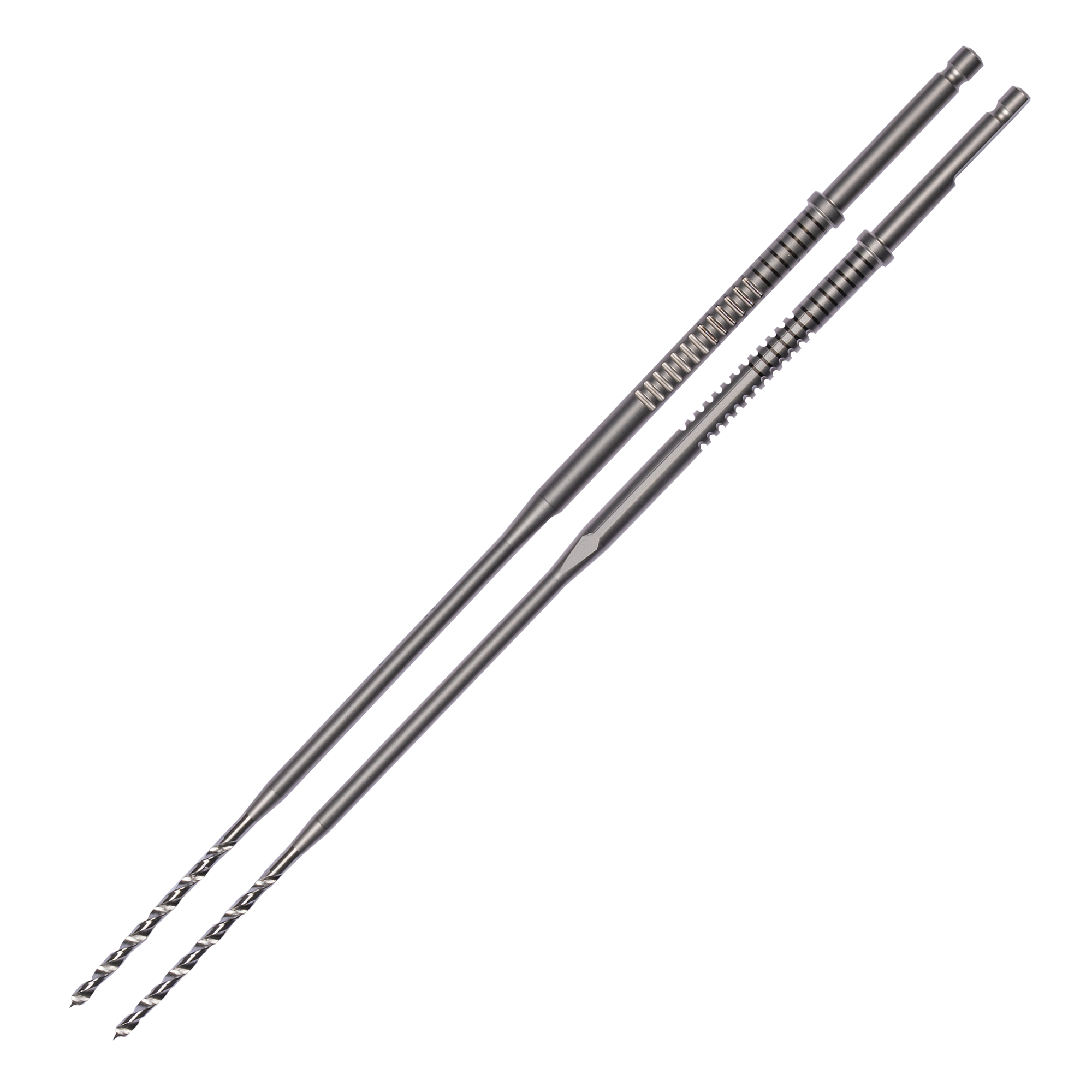
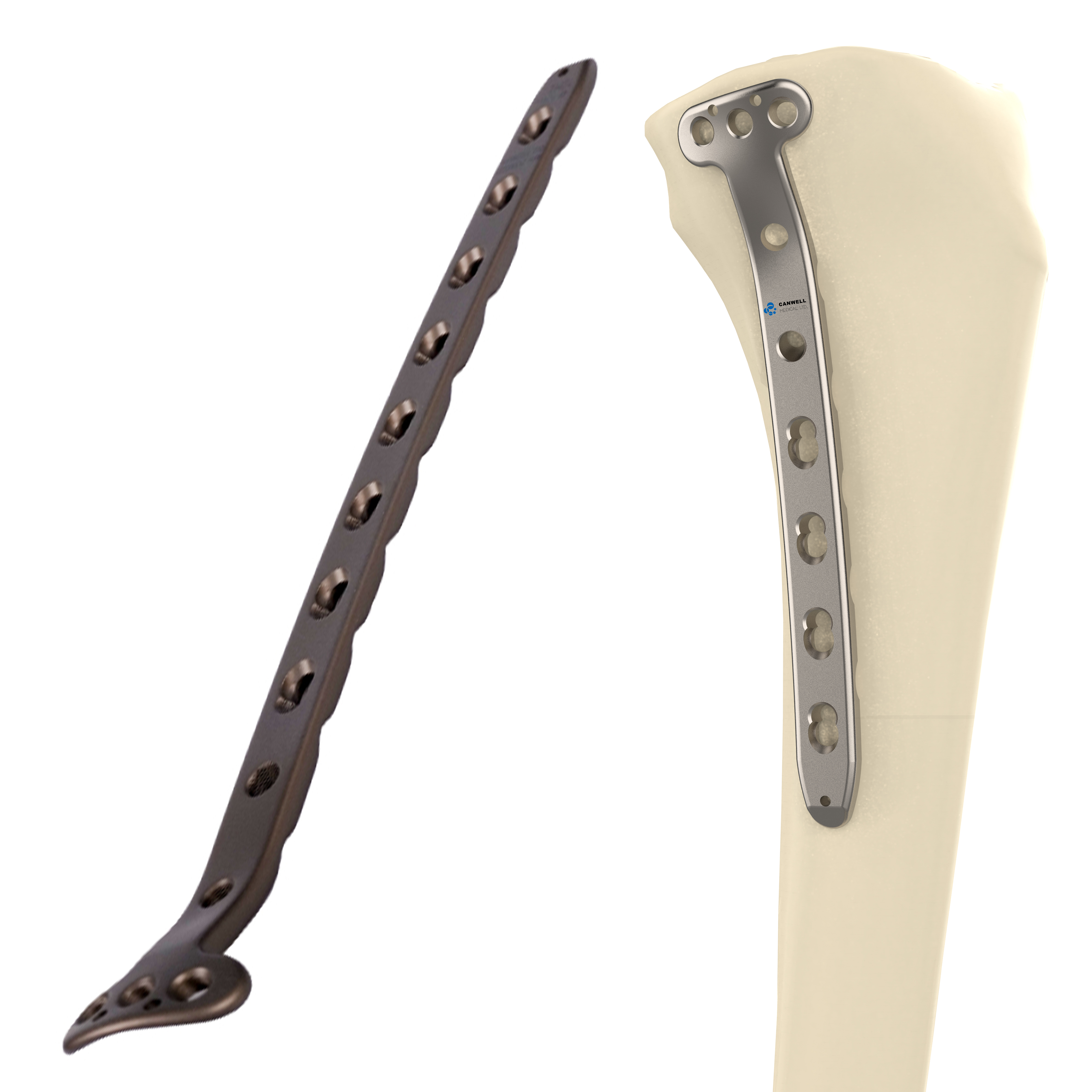
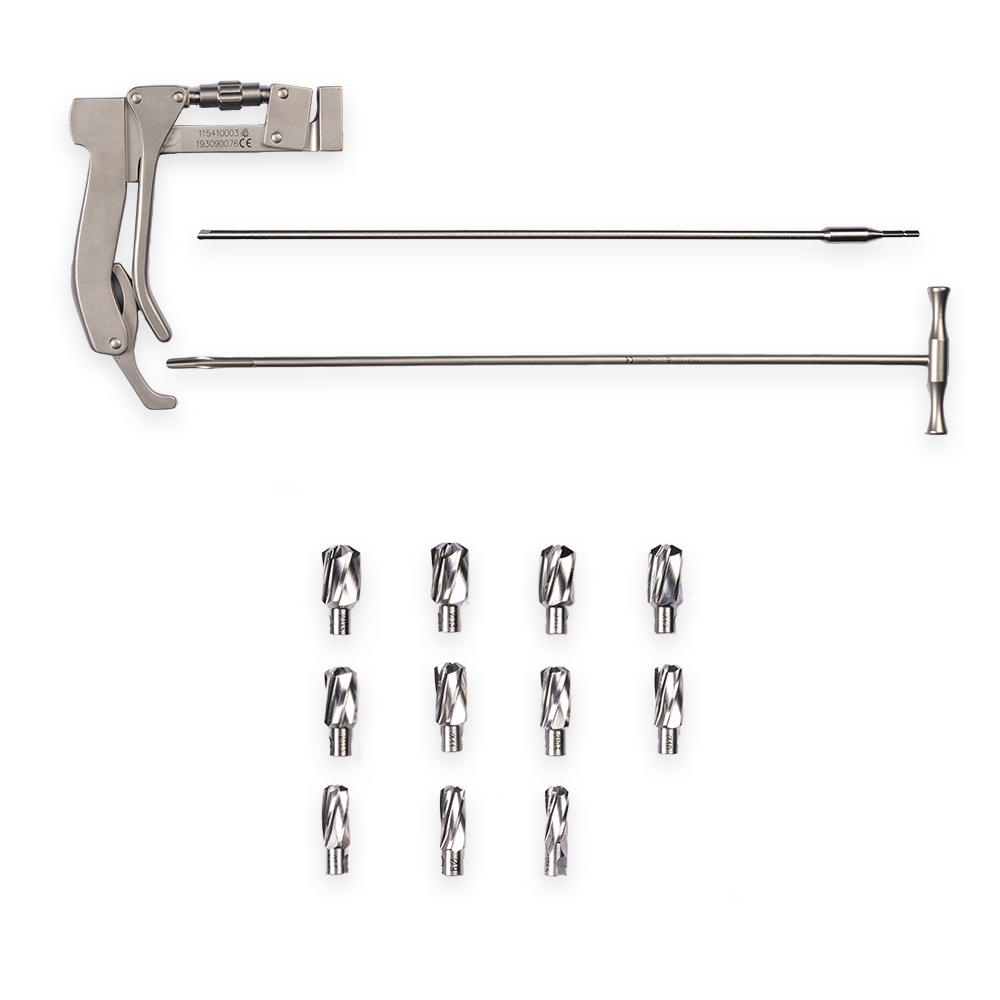
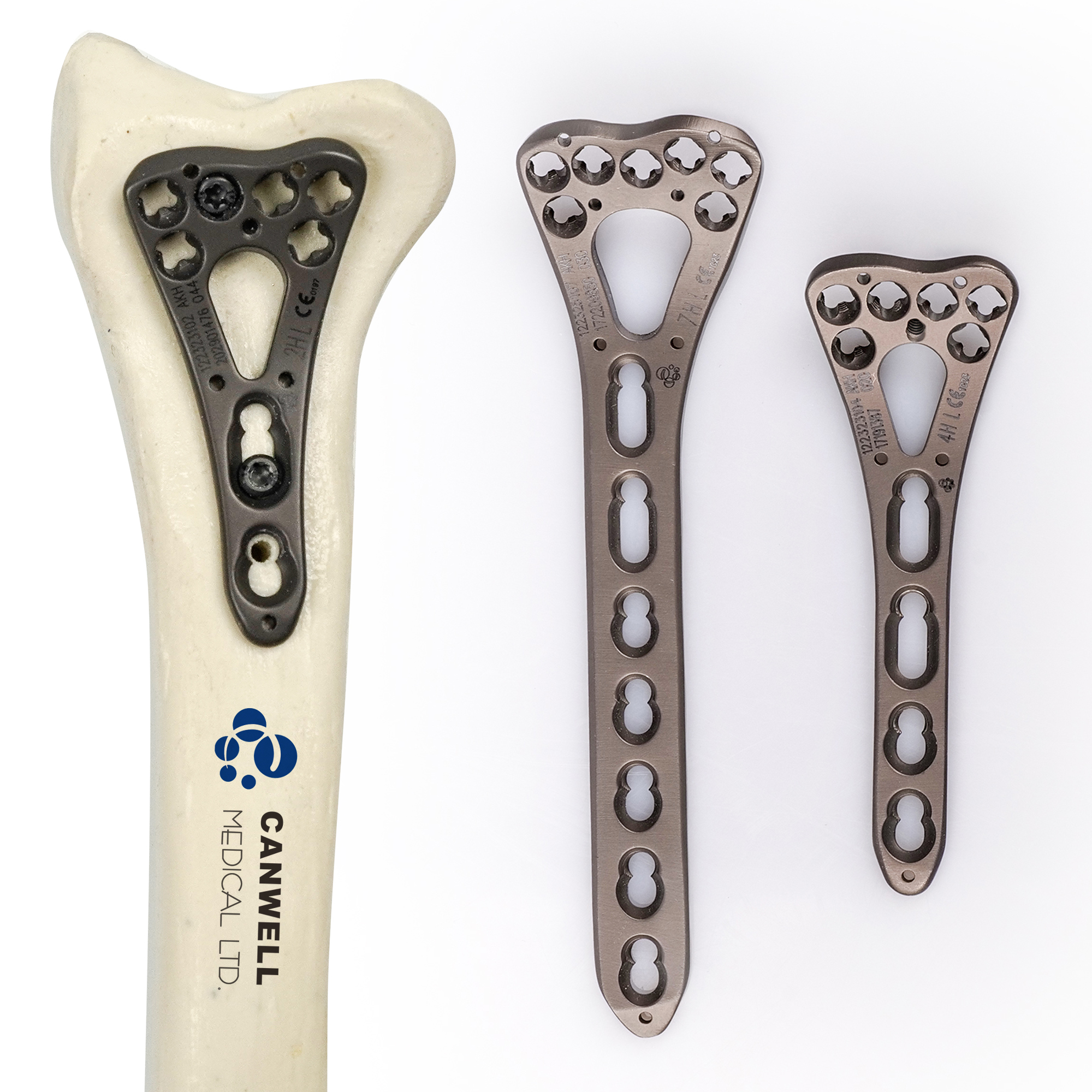
By integrating our rasp systems with compatible trauma fixation solutions—such as our Distal Tibial Low Profile Locking Plates and Intramedullary Flexible Reamer Sets—hospitals across Caracas can eliminate surgical discrepancies between cutting tool dimensions and implant geometry, fostering immediate post-operative stability and predictable callus bridging.
Orthopedic Procurement Trends in the Venezuelan Medical Market
The orthopedic device and surgical instrument landscape in Caracas is evolving rapidly under changing fiscal and institutional frameworks. Surgical suppliers and distributor networks are restructuring their procurement models around three distinct structural market trends:
1. Shift Toward Direct Manufacturer Sourcing & Supply-Chain Consolidation: Healthcare organizations in Caracas are moving away from multi-layered middleman markups across regional trading brokers in North America and the Caribbean. Direct strategic partnerships with verified manufacturers (OEM/ODM) like INAR Medical enable Venezuelan distributors to stabilize gross margins, secure predictable delivery schedules, and access comprehensive regulatory documentation.
2. Stringent Focus on Multi-Cycle Reusability & Longevity: Given historical budget constraints and foreign currency fluctuations, surgical directors in Caracas prioritize surgical hand tools capable of sustaining 200+ autoclave cycles without tooth degradation or chrome flaking. The total cost of ownership (TCO) has replaced initial purchase price as the primary benchmark during hospital procurement committee reviews.
3. Standardized Harmonization with International Regulatory Norms: Venezuelan regulatory authorities (including the Instituto Nacional de Higiene "Rafael Rangel") increasingly align their importation prerequisites with global standards. Importers require complete dossiers featuring CE declarations under EU MDR, ISO 13485:2016 certification, biocompatibility testing (ISO 10993), and independent third-party assessments (such as SGS Group onsite verification audits).
INAR Medical Enterprise Advantage: Controlled Precision Manufacturing
Backed by 22+ years of manufacturing specialization and a 632-member dedicated workforce, Zhejiang INAR Medical operates an integrated 29,523 m² production base. We do not outsource safety-critical operations. Every orthopedic instrument and implant progresses through our standardized, audited 13-stage manufacturing corridor:
Metallurgy & CNC
Medical-grade bar stock validation, Swiss longitudinal cutting, and 5-axis CNC micro-milling.
Finishing & Grinding
Robotic edge polishing, ultrasonic cavitation wash stage I, and micron-level profile grinding.
Surface Matrix
Controlled micro-sand-blasting, penetrant non-destructive testing, and titanium anodization.
Purification & OQC
Ultrasonic stage II degreasing and 100% CMM outgoing quality verification with batch logs.
Aseptic Cleanroom
Class 100,000 cleanroom packaging, protective casing, and climate-controlled export crating.
Our factory laboratory maintains independent dynamic endurance testers and accelerated packaging aging testers, validating that every batch supplied to our Latin American partners meets and exceeds global surgical expectations.
Frequently Asked Questions: Sourcing Bone Rasps & Instruments in Caracas
Clear, direct answers for local procurement specialists, hospital boards, and independent orthopedic distributors in Venezuela.
How are INAR bone rasps and surgical instruments protected during ocean or air transit to Caracas? +
Can you provide complete technical documentation for Venezuelan sanitary registration? +
Do you support customized OEM bone rasps matching existing hospital instrument sets in Caracas? +
What is the typical production and delivery lead time for orders bound for Venezuela? +
How does INAR guarantee consistent metallurgical performance over continuous sterilization? +
Request an Engineered Sourcing Plan for Caracas
Connect directly with our export engineering department to receive technical catalogs, compliance certifications, sample evaluations, or competitive institutional quotations.