Featured Orthopedic Implants & Instrument Systems
Precision-engineered medical devices supporting orthopedic trauma surgery, sports medicine reconstruction, and intramedullary canal preparation under stringent CE and ISO quality management systems.
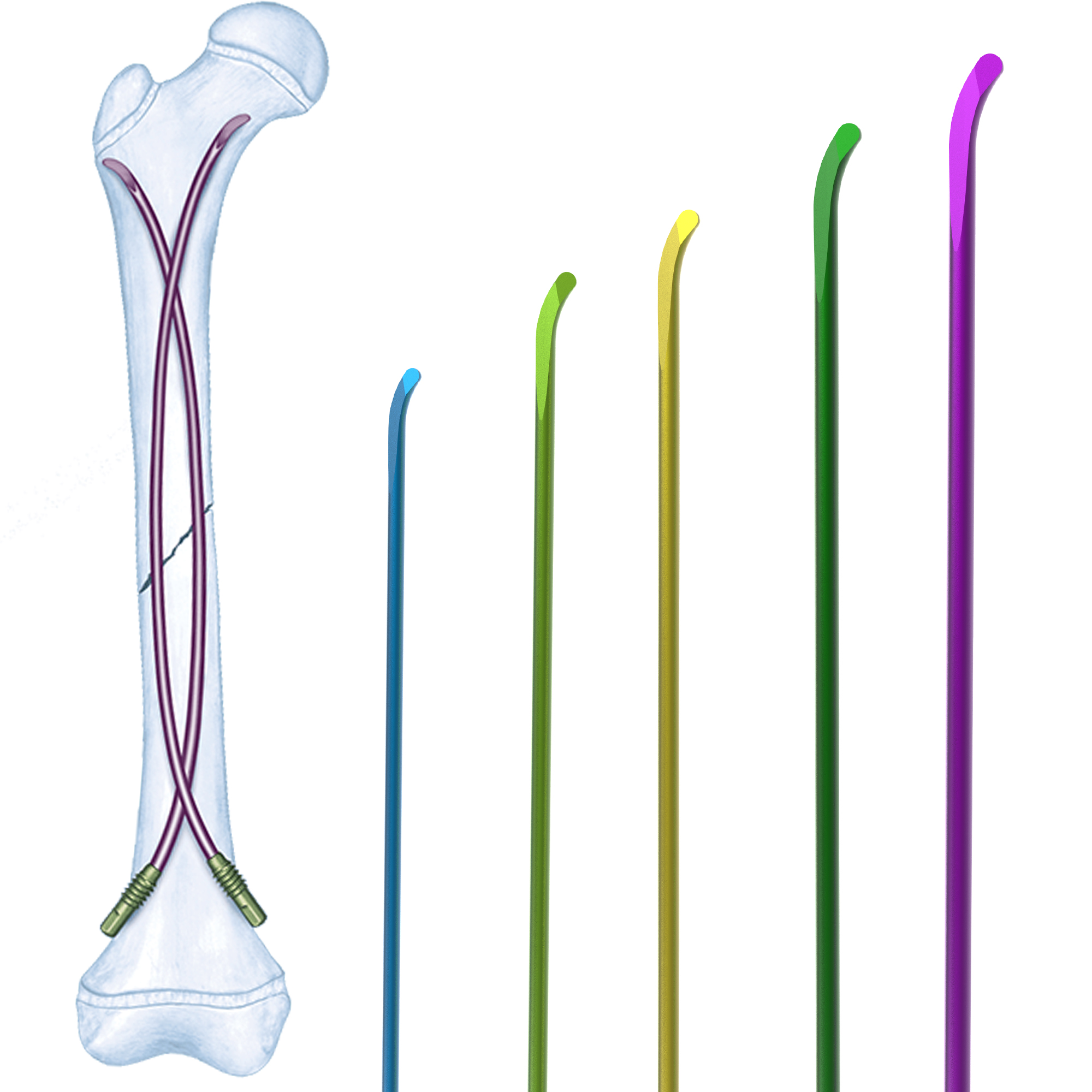
Canwell Titanium Elastic Stable Intramedullary Nail TEN Pediatric Orthopedic Implant Children Long Bone Fracture Fixation
Explore Specifications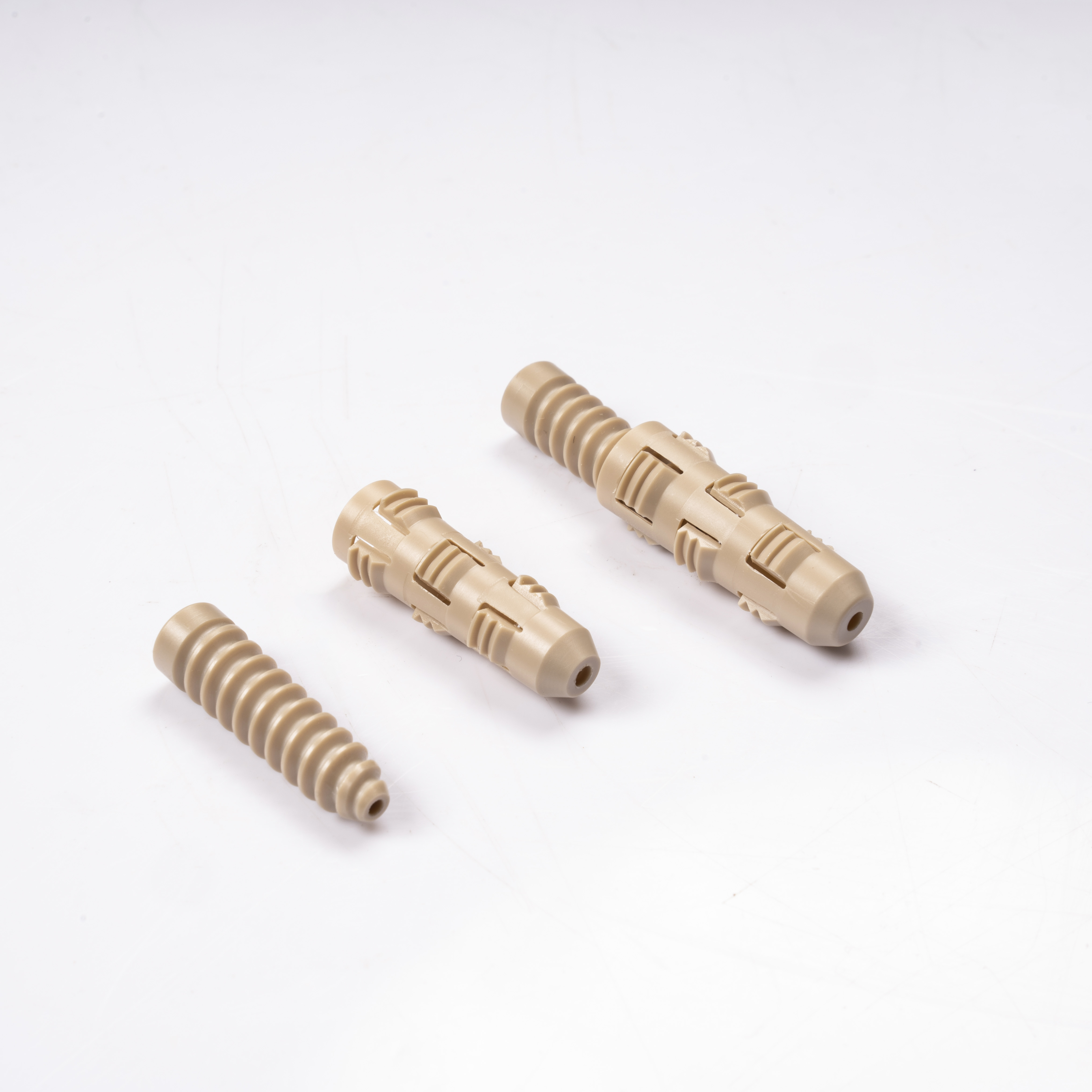
CANWELL Orthopedic Implants Sports Medicine ACL Reconstruction ACL PCL Arthroscopy Surgery Peek Interference Screw
Explore Specifications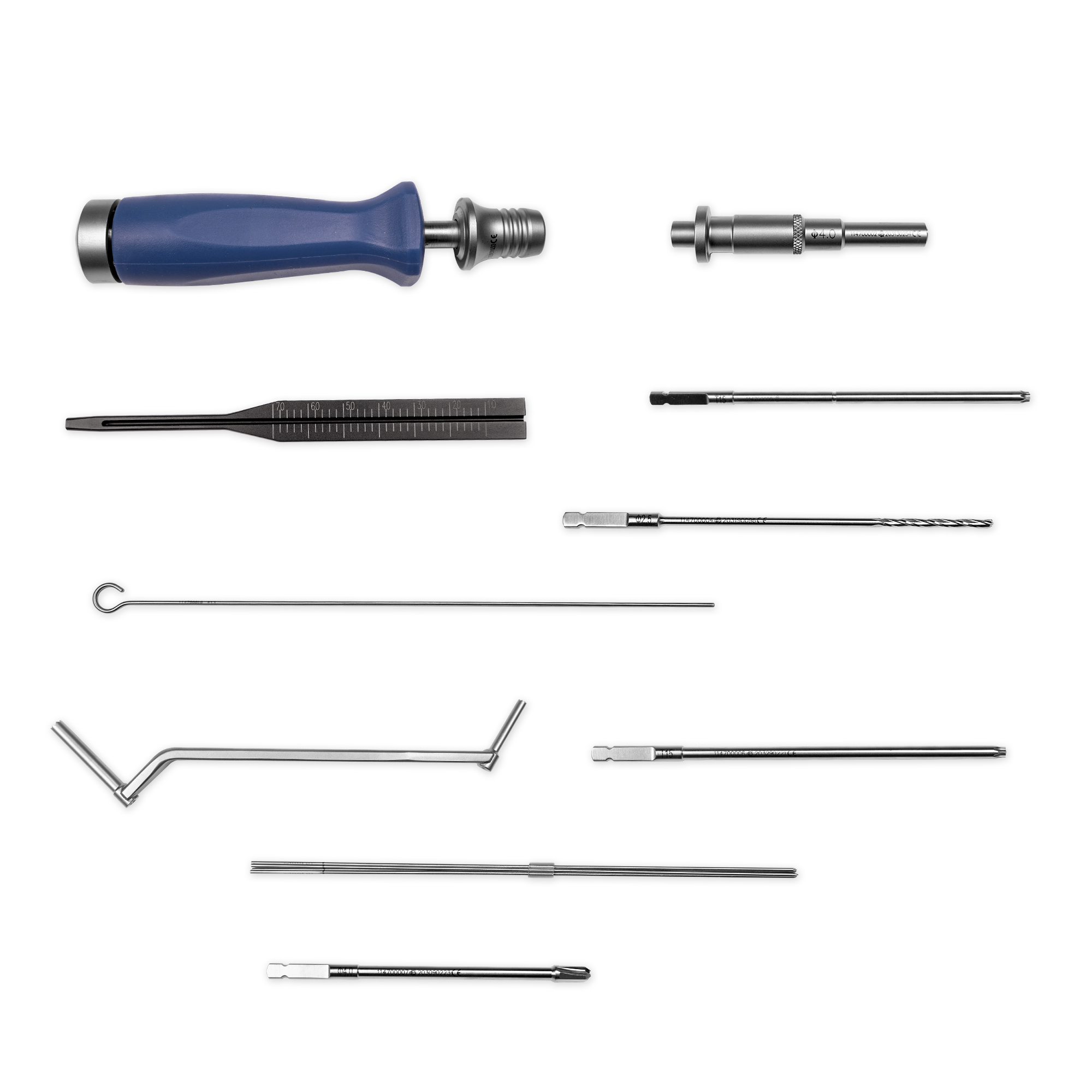
CANWELL Medical Orthopedic Instrument Set Manual Metal Torque Adapter Quick Coupling Handle Torque Limiter Ratchet Handle
Explore Specifications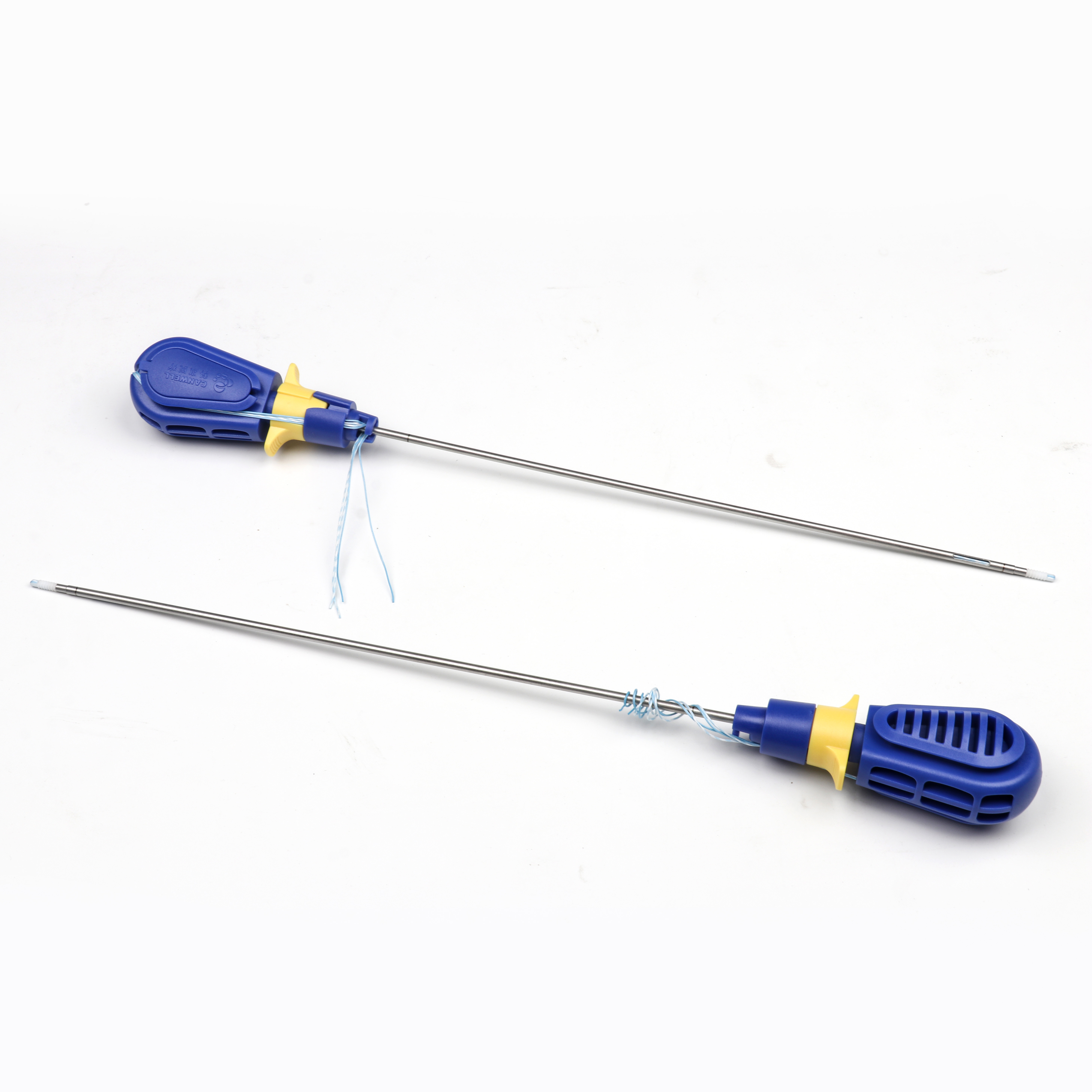
CANWELL Bioabsorbable Suture Anchor Knotless PLGA Arthroscopic Shoulder Rotator Cuff Repair SwiveLock
Explore Specifications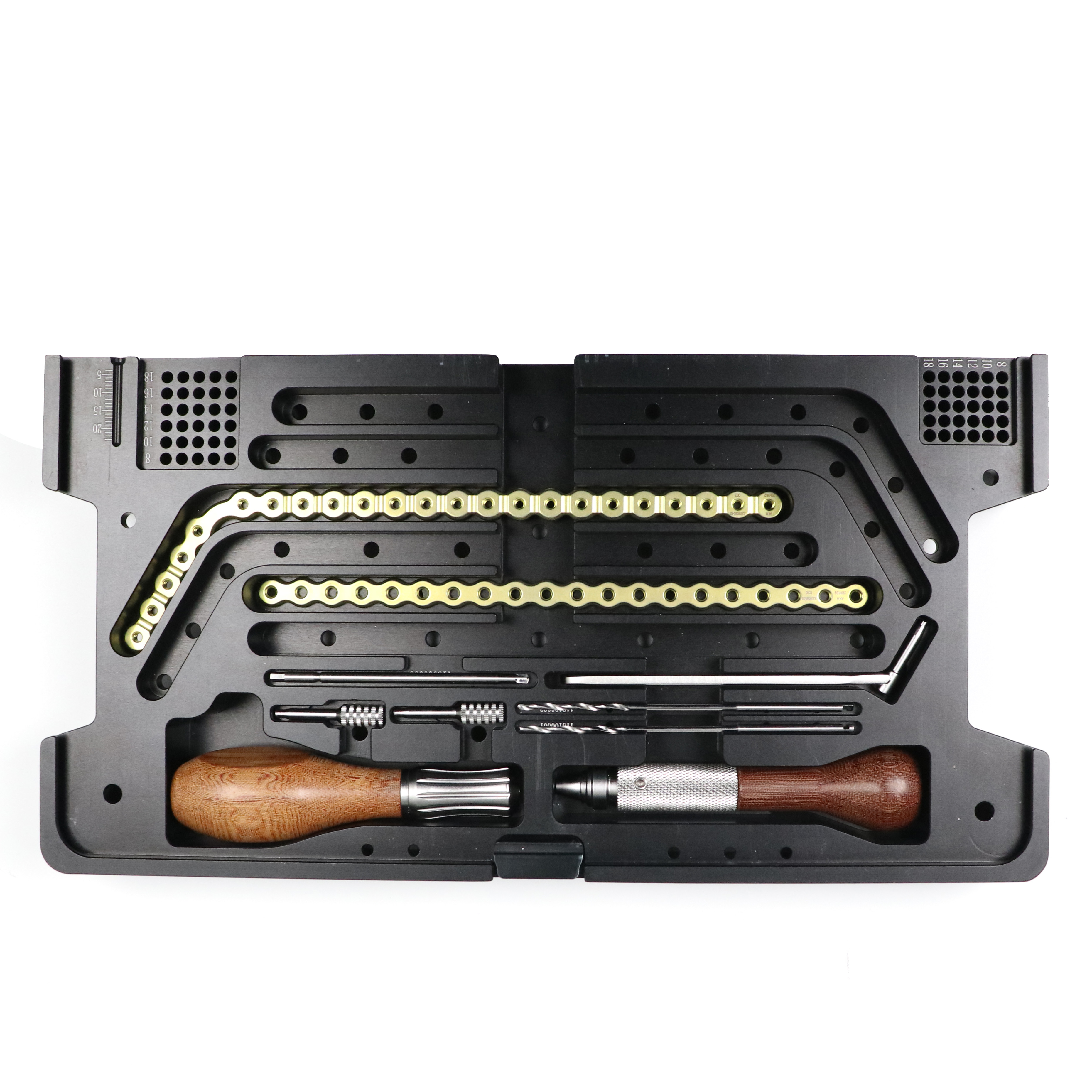
CANWELL Maxillofacial Surgery Instrument Set Maxillofacial Drill Surgery Kit Bone Fixation Screwdriver Titanium Mesh Plate
Explore Specifications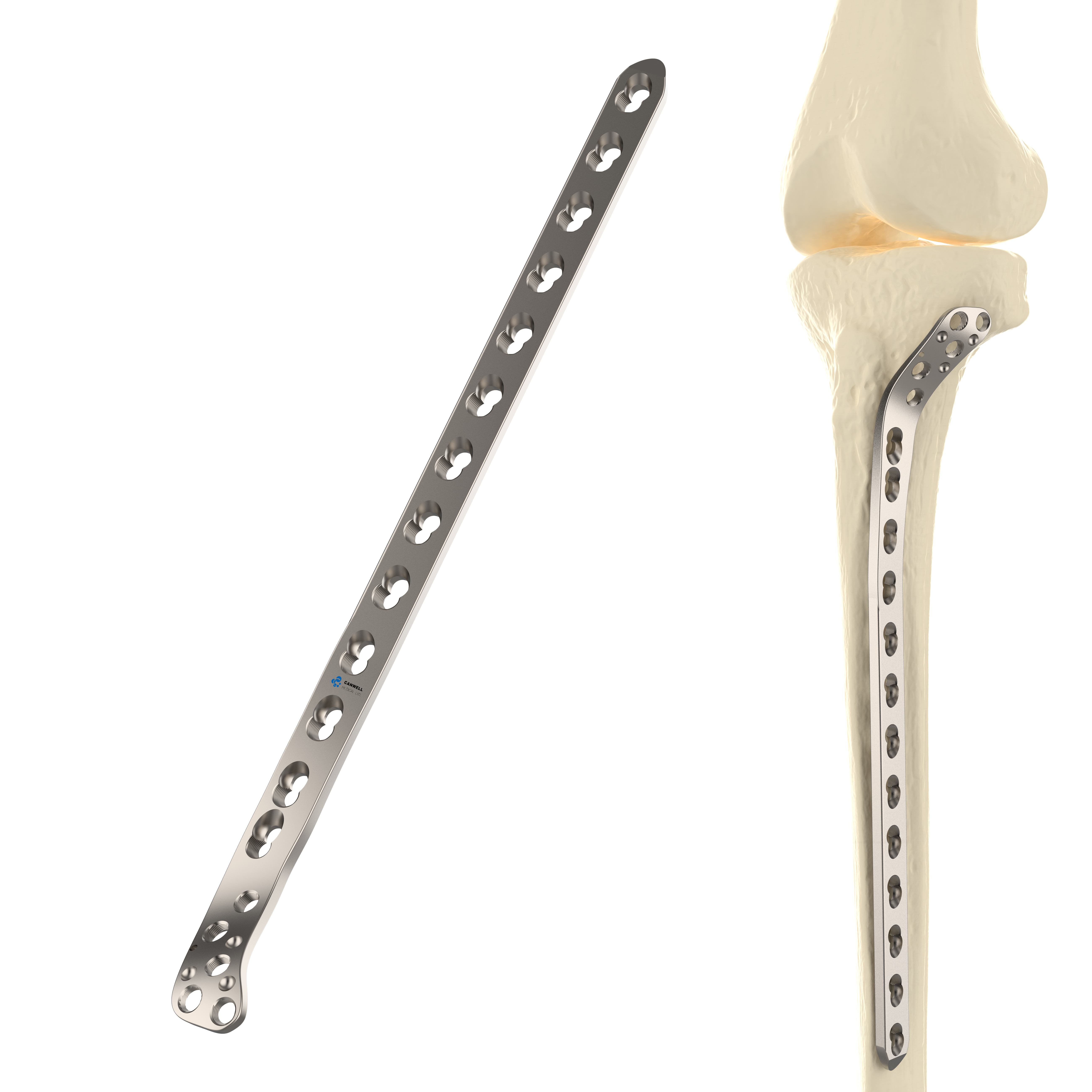
CANWELL Proximal Lateral Tibial Locking Plate Orthopedic Trauma Implant Hospital Bone Plate 5.0mm Screw Orthopedic Manufacturer
Explore Specifications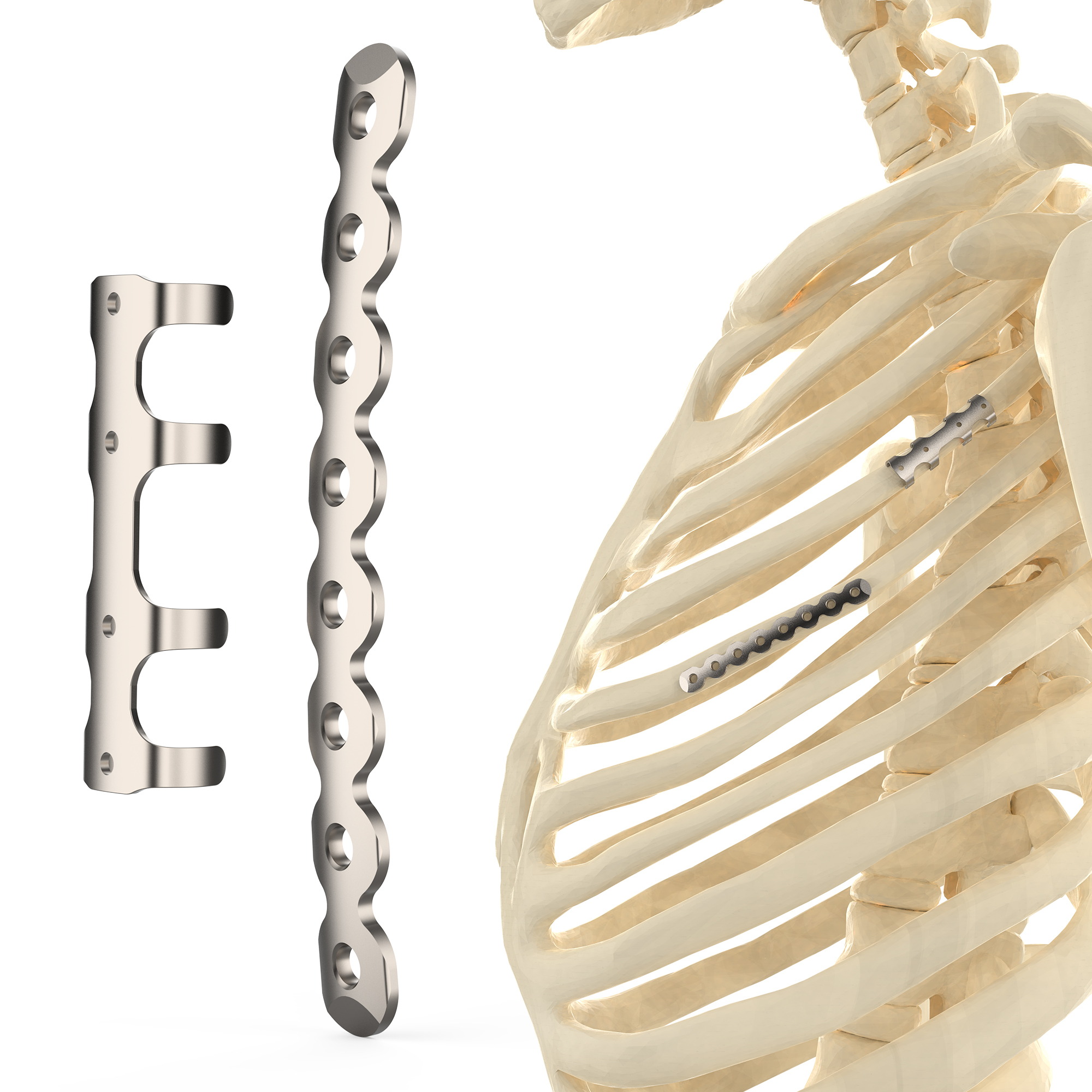
CANWELL Titanium Rib Locking Plate Bone Fixation Orthopedic Trauma Implant for Fracture Surgery CE ISO
Explore Specifications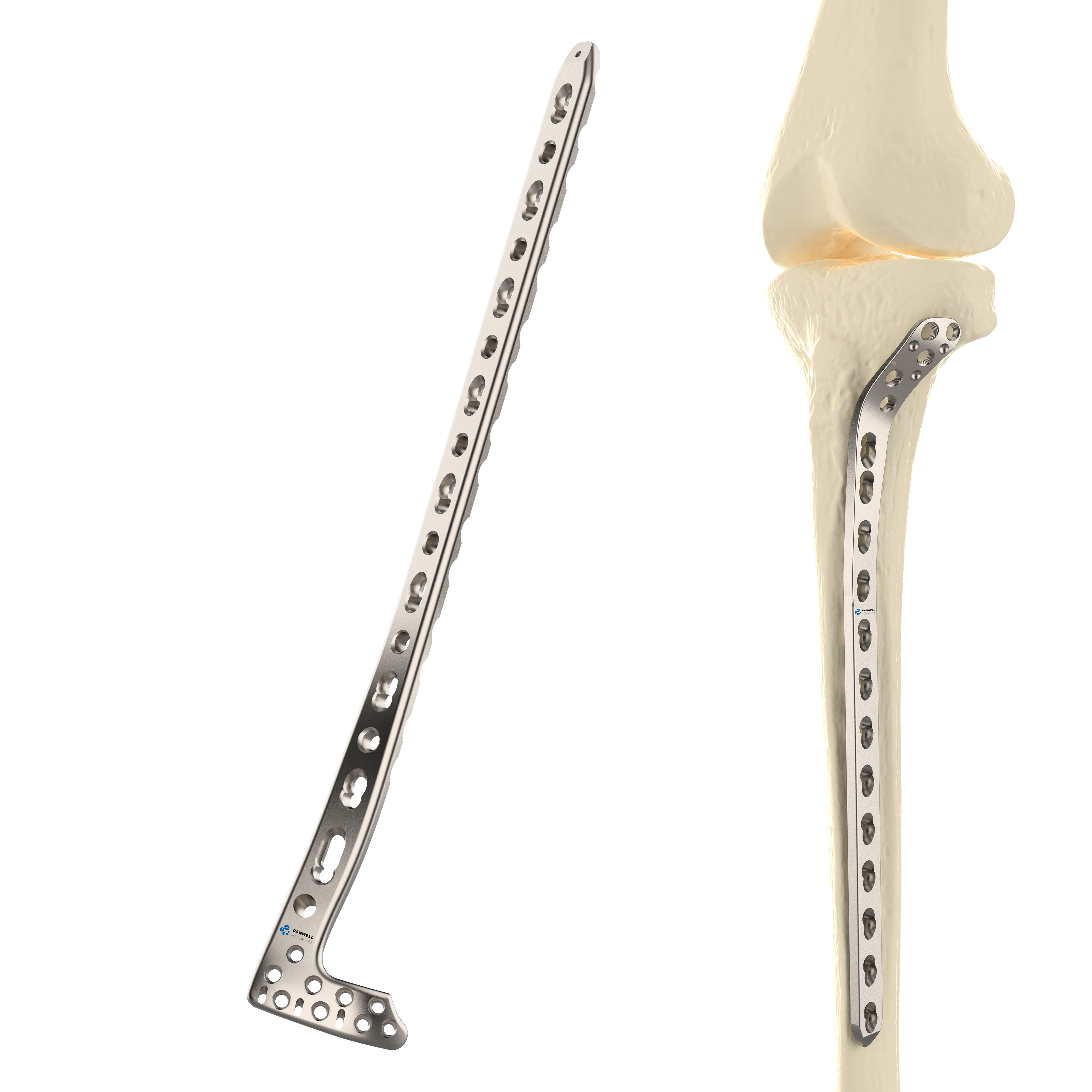
CANWELL Distal Tibial Low Profile Locking Plate Titanium Metaphyseal Compression Fixation System Orthopedic Trauma CE ISO
Explore SpecificationsBiomechanics, Thermal Management & Cannulated Bone Reaming Optimization
An authoritative clinical evaluation of flexible medullary canal reaming, cutting head fluid dynamics, and intraosseous pressure regulation during closed osteosynthesis in developing healthcare ecosystems.
1. Cutting Flute Geometry & Cortical Thermal Necrosis Prevention
During intramedullary reaming of the femur or tibia, thermal elevation exceeding 47°C for more than one minute triggers irreversible cortical osteocyte necrosis, leading to ring sequestrum formation, prolonged healing times, and catastrophic post-operative bacterial colonization. Our flexible intramedullary bone reamers are engineered with precision-milled multi-flute cutting heads crafted from medical-grade precipitation-hardened stainless steel (Custom 455 / 17-4PH) and Ti6Al4V alloy shafts. The rake angles (ranging between 8° and 12°) and expansive chip evacuation flutes are hydrodynamic-modeled to evacuate morcellized autologous cancellous bone graft rather than compacting debris against the endosteal cortex. This debris clearance drastically suppresses friction-induced thermal spikes, maintaining intracanal temperatures safely below physiological thresholds even when operating at speeds up to 450 RPM.
2. Intracanal Pressure Regulation & Embolic Syndrome Mitigation
A paramount surgical risk during medullary canal preparation—particularly in complex polytrauma patients presenting with concomitant pulmonary contusions common in high-impact motorcycle collisions—is Fat Embolism Syndrome (FES). Forceful advancement of blunt or poorly vented reamers elevates intramedullary hydraulic pressure beyond 300 mmHg, forcing marrow fat globules and bioactive cytokines into the systemic venous circulation. Our cannulated flexible reamers feature an enlarged central lumen engineered to glide seamlessly over 2.5 mm and 3.0 mm ball-tip guide wires while maintaining a continuous aspiration path. The tapered reamer head geometry facilitates retrograde decompression of marrow canal contents, attenuating peak intraosseous pressure surges by over 42% compared to conventional blunt-flute instruments.
Flexible Drive Shafts
Interlocking laser-cut spiral spring steel cores transmitting exceptional torsional torque without binding, whipping, or eccentric rotational chatter along curved femoral bows.
Diameter Increments
Standard sizing from 7.0 mm to 14.5 mm in precise 0.5 mm steps, enabling progressive cortical shaving, optimal canal sizing, and rigid nail-to-cortex interference fit.
Quick-Coupling Modular Hubs
Universal Stryker-, AO-, and Hudson-compatible connectors allowing instant coupling with surgical drill chucks, manual ratchet T-handles, and powered trauma drives.
3. Biological Induction: Autologous Bone Graft Harvesting via Reamer-Irrigator-Aspirator (RIA) Concepts
In tertiary orthopedic trauma surgery, reaming does not merely expand the inner diameter of the diaphysis; it acts as an autologous osteoinductive graft collector. The microscopic bone chips generated during low-velocity, high-torque reaming possess intact cellular osteoblasts, bone morphogenetic proteins (BMP-2, BMP-7), and vascular endothelial growth factor (VEGF). When preserved within the canal, this biological paste accelerates periosteal callus formation. For surgeons operating in remote district facilities where expensive synthetic bone substitutes or cellular allografts are economically unfeasible, utilizing optimized reaming instrumentation serves as a vital self-sustaining biological resource for complex non-union reconstruction.
Localization Context: Clinical Scenarios in Timor-Leste
Analyzing the surgical realities across the 14 municipalities of Timor-Leste—from national trauma referral centers to austere regional district healthcare outposts.
Hospital Nacional Guido Valadares (HNGV) – Dili
As the apex tertiary referral hospital in Dili, HNGV handles the preponderance of high-velocity road traffic injuries (RTIs) along the capital's coastal arterials and northern mountainous corridors. With surging volumes of comminuted femoral and tibial shaft fractures, HNGV's surgical suites require dependable, high-throughput cannulated flexible reamer sets capable of continuous daily autoclave cycles. Compatibility with image intensifiers (C-arms) and rapid turnaround between emergency surgeries are mandatory to clear surgical backlogs without risking instrument fatigue or calibration loss.
Regional Referral Hospitals (Baucau, Maliana, Maubisse, Oecusse)
Regional facilities such as Hospital Regional de Baucau and Hospital Regional de Maliana frequently face logistics constraints, erratic electrical power supplies, and sporadic access to compressed medical air. Under these conditions, motorized reaming sets must feature hybrid interchangeability with robust manual ratchet T-handles and torque-limiting drives. This guarantees that surgical teams can perform definitive closed intramedullary canal reaming manually during electrical power interruptions, stabilizing fractures on-site without mandating perilous medevac transfers over treacherous mountain passes.
Tropical Maritime Humidity & Autoclave Resilience
Timor-Leste's tropical maritime climate, marked by high relative humidity (averaging over 80% during the monsoon season) and airborne coastal saline aerosols, accelerates corrosion on substandard surgical stainless steels. Inadequate alloys undergo rapid pitting corrosion along micro-flute cutting edges and inside cannulated channels. Our reamers utilize electro-polished 17-4PH stainless steel and specialized passivation treatments, resisting oxidation across thousands of vacuum autoclave sterilization cycles and preserving ultra-sharp cutting geometry without premature dulling.
Orthopedic Modernization Trends in Timor-Leste
Evaluating institutional transitions under the Ministério da Saúde (MoS) and the National Health Strategic Plan towards surgical self-reliance and modern osteosynthesis standards.
1. Paradigm Shift from External Fixators to Closed Intramedullary Nailing
Historically, open diaphyseal fractures in Timor-Leste were predominantly managed with unilateral external fixators or open reduction internal fixation (ORIF) using traditional non-locking DCP plates. While functional in emergency triaging, external fixators yield high rates of pin-track infections, malunion, and prolonged morbidity under rural living conditions where clean water access is inconsistent. Supported by international orthopedic volunteer teams (e.g., Royal Australasian College of Surgeons partnerships) and Cuban medical brigades, the local surgical workforce is rapidly embracing closed reamed intramedullary nailing. Reamed nailing preserves the periosteal blood supply, minimizes soft-tissue disruption, and enables immediate weight-bearing—crucial for rural agricultural laborers who cannot afford protracted bedridden rehabilitation.
2. Expansion of SAMES Centralized Procurement and Quality Harmonization
The Serviço Autónomo de Medicamentos e Equipamentos de Saúde (SAMES E.P.) has progressively streamlined medical device acquisition. Tender mandates now require comprehensive quality documentation, including ISO 13485 certification, CE markings under European Medical Device Regulation (EU MDR 2017/745), and traceability protocols. Uncertified, grey-market implants that flood developing nations are being actively weeded out in favor of accountable direct-manufacturer partnerships. This institutional maturation prioritizes suppliers capable of delivering standardized instrumentation trays that can support both pediatric elastic nails and adult interlocking intramedullary nailing systems across diverse hospitals.
3. Emergence of Elective Reconstructive Orthopedics & Sports Medicine
While trauma surgery remains the overriding priority, increased economic activity in Dili has spurred demand for sports medicine arthroscopy (anterior cruciate ligament reconstruction, rotator cuff repair) and hip arthroplasty. Acetabular reamers featuring spherical hemispherical cross-blade designs and quick-release shafts are entering procurement lists as local surgeons address secondary post-traumatic osteoarthritis. Supplying modular reamer kits that interface seamlessly between trauma canal preparation and joint reconstruction creates unparalleled operational efficiencies for emerging theater units.
Frequently Asked Questions for Timor-Leste Procurement
Direct answers to technical, regulatory, and logistics queries encountered by hospital directors, SAMES procurement officers, and medical device distributors in Dili.
What international certifications validate these bone reamers for importation into Timor-Leste?
Our medical implants and reamer sets are certified under CE (Medical Device Directive 93/42/EEC and EU MDR) and ISO 13485:2016 quality management standards. Furthermore, our complete manufacturing facility has undergone rigorous on-site supplier assessment by the SGS Group. Full Declarations of Conformity (DoC), raw material metallurgical mill certificates, and biocompatibility documentation (ISO 10993) are supplied with every shipment to ensure swift import approval via SAMES and the Timor-Leste Customs Authority (Autoridade Aduaneira).
Are flexible reamers compatible with our existing surgical power drills in Dili?
Yes. Our flexible reamer drive shafts and rigid reamer handles feature universal quick-coupling connectors (AO-type quick coupling, modified Hudson, and Stryker-style adapters). Whether your surgical department utilizes pneumatic power tools, battery-operated dual-trigger drill handpieces, or manual ratchet handles, our reamers attach securely with zero axial wobble or drive play.
How do the instruments resist corrosion in coastal tropical environments?
All reamer heads are machined from high-grade precipitation-hardened martensitic stainless steel (17-4PH / Custom 455), subjected to deep multi-stage ultrasonic cleaning, electrolytic passivation, and precision vacuum hardening. This eliminates free surface iron and forms a passive chromium oxide layer that withstands saline maritime air and repeated steam autoclave exposure (134°C at 2.1 bar) without rusting, pitting, or dulling of cutting flutes.
What is the standard logistics timeline and shipping routing to Dili Port?
For standard inventory orders, dispatch occurs within 7 business days from our Jinhua manufacturing headquarters. Air freight shipments to Presidente Nicolau Lobato International Airport (DIL) in Dili average 5 to 9 business days via Singapore or Denpasar routing. Containerized or bulk hospital tender shipments routed by sea to the newly developed Port of Tibar (Dili) typically take 18 to 26 days transit, accompanied by all necessary phytosanitary, commercial, and consular export paperwork.
Do you support customized OEM laser marking and Portuguese/Tetum packaging?
Yes. We offer complete OEM/ODM customization services. We can laser-etch hospital asset codes, ministry tender contract numbers, or distributor brand logos directly onto reamer shanks and anodized sterilization trays. Furthermore, primary inner sterile packaging labels, Instructions for Use (IFU), and secondary cartons can be customized in Portuguese, English, or Tetum to streamline theater workflow.
Can you provide comprehensive instrument graphic trays with silicone brackets?
Every bone reamer system is supplied in dedicated, aircraft-grade hard-anodized aluminum or autoclavable Radel sterilization cases. Each case is equipped with high-temperature silicone brackets that securely hold reamer heads in graduated diameter order (e.g., 7.0 mm to 14.0 mm in 0.5 mm steps), drive cables, cleaning stylets, and ball-tip guide wires, protecting delicate cutting flutes from nicking during transport.
Why Healthcare Institutions Partner with Our Plant
Over two decades of precision manufacturing excellence, backed by independent SGS audits, cutting-edge metallurgical testing, and end-to-end quality controls.
22+ Years & 632 Specialists
Operating from our 29,523 m² integrated production base in Jinhua, Zhejiang, our dedicated medical workforce executes all operations internally. From longitudinal CNC swiss turning and precision 5-axis spiral milling to robotic polishing and Class 100,000 aseptic cleanroom packaging, no critical production step is outsourced.
SGS Audited & CE Certified
Our facilities have passed rigorous on-site assessments conducted by the global inspection authority SGS Group. Our implants and related instruments carry valid CE marks under EU MDR and Directive 93/42/EEC, ensuring unimpeded regulatory clearance, transparent audit trails, and legal protection for distributors and hospital tenders worldwide.
100% In-House Mechanical Testing
Every production batch undergoes exhaustive quality testing: dynamic torsional fatigue verification, cutting-edge optical hardness profiling, ultrasonic non-destructive flaw inspection, and fluorescent liquid penetrant testing. Our in-house biomechanical lab guarantees zero shaft snapping and long-term cutting edge integrity.