Surgical Cutting & Orthopedic Fixation Systems
Precision-milled titanium locking systems, intramedullary preparation assemblies, and bone saw accessory components engineered under strict ISO 13485:2016 and EU MDR certification.
Strategic Clinical Alignment: Supplying the Marseille Healthcare Infrastructure
The municipal healthcare landscape of Marseille represents a critical nexus of high-velocity emergency intervention and advanced orthopedic reconstruction within France's Provence-Alpes-Côte d'Azur (PACA) administrative region. Anchor institutions such as the Assistance Publique – Hôpitaux de Marseille (AP-HM)—encompassing flagship surgical theaters at Hôpital de la Timone, Hôpital Nord, and Hôpital de la Conception—process substantial volumes of polytrauma cases, maritime industrial trauma emanating from the Grand Port Maritime de Marseille, and elective joint arthroplasties. Navigating this procurement environment demands bone saw manufacturers and surgical instrument fabricators capable of matching stringent French biological safety mandates, strict CE certification criteria under European Union Medical Device Regulation (EU) 2017/745, and rapid response cycles for high-wear cutting tools.
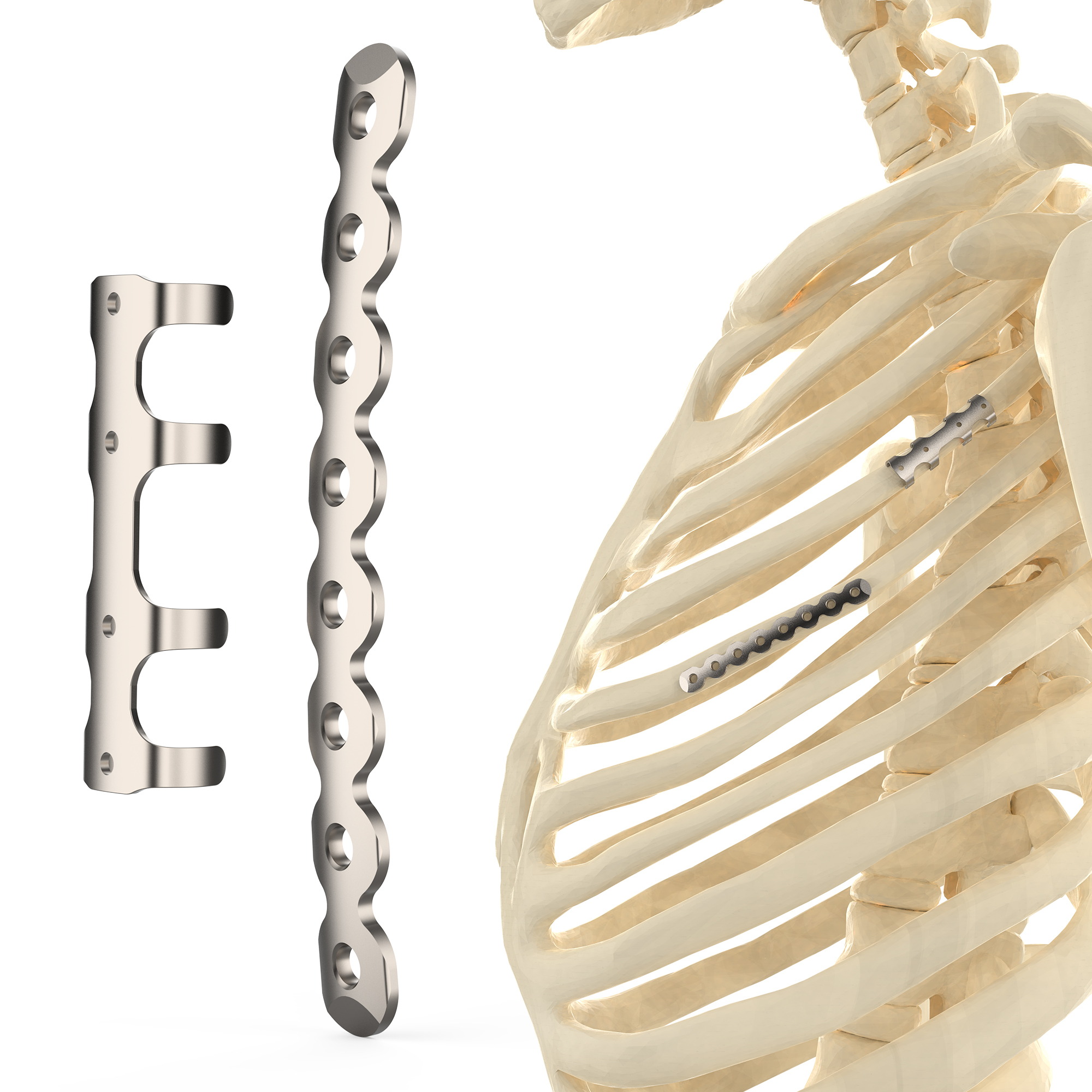
Bone saws—encompassing oscillating saws for sagittal osteotomies in total knee arthroplasty (TKA), reciprocating saws for hip revision and femoral shaft reconstruction, and high-frequency sternal cutting instruments—require uncompromising metallurgical metallurgy. When deployed alongside high-grade osteosynthesis implants such as anatomically contoured titanium rib locking plates, distal tibia compression systems, and cannulated micro-screws, cutting accessories must preserve clean resection planes without causing thermal osteonecrosis. In Marseille’s specialized orthopedic units, cellular preservation adjacent to the osteotomy line is a leading metric in preventing non-union or post-operative hardware subsidence.
Tribological Properties and Minimizing Thermal Osteonecrosis in Resection
During high-frequency bone sawing, bone cutting temperatures surpassing the threshold of 47°C for more than one minute reliably induce irreversible microvascular collapse and osteocyte death. For procurement managers and clinical directors across private clinics (such as Clinique Monticelli-Vélodrome and Hôpital Privé Clairval) and university teaching hospitals alike, tool performance is quantified through its thermal generation curve, chip-evacuation efficiency, and dimensional rigidity under varying axial pressures.
Our manufacturing operations deploy medical-grade martensitic surgical stainless steels (AISI 420B/440A) and ultra-pure Ti6Al4V ELI (Grade 23) across raw forging, five-axis wire electrical discharge machining (EDM), and computer numerical control (CNC) micro-milling. Tooth geometries are precision ground with negative rake angles and calibrated kerf offsets to facilitate natural debris clearance during fast planar resection. These design factors decrease torque requirements on surgical handpieces, curtail intraoperative vibration transference into delicate joint capsules, and directly minimize surgical revision rates caused by bone thermal trauma.
Clinical Application Scenarios Across Marseille’s Orthopedic Theaters
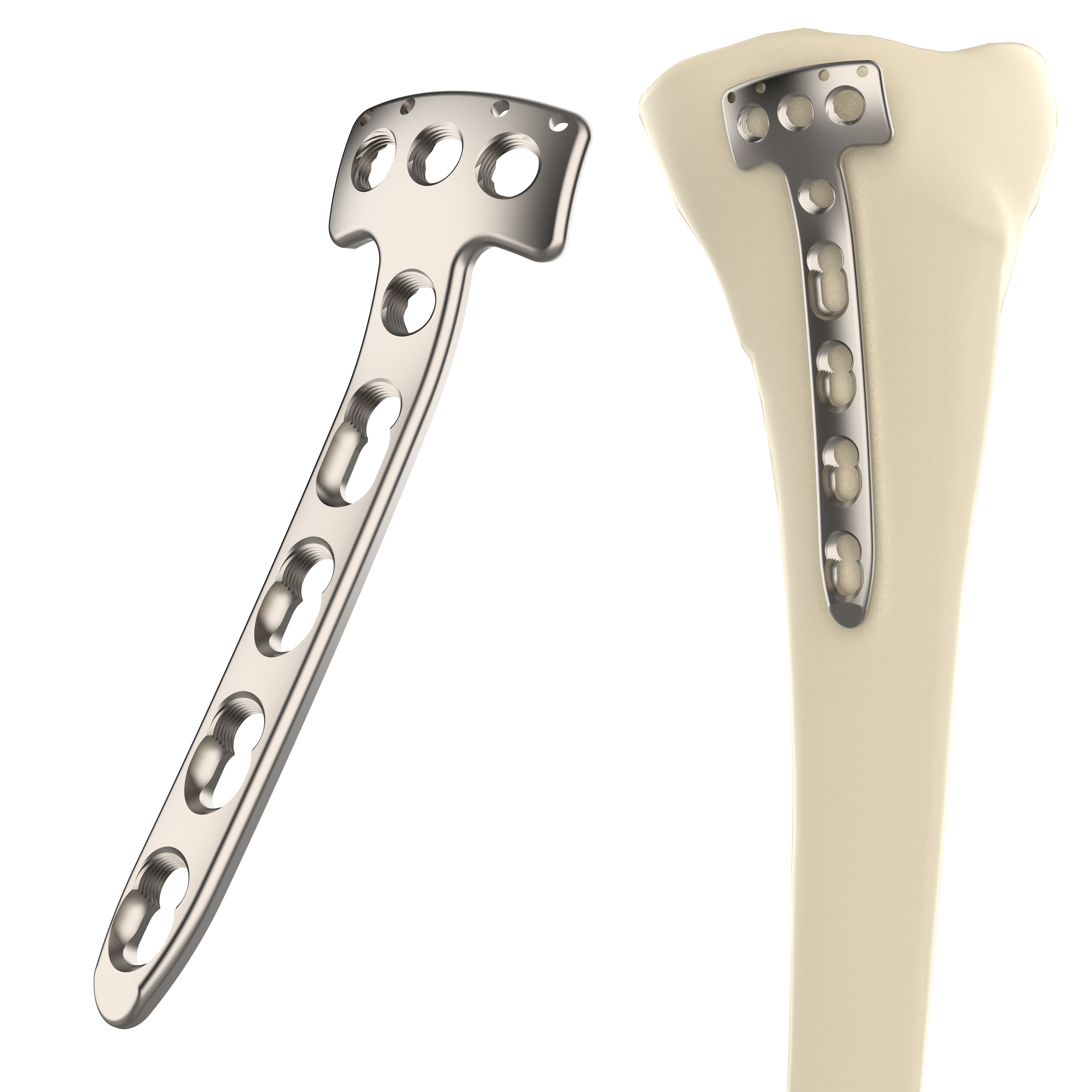
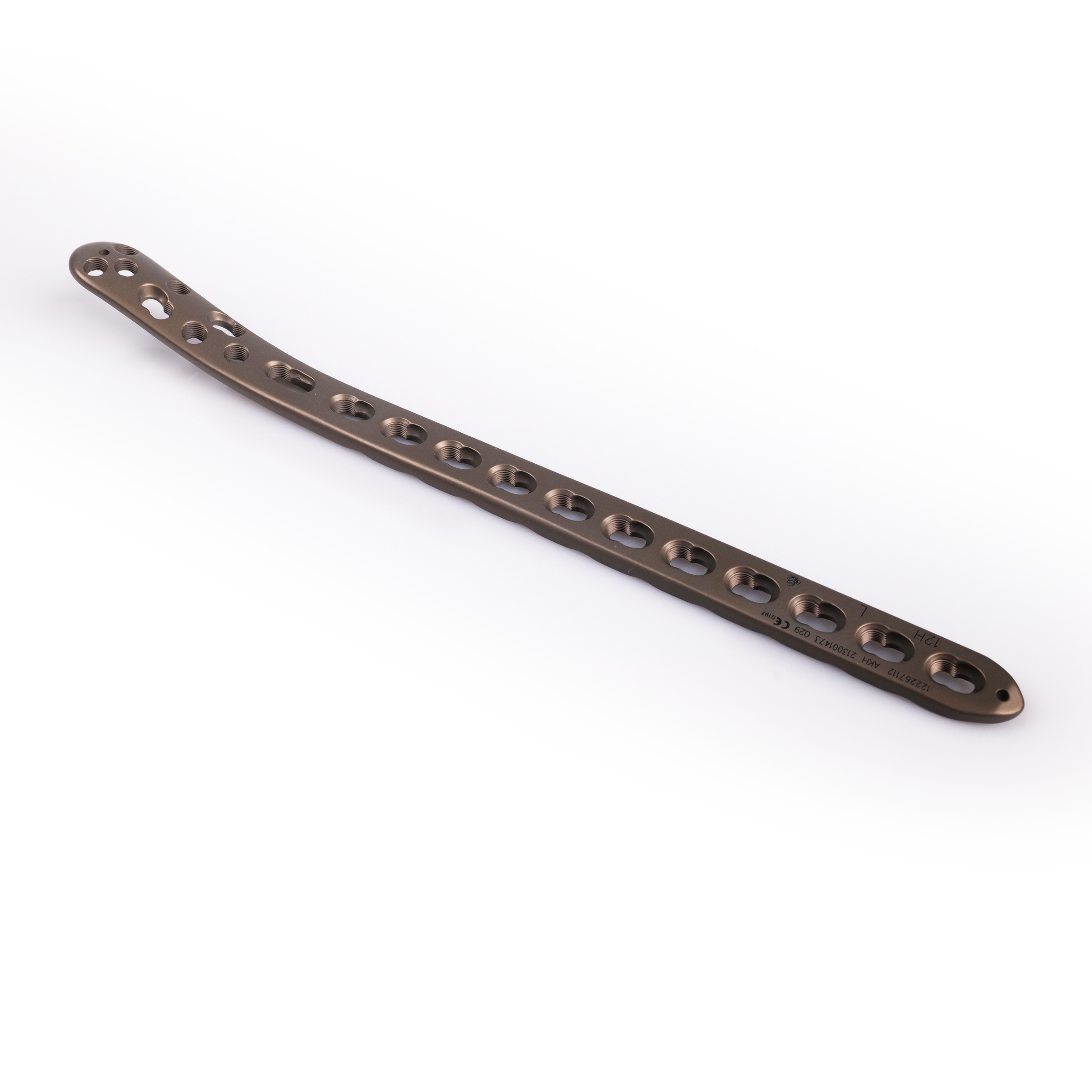
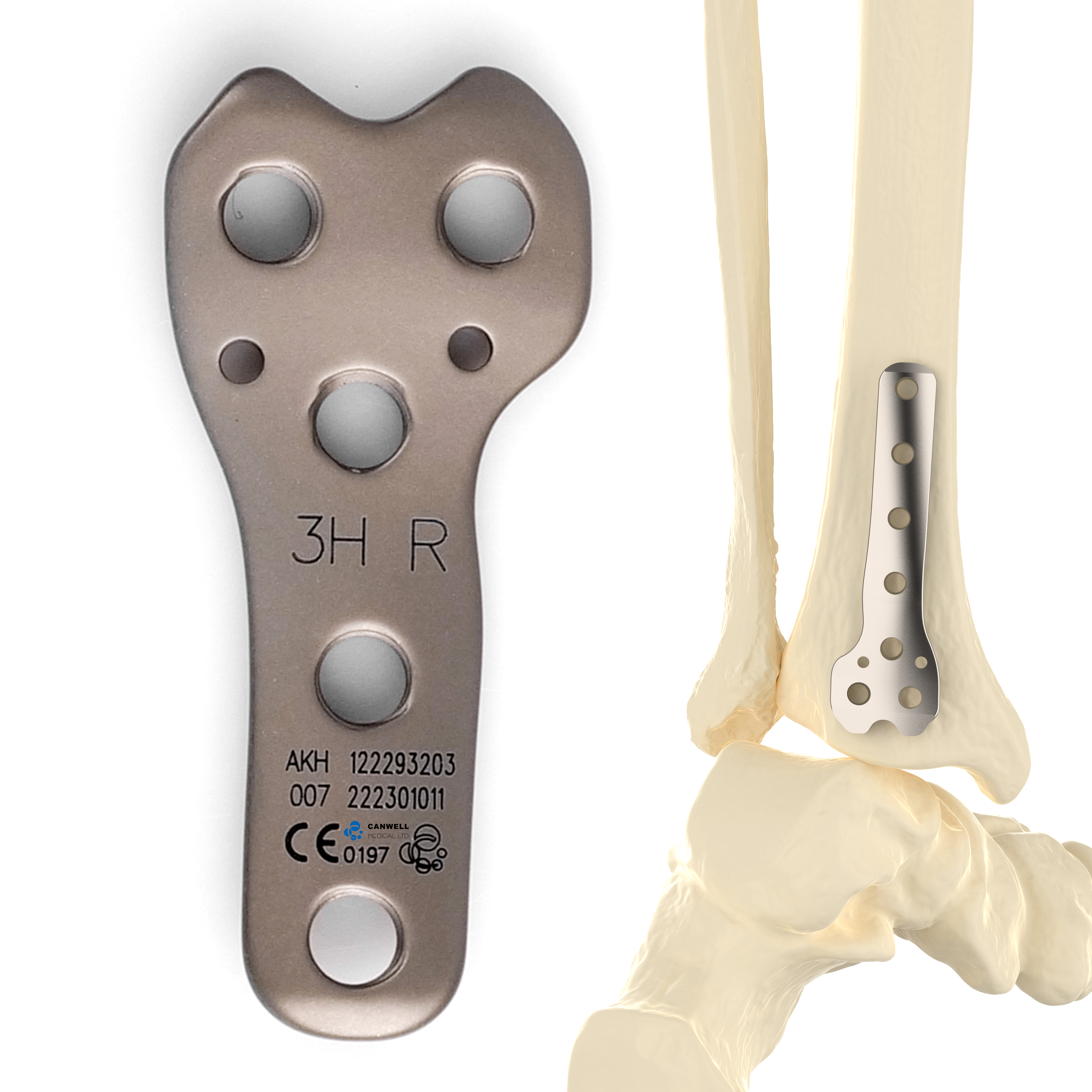
1. High-Energy Polytrauma & Coastal Industrial Accidents: The emergency resuscitation teams at Hôpital Nord regularly treat acute skeletal fractures occurring along shipping corridors, container facilities, and transit hubs. Immediate open reduction and internal fixation (ORIF) procedures require rapid osteotomy clearing tools followed by primary stabilization using robust anatomically pre-contoured plates, such as our distal medial and posterior distal tibial locking systems, which ensure dynamic compression and angular stability under high shear stresses.
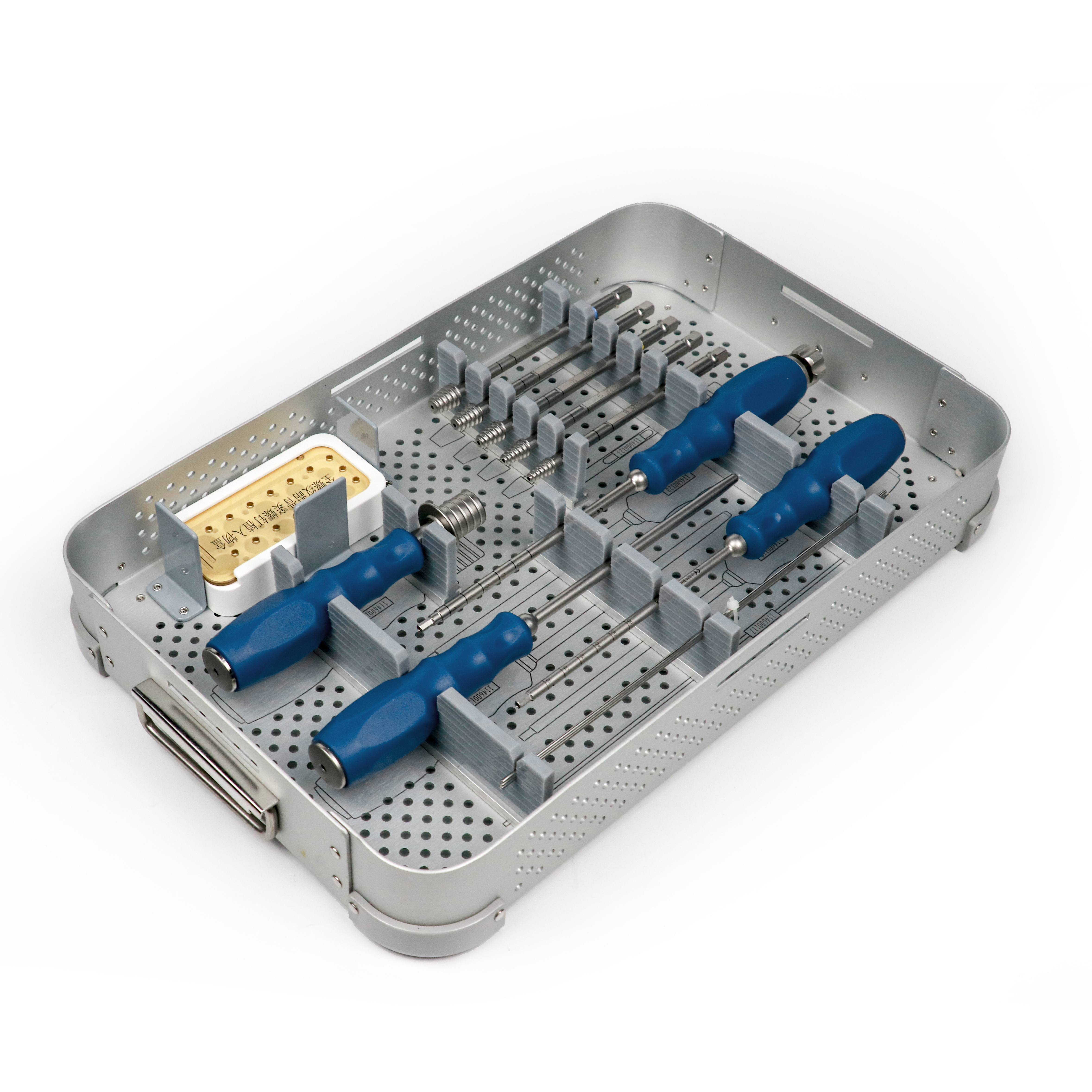
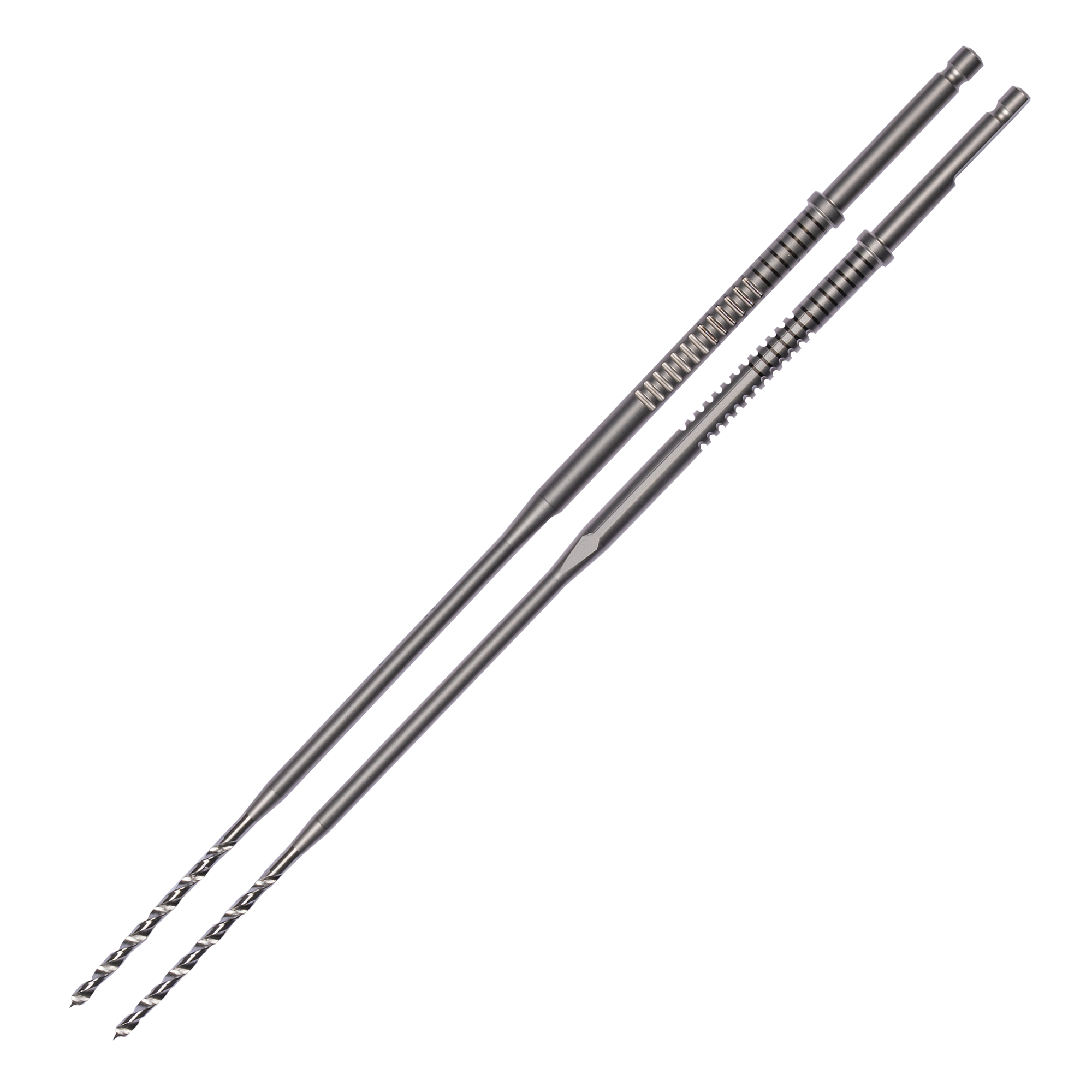
2. Sports Medicine & Alpine-Mediterranean Reconstructive Surgery: Given Marseille's geographic positioning between Mediterranean coastal sporting activities and southern Alpine ski corridors, regional sports medicine specialists manage dense case profiles of ACL/PCL disruptions, complex syndesmosis separations, and scaphoid micro-fractures. Utilizing flexible reamer assemblies, precision quick-coupling bone drill bits, and cannulated headless compression screws allows orthopedic surgeons to carry out ligamentous reconstructions and arthroscopic interventions with millimeter-accurate depth tracking.
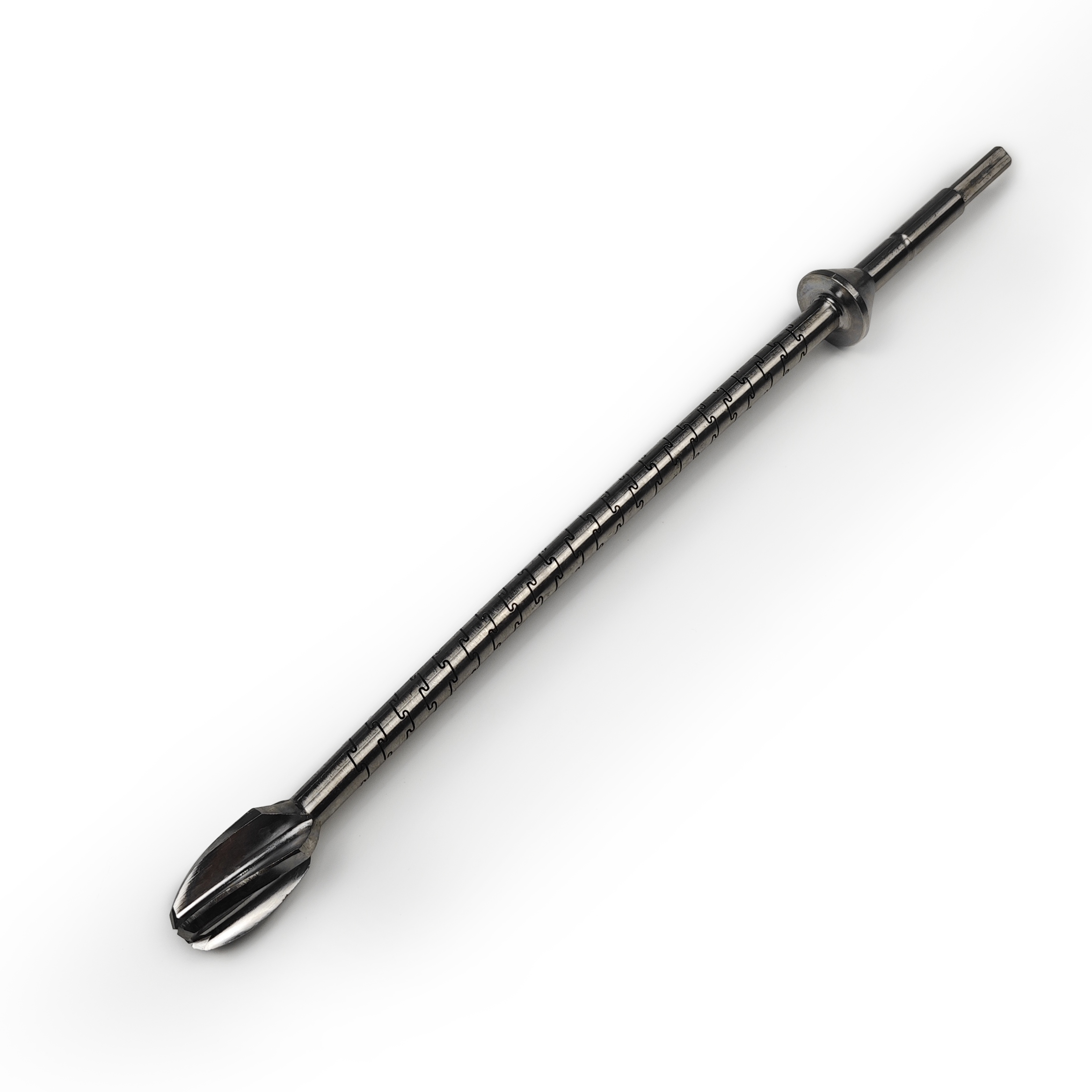
3. Geriatric Fractures & Complex Joint Arthroplasty Revisions: In aging demographics presenting with severe osteoporosis or periprosthetic fractures, fragile bone envelopes require minimal operational deflection. Sagittal saw blades paired with flexible intramedullary reamer systems allow reconstructive specialists to re-establish anatomical axes, clear hardened bone cement remnants safely, and prepare marrow canals for long-stem revision nails without risk of cortical blowout.
Factory Competence & ISO 13485 Manufacturing Standards
Operating a vertically integrated industrial hub spanning 29,523 m² with 632 dedicated personnel, delivering verifiable traceability from virgin titanium billet to sterile operating room delivery.
Swiss-Type CNC Turning & EDM
Continuous investment in high-precision CNC multi-axis milling arrays ensures tolerances down to ±0.005mm across all blade mountings, locking screw threads, and anatomic plates.
Fluorescent Penetrant Testing (NDT)
Zero-defect methodology enforced via Level II NDT surface flaw detection, eliminating micro-cracking risks on high-torque saw attachments and thin-profile titanium rib systems.
ISO Class 7 Cleanroom Packaging
Aseptic packing zones configured to provide cleanroom assembly and double-barrier microbial validation compatible with gamma, ethylene oxide (EtO), and steam autoclave cycles.
Surface Anodization & Passivation
Type II anodizing lines deliver deep biocompatible color-coding schemas that resist mechanical stripping and multiple chemical washings inside hospital central sterilization units (CSSD).
Full Technical Dossier (MDR 2017/745)
Full CE documentation, clinical evaluation reports (CER), biocompatibility assays (ISO 10993), and risk matrices (ISO 14971) prepared for regulatory clearance within the French ANSM frameworks.
Custom OEM/ODM Batch Engineering
Private label capabilities for surgical instrument distributors in Southern Europe, featuring rapid tooling adaptations, laser etched metric gradations, and custom sterilization containment cases.
End-to-End Surgical Procurement Workflow
From initial design blueprint to hospital operating theater delivery, our systematic supply model maintains operational transparency at every stage.
Blueprint Review
Comprehensive engineering audits of 2D/3D CAD models, handpiece arbor couplings, and surgeon-specific rake requirements.
Material Assays
Spectral analysis and mechanical tensile testing on incoming titanium billets and surgical alloy bars to verify metallurgical conformity.
Automated Milling
Multi-axis automated machining with real-time laser tool-wear compensation, ensuring identical blade pitch and dimensional consistency.
Sterile Dispatch
Final ultrasonic clearing, cleanroom heat-sealing, and expedited international logistics dispatching direct to French clinical hubs.
Procurement FAQ for Marseille Hospital Groups & Importers
Direct technical answers addressing regulatory compliance, cross-compatibility, and operational integration inside French surgical facilities.
Are bone saw attachments and trauma implants fully compliant with French ANSM and EU MDR regulations?
Can bone saw blades and flexible reaming tools be configured to mount existing Marseille hospital handpiece systems?
What metallurgical strategies are used to eliminate structural failure and tooth-shedding during high-resistance cortical cutting?
What are the typical production lead times and shipping turnaround options for clinical deliveries into PACA/Marseille?
Do you accommodate low minimum order quantities (MOQs) for trial surgical kits and clinical evaluations?
Request Orthopedic Specifications & Factory Price Manifests
Connect directly with our biomedical engineering staff to discuss OEM blade geometry adaptations, custom surgical plates, or tenders for Marseille medical facilities.
Get a Quote