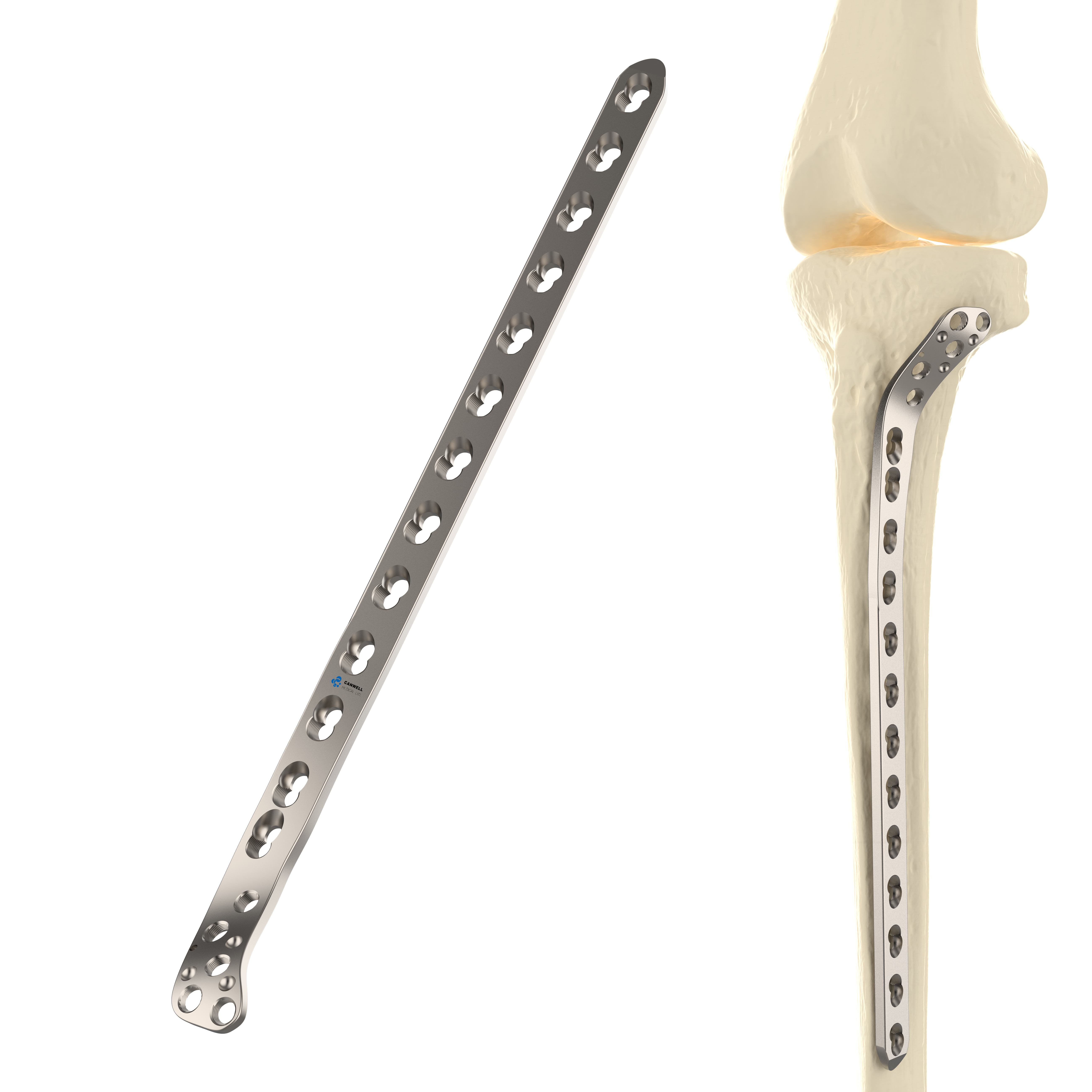
Trauma Plating System
View Specifications
Engineered for complex intra-articular reconstructive procedures, rigid osteosynthesis, and traumatology demands across European trauma registries.
Operating a specialized 29,523 m² facility with full medical-grade traceability, ISO 13485 quality systems, and SGS onsite physical factory verifications.
The surgical reconstruction of intra-articular calcaneus fractures requires an osteosynthesis framework that honors vascular integrity, thin lateral soft-tissue envelopes, and rigid subchondral support. In trauma clusters serving the Province of Utrecht and the greater Randstad conurbation, clinical protocol demands implants that counter axial impact forces while eliminating the risks of post-operative cutaneous breakdown.
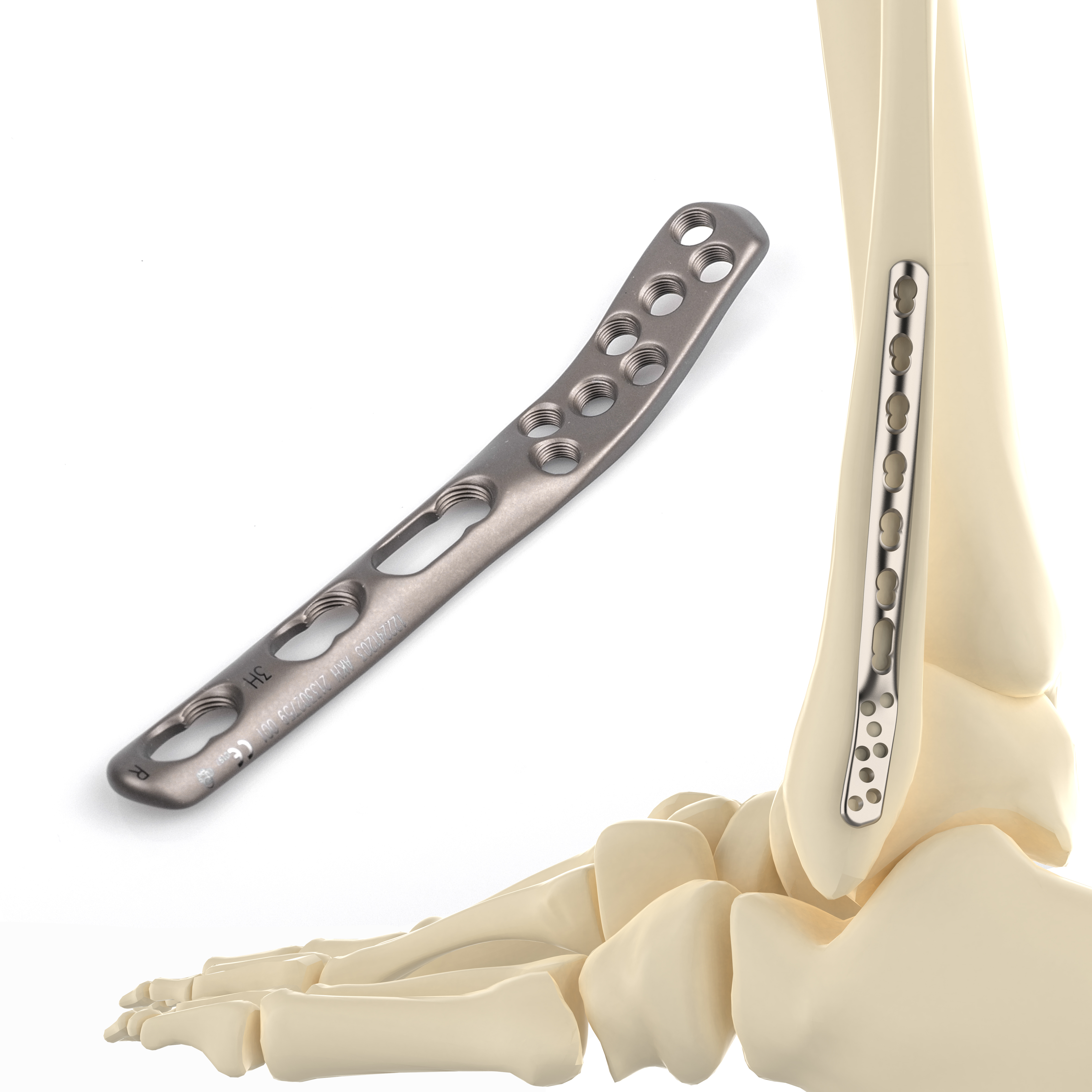
Our manufacturing ecosystem engineers anatomically contoured calcaneal plates directly from pure medical-grade Titanium (Grade 3/4) and Titanium Alloy (Ti-6Al-4V ELI conforming to ASTM F136 / ISO 5832-3). Using multi-axis CNC sliding-head milling machines and automated deburring processes, every screw hole is micro-chamfered to mitigate stress concentration zones and ensure seamless locking interaction with 2.7mm and 3.5mm low-profile locking screws.
By integrating a low plate profile of 1.2mm to 1.5mm with multi-directional locking vectors targeted specifically at the constant sustentaculum tali fragment, our implants prevent loss of Böhler’s angle and Gissane’s cruciate angle during physiological rehabilitation.
Addressing the complex clinical presentation of Sanders Type II–IV calcaneal fractures across regional academic institutions and teaching trauma networks.
As the primary academic polytrauma hub for the Midden-Nederland trauma registry (Traumanetwerk Midden-Nederland), UMC Utrecht treats high-energy axial deceleration injuries caused by construction incidents, industrial falls, and high-velocity transit trauma.
Utrecht possesses the world’s most concentrated bicycle commuting infrastructure, resulting in distinct biomechanical injury profiles involving e-bike speed collisions, commuter crashes, and active lifestyle recreation around the Utrechtse Heuvelrug.
The shifting demographics across Utrecht, Zeist, and Amersfoort have expanded the volume of low-energy insufficiency fractures in osteopenic cancellous heel bones, demanding optimized screw-purchase security.
Quantitative mechanical benchmarking, screw thread tolerances, and metallurgy conforming strictly to ASTM F136 and ISO 5832-3 directives.
| Biomechanical Parameter | CANWELL / INAR Technical Specification | Clinical Relevance for Utrecht Orthopedic Teams | Standard Compliance |
|---|---|---|---|
| Base Metallurgy | Ti-6Al-4V ELI (Extra Low Interstitial) Titanium | Maximum biocompatibility, fatigue strength, and low MRI artifact generation | ASTM F136 / ISO 5832-3 |
| Plate Profile Thickness | 1.35 mm – 1.50 mm Low-Profile Contouring | Prevents lateral soft tissue impingement and wound dehiscence in thin flaps | ISO 14602 |
| Screw Compatibility | 2.7 mm / 3.5 mm Cortical, Cancellous & Locking Screws | Versatile fixation across anterior process, sustentaculum, and calcaneal body | ISO 5835 / ISO 9268 |
| Sustentacular Screw Angle | Pre-angled 15°–20° Anteromedial Targeting Holes | Biomechanical engagement of the densest anatomical bone pillar of the heel | Clinically Verified Raft Design |
| Dynamic Fatigue Life | Tested to > 1.0 × 10^6 Cycles under 1200 N Axial Compression | Guarantees structural resilience against micro-fragment nonunion or hardware failure | ASTM F382 / ISO 9585 |
| Surface Finishing | Type II Anodization + Controlled Micro-Sandblasting | Mitigates bacterial adhesion, enhances cellular integration, smooth under tendons | ASTM F86 |
In Dutch orthopedic literature (published across the Nederlands Tijdschrift voor Traumatologie and clinical reviews from the Dutch Trauma Society / Nederlandse Vereniging voor Traumachirurgie), surgical strategy balances anatomical joint surface restoration with soft tissue complication rates. The historic gold standard—the extensile lateral L-shaped approach—carries a recognized superficial and deep wound breakdown risk of 8% to 22% in compromised hosts.
To provide surgical teams in Utrecht with maximal procedural adaptability, our factories manufacture two distinct calcaneal plating archetypes:
1. Full Perimeter Anatomic Locking Plates: Optimized for extensive Sanders Type III and IV fractures where direct visualization of the entire lateral wall, anterior process, and subtalar joint is non-negotiable. These plates feature a wide structural footprint with multiple bridge struts that distribute axial impact loads across the calcaneal perimeter without concentrating strain at any single bridge junction.
2. Minimal-Incision Sinus Tarsi Plates: Designed specifically for modern minimally invasive surgery (MIS). Characterized by narrow connecting arms, low-profile screw heads that seat flush with the plate surface, and a form-fit curvature requiring zero intraoperative bending. Surgeons insert the implant through a short 3–4 cm incision below the lateral malleolus, sliding the posterior extensions sub-periosteally over the lateral wall to secure the tuberosity without elevating an extensive angiosome-compromising flap.
Navigating the EU Medical Device Regulation (EU 2017/745), tender dynamics within Santeon / NFU networks, and regional sustainability imperatives.
The regulatory barrier in the Netherlands has heightened under the Health and Youth Care Inspectorate (Inspectie Gezondheidszorg en Jeugd - IGJ). Procurement committees will not onboard Class IIb and Class III traumatology implants without verified technical documentation.
Our plants provide complete Technical Files, Clinical Evaluation Reports (CER) aligned with MEDDEV 2.7/1 Rev 4 and MDR requirements, Post-Market Clinical Follow-up (PMCF) registries, and comprehensive risk management documentation compliant with ISO 14971.
Dutch health procurement syndicates (such as hospital purchasing consortiums operating across regional centers) face escalating budget restrictions under nationwide value-based care initiatives (Uitkomstgerichte Zorg).
Partnering directly with a verified Tier-1 manufacturer eliminates the multi-tiered markup imposed by Western brand distributors, allowing hospital purchasing networks in Utrecht to lower overall implant costs by 28% to 45% while retaining identical metallurgical purity, mechanical tolerances, and instrumentation quality.
In accordance with the Dutch Green Deal on Sustainable Healthcare (Green Deal Duurzame Zorg), hospitals in Utrecht are mandating reduced medical waste, bio-neutral packaging, and validated recyclable transit materials from overseas vendors.
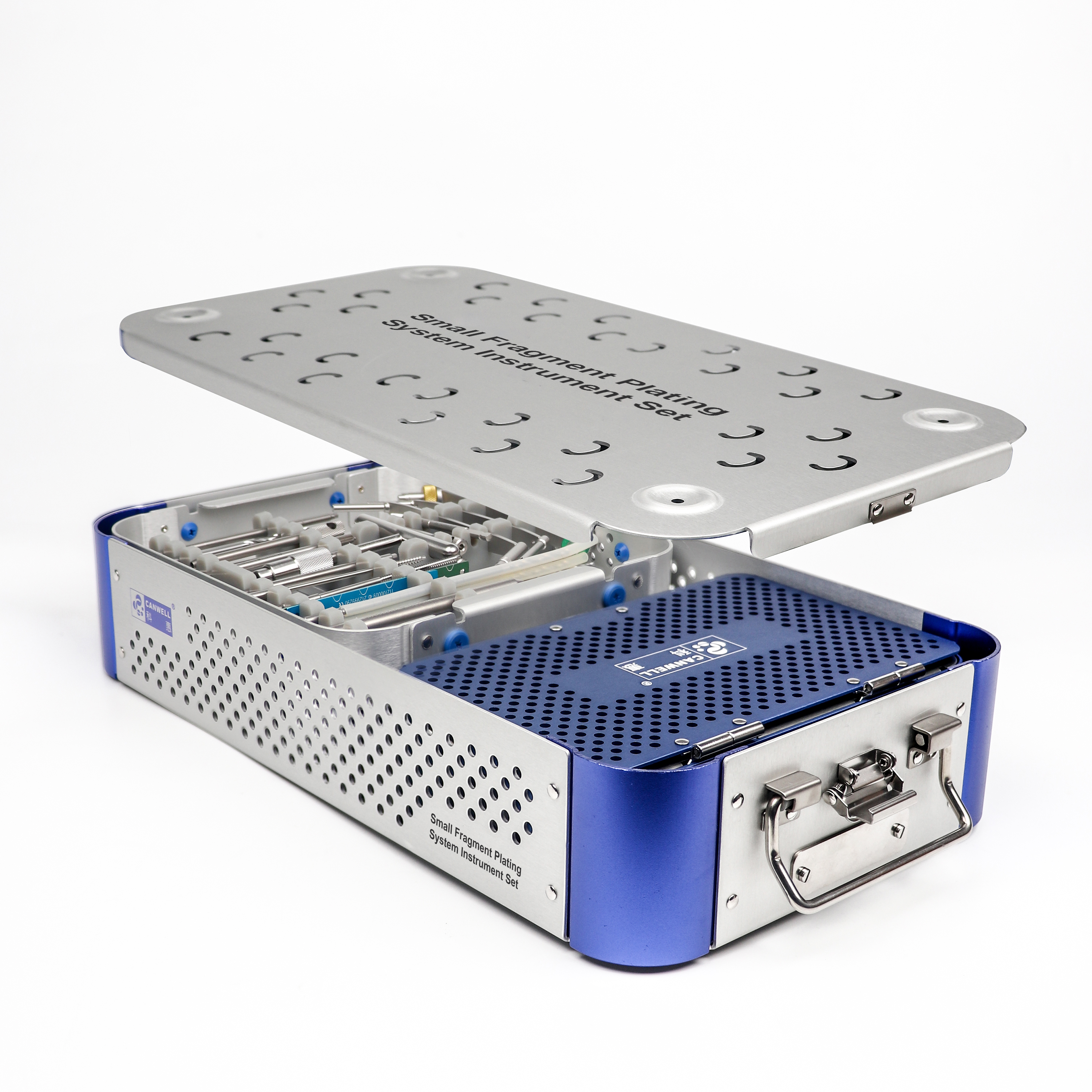
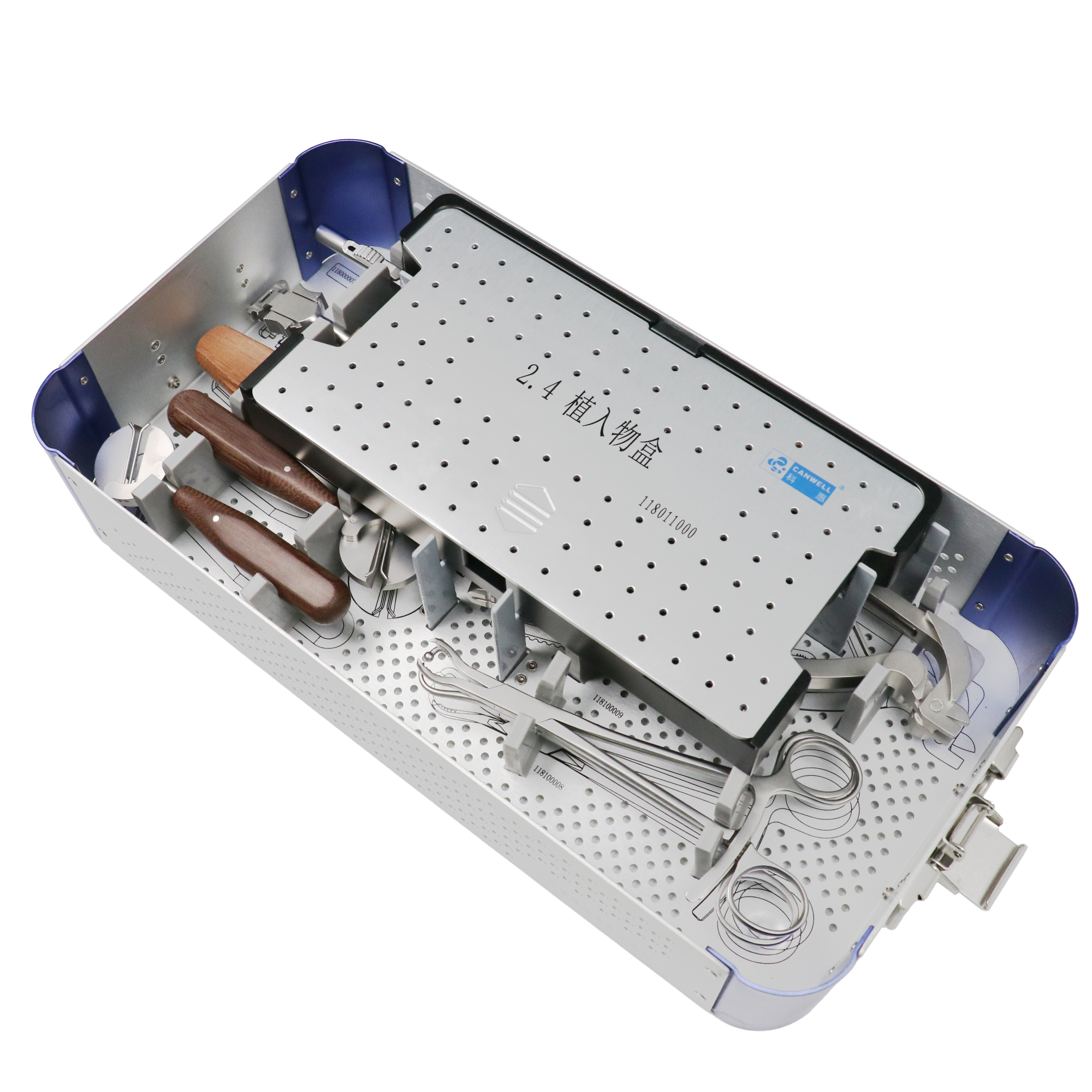
We provide ultra-compact sterile blister systems, autoclavable anodized aluminum sterilization trays with custom silicone instrument nests, and bulk non-sterile hospital delivery configurations that eliminate single-use plastic waste while maintaining ISO 11607 sterile barrier integrity.
From metallurgical verification through 5-axis CNC machining, electropolishing, and ISO Class 7 cleanroom aseptic packaging.
Our production hub operates on a disciplined 13-stage closed-loop quality system that ensures zero defects across every production batch delivered to international partners. Rather than relying on third-party sub-contractors, every mechanical and chemical step is retained under direct corporate oversight:
High-precision 5-axis DMG MORI and Citizen Swiss-type machining centers mill intricate calcaneal perimeter profiles and thread variable-angle locking holes down to tolerances of ±0.005 mm.
Automated multi-frequency ultrasonic degreasing stations paired with automated micro-grit passivation remove all trace particulates, achieving exceptional surface biocompatibility.
Static axial compression, 4-point dynamic bending, and screw pull-out testers run continuously in our certified laboratory to validate material endurance against ISO 9585 standards.
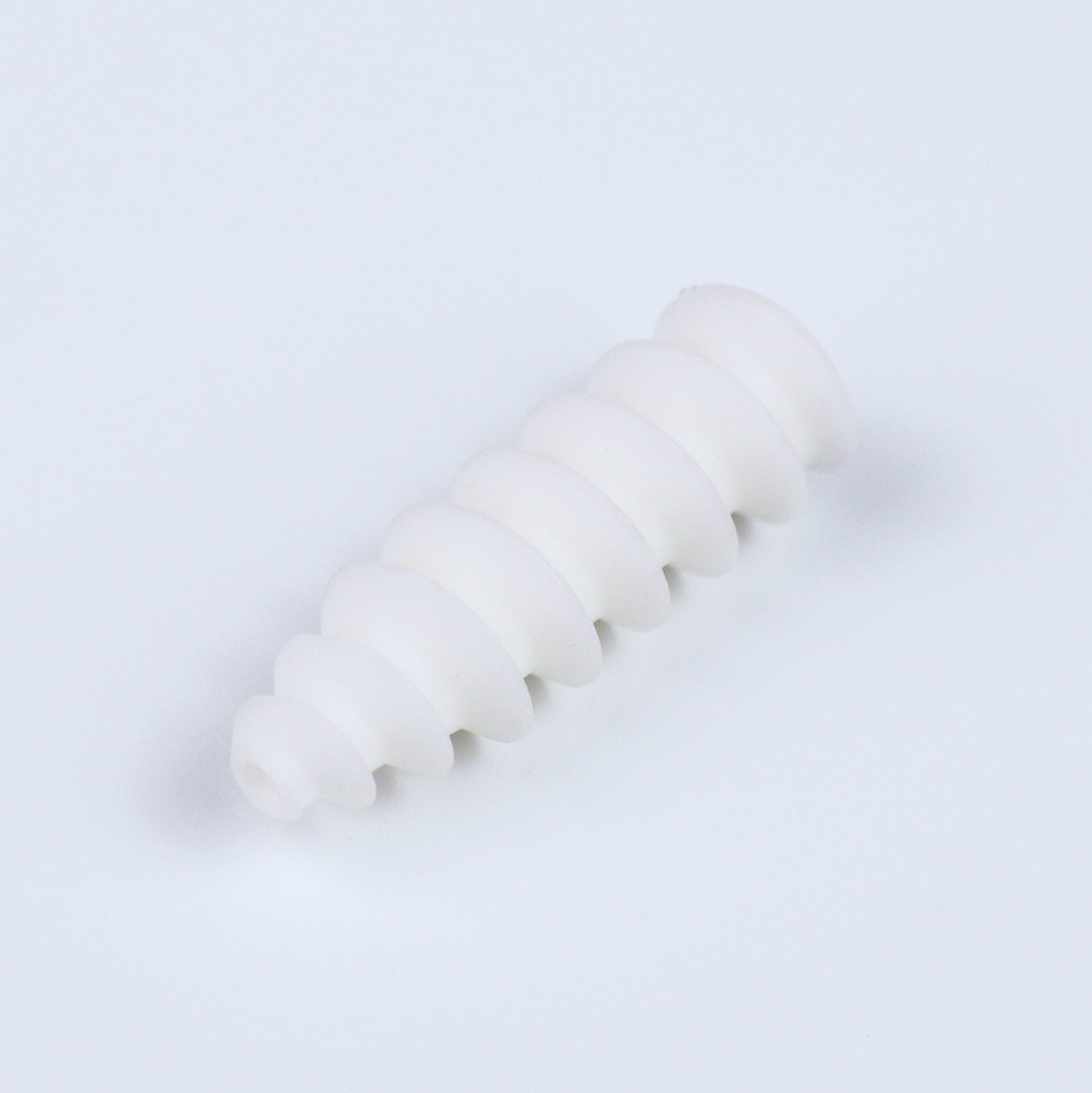
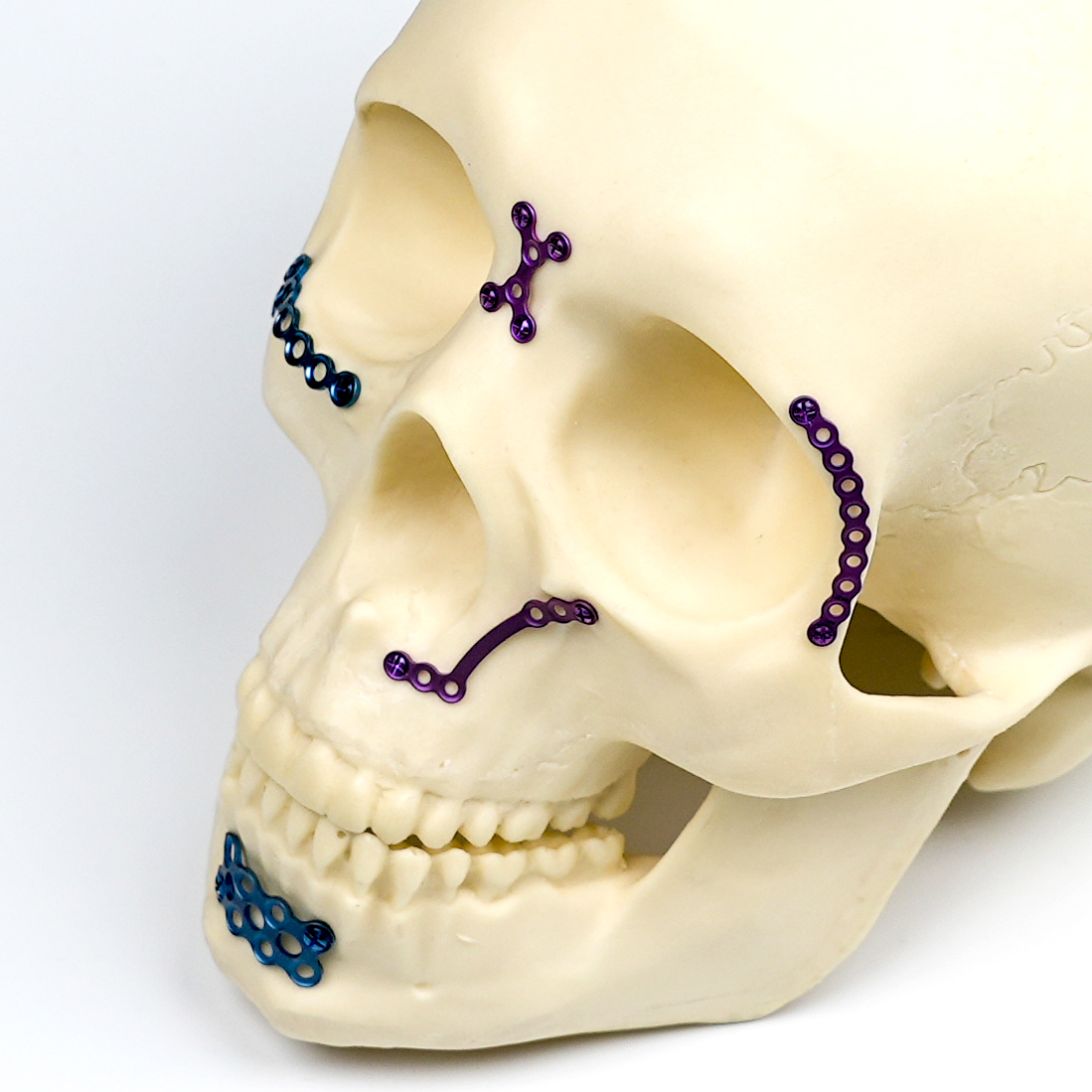
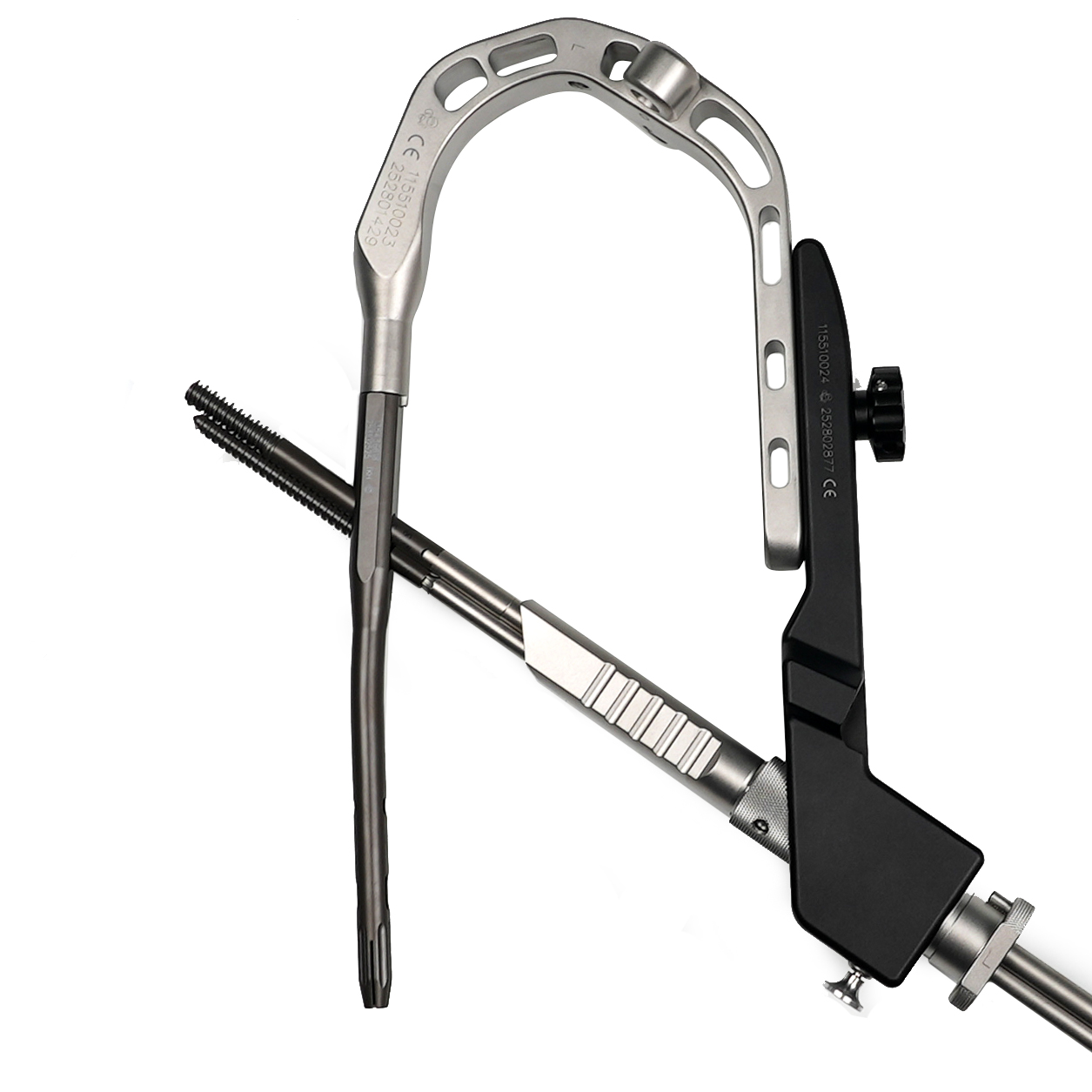
This closed workflow is why distributors, private-label partners, and hospital groups choose us as their long-term supply anchor. In addition to calcaneal plates, our unified production lines simultaneously produce matching trauma locking systems, intramedullary femoral and tibial rods, craniofacial reconstructive kits, and sports medicine interference screws—enabling seamless, consolidated logistics for hospital tenders.
Transparent technical, regulatory, and logistics answers for hospital purchasing committees, distributors, and supply managers in Central Netherlands.
All our Class IIb orthopedic trauma systems, including locking plates and screws, hold valid CE marking under European Medical Device regulations (EU MDR / 93/42/EEC transitions). Our plant is audited and verified onsite by SGS Group, and our regulatory department prepares comprehensive Technical Documentation files, Declarations of Conformity (DoC), and ISO 13485:2016 audit reports ready for direct submission to Dutch healthcare bodies (IGJ).
For standard stocked configurations (anatomic calcaneal plates, small fragment sets, standard cortical and locking screws), direct air freight dispatch to Amsterdam Airport Schiphol (AMS) takes 4 to 7 business days, with road transport to Utrecht central receiving hubs completed within 48 hours of customs clearance. Custom OEM/ODM runs require 4 to 6 weeks for precision tool setup, validation, and batch production.
We accommodate both institutional preferences. Implants can be supplied as individual sterile-packed units in Class 10,000 cleanroom peel-pouches sterilized via Gamma irradiation (ISO 11137 validated), or provided non-sterile packaged for integration into hospital CSSD (Central Sterile Services Department) autoclave cassettes and trauma graphic cases.
Yes. Over 50% of our manufacturing capacity is dedicated to contract OEM/ODM production for international brand owners and major medical distributors. We offer high-resolution laser marking (UDI barcodes, client logos, part numbers), customized anodization color-coding (gold, blue, green), bespoke plate geometry engineering, and dedicated surgical technique caddies.
Every bar of raw Titanium alloy (Ti-6Al-4V ELI) undergoes spectroscopic chemical analysis and mechanical tensile testing upon factory entry. Material test certificates (Mill Test Certificates conforming to EN 10204 3.1) accompany every production lot. Implants undergo 100% surface penetrant testing to ensure zero microscopic surface fissures prior to anodization.
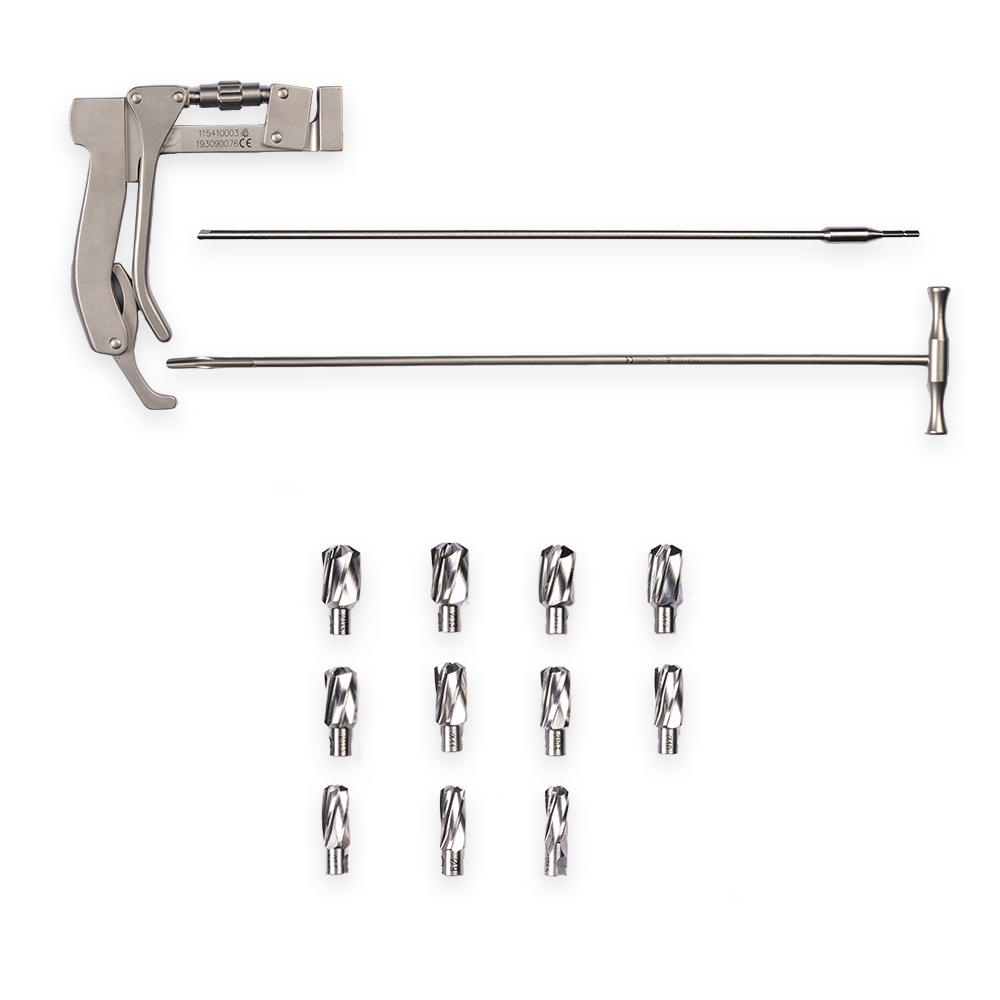
Absolutely. We provide complete matching small fragment surgical sets—including precision drill bits with tungsten carbide tips, depth gauges, torque-limiting screwdrivers, plate holding forceps, and Hohmann retractors—all housed in lightweight, hard-anodized aluminum trays engineered to endure over 5,000 autoclave cycles.