Comprehensive Trauma & Orthopedic Systems
Manufactured under stringent cleanroom environments with medical-grade titanium alloy and PEEK polymers to meet strict CENABAST tender specifications and private clinical demands.
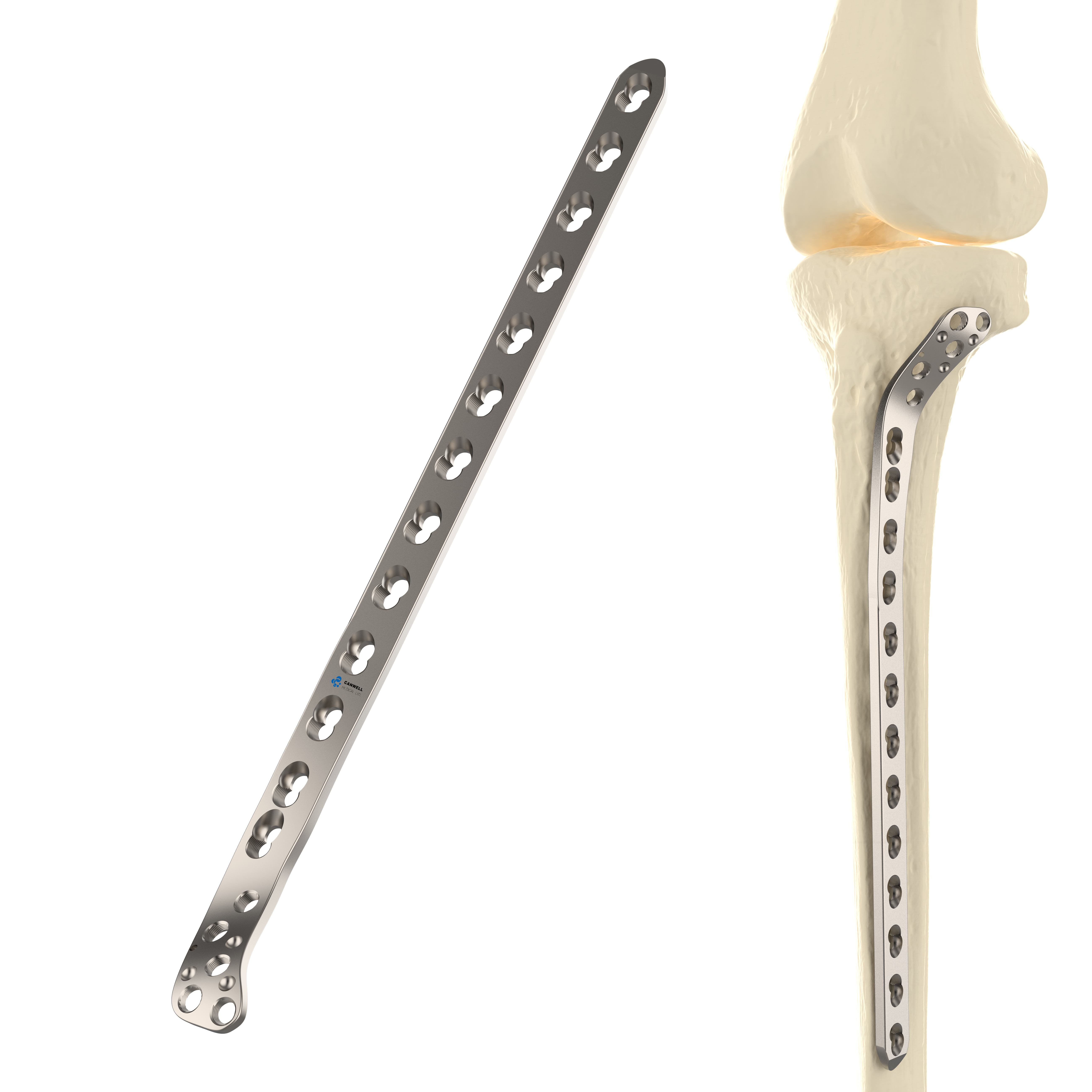
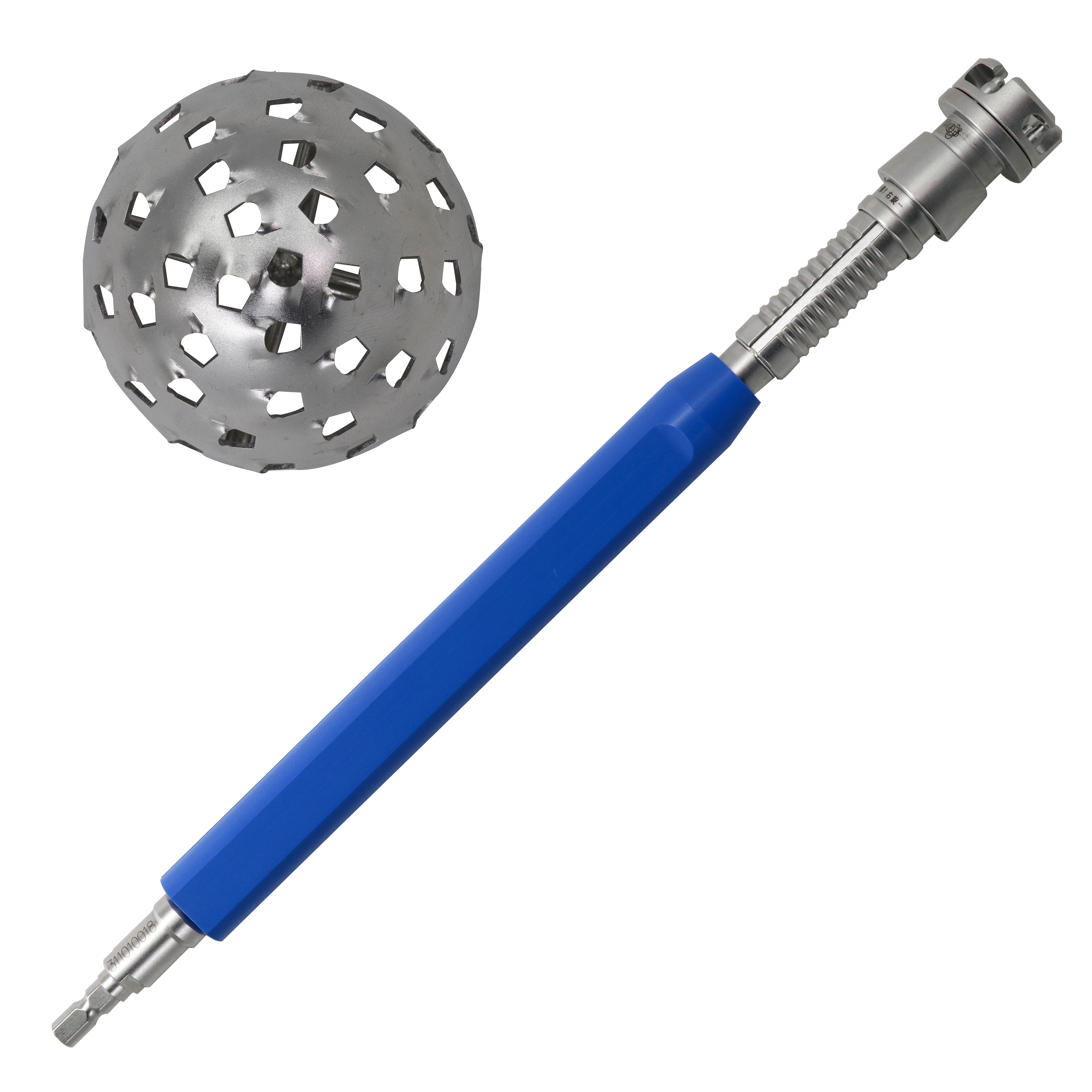
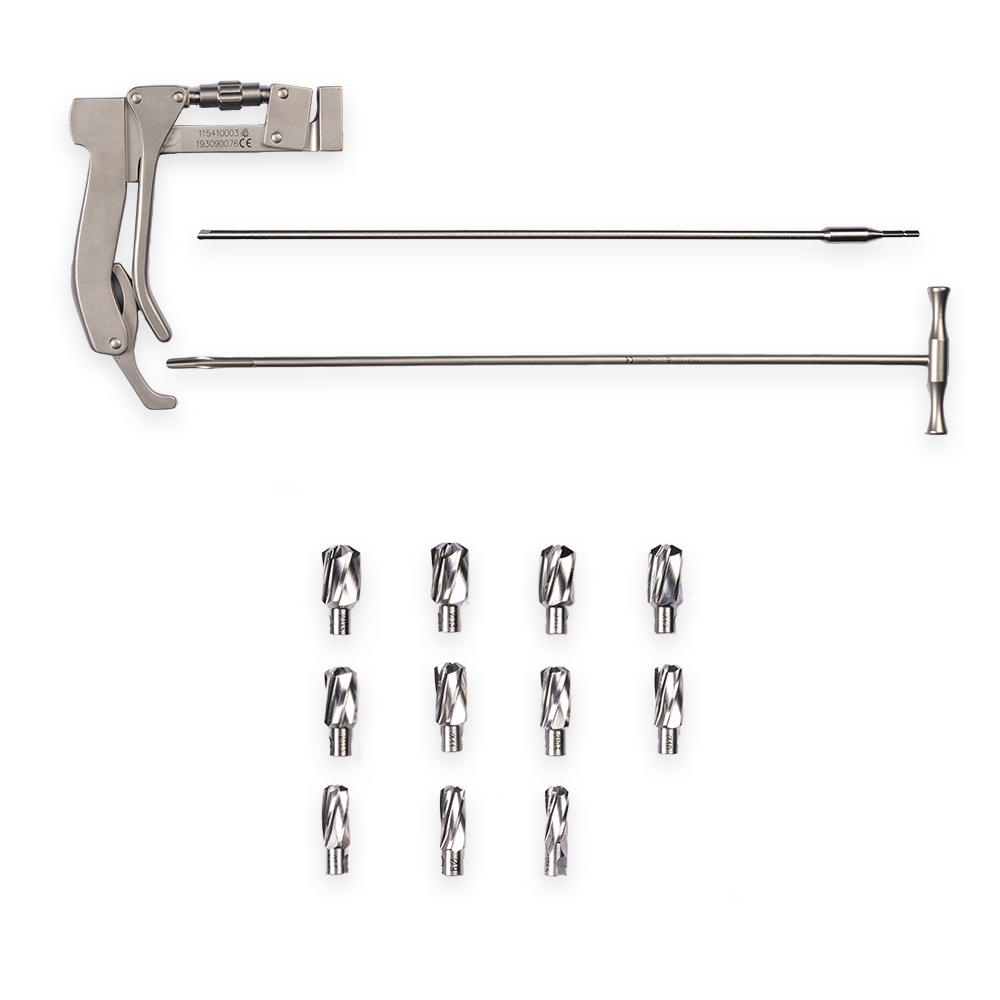
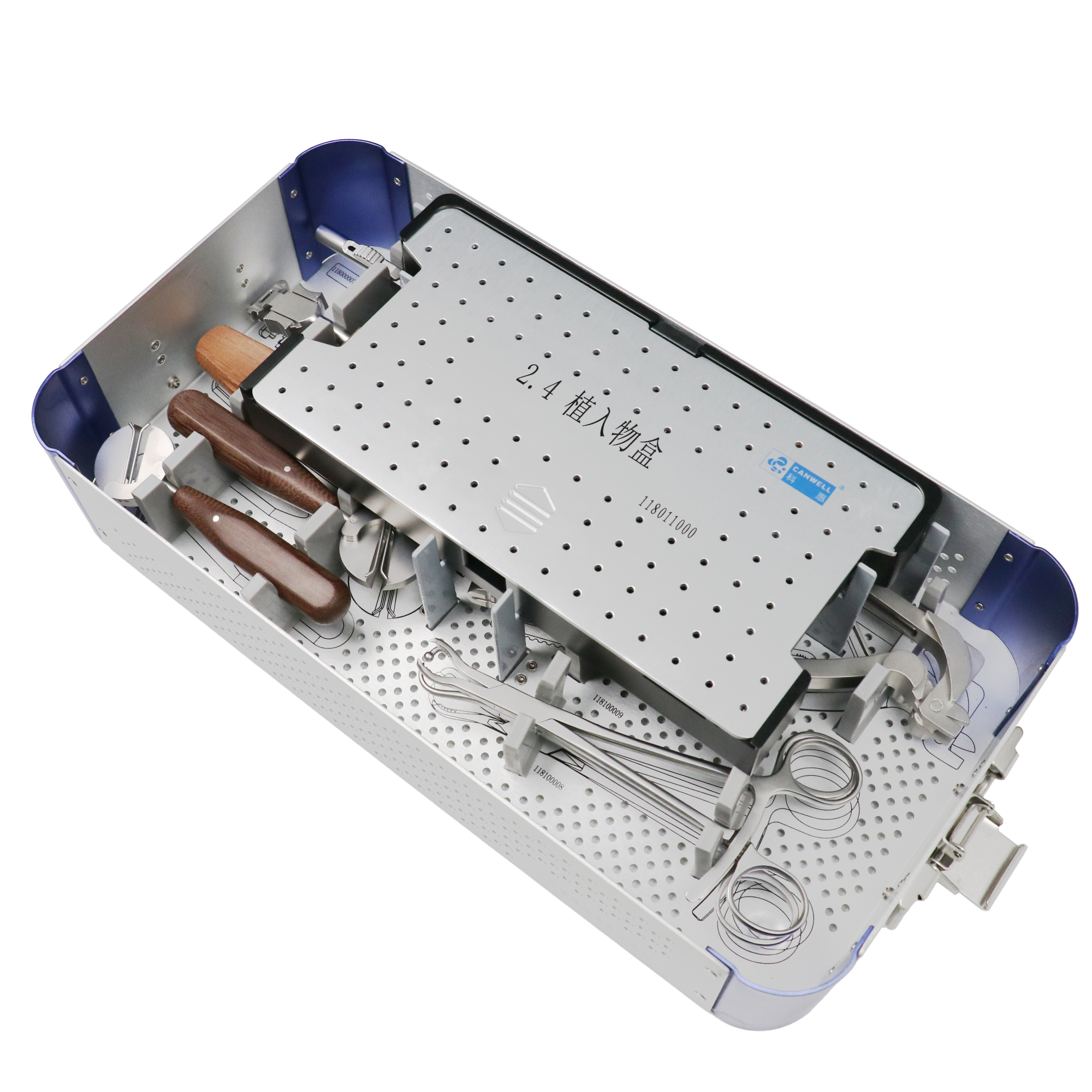
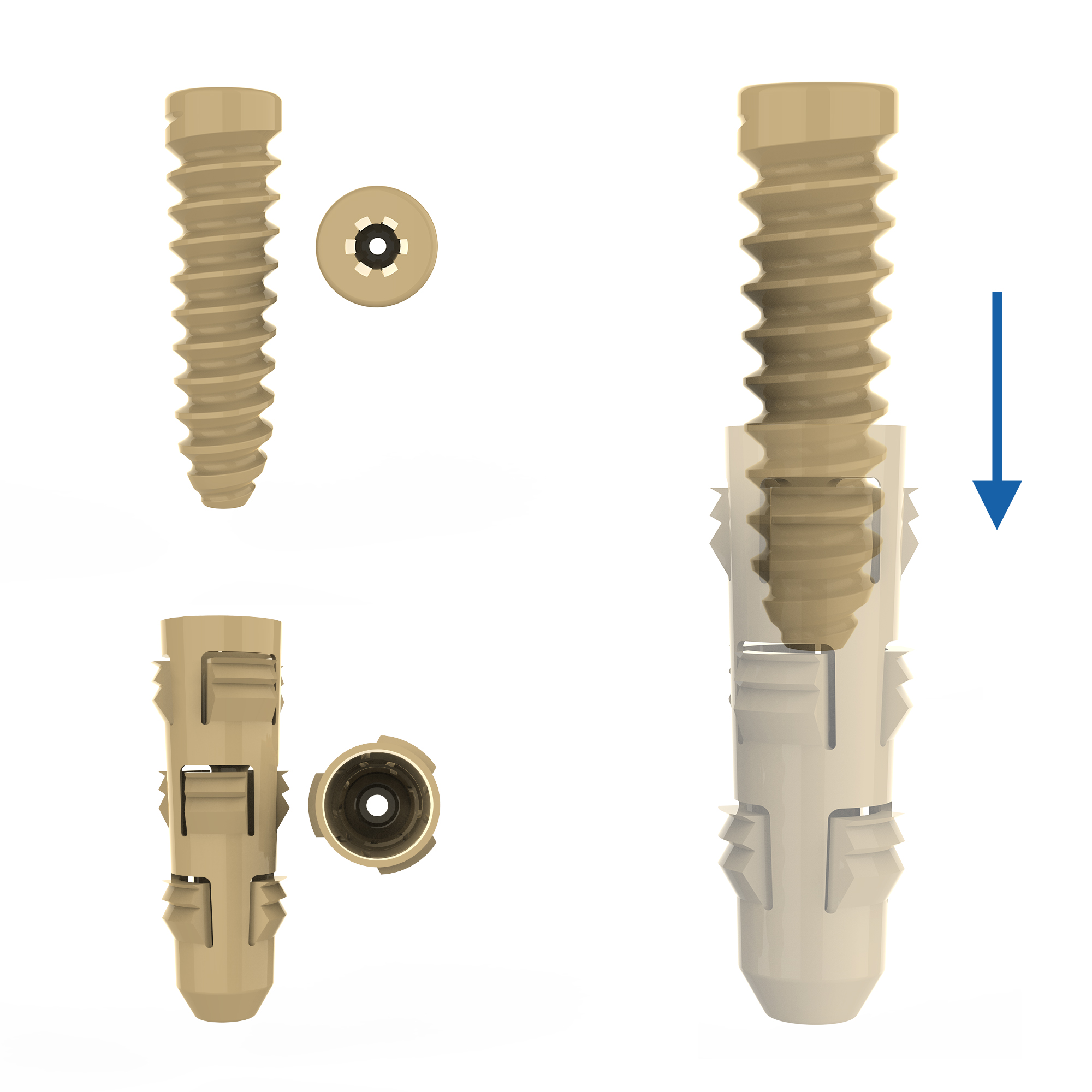
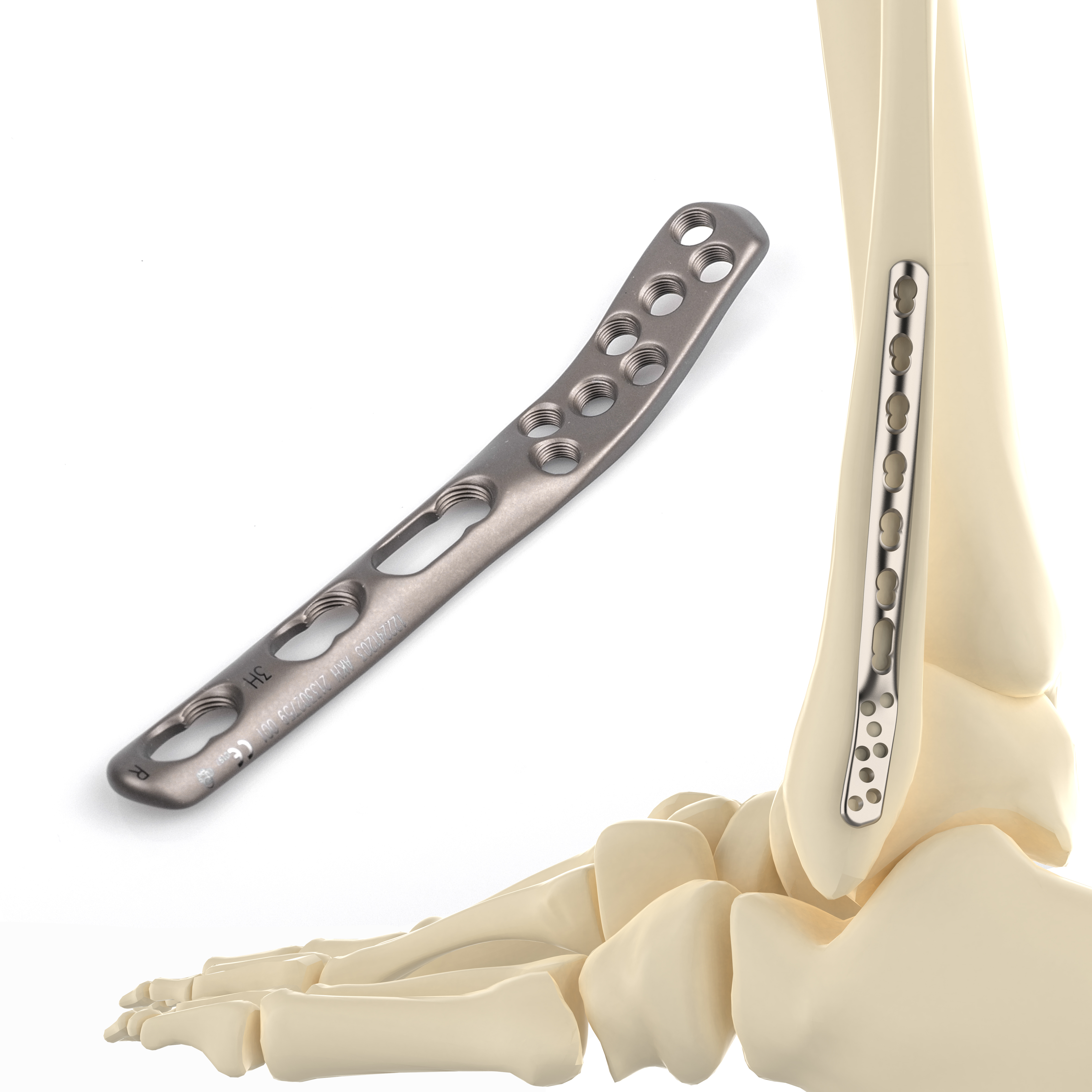
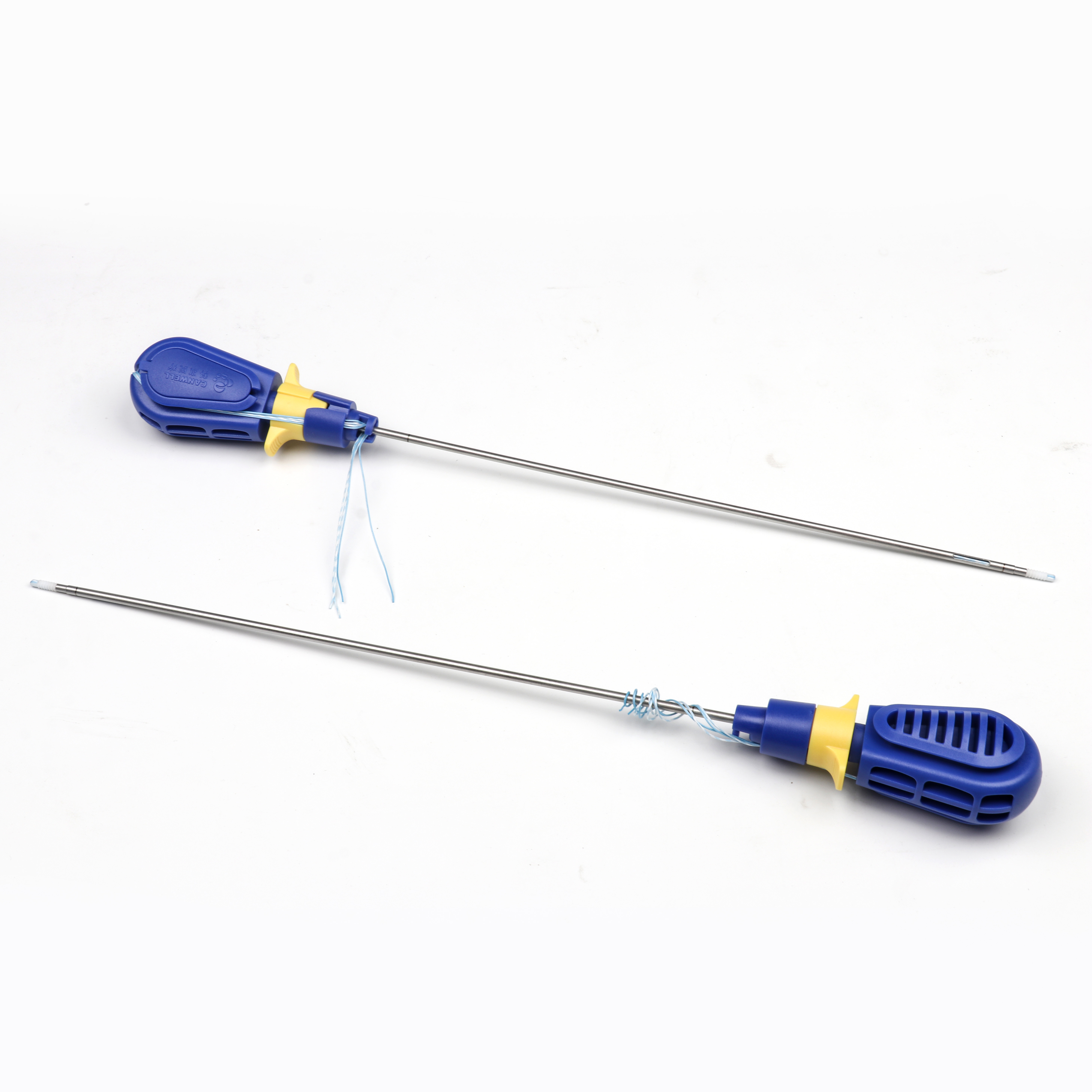
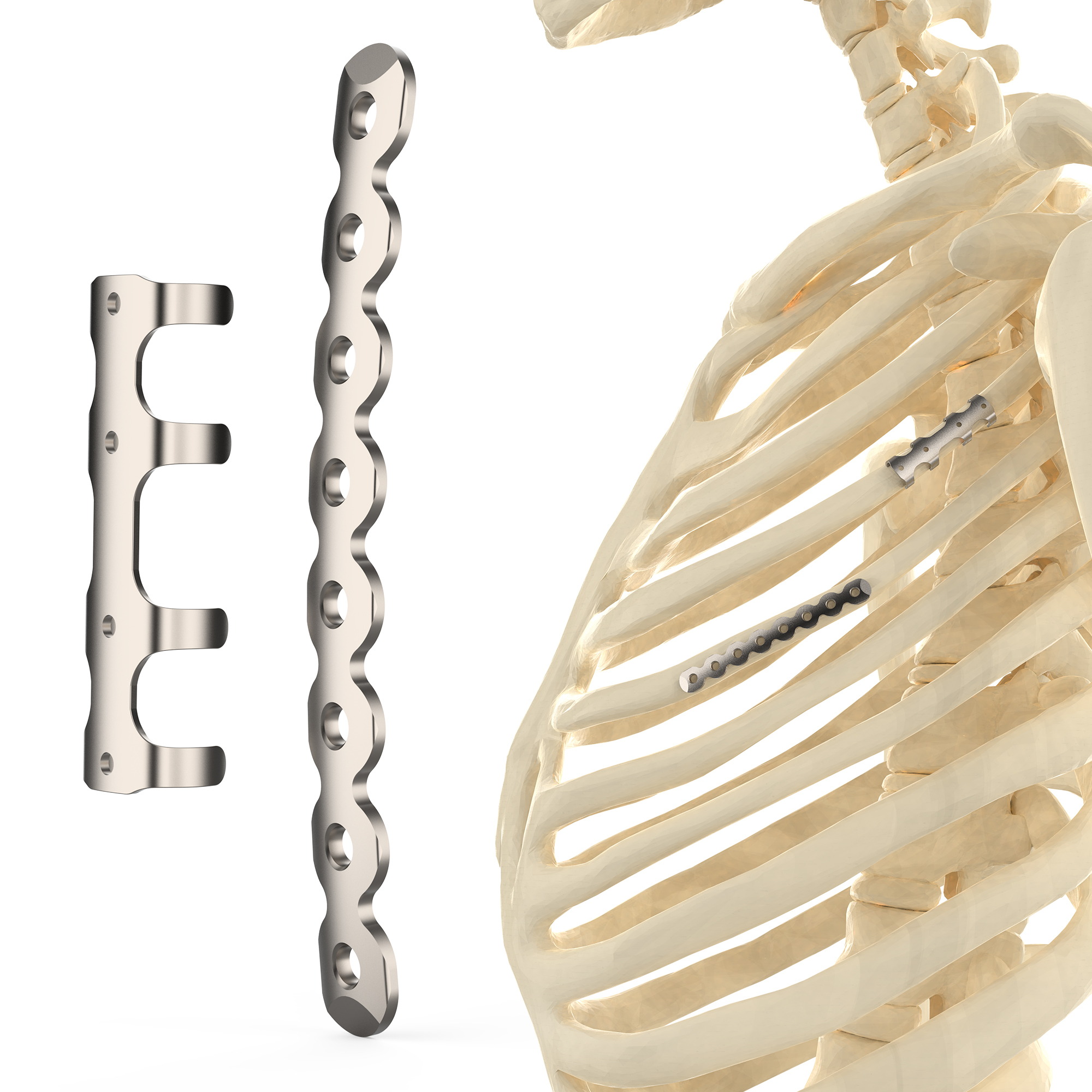
1. Clinical Biomechanics & Calcaneal Fracture Topography
The human calcaneus is the primary weight-bearing osseous structure of the hindfoot, sustaining dynamic forces exceeding five times total body weight during normal gait cycles and upward of twenty times during axial impact trauma. Calcaneal fractures represent approximately 60% of all tarsal injuries, with roughly 75% presenting as intra-articular fractures involving the subtalar joint. Sourcing the appropriate calcaneal plates supplier for medical institutions in Concepción requires a profound understanding of the complex anatomical reconstruction demanded by Sanders Class II, III, and IV fracture classifications.
A primary objective of surgical intervention via open reduction internal fixation (ORIF) or minimally invasive sinus tarsi approaches is the anatomical restoration of the posterior facet, re-establishment of Böhler’s angle (normally 20° to 40°), and correction of the critical angle of Gissane (120° to 145°). Failure to restore the calcaneal height, length, and width leads directly to altered hindfoot kinematics, impingement of the peroneal tendons against the lateral malleolus, post-traumatic subtalar arthritis, and long-term functional invalidity. To prevent hardware failure under the severe cyclic loading characteristic of the hindfoot, calcaneal locking plates must combine high tensile rigidity with ductile perimeter adaptability.
Biomechanical Imperative: The primary mechanical anchor of any calcaneal reconstruction is the sustentaculum tali. Modern low-profile locking plates must feature dedicated, convergent screw trajectories engineered specifically to engage this dense bone shelf anteromedially, guaranteeing subchondral support beneath the depressed articular fragments of the thalamus.
2. Engineering Advancements in Titanium Calcaneal Fixation
Traditional calcaneal reconstruction utilizing bulky non-locking reconstruction plates was historically associated with alarming soft tissue complication rates, including lateral flap devascularization, wound dehiscence, and deep osteomyelitis running as high as 15% to 25%. Modern clinical practice across leading trauma facilities demands implants designed from Ti-6Al-4V ELI (Grade 23, ASTM F136), which provides superior fatigue life and a modulus of elasticity closer to cortical bone than stainless steel, reducing the stress-shielding phenomenon.
Advanced calcaneal plate architectures engineered by INAR Medical integrate variable-angle locking technology. This allows the orthopedic surgeon an angulation cone of up to ±15° around the central axis, facilitating customized screw purchase around fragmented articular facet fragments and avoiding collision with transfixing K-wires or adjoining sinus tarsi screws. Furthermore, ultra-low profile configurations (ranging between 1.2 mm and 1.5 mm thickness) featuring meticulously chamfered edges substantially decrease hardware prominence against the thin, vulnerable lateral heel envelope.
Perimeter Mesh Locking Plates
- Designed for extensile lateral approaches (L-incision)
- Broad coverage spanning from tuberosity to calcaneocuboid joint
- Multiple subchondral locking holes for comminuted facets
- Integrated cut-out windows to monitor autologous bone graft incorporation
- Optimal for high-energy Sanders Type III and IV joint depressions
Sinus Tarsi MIS Plates
- Engineered for minimal-incision approaches (Sinus Tarsi incision)
- Dramatically reduces lateral soft tissue complications down to <3%
- Pre-shaped anatomical curvature hugs the lateral calcaneal wall
- Fixed-angle convergent locking vectors target the sustentaculum tali
- Preferred for Sanders Type II tongue and joint-depression variants
Specialized Calcaneal Instrumentation
- Dedicated Schanz pins and multi-axis calcaneal distractors
- Cannulated drill bits matched to 2.7 mm and 3.5 mm self-tapping screws
- Torque-limiting screwdrivers (1.5 Nm) to prevent thread stripping
- Depth-gauges with anti-parallax vernier indicators
- Böhler angle measurement templates for intra-op fluoroscopy
Clinical Deployment Across Concepción Hospitals
Navigating the complex epidemiology, surgical delivery systems, and institutional supply chains across the Greater Concepción metropolis.
Public Sector Trauma: Hospital Dr. Guillermo Grant Benavente
As the largest tertiary referral and Level 1 trauma hub south of Santiago, Hospital Clínico Regional de Concepción "Dr. Guillermo Grant Benavente" treats the highest density of high-energy axial hindfoot trauma in Chile's Región del Biobío. Calcaneal trauma admitted here originates predominantly from catastrophic falls from elevation in the extensive forestry industrial basins of Arauco and Biobío, heavy structural scaffolding failures in the Talcahuano naval shipyards, and commercial harbor logistics at Puerto Coronel and San Vicente.
Given the heavy comorbidity profile (including diabetes, high smoking rates, and peripheral vascular strains), surgeons at Hospital Grant Benavente actively prioritize anatomical locking plates compatible with minimally invasive sinus tarsi trajectories. Direct sourcing from an audited manufacturer allows institutional procurement groups to maintain complete stock readiness for high-demand trauma calls while managing budgets under the public tender requirements of CENABAST and ChileCompra.
Private Healthcare Networks & Mutual Labor Insurers
Concepción boasts a robust private and occupational health ecosystem spearheaded by Clínica Alemana de Concepción (San Pedro de la Paz), Clínica Biobío, and mutual safety institutes including Hospital del Trabajador (ACHS) and Clínica Los Andes (Mutual de Seguridad). These centers manage critical workplace accidents governed by Chilean Law 16.744 on occupational injuries, where early surgical stability, zero wound breakdown, and accelerated functional weight-bearing directly drive patient return-to-work metrics.
Orthopedic teams within these private pavilions expect superior implant surface passivity, frictionless instrument ergonomics, and uncompromising sterile blister packaging. INAR Medical supplies premium titanium calcaneal configurations that fulfill the rigid standards required by private medical audits and mutual insurance oversight, ensuring optimal surgical outcomes without exorbitant intermediary price markups.
3. Chilean Sourcing Dynamics: ISP Regulations & Tendency Shifts
The acquisition of Class III orthopedic implants in Chile is regulated strictly by the Instituto de Salud Pública de Chile (ISP) under Supreme Decree No. 825/98 and modern verification decrees. Medical device distributors and institutional purchasers in Concepción must guarantee that imported calcaneal plating systems are backed by an indisputable technical dossier. This includes CE certificates under EU MDR (Regulation 2017/745) or MDD 93/42/EEC, ISO 13485:2016 quality management auditing, metallurgical purity certificates (ASTM F136 / ISO 5832-3), and mechanical validation reports detailing static and dynamic fatigue limits according to ASTM F382 protocols.
In recent years, procurement mechanisms in the Biobío region have undergone a fundamental shift. Traditionally reliant on multi-tiered commercial distributors in Santiago that introduce 40% to 70% middleman markups, procurement directors at municipal health services (Servicio de Salud Concepción and Servicio de Salud Talcahuano) are increasingly entering into factory-direct supply agreements. This direct model ensures continuous consignments of sterile-packed plates and dedicated, autoclavable instrument sets, eliminating emergency stock depletion during regional disasters or severe industrial surges.
4. Biocompatibility, Surface Passivation & Infection Prophylaxis
Given the notoriously thin cutaneous cover over the lateral surface of the calcaneus, tissue-implant biocompatibility is not merely a theoretical parameter—it is the single deciding factor between uneventful primary skin closure and catastrophic lateral skin-flap necrosis. Plates manufactured for the Concepción healthcare market undergo proprietary, multi-stage surface treatments:
Type II Anodization: This controlled electrochemical oxidation forms an inert, micro-porous titanium dioxide barrier layer that significantly increases fatigue strength, reduces fretting corrosion at the plate-screw interface, and minimizes cold welding. Consequently, if hardware removal is required down the line due to shoe wear impingement, locking screws can be backed out smoothly without risk of hex socket stripping or screw-head shearing.
Acoustic Ultrasonic Bio-Burden Cleansing: Implants pass through double-stage multi-frequency ultrasonic washing cycles that eradicate all traces of cutting fluid, carbon contaminants, and microscopic metal swarf prior to visual inspection under automated penetrant testing chambers.
Precision Manufacturing & Quality Engineering
Zhejiang INAR Medical Co., Ltd. operates a state-of-the-art 29,523 m² facility, executing all critical production in-house to supply global distributors and regional hospitals with traceably verified devices.
Raw Bar Stock
Traceable medical Grade 23 Ti-6Al-4V ELI imported under certified mill sheets.
5-Axis CNC
High-precision micro-machining of anatomical profiles and locking threads.
Penetrant Test
100% dye-penetrant inspection to eliminate micro-fractures and surface defects.
Type II Anodize
Color-coded anodic layer enhancing fatigue life and preventing fretting wear.
Cleanroom Pack
Class 10,000 cleanroom packaging in double blister packs ready for ETO/Gamma.
5. Why Sourcing Specialists Partner with INAR Medical
With an experienced multidisciplinary team of 632 dedicated personnel, Zhejiang INAR Medical Co., Ltd. has established itself as an authoritative global manufacturer of orthopedic trauma, spine, and sports medicine devices. Unlike trading brokers or repackagers, INAR maintains absolute control over its value chain—from metallurgical intake inspection to multi-axis Swiss-lathe screw turning and final OQC outgoing quality audits. Our facilities have been rigorously assessed onsite by SGS Group, providing buyers in Concepción and across Latin America with full regulatory transparency.
Our OEM/ODM engineering capabilities allow distributors in Chile to request private-label laser marking, custom surgical tray layout configurations tailored to local autoclave chamber parameters, and bespoke plate geometry modifications developed alongside local key opinion leaders (KOLs). Backed by more than two decades of industrial leadership and 13 consecutive years exporting across international markets, INAR represents the definitive manufacturing partner for institutional stability, clinical reliability, and commercial competitiveness.
Frequently Asked Questions by Concepción Buyers
Clear, direct answers regarding regulatory compliance, shipping logistics to Biobío, minimum orders, and surgical instrumentation support.
What documentation is provided for Chilean ISP registration?
We supply full regulatory dossiers including CE Certificates under EU MDR 2017/745 or MDD 93/42/EEC, ISO 13485:2016 certificates, Certificates of Free Sale (CFS), Declarations of Conformity (DoC), biocompatibility testing (ISO 10993), and mechanical fatigue reports necessary for seamless submission to the Instituto de Salud Pública de Chile.
How are logistics handled from China to Concepción (Biobío)?
We provide air freight expedited delivery directly to Carriel Sur International Airport (CCP) in Concepción via Santiago (SCL) customs hubs for urgent hospital needs, or ocean container freight clearing through the deep-water ports of San Antonio or Valparaíso, supported by professional export packaging and temperature-stable crating.
Can you provide matching surgical instrument sets for calcaneal procedures?
Yes. Every plate family is complemented by modular, anodized aluminum or stainless-steel surgical trays equipped with calibrated depth gauges, soft-tissue retractors, drill guides, quick-coupling handles, and precision torque limiters designed to survive repetitive autoclave sterilization cycles without calibration loss.
What are the minimum order quantities (MOQ) for distributors?
For standard catalog items, we offer flexible starter quantities to facilitate clinical evaluation and surgeon trialing across regional clinics. For private-label OEM packaging or custom plate contours, customized MOQs apply based on production run requirements. Contact our export desk for tailored proposals.
Do you support public CENABAST and ChileCompra tender bids?
Absolutely. We partner closely with established Chilean distributors and direct tender contractors, locking in competitive factory-direct pricing, guaranteed batch release schedules, and certified quality consistency throughout multi-year public hospital supply contracts.
What is the shelf life and packaging specification for sterile implants?
Sterile-packaged implants are sealed inside medical-grade Tyvek double-blister enclosures within our on-site cleanrooms, yielding a validated 5-year sterile shelf life under ambient hospital storage conditions, fully labeled with GS1 compliant DataMatrix barcodes for batch traceability.
Partner with an Audited Calcaneal Plates Supplier for Concepción
Secure factory-direct pricing, certified EU MDR documentation, and dependable surgical inventory for your hospital, clinic, or regional distribution network across the Biobío region.