Optimizing Bedside Radiography in Slovak Intensive Care Units: Technical Requirements for CE-Certified Medical Beds with X-Ray Cassette Holders
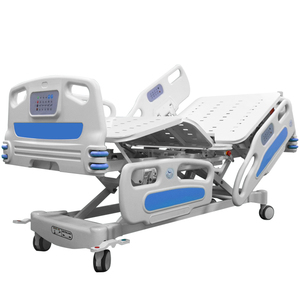
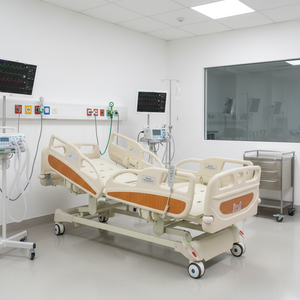
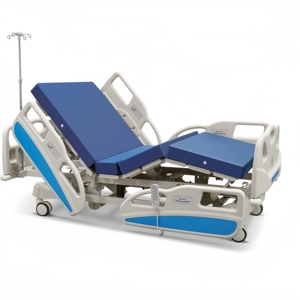
In modern acute care and critical therapy environments across Slovakia—such as those within University Hospital Bratislava (Univerzitná nemocnica Bratislava) and F.D. Roosevelt Teaching Hospital in Banská Bystrica—bedside thoracic diagnostic imaging has evolved into a daily clinical standard. Critically ill patients suffering from severe respiratory compromise, polytrauma, or postoperative neurological instability cannot undergo routine patient transfers to central radiology departments without incurring significant risk of adverse events. Consequently, the incorporation of radiolucent backrests equipped with integrated X-Ray cassette holders directly into hospital beds represents a fundamental engineering advance in patient safety and workflow optimization.
1. Radiolucent Material Science: High-Pressure Laminate (HPL) vs. Standard ABS Backrests
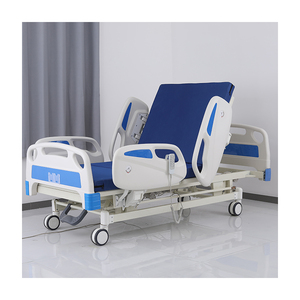
A primary bottleneck in bedside radiography is diagnostic artifact interference caused by internal bed frames, metal support structures, or dense high-density plastics. Superior medical beds engineered for X-ray compatibility replace conventional steel or thick ABS backrest panels with specialized radiolucent High-Pressure Laminates (HPL) or carbon-fiber composite matrixes. HPL panels exhibit an exceptionally low attenuation coefficient when subjected to ionizing radiation within the 50 to 125 kVp diagnostic energy range.
This minimal photon attenuation guarantees high contrast resolution on digital radiography (DR) detectors and C-arm image intensifiers. Furthermore, the integrated X-Ray cassette tray system is mounted on smooth-sliding lateral or top-loading tracking mechanisms. This allows clinical staff in Slovak intensive care units to insert a 35×43 cm standard flat-panel detector directly beneath the patient’s thoracic cavity without requiring manual lifting, log-rolling, or alteration of the patient's spinal alignment.
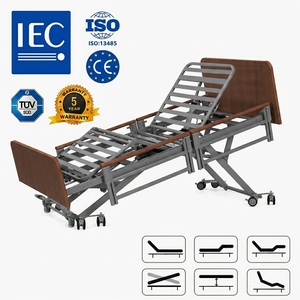
2. Mechanical Stability & Electromagnetic Compatibility (IEC 60601-1 & IEC 60601-1-2)
Operating high-frequency mobile X-ray units in close proximity to electric hospital beds introduces potential electromagnetic interference (EMI) hazards. Factory-certified medical beds designed for the European market comply strictly with IEC 60601-1-2 EMC directives. Premium electric linear actuators (such as DewertOkin or Linak systems incorporated into models like the GRACEMED and ES-19HD series) feature double-shielded control boxes, IPX4 or IPX6 washability protection, and flame-retardant enclosures. These electrical safeguards prevent spurious motor movements or control logic lockups when high-voltage mobile radiologic pulses are discharged nearby.
Rapid Top/Side Insertion
Dual-channel tracking system allows effortless placement of 35x43 cm imaging plates without disturbing ventilated patients.
Zero Attenuation HPL Deck
Medical-grade phenolic resin composite maximizes beam penetration, eliminating ghosting artifacts on digital X-ray sensors.
Anti-Collision ABS Bumpers
Heavy-duty corner bumper wheels absorb kinetic shock during rapid emergency transport in tight hospital corridors.