EU MDR Class IIb
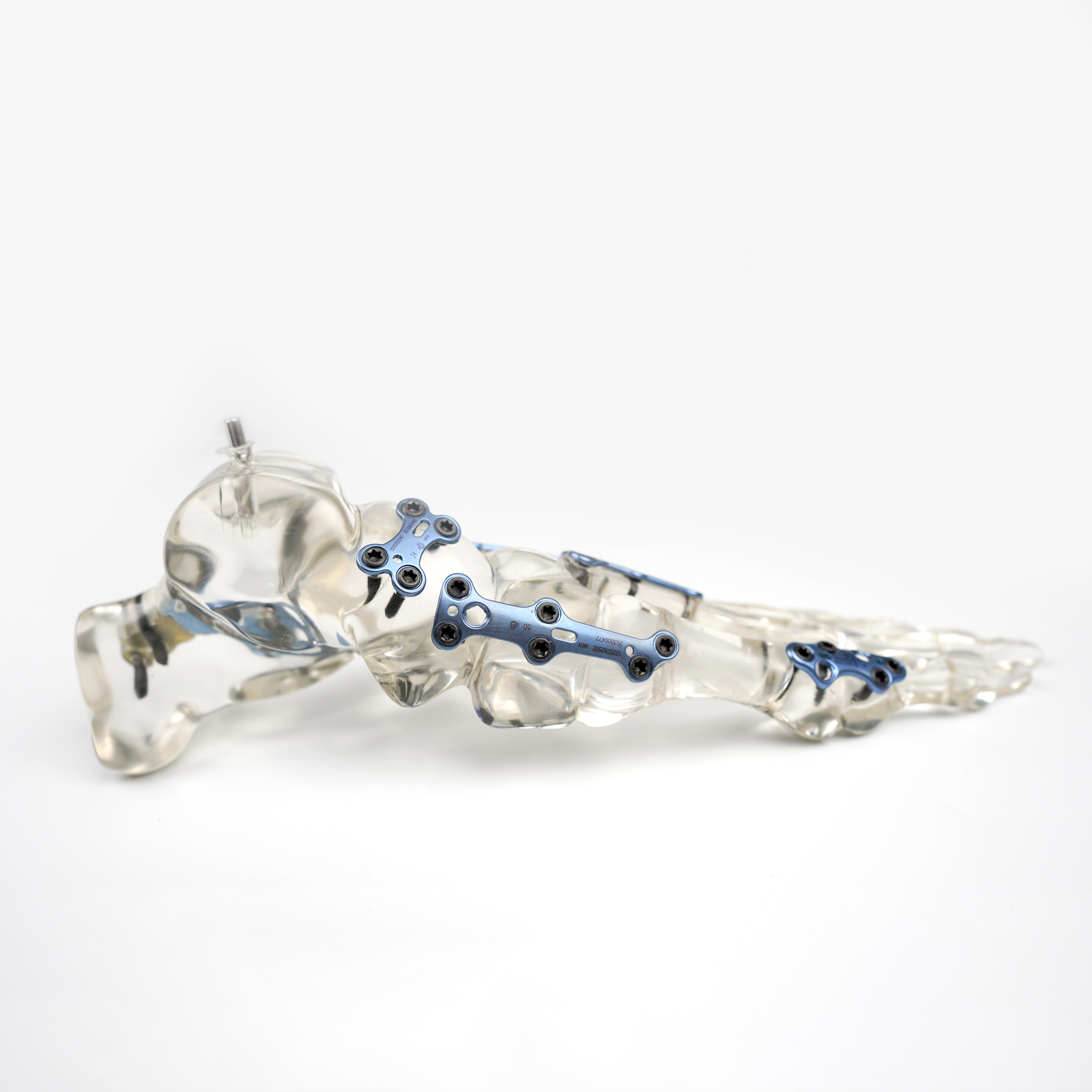
Foot & Ankle Trauma
High-precision Ti6Al4V trauma systems, anatomical locking plates, and custom orthopedic implants complying with EU MDR 2017/745 for hospital procurement teams and distributors across the Skåne region.
Precision-engineered medical implants certified under EU medical directives. Explore our high-demand solutions manufactured for immediate dispatch to Skåne medical facilities and regional distribution centers.
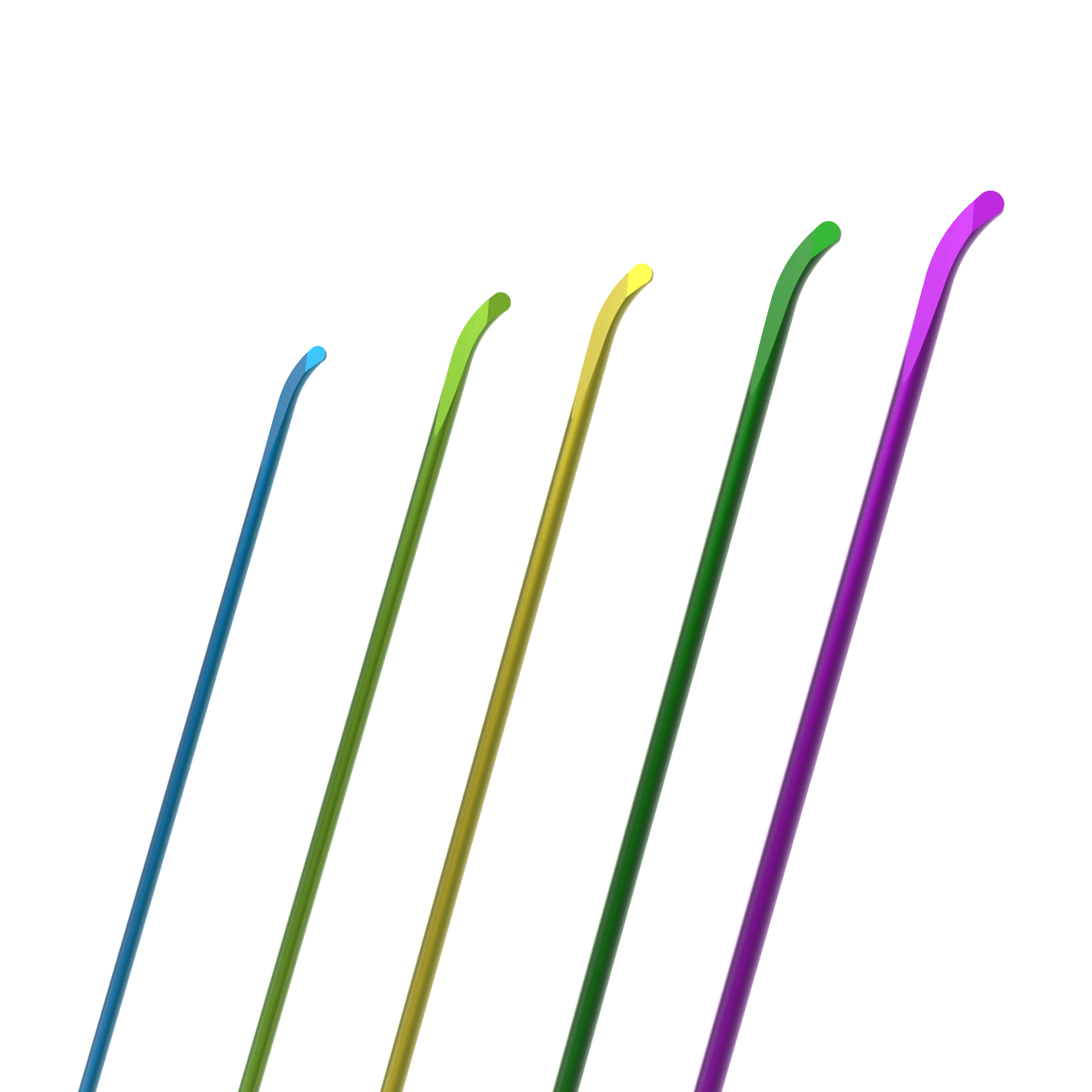
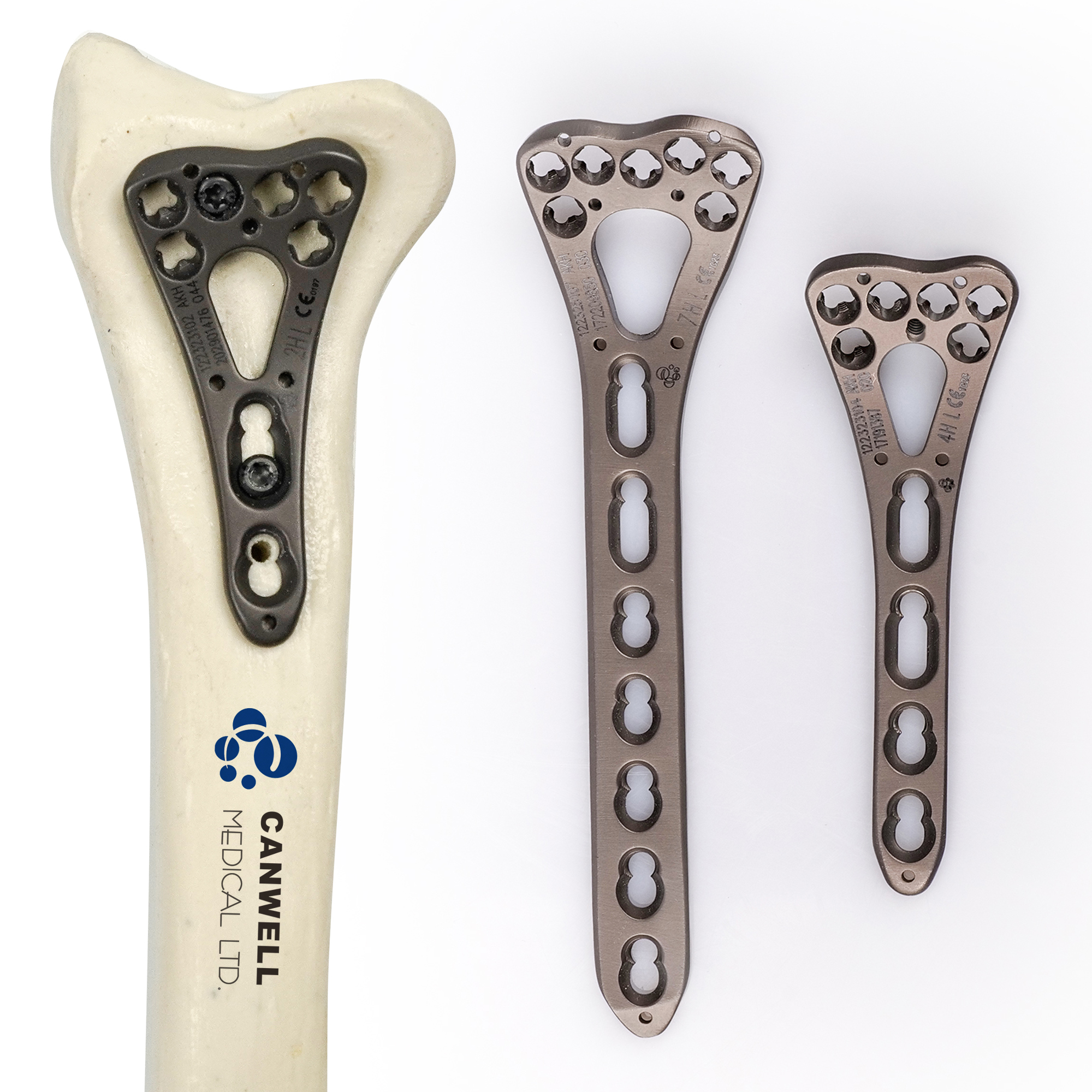
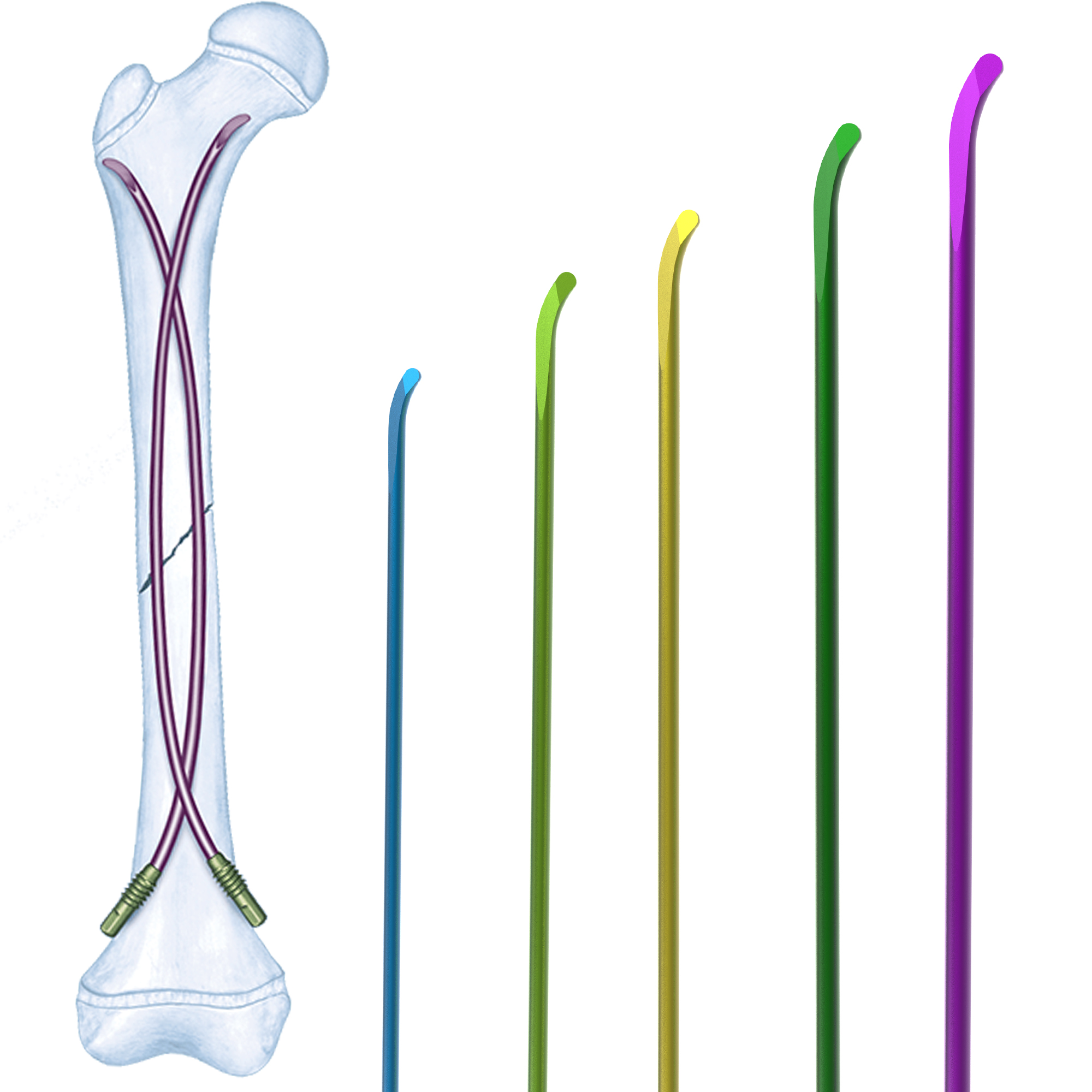
Operating an integrated 29,523 m² production facility with ISO 13485 cleanroom validation, providing Malmö orthopedic channels with fully documented supply chains and zero compromise on mechanical tolerance.
Our manufacturing center has passed on-site supplier verification by SGS Group. Production complies rigorously with ISO 13485:2016 standards, delivering comprehensive batch validation, dimensional records, and bio-burden assay certifications on all reconstruction plates.
From longitudinal cutting of high-purity Ti6Al4V bar stock through multiaxis precision CNC milling, electropolishing, and penetrant crack testing, every reconstruction plate meets strict anatomical tolerances without microstructural stress cracking.
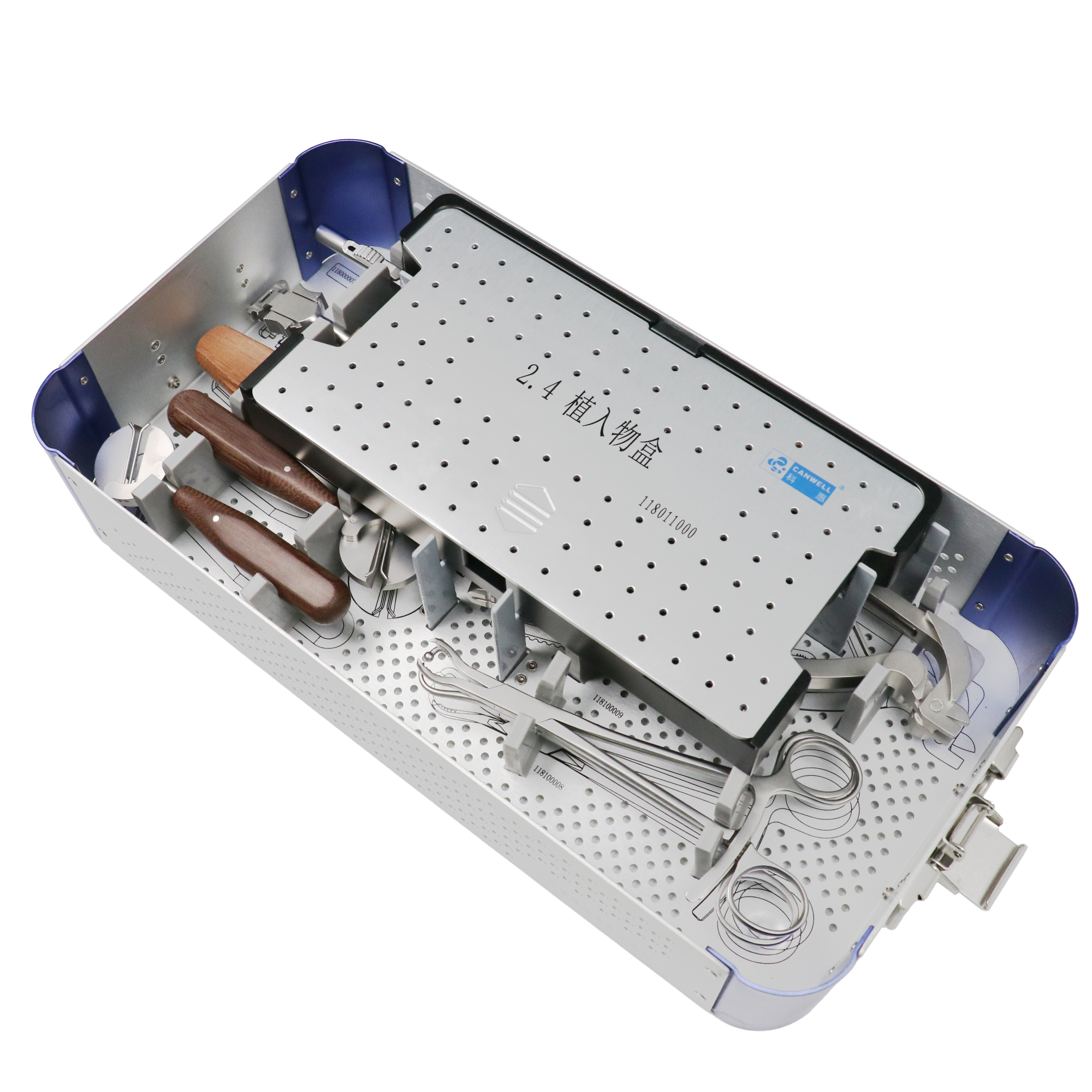
We support European regional brand owners and tender participants with tailored laser marking, proprietary anodized color coding, customized bending templates, and specialized steam-autoclavable graphic sterilization cases designed to Nordic hospital specifications.
A technical whitepaper examining anatomical adaptation, regulatory compliance under Läkemedelsverket oversight, and metallurgical benchmarks for Skåne University Hospital trauma suites.
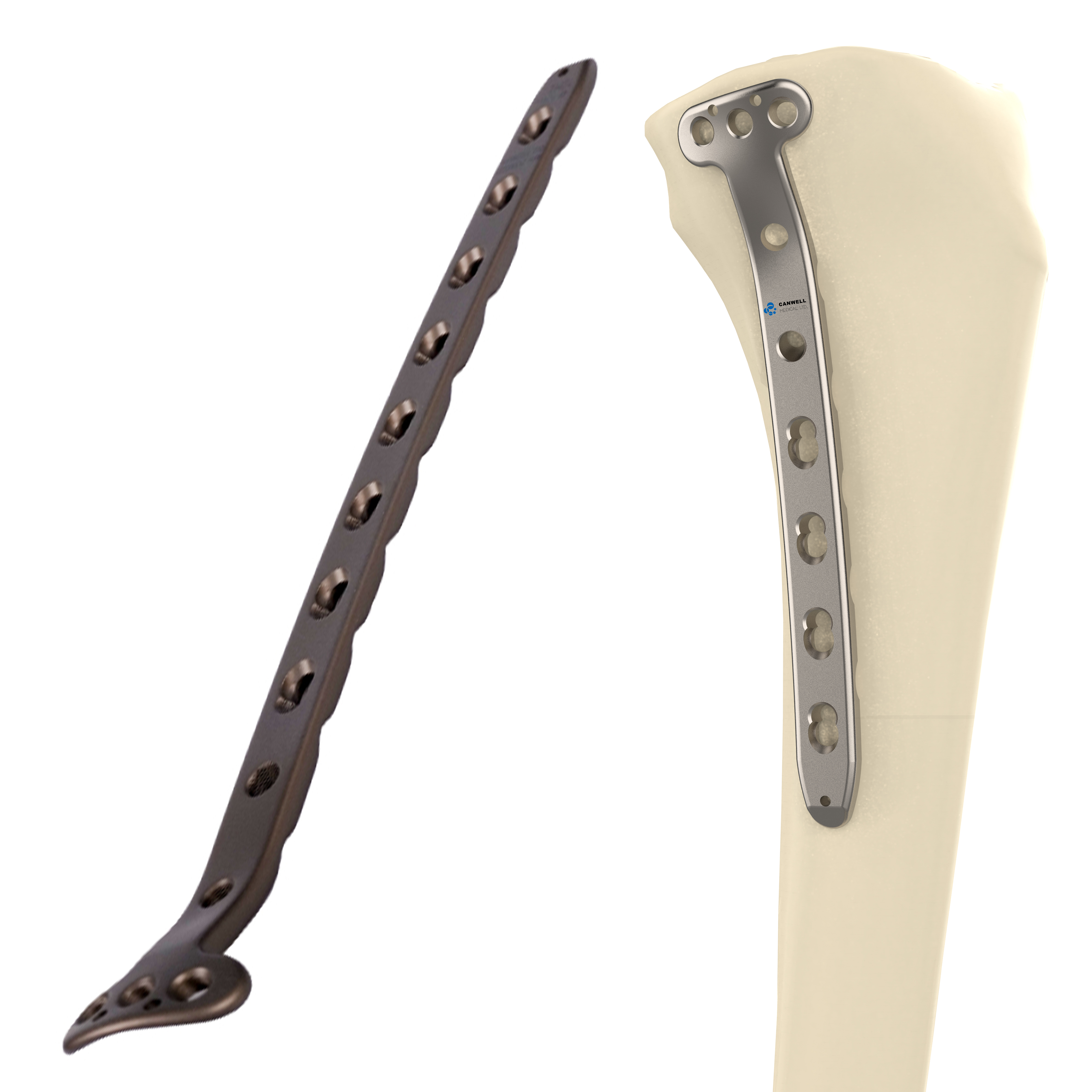
In high-energy pelvic, periprosthetic, and complex distal periarticular fractures treated within urban medical hubs such as Malmö, surgical teams at tertiary facilities like Skåne University Hospital (SUS) demand reconstruction plates that balance exceptional tensile fatigue limits with controlled malleable deformation. Our CE-certified reconstruction plates are fabricated using Grade 5 ELI Titanium (Ti6Al4V ASTM F136), combining a reduced Young’s modulus (~110 GPa) with remarkable yield strength exceeding 795 MPa. This composition significantly minimizes stress-shielding at periarticular junctions compared to traditional 316L stainless steel, mitigating peri-implant osteopenia and expediting cortical callus remodeling.
The biomechanical contourability of our plates allows three-dimensional in-situ and ex-situ twisting and bending along three axes without micro-crack initiation along screw-hole countersinks. This capability proves essential in managing acetabular anterior column injuries and symphyseal diastasis common in multi-trauma admissions across southern Sweden's Öresund transport corridor.
| Performance Parameter | INAR Titanium Reconstruction Plates | Standard 316L Stainless Steel Plates | Clinical Advantage in Malmö Trauma Hubs |
|---|---|---|---|
| Elastic Modulus (GPa) | 105 - 114 GPa | 190 - 210 GPa | 50% closer to cortical bone; minimizes cortical resorption. |
| Fatigue Strength (10^7 Cycles) | > 580 MPa | ~ 260 - 320 MPa | Prevents fatigue failure during early protected mobilization. |
| MRI / CT Artifact Rating | Minimal Distortion (Artifact Vol < 12%) | Severe Scattering Artifacts | Facilitates high-resolution postoperative CT/MRI at SUS. |
| Biocompatibility Classification | Grade 5 ELI / Ti-CP ISO 5832-3 | ISO 5832-1 Austenite | Negligible nickel allergy risks for Nordic demographic profiles. |
Additionally, each reconstruction plate features undercut geometries and rounded edge radii to minimize soft-tissue impingement and periosteal devascularization during submuscular minimally invasive plate osteosynthesis (MIPO). The combi-hole architecture incorporates threaded locking segments alongside non-threaded compression slots, giving Scandinavian orthopedic surgeons dynamic freedom to achieve initial anatomical reduction followed by angular stable locking in osteoporotic bone beds.
Healthcare procurement structures across Region Skåne are moving rapidly toward sustainable, diversified, and cost-controlled tier-1 supply arrangements to mitigate single-source vulnerability. Several structural shifts define the Malmö orthopedic marketplace:
1. Strict EU MDR 2017/745 Compliance Verification: The Swedish Medical Products Agency (Läkemedelsverket) enforces stringent verification of Notified Body Technical Documentation (Annex IX/XI). Overseas manufacturers must provide complete Clinical Evaluation Reports (CER), comprehensive Post-Market Clinical Follow-up (PMCF) plans, and unbroken Unique Device Identification (UDI) compliance integrated with GS1 Barcoding standards.
2. Total Cost of Acquisition Optimization: While multinational medtech monopolies maintain high list prices on consumable trauma hardware, Malmö hospital authorities actively encourage competitive tendering. By engaging directly with verified manufacturers capable of supplying CE-marked trauma sets matching established AO instrumentation profiles, healthcare budgets reduce procedural hardware costs by 35% to 48% without compromising clinical outcomes.
3. Resilience via Cross-Border Logistical Proximity: Situated minutes across the Öresund Bridge from Copenhagen’s freight terminals and integrated into southern Sweden's intermodal transit network, Malmö acts as a primary staging hub for medical device distribution across the Nordic territory. Guaranteed rapid replenishment, reliable consignment stocks, and pre-sterilized modular kit packaging directly address the inventory optimization mandates of Swedish regional healthcare boards.
Answers to common regulatory, logistical, and technical questions asked by biomedical engineers, hospital procurement committees, and regional orthotool distributors.
Direct factory pricing, verified EU MDR documentation, and high-precision titanium engineering. Partner with an SGS-verified manufacturer to elevate clinical performance while optimizing procurement efficiency.