Precision Trauma & Surgical Fixation Systems
Manufactured under ISO 13485 standards and engineered with medical-grade Ti6Al4V ELI titanium and surgical stainless steel, our orthopedic systems provide reliable primary stability for diaphyseal and metaphyseal fractures.
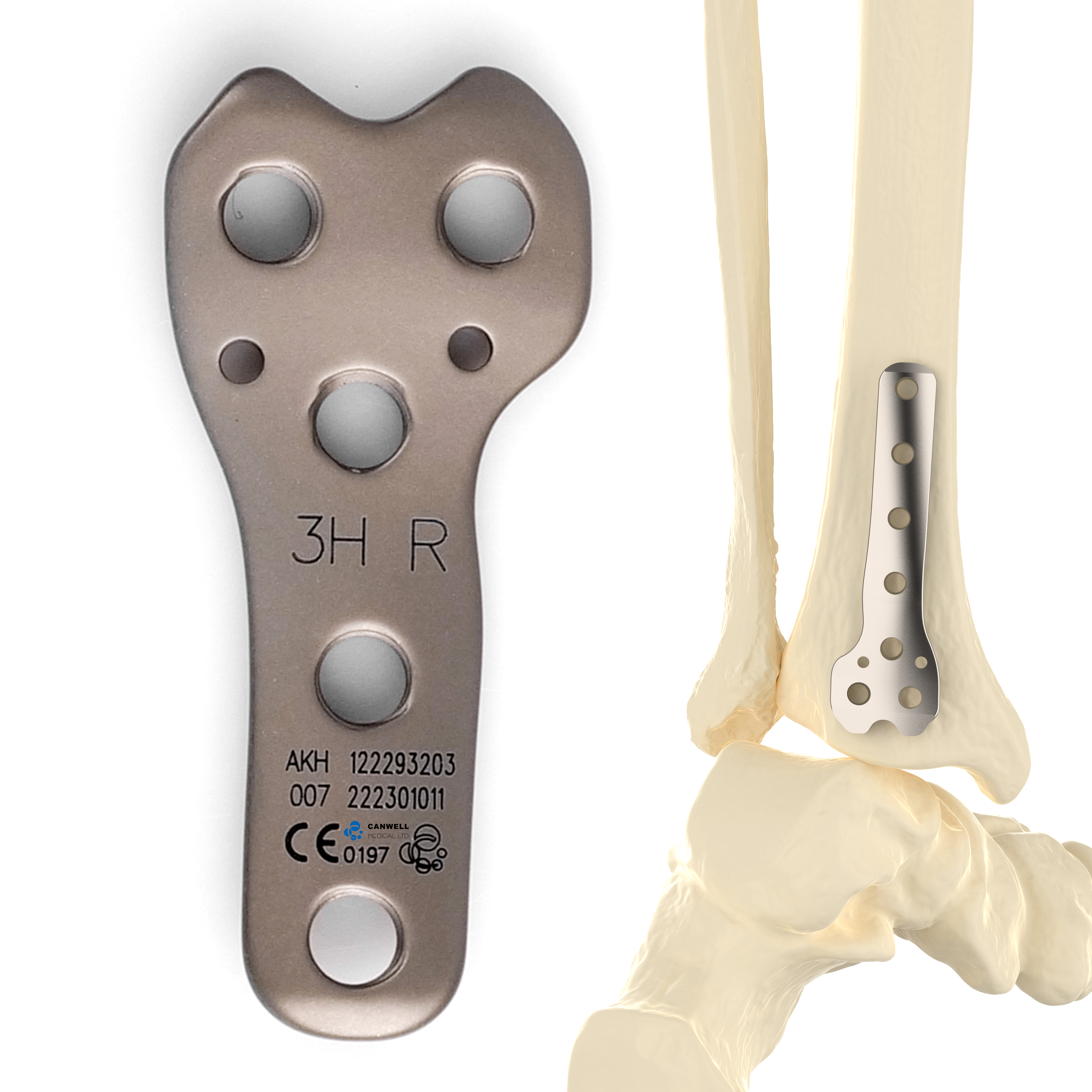
CANWELL Distal Tibial Titanium Locking Plate Posterior
Anatomical contour matching posterior distal tibia, enabling stable limb compression and low soft-tissue irritation in comminuted articular fractures.
View Specifications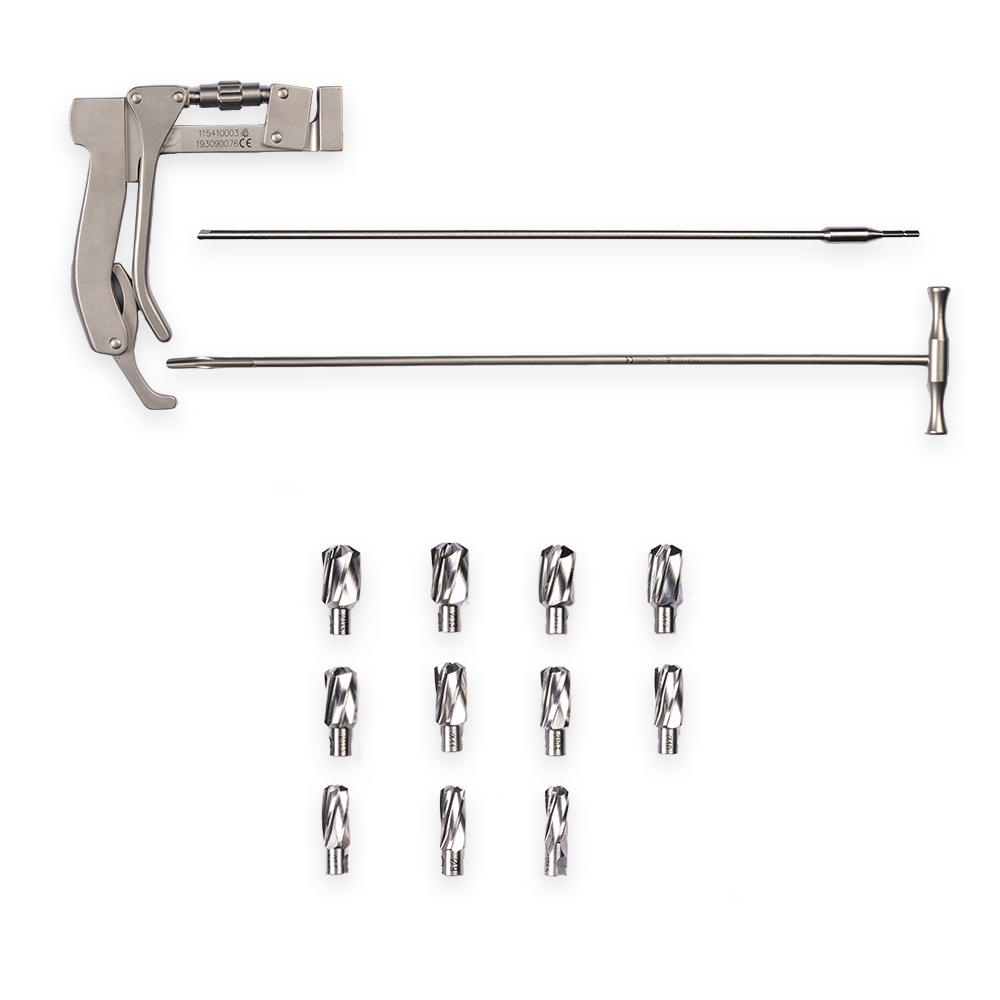
CANWELL Orthopedic Flexible Reamer Set
High-torque modular flexible shafts paired with graduated detaching reamer heads (7.5mm - 14mm) for seamless intramedullary femoral canal preparation.
View Specifications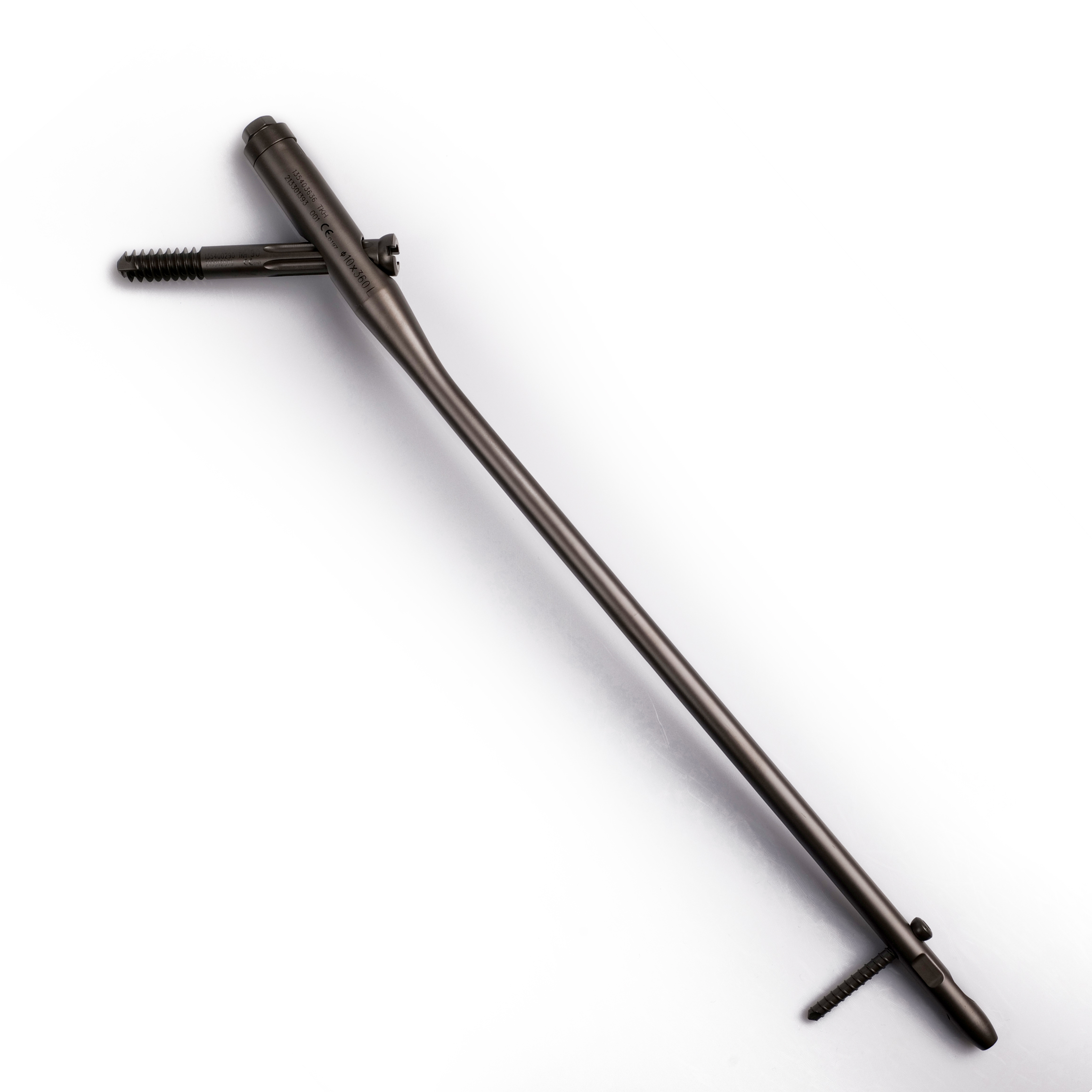
CANWELL Titanium Femoral Interlocking Nails & PFNA
Antegrade and retrograde femoral nails featuring multi-planar distal locking and helical blade compaction for pertrochanteric and diaphyseal fractures.
View Specifications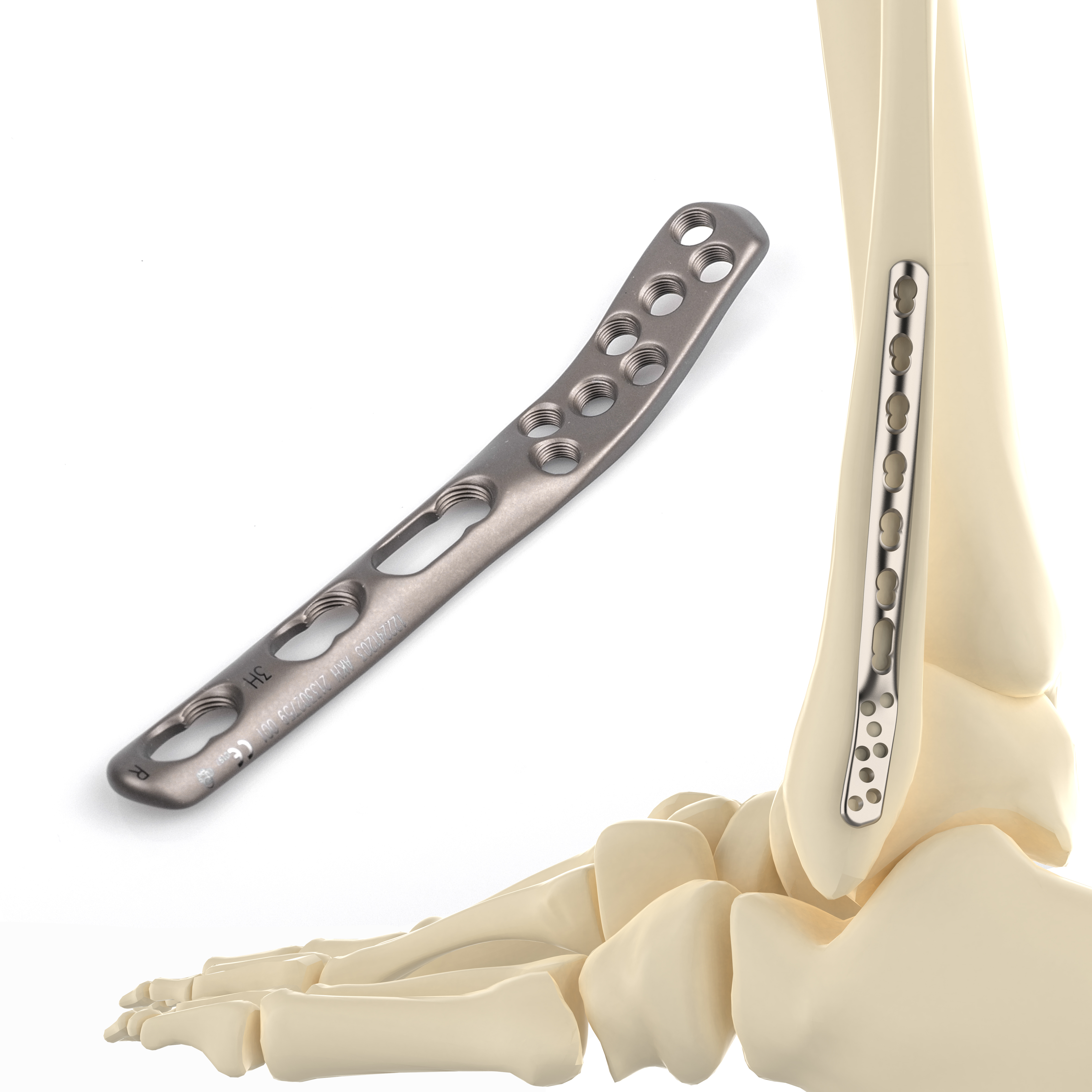
CANWELL Posterolateral Distal Fibula Plate
Optimized 2.7/3.5mm combi-hole design with low profile finish to avoid lateral impingement in malleolar fracture patterns.
View Specifications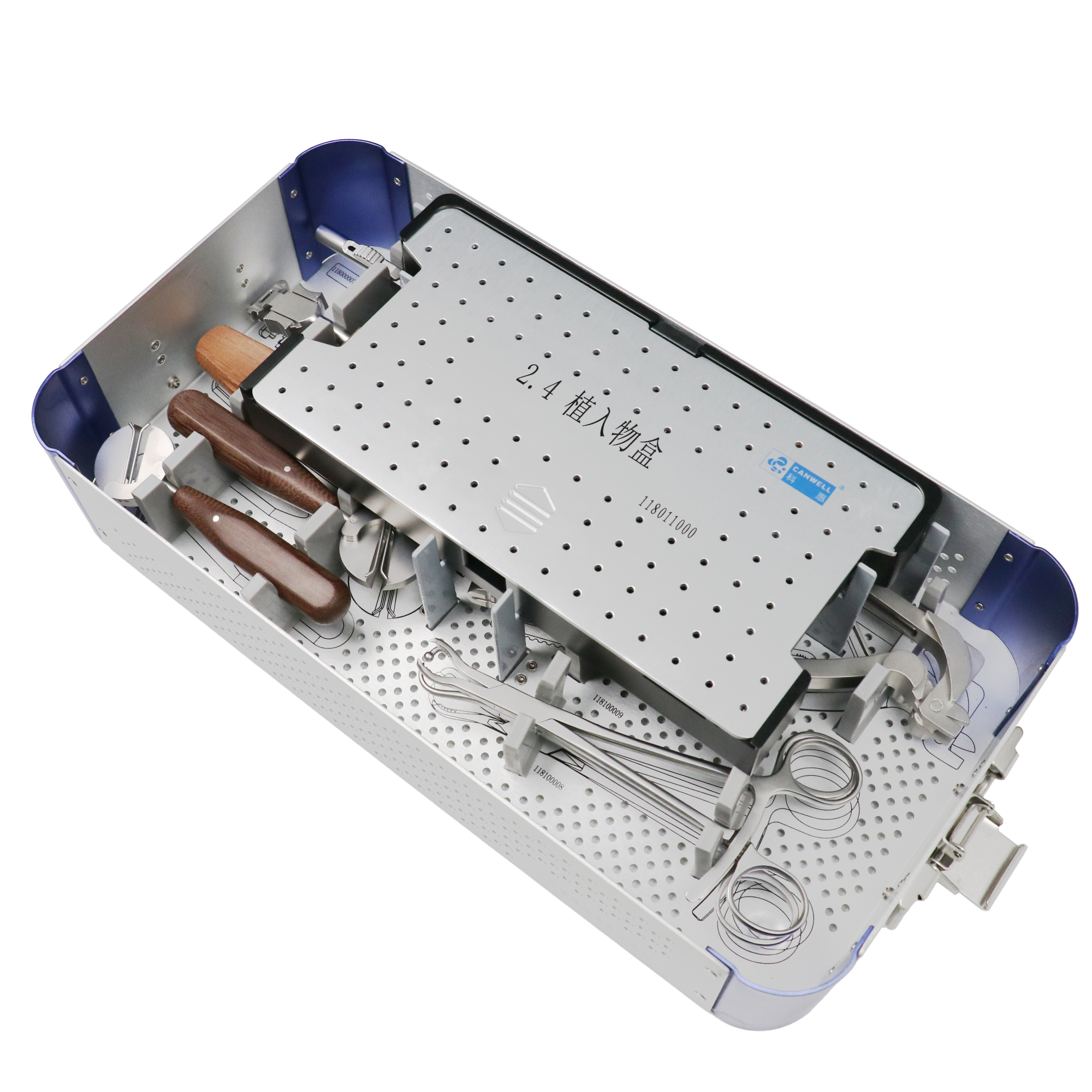
CANWELL Cranium & Maxillofacial Surgery Kit
Ergonomic screwdrivers, plate cutters, and titanium mesh adaptation forcep kits engineered for high-precision maxillofacial stabilization.
View Specifications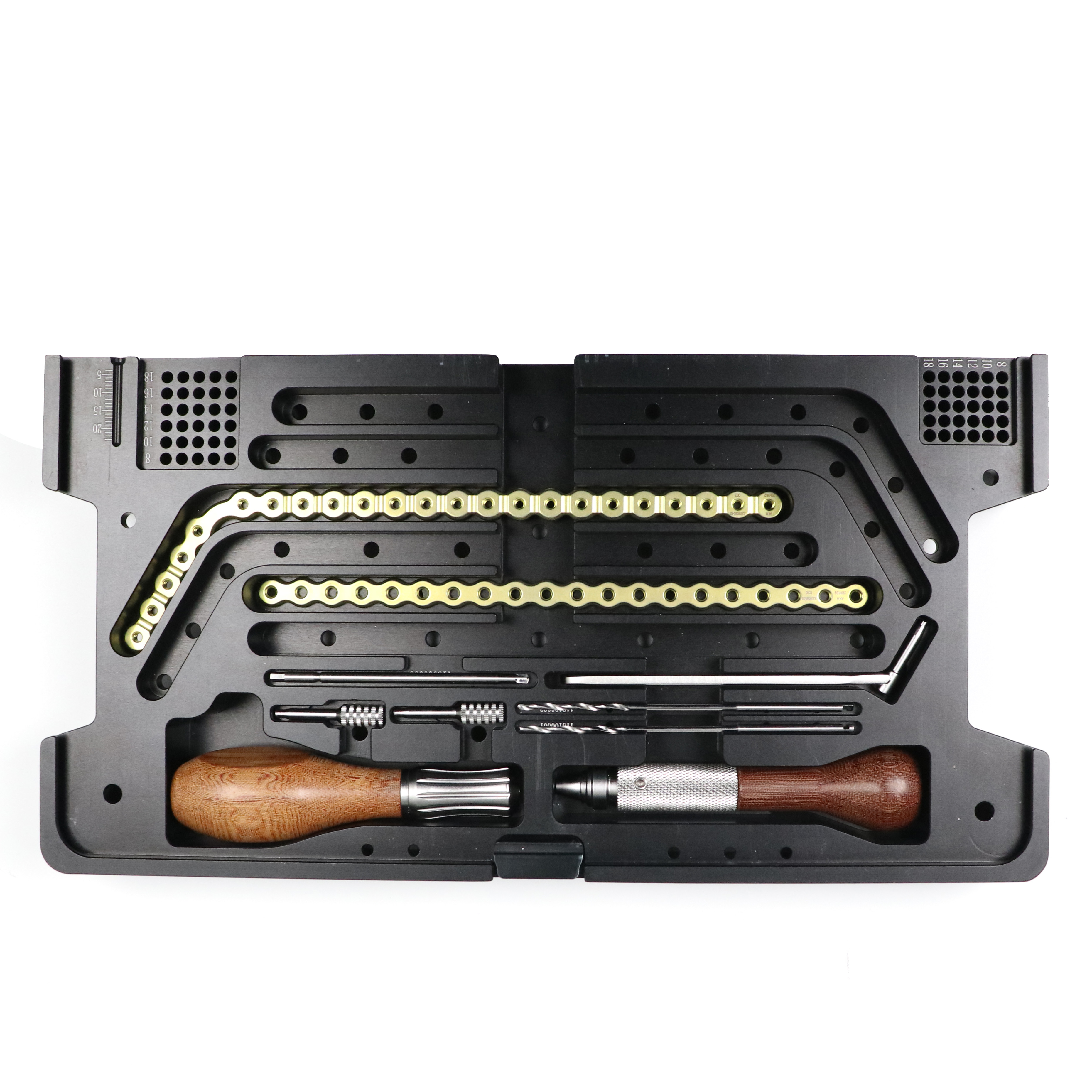
CANWELL Maxillofacial Bone Fixation Set & Drill
Complete surgical presentation including micro-drills, screwdriver shafts, and autoclavable titanium storage trays for emergency trauma theater use.
View Specifications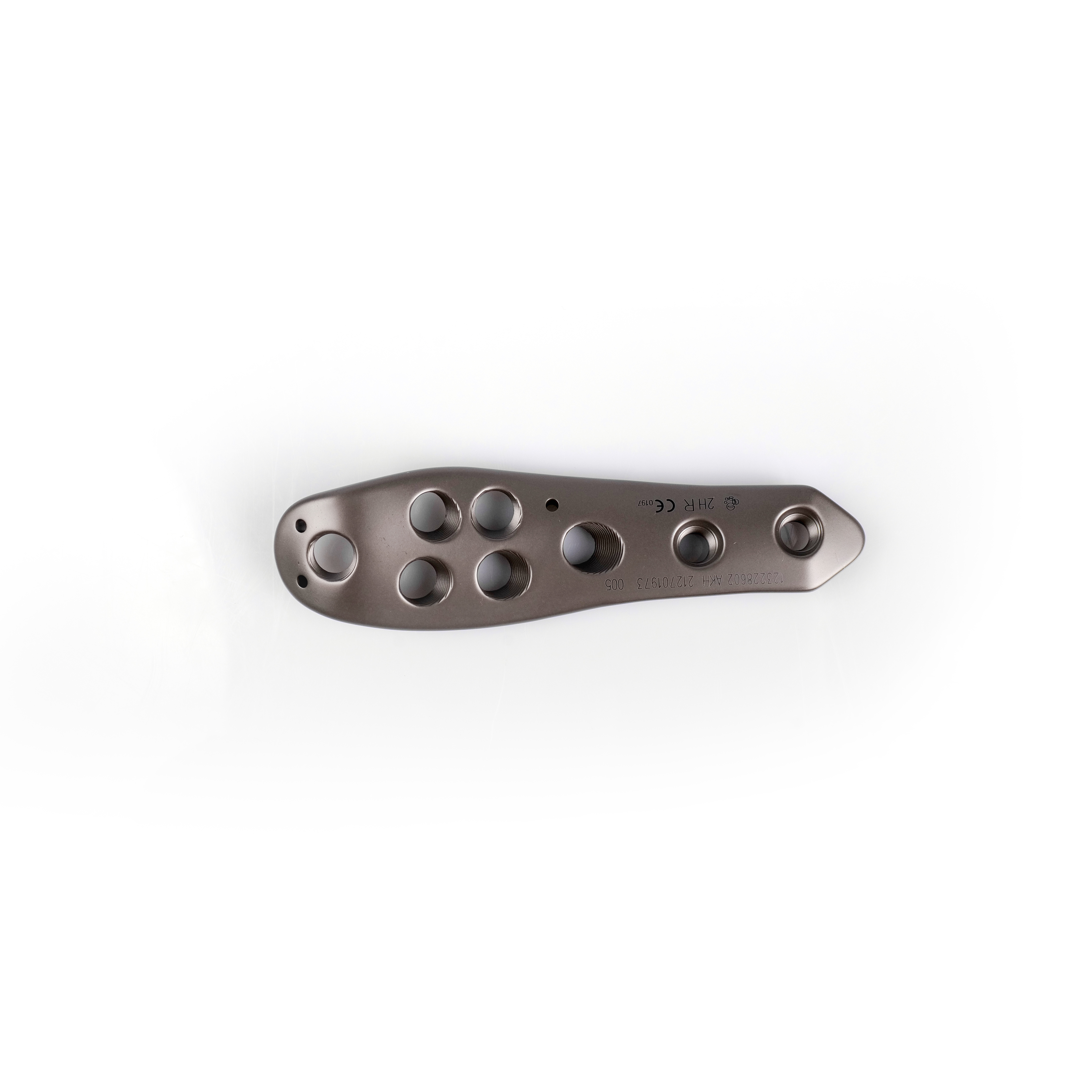
CANWELL Distal Femoral Lateral Locking Plate
Anatomically contoured condylar fixation plate featuring multi-directional locking screw trajectories for complex supracondylar femoral fractures.
View Specifications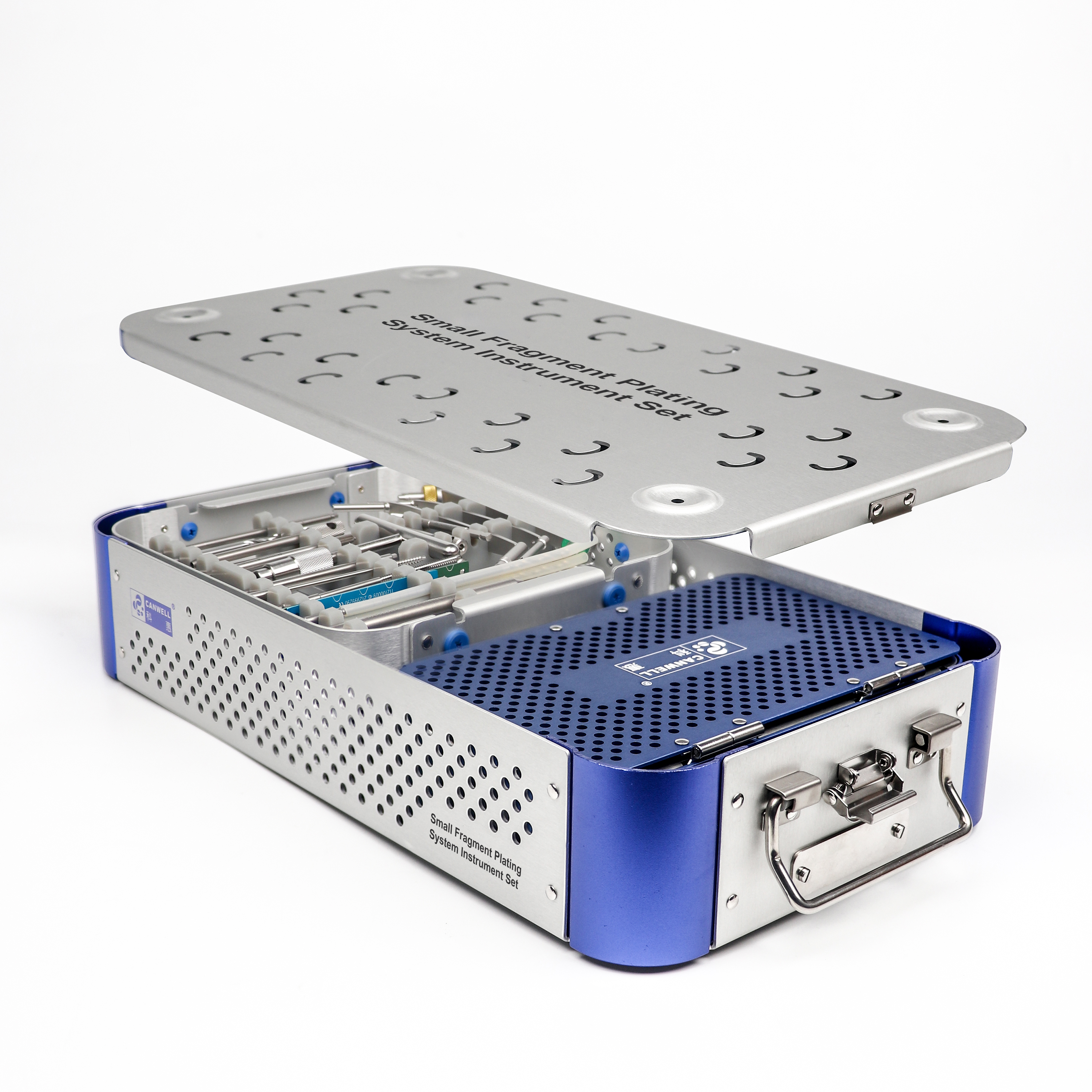
CANWELL Small Fragment Orthopedic Instrument Set
Heavy-duty surgical stainless steel traumatology kit with self-centering bone forceps, depth gauges, drill guides, and quick-coupling tap handles.
View SpecificationsOptimizing Femoral Intramedullary Nailing for Mandalay Trauma Realities
Addressing high-energy traffic trauma, distinct morphological curvature, and operating theater realities in Upper Myanmar’s healthcare ecosystem.
Motorcycle Road Traffic Accident (RTA) Fracture Patterns
Mandalay acts as the primary hub for patient inflows across Upper Myanmar, including Shan State, Sagaing, and Kachin. Due to widespread two-wheeler transport along the Mandalay–Pyin Oo Lwin and Yangon–Mandalay highway corridors, high-velocity segmental, comminuted, and open femoral shaft fractures represent over 60% of inpatient orthopedic trauma admissions. Our titanium interlocking femoral nails feature distal dynamic-static interlocking holes designed to withstand immediate cyclical axial and torsional forces, preventing angular collapse and shortening during prolonged non-weight bearing recovery phases.
Anatomical Radius of Curvature (ROC) Adaptation
Standard Western femoral nail profiles commonly feature an anterior radius of curvature (ROC) between 1.8 to 2.0 meters, which frequently leads to distal anterior cortical impingement or iatrogenic perforation when applied to patients of Southeast Asian descent. Our dedicated Asian-morphology femoral nails are machined with an optimized anterior bow ROC of 1.5 meters. This tighter anatomical radius conforms to typical Burmese femoral bowing, ensuring smooth intra-medullary passage, eliminating the risk of iatrogenic shaft fracture during insertion, and reducing operative time under fluoroscopy.
Trochanteric Nail Fixation in Osteoporotic Pertrochanteric Cases
In the geriatric demographic presented to regional facilities like Mandalay General Hospital and private clinics along 30th and 73rd streets, unstable AO/OTA 31-A2 and A3 pertrochanteric fractures require reliable neck fixation. The Proximal Femoral Nail Antirotation (PFNA) system utilizes a helical blade rather than a conventional lag screw. By bone compaction during insertion, the blade drastically increases anchor holding strength in porous cancellous bone, significantly decreasing post-operative blade cut-out, rotation failure, or varus collapse.
Surgical Practicality Under Constrained C-Arm Fluoroscopy
In secondary hospitals across the Mandalay Region, surgical teams frequently operate under tight fluoroscopy theater allocations or intermittent C-arm access. Our femoral nail systems incorporate rigid carbon-fiber radiolucent targeting jigs and precision external guides that maintain 100% trajectory alignment. This mechanical accuracy reduces fluoroscopic radiation exposure for surgical teams and shortens distal locking times down to under 8 minutes per case.
| Implant Parameter | Standard Western Specification | CANWELL / INAR Optimized System (Mandalay Target) | Clinical Benefit for Upper Myanmar Hospitals |
|---|---|---|---|
| Anterior Radius of Curvature | 1,800 mm – 2,000 mm | 1,500 mm (Anatomical Asian Bow) | Eliminates anterior cortex impingement and iatrogenic distal cortical breach. |
| Proximal Fixation Element | Conventional 10.5mm Lag Screw | Helical Compaction Blade (PFNA Type) | Compacts osteoporotic bone without removing trabeculae; resists varus cut-out. |
| Material Formulation | CP Titanium or Standard Ti6Al4V | Ti6Al4V ELI (ASTM F136 / ISO 5832-3) | Superior fatigue resistance under high cyclic load and delayed fracture healing. |
| Distal Locking Configuration | Single-plane parallel static holes | Multi-planar (Static + Dynamic Slot) | Permits controlled early axial dynamization; accommodates comminuted patterns. |
| Instrument Tray Design | Multi-box complex layout | Consolidated Single-Layer Autoclavable Kit | Minimizes sterilization turn-around time in high-volume trauma emergency theaters. |
Upper Myanmar Healthcare Supply Chain & Sourcing Dynamics
Understanding clinical supply lanes, tender requirements, and distribution networks centered around Mandalay.
Dual-Channel Procurement: Public Tenders vs Private Clinics
Orthopedic procurement in Mandalay is bifurcated into two primary channels: government central hospital tenders (such as Mandalay General Hospital, 500-bed Specialty Hospital, and Mandalay Orthopedic Hospital) and privately funded private hospital centers (including City Hospital, Mandalar Hospital, and private surgical groups). Government tenders emphasize long-term regulatory compliance (CE certification, ISO 13485, and Myanmar FDA notification letters) and robust mechanical warranties. In contrast, private surgical groups demand instant shelf availability, complete reamer-set loaner arrangements, and versatile instrument sets adaptable across wide size spectra (9mm to 11mm nail diameters, 340mm to 420mm lengths).
Strategic Supply Lanes: Yunnan Overland vs Yangon Maritime
For medical device importers located in Mandalay, inventory lead time is directly determined by cargo routing. While sea freight entering Yangon via Thilawa Port requires extensive clearance and inland transport northward across 600 kilometers, our direct manufacturing facilities in Zhejiang provide coordinated land-bridge options via Yunnan (Ruili/Muse border gateways when operating, or expedited air cargo directly to Mandalay International Airport - MDL). We assist Mandalay distributors with modular consignment packing, shock-resistant sterile outer boxing, and low-gross-weight stainless steel instrument trays that drastically decrease landed transit freight overhead.
Why Major Importers Choose INAR / CANWELL Medical
Backed by over two decades of orthopedic engineering, vertical manufacturing control, and accredited international certifications.
Direct Manufacturer Scale & Capacity
Operating from a 29,523 m² modern industrial facility with 632 dedicated staff, we eliminate intermediary trading costs. Our workshop houses Swiss Citizen 7-axis longitudinal CNC lathes and 5-axis DMG MORI machining centers, ensuring micron-level precision across cannulated nail lumens, thread pitch consistency, and surface polishing.
SGS-Verified & CE MDR Approved
Our company has passed intensive onsite supplier verification conducted by SGS Group. Implants carry rigorous CE marking under EU MDR and Medical Device Directive 93/42/EEC, supported by complete mechanical fatigue test reports, ISO 10993 biological evaluation portfolios, and ASTM F384 / ASTM F543 structural validation.
Comprehensive OEM / ODM Customization
We empower Mandalay medical distributors to develop their proprietary brand equity. Our services include customized laser logo marking, customized anodizing color coding (differentiating left and right limbs and screw dimensions), tailored graphic carton design, and custom instrument casing adapted to local sterilization autoclaves.
Frequently Asked Questions by Mandalay Orthopedic Buyers
Technical, regulatory, and commercial answers for orthopedic distributors, hospital purchasing committees, and trauma surgeons in Upper Myanmar.
1. What regulatory documentation do you provide for Myanmar FDA (Department of Food and Drug Administration) product registration? +
2. How does the 1.5-meter radius of curvature (ROC) benefit patients treated at Mandalay trauma centers? +
3. Are the targeting jigs and instrumentation sets compatible with both antegrade and retrograde femoral nailing techniques? +
4. What is the typical production and delivery lead time for shipments destined for Mandalay? +
5. What payment terms and minimum order quantities (MOQ) apply to new distributors in Upper Myanmar? +
6. How is quality verified prior to export to eliminate surgical defect risks in operating rooms? +
Expand Your Orthopedic Supply Leadership in Mandalay
Partner directly with China's SGS-verified orthopedic manufacturer. Request complete product catalogs, surgical technique guides, sample evaluation kits, or a customized factory pricing proposal tailored to your local hospital tenders.