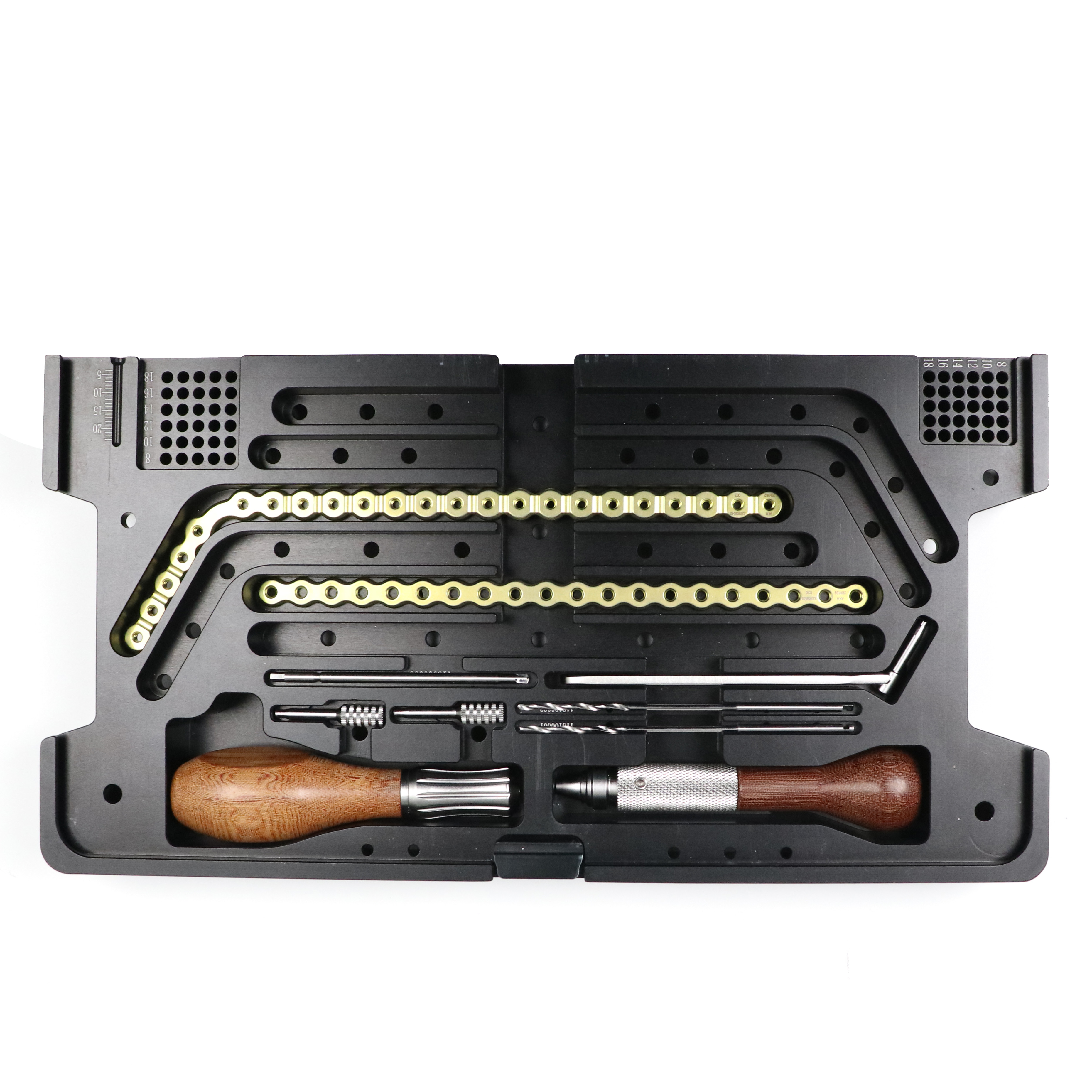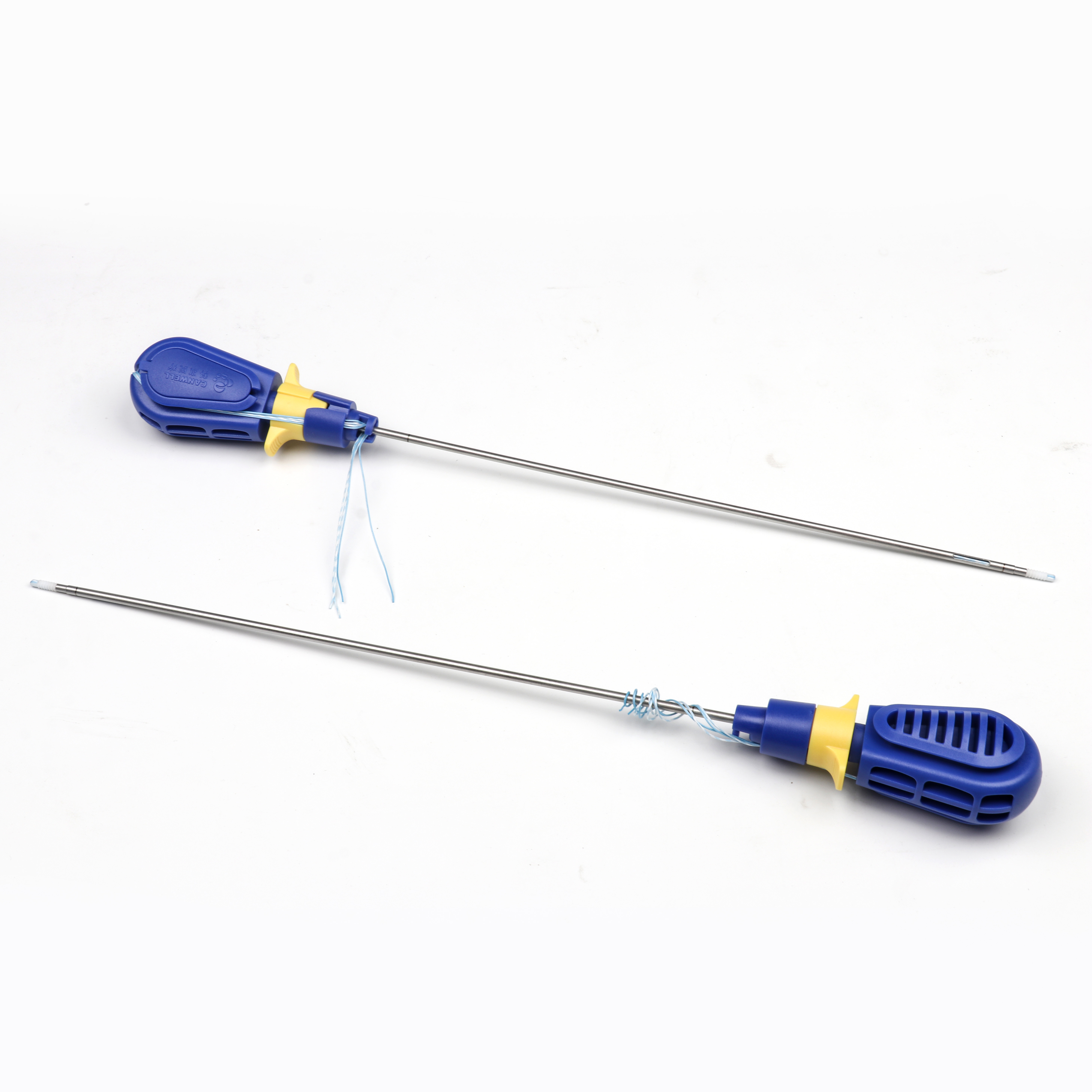
Precision-manufactured in Zhejiang, fully compliant with EU MDR and ISO 13485 quality regimes, stocked and packaged for rapid customs transition into Mongolia.
Analyzing high-energy winter slip injuries, rural trans-Mongolian transport fractures, and sub-zero biomechanical challenges requiring Class III medical implants.
The clinical landscape of orthopedic trauma across Ulaanbaatar and surrounding aimags demonstrates notable epidemiological patterns directly correlated with the extreme subarctic continental climate and rapid urbanization. High-energy polytrauma cases managed at the National Trauma and Orthopaedic Research Center (NTORC) of Mongolia consistently spike during the winter months (November through March), where sustained sub-zero temperatures reaching -35°C cause frequent glaze-ice incidents, icy black-road vehicular collisions along the AH3 highway corridors, and complex high-altitude mining site crush injuries in the South Gobi region.
When selecting fracture fixation systems for procurement across public health facilities, tertiary hospitals, and private surgical groups in Ulaanbaatar, surgeons encounter distinct biomechanical realities. Cold temperatures can alter the viscoelastic behaviour of soft tissue envelopes, creating challenging periosteal dissection environments. Implant designs must ensure minimal soft tissue disruption, exceptional biocompatibility, and rapid osteointegration under severe compressive and torsional stresses.
Our trauma plates are machined from Grade 5 Titanium alloy (Ti-6Al-4V ELI / ASTM F136). This ensures enhanced notch ductility and ultimate tensile strength (>860 MPa) preventing cold-induced brittle fatigue in Mongolian patients undergoing prolonged sub-freezing exposure during postoperative rehabilitation.
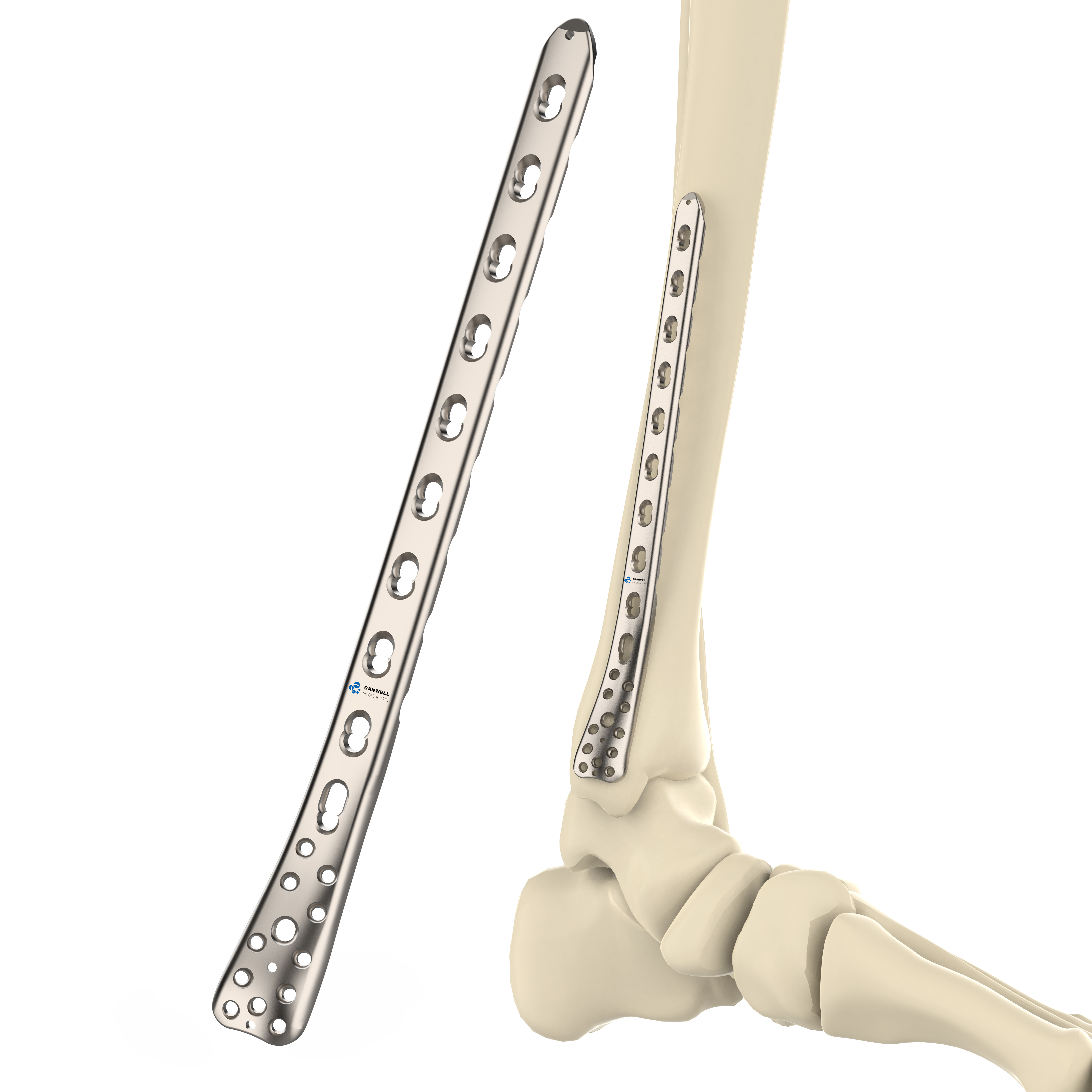
Unlike generic Western templates that force excessive intraoperative contouring, INAR implants feature radius curvatures and distal tibial metaphyseal flare profiles specifically calibrated to East Asian skeletal morphology, mitigating the risk of cortical microfractures and construct dead-space.
Sourcing from Zhejiang via the Erenhot-Zamyn-Üüd rail corridor ensures accelerated customs clearances and stable delivery timelines of under 10 days, avoiding air-freight volatility and guaranteeing uninterrupted hospital surgical schedules throughout the Mongolian winter.
| Fixation Category | Material Specification | Clinical Indication (Mongolia Context) | Biomechanical Advantage |
|---|---|---|---|
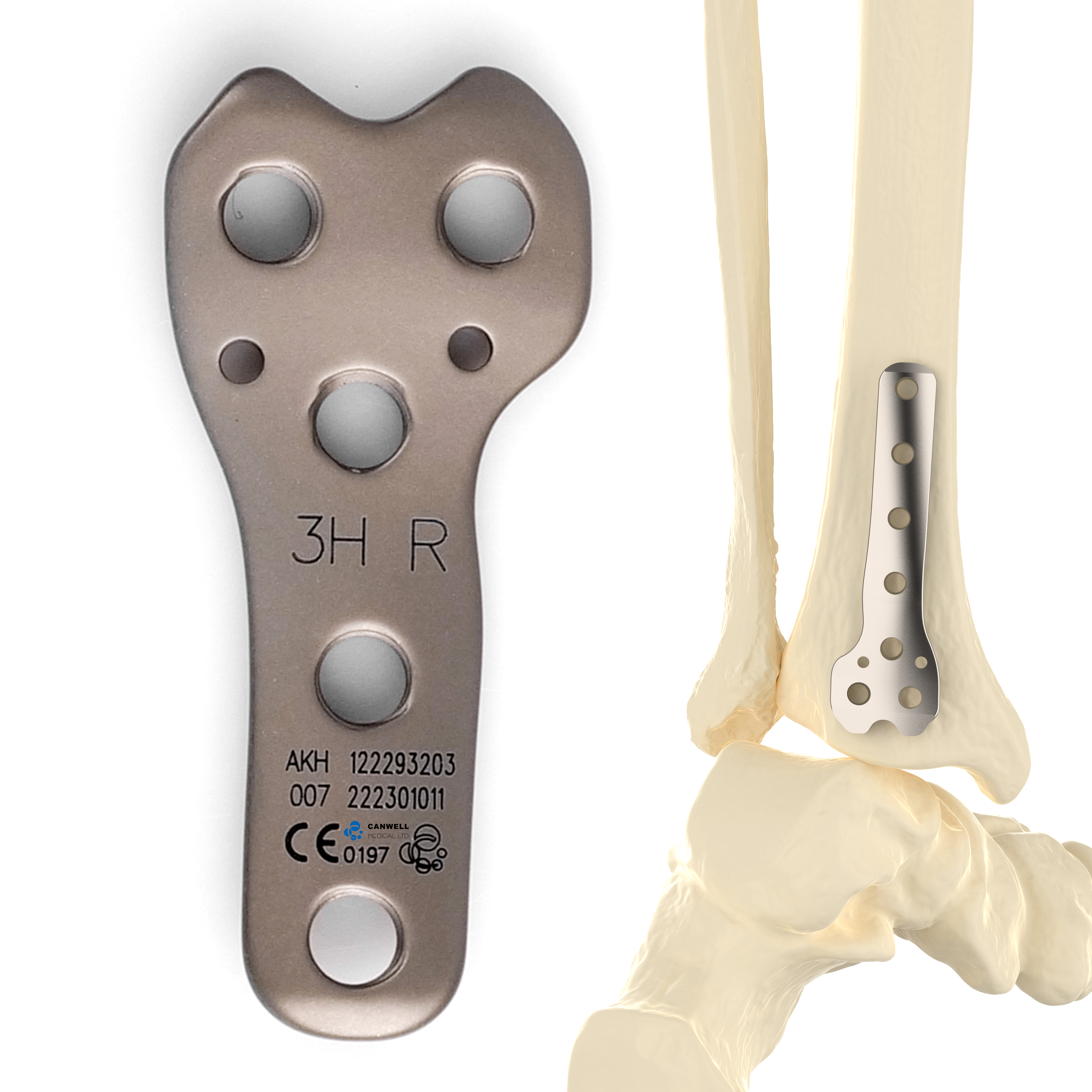
| Distal Tibial Locking Plate | Ti-6Al-4V ELI (ASTM F136) | Metaphyseal pilon fractures & distal tibia comminutions caused by winter ice falls | Combines dynamic compression holes with fixed-angle threaded locking holes to preserve periosteal blood flow |
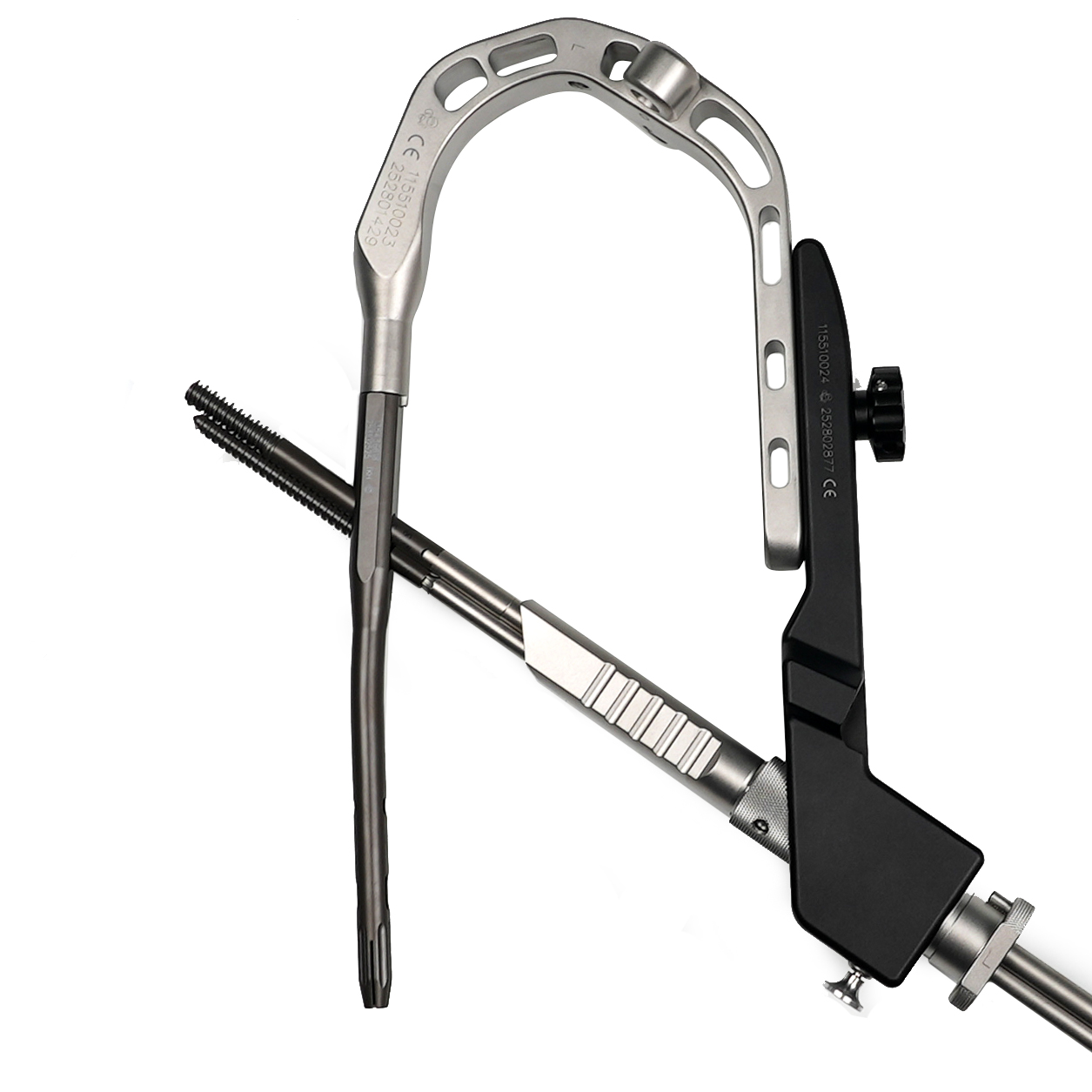
| Femoral Interlocking Nail | Medical Grade Titanium Alloy | Diaphyseal femur fractures resulting from mining or trans-steppe highway accidents | Curved sagittal radius reduces distal anterior cortex impingement; static & dynamic distal locking modes |
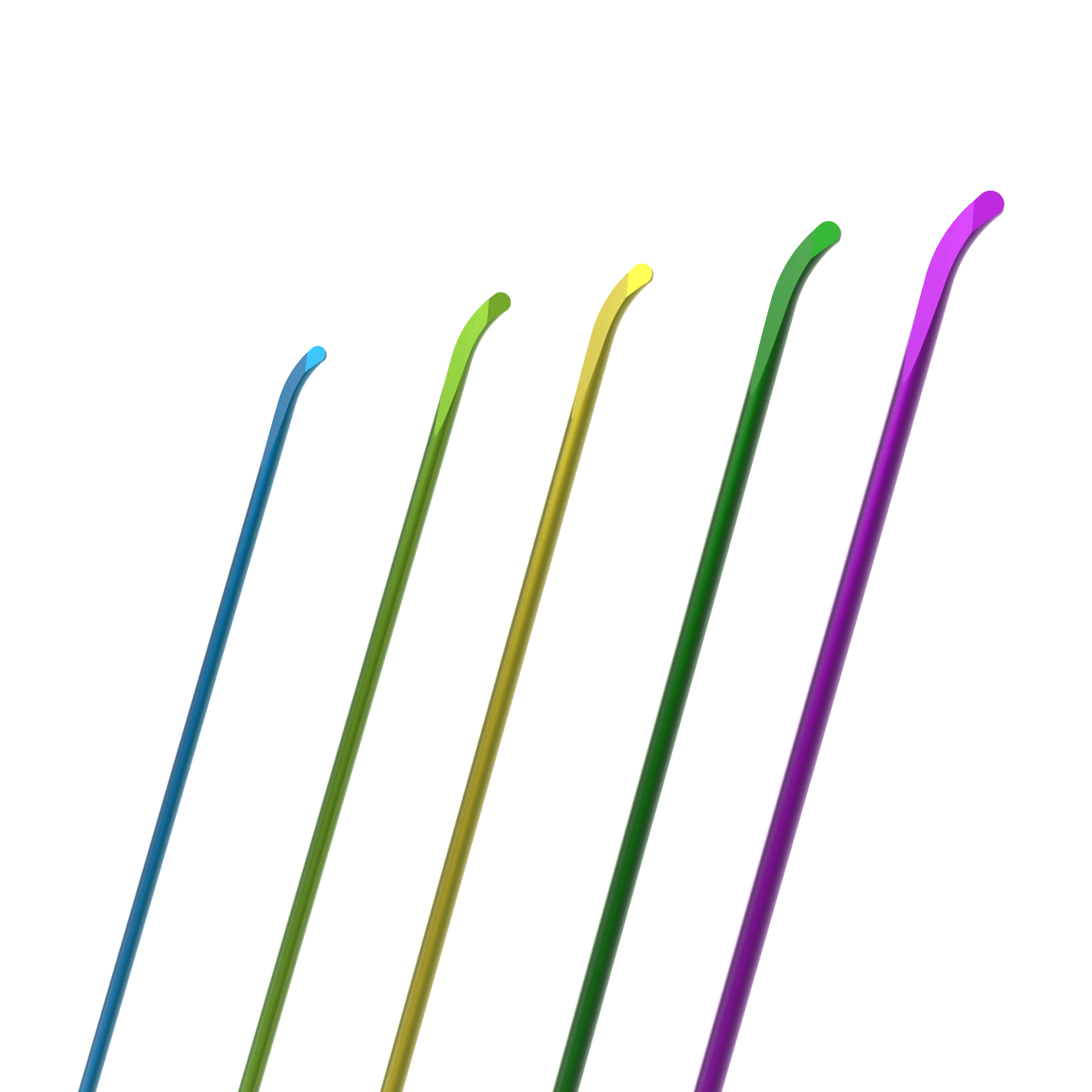
| Titanium Elastic Nails (TEN) | High Elasticity Medical Titanium | Pediatric shaft fractures of femur, tibia, and radius with minimal soft tissue incision | Preserves epiphyseal growth plates through balanced symmetrical three-point biomechanical support |
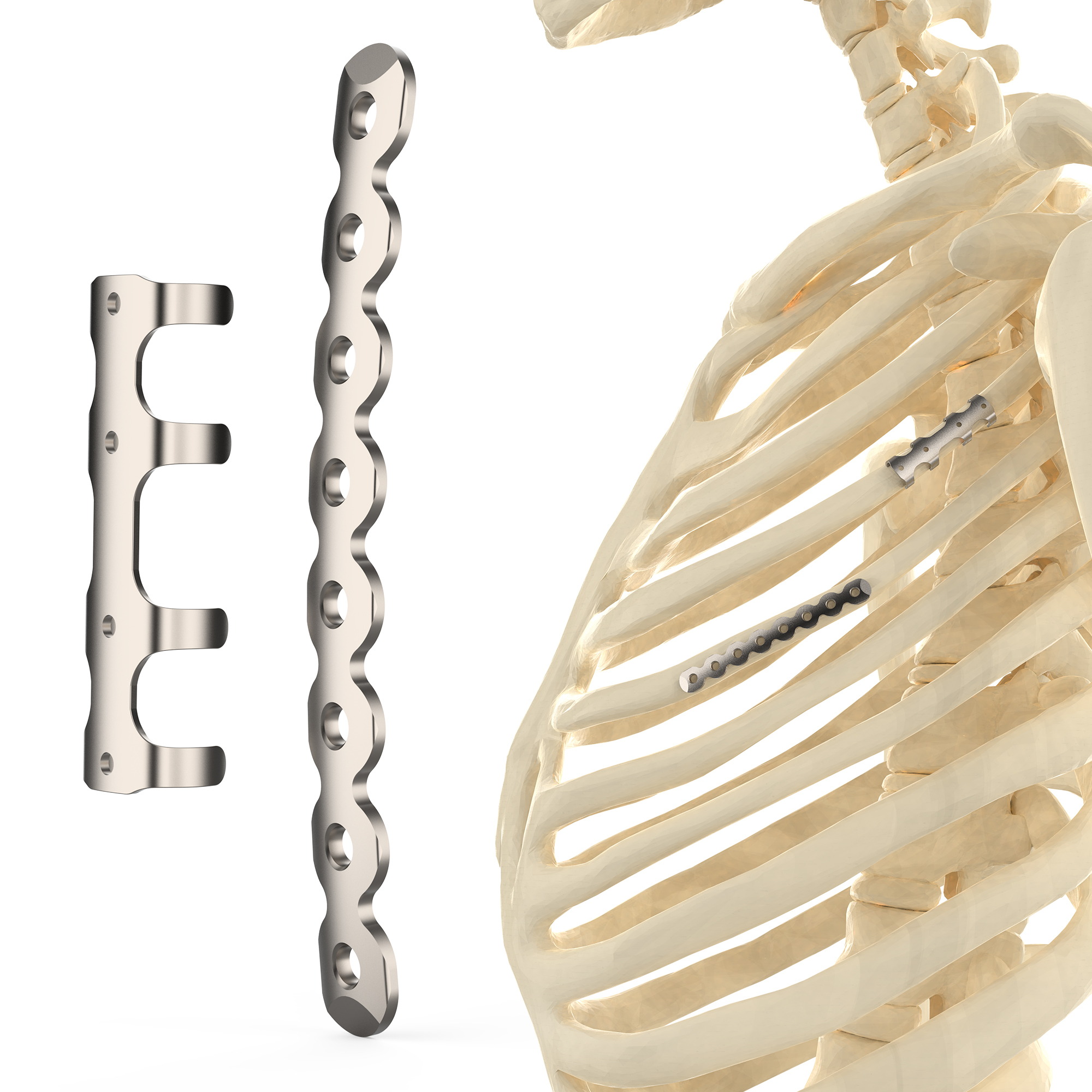
| Thoracic Rib Locking Plate | Commercially Pure Ti (Grade 3/4) | Crush injuries, flail chest cases requiring immediate chest wall stabilization | Ultra-low profile design prevents friction against intercostal musculature and respiratory motion resistance |
From tender localization to minimally invasive surgeries (MIS), Ulaanbaatar's orthopedic procurement landscape is transitioning rapidly.
Historically, the Mongolian trauma hardware market relied on fractured distribution paths involving multiple intermediaries across Russia or third-party European trade desks. However, the modern modernization agenda driven by the Ministry of Health of Mongolia (Erüül Mendiin Yam) and the continuous expansion of municipal district general hospitals in Songinokhairkhan, Bayanzürkh, and Khan-Uul has prompted hospital tender boards to pursue direct OEM manufacturer relationships in China.
Key procurement shifts currently reshaping the local fracture fixation landscape include:
Mongolian orthopedic surgeons increasingly mandate Grade 5 titanium due to lower post-implant cold-sensitivity sensations reported by patients in steppe winters, along with MRI artifact reduction essential for follow-up diagnostic evaluations.
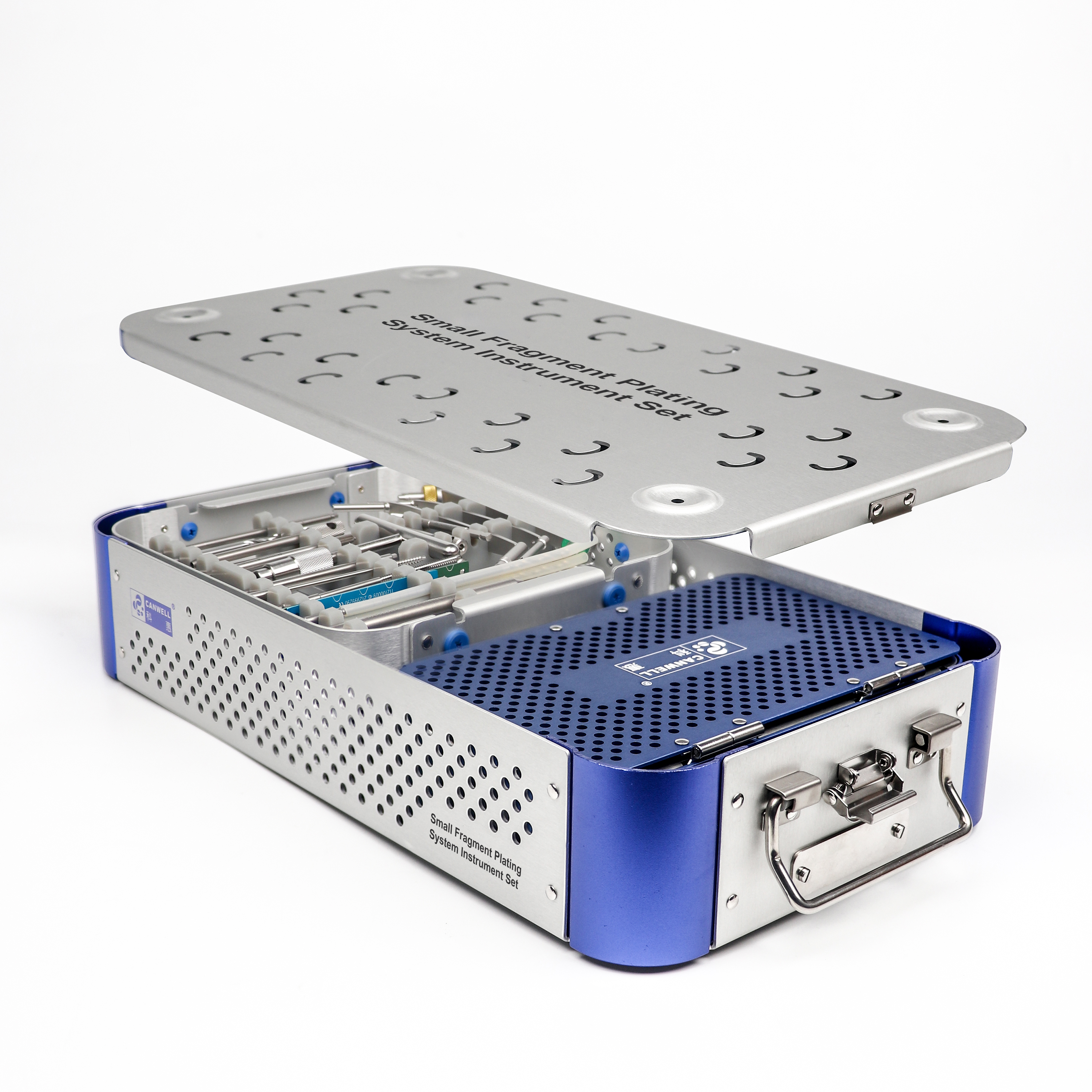
Healthcare tenders in Ulaanbaatar now emphasize manufacturer-backed technical training kits, anatomical sawbones workshops, and autoclave-ready stainless steel trial kits shipped alongside primary implant lots.
Following revised regulations from the Mongolian Department of Health and Medicines, hospital tender inspectors mandate full ISO 13485 certification, CE markings under Directive 93/42/EEC or EU MDR, and lot-by-lot raw material traceability reports.
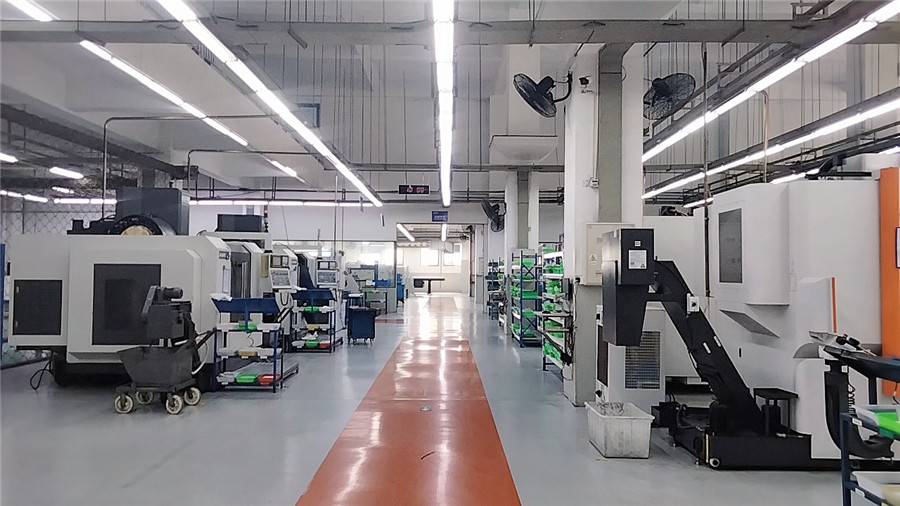
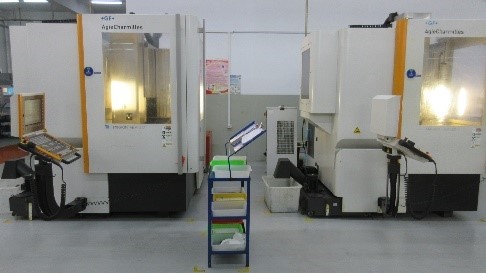
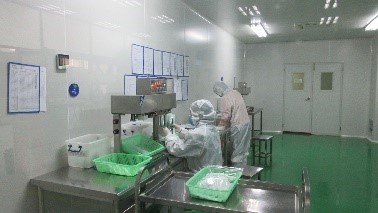
Discover how Zhejiang INAR Medical achieves precision manufacturing across 29,523 m² of production space, operating DMG MORI 5-axis CNC lines, cleanrooms, and robotic surface treatment stations.
Operating as a fully audited enterprise with over 22 years of continuous experience and 632 dedicated staff, Zhejiang INAR Medical Co., Ltd. controls the complete industrial chain from titanium billet turning to finished cleanroom sterile packaging. Unlike trading brokers, our production site in Jinhua has undergone comprehensive onsite validation by SGS Group, giving procurement officers in Ulaanbaatar absolute confidence regarding batch consistency, metallurgy authenticity, and regulatory compliance.
Common inquiries from hospital directors, medical device distributors, and procurement committees operating in Ulaanbaatar.
Whether you are outfitting a regional hospital in Ulaanbaatar or competing in an upcoming Ministry of Health tender, our international medical team will supply full product catalogs, surgical guides, competitive factory pricing, and sample evaluation packages within 24 hours.