Featured Orthopedic Systems & Surgical Tooling
Biocompatible, ISO 13485 manufactured implants, flexible reamers, and fixation sets ready for fast Belo Horizonte delivery.
Clinical Demands for Gamma & Trochanteric Nails in Minas Gerais
Strategic supply matrix for primary trauma centers, private hospitals, and public SUS healthcare networks.
High-Energy Polytrauma Load
Institutions such as Hospital João XXIII (FHEMIG) encounter an immense influx of high-energy trochanteric and subtrochanteric fractures resulting from highway transit across BR-040 and BR-381. These severe trauma cases require proximal femoral nails engineered with dynamic cut-out resistance, titanium alloy (Ti6Al4V ELI) fatigue endurance, and rapid distal locking mechanics to shorten intraoperative time.
Aging Demographics & Osteoporotic Bone
Private healthcare groups throughout Lourdes, Santa Efigênia, and Barro Preto treat a rapidly expanding geriatric cohort presenting with unstable intertrochanteric fractures (AO/OTA 31-A2 and 31-A3). Optimizing outcomes necessitates modern helical blade designs or dual lag screws that compact cancellous bone rather than reaming it away, mitigating secondary varus collapse and superior cutout.
Public Tenders & OPME Distribution
Belo Horizonte's OPME (Órteses, Próteses e Materiais Especiais) supply ecosystem operates under strict budgetary caps established by SUS reimbursement schedules. Chinese direct-from-factory exporters bridge the pricing-to-quality gap by delivering international CE MDR and ANVISA technical documentation dossiers, granting local Brazilian distributors aggressive pricing power in public hospital bidding.
Technical Engineering Matrix: Chinese Precision Gamma/PFNA Nails vs. Brazilian Market Standards
Modern orthopedic clinical protocols in Minas Gerais demand that intramedullary trochanteric fixation devices combine streamlined surgical instrumentation with sophisticated structural biomechanics. As an established manufacturer, INAR Medical (CANWELL) implements longitudinal CNC cutting, multi-axis automated milling, and rigorous chemical passivation to fabricate proximal femoral systems that meet and exceed ASTM F136 (ELI Grade 5 Titanium) and ISO 5832-3 standards.
| Engineering Feature | INAR / CANWELL Trochanteric System | Conventional Import / Tier-2 Domestic | Clinical Significance in BH Operating Theaters |
|---|---|---|---|
| Alloy Metallurgy | Medical-Grade Ti6Al4V ELI (ASTM F136) | Commercial Ti Grade 4 or Standard Stainless | Prevents early implant fatigue failure in non-union subtrochanteric fractures; superior biocompability. |
| Proximal Valgus Angle | Anatomic 4° to 5° Lateral Bend | Straight or Static 6° Angle | Facilitates insertion through the tip of the greater trochanter without damaging the abductor tendons. |
| Femoral Neck Fixation | Integrated Spiral Blade + Dynamic Lag Option | Single Cortical Lag Screw | Compacts osteoporotic bone in elderly patients, dramatically slashing rotational displacement risks. |
| Distal Locking Mechanics | Dynamic & Static Slot with Flexible Targeting | Rigid Single Static Aperture | Permits controlled axial dynamization while shielding the femoral shaft from stress concentrations. |
Belo Horizonte Healthcare Market Trends (2025–2030)
What orthopedic distributors and hospital purchasing committees in Minas Gerais must navigate.
BRL Fluctuation Buffering
Hospital supply chains in MG are navigating volatility in the Brazilian Real (BRL). Sourcing directly from verified Chinese manufacturers through flexible Incoterms (FOB Shanghai/Ningbo, CIF Santos) removes multi-tier Western brand markups, protecting distributor margins up to 35%.
Rigorous ANVISA Auditing
Brazilian regulatory authority (ANVISA) has tightened RDC compliance for Class III implantable devices. Importers require complete technical dossiers (Dossiê Técnico), biological evaluation reports (ISO 10993), and factory audit clearance before commercial distribution.
Sterile Modular Packaging
Private healthcare systems like Rede D'Or São Luiz and Mater Dei are transitioning away from non-sterile hospital re-cleaning toward pre-sterilized, single-use double-blister packaging, driving procurement toward factories featuring validated Class 10,000 cleanroom facilities.
Custom Instrumentation Trays
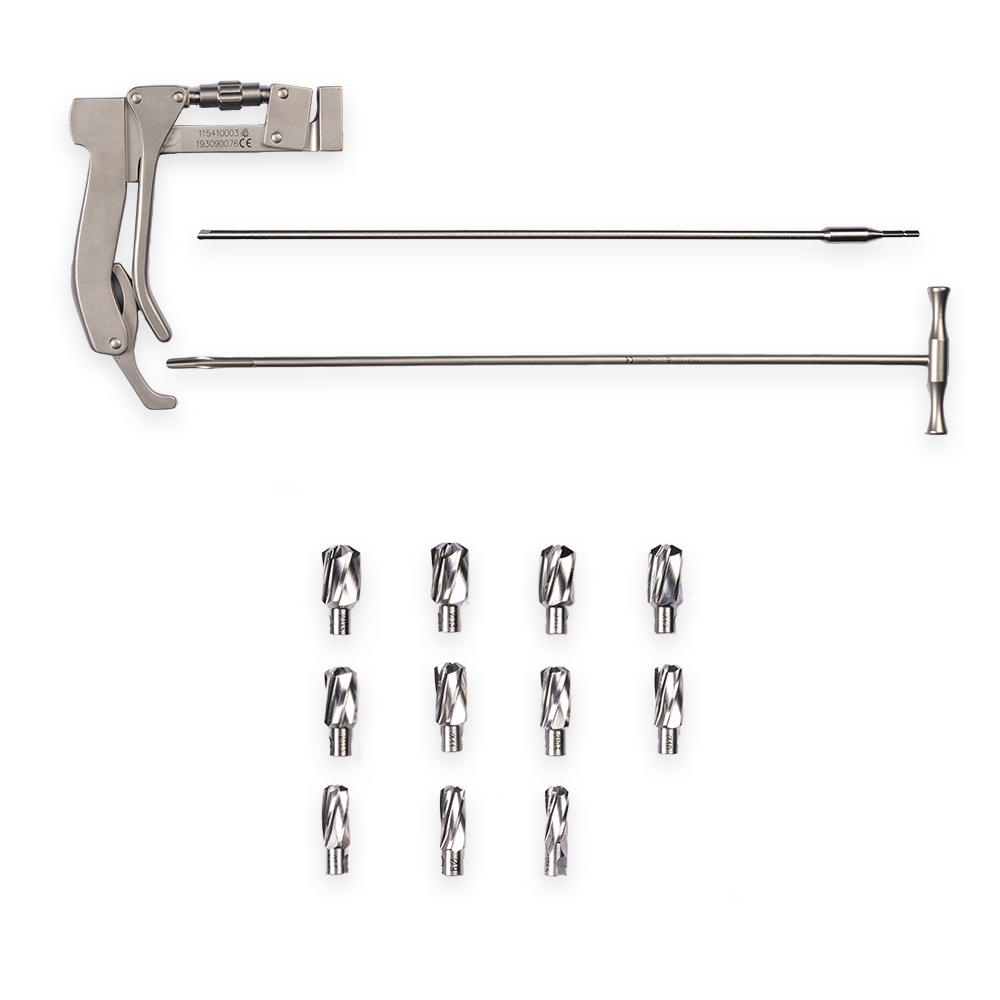
Distributors win hospital loyalty by offering ergonomic carbon fiber or hardened stainless-steel targeting guides (such as suprapatellar and flexible reamer systems) that streamline C-arm fluoroscopy positioning and minimize surgical setup duration.
Zhejiang INAR Medical: 22-Year Manufacturing Excellence
Audited and certified infrastructure providing global tier-one reliability to South American distributors.
SGS Onsite Verified Infrastructure
Our centralized 29,523 m² facility houses Citizen & Star longitudinal cutting lathes, 5-axis DMG MORI CNC milling suites, and an automated surface finishing park. SGS Group conducts regular onsite inspections verifying our production capacity, trade performance, and raw-material provenance.
CE MDR & 93/42/EEC Validated
Implants and accompanying instrument assemblies undergo comprehensive CE MDR assessment, ensuring conformity across mechanical dynamic fatigue testing, cytotoxicity assays, and structural endurance. All documentation is prepared for seamless insertion into Brazilian ANVISA registration files.
End-to-End OEM/ODM & Cleanroom
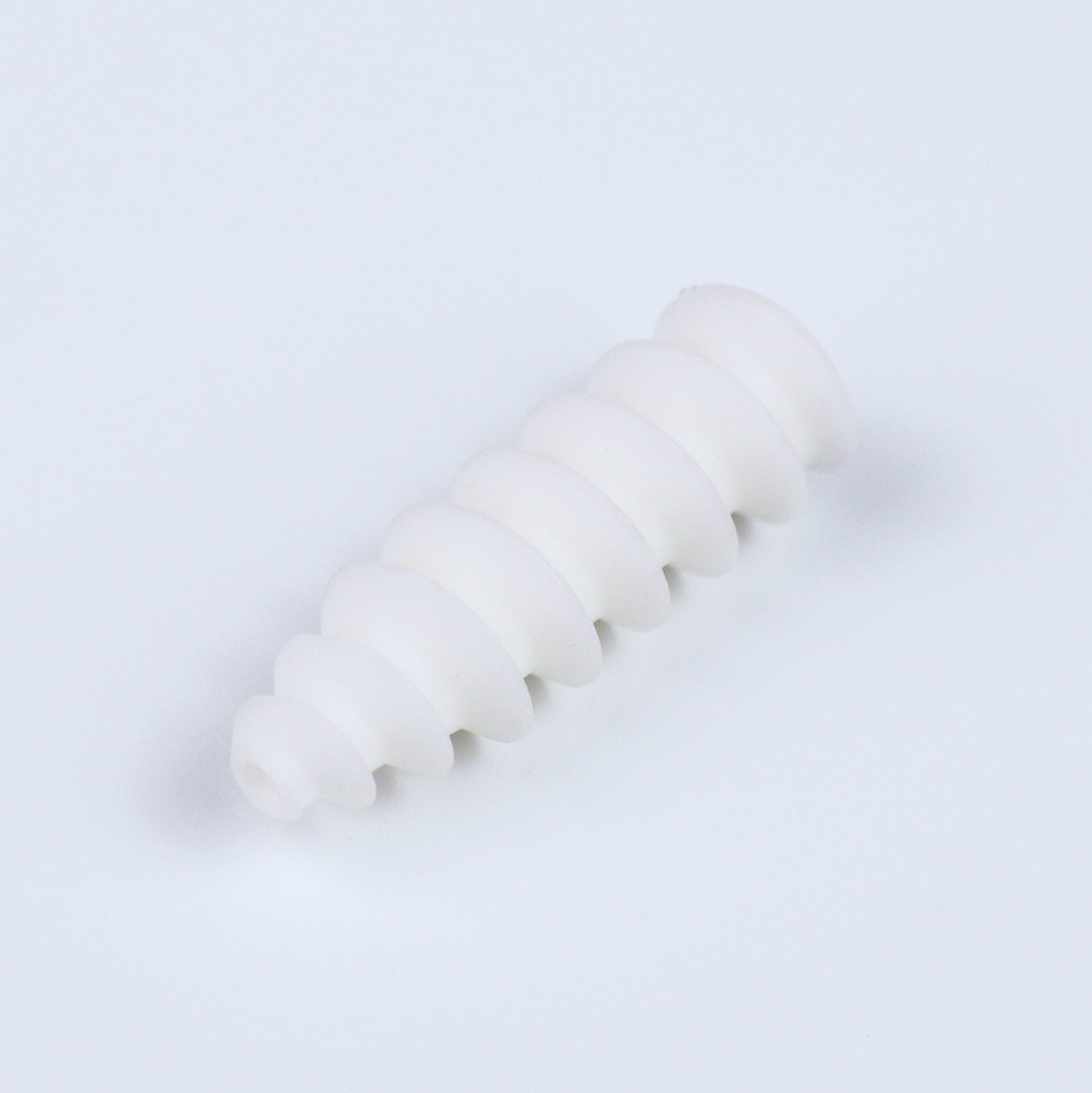
From custom proximal bending profiles to specialized PEEK interference screws, our 632-member workforce delivers tailor-made OEM labeling, anodized color-coding, and aseptic double-pouch sealing inside certified cleanrooms, ready for international hospital procurement.
Belo Horizonte Buyer FAQ: Gamma Nails & Trauma Implants
Key answers for hospital tender coordinators, regulatory specialists, and OPME import managers.
Procure Gamma Nails & Fixation Systems Direct from China's Verified Factory
Partner with an SGS-verified manufacturer with 22+ years of orthopedic expertise. Request ANVISA technical documentation, physical trial sets, or direct wholesale price schedules for the Minas Gerais medical sector.