Featured Orthopedic Trauma Solutions & System Components
Procurement portfolios engineered for trauma departments, orthopaedic emergency wings, and distributors operating across Manaus and greater Amazonas. Fully certified for immediate tender integration.
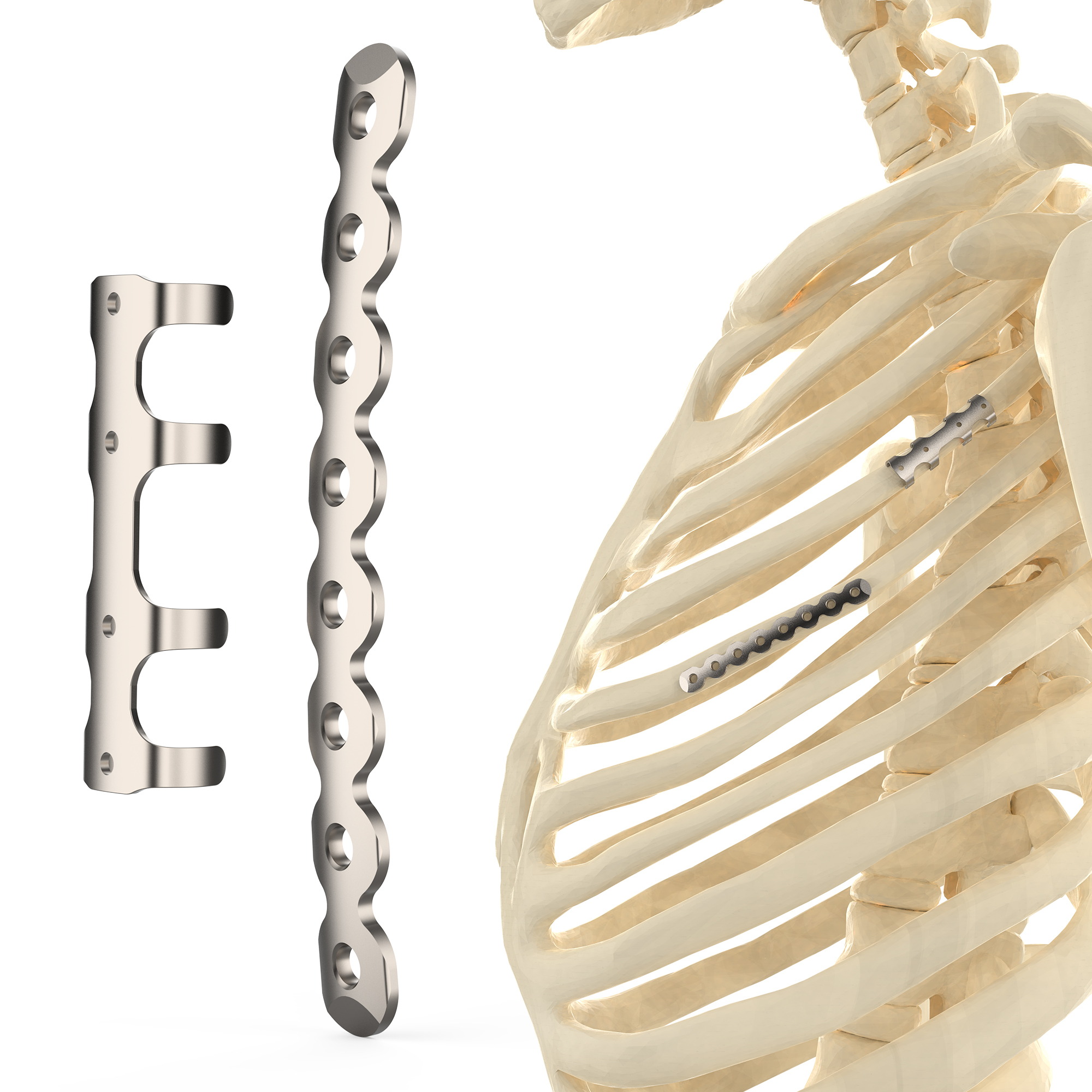

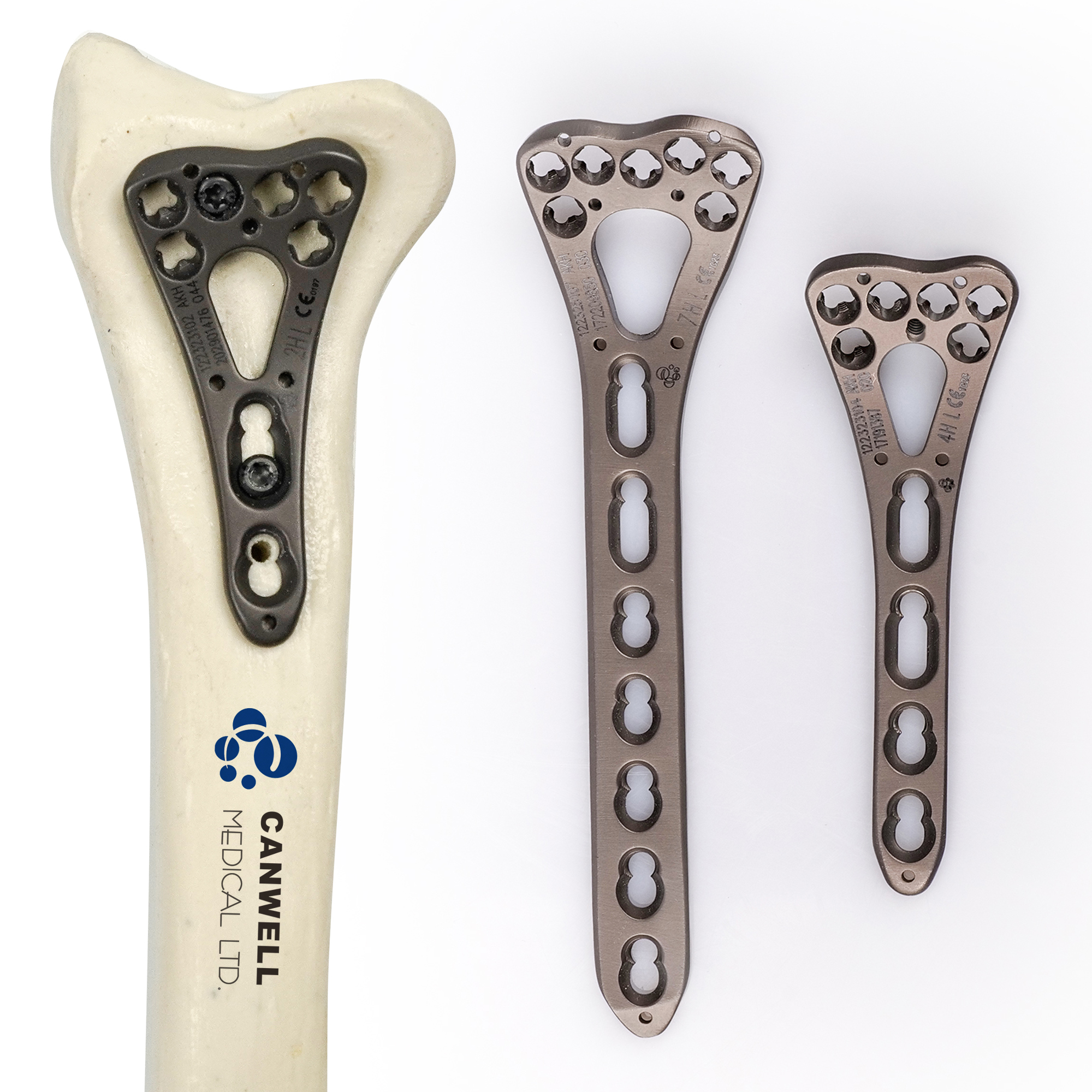
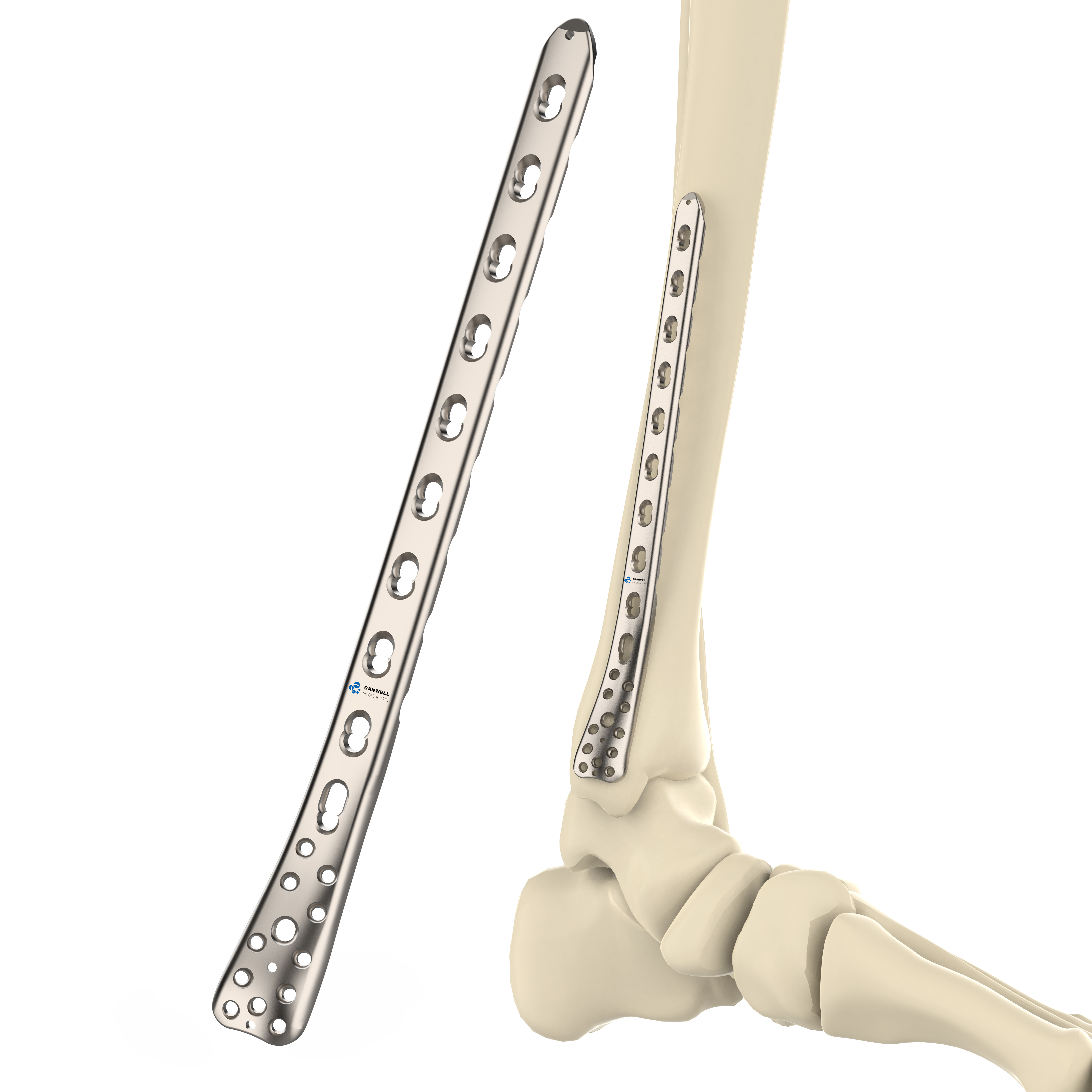
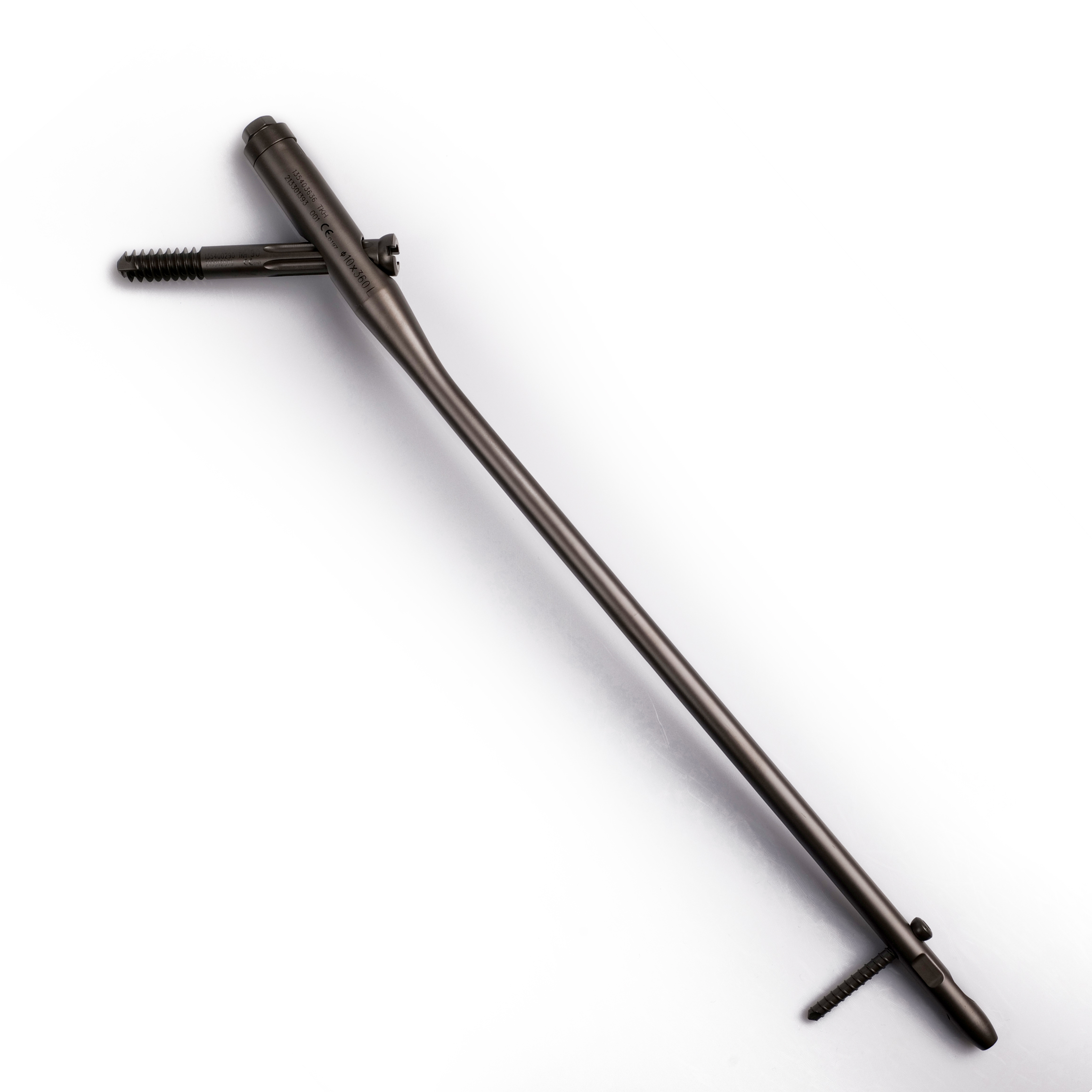
Clinical Biomechanics & Engineering Standards for Humerus Osteosynthesis
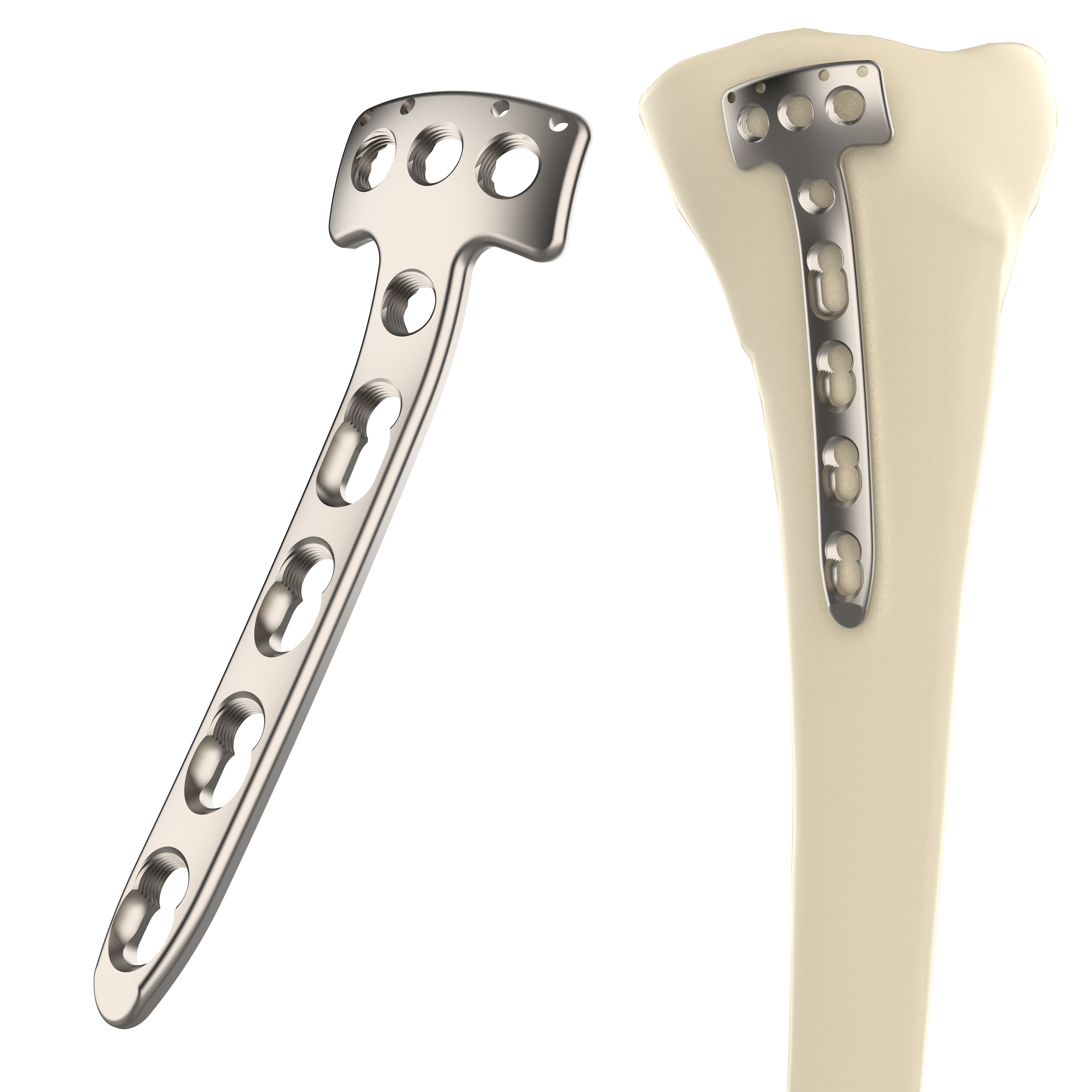
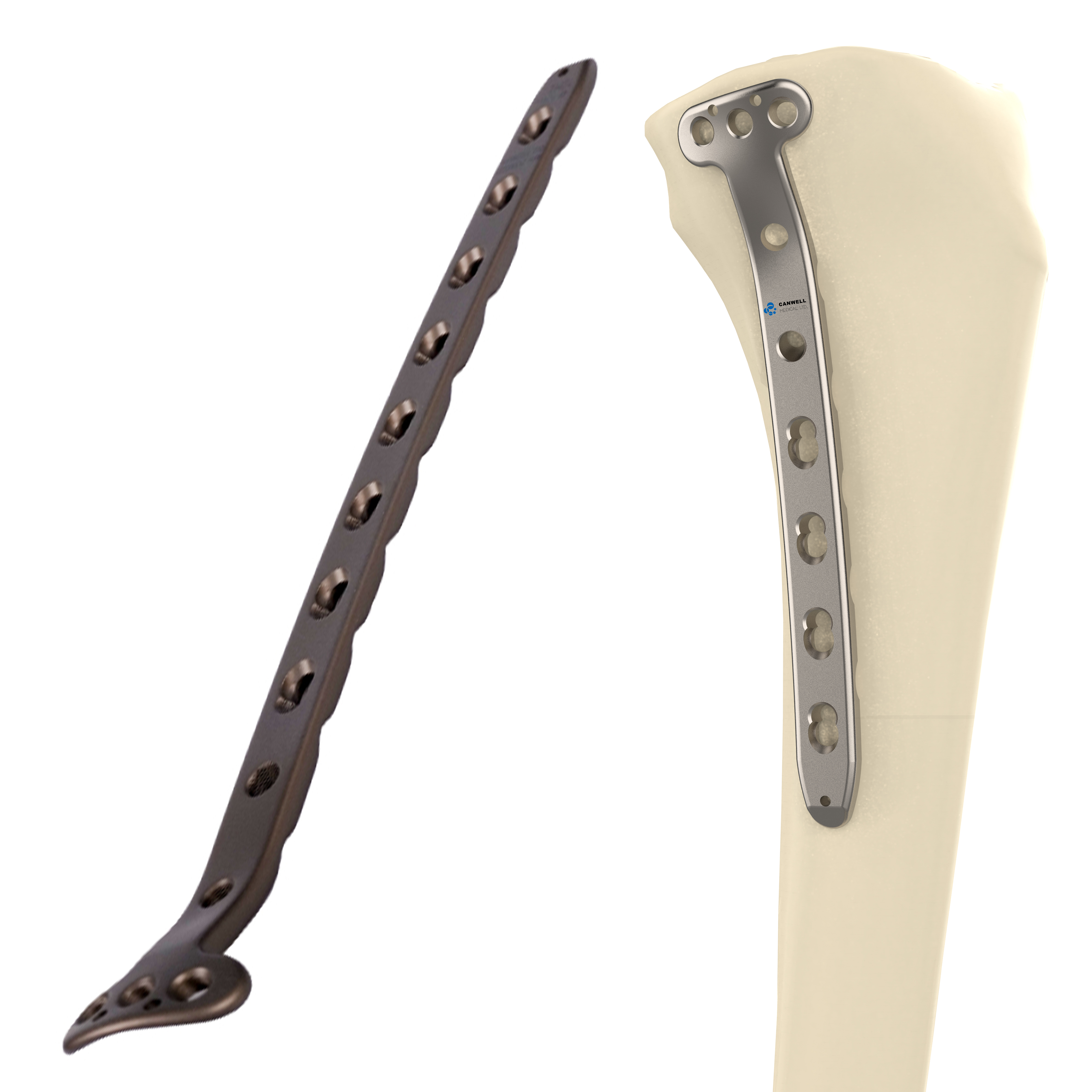
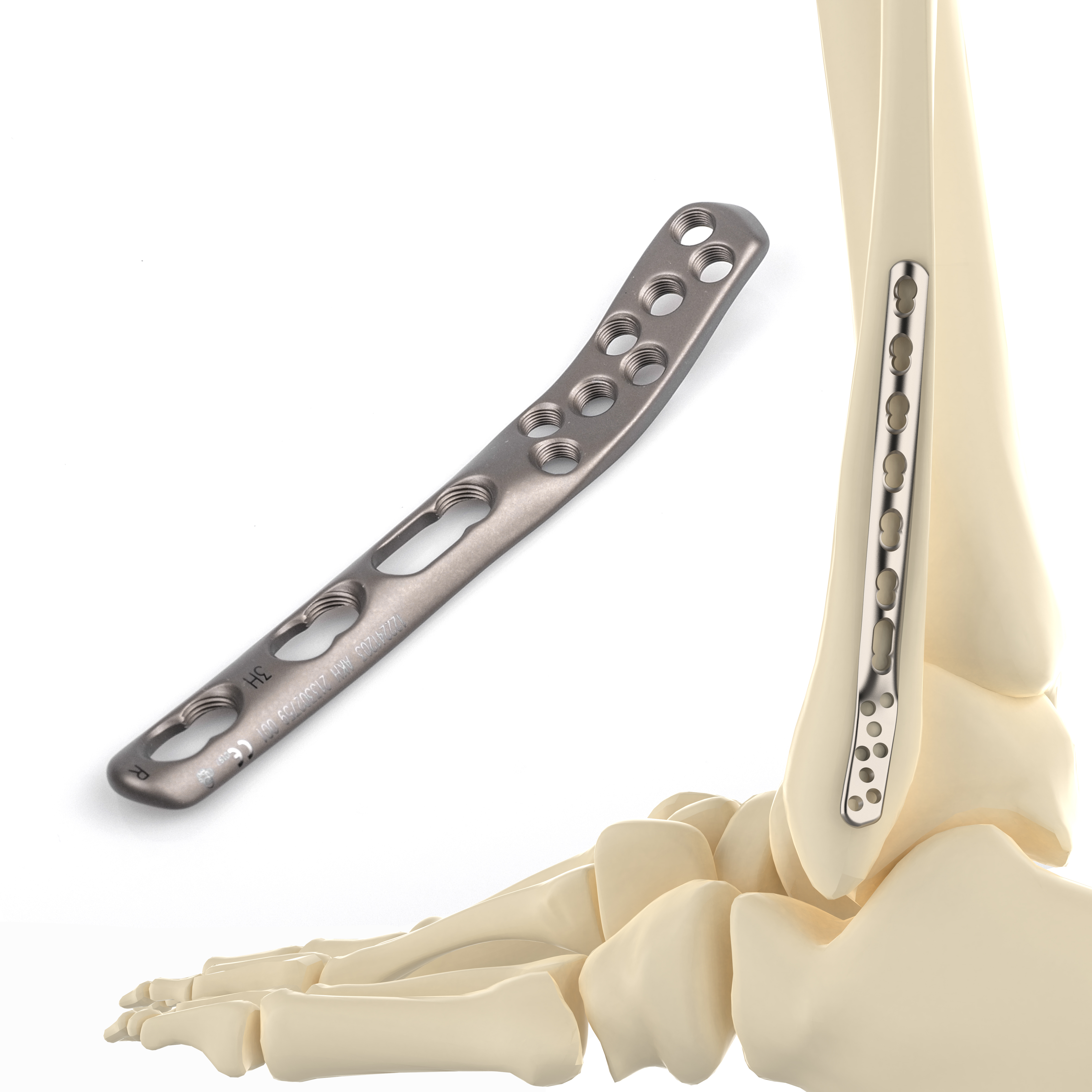
The human humerus presents an intricate anatomical challenge for trauma surgeons: it acts as a primary lever arm for rotational torque, shoulder adduction, and elbow articulation while being enveloped by delicate neurovascular bundles—most notably the radial nerve traversing the spiral groove and the axillary nerve winding across the proximal metaphysis. When engineering humerus locking compression plate (LCP) systems, our manufacturing protocol focuses on addressing three distinct clinical sectors: the proximal humerus (PHILOS-type architecture), the humeral diaphysis (helical and straight shaft plates), and the distal humerus (bicolumnar parallel and orthogonal anatomic plates).
Fracture morphology in the upper extremity often involves complex comminution caused by high-energy collisions or severe osteopenia. In the proximal region, Neer 3-part and 4-part fractures frequently exhibit significant calcar disruption. Without rigid calcar-supporting locking screws, premature construct failure, varus collapse, and secondary screw cut-out through the humeral head cartilage into the glenoid cavity become major surgical complications. Our titanium humerus plate systems incorporate diverging and converging screw configurations with polyaxial locking capabilities (±15° angulation). This design allows orthopaedic trauma surgeons to meticulously engage the dense subchondral bone of the humerus head without perforating the articular joint surface.
Metallurgical Superiority: Grade 5 Ti-6Al-4V ELI Alloy
Every humerus plate fabricated in our facilities is machined exclusively from medical-grade Ti-6Al-4V ELI (Extra Low Interstitial) conforming to ASTM F136 and ISO 5832-3 standards. Compared to conventional commercial-grade pure titanium or stainless steel (316LVM), Ti-6Al-4V ELI provides an optimal elastic modulus (110 GPa) that closely matches human cortical bone. This parity substantially mitigates the stress shielding effect, which historically led to bone resorption beneath rigid plates.
Furthermore, our plates feature an engineered low-profile cross-section and tapered plate tips that facilitate minimally invasive percutaneous plate osteosynthesis (MIPPO). Under MIPPO techniques, preservation of periosteal blood supply is prioritized, resulting in accelerated callus formation and reduced surgical exposure time—a critical consideration when managing polytrauma cases in high-throughput public regional hospitals.

Proximal PHILOS-Type Systems
Engineered with 9 to 14 proximal locking holes designed specifically for suture eyelet anchorage, facilitating rotator cuff reattachment. Enhanced with medial calcar kick-stand screw trajectories to systematically counter varus collapse in osteoporotic bone.
Helical Diaphyseal Plates
Pre-twisted contoured geometry that wraps anatomically around the humeral shaft. Bypasses the radial nerve pathway without requiring aggressive soft-tissue dissection, maximizing periosteal preservation in extended segmental humeral fractures.
Distal Bicolumnar Anatomical Plates
Pre-shaped medial and lateral columns providing stable mechanical triangulation across the supracondylar fossa. Essential for complex AO/OTA 13-C intra-articular elbow reconstructions where anatomical joint reduction is critical for early mobilization.
Localized Application Scenarios: The Healthcare Landscape of Manaus
Supplying orthopedic implants to the State of Amazonas demands an in-depth understanding of the geographic, infrastructural, and epidemiological conditions distinct to Manaus. As the industrial and logistical capital of Northern Brazil, Manaus acts as the sole advanced tertiary trauma hub for a geographic territory exceeding 1.5 million square kilometers. Healthcare institutions such as Hospital e Pronto-Socorro 28 de Agosto, Hospital Pronto-Socorro Dr. João Lúcio Machado, and the Fundação Hospital Adriano Jorge (FHAJ) regularly treat clinical conditions rarely encountered in metropolitan centers of the southeast like São Paulo or Curitiba.
Amazonian Riverine Trauma & Polytrauma Realities
A staggering portion of humeral fractures arriving at Manaus surgical suites originate from two specific mechanisms: high-velocity motorcycle accidents navigating challenging municipal roadway networks, and fluvial accidents involving riverine transit (barcos de linha, voadeiras) along the Rio Negro and Rio Solimões. Patients injured in interior municipalities such as Tefé, Coari, or Parintins often endure logistical transit delays of 24 to 72 hours via river ambulance before presenting in Manaus operating theaters.
This prolonged delay leads to pronounced soft-tissue swelling, severe hematoma organization, and elevated infection risk. Surgeons in Manaus therefore require humerus plates with high biocompatibility, ultra-smooth electropolished surfaces, and low plate profiles that do not exert tension on swollen subcutaneous tissues. Plates manufactured with our advanced anodization process demonstrate diminished bacterial adhesion properties, proving vital when dealing with delayed open reduction internal fixation (ORIF) procedures.
| Clinical Scenario in Manaus | Predominant Fracture Pattern | Engineering Solution Delivered | Surgical Impact for Amazonas Clinics |
|---|---|---|---|
| River Transit & Dock Collisions | Crush trauma, comminuted midshaft (AO/OTA 12-B/C) | High-yield Ti-6Al-4V ELI straight & curved diaphyseal LCP | Stable Bridging Osteosynthesis with minimal periosteal stripping |
| Urban Motorcycle Accidents | Proximal Neer 3-part/4-part with calcar disruption | Multi-directional polyaxial locking plates with calcar kickstands | Prevents varus collapse and reduces need for secondary reoperation |
| Industrial Trauma (PIM - Manaus) | Distal articular column comminution (AO/OTA 13-C3) | Parallel/orthogonal pre-contoured anatomical dual plates | Enables absolute rigid stability for immediate postoperative physiotherapy |
| Geriatric Domestic Falls | Severe osteoporotic metaphyseal impaction | Subchondral fan-shaped divergent locking screw patterns | Maximizes bone purchase; decreases secondary screw back-out risk |
Market Trends, Regulatory Compliance (ANVISA), & Amazon Supply Chains
The orthopaedic procurement framework in Manaus is experiencing rapid transformation driven by Brazilian regulatory modernization, regional fiscal policy, and supply chain rationalization:
ANVISA RDC 751/2022 Compliance
Brazil's regulatory agency ANVISA has overhauled its medical device classification and technical dossier mandates under RDC 751/2022. As an SGS-audited Chinese manufacturer, our technical files—including biocompatibility testing (ISO 10993), biomechanical fatigue profiles (ASTM F382), and cleanroom sterilization validations—are systematically organized to empower Brazilian importers to complete sanitary registration swiftly.
Zona Franca de Manaus (ZFM) Advantages
Manaus operates as a premier Free Trade Zone (Pólo Industrial de Manaus). Importers and hospital consortium partners registered within the ZFM benefit from fiscal incentives including exemptions and reductions on Import Duty (II) and Industrialized Products Tax (IPI). Direct container sourcing from our Jinhua manufacturing facilities to Porto de Manaus optimizes landed costs by up to 28% compared to southern middleman transit.
Tropical Climatology & Packaging Resilience
Manaus is situated in an equatorial rainforest microclimate characterized by year-round humidity surpassing 85% and sustained ambient temperatures above 32°C. Conventional sterile packaging risks micro-perforation, mould growth, or microbial barrier deterioration under these conditions. Our humerus implant systems feature high-barrier medical-grade Tyvek blister packs and sealed moisture-proof secondary containers designed specifically for Amazonian distribution.
SUS Reimbursement Ceilings vs. Private Consignment
Distributors in Amazonas must balance the fiscal realities of Sistema Único de Saúde (SUS) reimbursement caps against the high-demand expectations of private medical facilities such as Hospital Santa Júlia and Hospital Adventista de Manaus. Our flexible OEM/ODM manufacturing tiers allow distributors to supply competitive trauma kits without compromising European CE or international metallurgical benchmarks.
Why Global Importers Partner with Zhejiang INAR Medical
Operating a sprawling 29,523 m² modern manufacturing plant staffed by over 632 dedicated professionals, Zhejiang INAR Medical Co., Ltd. represents more than two decades of elite orthopaedic manufacturing expertise. Unlike simple trading intermediaries, we control every single link of the production chain under rigorous quality control standards validated onsite by SGS Group.
End-to-End In-House Manufacturing Architecture
Precision orthopaedic manufacturing begins with raw titanium billets subjected to strict incoming chemical analysis. Our plant utilizes premium Japanese and Swiss-made multi-axis CNC machines capable of achieving sub-micron tolerances for complex screw-thread geometries and plate contouring. Plates undergo multi-stage surface treatments, including precision deburring, micro-sandblasting, and Type II anodization to maximize fatigue endurance.
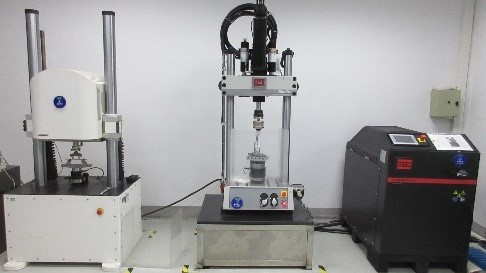
Every single batch passes through our comprehensive 13-stage manufacturing route: from longitudinal CNC lathe profiling and dimensional coordinate measurement (CMM) to non-destructive fluorescent liquid penetrant testing (NDT), dual ultrasonic washing stages, and class 100,000 aseptic cleanroom packaging. Our mechanical testing laboratory operates multi-station cyclic dynamic fatigue testers simulating millions of physiological load cycles to ensure zero intraoperative or postoperative mechanical failures.
Complete ANVISA Technical Dossiers
We provide full English/Portuguese documentation suites: Risk Management Files (ISO 14971), Usability Engineering Reports (IEC 62366), Biocompatibility Profiles, and Sterilization Validations (ISO 11137) ready for submission to regulatory bodies in Brasília.
Turnkey Instrument Trays & Sets
Custom-branded, highly durable aluminium and stainless-steel graphic cases. Equipped with quick-release silicon brackets, modular depth gauges, torque limiters, and self-centering drill guides calibrated to withstand over 500 autoclave cycles.
Precision OEM / ODM Customization
Custom plate profiles, localized laser-etched matrix markings (DataMatrix/UDI), proprietary color anodizing for immediate diameter identification in surgery, and customized tray layout configurations tailored to regional hospital protocols.
Frequently Asked Questions for Manaus Importers & Procurement Teams
Straightforward answers addressing regulatory pathways, freight routing to Amazonas, consignment instrument kits, and technical quality assurances.
How does our company support ANVISA sanitary registration for importers in Manaus?
What is the standard shipping transit time and optimal logistics route from China to Manaus?
Can you provide customized surgical instrument trays compatible with Manaus autoclave cycles?
How do humerus plates perform in osteoporotic bone prevalent in geriatric fractures?
What is the minimum order quantity (MOQ) for private-label or OEM customized plates?
Accelerate Your Orthopaedic Supply Pipeline in Manaus
Connect directly with our engineering and export regulatory team. Request complete CE MDR technical files, material certificates, OEM pricing structures, and comprehensive trauma system catalogs today.