Maxillofacial
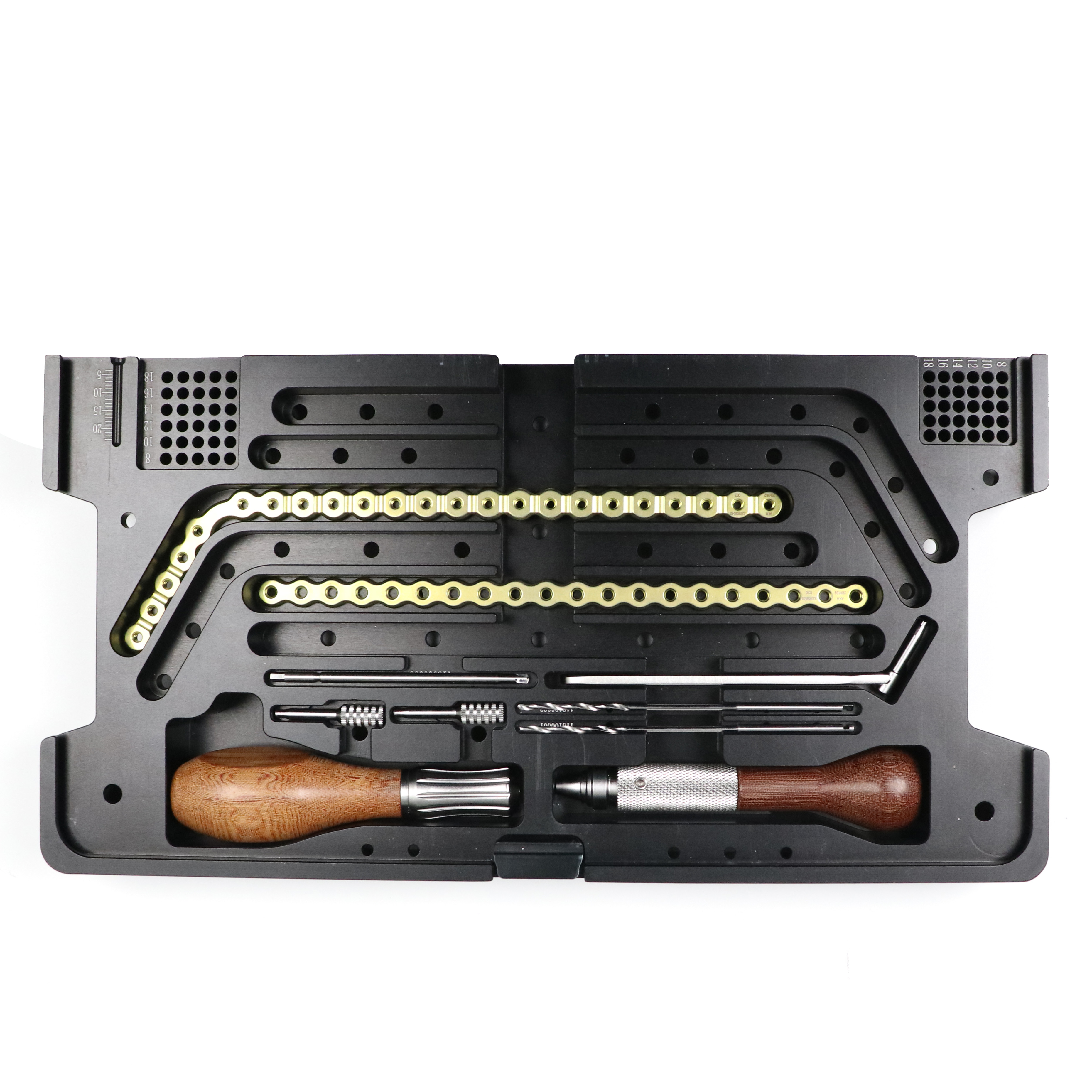
Engineered to conform with rigid biomechanical standards (ASTM F136 / ISO 5832-3), our orthopedic implants offer exceptional fatigue life, optimal pull-out resistance, and standardized ergonomics for Latin American spinal and trauma surgical disciplines.
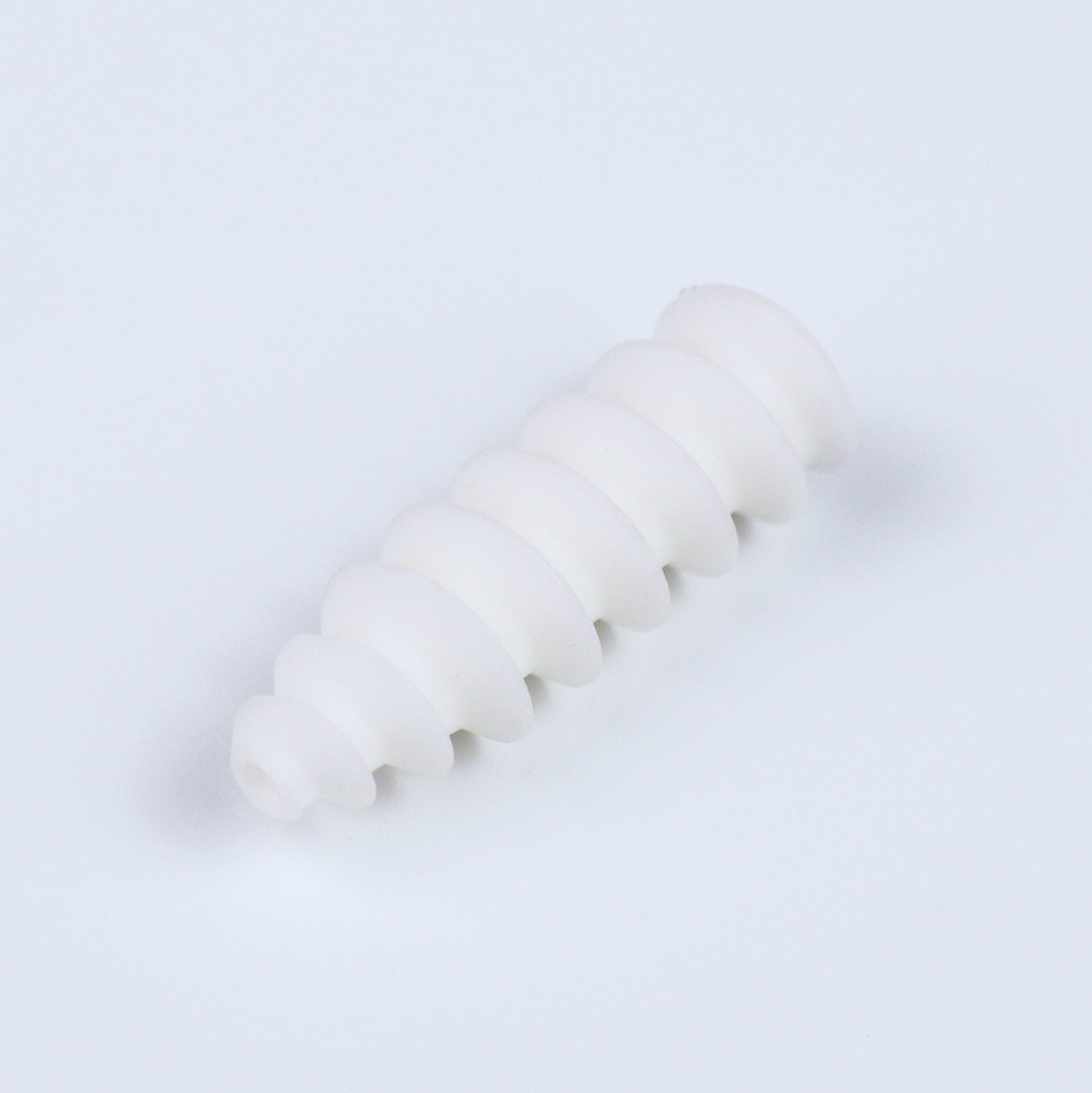
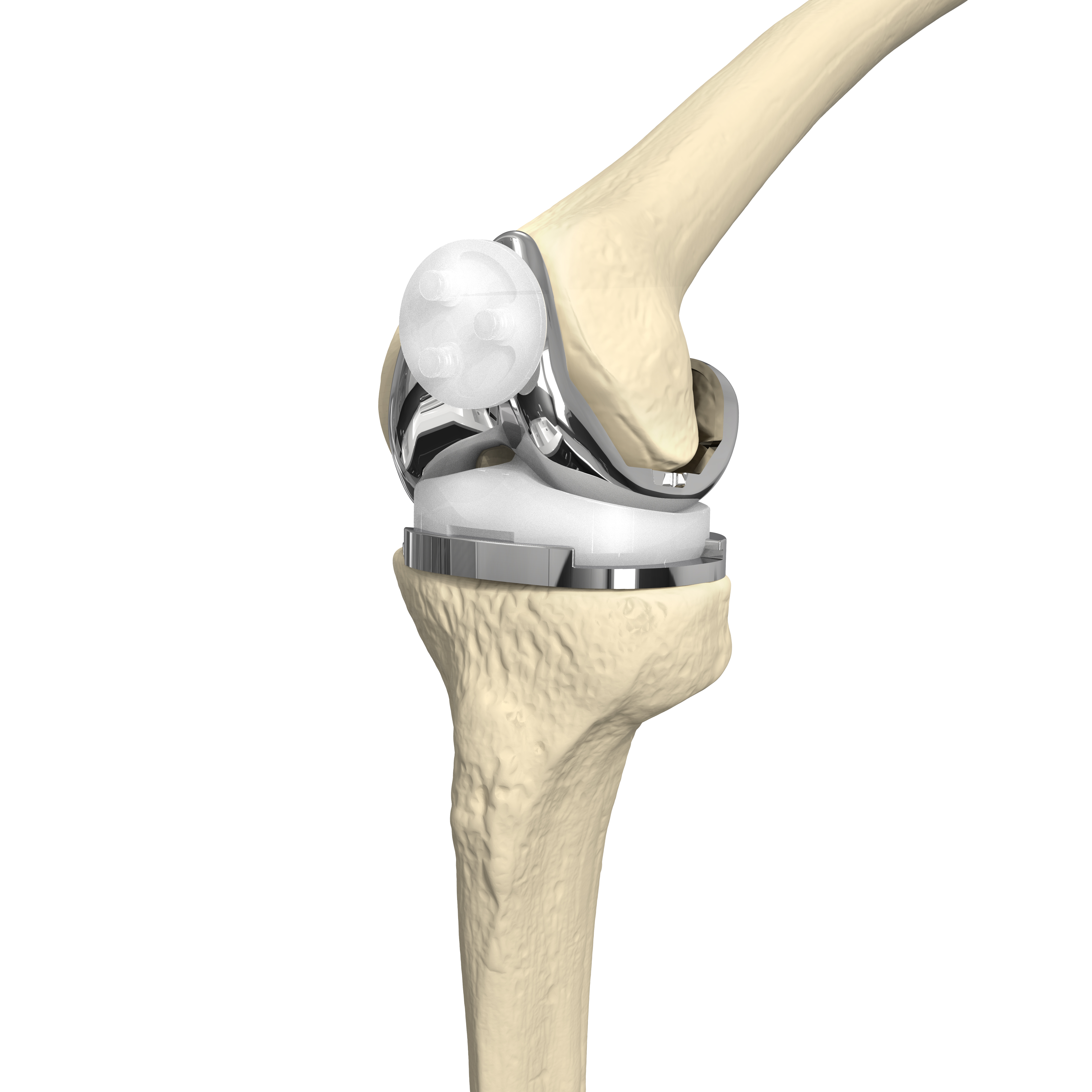
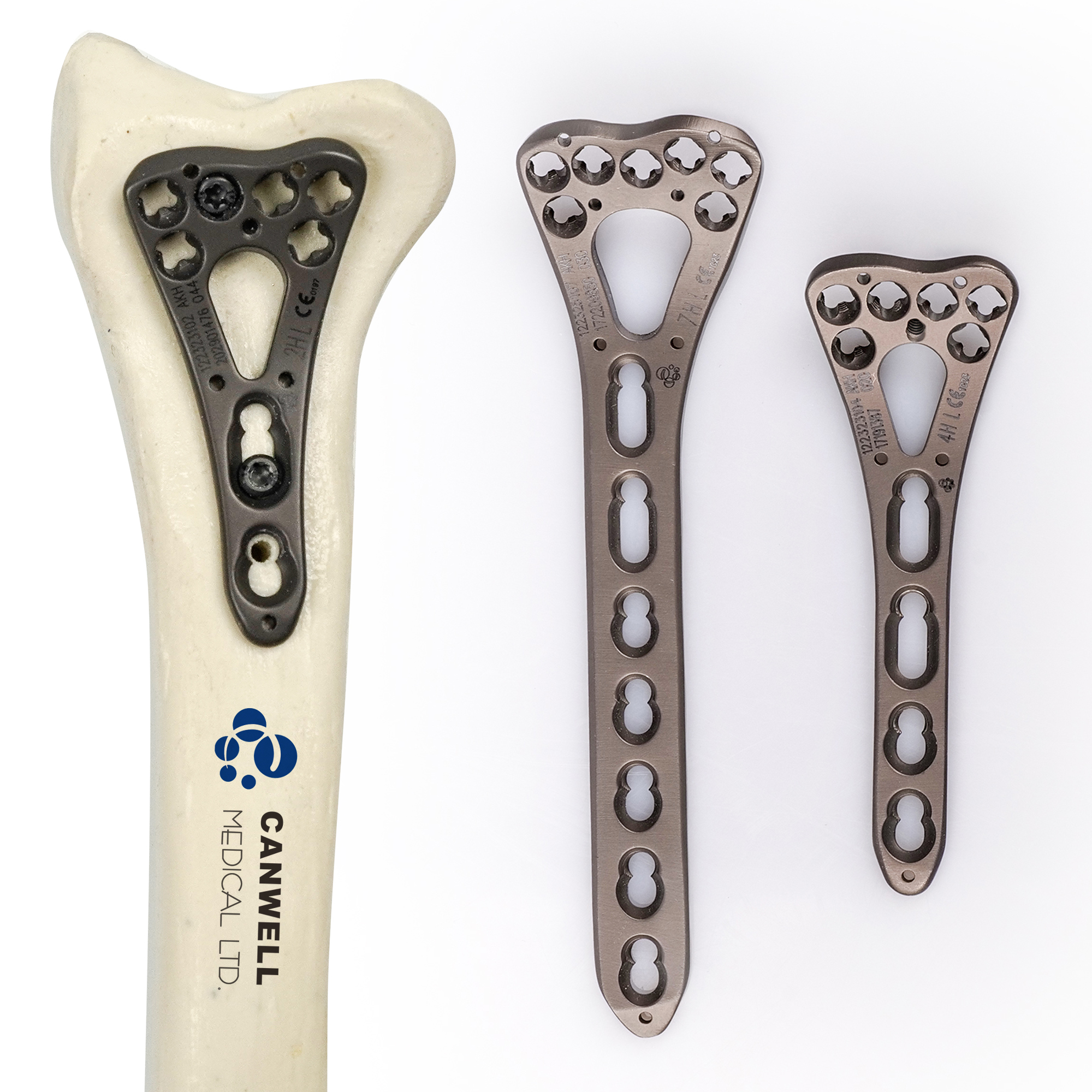
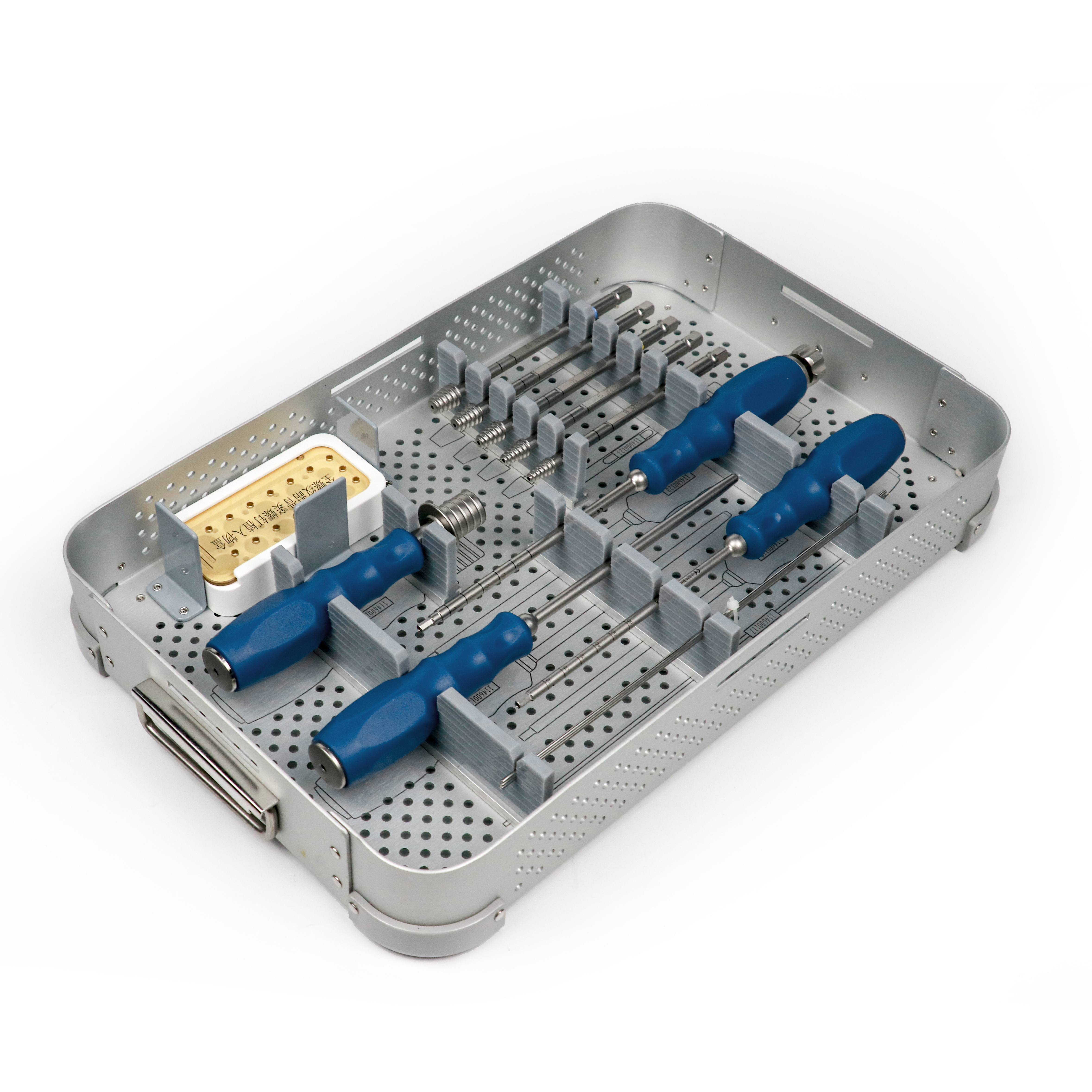
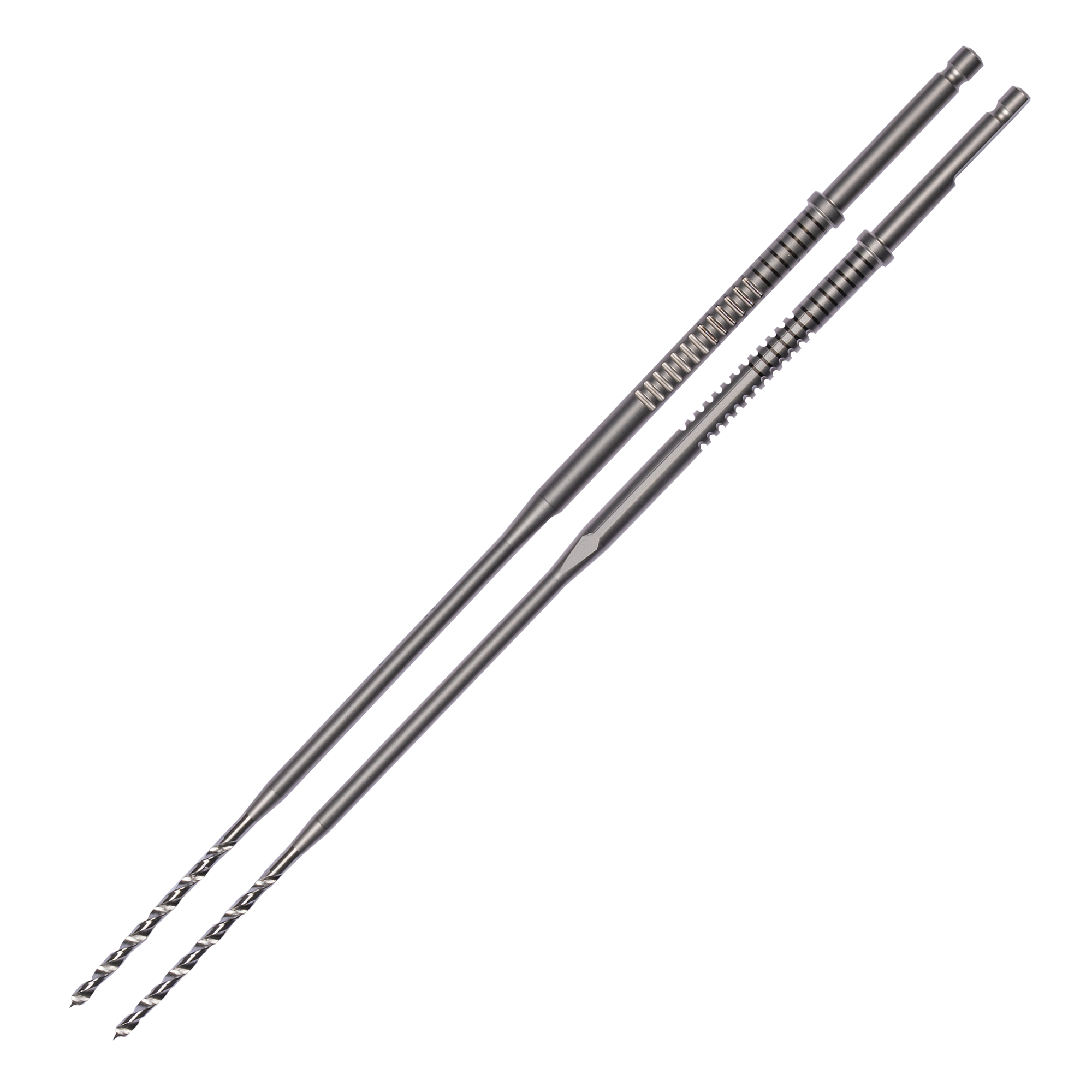
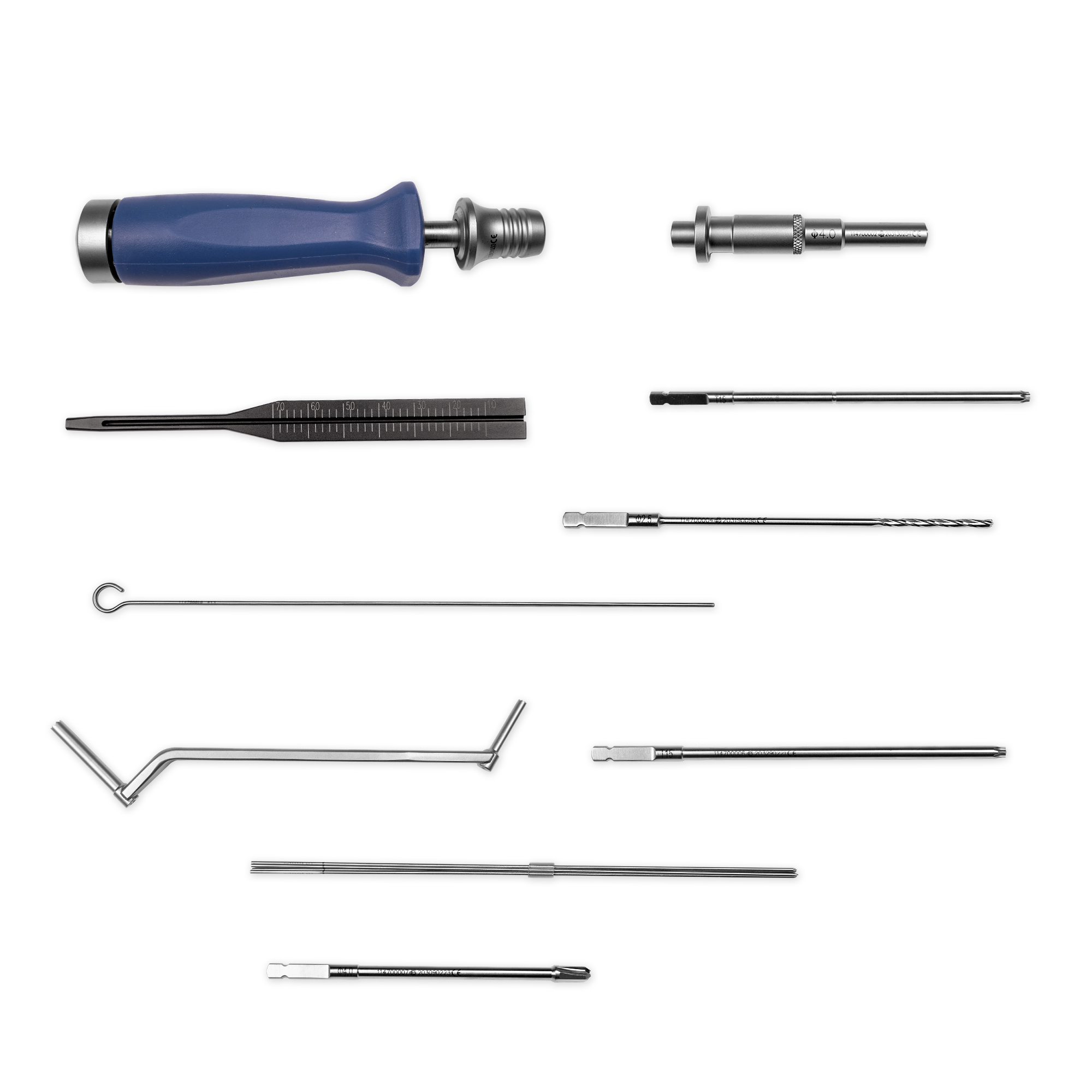
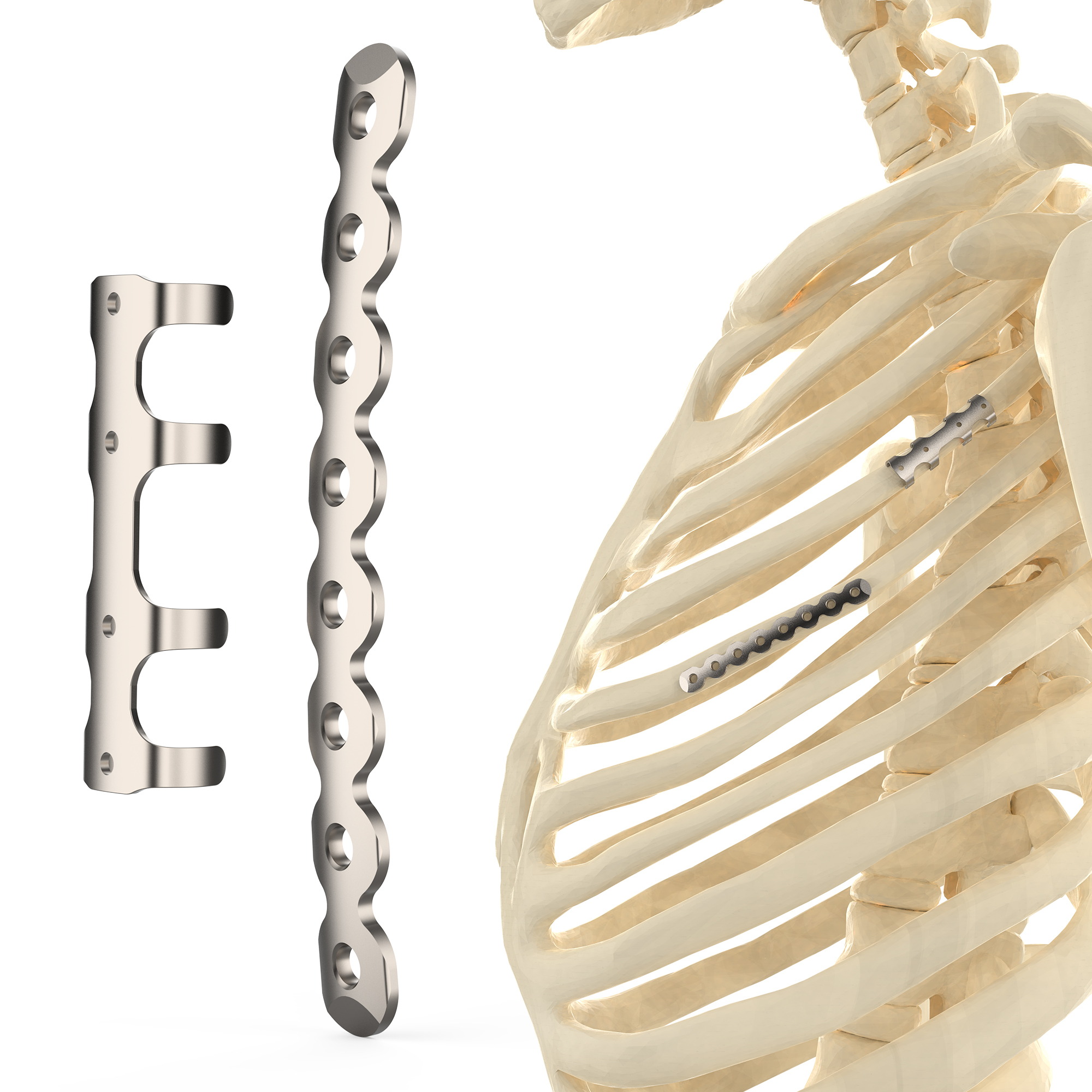
In the discipline of spinal arthrodesis and deformity correction, mechanical failure of an implant carries severe clinical repercussions. As China's premier spinal screw manufacturer, our engineering foundation is governed by strict compliance with ASTM F1717 (Standard Test Methods for Spinal Implant Constructs in a Vertebrectomy Model) and ISO 12189. Every pedicle screw system leaving our facilities integrates multi-axis fatigue mitigation, optimized pitch gradients, and self-tapping flute architecture machined from certified medical-grade Ti-6Al-4V ELI (Grade 23, ASTM F136) alloy bar stock.
| Biomechanical Attribute | Standard Pedicle Screw Systems | INAR Dual-Core / Cannulated Spinal Systems | Clinical Advantage for Spine Surgeons |
|---|---|---|---|
| Thread Profile | Single-lead V-Thread | Dual-Lead Dual-Core Cortical-Cancellous Thread | Doubles insertion velocity; improves purchase by 34% in osteoporotic bone. |
| Polyaxial Angulation | Up to ±25° Conical Arc | Extended ±30° Multi-Directional Polyaxial Head | Effortless rod capture in high-degree degenerative scoliosis. |
| Bending Fatigue Limit | ~650 - 750 N Yield Load | ≥ 980 N (ASTM F1717 Cyclic Fatigue Verified) | Significantly reduces incidence of screw neck pseudoarthrosis fracture. |
| Head Tulip Locking | Standard Buttress Thread | Reverse Angle Buttress / Anti-Cross-Threading Flange | Completely eliminates head splay under maximum final tightening torques. |
Our multi-axis Swiss longitudinal lathes operate within micro-tolerances (±0.005mm), preventing surface micro-fissures and stress concentrations around the neck junction. By pairing these implants with high-precision Torque Limiter Ratchet Wrenches calibrated precisely to 8.0 - 12.0 Nm, orthopedic distributors can guarantee Paraguayan clinical teams a fail-safe mechanical envelope throughout both open posterior lumbar interbody fusions (PLIF/TLIF) and percutaneous minimally invasive procedures (MIS).
Evaluating epidemiological, surgical, and supply chain demands across Asunción, Alto Paraná, and the Central Department medical centers.
Trauma centers such as Hospital del Trauma Manuel Giagni in Asunción encounter extensive high-energy traffic collisions and industrial injuries. Severe thoracic and lumbar fractures require rigid stabilization using monoaxial, polyaxial, and cannulated pedicle screws combined with titanium cross-links to prevent secondary neurological deficit and stabilize multi-fragment spinal fractures.
Institutions like Hospital Central del Instituto de Previsión Social (IPS) manage growing elderly demographics afflicted by lumbar canal stenosis, spondylolisthesis, and degenerative disc disease. Our fenestrated pedicle screws allow targeted polymethylmethacrylate (PMMA) bone cement augmentation, creating dependable purchase inside osteoporotic bone architectures.
Private clinical hubs across Ciudad del Este and Asunción are rapidly pivoting toward percutaneous screw insertion systems. Extended-tab (break-away long-arm) pedicle screws allow subfascial rod delivery via minimal muscular dissection, significantly shortening postoperative convalescence and lowering nosocomial infection risks in regional surgical theaters.
The Paraguayan medical hardware marketplace is undergoing fundamental transformations driven by national healthcare expansions, regulatory formalization, and bilateral trade dynamics. Historically reliant on high-cost Western European or North American imports that strained municipal hospital budgets, local health networks are now strategically demanding direct factory collaborations that marry strict regulatory conformance with accessible procurement economics.
Historically, advanced spine instrumentation was centralized within the capital city of Asunción. Under recent initiatives by the Ministerio de Salud Pública y Bienestar Social (MSPYBS), regional hospitals throughout Encarnación and Pedro Juan Caballero are upgrading operating theaters to perform complex spinal instrumentation locally. This geographic decentralization demands reliable surgical implant sets delivered on consignment or purchased via straightforward B2B importer contracts.
The regulatory oversight enforced by DINAVISA (Dirección Nacional de Vigilancia Sanitaria) has heightened entry barriers. Importers can no longer source unverified devices. Medical devices entering Paraguay must furnish verifiable Certificates of Free Sale (CFS), comprehensive technical dossiers (STED), and third-party ISO 13485 / CE verification. Chinese manufacturing facilities that maintain CE marking under EU MDR (93/42/EEC) and full testing transparently verified by SGS Group hold a definitive competitive advantage.
While stainless steel constructs historically dominated institutional public procurement in Latin America due to lower upfront unit pricing, modern clinical guidelines prioritize Ti-6Al-4V ELI (Grade 23) and radiolucent PEEK polymers. Titanium reduces post-operative computed tomography (CT) and magnetic resonance imaging (MRI) scatter artifacts, while possessing a modulus of elasticity closer to cortical human bone, significantly reducing stress-shielding phenomena.
Combining 22+ years of precision engineering, 632 dedicated personnel, and a 29,523 m² vertically integrated manufacturing infrastructure verified onsite by SGS Group.
Unlike trading intermediaries, we operate over 100 high-precision CNC longitudinal milling machines, ultrasonic passivation centers, sand-blasting chambers, and dedicated cleanrooms. From raw medical-grade titanium rods to finished laser-marked screws, all operations occur within our self-owned industrial campus.
Our orthopedic trauma plates, intramedullary nails, pedicle screws, and sports medicine implants hold verified CE markings (MDR / 93/42/EEC). Full documentation dossiers, biocompatibility profiles, and fatigue endurance reports are instantly accessible to simplify your local DINAVISA registration.
We supply customized spinal solutions for international brands and major distributors: customized thread geometries, proprietary color anodization coding, laser-etched distributor branding, and tailored modular graphic sterilization cases tailored precisely to surgical tray weight limits.
Every titanium pedicle screw, plate, and spinal rod undergoes rigorous, documented processing to eliminate any possibility of metallurgical inclusion, burrs, or dimensional deviation:
Following final packaging (Step 13: Packaging line & storage), all batches are assigned a laser-inscribed DataMatrix code allowing lifelong batch traceability down to the raw material ingot heat number.
Direct, pragmatic answers addressing regulatory, logistical, financial, and clinical criteria for medical device importers in Paraguay.