Featured Orthopedic Trauma & Sports Medicine Implants
High-precision orthopedic implants and instrument systems precision-machined for surgical tenders and trauma protocols in La Serena, Coquimbo, and North-Central Chile.
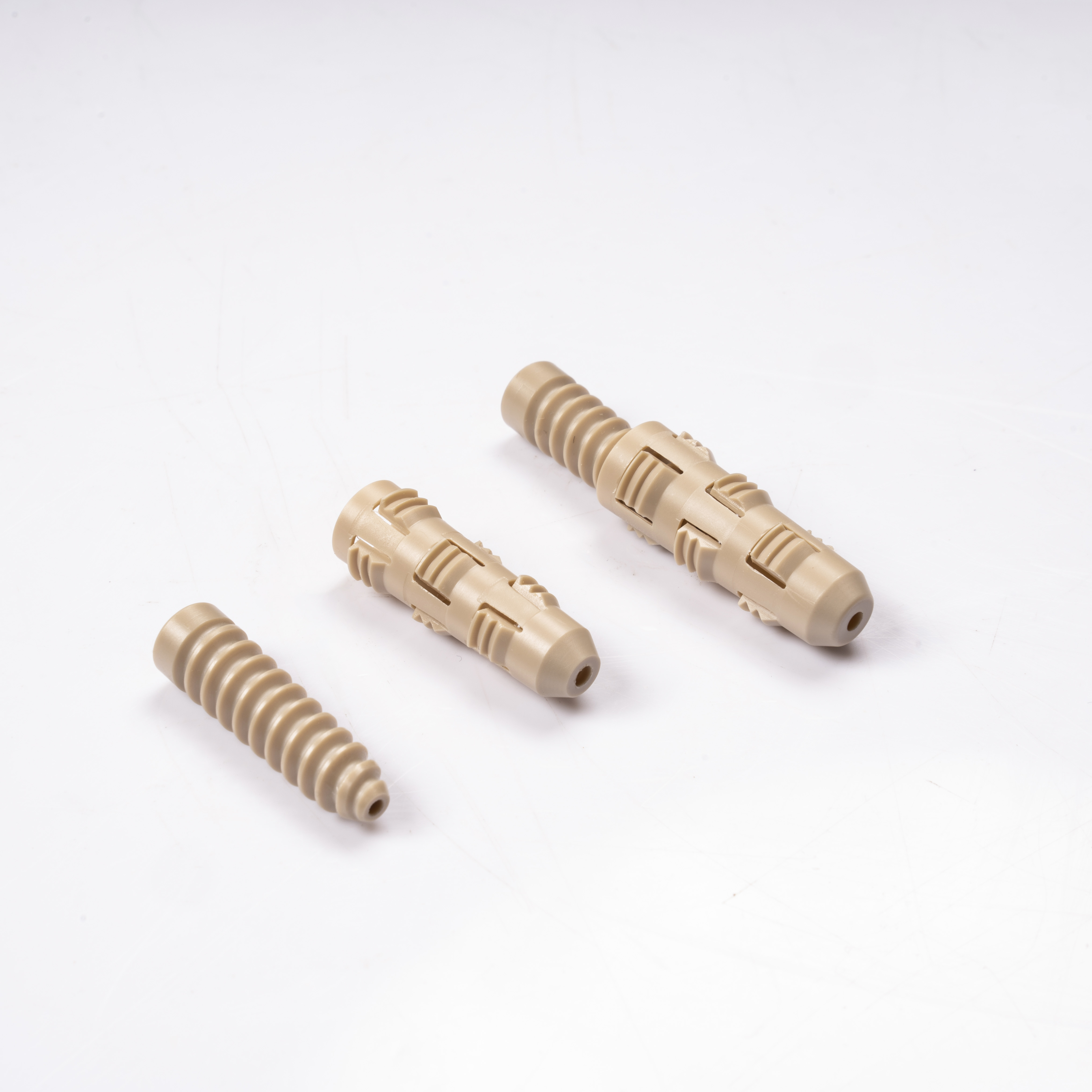
CANWELL Orthopedic Implants Sports Medicine ACL Reconstruction ACL PCL Arthroscopy Surgery Peek Interference Screw
Specification Data
CANWELL Titanium Elastic Nails Instrument Set for Pediatric Fracture Fixation TEN Flexible Nail Orthopedic Trauma Surgery
Specification Data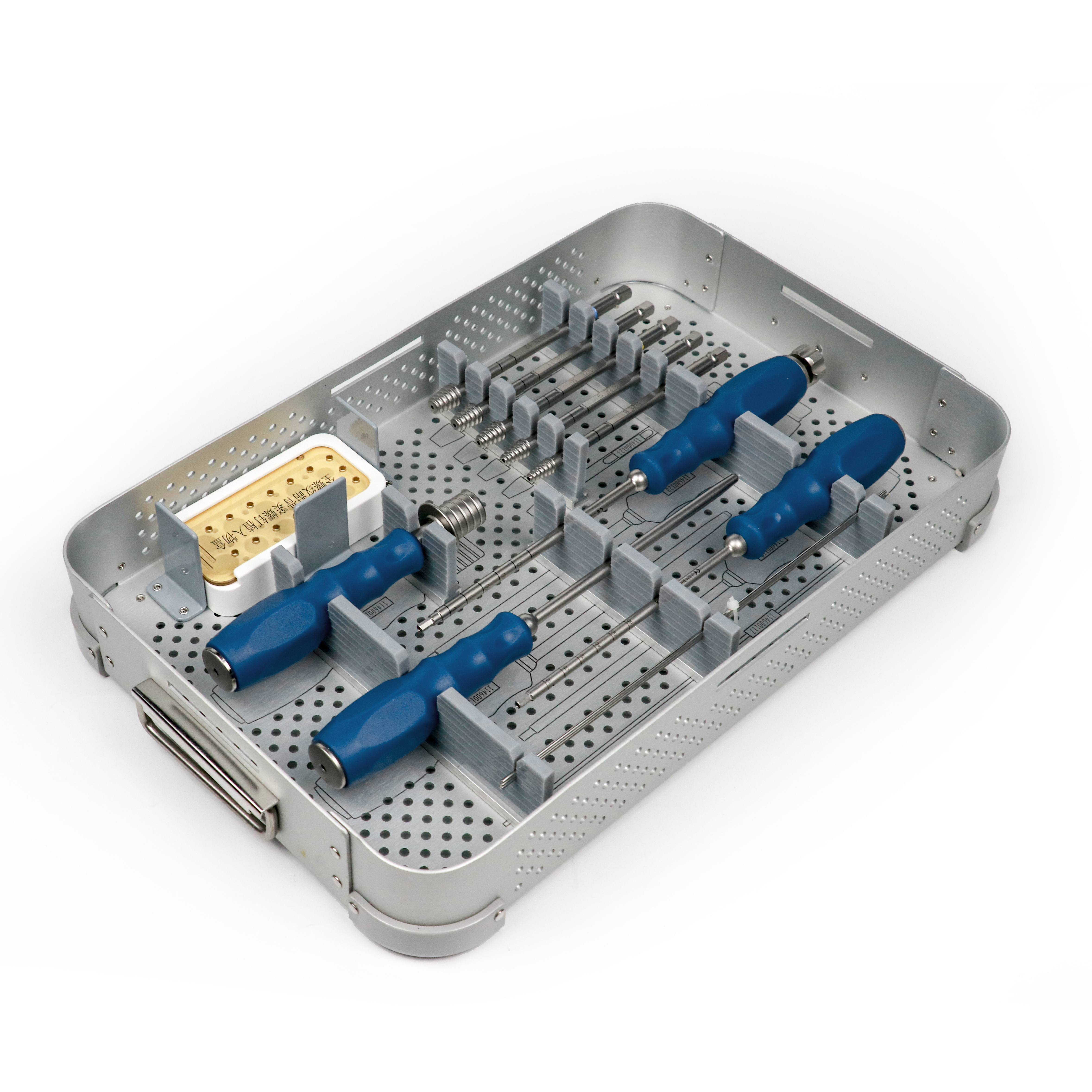
CANWELL Sinus Tarsal Locking Screw Titanium Orthopedic Implant and Instrument Foot Ankle CE ISO Manufacturer 2.4/2.7mm Class II
Specification Data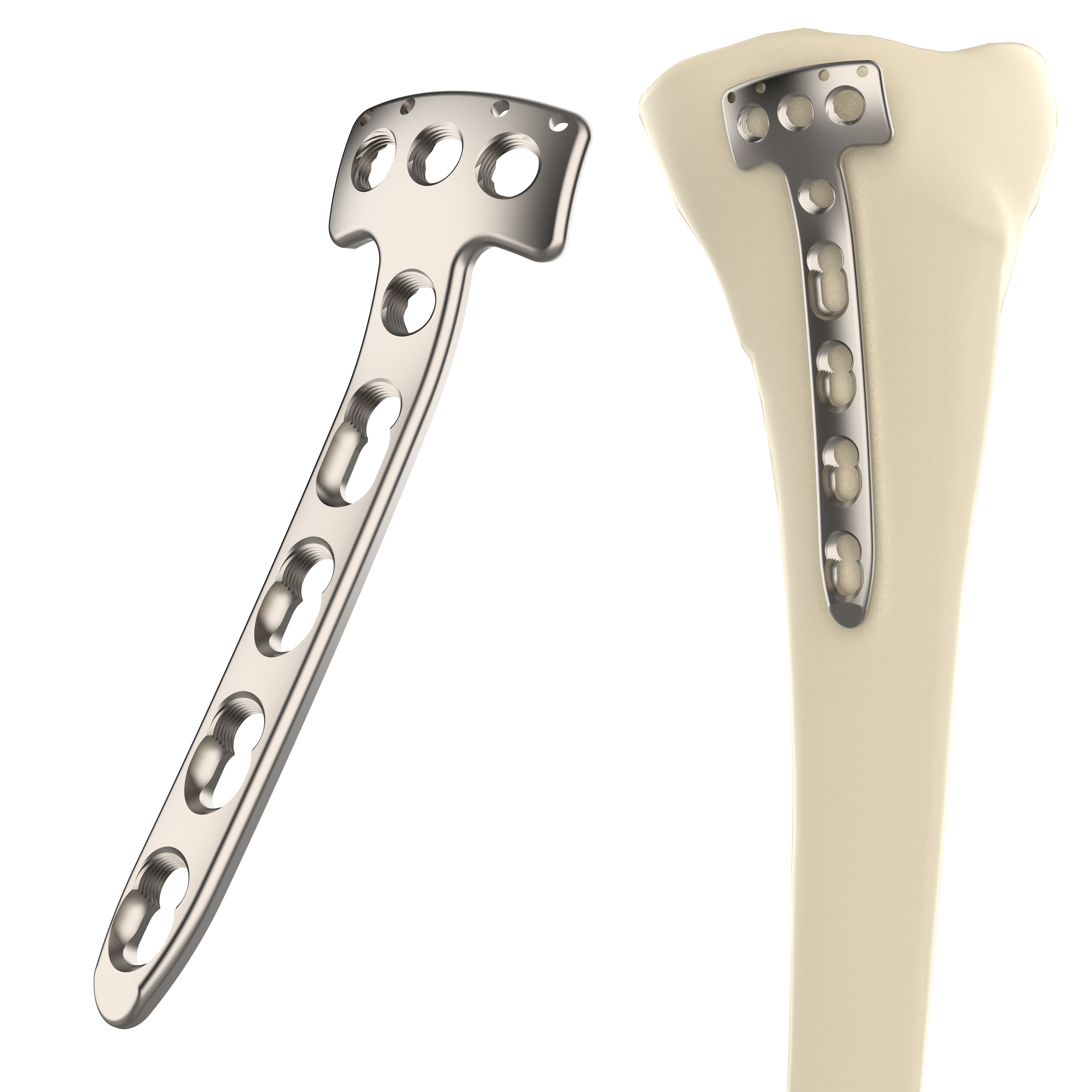
CANWELL Titanium Proximal Middle Tibial Locking Plate for Tibial Plateau Fracture Fixation ORIF Surgery Orthopedic OEM Supplier
Specification Data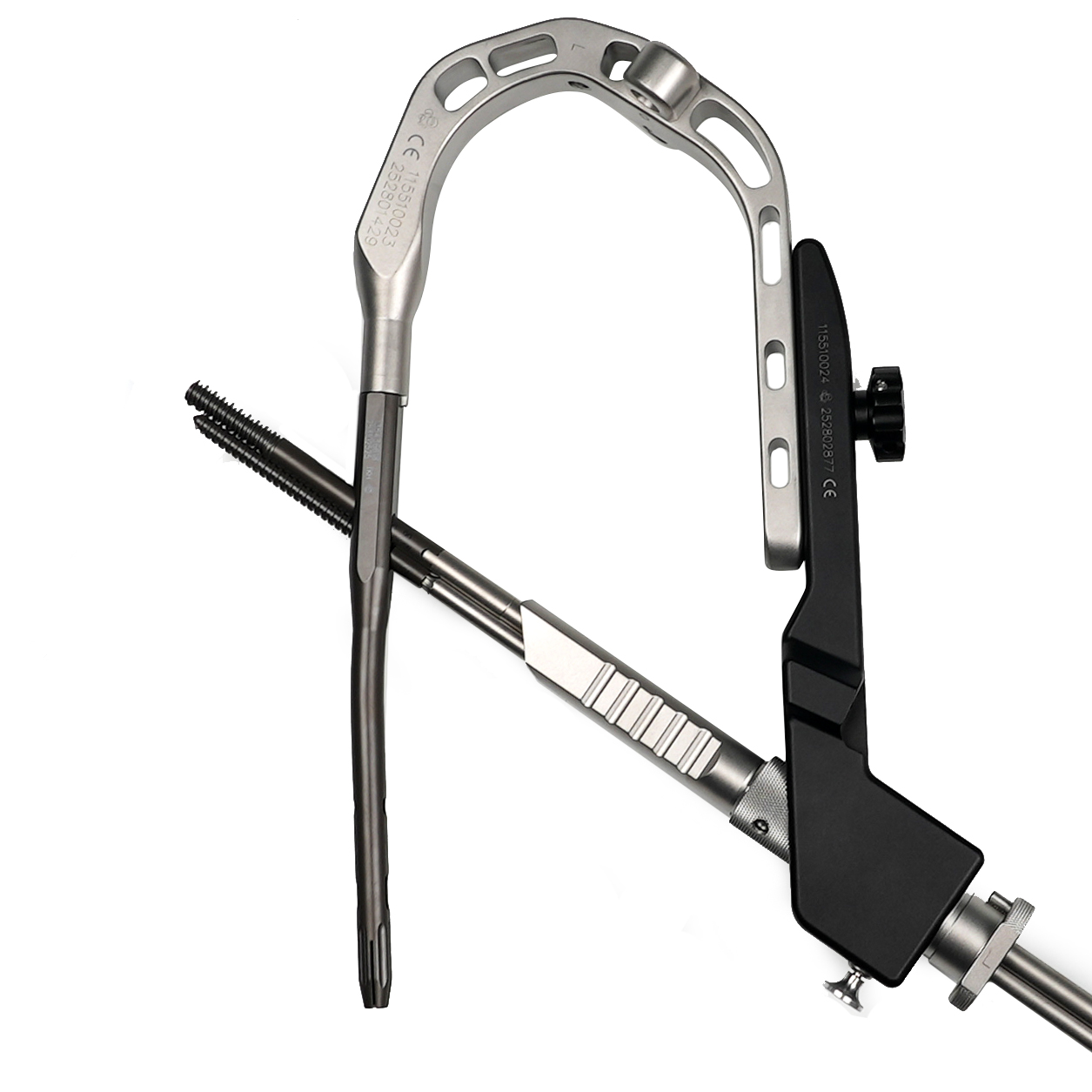
CANWELL Titanium Femoral Intramedullary Nails Interlocking Nail Femur Orthopedic Trauma Implants Bone Fracture
Specification Data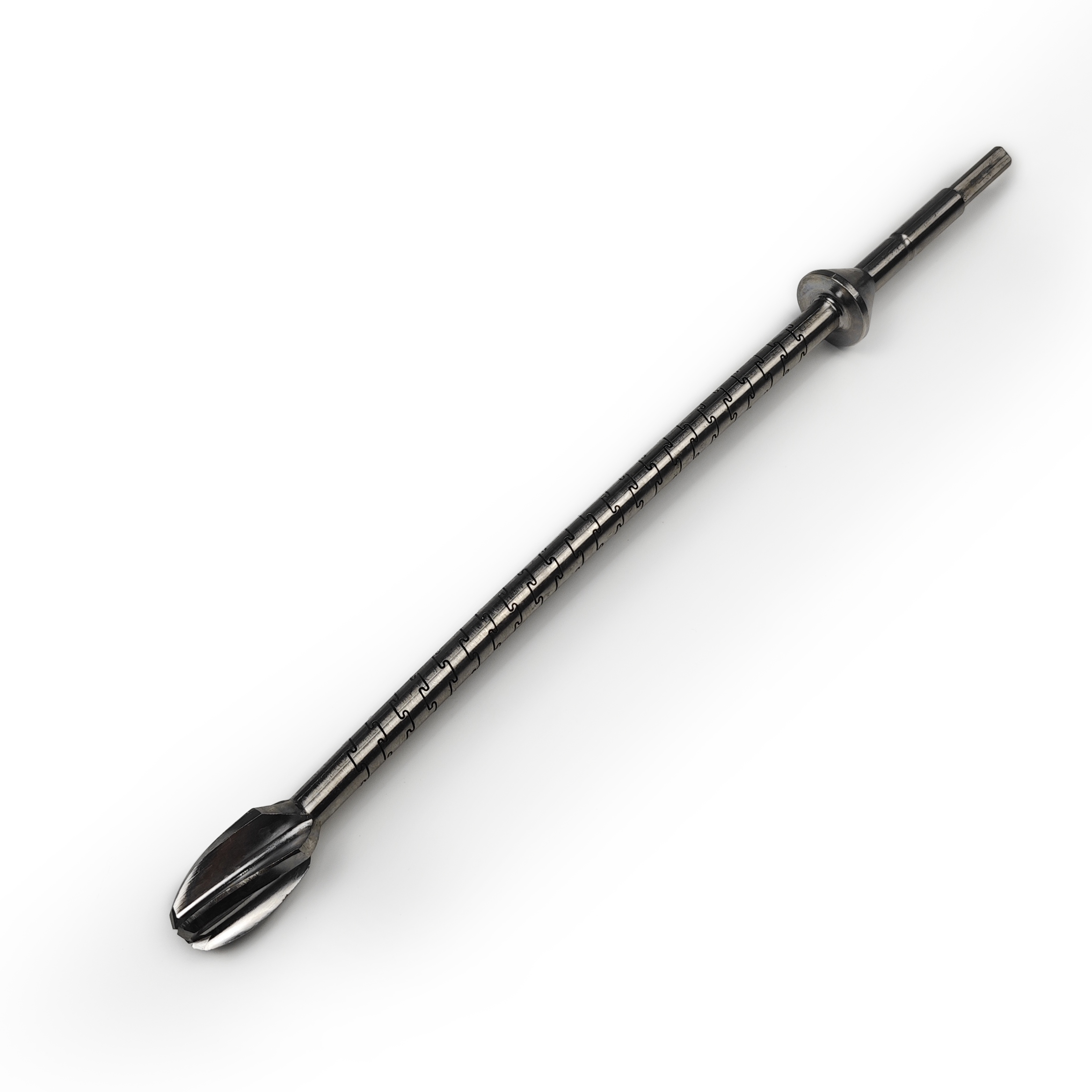
CANWELL Flexible Reamer Sterilization Box Surgical Orthopedic Instrument for Femoral Tibial Humeral Intramedullary Nail Surgery
Specification Data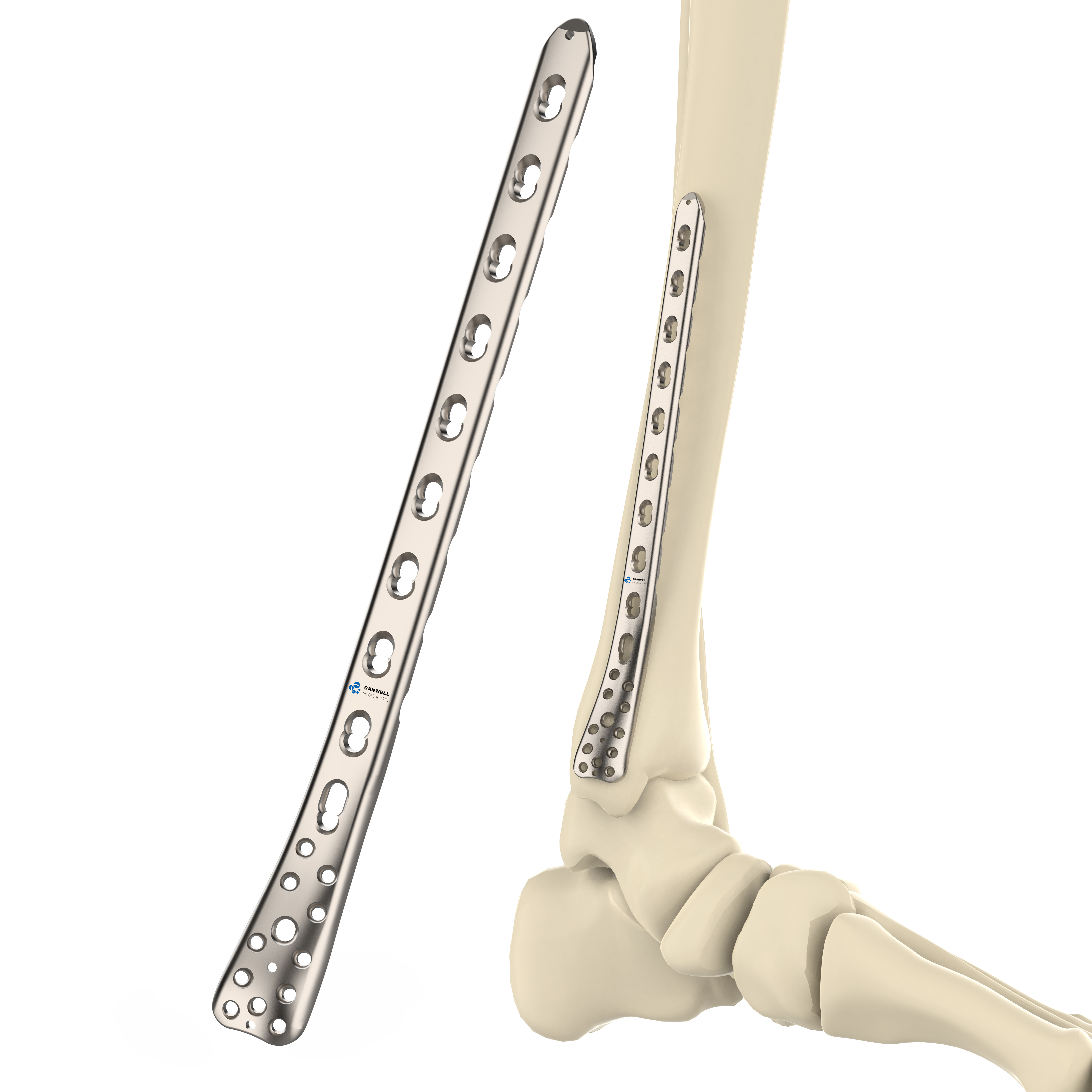
CANWELL Distal Tibial Locking Plate Titanium Metaphyseal Compression Fixation System Orthopedic Trauma Class
Specification Data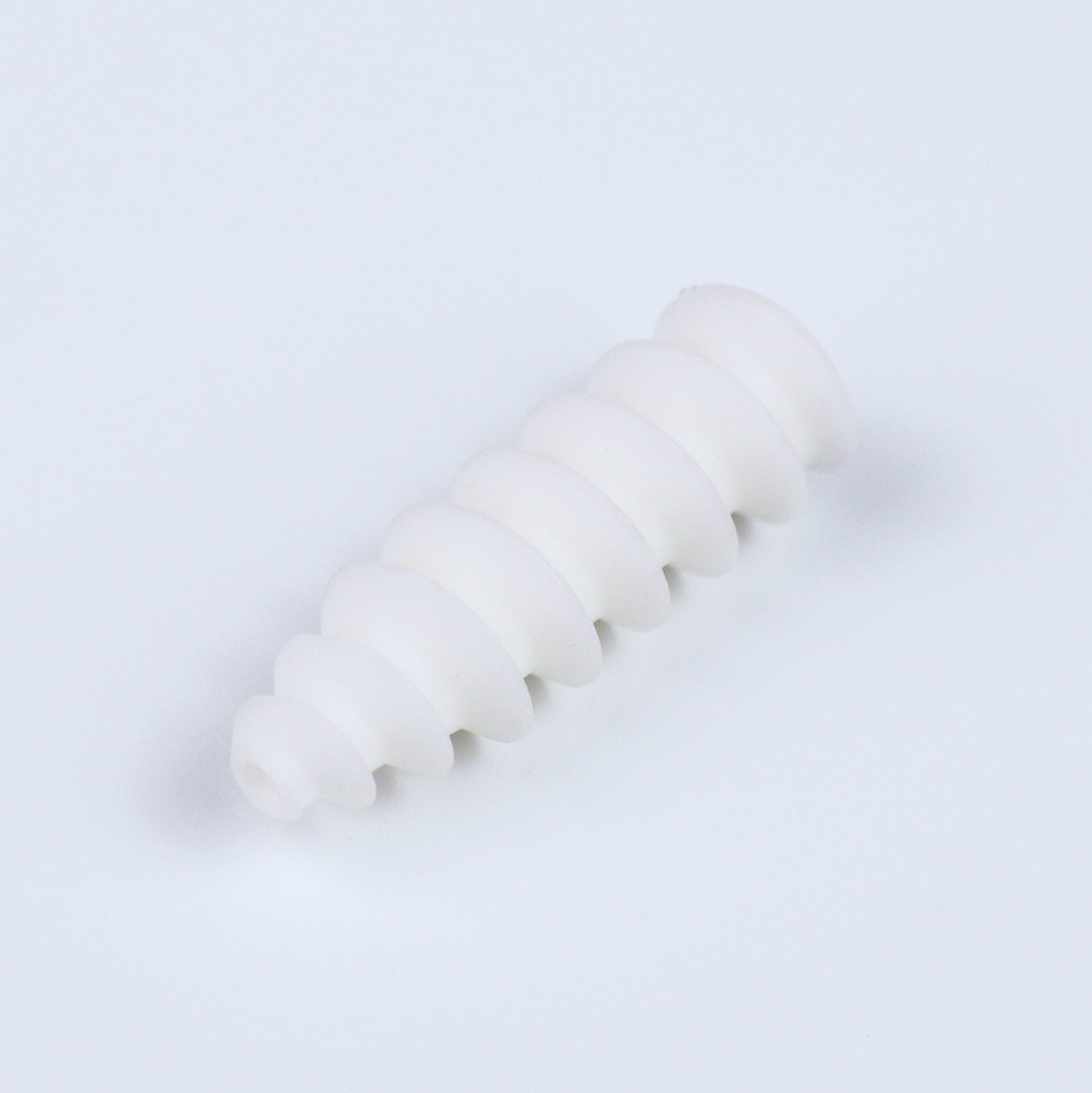
CANWELL Biodegradable Acl Interference Screw PLGA ACL/PCL Reconstruction Arthroscopy Surgery Orthopedic Implants CE
Specification DataThe Suprapatellar Tibial Nailing Paradigm: Biomechanical Superiority in Modern Trauma
In the past two decades, the surgical management of tibial shaft, proximal third, and distal intra-articular extension fractures has experienced an epochal shift. Traditionally, the infrapatellar approach—whether via trans-patellar tendon splitting or parapatellar arthrotomy—dominated operating theaters globally. However, the infrapatellar technique inevitably subjects the patient to hyperflexion (exceeding 90 degrees), which generates adverse deforming forces. The dynamic pull of the quadriceps tendon against the anterior patellar apparatus routinely induces apex anterior (recurvatum) deformity and valgus malalignment in proximal-third fractures.
The suprapatellar approach, conducted with the knee in a semi-extended position (15° to 20° of flexion), fundamentally neutralizes the extensor mechanism. By inserting the intramedullary nail through the retropatellar synovial space via a dedicated protective cannula, surgeons bypass the quadriceps vector. This position simplifies fluoroscopic imaging in both anteroposterior (AP) and lateral projections, eliminates the physical struggle to maintain reduction in an obese or muscular leg, and drastically decreases multi-planar deformity rates.
For the healthcare infrastructure across the IV Región de Coquimbo, centered around the agglomeration of La Serena and Coquimbo, adopting suprapatellar tibial nailing represents not merely a technical refinement, but a systemic clinical upgrade. From high-velocity vehicular trauma along the Pan-American Highway (Ruta 5 Norte) to crushing crush injuries originating in the Elqui and Limarí mining basins, orthopedic departments require instrumentation that stabilizes complex comminutions with minimal operative morbidity.
Semi-Extended Neutralization
The limb remains extended at 15°–20°, neutralizing quadriceps traction and gastrocnemius displacement vectors. This stabilizes proximal and segmental fractures without specialized traction tables.
Chondro-Protective Sleeve
Dual-sleeve cannula technology provides an absolute mechanical barrier between the reamer/nail and the patellofemoral cartilage, preserving long-term retropatellar joint integrity.
Multi-Planar Angular Stability
Equipped with multi-directional distal locking configurations and oblique proximal screws, offering exceptional resistance against torsional, axial, and shear displacement.
| Biomechanical / Clinical Metric | Suprapatellar Nail (Semi-Extended 15°–20°) | Conventional Infrapatellar Nail (Hyperflexion >90°) | Clinical Impact for La Serena Hospitals |
|---|---|---|---|
| Proximal Segment Recurvatum | < 1.8% occurrence in clinical trials | Up to 14.2% due to active quadriceps pull | Substantial decrease in revision surgery rates |
| Fluoroscopic C-Arm Manipulation | Continuous, unhindered AP and lateral visualization | Requires physical elevation and manual holding | Reduces surgical time by 25–35 minutes per case |
| Chronic Anterior Knee Pain | Significantly reduced; preserves infrapatellar branch | Frequently reported (up to 55% at 12-month follow-up) | Faster functional return for active mine workers |
| Multi-Trauma / Bilateral Applicability | Permits simultaneous pelvic/femoral fixation | Challenging due to forced knee flexion position | Essential for intensive ICU trauma stabilization |
| Entry Point Reproducibility | Guided directly down anatomical medullary axis | Prone to anterior cortical blowout in obese cases | Consistent anatomical alignment regardless of habitus |
Localized Application Scenarios across the IV Region of Chile
Tailoring high-performance intramedullary hardware to the clinical workflows of institutional hospitals, mining mutual insurance networks, and private healthcare providers in La Serena.
Hospital San Juan de Dios de La Serena
As the primary referral center for complex adult trauma in the Elqui province, Hospital San Juan de Dios manages a steady volume of high-energy tibial fractures resulting from transit corridors along Ruta 5 and remote agricultural arteries. Suprapatellar systems allow surgical teams to address distal metaphyseal and high proximal shaft fractures within standardized OR blocks, lowering implant inventory demands while expanding patient turnover in public hospital surgical waiting lists.
ACHS & Mutual de Seguridad Trauma Facilities
The Coquimbo region boasts significant copper, gold, and iron mining activity (e.g., Pelambres and surrounding medium-scale operations), alongside thriving agro-industrial packing facilities. Workers under the statutory accident framework (Mutual de Seguridad, Asociación Chilena de Seguridad - ACHS, and Instituto de Seguridad del Trabajo - IST) require immediate anatomical reconstruction with early load-bearing capacity. The rigid interlocking design of our Ti6Al4V ELI nails allows progressive dynamization and rapid functional rehabilitation.
RedSalud Elqui & Regional Private Surgical Centers
Private medical providers operating in La Serena cater to discerning patients demanding cosmetically discreet surgical incisions, minimal surgical blood loss, and zero postoperative anterior knee numbness. Suprapatellar instrumentation utilizes a 2.5–3.0 cm quadriceps tendon entry point that completely shields the infrapatellar branch of the saphenous nerve, drastically lowering postsurgical paresthesia complaints and delivering high patient satisfaction scores.
Surgical Logistics and Sterile Tray Standardization for Regional Hospitals
One of the historical bottlenecks faced by surgical services in northern Chile is the fragmentation of implant trays. Traditional intramedullary systems often demand separate sets for entry point location, canal reaming, distal aiming guides, and proximal locking screw delivery. This adds excessive burden to Central Sterile Services Departments (CME - Central de Esterilización).
Our factory-engineered suprapatellar system condenses all necessary instrumentation—including medical-grade PEEK and silicone protective sleeves, radiolucent carbon fiber aiming handles, flexible intramedullary reamer shafts, and calibrated depth gauges—into two standardized, hard-anodized aluminum graphic sterilization cases. This compact architecture fits standard autoclaves across regional clinics in Coquimbo, ensuring seamless sterilization turnaround times during emergency nocturnal trauma admissions.
Chilean Healthcare Purchasing Trends: The Transition Toward Direct Factory Collaboration
The medical device procurement landscape in Chile is witnessing unprecedented restructuring. Historically, regional hospitals throughout the Norte Chico region relied heavily on multinational biomedical conglomerates through intermediaries based exclusively in Santiago. This multi-tiered distribution chain systematically inflated implant unit costs by 180% to 300%, placing tremendous strain on municipal healthcare budgets (Servicio de Salud Coquimbo) and public bidding frameworks governed by Mercado Público (ChileCompra).
Today, progressive Chilean medical distributors, regional health authorities, and private hospital conglomerates are actively adopting direct B2B sourcing strategies with certified Chinese manufacturing facilities. Several macro-factors drive this modernization:
ISP Chile Regulatory Harmonization
The Instituto de Salud Pública de Chile (ISP) rigorously evaluates orthopedic implants under Decree 825/11. Chinese manufacturers possessing comprehensive CE MDR (EU) dossiers, ISO 13485:2016 certification, and SGS onsite audit reports experience accelerated registration pathways into the Chilean Sanitary Registry.
Total Cost of Ownership (TCO)
Procuring directly from our high-capacity Chinese manufacturing floor provides Chilean distributors with 40–60% margin advantages over European and US brands, unlocking the capability to present unbeatable bids on Cenabast national framework agreements.
Direct Maritime & Air Logistics
Leveraging direct maritime routes from Ningbo and Shanghai to the ports of Valparaíso and San Antonio, alongside expedited air freight directly into Arturo Merino Benítez (SCL), ensures resilient lead times that avoid stockouts in regional IV Región consignment stocks.
Engineering Capabilities from China's Foremost Orthopedic Production Hub
Backed by 22+ years of surgical precision manufacturing, 632 dedicated personnel, and an onsite SGS-verified 29,523 m² facility, our factory stands at the nexus of clinical innovation and industrial reliability.
Swiss CNC Machining
5-axis Citizen and DMG MORI multi-tasking lathes turning medical-grade Ti6Al4V ELI (ASTM F136) with micrometer-level precision.
Type II Anodization
Advanced electrochemical surface treatment reducing fretting corrosion, decreasing soft-tissue adherence, and ensuring distinct color-coded diameter sizing.
Optical & CMM Inspection
100% laser micrometer verification of cannulation concentricity, Herzog bend trajectory (10.5°), and interlocking screw thread pitch tolerance.
Class 10,000 Cleanroom
Double-barrier sterile tyvek packaging with bioburden-controlled sealing and gamma sterilization validation adhering to ISO 11137 standards.
Custom OEM / ODM Solutions for Chilean Brand Owners
We recognize that medical device distributors in Chile often strive to build their own local brand equity. Our manufacturing plant provides turnkey OEM and ODM private label services. This includes customized fiber laser marking of company logos, localized Spanish graphic user manuals (IFUs), bespoke screw packaging labels conforming to ISP Chile barcoding specifications, and custom-configured instrument cases specifically requested by chief surgical chairs in La Serena.
Frequently Asked Questions by Chilean Importers & Orthopedic Teams
Authoritative answers concerning regulatory clearance, instrumentation ergonomics, logistics to the Coquimbo Region, and surgical compatibility.
Partner with China's Premier Orthopedic Implant Manufacturer
Are you preparing for an upcoming public tender in the Coquimbo healthcare network, looking to upgrade your hospital trauma inventory, or seeking a verified OEM partner for titanium intramedullary nailing systems in Chile? Connect with our international technical sales team today.