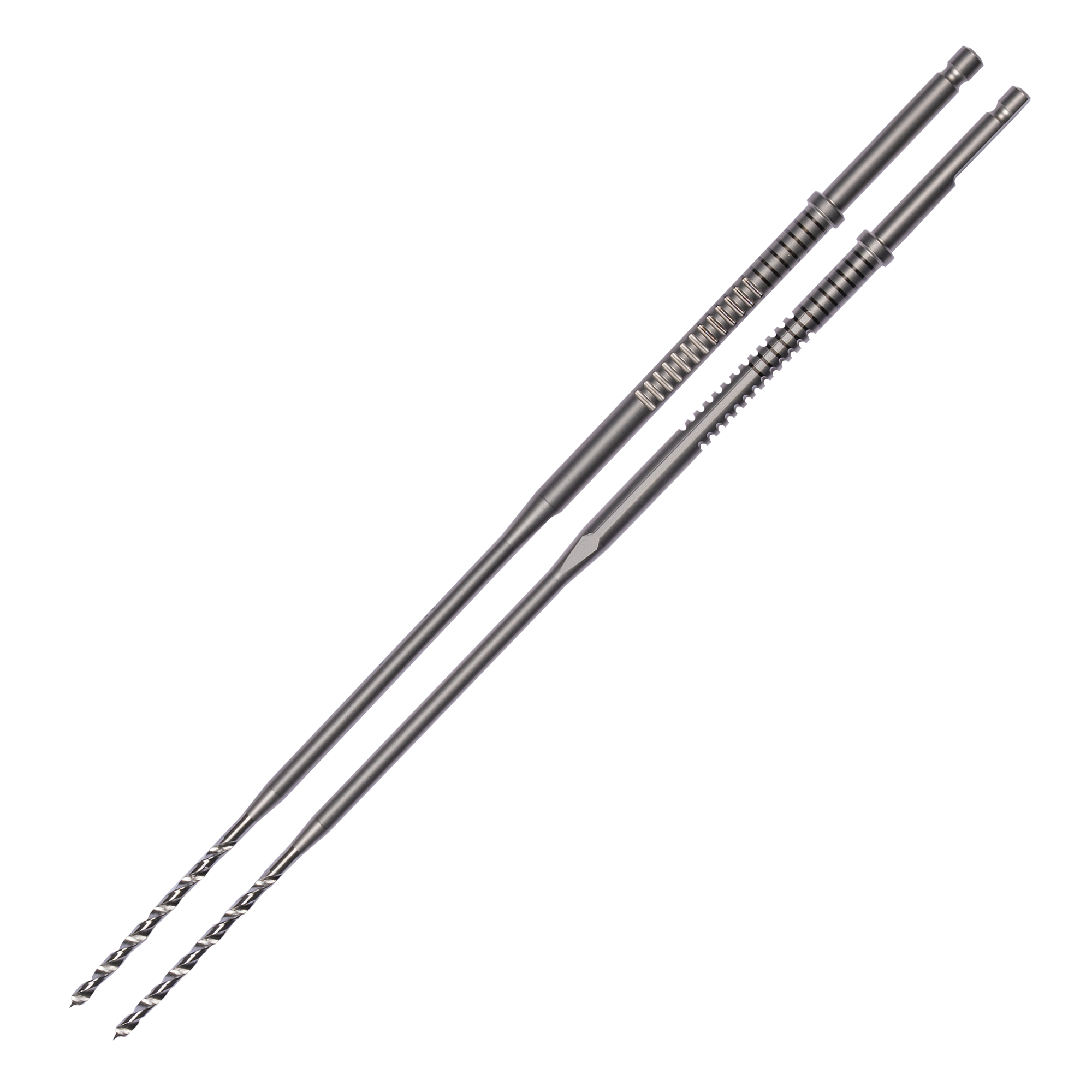
Engineered for high-throughput orthopedic emergency centers, our biocompatible implants and ergonomic surgical toolkits comply with rigorous ISO 13485:2016 standards and support seamless ANVISA dossier registration.
Brazil represents the largest medical device and orthopedic implant market in Latin America, commanding over 42% of the continent’s total consumption. However, the operational reality for Brazilian orthopedic importers, hospital procurement consortia, and medical distribution companies (Distribuidores de OPME - Órteses, Próteses e Materiais Especiais) is defined by a distinct structural dichotomy: the vast demographic demands of the Unified Health System (SUS - Sistema Único de Saúde) contrasted against the technology-driven expectations of private hospital operators such as Rede D'Or São Luiz, Hospital Israelita Albert Einstein, and Unimed federations.
A primary epidemiological factor driving trauma implant consumption in Brazil is the extraordinarily high incidence of acute physical trauma resulting from traffic accidents—specifically motorcycle collisions (*acidentes motociclísticos*). According to data from the Brazilian Ministry of Health and the Federal Medical Council (CFM), traffic collisions generate tens of thousands of complex polytrauma admissions monthly. Lower extremity injuries—predominantly comminuted tibial plateau fractures, femoral shaft fractures, and pelvic ring disruptions—occupy significant surgical capacity in regional reference hospitals (e.g., Hospital das Clínicas da FMUSP in São Paulo, Hospital Municipal Souza Aguiar in Rio de Janeiro, and Hospital da Restauração in Recife).
In parallel, Brazil’s demographic transition has spurred an exponential rise in osteoporotic fragility fractures among geriatric patients. This population surge necessitates high-stability, anatomically pre-contoured locking plates (LCP) and cephalomedullary femoral nails capable of achieving secure purchase in compromised, osteopenic cancellous bone. For Brazilian distributors participating in public bidding (Licitações Públicas regulated under Federal Law 14.133/2021), securing manufacturing partners capable of balancing stringent metallurgical integrity with sustainable price structures is a clinical and financial imperative.
Strategic Sourcing Insight: Global Tier-1 orthopedic multinationals historically dominated Brazilian surgical centers, commanding hefty price premiums. Today, leading Brazilian distributors are progressively bypassing intermediary trading companies to establish direct OEM partnerships with verified Chinese manufacturers. This transition maintains absolute conformance with ISO 5832-3 and ASTM F136 titanium standards while reducing landed device costs by 35% to 55%, unlocking massive competitive advantages in public SUS tenders and capitated private HMO formularies.
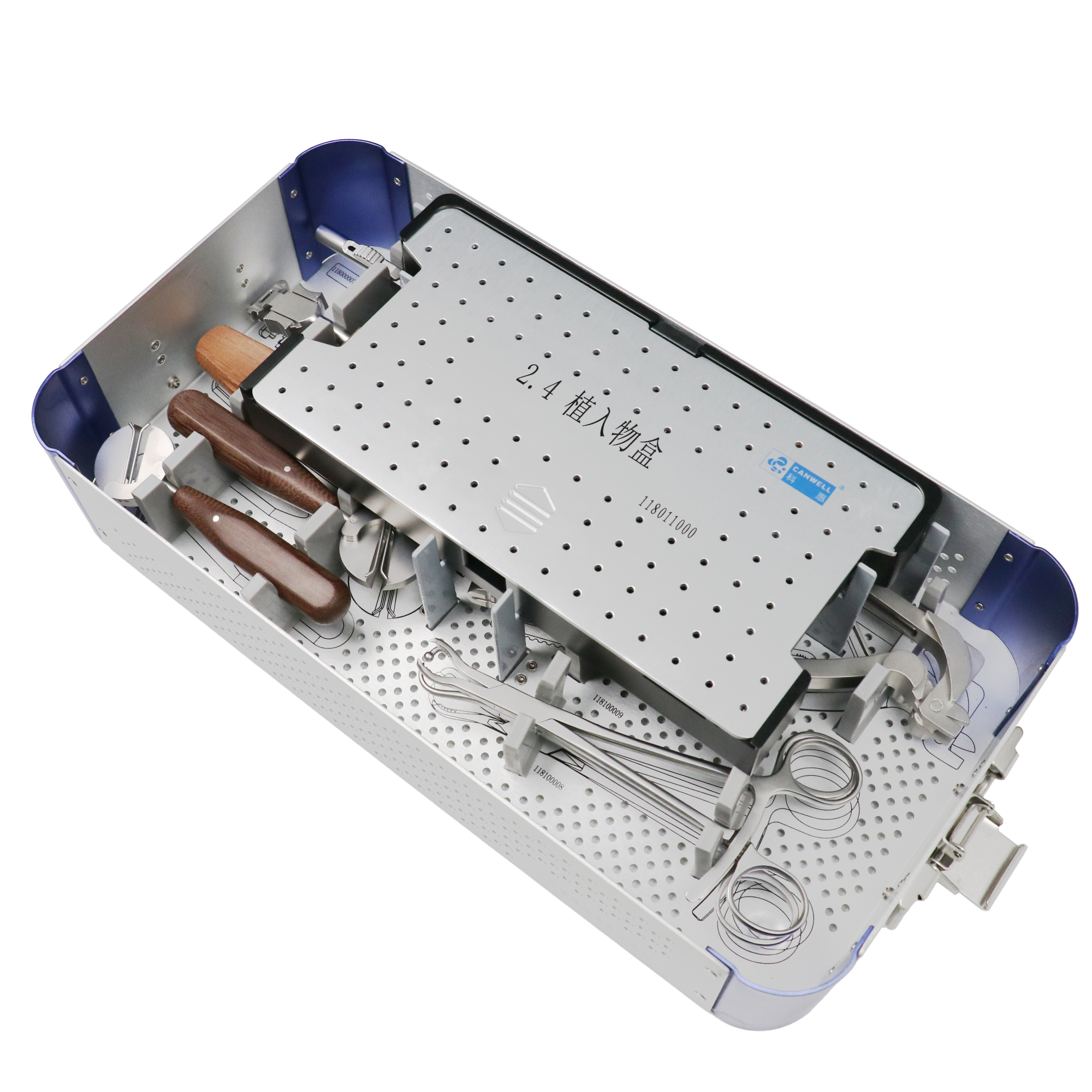
Deploying specialized osteosynthesis systems across primary trauma centers, rural referral clinics, and high-complexity private orthopedic theaters.
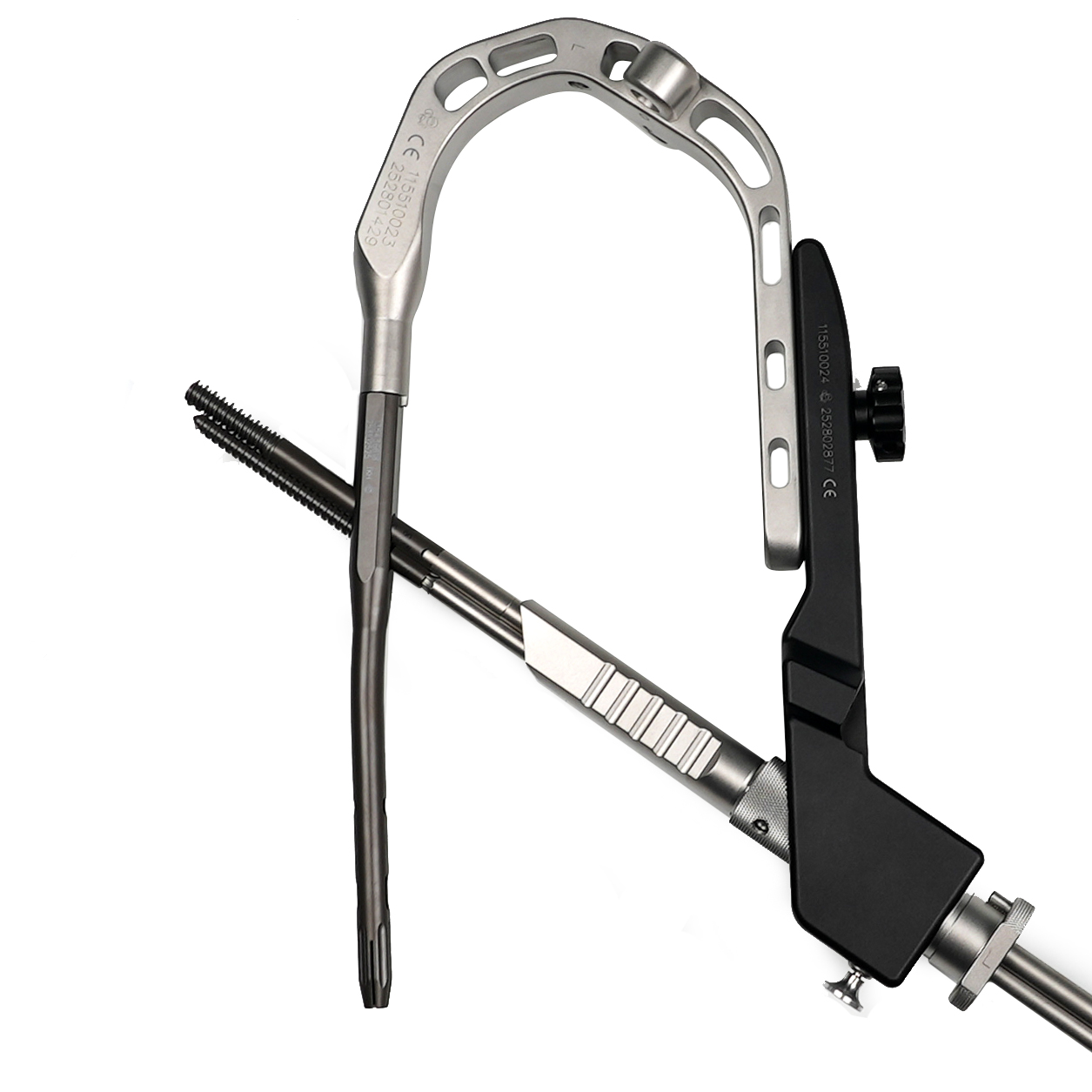
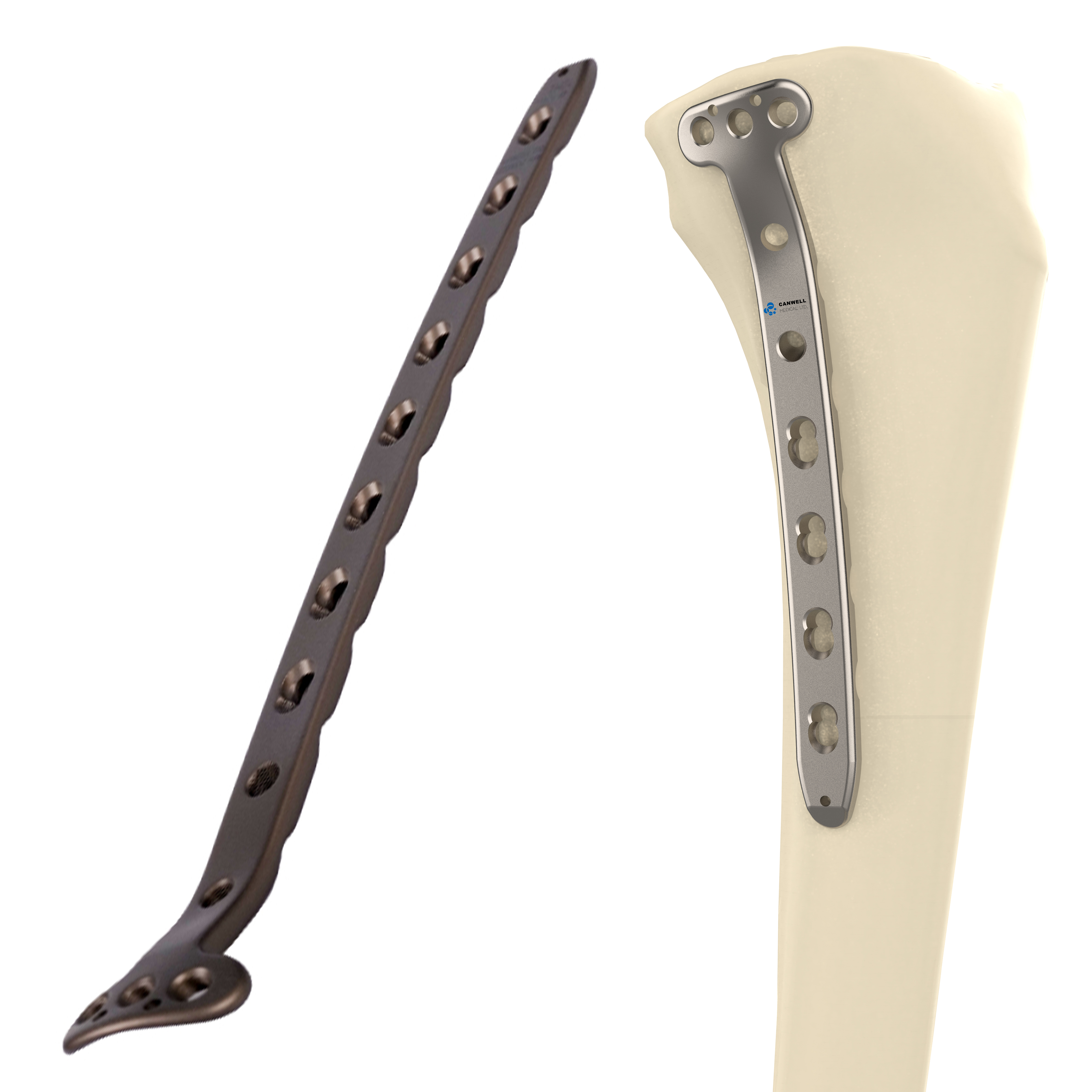
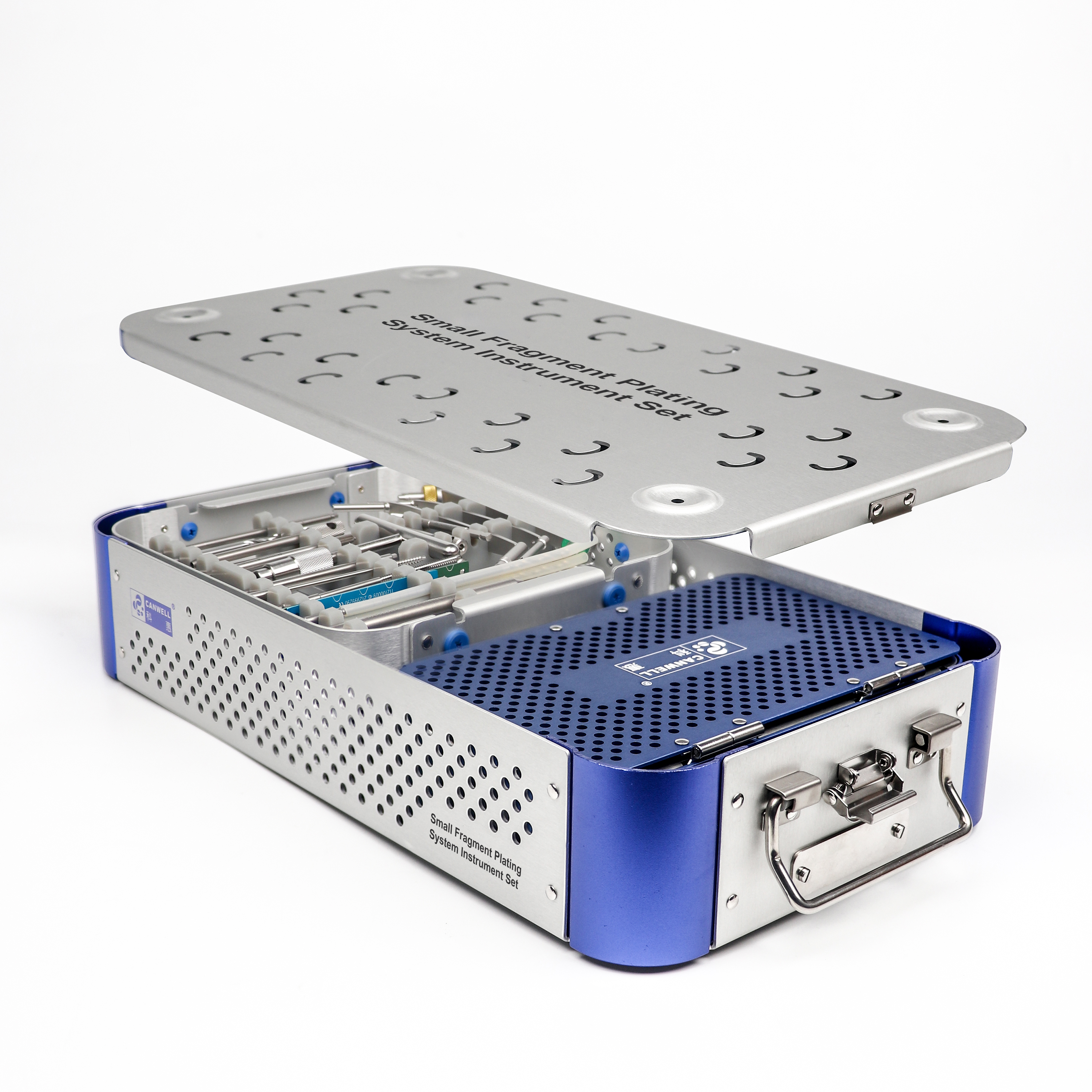
High-energy traffic collisions managed by municipal emergency centers demand versatile modular instrumentation. Our small-fragment reduction sets and proximal medial tibial locking plates provide immediate stability for compound fractures, enabling swift damage-control orthopedics (DCO) that minimizes periosteal stripping and post-operative deep infection rates.
Public tenders in states such as Minas Gerais, Bahia, and Paraná involve intense budgetary constraints alongside strict delivery deadlines. Our high-capacity CNC output guarantees seamless multi-thousand-unit deliveries of Titanium Femoral Interlocking Nails and Elastic Nails (TEN), complete with laser lot marking and Portuguese outer labeling for flawless tender auditing.
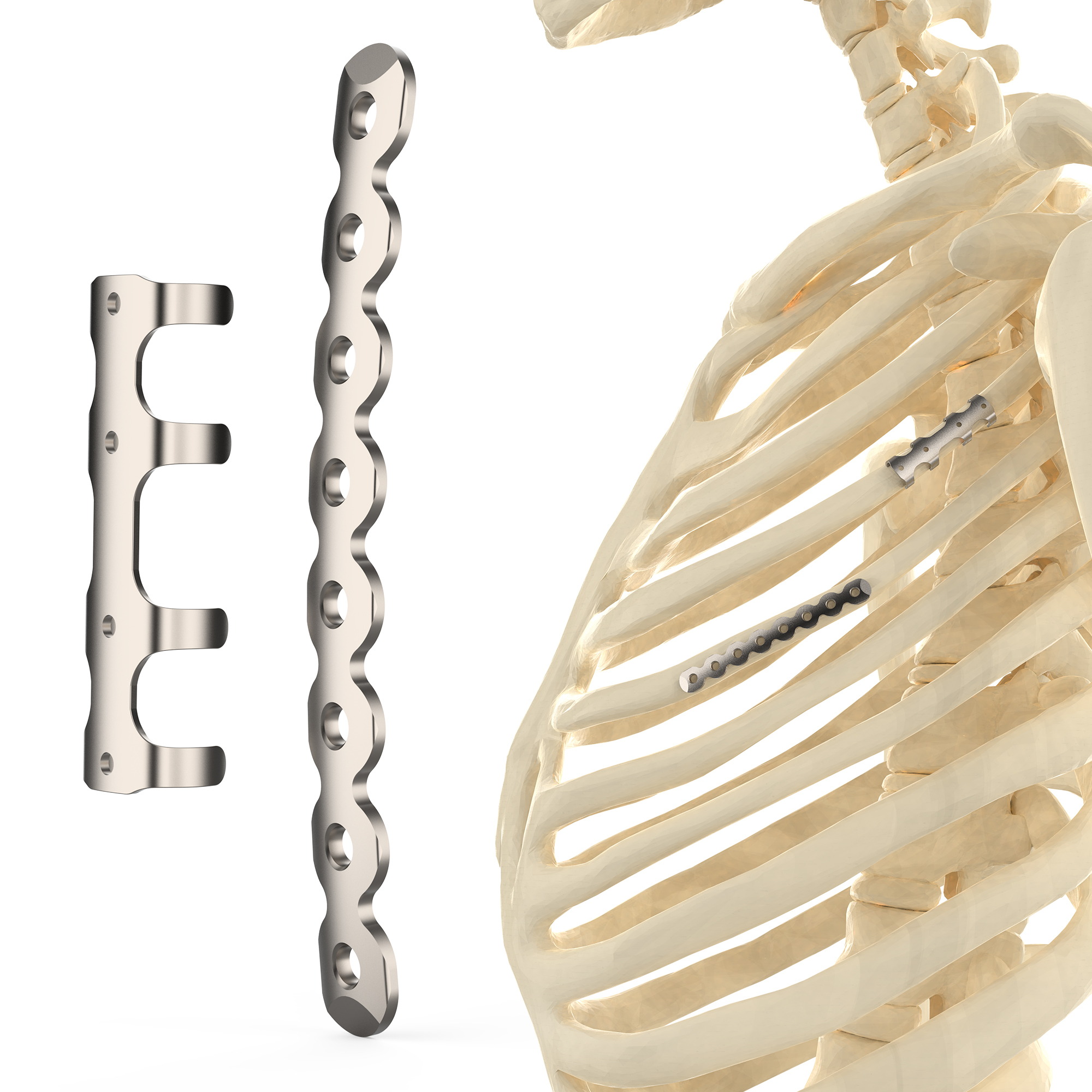
Private facilities require advanced, low-profile implants that mitigate soft-tissue irritation and facilitate early patient mobilization. Our variable-angle volar distal radius systems and anatomically contoured titanium rib plates deliver low profile contours, electropolished edges, and color-coded screw interfaces prized by Brazilian orthopedic societies (SBOT).
Exporting orthopedic trauma implants to Brazil requires meticulous alignment with the Agência Nacional de Vigilância Sanitária (ANVISA). Under the updated regulatory framework governed by RDC No. 751/2022 (which replaced the longstanding RDC 185/2001), surgical implants are classified under Risk Class III or Class IV, demanding full technical dossier compilation (*Dossiê Técnico*), exhaustive bio-compatibility verifications, and clinical performance evaluations.
Our manufacturing headquarters provides Brazilian importers with turn-key regulatory dossiers including:
Furthermore, our graphic and packaging departments prepare customized primary and secondary packaging compliant with ANVISA labeling mandates, featuring Portuguese *Instruções de Uso (IFU)*, symbology conformant with ISO 15223-1, and dedicated barcode spaces for Brazilian national registry numbers (*Registro ANVISA*).
Combining 22 years of metallurgic expertise, Swiss longitudinal machining, and Class 100,000 cleanrooms to power global supply chains.
At Zhejiang INAR Medical Co., Ltd. (operating from our 29,523 m² facility in Jinhua, Zhejiang), quality is not an inspection checkpoint—it is engineered into every micron of our manufacturing process. Audited and verified onsite by the global inspection authority SGS Group, our facility maintains complete vertical integration over the production lifecycle of orthopedic devices.
Every bar of Titanium Alloy (Ti-6Al-4V ELI) undergoes spectroscopic analysis and metallographic structure evaluation prior to machining.
High-speed Citizen and DMG MORI multi-axis CNC machines produce complex variable-angle screw threads and nail cannulations with ±5µm tolerance.
Automated grit blasting, robotic polishing, and type II electrolytic anodization deliver wear resistance, fatigue strength, and color coding.
100% Fluorescent Penetrant Inspection (FPI) detects sub-surface micro-fissures, followed by optical coordinate measuring machine (CMM) profiling.
Final multi-stage ultrasonic washing in pure deionized water, followed by heat-sealed Tyvek blister packaging inside an ISO Class 7 cleanroom.
For Brazilian distributors, this vertical mastery eliminates the quality variability common among brokers or assembly-only outfits. By handling bar drawing, thread milling, micro-deburring, electrochemical color marking, and biomechanical validation in-house, INAR guarantees lot-to-lot homogeneity that satisfies hospital chief surgeons and stringent ANVISA post-market surveillance audits alike.
Clear, definitive answers addressing customs, regulatory ownership, taxation, and logistics for shipments into Brazilian ports.
Partner with Zhejiang INAR Medical Co., Ltd.—your direct manufacturing source for ANVISA-ready, CE-marked trauma implants, intramedullary nails, and surgical instruments. Request technical specifications, CAD files, or custom quotation plans today.