1. Strategic Overview: Arthroscopic Meniscus Repair Ecosystem in Ghent & Benelux
The city of Ghent (Gent), nestled in East Flanders, has emerged as a cornerstone of advanced surgical technology and regenerative orthopedics in Belgium. Anchored by world-class academic complexes like Ghent University Hospital (Universitair Ziekenhuis Gent - UZ Gent) alongside prominent regional healthcare groups such as AZ Sint-Lucas and AZ Jan Palfijn, the demand for cutting-edge sports medicine hardware has expanded rapidly. Over the past decade, Flemish orthopedic practice has shifted definitively away from partial or subtotal meniscectomy toward joint preservation—a surgical philosophy encapsulated by the global maxim "Save the Meniscus."
Preserving meniscal tissue is clinically proven to prevent secondary chondral degeneration, articular wear, and progressive knee osteoarthritis. However, the anatomical challenges of meniscal repair—specifically access to the narrow posteromedial and posterolateral compartments—require suture needle systems of unparalleled precision. Surgical teams in Ghent operate within a high-throughput, high-efficiency paradigm driven by Belgian National Institute for Health and Disability Insurance (RIZIV/INAMI) performance measures and day-surgery (daghospitalisatie) frameworks. Surgeons cannot tolerate instrument deflection, suture slippage, premature cutting edge blunting, or junction detachment during deep joint maneuvers.
As one of China’s leading medical device manufacturers, Zhejiang INAR Medical Co., Ltd. (operating the internationally recognized CANWELL brand) addresses this surgical requirement. Combining over 22 years of surgical device engineering with certified cleanroom fabrication and Swiss-type longitudinal CNC machining, we supply European hospital groups, distributors, and private orthopedic clinics in Ghent with high-grade, MDR-compliant arthroscopic meniscus repair needles, suture passers, and accompanying sports medicine implants.
Anatomical Challenges Addressed by Precision Needle Engineering
Repairing tears located in the vascular "red-red" and semi-vascular "red-white" zones of the meniscus demands variable needle geometry. Posterior horn tears, especially when approaching the root attachment, run dangerously close to the popliteal neurovascular bundle. The surgical standard in European clinical practice frequently balances inside-out repairs with all-inside anchored configurations:
Inside-Out Needle Systems
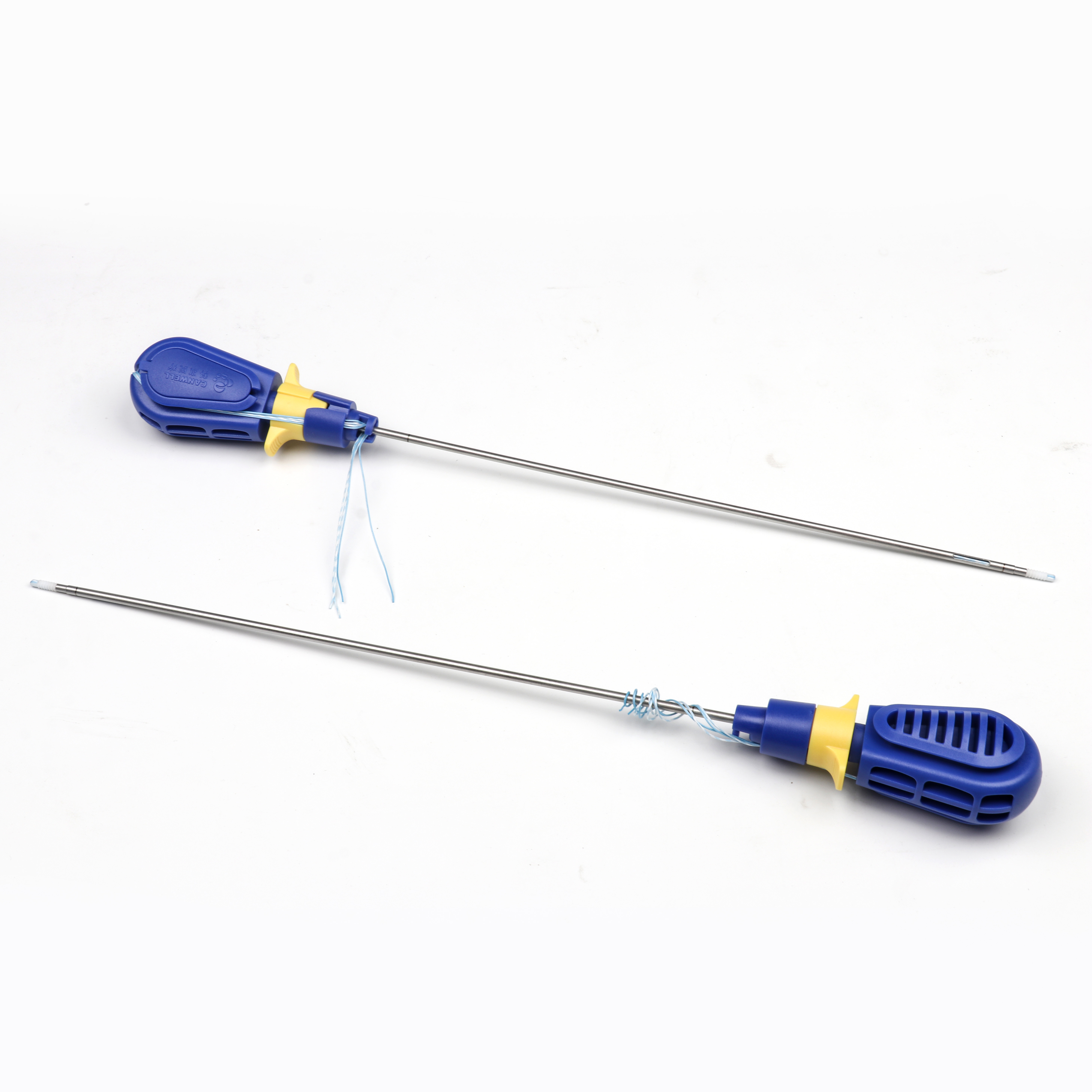
Double-armed, ultra-flexible 304V surgical steel needles loaded with high-tensile UHMWPE sutures. Curved left, right, and straight profiles enable passage through protective cannulae to eliminate neurovascular entrapment.
All-Inside Delivery Needles
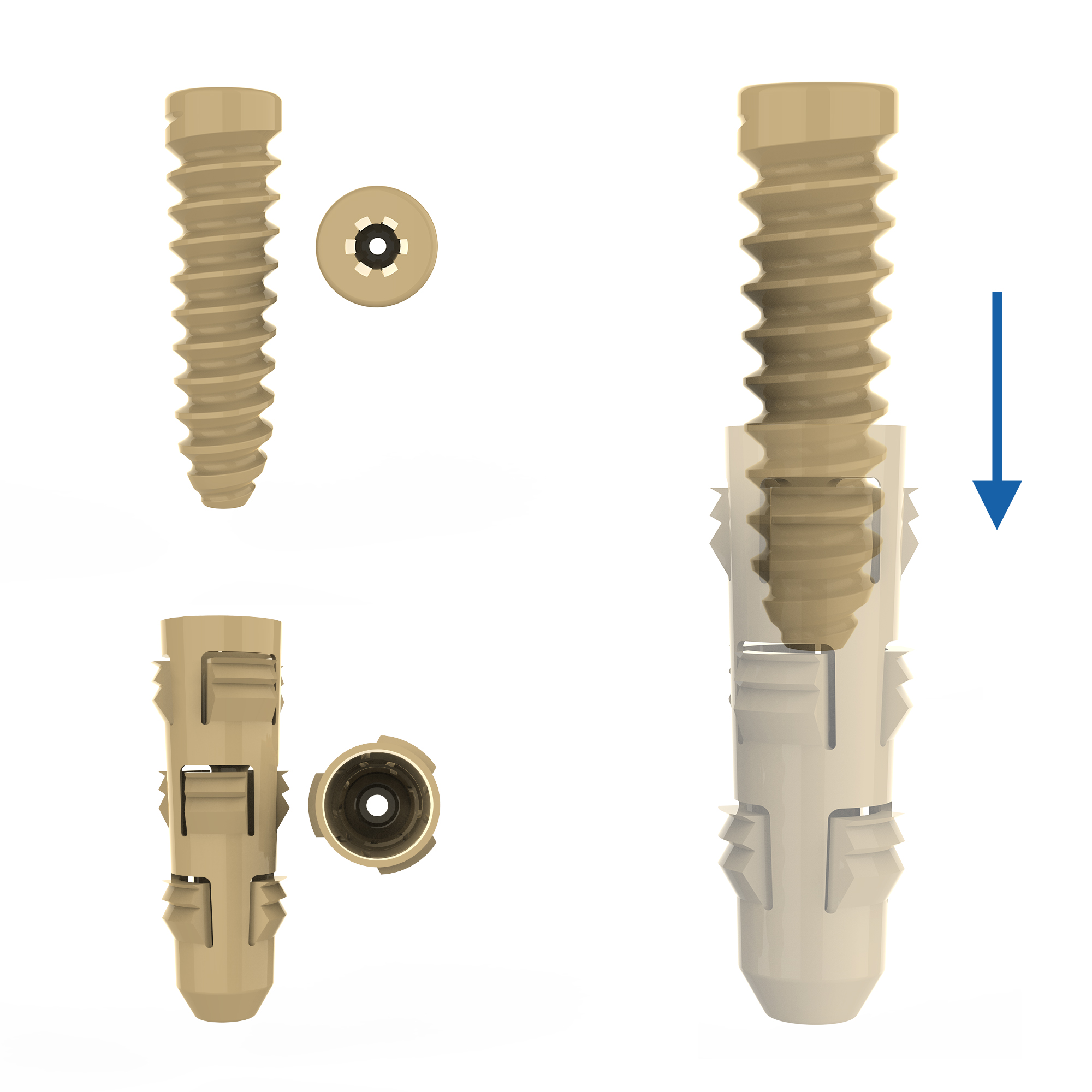
Micro-beveled tip needles designed for precision deployment of low-profile bioabsorbable (PLGA) or polymer (PEEK) T-anchors. Minimal puncture footprint minimizes iatrogenic cartilage scuffing.
Meniscal Root Reconstruction
Reverse-cutting suture needles and guide assemblies tailored to pass high-density suture tapes through transtibial bone tunnels, restoring joint hoop stresses efficiently.
2. Engineering Deep Dive: Metallurgy, Needle Geometry, & Tensile Biomechanics
The manufacturing threshold for arthroscopic meniscal suture needles is exceptionally rigorous compared to conventional surgical needles. The instrument must traverse tough, fibrocartilaginous tissue within a fluid-distended intra-articular cavity, navigate past the tibial plateau and femoral condyle without skiving, and exit reliably through safe trans-capsular zones.
Metallurgical Selection: High-Ductility 300-Series vs. Martensitic Alloys
CANWELL engineers utilize cold-worked ASTM F899-compliant 304V and 302 medical stainless steels, complemented by high-performance super-elastic Nitinol (nickel-titanium) for flexible cannulated guide needles. Unlike standard surgical martensitic steel (such as 420-grade), 304V provides an optimal balance between bending stiffness (resistance to unwanted intra-articular deflection) and ultimate elongation without brittle failure. This property is crucial when an orthopedic surgeon in Ghent applies controlled torque through a 15-gauge cannula to reach the posteromedial corner.
Comparative Performance Matrix: CANWELL vs. Conventional Industry Standards
| Performance Characteristic | CANWELL / INAR Medical Standard | Standard Competitor Spec | Clinical Relevance in Ghent ASCs |
|---|---|---|---|
| Raw Material Grade | Vacuum Arc Remelted (VAR) 304V Stainless Steel | Standard Grade 302 / 316L | Elevated fatigue limit; zero structural impurities or fracture risk during contour bending. |
| Tip Penetration Force | < 0.95 N (Reverse Cutting / Trocar geometry) | 1.45 N - 1.80 N | Reduces physical push force, preventing tissue tearing and iatrogenic articular damage. |
| Needle-Suture Swage Strength | > 28.5 N (Pull-off test verified) | 18.0 N - 22.0 N | Prevents needle-suture detachment inside deep capsule layers during high-load pulling. |
| Surface Lubricity & Coating | Micron-grade medical silicone-fluoropolymer | Non-coated or raw passivated | Reduces friction across synovial margins; ensures fluid motion through curved needle guides. |
| Suture Construction | Ultra-High Molecular Weight Polyethylene (UHMWPE) #2-0 | Standard braided polyester / Nylon | Superior knot security, biocompatibility, and abrasion resistance against meniscal fibrocartilage. |
Needle-to-Suture Micro-Swaging Technology
One of the most frequent points of failure in inferior surgical needles is the swaged junction. Traditional crimping can deform the outer diameter, creating a stepped edge that drags against fibrocartilage. CANWELL employs computerized laser micro-drilling to form a precision blind bore in the needle's proximal end. The UHMWPE suture is inserted and mechanically bonded with multi-axis micro-crimping machines, maintaining a seamless outer diameter ratio. This design minimizes entry hole dimensions, reduces bleeding, and ensures predictable passage through tight tissue structures.
3. Localized Clinical Applications in Ghent, East Flanders, and the Benelux
Healthcare facilities throughout Ghent and the greater Flemish Brabant / Antwerp surgical corridor operate under rigorous quality management criteria. The procurement departments of Belgian hospitals evaluate medical devices across multiple operational axes: clinical performance, MDR compliance, ergonomic delivery, packaging sterility, and overall cost per procedure.
Application Scenario A: High-Volume Outpatient Day Surgery (Daghospitalisatie)
Day-case surgery accounts for the overwhelming majority of knee arthroscopy procedures across East Flanders. At dedicated outpatient surgery units, surgical turn-around time directly influences procedural workflow. INAR’s double-arm inside-out suture needle packs are designed for immediate readiness. Each set includes pre-curved left/right needles pre-threaded with contrast-colored UHMWPE sutures, eliminating OR setup delays and ensuring reliable performance across packed operative schedules.
Application Scenario B: Complex Traumatic Multiligament Reconstructions
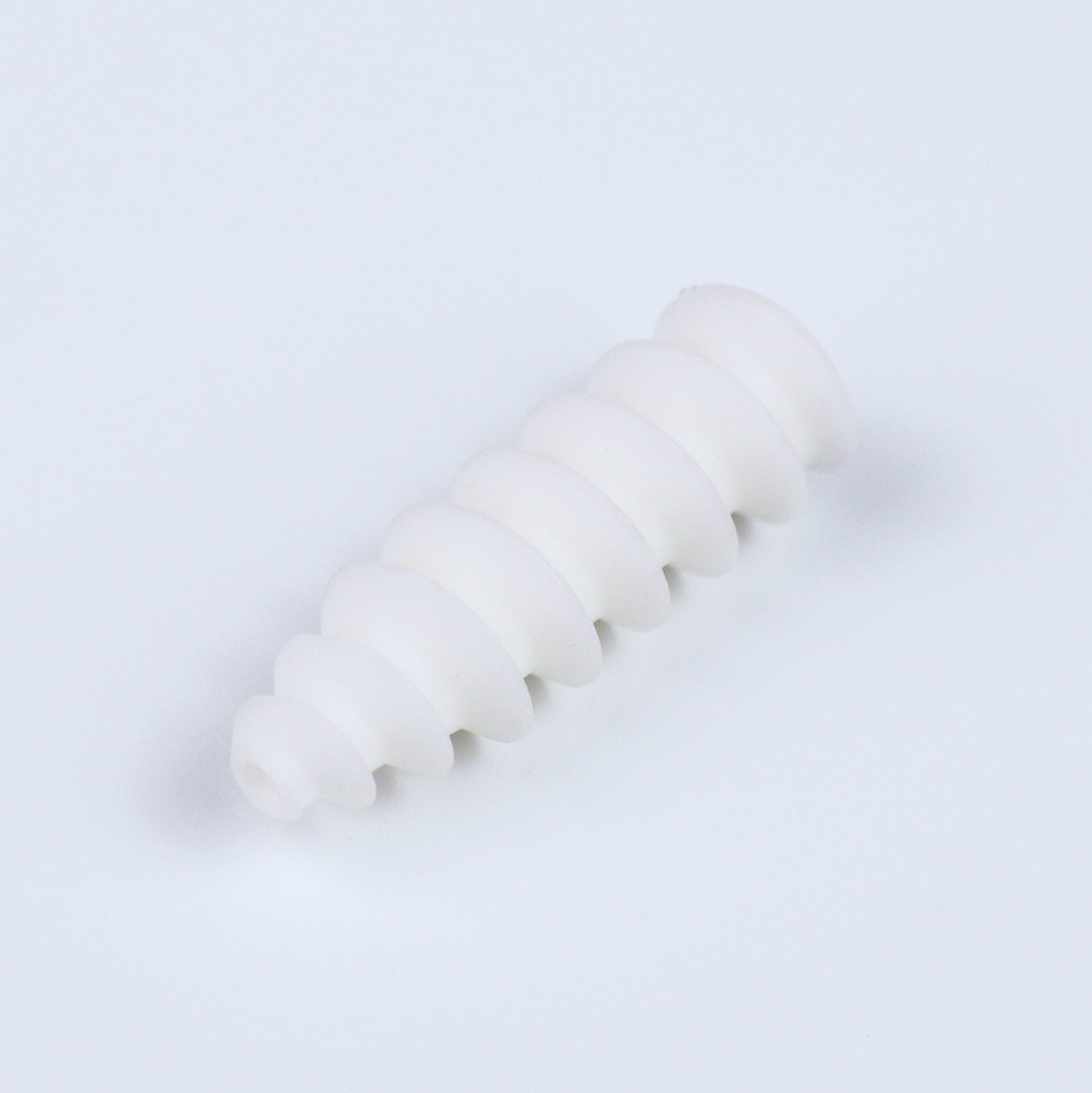
High-energy sports injuries frequently combine complex tears of the lateral or medial meniscus with Anterior Cruciate Ligament (ACL) or Posterior Cruciate Ligament (PCL) rupture. In tertiary trauma theaters at UZ Gent, surgeons require implant synergy. CANWELL supplies fully compatible bioabsorbable PLGA and PEEK interference screws, knotless anchors, and meniscal suture needles that can be utilized synchronously during single-stage ligament reconstruction and meniscal salvage.
Application Scenario C: Meniscal Ramp Lesions & Radial Tears
Ramp lesions located at the meniscocapsular junction of the posterior horn of the medial meniscus require sharp, highly maneuverable needles capable of navigating hidden posteromedial blind spots. Our reverse-cutting curved needles allow surgeons to achieve firm vertical mattress fixation, stabilizing the periphery and facilitating biological healing without neurovascular risk.
4. Enterprise Strengths: Why European Importers & Ghent Hospitals Trust INAR / CANWELL
Zhejiang INAR Medical Co., Ltd. is not merely a trading intermediary; we are a verified manufacturing powerhouse with 22+ years of surgical implant fabrication experience. Our extensive Jinhua industrial campus spans 29,523 m² and houses fully vertically integrated manufacturing lines certified under international quality standards.
SGS Onsite-Verified Facility
Our production protocols, quality control checkpoints, and working conditions have undergone rigorous third-party audits by SGS Group, providing European purchasers with validated peace of mind.
End-to-End CNC Precision
Equipped with high-precision Swiss-type turning centers, multi-axis automated grinding, and ultrasonic micro-cleaning stages. Zero mechanical burrs; 100% surface inspection.
Class 100,000 Cleanroom Packaging
Implant-grade aseptic packaging protocols under ISO 13485:2016. Every sterilized blister package guarantees a minimum 5-year barrier shelf life verified by accelerated aging chambers.
Complete OEM / ODM Customization Capabilities
For European medical device brands, private labelers, and specialized distributor networks across Belgium, CANWELL provides extensive OEM/ODM support:
- Custom Needle Radii & Curvatures: Straight, 15° up-curve, 30° left/right, and compound anatomically matched curvature programs.
- Custom Suture Configurations: Braided UHMWPE, monofilament, co-braided colored tracers for visual tracking under 4K arthroscopy, and needle-to-suture diameter matching.
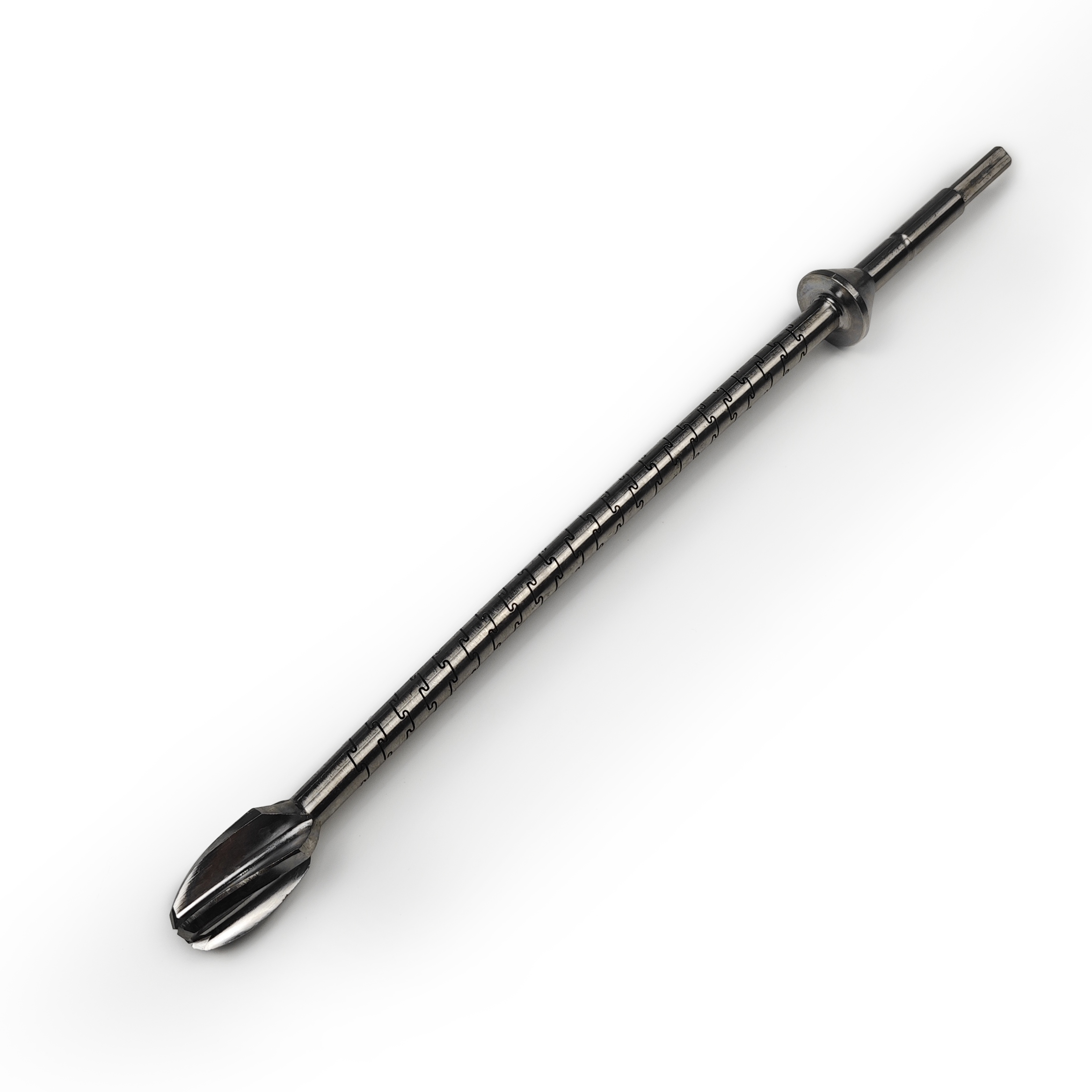
- Laser Etching & Depth Markings: Calibrated laser markings along the needle shaft at 2 mm intervals for real-time intra-articular depth gauging.
- Private Labeling & Multi-Language IFU: Turnkey packaging including Dutch (Flemish), French, and English labeling compliant with Belgian FAMHP (FAGG/AFMPS) requirements.
5. Flemish & European Market Trends: Navigating MDR, Supply Security, & Price Pressures
Medical procurement in Ghent is undergoing profound shifts shaped by overarching European Union regulations and domestic budgetary constraints:
1. The EU MDR (2017/745) Reality: The implementation of the European Medical Device Regulation has led to significant consolidation. Many legacy European manufacturers have rationalized their portfolios or faced supply bottlenecks due to notified body delays. INAR Medical actively maintains comprehensive Technical Documentation Files (TDF), clinical evaluation data (CER), and Post-Market Clinical Follow-up (PMCF) registries, guaranteeing uninterrupted product availability for long-term tender agreements.
2. RIZIV / INAMI Cost-Effectiveness Pressure: Under Belgian healthcare economics, hospitals face fixed lump-sum reimbursement frameworks per diagnosis-related group (DRG). When surgical teams choose high-cost brand-name implants from multinational conglomerates, hospital margins are compressed. Partnering directly with tier-1 Chinese manufacturers allows Ghent distributors to provide hospitals with CE-certified, structurally identical or superior sports medicine needles at a 30% to 50% cost optimization.
3. Sustainable Hospital Supply Chains: Supply disruptions during recent years underscored the vulnerability of single-source procurement models. Forward-thinking procurement directors across East Flanders are establishing direct OEM and tier-1 vendor partnerships to secure consistent, buffer-stocked inventory lines.