Featured Arthroplasty, Joint Reconstruction & Trauma Implants
Precision-machined from Ti6Al4V-ELI medical titanium alloy and ultra-high-molecular-weight polymers, these 8 foundational surgical systems are calibrated for immediate deployment across Baltic regional surgical rooms, addressing both elective arthroplasty and acute traumatic osteosynthesis.
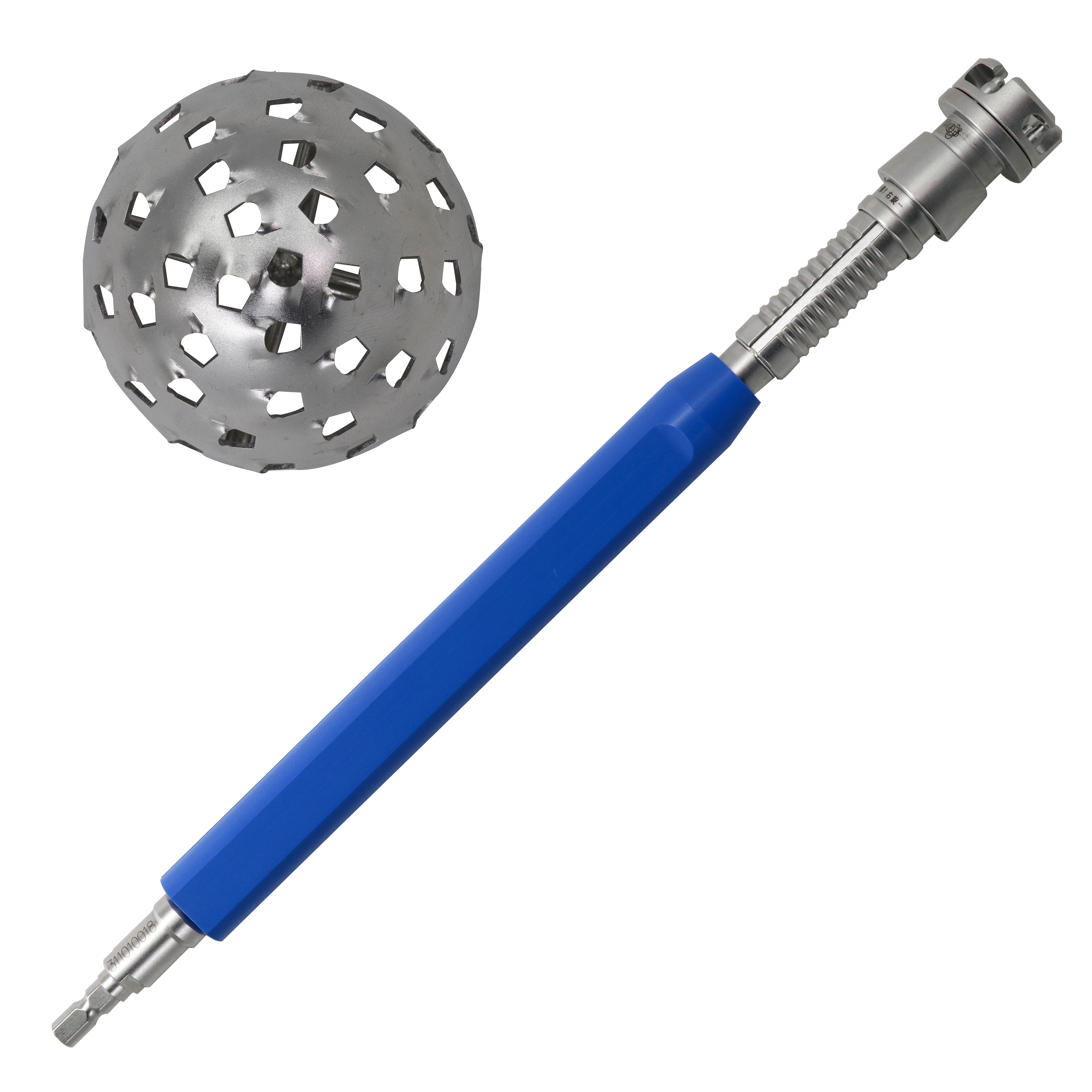
CANWELL Acetabular Reamers High Precision Hip Instrument Set Arthroplasty Total Hip Replacement Orthopedic Surgery Tools
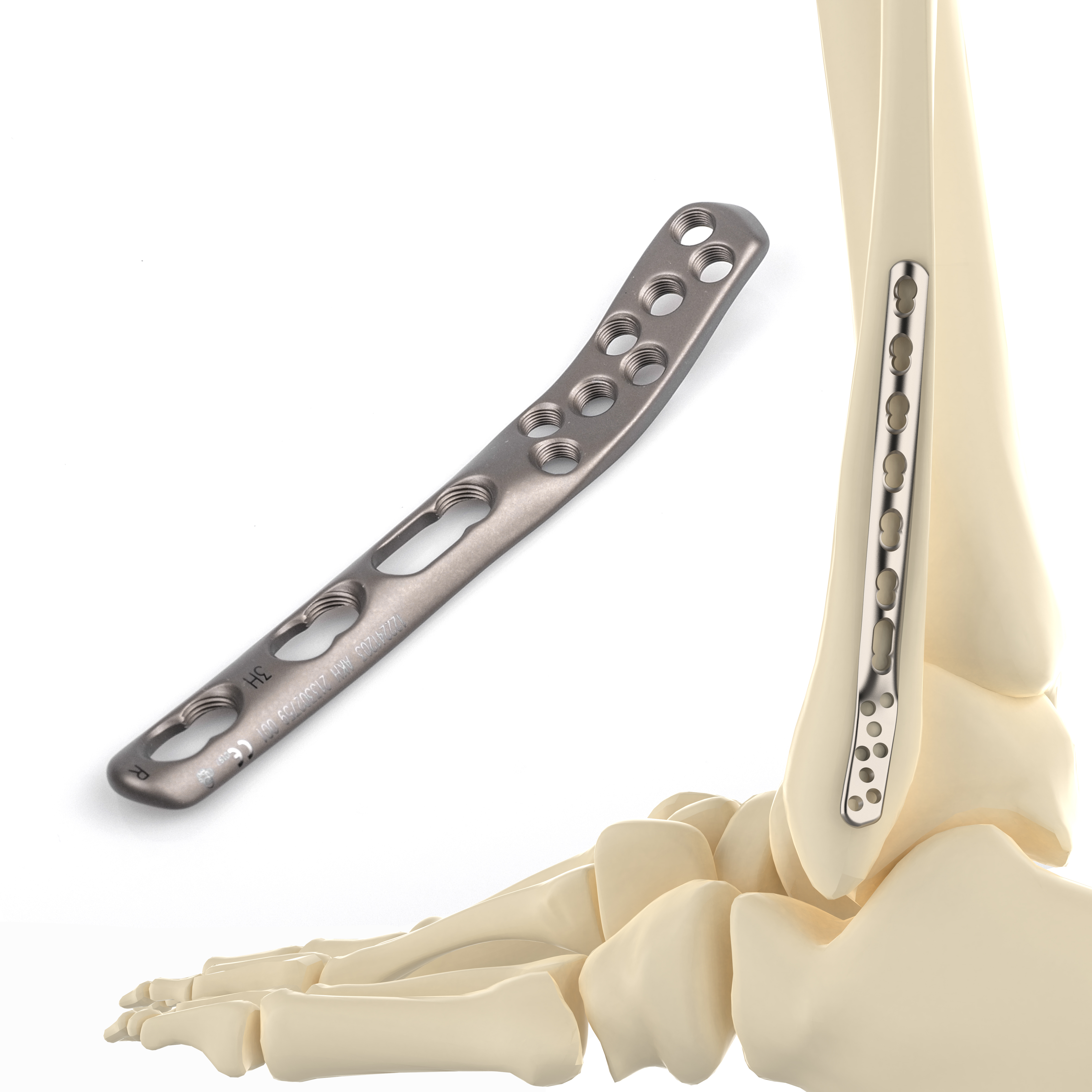
CANWELL Fibula Plate Titanium Posterolateral Distal Fibula Locking Plate 2.7/3.5mm Screw System Orthopedic Implant Manufacturer
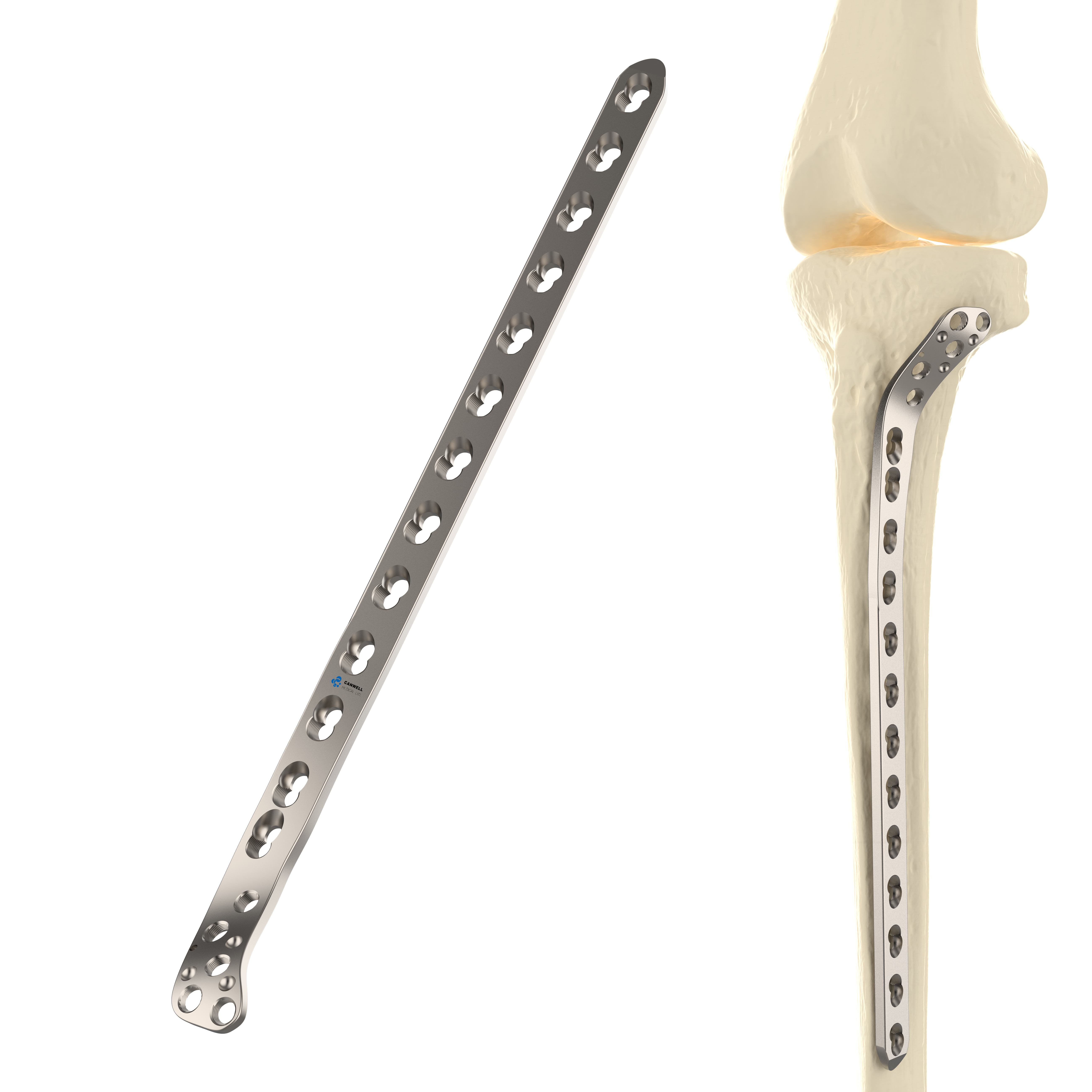
CANWELL Proximal Lateral Tibial Locking Plate Orthopedic Trauma Implant Hospital Bone Plate 5.0mm Screw Orthopedic Manufacturer
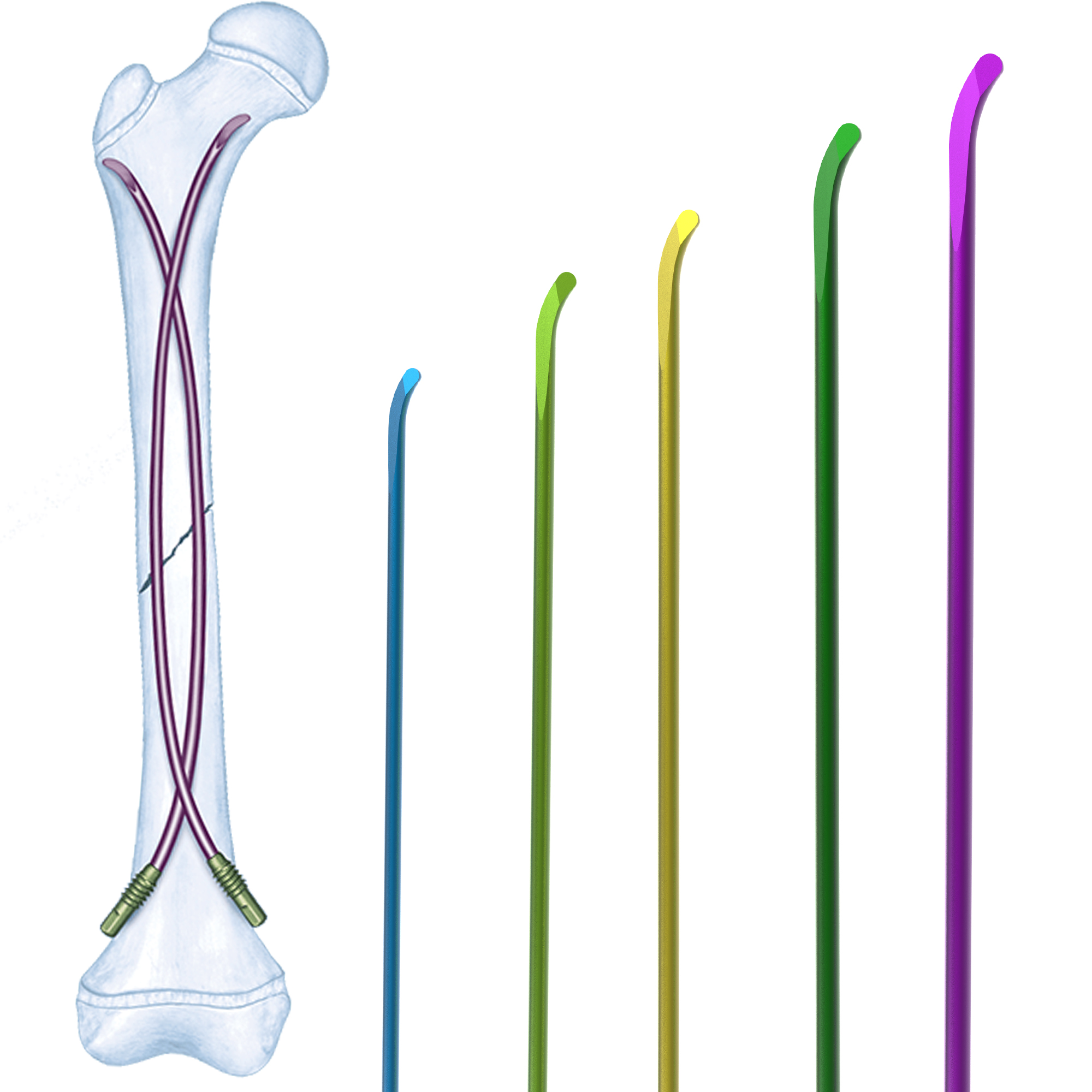
Canwell Titanium Elastic Stable Intramedullary Nail TEN Pediatric Orthopedic Implant Children Long Bone Fracture Fixation
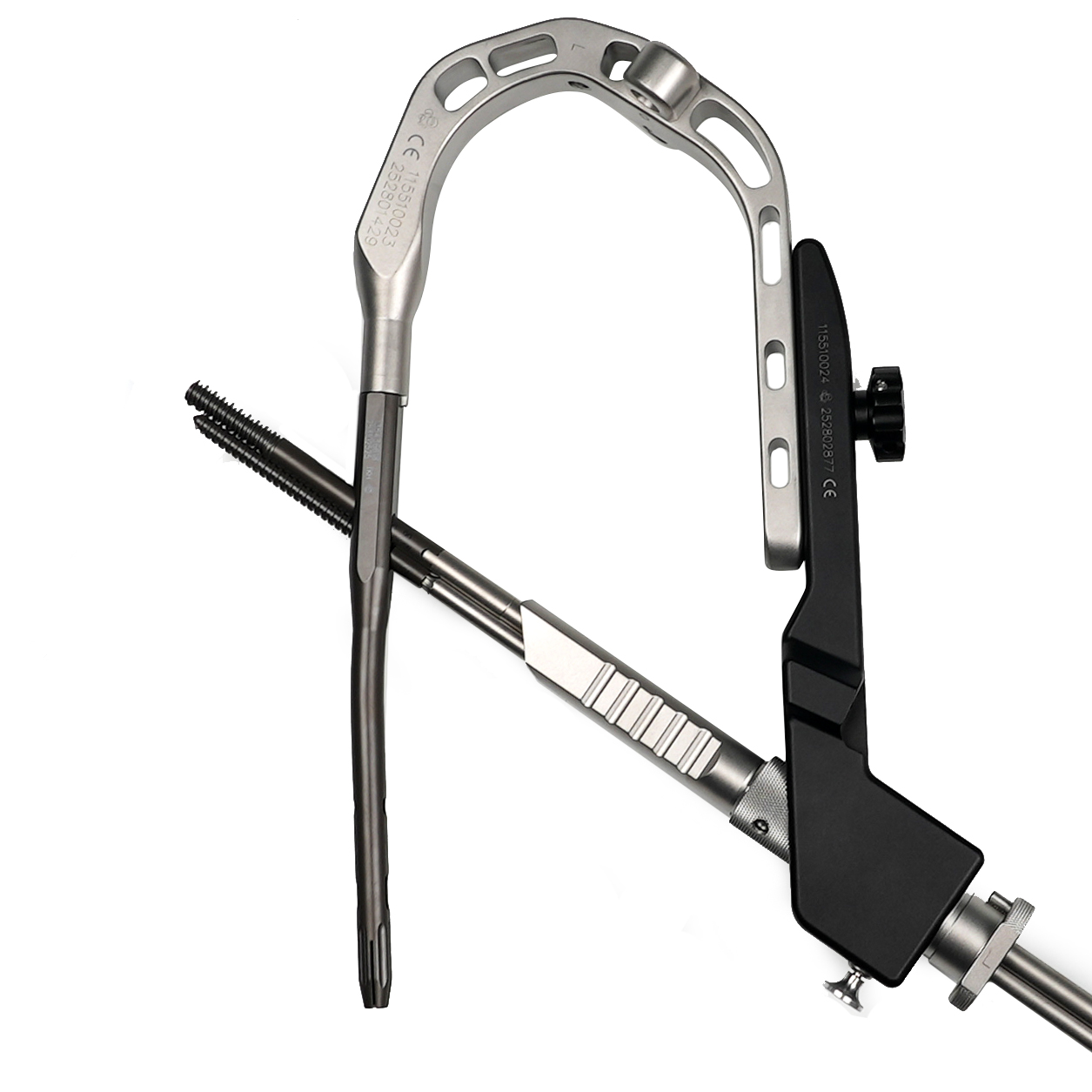
CANWELL Titanium Femoral Intramedullary Nails Interlocking Nail Femur Orthopedic Trauma Implants Bone Fracture
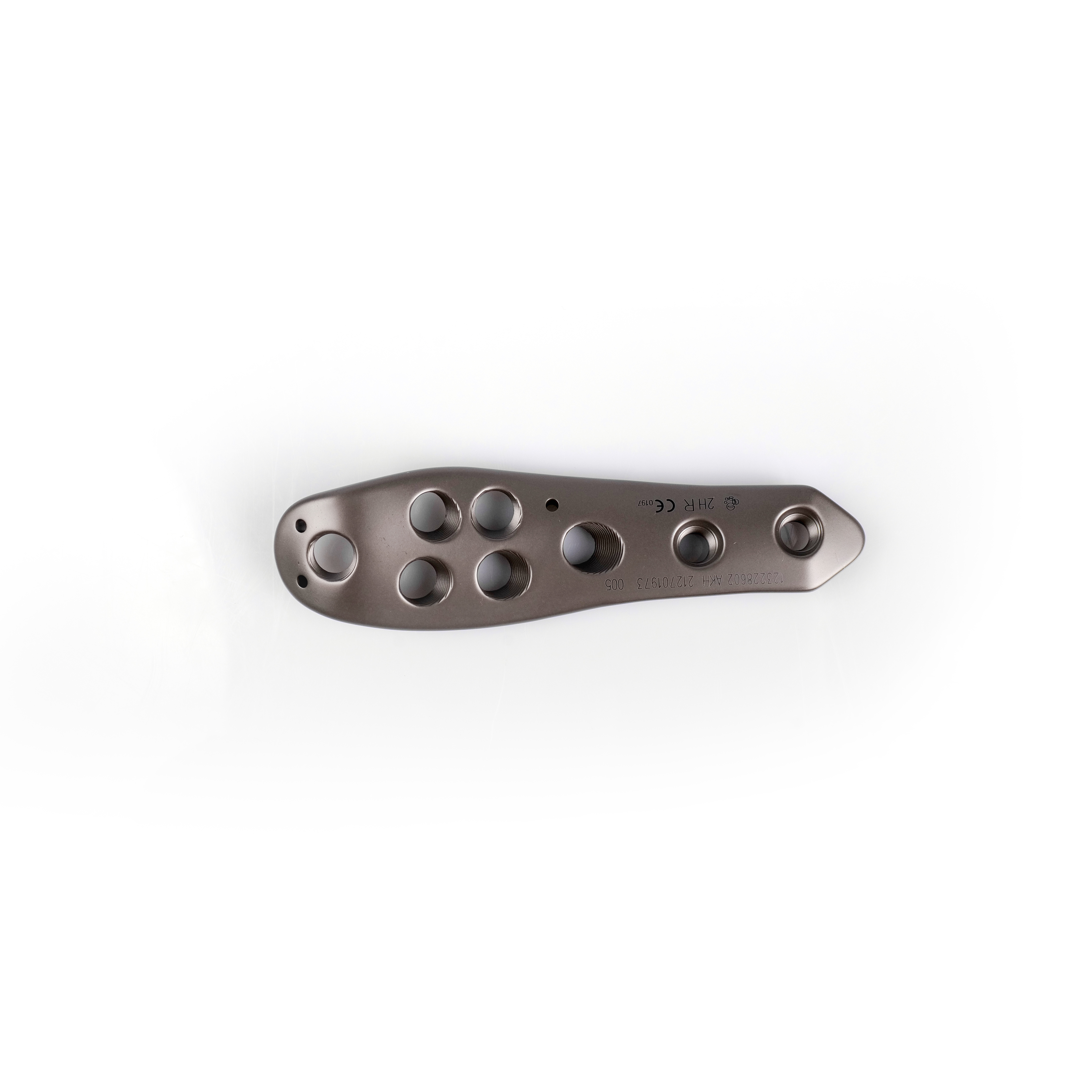
CANWELL Titanium Tibia Locking Plate Price Factory Distal Femur Lateral Distal Femoral Outer Side Orthopedic Implant Lock Plates
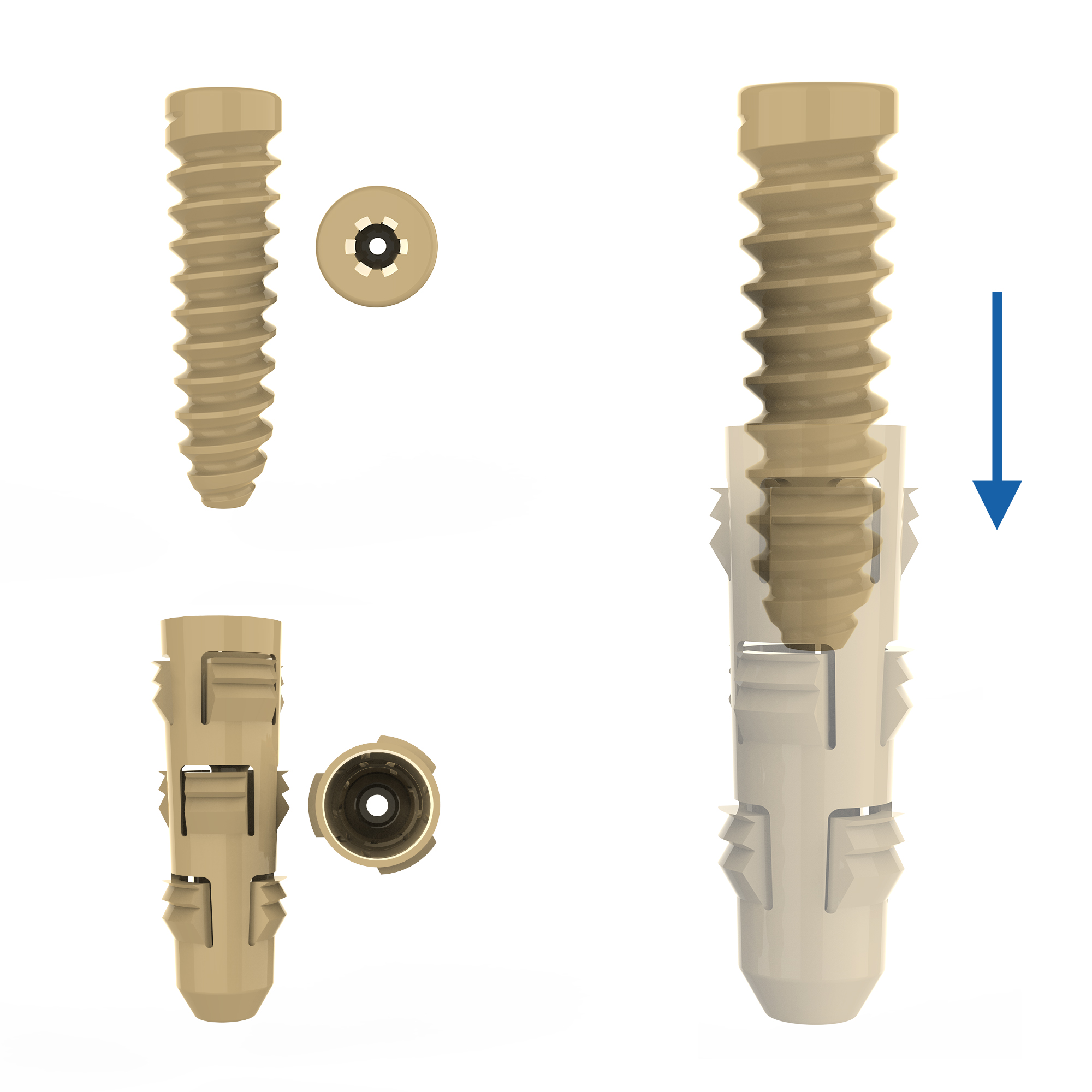
CANWELL Sports Medicine ACL Reconstruction ACL PCL Bioabsorbable Arthroscopy Surgery Peek Interference Screw
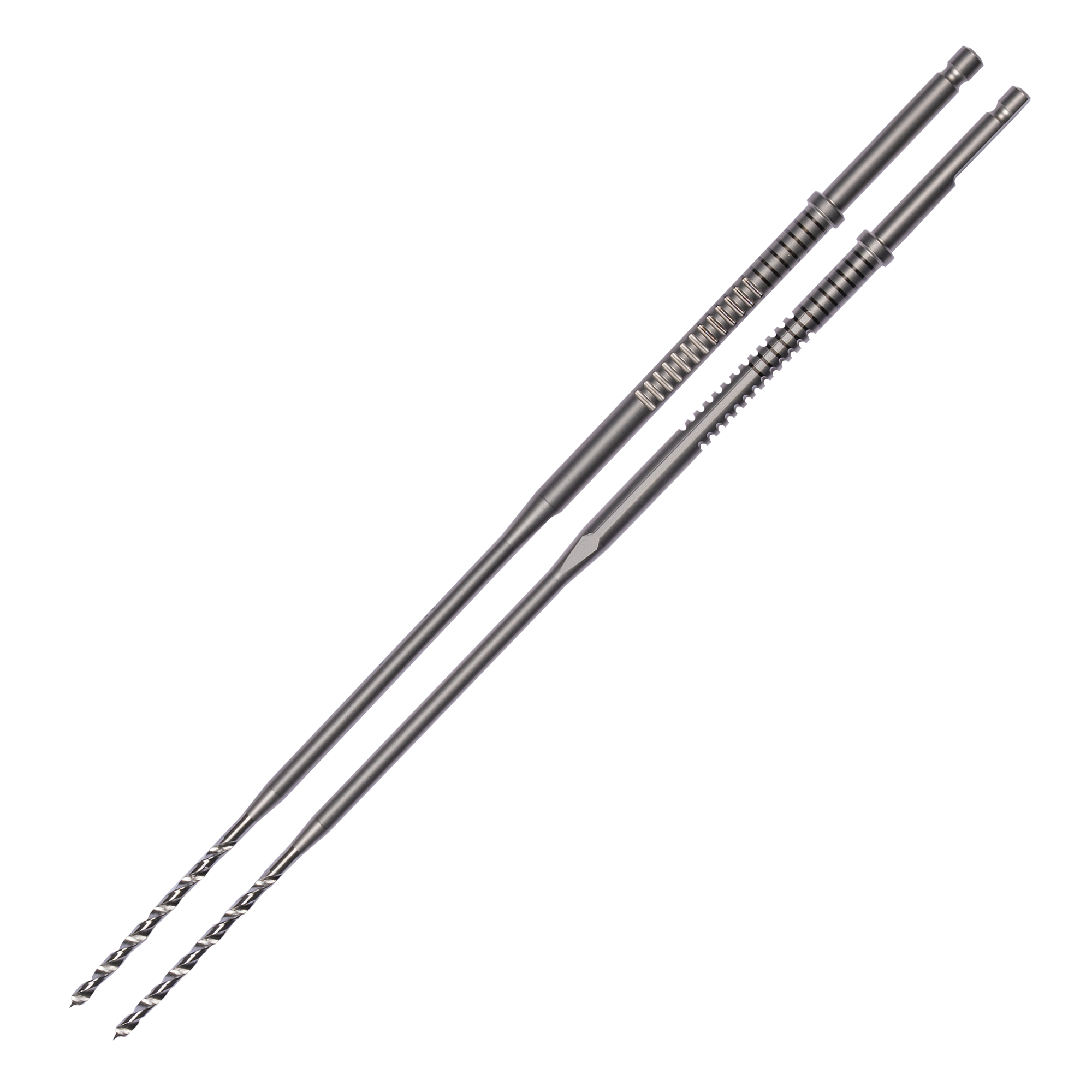
CANWELL Bone Drill Bit Bone Flexible Surgical System Soft AO Normal Type Full Size Quick Coupling for Locking Plate and Screw
The Orthopedic Arthroplasty & Trauma Dynamics in Jelgava
The healthcare delivery network in the Zemgale planning region—centered prominently around Jelgava City Hospital (SIA "Jelgavas pilsētas slimnīca") alongside outpatient surgical centers linked with Riga tertiary centers—operates within an evolving demographic reality. As the Latvian population experiences demographic aging, the prevalence of degenerative osteoarthrosis, secondary femoral head necrosis, and fragility fractures of the hip and knee joint has surged. Consequently, clinical procurement leaders and orthopedic department heads require direct, reliable access to high-precision total hip replacement (THA) instrument sets, hemiarthroplasty stems, and anatomical salvage locking plates that ensure predictable osseointegration and rapid patient mobilization.
In accordance with guidelines established by the Latvian National Health Service (Nacionālais veselības dienests - NVD) and the Ministry of Health, public procurement tenders for Class IIb and Class III surgical implants must balance rigorous fiscal stewardship with stringent clinical efficacy under the European Medical Device Regulation (EU MDR 2017/745). For procurement managers in Jelgava, direct manufacturer collaboration with Zhejiang INAR Medical Co., Ltd. resolves the historical challenges of inflated distributor markups and uncertain Baltic warehouse stocking levels.
Our operational capability as a high-volume Chinese exporter bridges this market demand. Operating with an audited facility spanning 29,523 m² and backed by an engineering cohort of 632 staff, INAR Medical delivers joint reconstruction solutions that allow Latvian healthcare providers to reduce per-procedure implant procurement expenditure by 32% to 45% while maintaining uncompromised metallurgic integrity, surface biocompatibility, and biomechanical durability.
Engineering Biomechanics of INAR Joint Implants & Fixation Devices
Long-term implant survival in weight-bearing hip and knee joints hinges on the tribological interaction between the femoral component and the acetabular cup, as well as the mechanical strain transfer across the bone-implant interface.
Ti6Al4V-ELI Titanium Substrates
We source certified medical-grade Extra Low Interstitial Titanium (ISO 5832-3 / ASTM F136). This ensures superior fracture toughness, reduced elastic modulus (~110 GPa) mimicking cortical bone to prevent stress-shielding, and superior notch fatigue resistance under high cyclic loading experienced during ambulation.
Porosity & Trabecular Coatings
Our acetabular cups and cementless femoral stems feature vacuum plasma-sprayed (VPS) pure titanium coatings and biomimetic hydroxyapatite (HA) layers. With average pore diameters of 200–400 μm and 35–50% interconnected porosity, our implants promote swift osteoblast migration and robust shear strength within 6 weeks post-op.
Cross-Linked UHMWPE & PEEK
For modular articulating liners, we utilize high-dose electron-beam cross-linked ultra-high-molecular-weight polyethylene (XLPE) blended with vitamin E stabilizers. This engineering reduces volumetric wear rates below 8 mm³/million cycles, mitigating aseptic osteolysis and cup loosening.
| Biomechanical Parameter | INAR Medical Arthroplasty Specification | Standard Baltic Tender Baseline | Clinical Advantage in Jelgava Hospitals |
|---|---|---|---|
| Base Alloy Composition | Ti-6Al-4V ELI (ASTM F136 / ISO 5832-3) | Standard Ti-6Al-4V Grade 5 | Ultra-low interstitial gas impurities ensure zero brittle failure during impaction. |
| Fatigue Limit (10⁷ Cycles) | ≥ 680 MPa (Four-point bending test) | ≥ 520 MPa | Exceeds physiological mechanical thresholds in active or obese joint replacement recipients. |
| Surface Osseointegration | Dual VPS Ti-Porous + HA Micro-Rough (Ra 4.5–7.0 μm) | Grit-blasted only (Ra 2.0–3.0 μm) | Doubles initial micro-shear stability; drastically lowers incidence of early micromotion. |
| Articulating Liner Wear Rate | < 7.8 mm³ per million cycles (ISO 14242-1) | < 18.0 mm³ per million cycles | Substantially suppresses peri-implant granuloma and revision rates over a 15-year window. |
| Instrument Machining Tolerances | ± 0.005 mm via Swiss Longitudinal 5-Axis CNC | ± 0.020 mm standard turning | Acetabular reamers produce clean press-fit geometry without thermal bone destruction. |
Localized Clinical Scenarios in Jelgava and the Zemgale Hospital Perimeter
Orthopedic surgical intervention in regional municipal hospitals encounters specific fracture patterns and degenerative joint phenotypes that require specialized implant architectures.
Primary Elective Total Hip Arthroplasty (THA)
For patients suffering from severe end-stage coxoarthrosis treated in Jelgava City Hospital, our modular acetabular systems provide hemispherical press-fit cups with multi-hole cluster options. Combined with our high-precision acetabular reamers, surgeons achieve immediate structural primary stability even in type II acetabular bone defects.
Acute Periprosthetic Femoral Fractures
As joint replacement registries mature across Latvia, Vancouver B1 and B2 periprosthetic fractures adjacent to stem components require specialized rescue osteosynthesis. The INAR titanium distal femoral locking plate system accommodates cable pass-throughs and variable-angle monocortical screws, preserving stem fixation while achieving rigid bone reconstruction.
High-Energy Lower Extremity Trauma Fixation
Winter climate conditions in Zemgale trigger frequent ice-related bicondylar tibial plateau fractures (Schatzker Type V/VI) and complex ankle syndesmotic disruptions. Our proximal lateral tibial locking plates and posterolateral fibular plates enable multi-planar screw trajectories that buttress the joint line while maintaining skin flap integrity.
Sterile Instrument Set Management & Quick-Coupling Tooling
Operating rooms in Baltic hospitals face constrained sterilization cycle times between trauma admissions. INAR Medical delivers our acetabular reamer systems and intramedullary targeting guides in anodized, custom-slotted aerospace-grade aluminum and PPSU trays. Resistant to repeated autoclaving up to 134°C (273°F), our layout streamlines scrub nurse assembly, prevents intraoperative cross-contamination, and integrates seamlessly with common European power driver attachments (Hudson, Stryker, AO Quick-Coupling).
22+ Years of Advanced Orthopedic Device Manufacturing
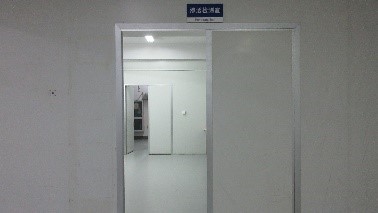
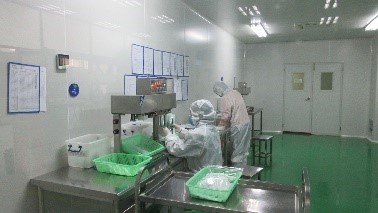
Headquartered in Jinhua, Zhejiang, China, Zhejiang INAR Medical Co., Ltd. operates as a verified, vertically integrated manufacturer controlling every tier of production—from solid bar stock intake to class 10,000 aseptic barrier packaging.
CNC Machining Park
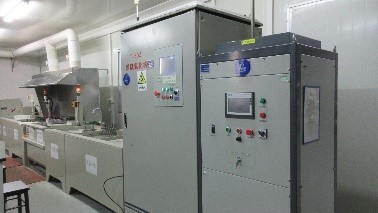
Over 80 automated Swiss longitudinal turning lathes and 5-axis DMG MORI milling centers execute sub-micron contouring for complex femoral stems and variable-angle plate holes.
13-Step In-House QC
Every implant passes fluorescent penetrant non-destructive testing (NDT), dual ultrasonic degreasing, electrolytic color anodization, coordinate measuring machine (CMM) dimensional verification, and optical surface profiling.
SGS Onsite Audited
Independently verified through SGS Group supplier inspections. Our cleanrooms meet ISO 14644-1 Class 7 requirements with full bioburden, pyrogen, and ethylene oxide (EO) residual controls.
Decade of Global Export
Over 13 years of cross-border logistics expertise, managing customs declarations, sterile barrier validation (ISO 11607), and export dossiers across 40+ national health agencies.

Navigating EU MDR 2017/745 & Baltic Logistics Channels
The regulatory transition from the legacy Medical Device Directive (MDD 93/42/EEC) to the stringent European Medical Device Regulation (EU MDR 2017/745) has reshuffled the orthopedic supply chain throughout the European Union. Several European distributors have discontinued legacy product lines due to escalated Notified Body assessment costs. Zhejiang INAR Medical Co., Ltd. proactively completed extensive clinical evaluation reports (CER), post-market clinical follow-up (PMCF) registries, and comprehensive biocompatibility testing (ISO 10993 series).
Our complete orthopedic trauma and joint arthroplasty portfolios are assigned Unique Device Identification (UDI) barcodes, allowing hospital procurement departments in Jelgava and regional biomedical registries in Latvia to achieve instantaneous scanning, batch traceability, and electronic health record (EHR) integration from patient intake to long-term post-market surveillance.
Air Freight via Riga International (RIX)
For urgent, non-scheduled trauma implants and custom size revisions, INAR Medical maintains priority direct cargo corridors into Riga International Airport (RIX), facilitating hospital delivery in Jelgava within 4–6 business days post-clearance.
Containerized Freight via Port of Riga
High-volume annual tender replenishment orders are shipped via container vessels directly to the Freeport of Riga (Rīgas brīvosta), establishing the most cost-effective landed inventory pricing for institutional hospital consortia.
Multilingual Labeling & Instructions
Packaging labels, sterilization expiry dates, barcode symbols, and electronic Instructions for Use (eIFU) conform fully with European labeling standards, with localized Latvian language leaflets available upon distributor request.
Frequently Asked Questions by Latvian Procurement Teams
Technical, regulatory, and commercial responses tailored to biomedical engineers, hospital directors, and specialized medical device distributors in Jelgava and the wider Baltic region.
1. How does INAR Medical ensure compliance with the EU MDR 2017/745 requirements in Latvia? +
2. Can our municipal hospital in Jelgava request custom-dimension reamers or bespoke plate anatomies? +
3. What is the batch-to-batch metallurgic verification process for titanium implants? +
4. What are the typical lead times and minimum order quantities (MOQ) for Baltic tenders? +
5. Are INAR surgical reamer heads compatible with power tools commonly found in Baltic ORs? +
6. How does INAR support distributor product registration and tender submission in Latvia? +
Equip Your Jelgava Surgical Center with Certified Implants
Whether you are preparing a municipal tender submission for the Zemgale healthcare district, expanding your regional distribution catalog, or seeking high-precision OEM joint reconstruction sets, our technical sales engineers provide immediate pricing matrices, factory audit files, and evaluation samples.
Contact Us