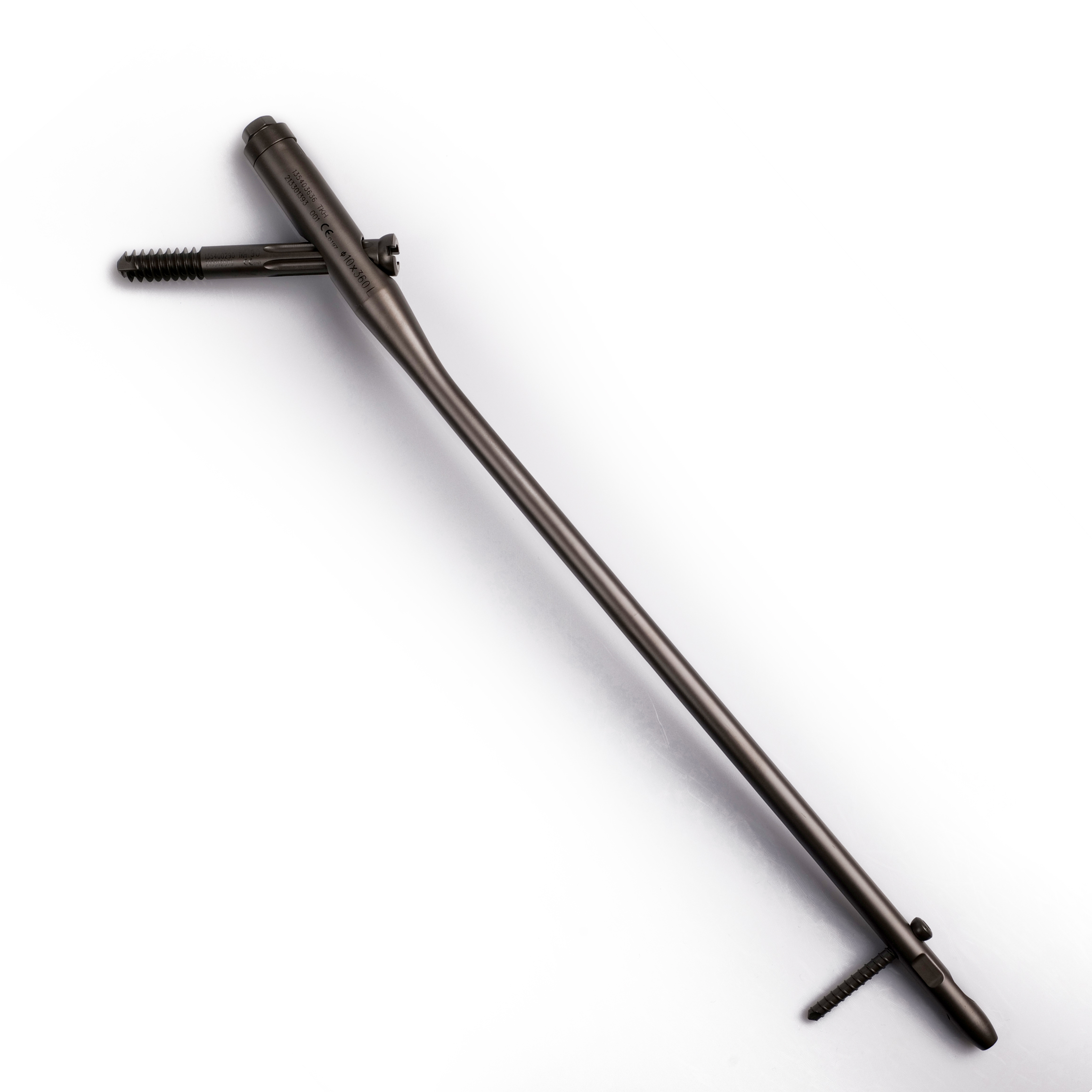
Surgical Portfolio
Clinical Trauma & Lower Extremity Implant Solutions
Engineered for complex intra-articular and metaphyseal fractures. High-grade biocompatible titanium alloys (Ti-6Al-4V ELI) meeting rigorous ISO 5832-3 standards for orthopedic surgeries in Nakhon Ratchasima (Korat).
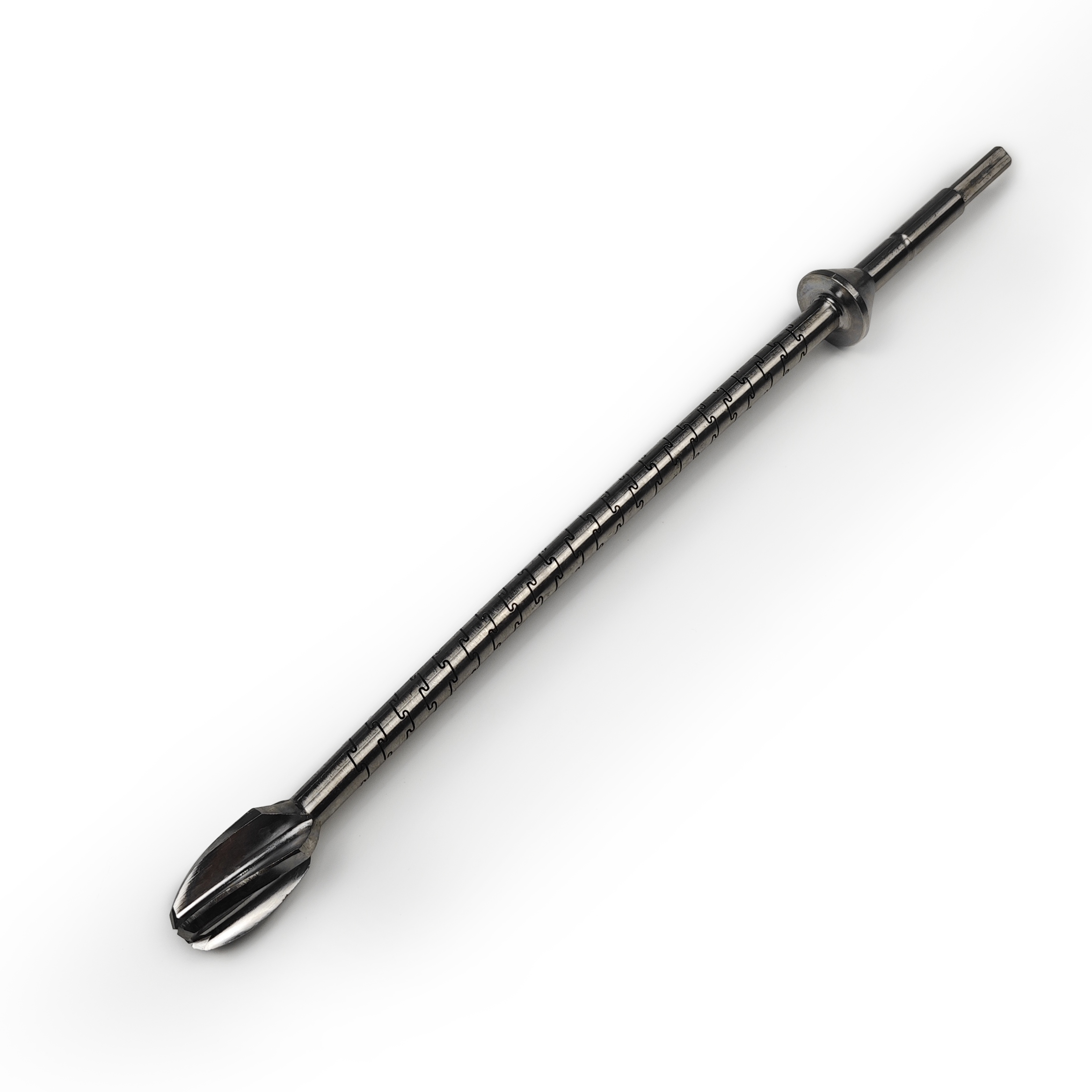
Surgical Instruments
CANWELL Flexible Reamer Sterilization Box for Long-Bone Surgery
Explore Specification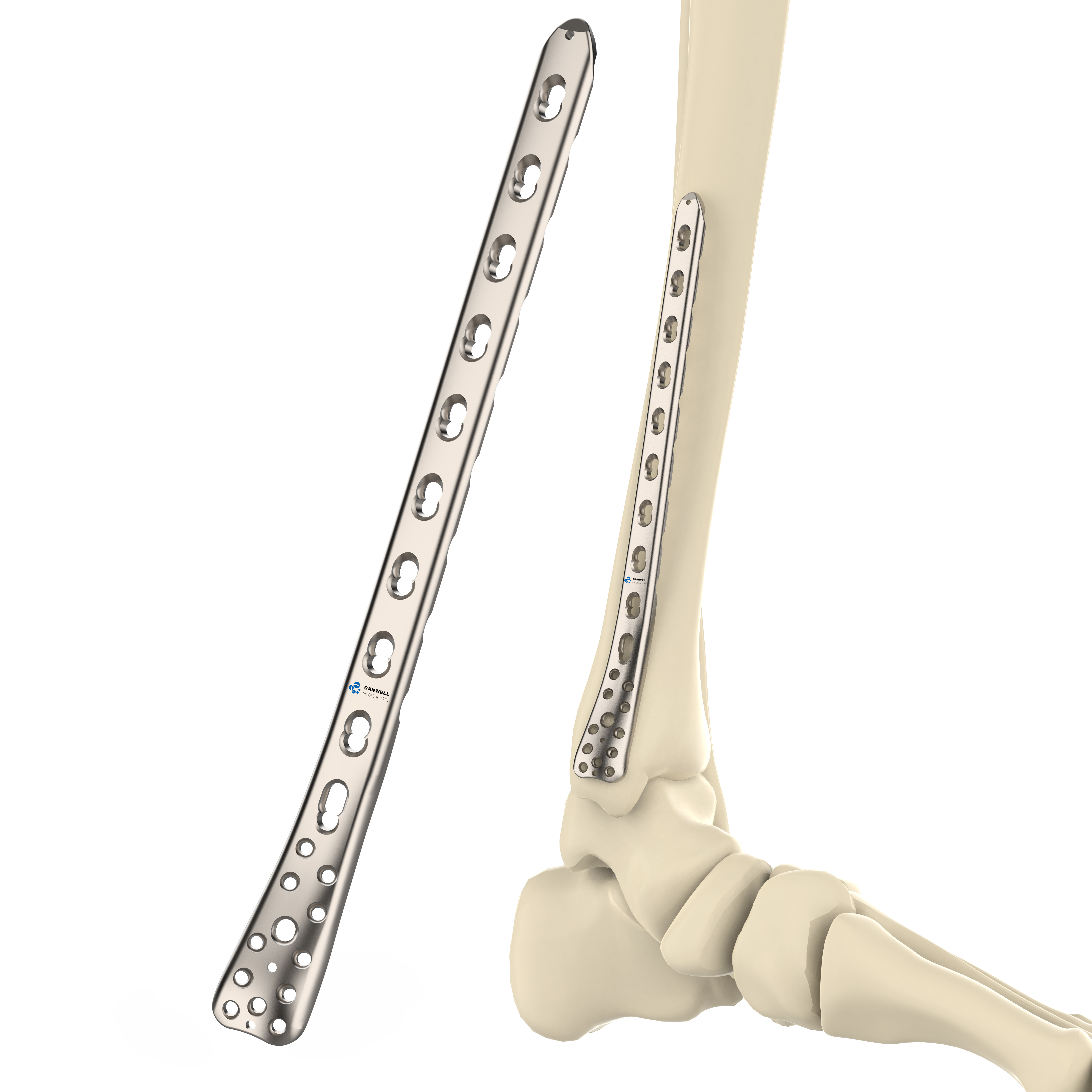
Metaphyseal Systems
CANWELL Distal Tibial Locking Plate Metaphyseal Fixation System
Explore Specification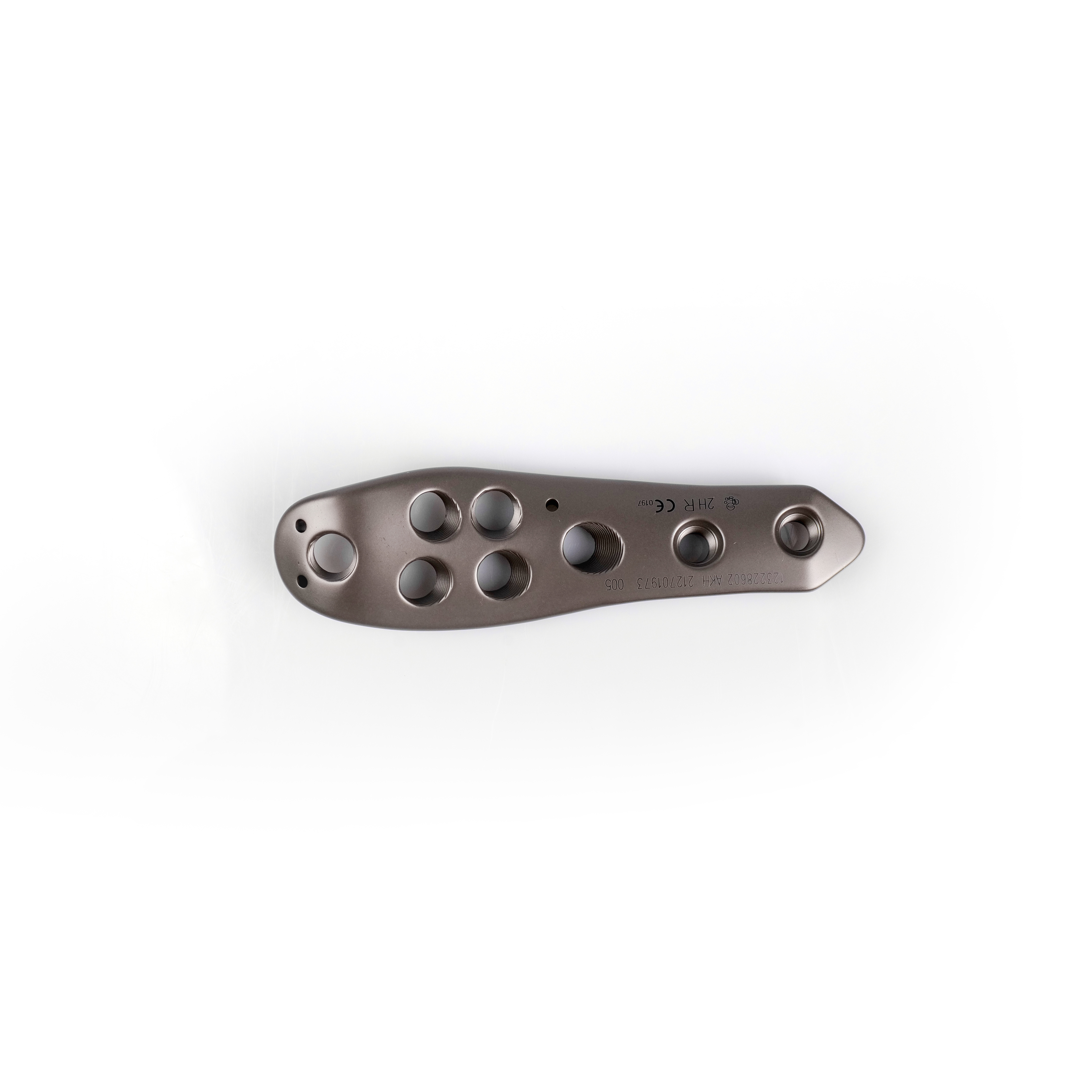
Locking Compression
CANWELL Distal Femur Lateral & Tibial Trauma Implants Lock Plates
Explore Specification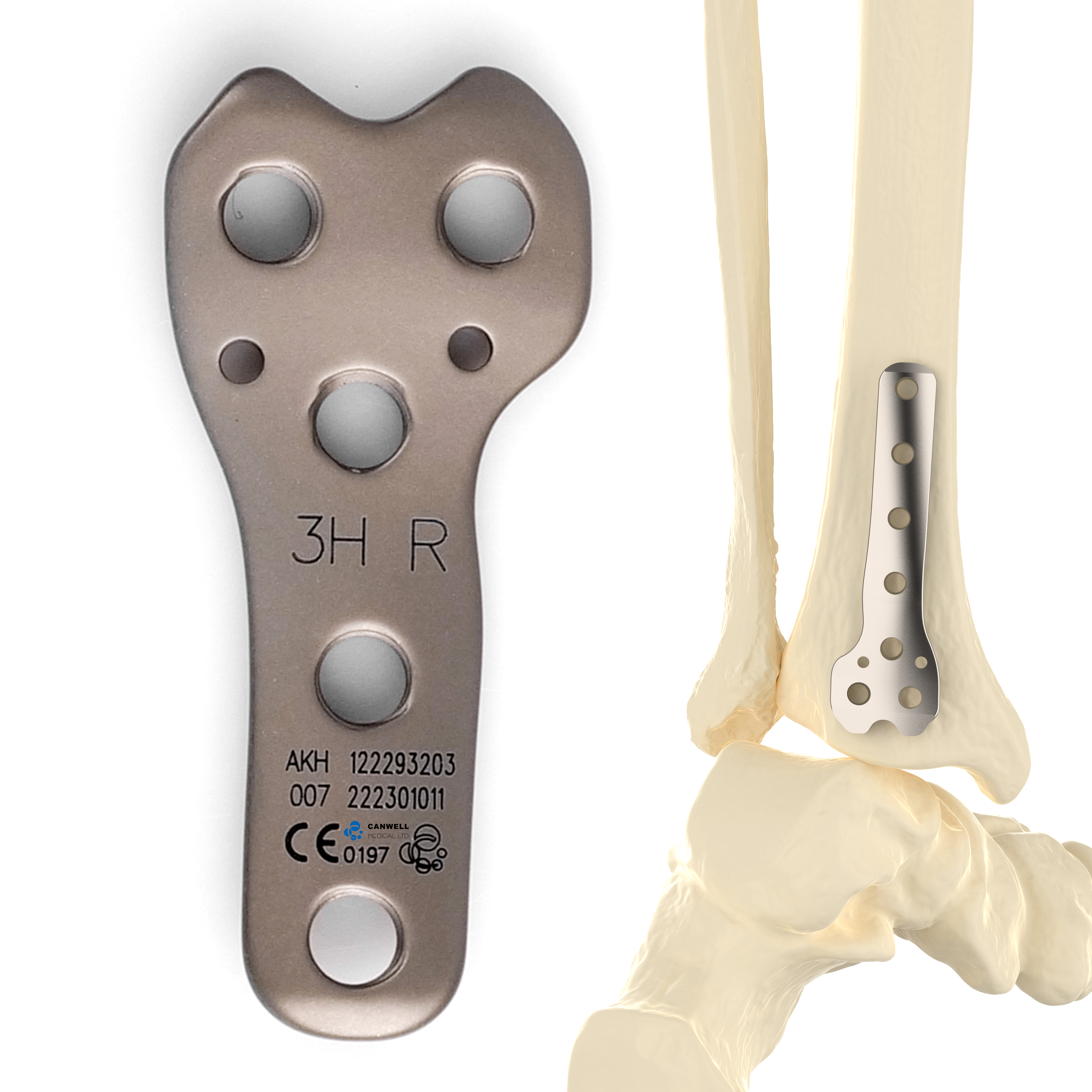
Pilon & Posterior
CANWELL Distal Tibial Posterior Limb Compression Locking Plate
Explore Specification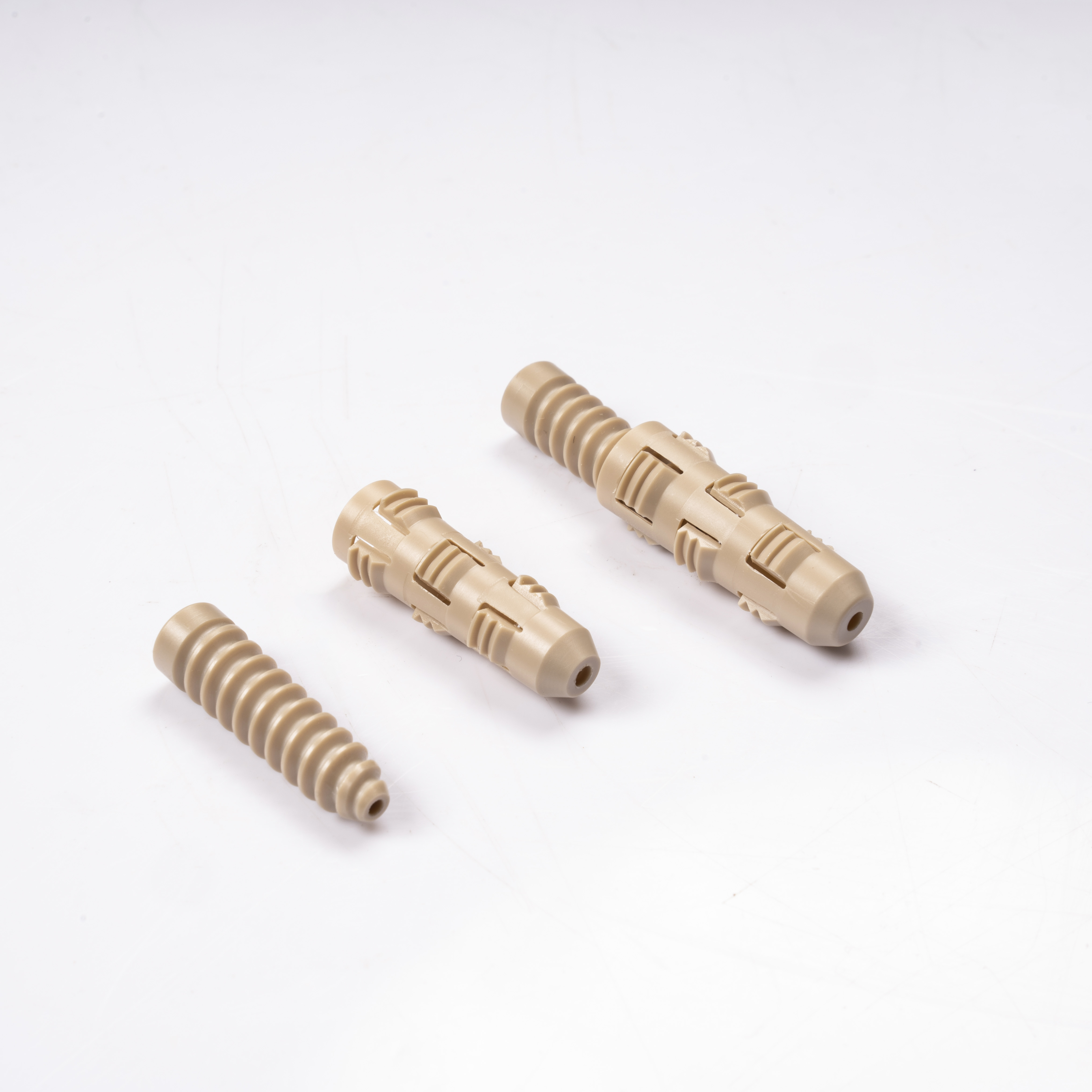
Upper Extremity
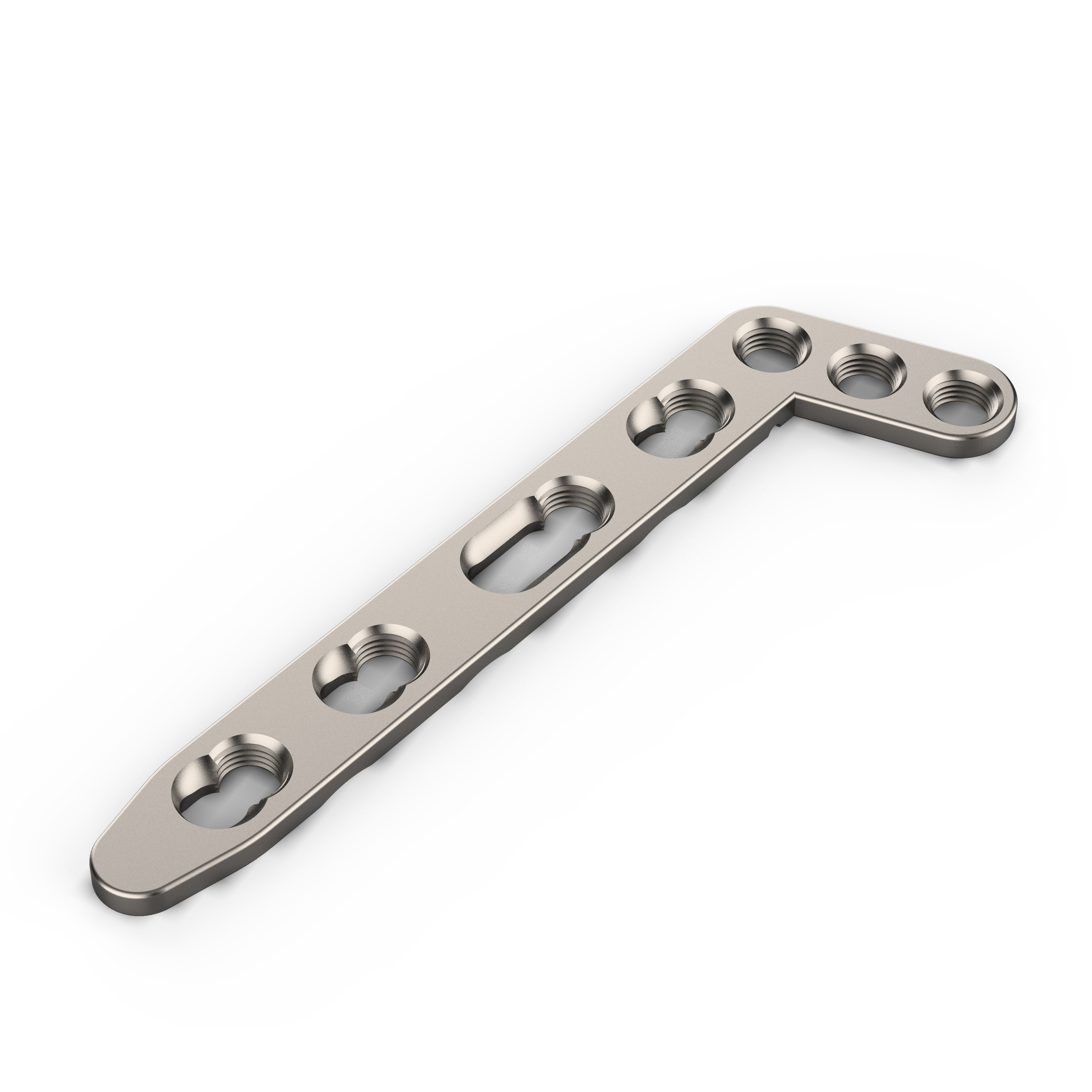
CANWELL Distal Radius Volar/Dorsal Oblique Wrist Locking Plate
Explore Specification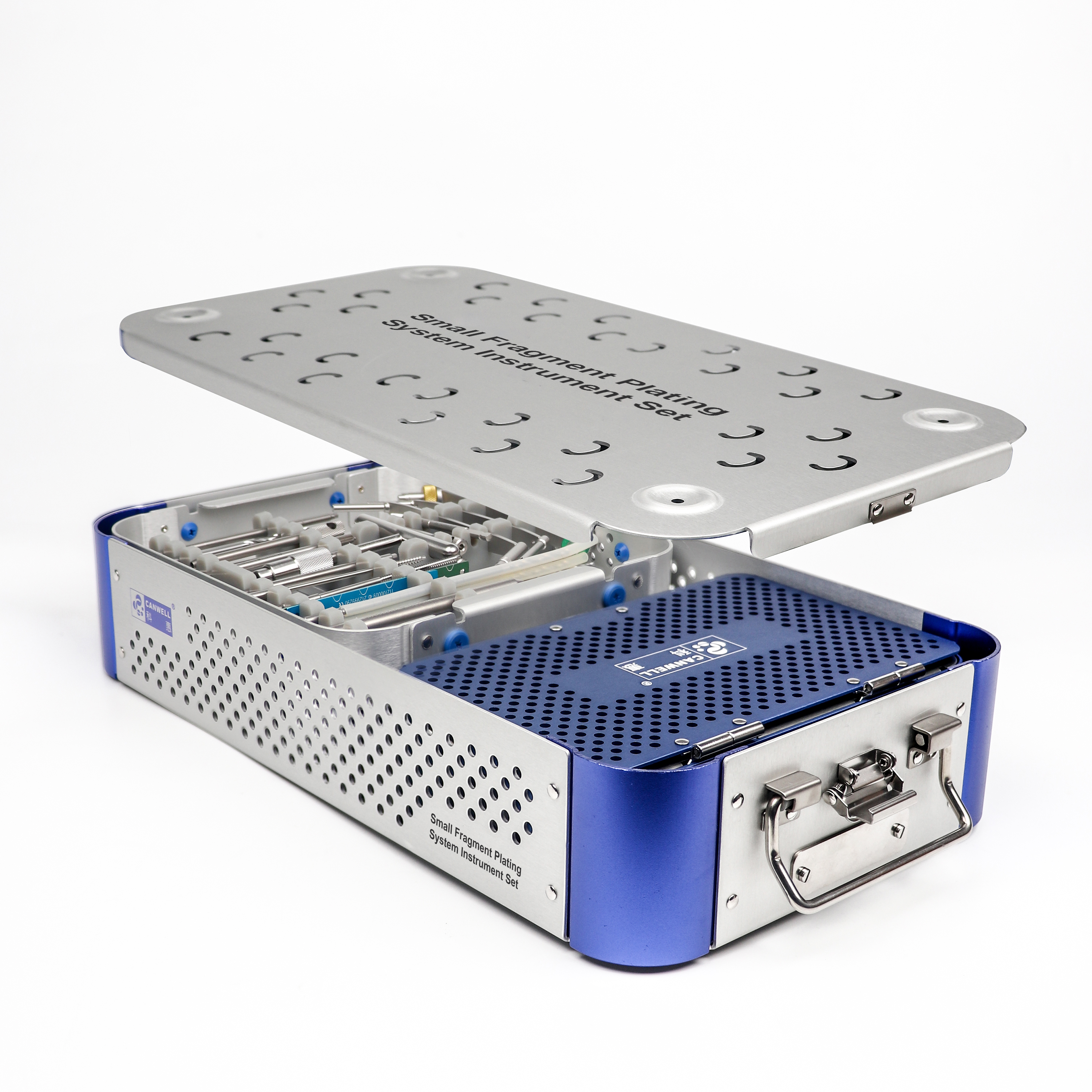
Instrument Trays
CANWELL Small Fragment Basic Orthopedic Surgical Instrument Set
Explore SpecificationClinical & Biomechanical Insights
Localized Application Scenarios in Nakhon Ratchasima Healthcare
Serving as the primary medical conduit for Lower Northeastern Thailand, hospitals in Nakhon Ratchasima manage massive trauma inflows. Understanding clinical patterns is essential for procuring appropriate orthopedic fixation hardware.
High-Energy Highway & Agricultural Trauma
Nakhon Ratchasima's strategic position along Mittraphap Road (Route 2) results in frequent high-velocity road accidents. These generate AO/OTA Type 43 (distal tibia pilon) and Type 41 (proximal tibia plateau) comminuted fractures requiring pre-contoured, multi-directional locking plates to withstand extreme axial loading.
Periosteal Blood Supply & Thin Soft Tissue
The anteromedial surface of the human tibia has notoriously thin subcutaneous coverage. Our low-profile tibia plates have tapered ends and scalloped undersurfaces designed specifically for minimally invasive percutaneous plate osteosynthesis (MIPPO), mitigating devascularization and wound breakdown.
Optimized Anatomical Contours for Asian Bone Morphometry
Western-designed tibia plates frequently feature excessive curvature radii for Southeast Asian patient anatomy, leading to intraoperative plate bending fatigue. Our CNC-machined titanium tibia plates are engineered with a specific anatomical curve that minimizes intraoperative bending while achieving rigid anatomical reduction.
Market Economics & Strategy
Nakhon Ratchasima Orthopedic Procurement Trends
A comprehensive shift toward cost-effective, high-tier Class III orthopedic devices is modernizing hospital purchasing across public facilities like Maharat Nakhon Ratchasima Hospital and expanding private medical institutions.
Universal Coverage & DRG Budget Caps
Thailand's Universal Coverage Scheme (UCS) and Diagnostic-Related Group (DRG) compensation mechanisms place strict fiscal ceilings on implant reimbursements. Hospitals in Korat are aggressively transitioning from costly Western tier-one brands to certified Chinese manufacturers offering identical metallurgical integrity at a 40–60% lower acquisition cost.
Stringent Thai FDA (TFDA) Verification
The Thai Food and Drug Administration (TFDA) now demands comprehensive technical dossiers, biocompatibility validation, and EU MDR/CE certifications for Class 4/Class III surgical implants. Zhejiang INAR Medical supports local distributors with complete CSDT-compliant technical dossiers to accelerate market access.
Consignment Trays & Specialized Tool Sets
Nakhon Ratchasima distributors increasingly require ready-to-sterilize modular orthopedic instrument trays, self-tapping screw configurations, and radiolucent aiming guides. Supplying cohesive plate-and-instrument systems ensures smooth OR workflows and surgeon adoption.
22+
Years in Manufacturing
Dedicated bone fixation development
632
Full-Time Personnel
Engineers, machinists & QA specialists
29,523m²
Manufacturing Footprint
SGS onsite-verified industrial plant
100%
Traceability Rate
Laser UDI marking & raw material batch QA
Enterprise Authority
Why Thai Importers Choose Zhejiang INAR Medical
Backed by 22+ years of surgical innovation, we operate an integrated 13-stage manufacturing facility in Jinhua, Zhejiang, ensuring uncompromised precision from raw titanium bar to final packaging.
SGS Onsite Verified & CE Certified
Our plant has successfully passed rigorous third-party audits by SGS Group. Implants carry CE marking under EU MDR and Directive 93/42/EEC, supported by continuous ISO 13485:2016 quality management verification.
Advanced 5-Axis CNC & Anodizing
Utilizing high-precision multi-axis Swiss longitudinal cutting and CNC machining centers. Surface anodization provides vibrant, biocompatible color coding (Type II anodization) that prevents galvanic corrosion and screw galling.
Full OEM/ODM & Registration Support
We provide complete private labeling, custom plate geometry engineering, surgical instrument tray customization, and rapid delivery of Free Sales Certificates (FSC) authenticated for Thai Embassy legalization.
Purchasing FAQ
Frequently Asked Questions by Thai Orthopedic Buyers
Direct answers to technical, regulatory, and logistics inquiries from biomedical purchasers, hospital tender committees, and device distributors in Nakhon Ratchasima.
How do INAR tibia locking plates comply with Thai FDA medical device importation?
Our orthopedic trauma systems are produced in compliance with ISO 13485:2016 and hold valid CE MDR (Regulation (EU) 2017/745) / CE 93/42/EEC certifications. We supply the Common Submission Dossier Template (CSDT), ISO testing data (fatigue, biocompatibility, corrosion resistance), and authenticated Certificate of Free Sale (CFS) for straightforward Thai FDA Class 4 licensing.
What raw titanium grade is utilized for tibia proximal and distal plates?
We exclusively mill surgical implants from medical-grade Titanium Grade 5 (Ti-6Al-4V ELI - Extra Low Interstitial) conforming to ASTM F136 and ISO 5832-3 standards. This guarantees high fatigue strength, optimal modulus of elasticity to mitigate stress shielding, and superior biocompatibility compared to commercial titanium or standard stainless steel.
What is the typical shipping timeline from your Zhejiang factory to Nakhon Ratchasima?
For standard inventory items, shipments dispatch via direct air cargo (from Shanghai PVG or Hangzhou HGH to Bangkok BKK) within 3 to 5 business days, clearing customs and arriving in Nakhon Ratchasima within 7 to 10 days. Bulk maritime consignments to Laem Chabang Port typically require 12 to 16 days transit time.
Can we request customized screw-hole configurations or private-label laser marking?
Yes. With 632 staff and an in-house engineering lab, we support comprehensive OEM/ODM contracts. We can laser-mark your brand logo, lot number, and GS1-compliant 2D DataMatrix UDI directly on the plates, customize anodizing hues, and create custom instrument sterilization trays tailored to your clinical specs.
What mechanical testing reports are available for hospital tender validation?
We provide full mechanical evaluation certificates, including static four-point bending tests, dynamic fatigue endurance testing according to ASTM F382 (Standard Specification and Test Method for Metallic Bone Plates), axial load pull-out testing for locking screws, and material mill test certificates.