Featured Long Bone Fixation & Orthopedic Implant Systems
Discover our clinical-grade intramedullary nails, flexible reaming kits, and anatomical trauma plates manufactured from implant-grade Titanium (Ti-6Al-4V ELI) and PEEK-OPTIMA®, engineered precisely for European biomechanical tolerances.
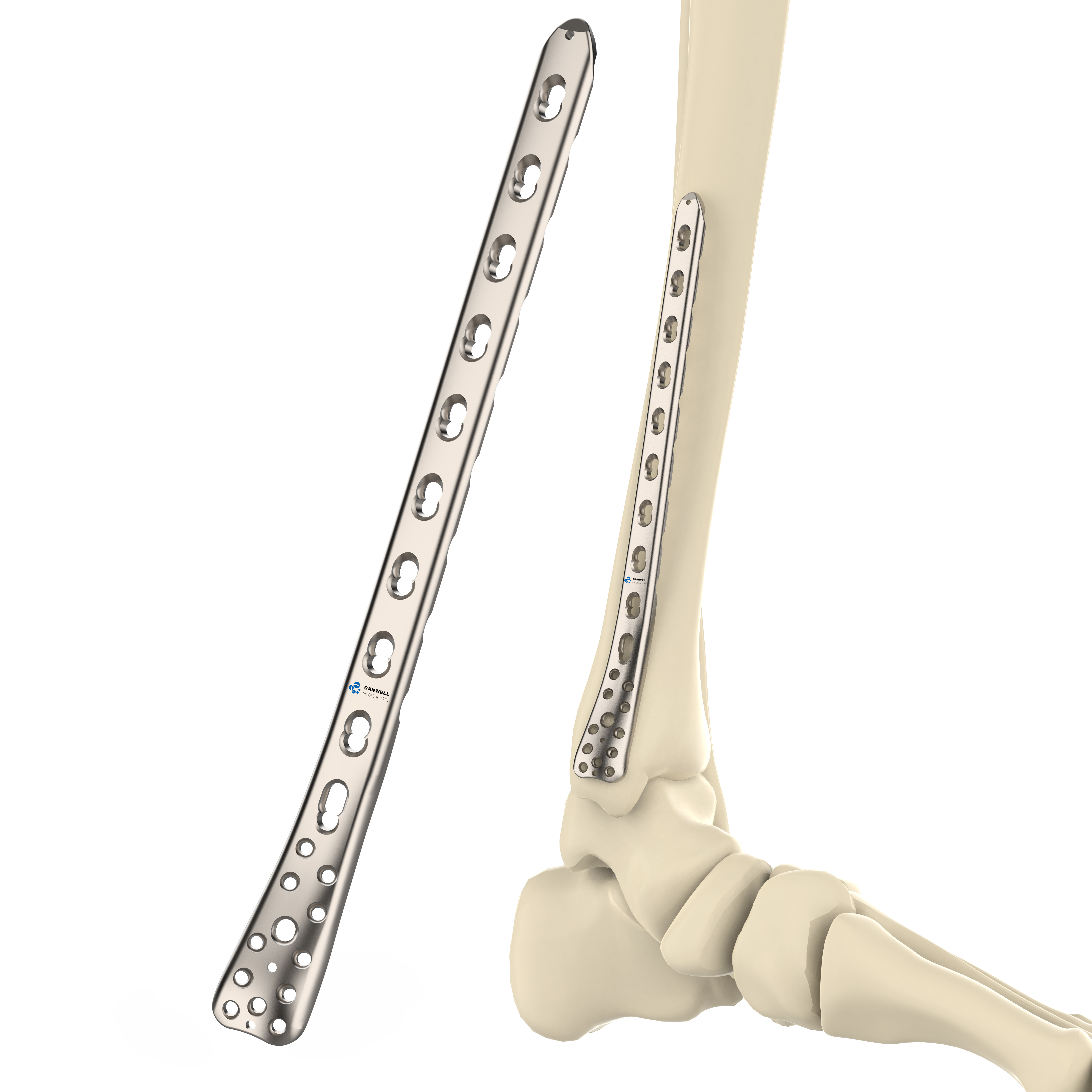
Distal Tibial Locking Plate Metaphyseal Compression System
Anatomically contoured Ti-6Al-4V plate preserving periosteal microcirculation with multi-directional angular stability for distal metaphyseal fractures.
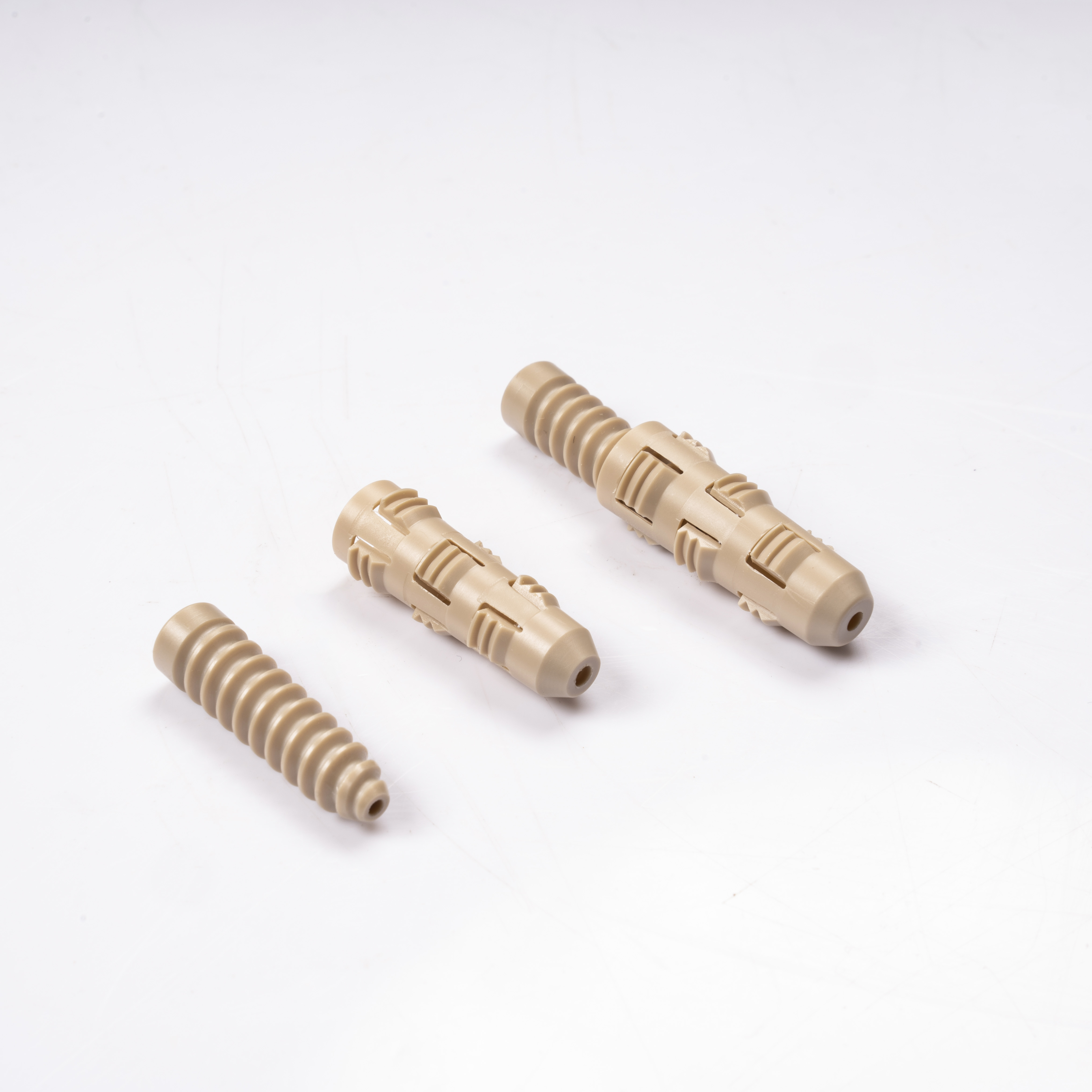
ACL/PCL Reconstruction PEEK Interference Screw
Bio-inert PEEK-OPTIMA construction ensuring artifact-free post-operative MRI imaging with sharp thread geometry for exceptional soft tissue graft fixation.
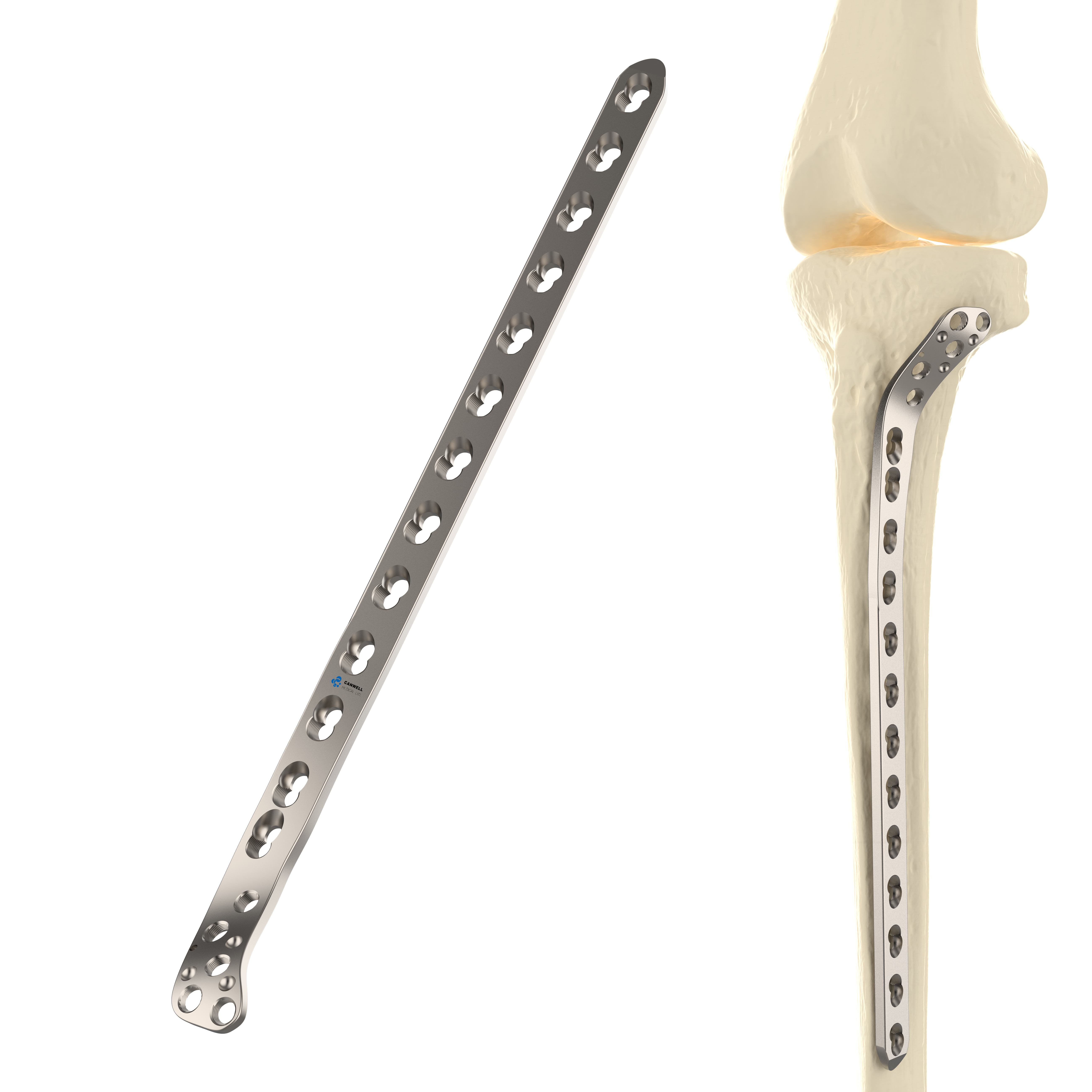
Proximal Lateral Tibial Locking Plate System (5.0mm)
Optimized subchondral screw raft trajectory stabilizing complex tibial plateau comminutions, compatible with variable locking constructs.
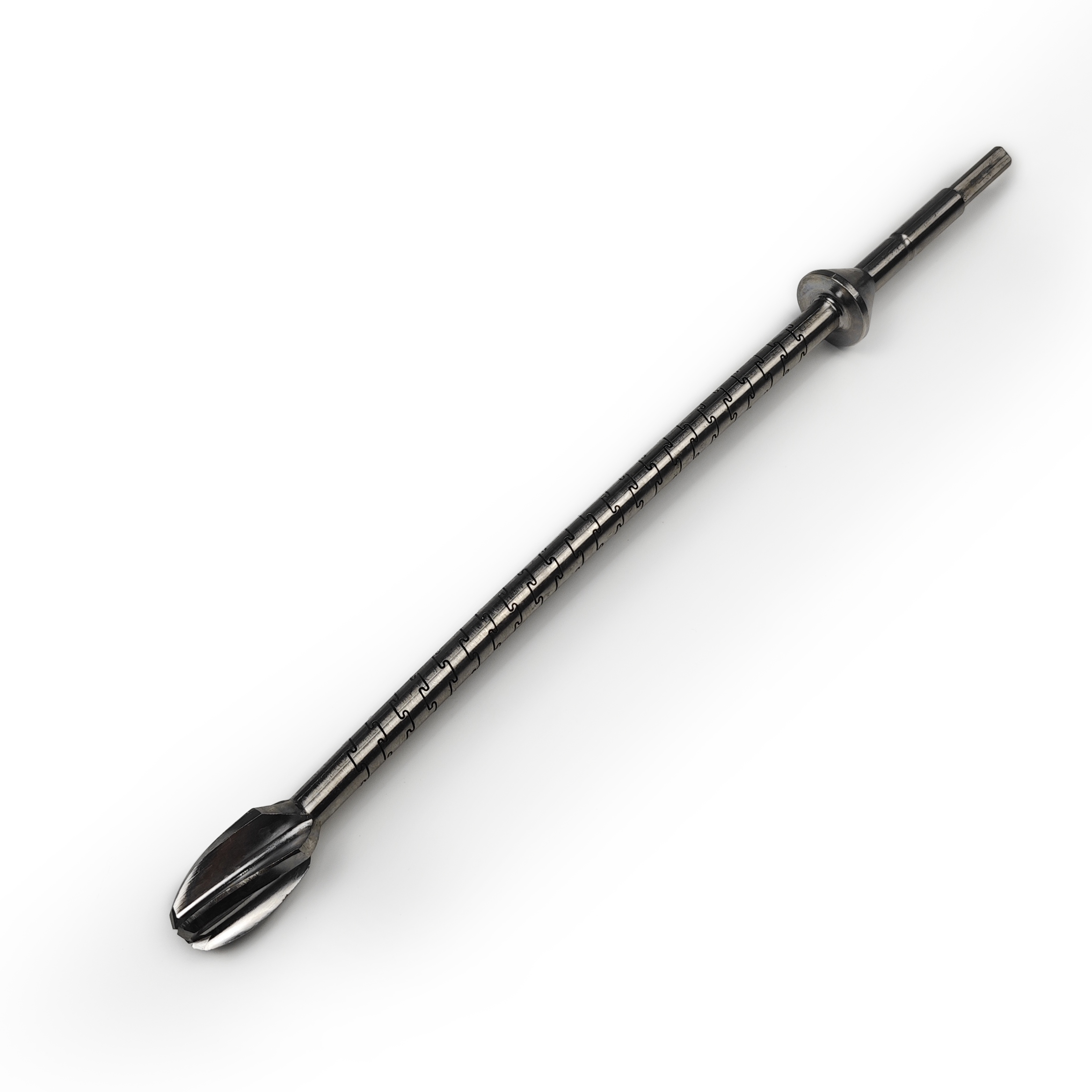
Flexible Reamer Sterilization Box for Intramedullary Surgery
Medical-grade anodized aluminum instrument tray with precise silicone holding tracks, engineered for rapid autoclave cycle turnaround in Nordic CSSDs.
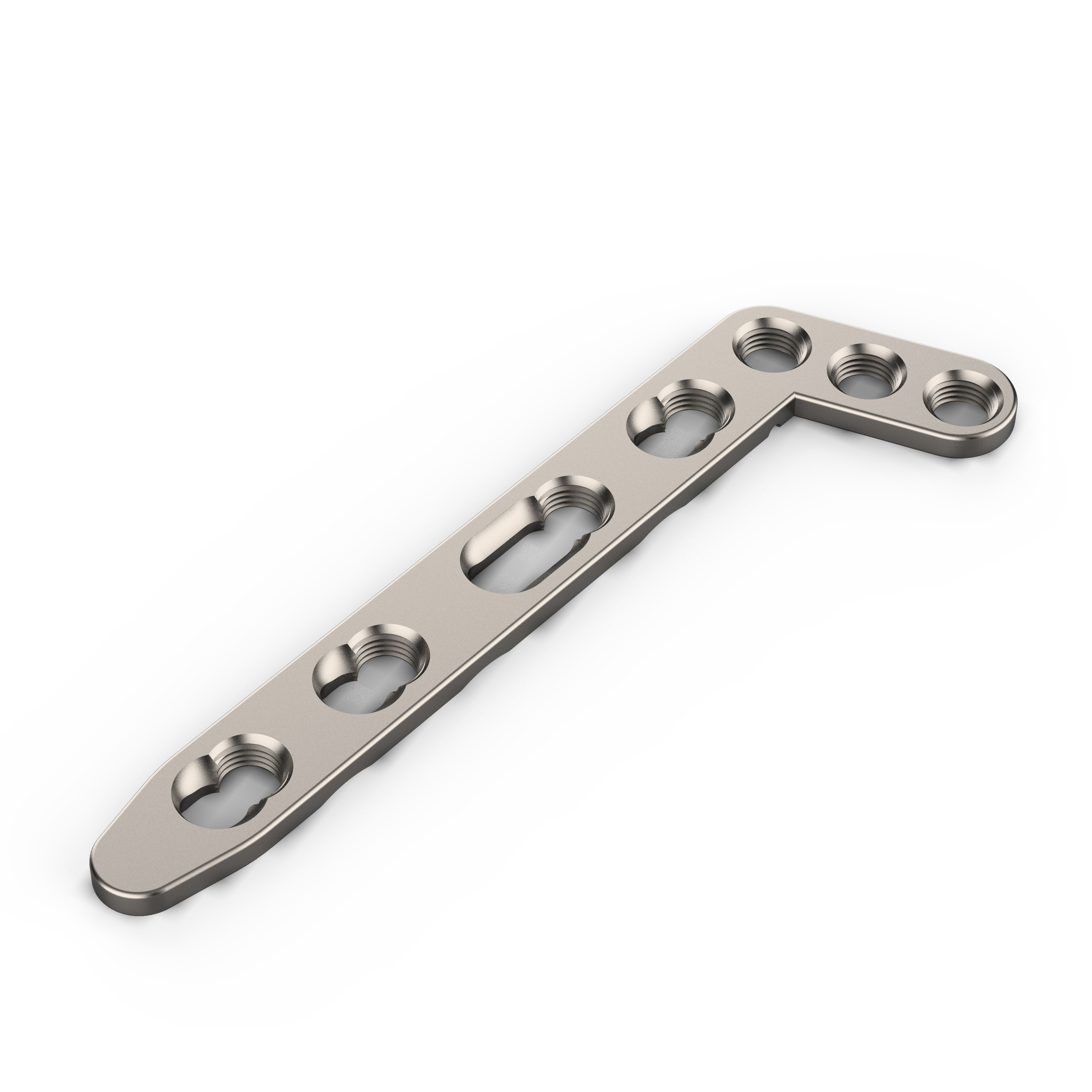
Distal Radius Dorsal/Volar Titanium Locking Plate
Low-profile anatomically designed wrist fixation system reducing extensor tendon irritation while ensuring exact buttressing of the lunate facet.
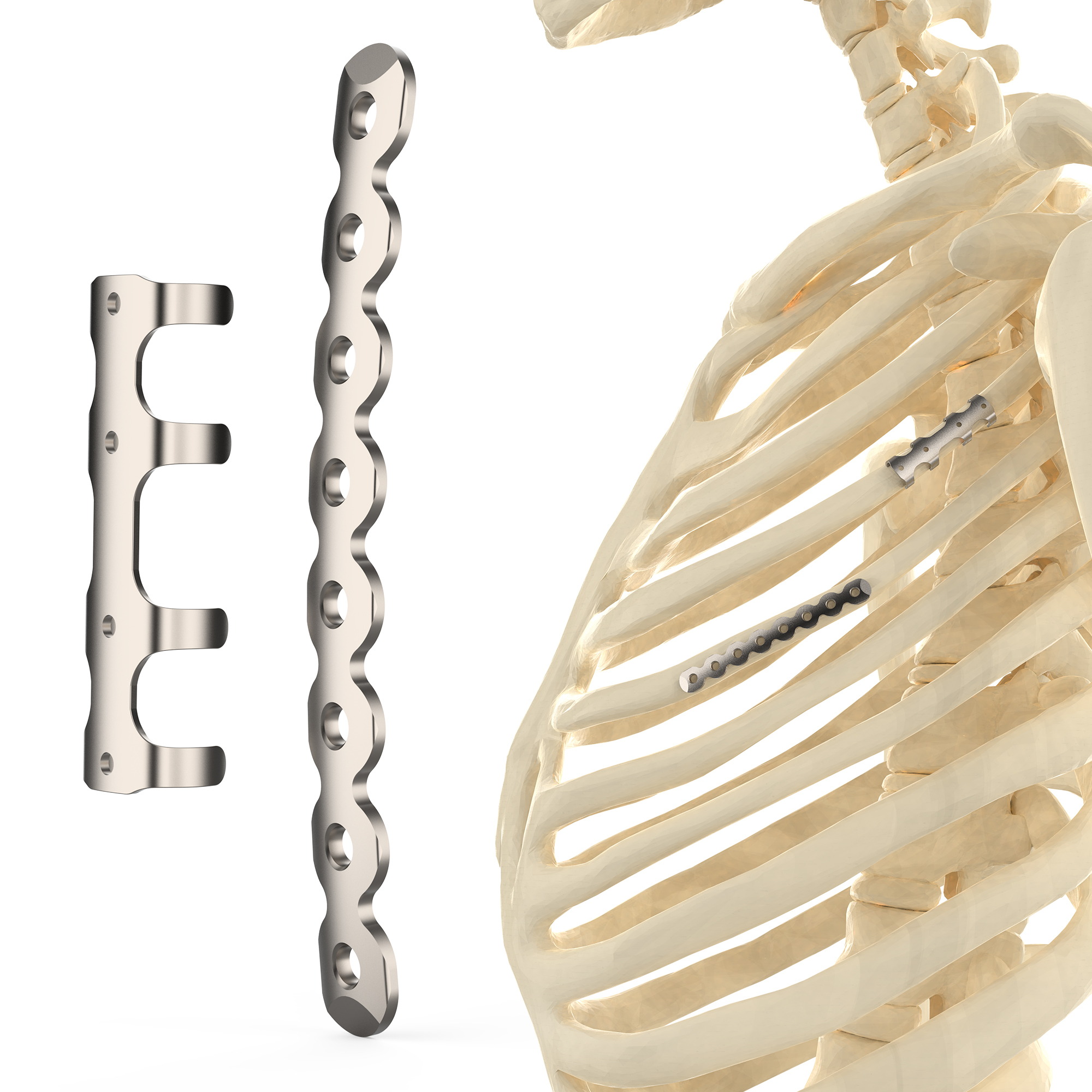
Titanium Rib Locking Plate System for Trauma Fixation
Ultra-flexible low-profile plate architecture engineered for severe flail chest reconstruction, providing stable fixation during physiological respiration.
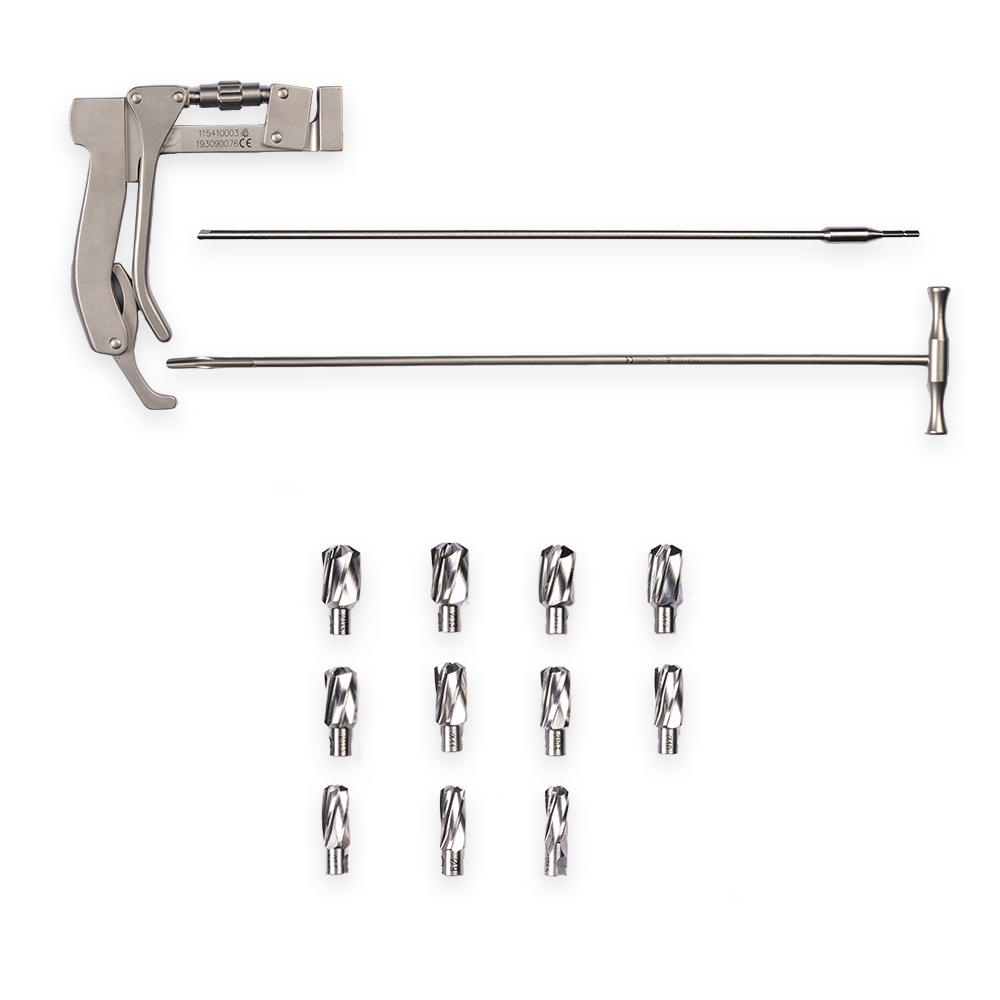
Orthopedic Flexible Reamer Set with Modular Drive Shaft
Low thermal generation head profile offering smooth intramedullary canal preparation, minimizing intramedullary pressure elevation during reaming.
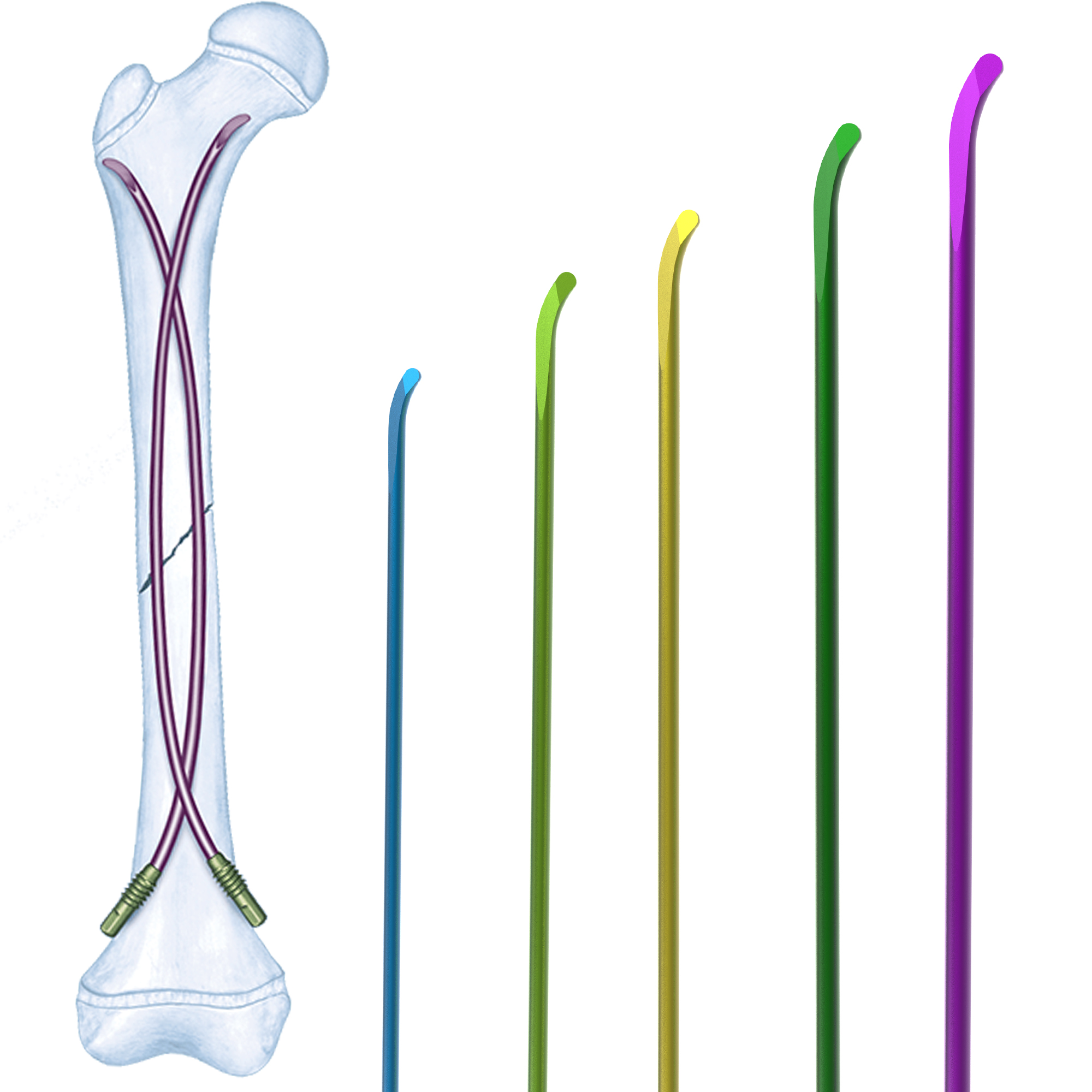
Titanium Elastic Stable Intramedullary Nail (TEN)
Biocompatible elastic intramedullary nails engineered for pediatric diaphyseal long bone stabilization without damaging active open epiphyseal plates.
Localized Surgical Application Scenarios Across Danish Healthcare
Addressing the demanding biomechanical challenges of trauma centers in Region Hovedstaden, Region Syddanmark, and Region Midtjylland through advanced metallurgical engineering and anatomically validated intramedullary geometries.
Geriatric Osteoporotic Fracture Fixation
With Denmark's expanding elderly demographic, proximal and intertrochanteric fractures present heightened risks of cut-out and secondary migration. Our cephalomedullary femoral nails feature helical blade options and dynamic-locking lag screws that distribute rotational and axial stresses evenly across porous cancellous bone, significantly decreasing surgical revision rates in Danish regional clinics.
High-Energy Polytrauma & Urban Road Accidents
Major trauma centers like Rigshospitalet and Aarhus University Hospital manage severe, comminuted diaphyseal femoral fractures resulting from industrial or vehicular impact. Our antegrade/retrograde titanium femoral nails provide exceptional torsional rigidity while maintaining the micro-motion necessary to promote secondary bone healing and rapid osteogenesis.
Minimally Invasive Retrograde Distal Stabilization
Surgical intervention for periprosthetic fractures above total knee arthroplasties (TKA) requires targeted distal locking. Our retrograde femoral nail configurations utilize low-profile distal multi-planar locking holes that secure narrow metaphyseal bone segments without interfering with preexisting femoral knee components.
Denmark Orthopedic Market & Sourcing Trends
Strategic procurement trends shaping hospital equipment tenders, regulatory requirements under EU MDR, and cost containment initiatives overseen by Danish healthcare authorities.
Amgros Centralization & Tender Rigor
Denmark's healthcare procurement is heavily consolidated through national bodies like Amgros. Hospital tenders require documented product endurance, guaranteed multi-year supply chain resilience, and competitive wholesale pricing without compromising surgical outcomes.
Comprehensive MDR (EU 2017/745) Adherence
Danish hospital authorities (Sundhedsstyrelsen) enforce strict adherence to MDR regulations. Suppliers must provide uncompromised Class IIb and Class III documentation, validated Notified Body auditing, and seamless Post-Market Clinical Follow-up (PMCF) registries.
Circular Instrument Sterilization & Ergonomics
Nordic operating room workflows prioritize reduced carbon footprints and streamlined tray sterilization. INAR provides modular, lightweight instrument cassettes designed for lower autoclave energy consumption and effortless surgical ergonomics.
| Biomechanical Attribute | INAR Medical Femoral Nail System | Standard European Competitors | Clinical Advantage for Danish Tenders |
|---|---|---|---|
| Raw Material Origin | Medical-Grade Titanium Alloy (Ti-6Al-4V ELI) ISO 5832-3 | Standard Ti-6Al-4V or 316L Stainless Steel | Superior fatigue strength, complete biocompatibility, and artifact-reduced MRI imaging |
| Cannulation Precision | Gun-drilled deep bore cannulation with ±0.02mm runout | Standard bore extrusion (±0.08mm) | Ultra-smooth guide wire tracking; prevents intraoperative binding in reamed canals |
| Surface Finishing | Type II Anodization + Micro-Bead Blasting | Standard Chemical Passivation | Drastically reduced fretting corrosion, increased endurance limit, zero chemical residues |
| Distal Locking Target | Carbon-Fiber Radiolucent Targeting Device (Translucent) | Metallic/Hybrid Jig Mechanisms | Instant C-Arm fluoroscopic alignment, decreasing surgeon and patient radiation dose |
Inside Our 29,523 m² Intelligent Production Facility
Operating across an end-to-end 13-stage manufacturing process audited onsite by SGS Group, INAR Medical eliminates quality compromises through in-house machining, cleanroom finishing, and rigorous mechanical endurance validation.
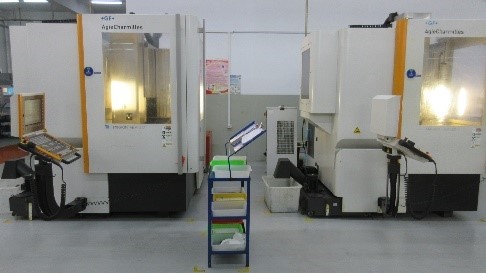 5-Axis CNC Center
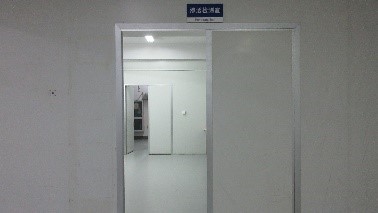 Penetrant Testing
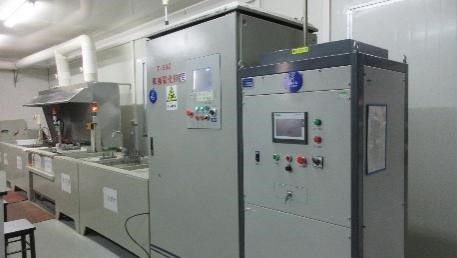 Color Anodization
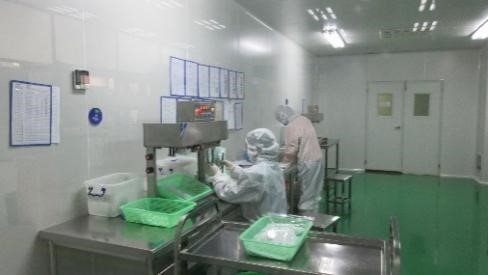 Aseptic Cleanroom
SGS-Verified Manufacturing
Independent onsite supplier audit validating true facility ownership, production equipment capacities, and operational integrity.
Full OEM & ODM Customization
Custom plate contours, radius bends, laser etched Danish identifiers, and specialized instrument trays manufactured directly from CAD/CAM specs.
Class 100,000 Aseptic Packing
Implant packaging performed under strictly controlled particulate and bioburden standards, ensuring compliance with EN ISO 11607.
Robust Global Export Supply
Over a decade of reliable export logistics serving European distribution partners, hospital networks, and tender winners seamlessly.
Frequently Asked Questions for Denmark Sourcing
Essential insights regarding technical documentation, CE certification, custom labeling, and Danish regulatory compliance.
Are your femoral nail systems and instruments certified under the European Medical Device Regulation (EU MDR)?
Can you support Danish private labeling (OEM) and custom instrument tray designs?
What metallurgical grades are utilized for your intramedullary nails and locking screws?
What is your minimum order quantity (MOQ) and production lead time for shipments to Copenhagen or Aarhus?
How does INAR ensure mechanical fatigue performance and distal aiming jig precision?
Partner with a Premier Chinese Orthopedic Manufacturer for Denmark
Direct factory pricing, comprehensive technical dossiers for Danish public tenders, and fully certified implant quality. Request full technical catalogs, biocompatibility files, or order an evaluation sample set today.