Clinical-Grade Hospital Beds & Medical Trolley Fleet
Engineered for high-throughput public tertiary centers, private surgical suites, and specialized clinics across Pakistan.
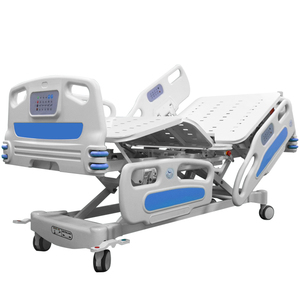
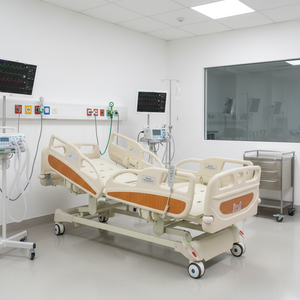
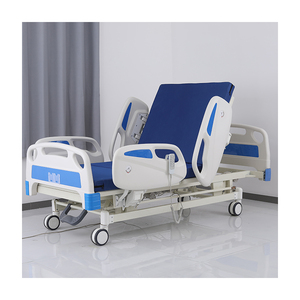
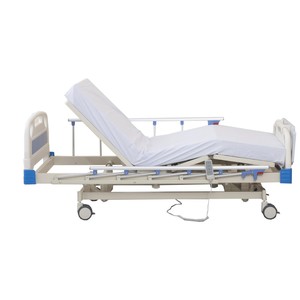
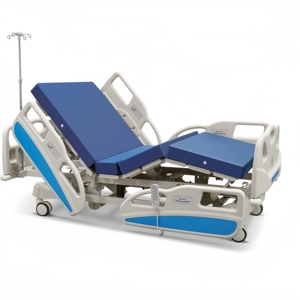
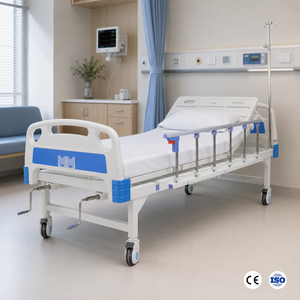
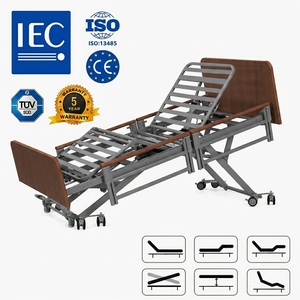
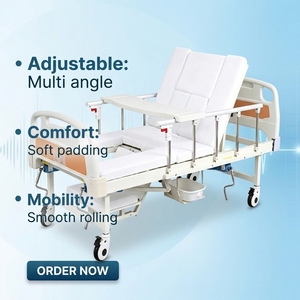
Export Benchmarks to Pakistan (2020–2026)
Demonstrated operational reliability across major medical hubs including Karachi, Lahore, Rawalpindi, and Islamabad.
Technical Executive Summary for Healthcare Procurement Directors
Pakistan's healthcare infrastructure is undergoing a massive modernization drive under public health expansion programs (such as the Sehat Sahulat Program) and private sector hospital expansions. Procurement managers facing tight capital budgets require direct B2B sourcing from certified Chinese manufacturers who can deliver DRAP (Drug Regulatory Authority of Pakistan) compliant, ISO 13485-certified medical trolleys, crash carts, and hospital bed furniture. This whitepaper details structural metallurgical choices, caster wheel engineering for high-humidity coastal zones like Karachi, customs tariff compliance, and OEM mass-customization workflows.
1. Macroeconomic Shift: Why Pakistani Hospitals are Sourcing Medical Trolleys & Equipment from China
Historically, Pakistani healthcare systems relied heavily on expensive European or North American medical furniture OEMs. However, escalating import tariffs, foreign exchange fluctuations, and high freight costs have driven procurement executives at public institutions (e.g., Mayo Hospital Lahore, Pakistan Institute of Medical Sciences - PIMS Islamabad) and private conglomerates (e.g., Aga Khan University Hospital, Shaukat Khanum Memorial, Doctors Hospital) toward direct Chinese OEM direct factory sourcing.
Modern Chinese medical trolley manufacturers have closed the technological gap by adopting automated robotic TIG welding, electrostatic anti-microbial powder coating lines, and modular ABS injection molding technology. By purchasing directly from OEM factories, Pakistani importers achieve an average of 40% to 60% capital expenditure savings while securing international certifications such as CE, FDA, and IEC 60601-2-52.
Modular ABS Polymer Integration
Utilizes high-impact engineering ABS polymers with seamless scratch-resistant surfaces. Resistant to aggressive hospital disinfectants such as sodium hypochlorite, isopropyl alcohol, and peracetic acid.
Corrosion-Resistant Metallurgy
Specially engineered structural frames using 304 grade stainless steel and cold-rolled steel with anti-rust phosphate pre-treatment. Ideal for high humidity in Sindh and coastal regions.
Tropicalized Quiet Castors
Equipped with 5-inch medical-grade swivel castors featuring dust covers and precision ball bearings. Smooth, noise-free transportation (<45 dB) with step-on dual control locking pedals.
Localized Application Scenarios in Pakistani Healthcare Facilities
Custom-engineered trolley configurations solving specific workflow bottlenecks in local medical environments.
Emergency Resuscitation & Crash Trolleys (High-Throughput ERs)
Deployment: Civil Hospital Karachi, Mayo Hospital Lahore Emergency DeptsIn high-volume public emergency rooms across Pakistan, rapid mobility and instant tool accessibility are critical. Our emergency crash carts come pre-configured with a top-mounted 360-degree swivel defibrillator shelf, integrated oxygen cylinder bracket, cardiac CPR board, sliding writing tray, and central breakaway lock seal.
Key Engineering Spec: Color-coded drawer partitioning (ISO standard red/yellow emergency drawers) allows local nursing staff to execute code-blue protocols without delay.
Anesthesia & Surgical Operating Theatre Trolleys
Deployment: Private Surgical Towers in Islamabad & RawalpindiCleanroom-grade anesthesia carts engineered with multi-tier tilt bins for medication storage, needle disposal container mounts, and stainless steel top guardrails. The dust-sealed drawer slides utilize self-closing soft-touch rails to maintain acoustic silence inside active operating theaters.
Key Engineering Spec: Non-marking thermoplastic rubber (TPR) castors prevent floor scuffing on specialized epoxy hospital flooring.
Medication Distribution & Nursing Station Utility Carts
Deployment: Inpatient Wards & Maternity Clinics NationwideFor routine round nursing care, multi-drawer medication distribution carts provide keycard or digital code security to manage controlled substances. Integrated biohazard waste bins and double-sided push handles facilitate efficient floor coverage during shift changes.
Key Market & Sourcing Trends in Pakistan's Healthcare Sector
1. Universal Healthcare Access Expansion (Sehat Card Driven)
The expansion of provincial health coverage initiatives (e.g., Khyber Pakhtunkhwa & Punjab Sehat Sahulat Program) has accelerated bed-capacity upgrades. Public hospitals are tendering large-scale contracts for standardized medical furniture, prioritizing high durability, low maintenance costs, and rapid factory lead times.
2. Demand for Flat-Pack & Knock-Down (KD) Shipping Designs
With rising sea freight costs to Port Qasim and Karachi Port, Pakistani importers increasingly demand knock-down (KD) modular medical trolley designs. KD structures cut shipping volume by up to 60%, drastically lowering per-unit landed costs while allowing simple assembly via standardized hardware.
3. Heightened DRAP & Customs Regulatory Scrutiny
Customs authorities and the Drug Regulatory Authority of Pakistan (DRAP) have tightened enforcement on medical device import licensing (Form 6 / Form 7 compliance). Sourcing from factories with fully audited ISO 13485 test reports and factory inspection certificates ensures seamless customs clearance at Pakistani ports.
4. Growth of OEM Private Labeling for Local Medical Distributors
Leading medical supply distributors in Lahore, Karachi, and Peshawar are partnering with Chinese factories to produce customized branded product lines. Custom silk-screen logos, unique drawer color matching, and localized Urdu user manuals are becoming standard OEM requirements.
Frequently Asked Questions for Pakistani Medical Equipment Buyers
Practical solutions for customs tariffs, DRAP registration, logistics, and bulk order customization.
1. What certifications are required to import medical trolleys and beds into Pakistan?
To import medical equipment into Pakistan, importers must register with DRAP (Drug Regulatory Authority of Pakistan) under Medical Devices Rules. Essential factory documents include ISO 13485 Quality Management System Certification, CE Certificate of Conformity, Free Sale Certificate (FSC), and full factory test reports (IEC 60601-2-52 for hospital beds). Our export team provides full document packages for DRAP Form 6 submission.
2. What are the typical lead times and sea freight routes from China to Karachi ports?
Standard manufacturing lead time for full-container-load (FCL) orders of medical trolleys and hospital beds is 15 to 25 days. Transit time via direct shipping lines from Ningbo, Shanghai, or Shenzhen to Karachi Port (KICT/PICT) or Port Qasim typically ranges between 14 to 18 days, ensuring fast replenishment schedules for local supply contracts.
3. Can you manufacture knock-down (KD) packed trolleys to minimize freight cost?
Yes. We offer fully modular Knock-Down (KD) packaging for all emergency carts, medication trolleys, and manual beds. KD packaging reduces CBM (cubic meter) space by up to 60%, allowing importers to fit significantly more units inside 20GP or 40HQ containers, substantially reducing freight expenditure per unit.
4. What HS Codes apply to medical trolleys and hospital beds for Pakistani customs tariff calculations?
Medical beds and specialized medical trolleys typically fall under HS Code 9402.90.90 (Operating tables, hospital beds with mechanical fittings, and medical furniture). Importers should consult their local customs clearing agent in Karachi regarding applicable Customs Duty, Additional Customs Duty (ACD), Sales Tax, and Income Tax withholding rates applicable under the current Pakistan Federal Board of Revenue (FBR) tariff schedule.
5. Do you support OEM customization for tenders issued by Pakistani government health departments?
Absolutely. We regularly assist Pakistani partners with tender compliance. We offer custom dimensions, color-coded ABS drawers, customized branding/silk-screening, specific castors options (central braking vs individual locking), and specialized accessories (defibrillator mounts, IV pole clips, cardiac boards) tailored to public health tender specifications.
6. How do you ensure product durability against Pakistan's hot and humid coastal environment?
Our metal framework undergoes a rigorous multi-stage pre-treatment process: degreasing, rust-removal pickling, surface phosphatizing, and electrostatic epoxy anti-microbial powder coating (baked at 200°C). Key structural joints utilize 304 stainless steel, preventing oxidation even in humid coastal areas like Karachi.
Why Partner With Our Medical Trolley & Hospital Equipment Manufacturing Base
25+ years of precision engineering, strict ISO 13485 quality protocols, and deep experience serving the South Asian medical market.
Rigorous Testing Protocol
Every unit passes load-bearing tests (up to 250kg static pressure), salt-spray corrosion tests, castor endurance trials, and structural impact tests before dispatch.
Tailored Design Engineering
Custom mold manufacturing, specific color codes for ward differentiation, customized branding, and personalized packaging options for hospital distributors.
Streamlined Port Clearance
Complete export documentation (CO, Form E for preferential trade agreements, certified invoice legalization) optimized for swift clearance in Karachi.