Featured Surgical Implants & Specialized Instrumentation Kits
Hospital-grade titanium and bioabsorbable fixation systems engineered under automated 5-axis CNC tolerances, serving regional trauma departments, orthopaedic surgical centers, and university clinics across Austria.
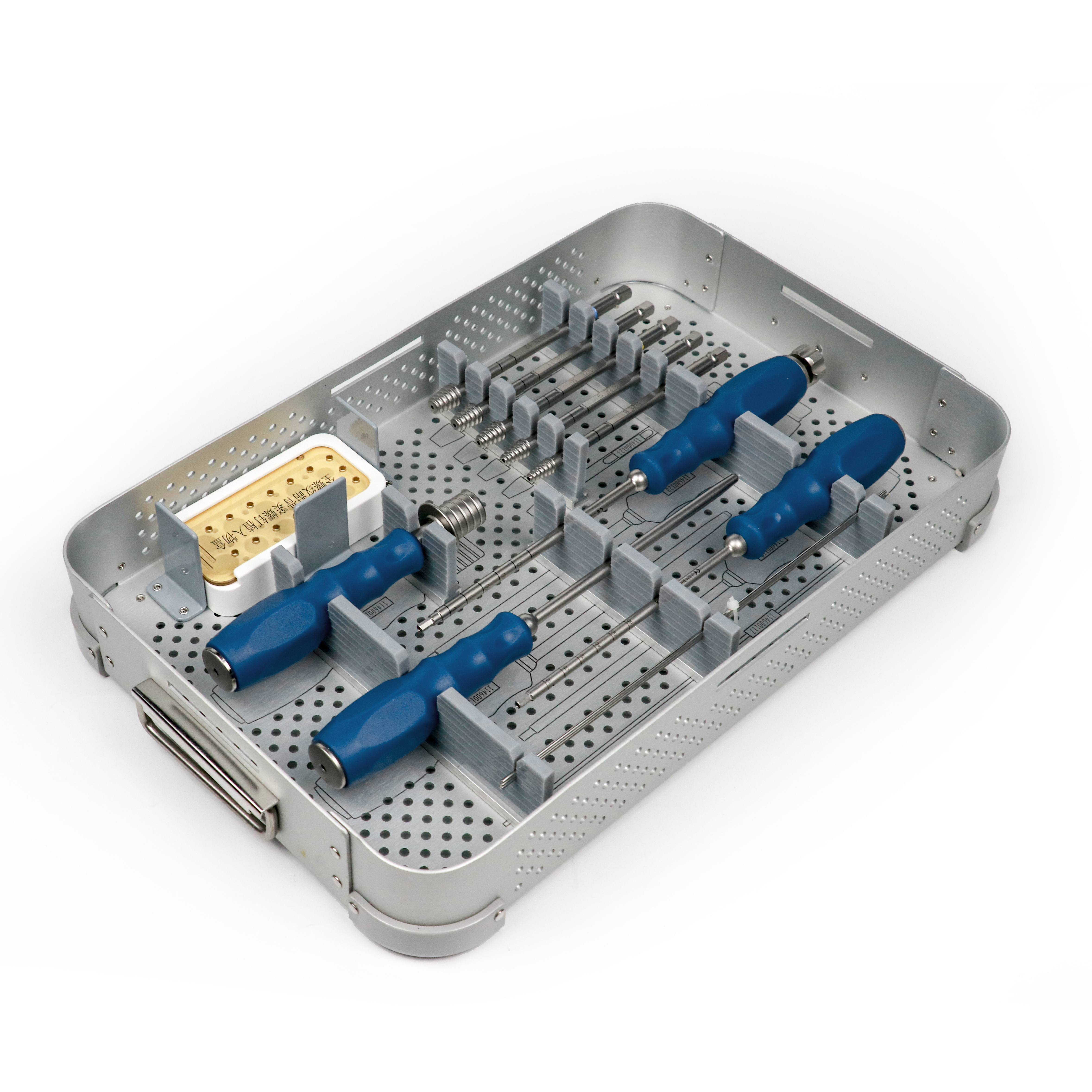
CANWELL Sinus Tarsal Locking Screw Titanium Implant (2.4/2.7mm)
Medical-grade Ti6Al4V ELI alloy engineered for subtalar joint arthroereisis and sinus tarsi stabilization. Low-profile head prevents soft tissue impingement with self-tapping thread geometry.
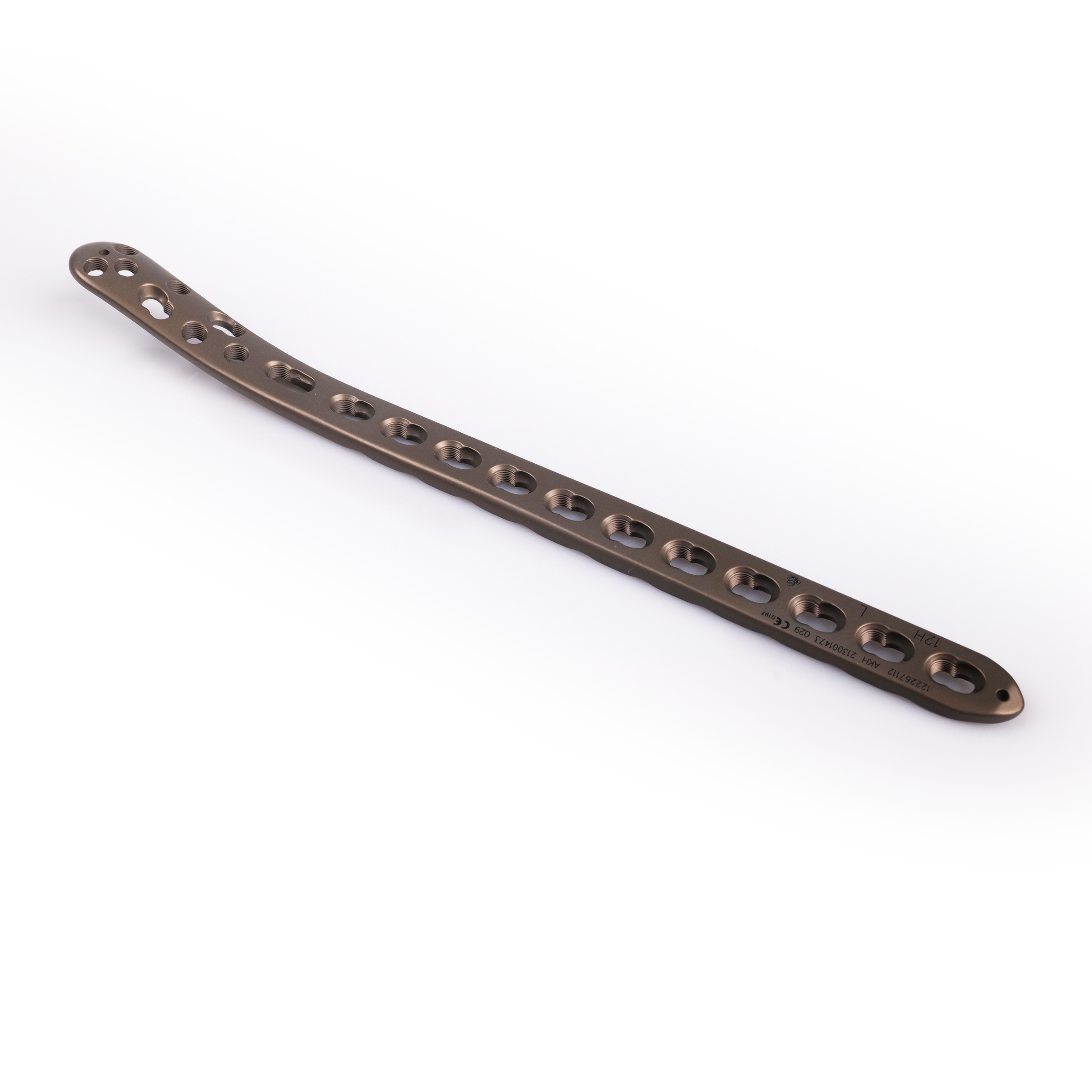
CANWELL Distal Medial Tibial Locking Plate Titanium System
Anatomically pre-contoured pilon fracture fixation plate featuring combi-holes for variable-angle locking and cortical compression. Polished low-profile edges preserve periosteal blood supply.
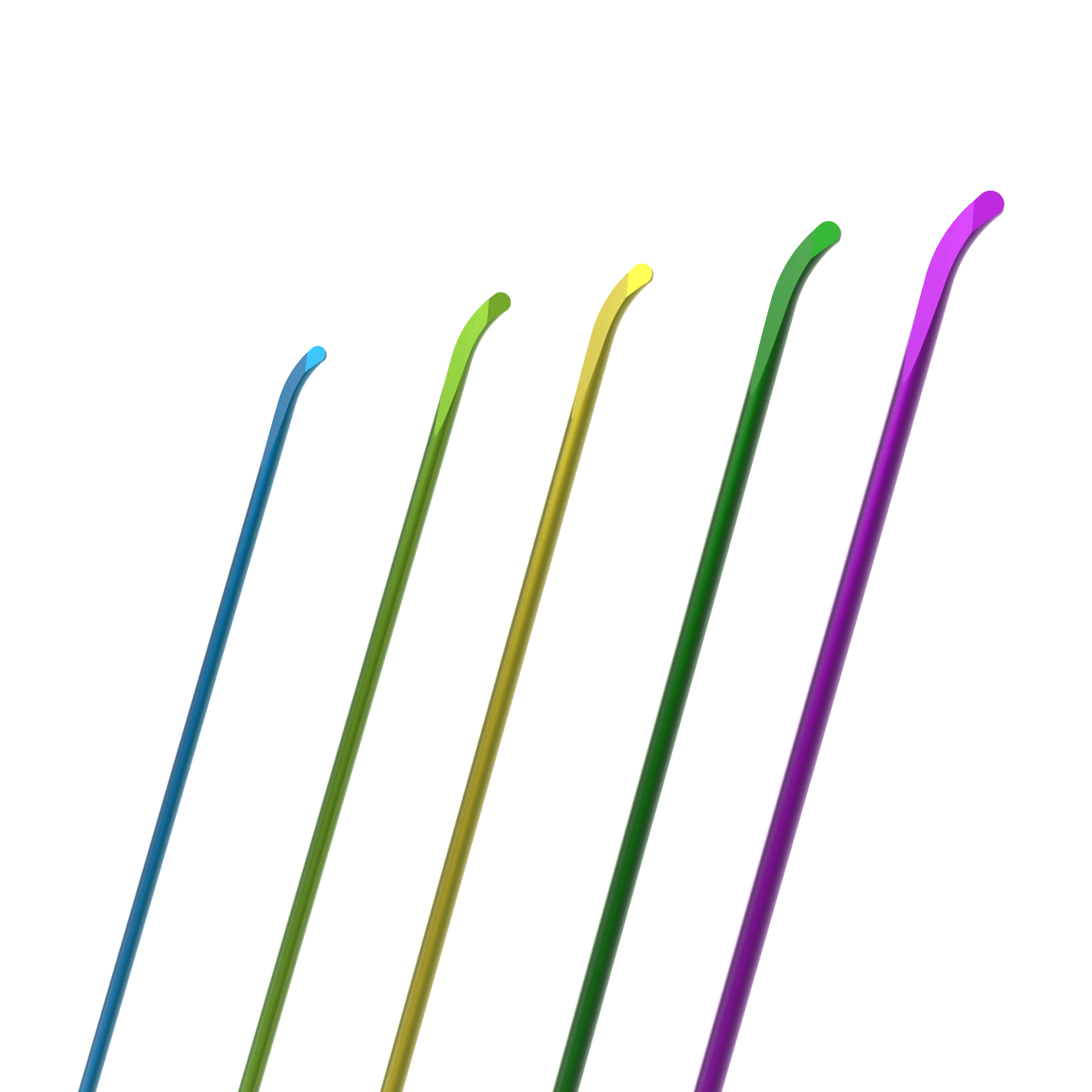
CANWELL Titanium Elastic Nails (TEN) Flexible Nail & Instrument Set
Minimally invasive elastic intramedullary stabilization for diaphyseal long-bone fractures in children and adolescents. Complete with ergonomic inserters, cutters, and curved bevel tips.
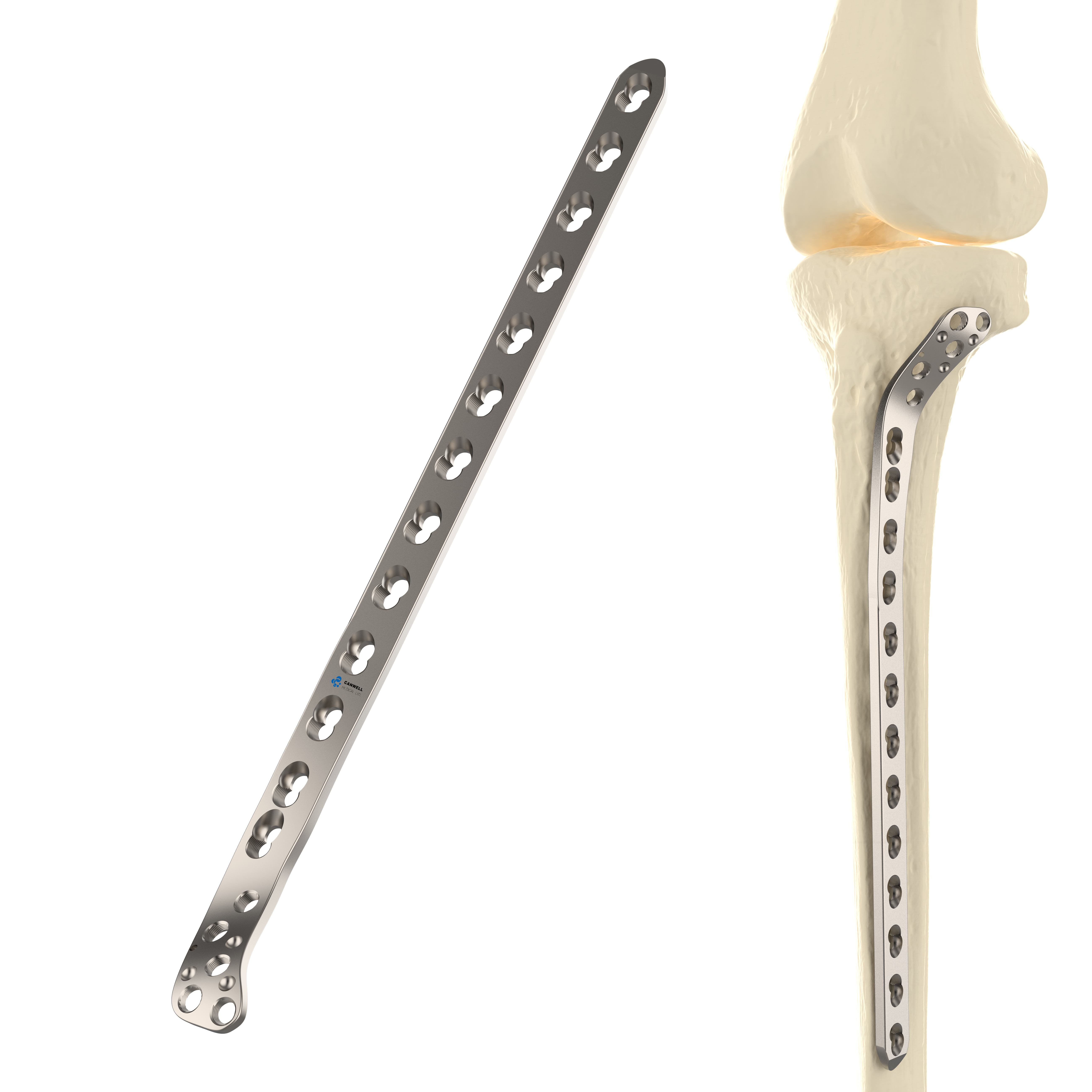
CANWELL Proximal Lateral Tibial Locking Plate (5.0mm Screw System)
Engineered for intra-articular tibial plateau bicondylar and split fractures. Multi-directional screw trajectories allow subchondral buttressing and stable axial load transference under heavy stress.
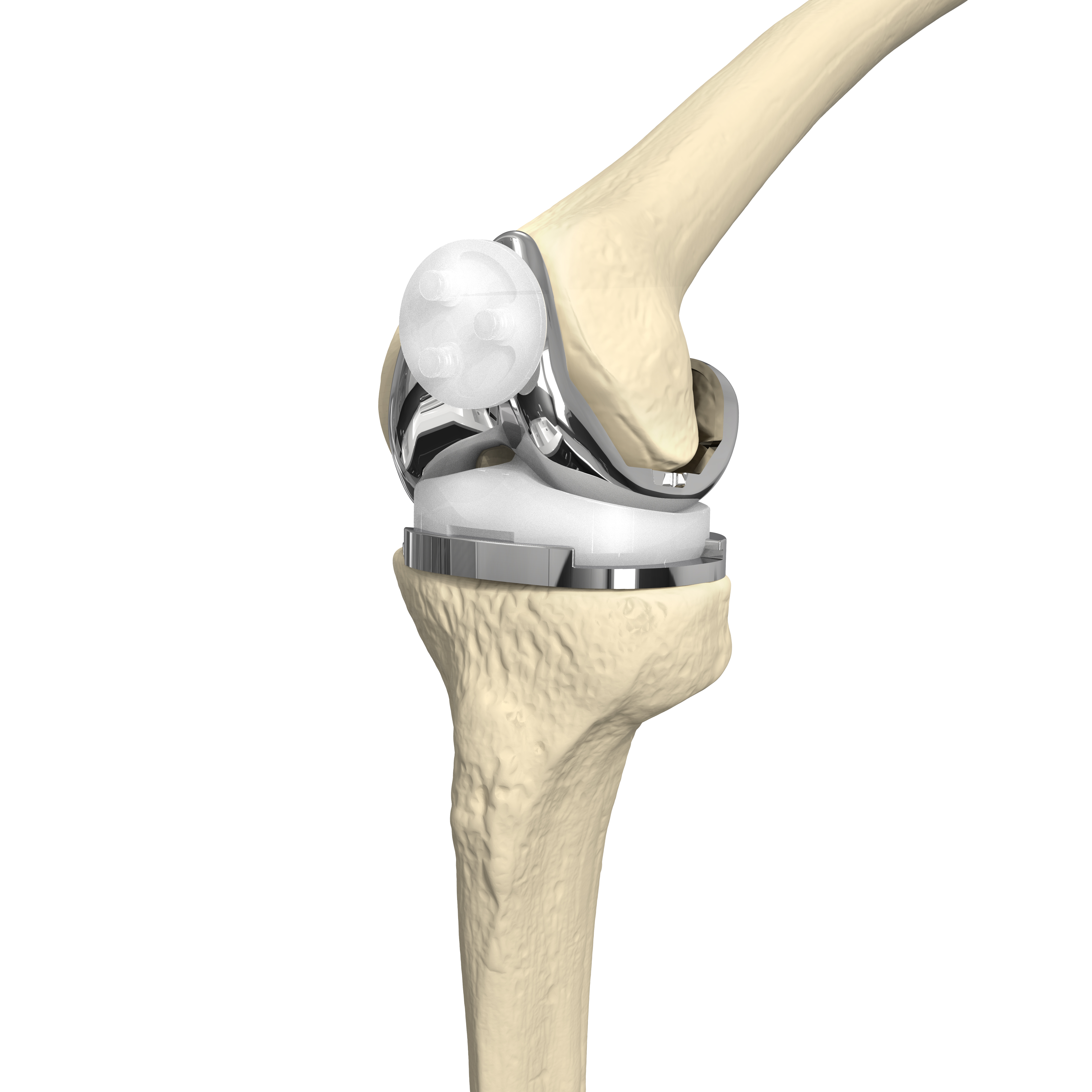
CANWELL Primary Total Knee Replacement Kit (CoCrMo Joint System)
Cobalt-Chromium-Molybdenum (CoCrMo) alloy femoral component coupled with premium UHMWPE tibial insert. High kinetic congruence replicates natural rollback with minimal polyethylene wear debris.
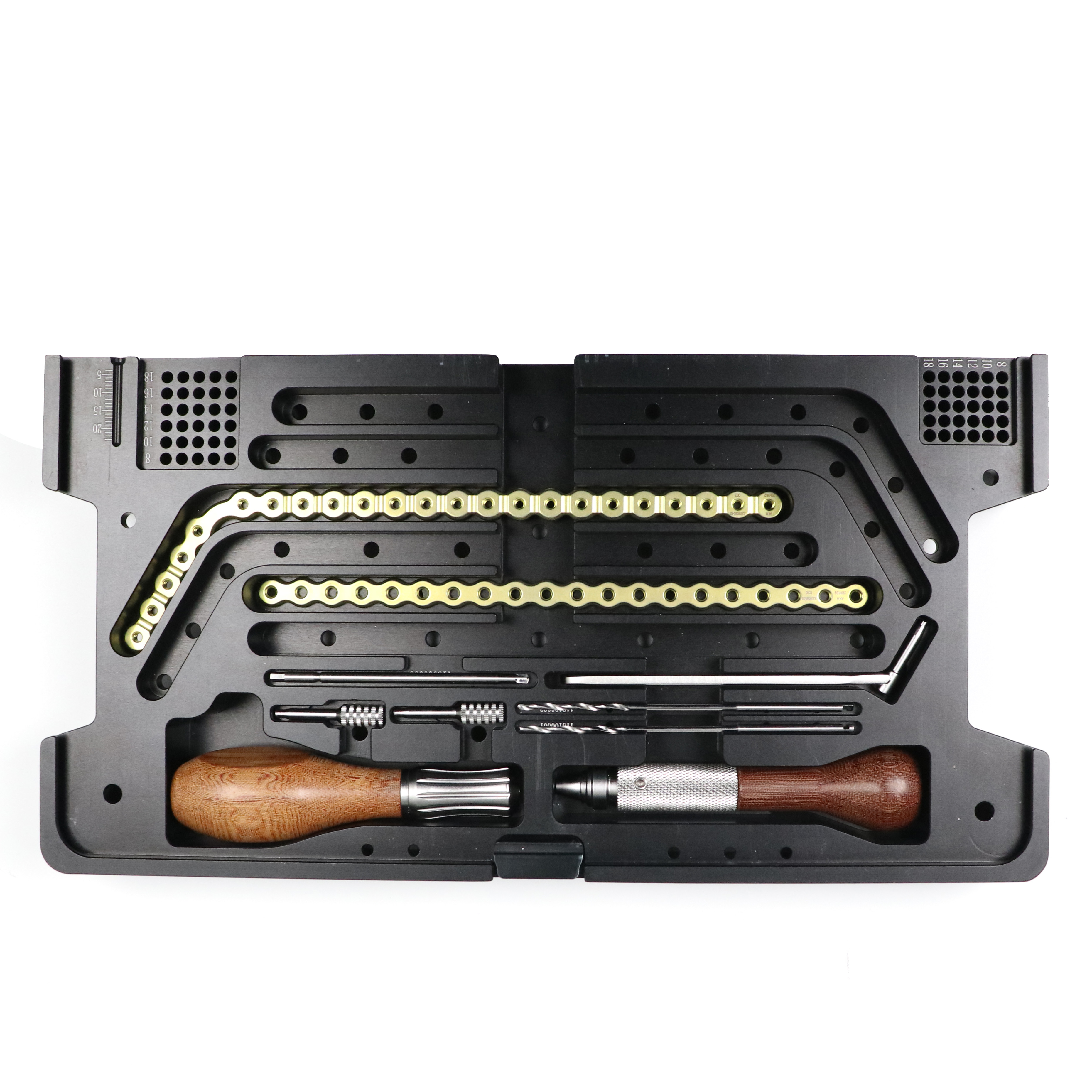
CANWELL Maxillofacial Surgery Instrument Set & Titanium Mesh Kit
Micro and mini-bone fixation suite containing precision bone screwdrivers, drills, plate cutters, and 3D malleable titanium cranial/mandibular reconstructive mesh plates.
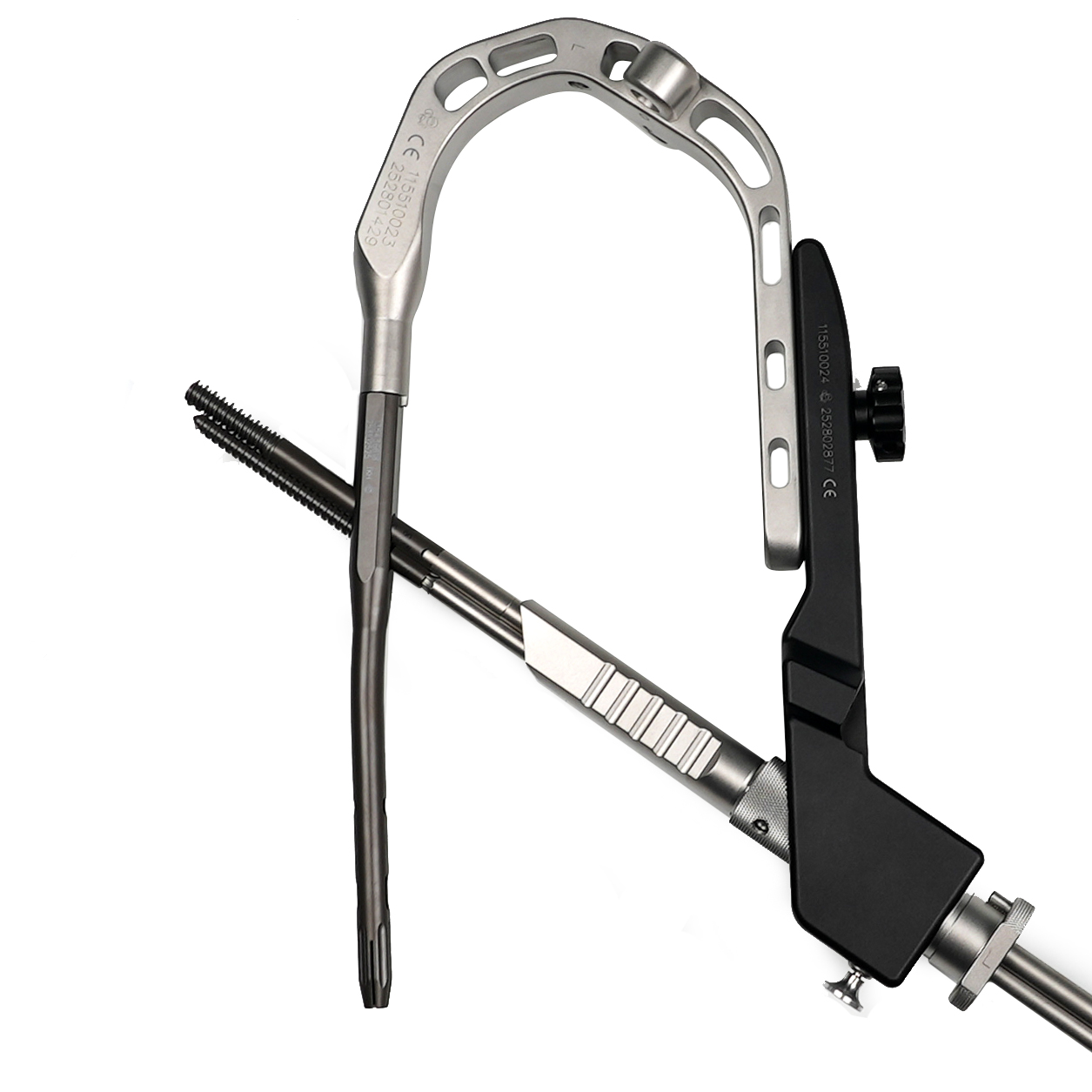
CANWELL Titanium Femoral Interlocking Intramedullary Nails
Antegrade and retrograde interlocking nails with targeted distal aiming guides. Built with medical titanium alloy to optimize stress distribution and accelerate osteosynthesis in severe femur shaft breaks.
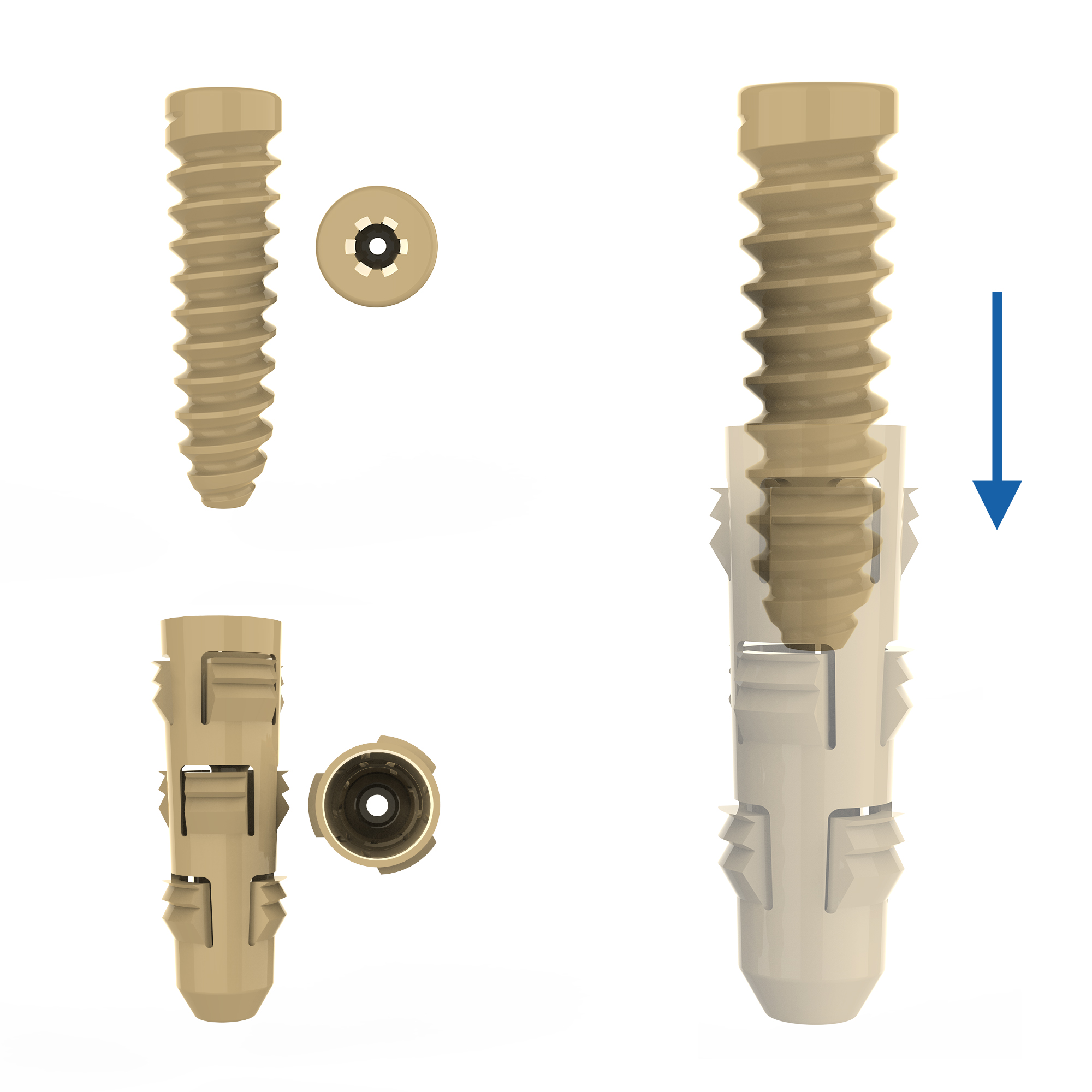
CANWELL PEEK Interference Screw for ACL/PCL Reconstruction
Radiolucent PEEK-OPTIMA interference screw with blunt thread geometry. Eliminates graft laceration while securing bone-patellar tendon-bone or hamstring soft-tissue autografts under high torque.
Spinal & Orthopedic Instrumentation Architecture for Land Salzburg
Balancing high-energy alpine polytrauma, complex thoracolumbar fracture management, and geriatric degenerative spine reconstructions in Austria’s specialized surgical hubs.
The Federal State of Salzburg occupies a uniquely demanding position in Central European clinical orthopedics. Anchored by premier academic and level-1 trauma healthcare institutions—including the Universitätsklinikum Salzburg (SALK - Uniklinikum Salzburg), the AUVA Unfallkrankenhaus Salzburg, and academic research clusters driven by the Paracelsus Medical University (PMU)—the regional clinical ecosystem manages extreme variations in surgical pathologies. Surgical departments in Salzburg and adjoining Alpine regions (such as Zell am See, St. Johann im Pongau, and Tamsweg) encounter high seasonal peaks in severe rotational, burst, and compressive spinal fractures caused by high-velocity skiing, snowboarding, and mountaineering accidents.
In high-energy alpine trauma, such as AO Spine Type A3/A4 burst fractures and Type B/C distraction-rotation dislocations of the thoracolumbar junction (T11–L2), surgeons demand spinal instrumentation with immediate biomechanical rigidity. Posterior pedicle screw systems must deliver high pullout strength, multi-axial angular flexibility up to 60 degrees, and seamless integration with minimally invasive surgery (MIS) percutaneous rod introduction towers. Concurrently, the regional demographic of Salzburg Land is experiencing significant aging, precipitating a steep increase in osteoporotic degenerative disc disease, adult lumbar scoliosis, and degenerative spondylolisthesis requiring transforaminal lumbar interbody fusion (TLIF) or anterior cervical discectomy and fusion (ACDF).
Alpine Winter Sports Polytrauma
Rapid percutaneous thoracolumbar stabilization, long-arm MIS pedicle screw fixation, and posterior decompressions executed within hyper-acute trauma protocols at Salzburg AUVA and regional emergency emergency surgical facilities.
Geriatric Degenerative Fusion
Radiolucent PEEK interbody fusion cages paired with fenestrated pedicle screws adapted for polymethylmethacrylate (PMMA) bone cement augmentation, mitigating screw loosening in osteoporotic bone beds across Austrian patients.
Sports Medicine & Extremity Trauma
Complementary reconstructive devices: Bioabsorbable PLGA/PEEK interference screws for ACL tears sustained on the slopes, alongside distal tibia and radius anatomic locking plates for high-impact articular fractures.
Austrian Regulatory Dynamics & The EU MDR 2017/745 Transformation
Overcoming the critical bottleneck in European implant supply through rigorous technical documentation, EUDAMED registration, and BASG compliance.
The enforcement of the European Medical Device Regulation (EU MDR 2017/745) has fundamentally restructured the procurement economics for orthopedic and spinal devices across the European Union. In Austria, the Federal Office for Safety in Health Care (Bundesamt für Sicherheit im Gesundheitswesen - BASG) and the Austrian Medical Devices Act (Medizinproduktegesetz 2021 - MPG 2021) impose rigorous post-market surveillance (PMS), clinical evaluation reports (CER), and unbroken Unique Device Identification (UDI) tracking from factory floor to patient chart.
This stringent regulatory environment has caused numerous legacy European boutique implant suppliers to rationalize catalogs, discontinue niche sizes, or artificially inflate prices by 35% to 50% to absorb regulatory certification overhead. Consequently, procurement authorities within hospital operating groups—such as the Salzburger Landeskliniken Holding (SALK) and private Austrian healthcare consortia—are actively restructuring their supply chains. They require direct partnerships with large-scale, accredited Asian manufacturers that not only satisfy ISO 13485:2016 and EU MDR Class IIb / Class III conformity assessments but also possess the manufacturing scale to insulate Austrian hospitals from chronic supply shortages.
| Regulatory Parameter | EU MDR (EU 2017/745) / BASG Standard | Zhejiang INAR / CANWELL Manufacturing Execution | Compliance Status |
|---|---|---|---|
| Biocompatibility Validation | ISO 10993-1, 10993-5, 10993-10 Cytotoxicity & Sensitization | High-purity ASTM F136 Ti6Al4V ELI & Invibio PEEK-OPTIMA resin with full metallurgical melt certificates. | Verified Compliant |
| Mechanical Fatigue Endurance | ASTM F1717 (Spinal Constructs), ASTM F1798 (Connection Interconnection) | In-house dynamic multi-axial cyclic fatigue loading running past 5,000,000 cycles without plastic deformation. | Verified Compliant |
| Sterility & Packaging Barrier | ISO 11607-1/2, ASTM F1980 Accelerated Aging (5-Year Shelf Life) | Class 10,000 (ISO Class 7) cleanroom sealing; dual Tyvek blister packaging with calibrated heat seals. | Verified Compliant |
| Device Traceability (UDI) | EUDAMED compliant GS1 DataMatrix laser engraving on each implant | High-contrast fiber laser etching featuring Basic UDI-DI, Lot Number, and automated 2D matrix barcode. | Verified Compliant |
| Audit Verification | European Notified Body on-site assessment & MDSAP | SGS on-site comprehensive audit verification, CE marking under 93/42/EEC and MDR transition protocols. | Verified Compliant |
State-of-the-Art Production & Mechanical Integrity Assurance
Operating across 29,523 square meters of precision CNC machining centers, automated anodizing, and multi-stage ultrasonic de-greasing in Zhejiang, China.
Reliability in spinal surgery is non-negotiable. A pedicle screw fracture, crosslink loosening, or interbody cage subsidence directly leads to secondary revision surgeries, severe patient morbidity, and catastrophic liability. Zhejiang INAR Medical Co., Ltd. (operating CANWELL Medical manufacturing infrastructure) operates an uncompromising quality management system backed by over 22 years of dedicated orthopedic manufacturing expertise and 632 skilled production associates.
Our Jinhua production campus leverages imported Swiss-type multi-axis CNC lathes (Citizen, Star) and 5-axis German machining centers (DMG MORI), ensuring thread profile tolerances within ±0.005mm. Spinal rods, pedicle screws, locking plates, and intramedullary nails undergo continuous in-process optical verification via high-magnification coordinate measuring machines (CMM). Every manufacturing stage—from initial bar stock longitudinal cutting to final sterile barrier pouching—is executed in-house.
1. Material Sourcing & Analysis
Medical-grade titanium (Grade 5 Ti6Al4V ELI per ASTM F136) and pure medical PEEK polymers. Ultrasonic flaw detection guarantees that bar stock is free of internal porosity, inclusions, or crystalline micro-fractures prior to CNC milling.
2. Precision Machining & Micro-Finishing
Multi-spindle synchronous milling machines execute reverse-angle buttress threading, polyaxial friction heads, and self-drilling screw flutes. Specialized tumbling and robotic mechanical polishing eliminate surface burrs.
3. Surface Treatment & Passivation
State-of-the-art Type II anodization creates a chemically inert, dense titanium dioxide passivation layer that improves corrosion resistance and optimizes osteoblast adhesion while preserving vivid, size-coded color indexing.
4. Class 100k Aseptic Packaging
Cleanroom processing with multi-stage ultrasonic de-ionized water washing cycles removes particulate oils and bio-burden. Dual-sterile blister packaging with medical-grade Tyvek lids ensures long-term sterile integrity.
Optimizing B2B Procurement: Total Cost of Ownership (TCO) for Austrian Partners
Direct manufacturer-to-distributor collaboration reduces intermediary markups, secures tender competitiveness, and guarantees customized surgical instrumentation kits.
Purchasing directors, orthopedic hospital consortium buyers, and medical distribution partners in Salzburg face increasing budgetary scrutiny under Austrian social health insurance billing structures (LKF - Leistungsorientierte Krankenanstaltenfinanzierung). Sourcing spinal instrumentation directly from our audited manufacturing base in China eliminates Tier-1 multinational OEM markups that frequently exceed 300% to 500% over production cost.
We provide medical distributors in Salzburg Land, Tyrol, Upper Austria, and neighboring Bavaria (Germany) with end-to-end OEM and ODM capabilities:
- Private-Label Customization: High-precision laser etching of European brand marks, custom article numbers, and national-compliant German/English labeling.
- Custom Instrumentation Trays: Development of tailored, color-anodized aluminum and PPSU surgical instrument containment trays optimized for Austrian central sterile supply departments (AEMP / CSSD) and validated for repeated autoclave cycles at 134°C.
- Flexible Minimum Order Quantities (MOQ): Accessible batch configurations allowing regional distributors to bid competitively on municipal hospital tenders without tying up excessive working capital in slow-moving inventory.
- Direct Air-Cargo Logistics: Rapid freight dispatches via Vienna (VIE) or Munich (MUC) hubs, with complete customs clearance dossiers (Form A, Certificate of Origin, Notarized Declarations of Conformity).
Frequently Asked Questions by Austrian Hospital & Distribution Buyers
Critical insights addressing regulatory compliance, delivery logistics, sterilization parameters, and metallurgical provenance.
What regulatory documentation is provided for hospital registrations under Austrian BASG rules?
How do you handle instrument tray ergonomics and compatibility with existing OR navigation systems?
What are the lead times for custom OEM/ODM production and delivery to Salzburg?
Can implants be supplied sterile, or are they designed for hospital CSSD/AEMP autoclaving?
How does INAR / CANWELL support Austrian distributors in tender price competitiveness?
Zhejiang INAR Medical: Your Reliable Industrial Partner
Combining over two decades of precision orthopedic manufacturing with seamless export support for global medical distributors.
Headquartered in Jinhua, Zhejiang, China, Zhejiang INAR Medical Co., Ltd. has evolved into one of the world's most capable contract manufacturers for orthopedic implants and matching instrument suites. As an SGS on-site assessed facility holding top-tier international credentials, our company combines clinical-grade precision engineering with industrial mass production capabilities. We bridge the gap between high-cost Western medtech brands and budget-constrained European healthcare networks.
Our dedicated European export division possesses extensive experience with Austrian and DACH-region import specifications. We ensure frictionless logistics, end-to-end batch traceability, dedicated replacement warranties, and complete CAD/CAM technical support. Whether supplying replacement systems for acute trauma or long-term degenerative spinal implants, INAR Medical stands ready to empower healthcare excellence in Salzburg.
Expand Your Orthopedic & Spinal Portfolio in Salzburg
Initiate direct communication with our senior medical device engineering and international export team. Request our complete surgical implant catalog, technical whitepapers, material dossiers, or arrange an on-site virtual factory audit.