CE MDR Certified
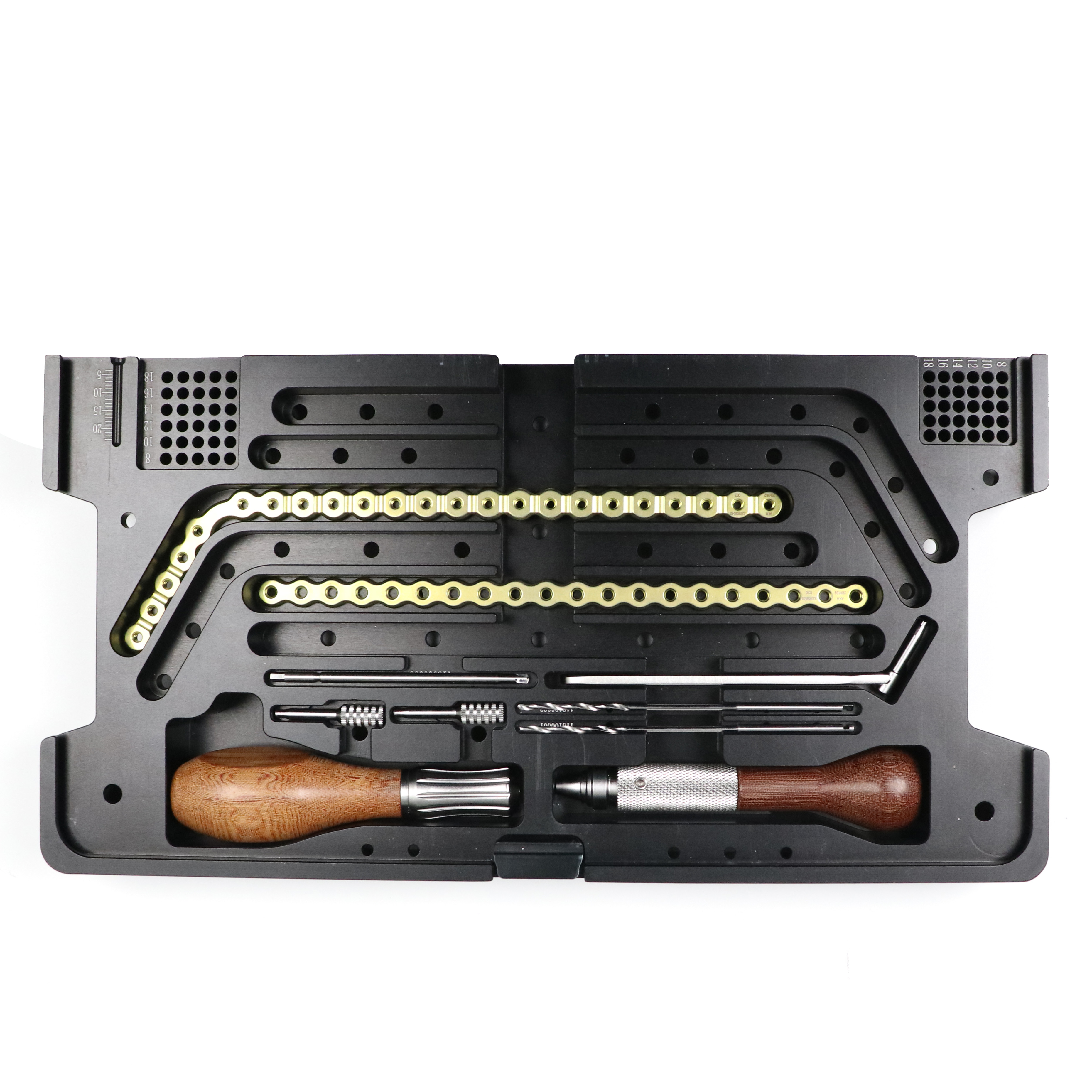
Direct factory supply from our SGS onsite-verified manufacturing facilities. Certified under CE (MDR / 93/42/EEC) and manufactured to ISO 13485 quality systems for seamless integration into tender specifications across the Caribbean basin.
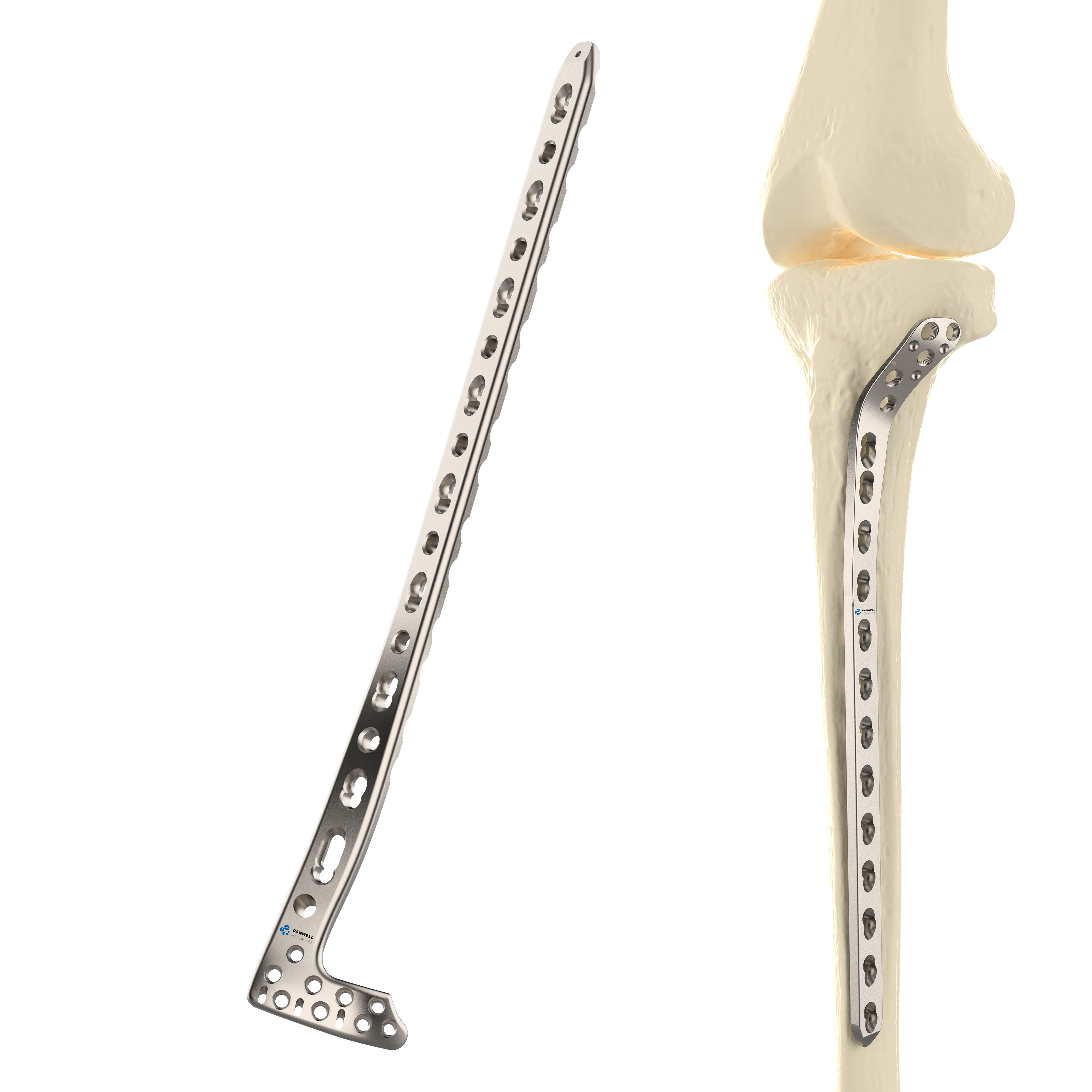
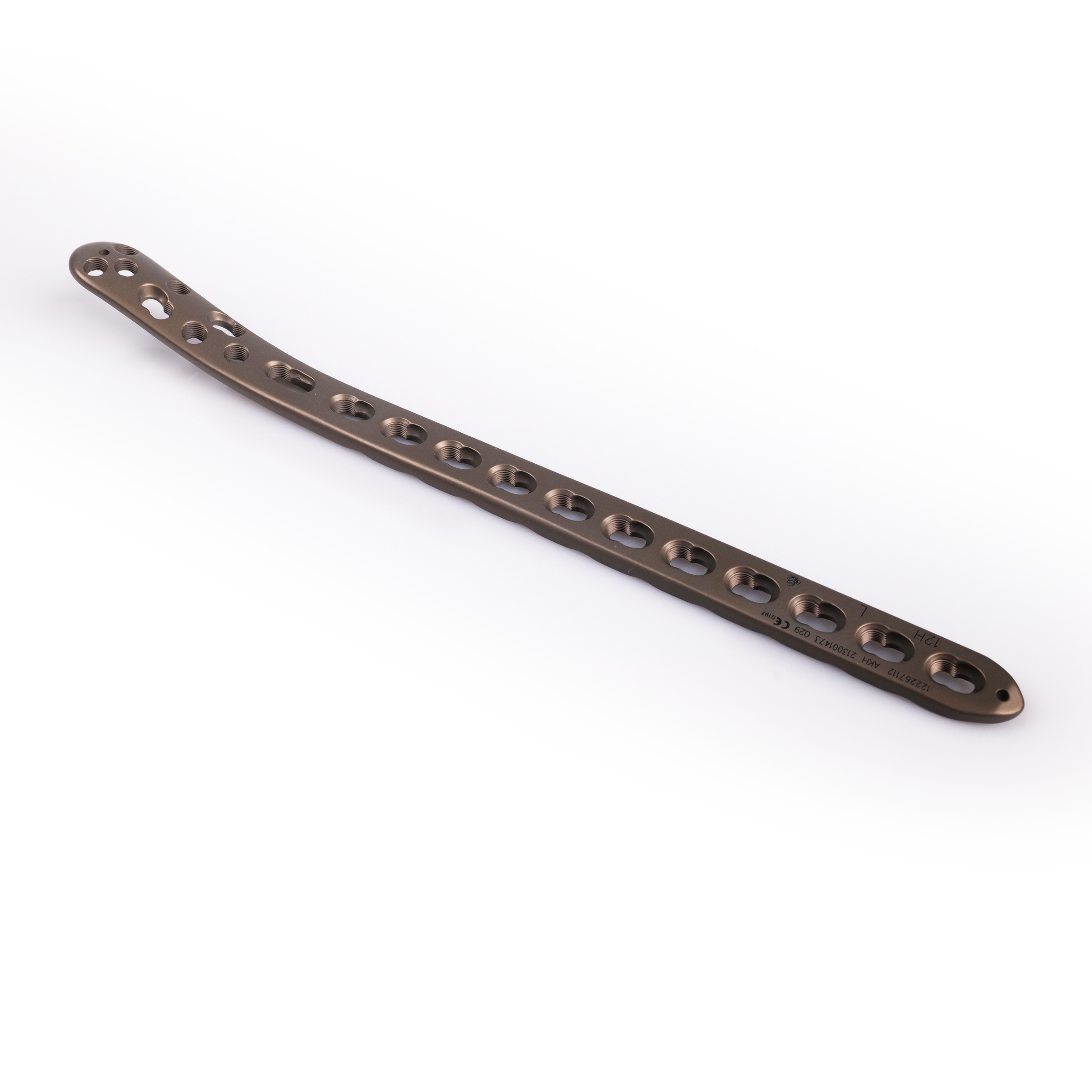
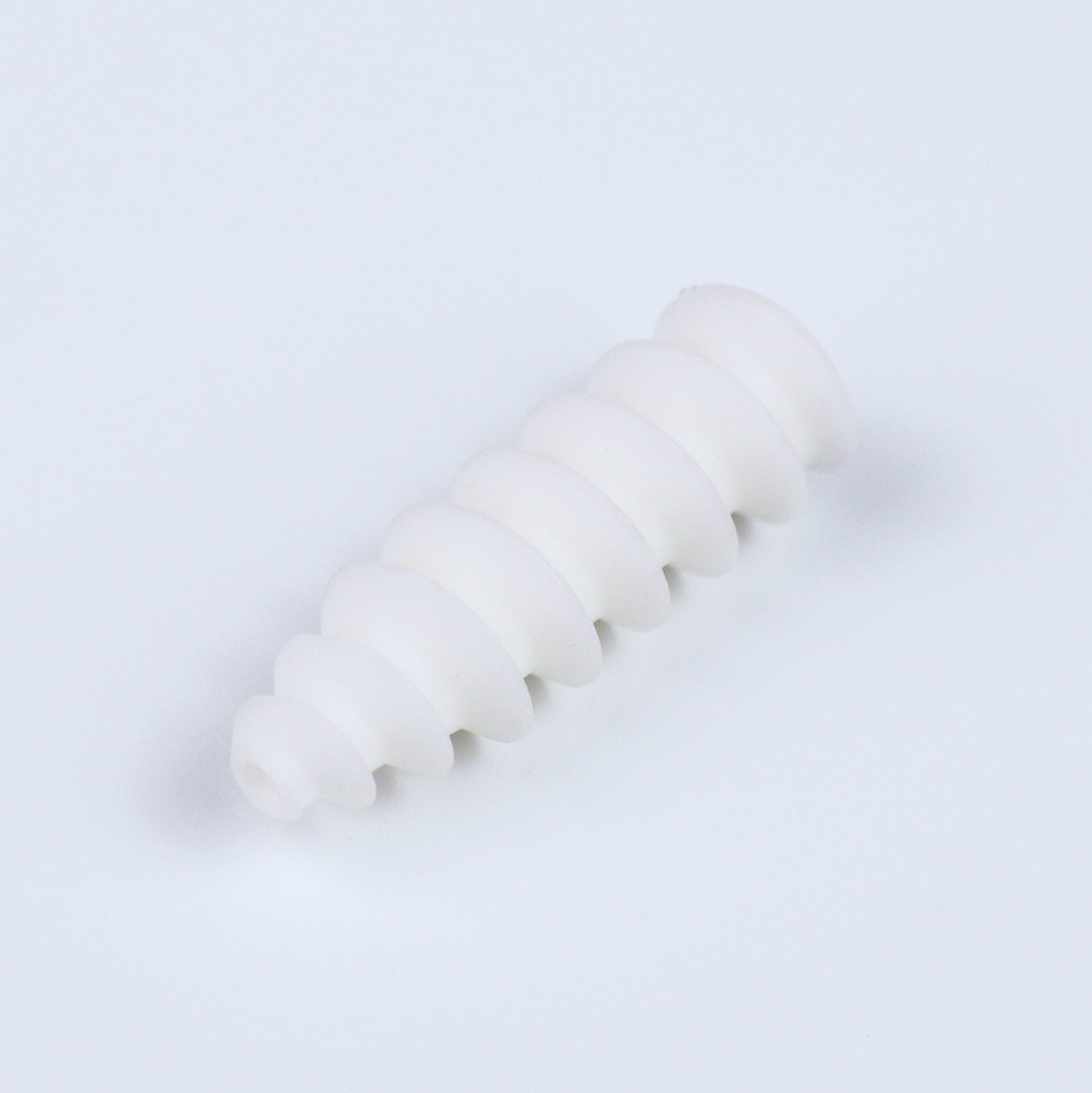
Clavicle fractures account for approximately 2.6% to 4% of all adult skeletal injuries and more than 35% of injuries involving the shoulder girdle. Historically treated through conservative closed immobilization using broad-arm slings or figure-of-eight bandages, international orthopedic protocols have rapidly evolved over the past decade. Landmark randomized clinical trials and multicenter prospective registries consistently demonstrate that severely displaced midshaft clavicular fractures (Allman Type I / Robinson Type 2B) and unstable distal-third injuries (Neer Type II / Robinson Type 3B) experience nonunion rates as high as 15% to 20% and symptomatic malunion rates exceeding 30% under conservative treatment, which inevitably leads to permanent shoulder shortening, reduced rotator cuff torque, and chronic periscapular dyskinesia.
In the dual-island republic of Trinidad and Tobago, optimizing clavicle fracture fixation has transitioned from an elective clinical preference to an urgent public healthcare mandate. The intersection of vigorous heavy industrial activities throughout the petrochemical and maritime logistics sectors, high commuter volumes along arterial highway networks, and high-impact sporting pursuits creates a demanding trauma demographic. Orthopedic departments across regional hospitals require osteosynthesis implants that provide absolute mechanical stability, low symptomatic hardware profile, and high fatigue resistance under tropical physiological conditions.
"For biomedical procurement authorities, healthcare executives, and consultant orthopedic surgeons in Trinidad and Tobago, sourcing clavicle plates is not simply an inventory restocking exercise. It is a strategic effort to minimize operating room revision burdens, cut down lost working days across essential industrial sectors, and achieve reliable osteogenesis in patients exposed to high mechanical stress."
As an SGS-verified manufacturer with 22+ years of orthopedic fabrication mastery, Zhejiang INAR Medical Co., Ltd. engineers and exports complete, regulatory-compliant clavicular osteosynthesis ecosystems. Machined from high-tensile medical-grade titanium alloy (Ti-6Al-4V ELI conforming to ASTM F136 / ISO 5832-3), our superior midshaft, anteroinferior, and distal clavicle locking compression systems provide surgeons with predictable mechanical stability across complex fracture topologies, comminution patterns, and periprosthetic reconstructions.
Evaluating anatomical pre-contouring, multidirectional angular stability, and low-profile subcutaneous finishing designed to prevent symptomatic soft-tissue irritation.
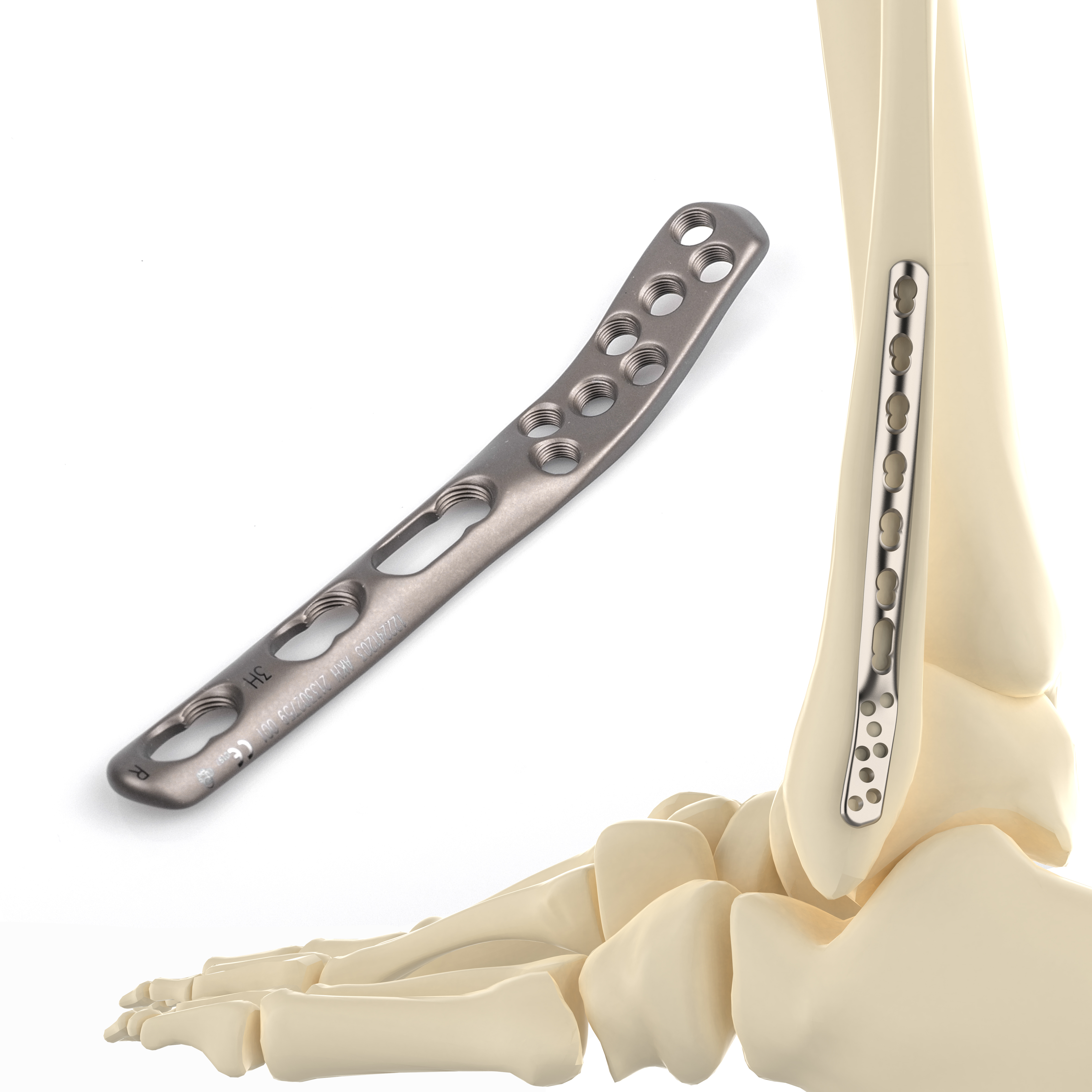
Engineered to sit along the tension band axis of the clavicle, neutralizing tensile and bending vectors created by gravity and muscular pull. Features an anatomical 3D S-curve pre-contour based on computed tomographic morphometric databases, minimizing in-theater manual bending.
Designed for clinical cases where thin anterior subcutaneous tissues increase the risk of hardware prominence or skin erosion under a superior approach. The anteroinferior trajectory directs locking screws posterosuperiorly, away from vital neurovascular structures underneath the middle clavicular third.
Specialized for unstable distal clavicle fractures (Neer II) and high-grade acromioclavicular joint dislocations (Rockwood III-V). Features divergent 2.4mm/2.7mm locking screw clusters in the expanded lateral spatulate fan to optimize purchase in thin metaphyseal subchondral bone.
| System Architecture | Material Standard | Screw Compatibility | Primary Clinical Indications | Key Biomechanical Advantage |
|---|---|---|---|---|
| Superior Midshaft Plate | Ti-6Al-4V ELI (ASTM F136) | 3.5mm Locking / 3.5mm Cortex | Simple & Wedge Fractures (OTA/AO 15.2A, 15.2B) | Maximized resistance against inferior cantilever bending forces |
| Anteroinferior Plate | Ti-6Al-4V ELI (ASTM F136) | 3.5mm Locking / 2.7mm Cortex | Comminuted Diaphyseal & Osteoporotic Fractures | Reduced hardware prominence; safer screw trajectory away from vessels |
| Distal Spatulate Plate | Ti-6Al-4V ELI (ASTM F136) | 2.4mm/2.7mm Multi-angle / 3.5mm Shaft | Distal-Third Lateral Fractures (Neer Type IIA/IIB) | Dense multi-screw subchondral locking purchase without joint penetration |
| Acromioclavicular Hook Plate | Titanium / Stainless Steel 316LVM | 3.5mm Locking Shaft Screws | Rockwood Type IV/V Dislocations & Ultra-Distal Fractures | Immediate superior stability of AC joint allowing natural CC ligament healing |
Analyzing trauma incidence across the Regional Health Authorities (RHAs) and aligning implant capabilities with local industrial, highway, and athletic profiles.
The healthcare architecture of Trinidad and Tobago is organized under five distinct administrative bodies: the North West Regional Health Authority (NWRHA) overseeing the Port of Spain General Hospital; the South-West Regional Health Authority (SWRHA) anchored by the San Fernando General Hospital; the North Central Regional Health Authority (NCRHA) operating the Eric Williams Medical Sciences Complex and Arima General Hospital; the Eastern Regional Health Authority (ERHA); and the Tobago Regional Health Authority (TRHA) managing the Scarborough General Hospital. Each healthcare ecosystem handles distinct trauma patterns requiring reliable clavicle plate solutions:
The high-speed transport corridors—specifically the Churchill-Roosevelt Highway, Uriah Butler Highway, and Sir Solomon Hochoy Highway—experience substantial multi-vehicle collisions and motorcycle crashes. Direct high-energy impacts and steering wheel decelerations yield complex, segmental, and comminuted midshaft fractures requiring rigid bridge-plating with our superior locking systems.
South and Central Trinidad—centered on the Point Lisas Industrial Estate, San Fernando, and Point Fortin—concentrates intensive offshore oil exploration, natural gas refining, and heavy machinery operations. Crush injuries, heavy structural falls, and high-impact workplace accidents generate polytrauma cases requiring swift anatomical reduction and reliable torsional stability.
Sports-related shoulder injuries are common across competitive cricket, track and field, rugby, and recreational road cycling along the Queen’s Park Savannah and Tobago’s coastal corridors. These active patients demand early rehabilitation, rapid osseous consolidation, and low-profile implants that prevent soft-tissue adhesion and shoulder tethering.
Given the tropical, high-humidity, marine-saline atmosphere across the islands, implant passivation and corrosion resistance are paramount. INAR Medical applies controlled electrochemical anodization and ultrasonic multi-stage passivation to eliminate trace micro-contaminants, preventing fretting corrosion and surface pitting.
Shifts in public sector tenders, minimally invasive surgical adoption, and the regulatory environment under the Chemistry, Food and Drug Division (CFDD).
The procurement landscape for specialized orthopedic medical devices in Trinidad and Tobago is experiencing fundamental shifts driven by three primary market dynamics:
1. Centralized Procurement Modernization via NIPDEC: The National Insurance Property Development Company Limited (NIPDEC), acting as the primary procurement agent for the Ministry of Health, has moved toward structured tenders requiring strict evidence of quality compliance. Implants lacking rigorous international pedigree—such as CE Marking under EU MDR, Class III compliance, or validated third-party production auditing—face high barriers to market entry. Public hospitals cannot afford high revision rates or brittle implant failures. Distributors must supply comprehensive Device Master Files (DMF), material certificates (3.1 mill test certificates), and continuous batch traceability.
2. Rapid Transition Toward Minimally Invasive Plate Osteosynthesis (MIPO): Orthopedic surgery teams across Port of Spain and Eric Williams Medical Sciences Complex increasingly utilize MIPO techniques for midshaft clavicle fractures. MIPO preserves the periosteal blood supply, minimizes soft-tissue disruption, and maintains the osteogenic fracture hematoma. This technique requires plates with smooth, tapered tips and dedicated sub-muscular tunneling instrumentation to pass through small lateral and medial incisions without snagging adjacent fascia.
3. Private Healthcare Sector Expansion & Day-Surgery Demands: Medical centers such as St. Clair Medical Centre, West Shore Medical Hospital, and Southern Medical Clinic have expanded private trauma services. Private patients and expatriates working in the energy sector demand predictable, rapid return to functional mobility. Consequently, surgical demand has shifted decisively away from non-operative sling management in Robinson 2B fractures toward primary anatomical plating that enables immediate, pain-free shoulder motion.
Combining advanced CNC machining, rigorous multi-stage cleaning, and reliable export logistics to ensure seamless supply for hospital operating suites.
Zhejiang INAR Medical Co., Ltd. is not a generic export aggregator; we are an established SGS onsite-verified orthopedic manufacturer. For more than two decades, our centralized manufacturing facility in Jinhua, Zhejiang has delivered high-precision trauma systems, interlocking intramedullary nails, spinal pedicle systems, and sports medicine implants to medical distributors worldwide. Our production workflow ensures consistent mechanical integrity across every batch:
We source medical-grade Ti-6Al-4V ELI (Extra Low Interstitial) alloy conforming to ASTM F136 standards. Every material lot includes mill test verification of tensile strength, fatigue limits, and chemical purity.
Multi-axis Swiss longitudinal turning and 5-axis vertical machining centers mill anatomical contours, combiholes, and tapered plate ends with micron-level tolerances (±0.01mm).
Precision micro-glass bead blasting and electropolishing eliminate surface micro-cracks, establish a uniform low-glare surgical surface, and optimize fatigue endurance under cyclical loading.
100% of finished plate lots undergo chemical penetrant inspection in specialized testing bays to ensure complete absence of surface micro-fissures or manufacturing defects prior to packaging.
Electrochemical anodization forms a biocompatible titanium oxide surface barrier that increases wear resistance while colour-coding plates and screws to simplify intra-operative selection.
Components pass through two separate multi-stage ultrasonic baths using demineralized water and specialized detergents to remove all cutting fluids, particulate residues, and bio-burden.
Dedicated quality assurance technicians measure screw hole threading, thread pitch matching, profile curvature, and laser-marked lot identifiers using 3D optical comparators.
Implants are sealed in medical-grade Tyvek blister packs or heavy-duty preservation pouches within ISO Class 7 (Class 10,000 / Class 100,000) cleanrooms for secure air-freight transport.
Clear, practical answers covering Caribbean medical device importation, tender validation, regulatory filings, and delivery workflows.
Whether you are preparing a regional tender bid for the North West Regional Health Authority, replenishing surgical trauma stocks in San Fernando, or looking for an established OEM titanium osteosynthesis partner, INAR Medical delivers guaranteed quality, documented traceability, and competitive direct-factory pricing.