Specialized Trauma & Compression Fixation Assemblies
Precision-machined CE-marked trauma implants, anatomical plates, and modular surgical instrument systems manufactured under verified cleanroom standards, readily supplied to San Marino medical providers and authorized European regional distributors.
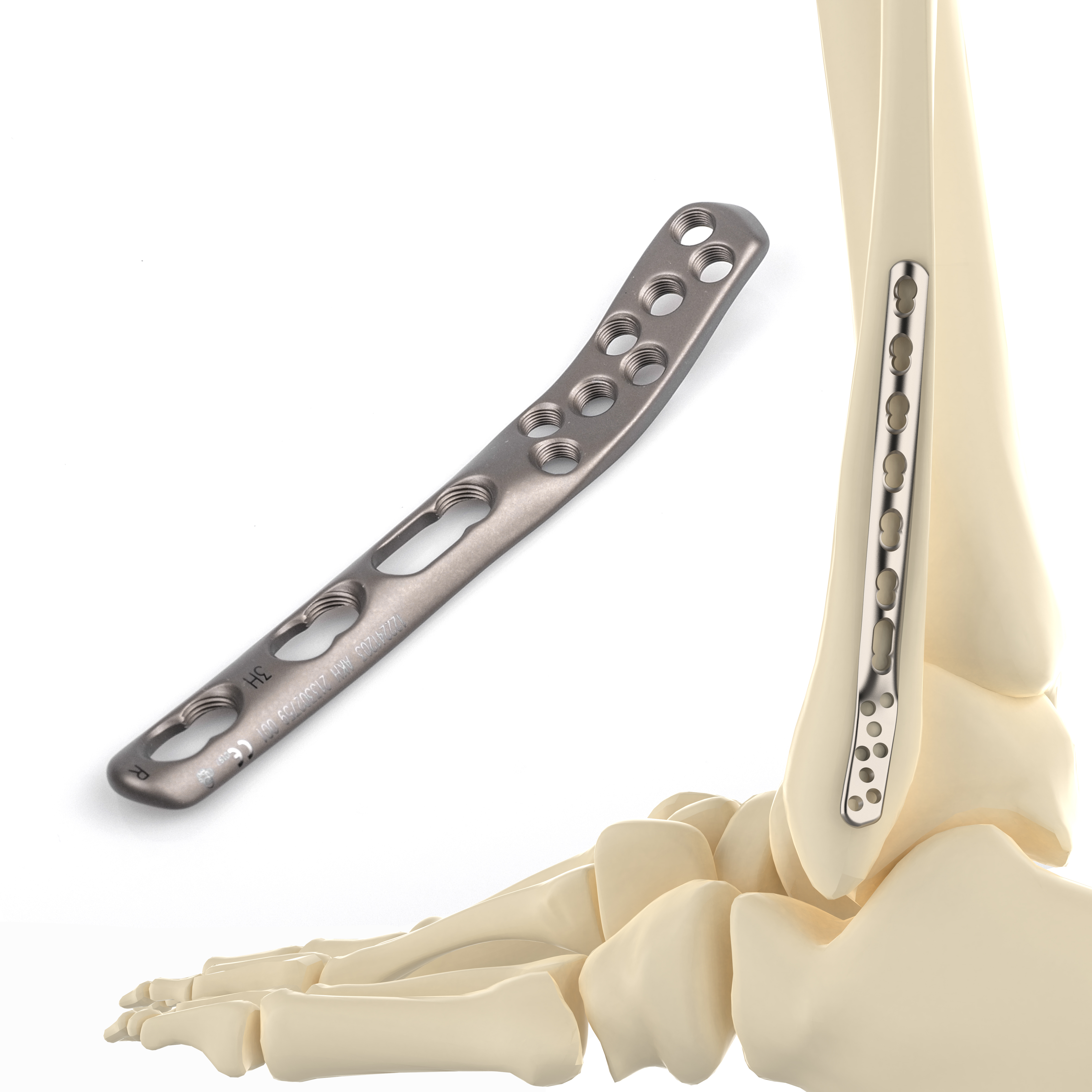
CANWELL Fibula Plate Titanium Posterolateral Distal Fibula Locking Plate 2.7/3.5mm Screw System
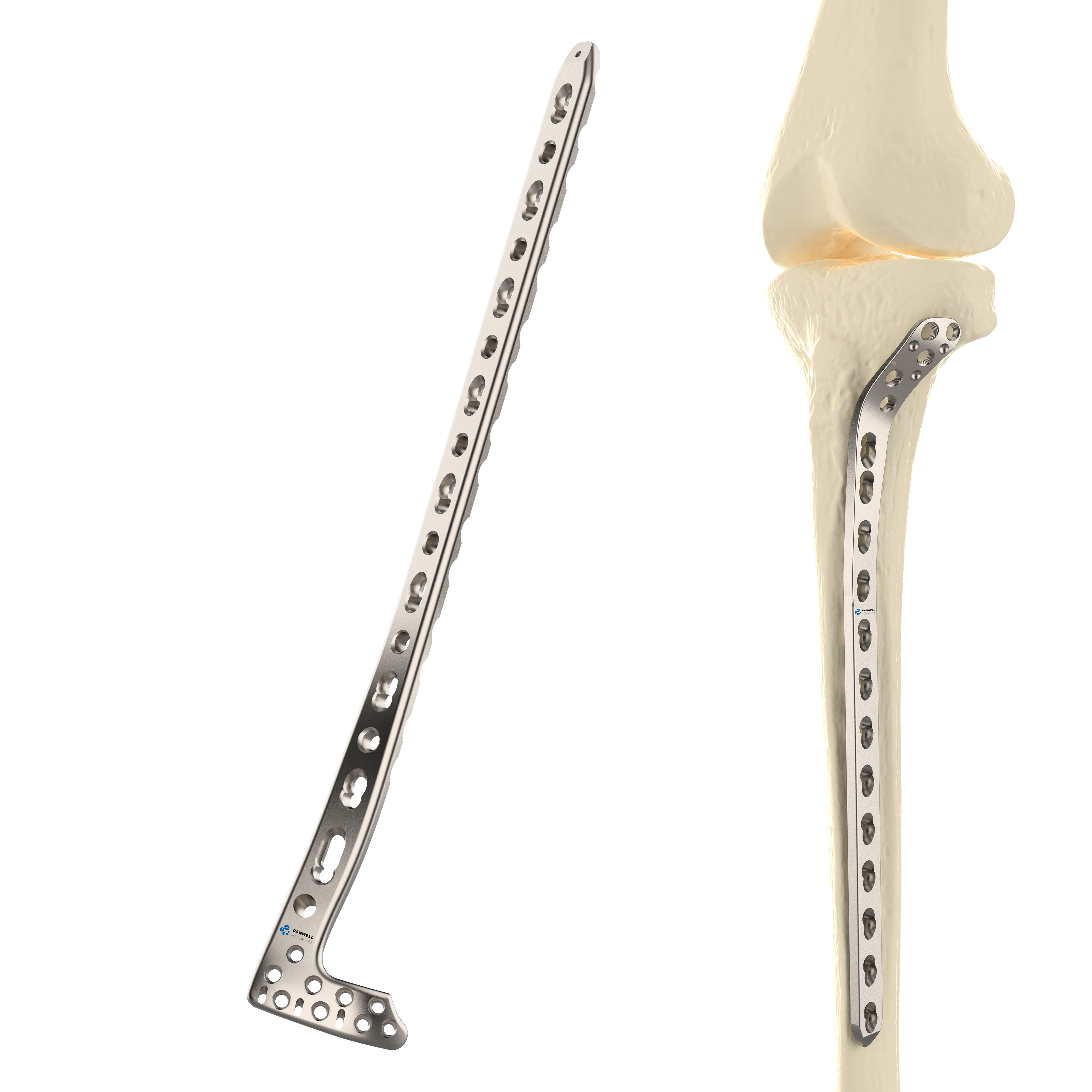
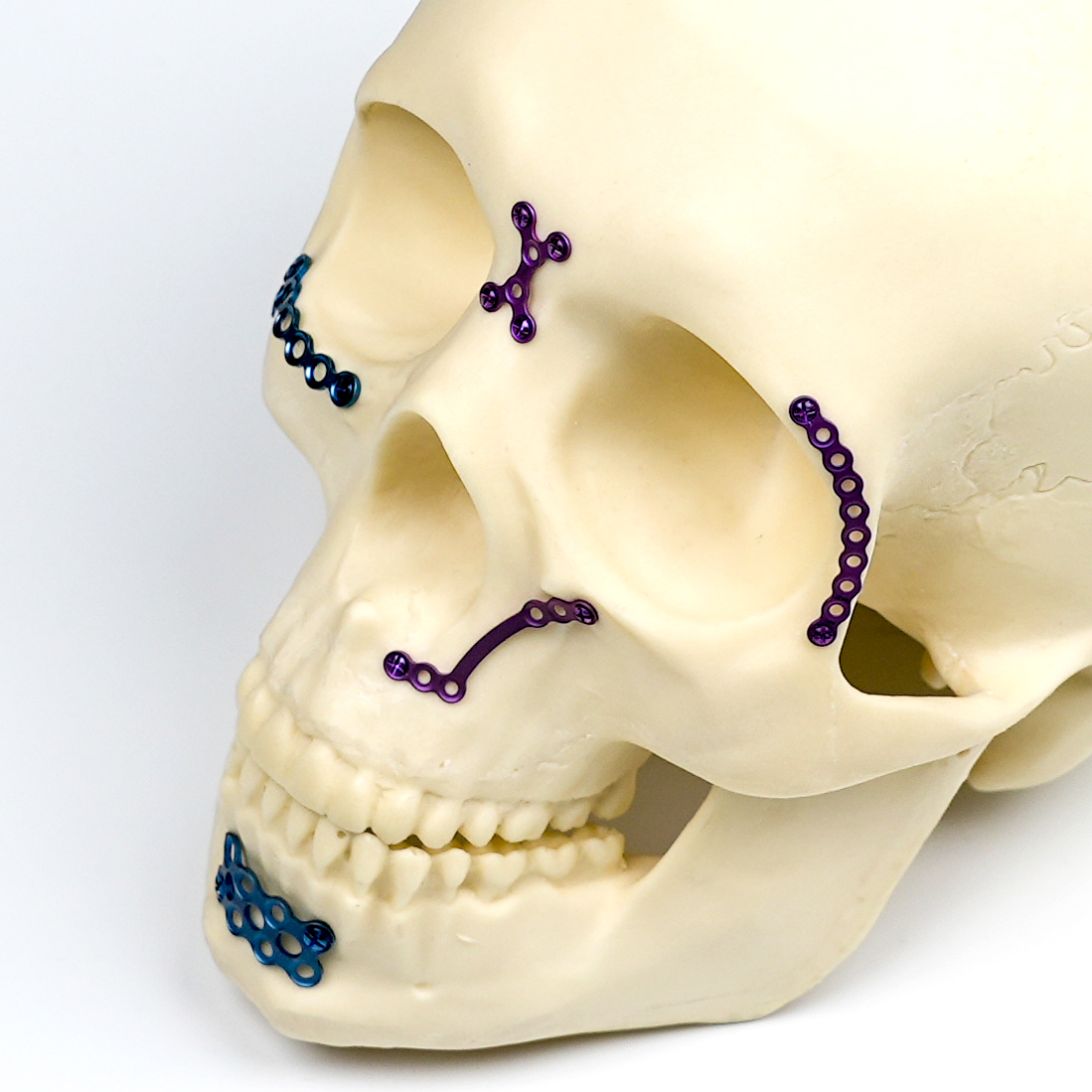
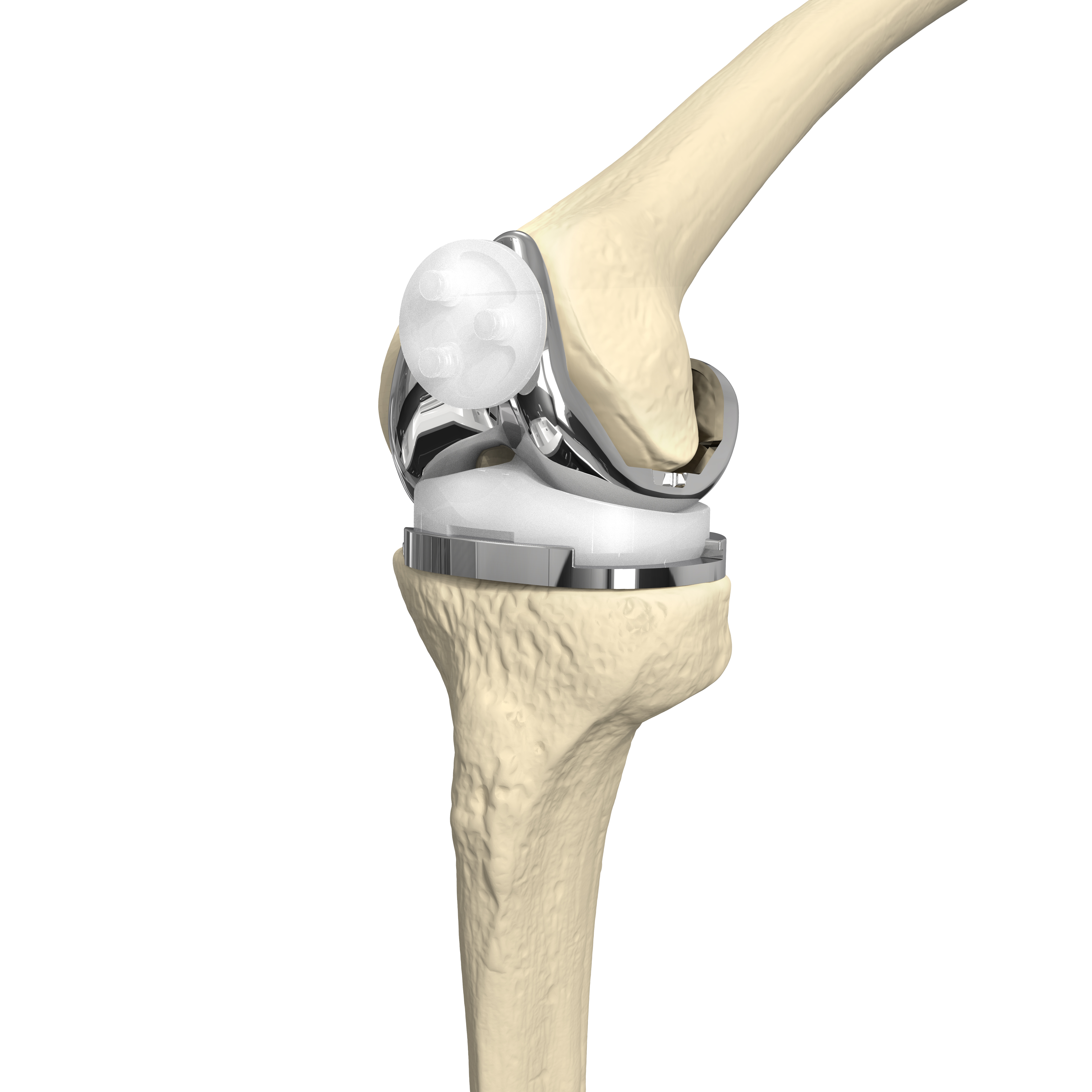
CANWELL CE Certified Arthroplasty Artificial Knee Joint Primary Total Knee Replacement Kit
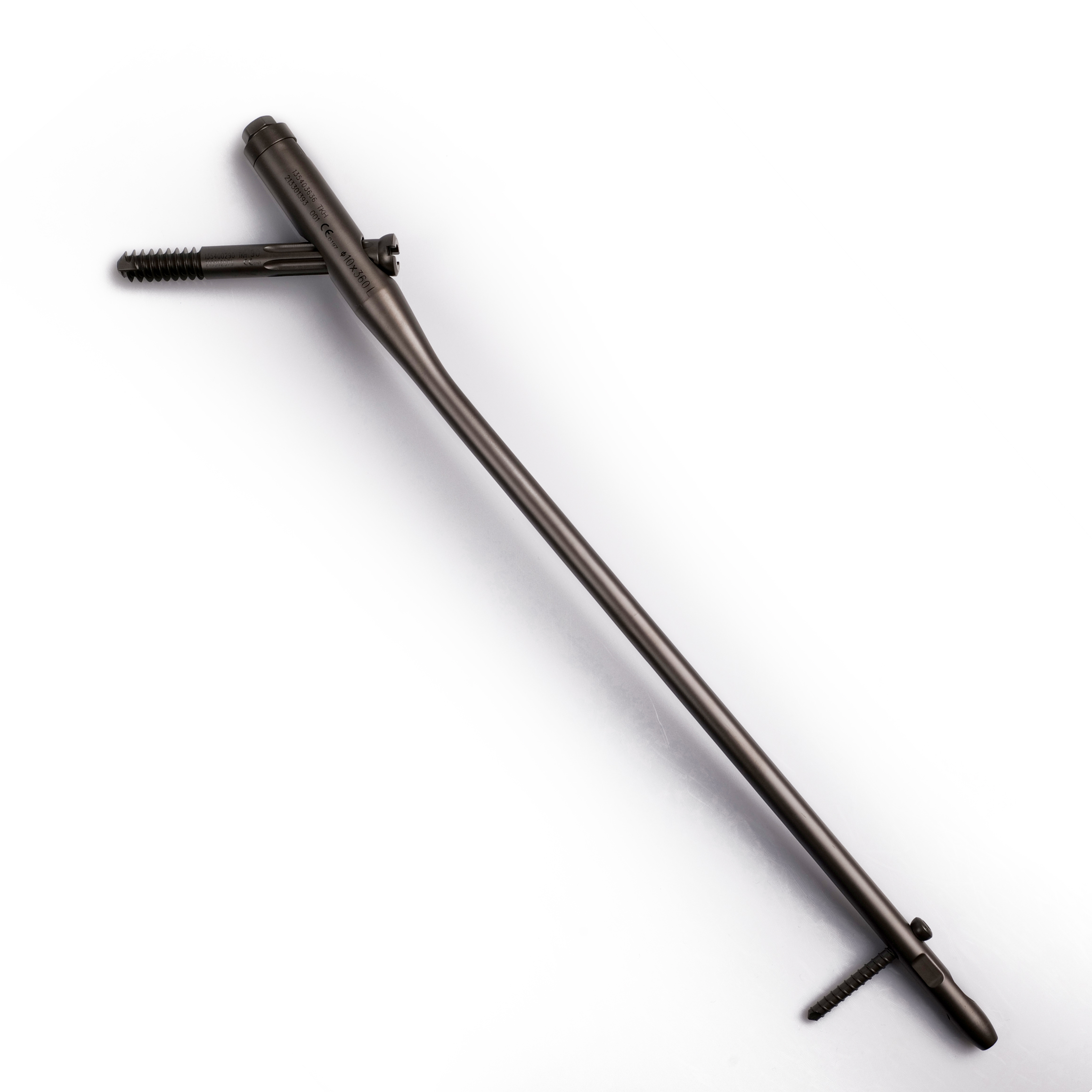
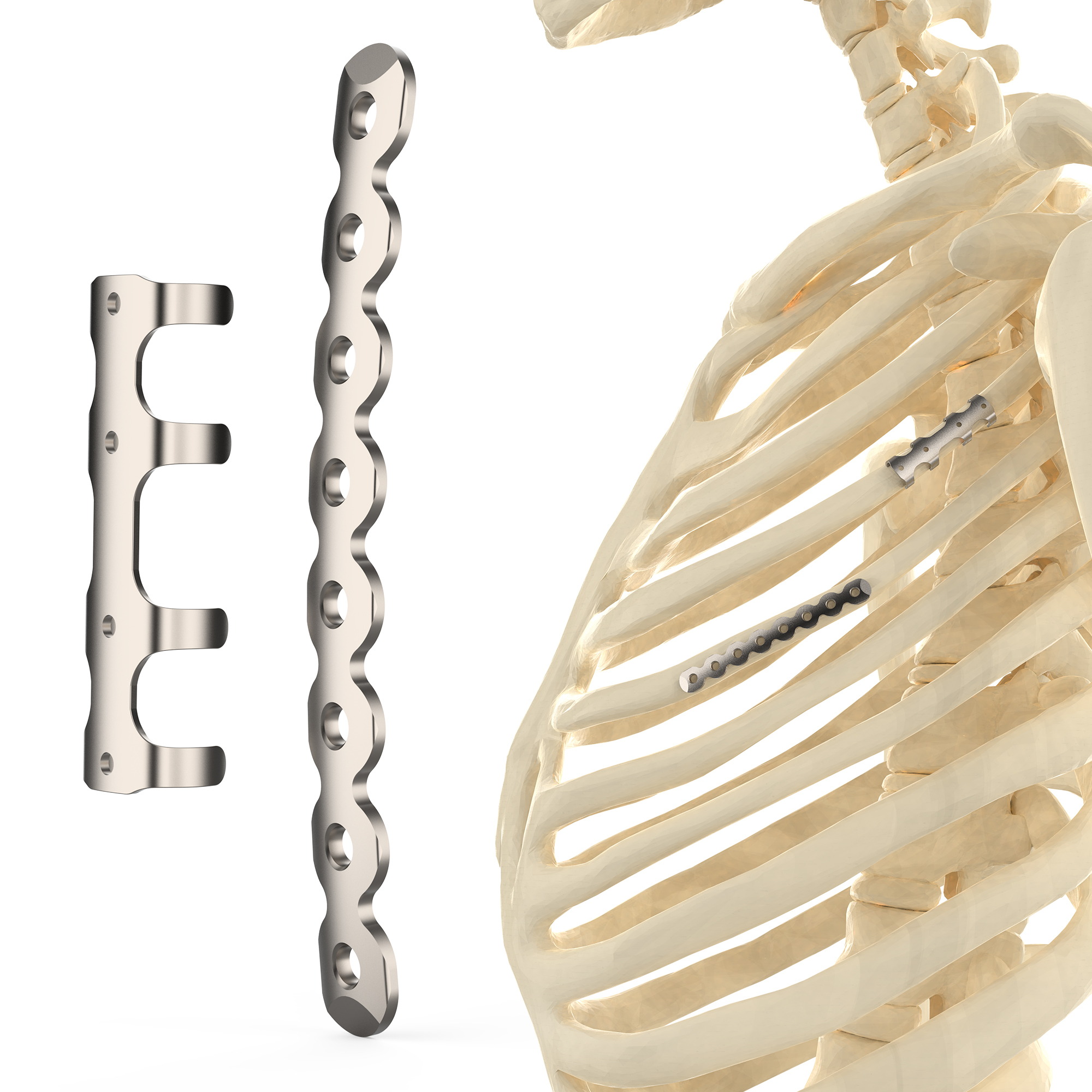
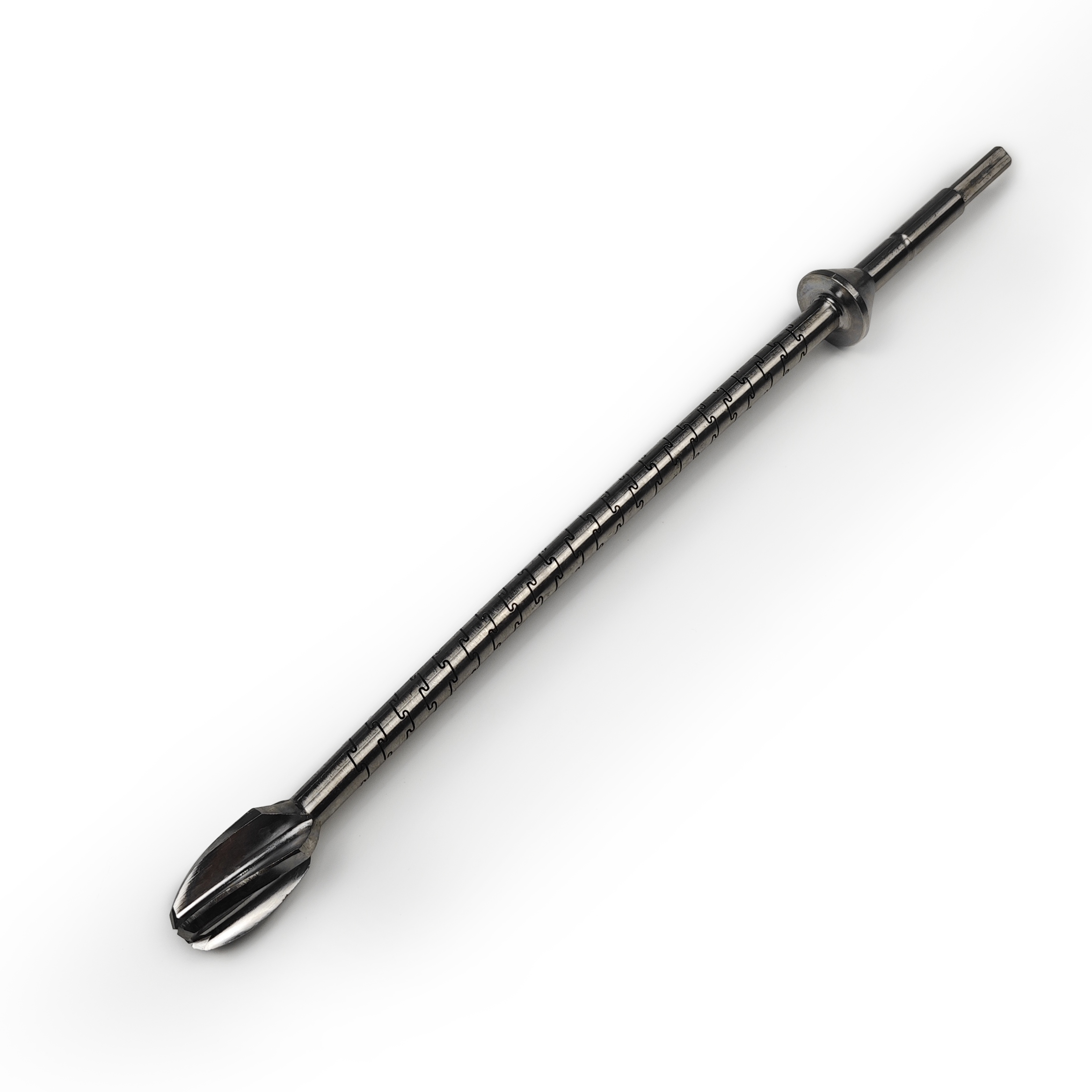
Compression Screw Biomechanics & Engineering Dynamics for High-Demand Fixation
In contemporary orthopedic traumatology, interfragmentary compression remains the foundation of absolute stability, vital for primary direct bone healing without periosteal callus formation. As surgical strategies evolve toward minimally invasive osteosynthesis (MIO), orthopedic compression screws—particularly headless cannulated compression screws (HCCS)—have emerged as indispensable instruments across upper and lower extremity reconstruction. For surgical facilities such as the Ospedale di Stato della Repubblica di San Marino, operated under the auspices of the Istituto per la Sicurezza Sociale (ISS), the demand for high-tensile, radiologically non-interfering, and tissue-sparing compression implants has seen exponential growth.
1. Pitch Differential & Torque-to-Compression Mechanics
Standard compression screws rely on a smooth shaft (shank) and a distal thread. When the screw head abuts the near cortex, further torque drives the threaded distal segment toward the head, generating interfragmentary compression. However, prominent screw heads frequently trigger soft-tissue irritation, tenosynovitis, or impingement when placed across intra-articular surfaces (such as the scaphoid, talus, or tibial plateau). Modern headless cannulated screws utilize continuous variable pitch or dual-thread designs manufactured from high-grade Ti-6Al-4V ELI (Grade 23, ASTM F136) or implant-grade 316LVM stainless steel (ASTM F138). Distal cutting flutes permit self-tapping insertion over pre-positioned Kirschner guide wires, drastically curtailing intraoperative fluoroscopy exposure and procedural duration.
2. Metallurgical Precision & Stress Shielding Mitigation
The elasticity modulus of medical-grade titanium alloy (approximately 110 GPa) aligns far more closely with human cortical bone (18–20 GPa) than cobalt-chromium or standard martensitic steels (210 GPa). This substantial reduction in stiffness diminishes stress shielding, encouraging accelerated physiological axial loading and trabecular remodeling. Furthermore, precision CNC Swiss-turning with micro-finished lead edges eliminates micro-burrs and surface stress concentrators, substantially mitigating the risk of intraoperative screw shear or fatigue failure under post-surgical cyclical micro-motion.
| Implant Class | Outer Diameters | Cannulation Bore | Thread Architecture | Pullout Resistance | Primary Clinical Indications |
|---|---|---|---|---|---|
| Micro Compression Screw | 1.5 mm / 2.0 mm | 0.6 mm - 0.8 mm | Variable Pitch, Fine Lead | > 280 N (Synthetic Cancellous) | Phalangeal osteotomies, avulsion fractures, CMF reconstructions |
| Mini Cannulated Screw | 2.5 mm / 3.0 mm | 0.9 mm - 1.1 mm | Continuous Variable Pitch | > 520 N (Synthetic Cancellous) | Scaphoid nonunion, radial head fractures, intra-articular small bone fragments |
| Medium Herbert-Type | 3.5 mm / 4.0 mm | 1.35 mm - 1.5 mm | Differential Pitch (Prox/Dist) | > 850 N (Cancellous Substrate) | Medial malleolus, calcaneocuboid fusion, distal fibula avulsion |
| Large Cannulated Lag | 6.5 mm / 7.3 mm | 2.6 mm - 3.2 mm | Partially Threaded (16/32mm) | > 2,400 N (Femoral Neck Model) | Femoral neck fracture, sacroiliac joint disruptions, tibial plateau split |
3. Surface Anodization & Cannulation Integrity
Every compression screw machined in our facility undergoes Type II electrochemical anodic oxidation. This controlled oxide layer strengthens fatigue strength, eliminates microscopic galling during insertion into dense cortical bone, and affords immediate visual color-coded diameter recognition for scrub technicians and operating theater teams. The internal cannulation is deep-hole micro-drilled to ensure concentric tolerances within ±0.015 mm, eliminating guide-wire binding or trajectory deviations during percutaneous osteosynthesis.
Localized Application Scenarios in San Marino & Emilia-Romagna
San Marino's distinctive geographical profile, mountainous topography (Mount Titano), dynamic athletic population, and interconnected healthcare agreements with surrounding Italian regional hubs establish rigorous trauma fixture requirements.
Mountain Sports & Cycling Trauma Fixation
The Republic of San Marino experiences high rates of high-velocity sports injuries among mountain bikers, road cyclists, and outdoor athletes navigating Mount Titano. Our 2.5 mm and 3.0 mm headless cannulated compression screws offer percutaneous anatomical stabilization of scaphoid waist fractures, minimizing immobilization time and preserving delicate wrist kinematics.
ISS Ospedale di Stato Arthrodesis Protocols
Within the orthopedic departments of San Marino’s State Hospital (Cailungo), planned reconstructive surgeries such as Lapidus arthrodesis, hallux valgus corrections, and subtalar fusions demand rigid primary bone-to-bone contact. Our medium 4.0 mm headless compression screws ensure maximum interfragmentary compression without subsequent implant removal surgery.
Geriatric Osteoporotic Fracture Stabilization
With San Marino's high demographic life expectancy, fragility fractures involving the femoral neck and osteoporotic peri-articular segments require rapid, low-trauma fixation. Utilizing our large 6.5 mm and 7.3 mm cannulated compression screws through percutaneous puncture corridors dramatically minimizes blood loss and lowers post-operative morbidity.
Cross-Border Emergency Trauma Interoperability
Complex polytrauma cases frequently transfer across the border between San Marino and Italian Hub centers such as the Ospedale Infermi di Rimini or the Trauma Center of Cesena. Standardized surgical instrumentation and universally compatible hexalobular (Torx) drive profiles guarantee seamless cross-border technical interoperability.
San Marino Orthopedic Market & Technological Trends
Although an independent sovereign enclave, the Republic of San Marino maintains rigorous healthcare alignment with European Union benchmarks. Through its bilateral accords with Italy and autonomous health authorities, clinical procurement adheres rigorously to the European Medical Device Regulation (EU MDR 2017/745). Several prevailing trends are reshaping implant sourcing in this region:
- MDR 2017/745 Compliance Barrier: European hospitals and the San Marino ISS have heightened demands for comprehensive Clinical Evaluation Reports (CER), full UDI (Unique Device Identification) laser etching, and Class IIb / Class III CE marking certification. Manufacturers lacking certified European Authorized Representatives (EC REP) or post-market surveillance dossiers face exclusion from regional hospital supply chains.
- Preference for Headless Variable-Pitch Technology: Traditional countersunk AO-type cortical screws are progressively substituted by headless cannulated systems across articular fractures. Surgeons in the San Marino-Romagna corridor favor implants that remain completely submerged beneath chondral bone surfaces, eliminating hardware-related tenosynovitis and subsequent secondary hardware extraction procedures.
- Rationalization of Procurement Budgets: Public healthcare entities in small states must reconcile high clinical efficacy with budgetary stewardship. Direct OEM/ODM factory partnerships provide hospital pharmacies and regional orthopedic distributors with up to 40% cost reductions relative to multinational tier-1 brands, while sustaining identical metallurgical tolerances and certifications.
- Rapid Supply Chain Proximity: Given its geographical land-locked perimeter, procurement officers in San Marino rely heavily on expedited air freight channels via Bologna Guglielmo Marconi Airport (BLQ) and Rimini Airport (RMI). Reliable logistics partners capable of processing customs-cleared sterile-packed implants within tight timeframes hold an essential strategic advantage.
Engineering Verification & Quality Control Pipeline
Operating from our 29,523 m² facility with 632 trained staff, Zhejiang INAR Medical Co., Ltd. controls the complete production continuum from certified medical titanium bar stock down to final sterile terminal packaging.
Raw Material Verification
Direct sourcing of certified medical-grade titanium (Ti-6Al-4V ELI) and implant stainless steel with full chemical composition and tensile elongation test certificates.
Swiss CNC Precision Turning
High-speed longitudinal multi-axis Swiss lathe machining guaranteeing precision concentricity, smooth thread leads, and exact cannulated bore dimensions (±0.015 mm).
Surface Micro-Polishing & Blasting
Mechanical de-burring and controlled micro-sandblasting designed to relieve surface notch stresses while ensuring optimal bone-to-metal contact characteristics.
Penetrant Non-Destructive Testing
Fluorescent dye penetrant inspection across entire production batches to detect any potential surface micro-cracks, seams, or micro-structural irregularities.
Controlled Anodization & Cleaning
Type II electrolytic anodization for scratch resistance and color coding, followed by dual-stage multi-frequency ultrasonic washing in deionized water tanks.
Aseptic Cleanroom & 100% OQC
Terminal packing performed inside certified Class 100,000 cleanrooms with rigorous optical dimensional inspection, batch laser labeling, and aging validation testing.
Frequently Asked Questions for San Marino Clinical Procurement
Targeted answers addressing legal frameworks, regulatory certifications, delivery timelines, and customized OEM protocols for the Republic of San Marino.
Are INAR/CANWELL compression screws certified for use in San Marino healthcare facilities? +
What is the logistical transit timeline for surgical shipments into San Marino? +
Do you supply matching surgical instrument sets and reusable sterilization trays? +
Can San Marino distributors or private clinics request OEM private-label branding? +
What mechanical fatigue testing data is available for quality due diligence? +
How does our procurement committee request sample evaluation sets? +
Procure High-Precision Compression Screws for San Marino
Connect immediately with our orthopedic engineering and global supply team. Request technical data sheets, complete surgical technique manuals, EU MDR declarations, and customized factory-direct quotations tailored to your institutional procurement schedule.