High-Precision Fixation Systems for Orthopedic Surgery
Manufactured from implant-grade Titanium (Ti6Al4V ELI) and certified Stainless Steel under rigorous cleanroom conditions, optimized for trauma stabilization and joint reconstruction.
1. Biomechanical Foundations of Dynamic Interfragmentary Compression
The clinical mandate of any compression screw mechanism rests upon the strict application of AO (Arbeitsgemeinschaft für Osteosynthesefragen) principles: anatomical reduction, stable internal fixation, preservation of vascularity, and early active mobilization. In clinical settings handling high-energy trauma along the coastal corridor of Vlorë, achieving absolute stability via interfragmentary compression is essential for primary bone healing (contact healing without intermediate periosteal callus formation). When compression screws are driven across an oblique or spiral fracture line, they generate a compressive pre-load that minimizes interfragmentary strain (ε) below the critical 2% threshold, eliminating micro-motion that leads to fibrous non-union or secondary hardware failure.
In cannulated compression screw designs (ranging from Ø2.5mm and Ø3.0mm micro-fragment variants to Ø7.3mm heavy cancellous profiles), differential thread pitch serves as the mechanical engine. By calibrating the leading distal thread with a greater pitch than the trailing proximal thread, each complete 360-degree revolution pulls the bone fragments together with quantifiable axial force. For articular reconstructions in the carpus, radial head, patella, and talus, headless cannulated screws (such as Herbert-type designs) sink beneath the cartilaginous surface, completely avoiding iatrogenic impingement during joint articulation.
2. Metallurgical Specifications: Ti6Al4V ELI vs. 316LVM Medical Stainless Steel
Orthopedic implants delivered to Albanian surgical theaters must satisfy rigorous international standards for tensile yield, fatigue resistance, and biological inertness. Our compression screws and companion periarticular locking plates are machined primarily from Grade 5 ELI (Extra Low Interstitial) Titanium Alloy conforming to ISO 5832-3 and ASTM F136, alongside vacuum melt 316LVM surgical steel conforming to ISO 5832-1 / ASTM F138.
| Material Metric | Ti6Al4V ELI (Grade 23 / ISO 5832-3) | 316LVM Stainless Steel (ISO 5832-1) | Clinical Significance for Vlorë Trauma Centers |
|---|---|---|---|
| Elastic Modulus (E) | 105 – 114 GPa Titanium | 190 – 205 GPa Steel | Titanium reduces stress-shielding, preserving peri-implant bone mineral density in geriatric osteoporotic fractures. |
| Yield Strength (σy) | ≥ 795 MPa | ≥ 690 MPa | Prevents permanent screw bending during early partial weight-bearing rehabilitation protocols. |
| Corrosion Resistance | Passive TiO2 oxide layer (>4nm) | Chromium oxide passive film | Eliminates metallosis and localized pitting corrosion in long-term implant retention. |
| MRI Compatibility | Non-ferromagnetic (Artifact minimized) | Mild artifact distortion | Allows clear postoperative MRI evaluation of ligaments and soft tissues at regional diagnostic centers. |
3. Localized Clinical Application Scenarios in Vlorë & Southern Albania
The coastal municipality of Vlorë, along with its surrounding peri-urban and maritime zones, exhibits distinct epidemiological patterns in orthopedic trauma that drive specific hardware requirements:
Seasonal Tourist Trauma Surge
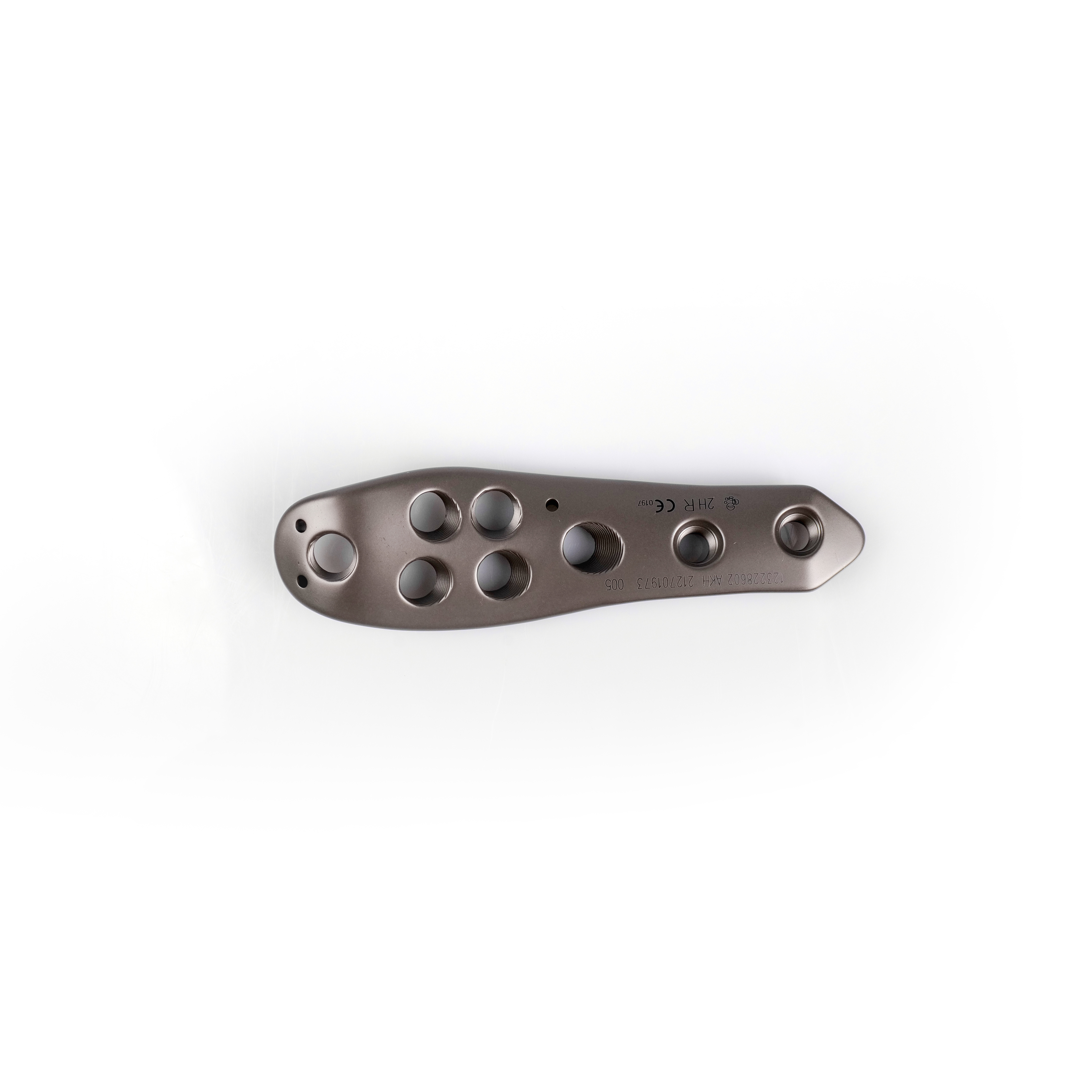
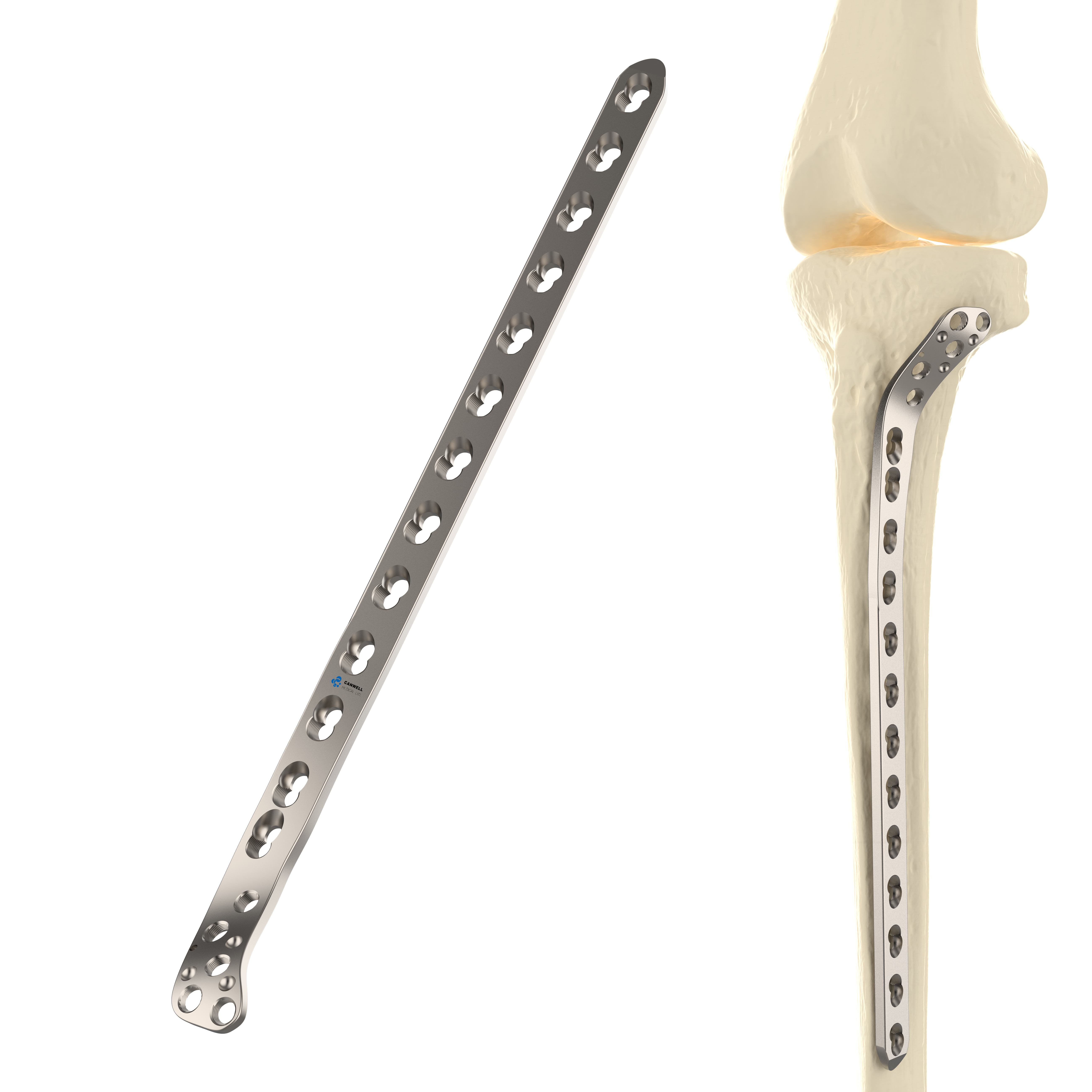
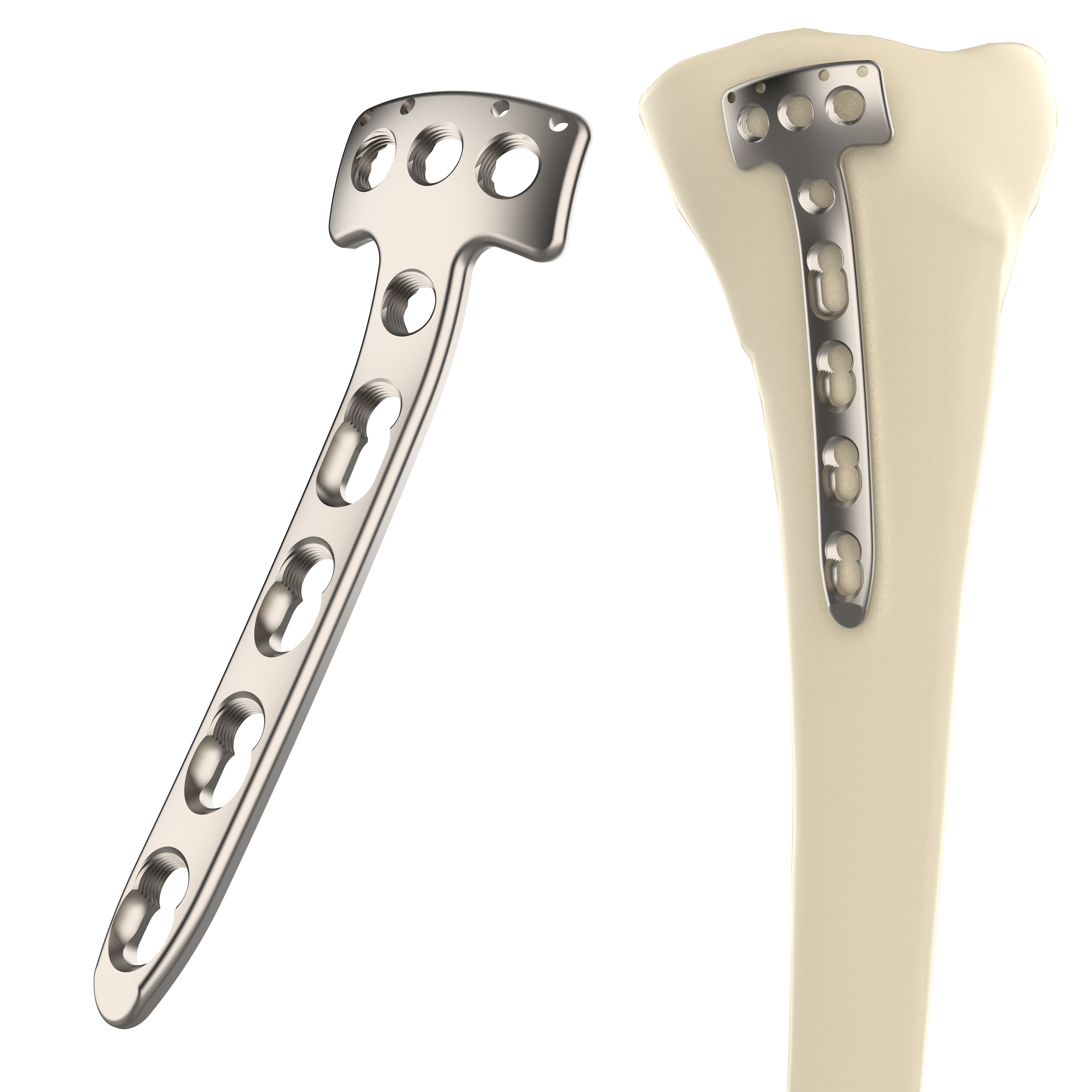
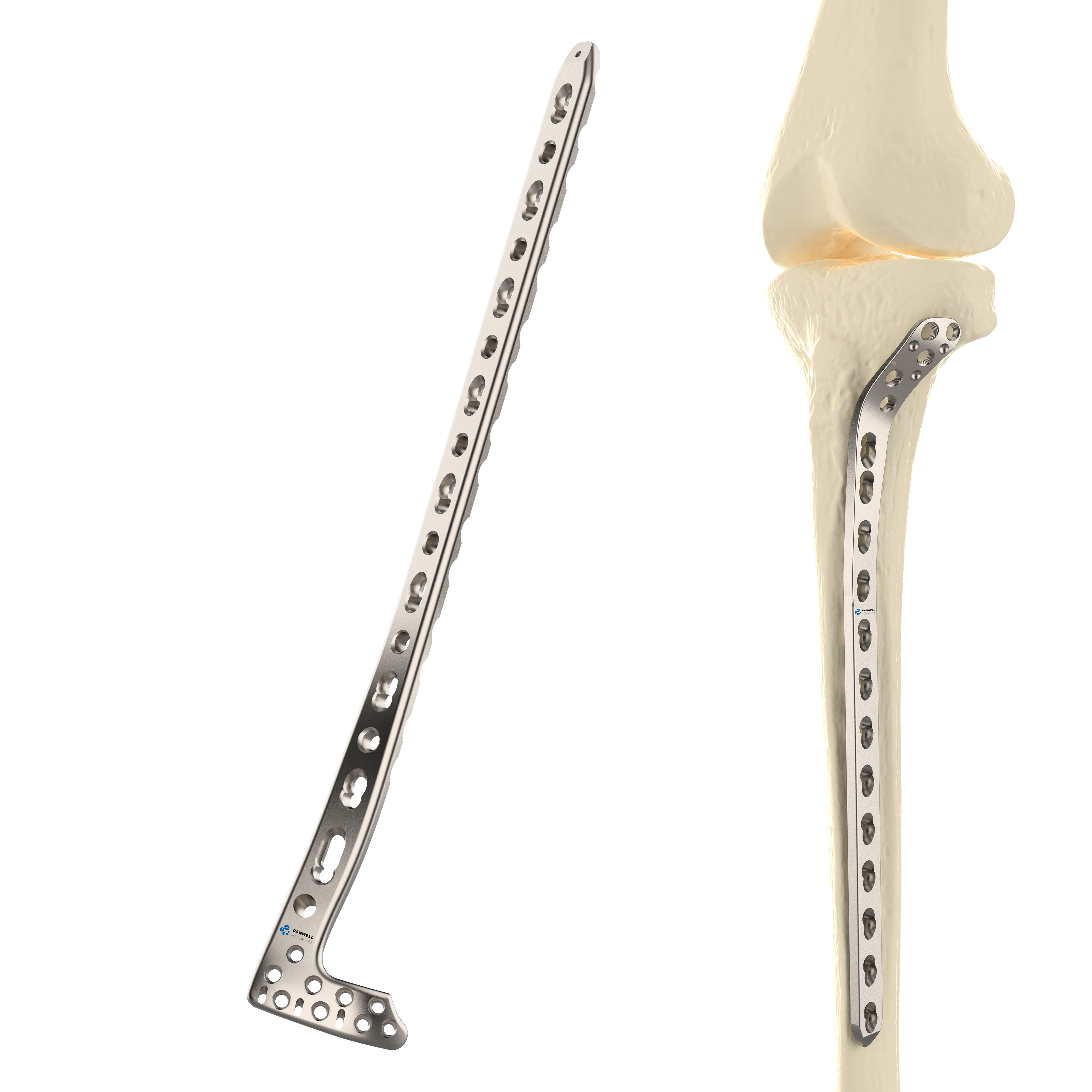
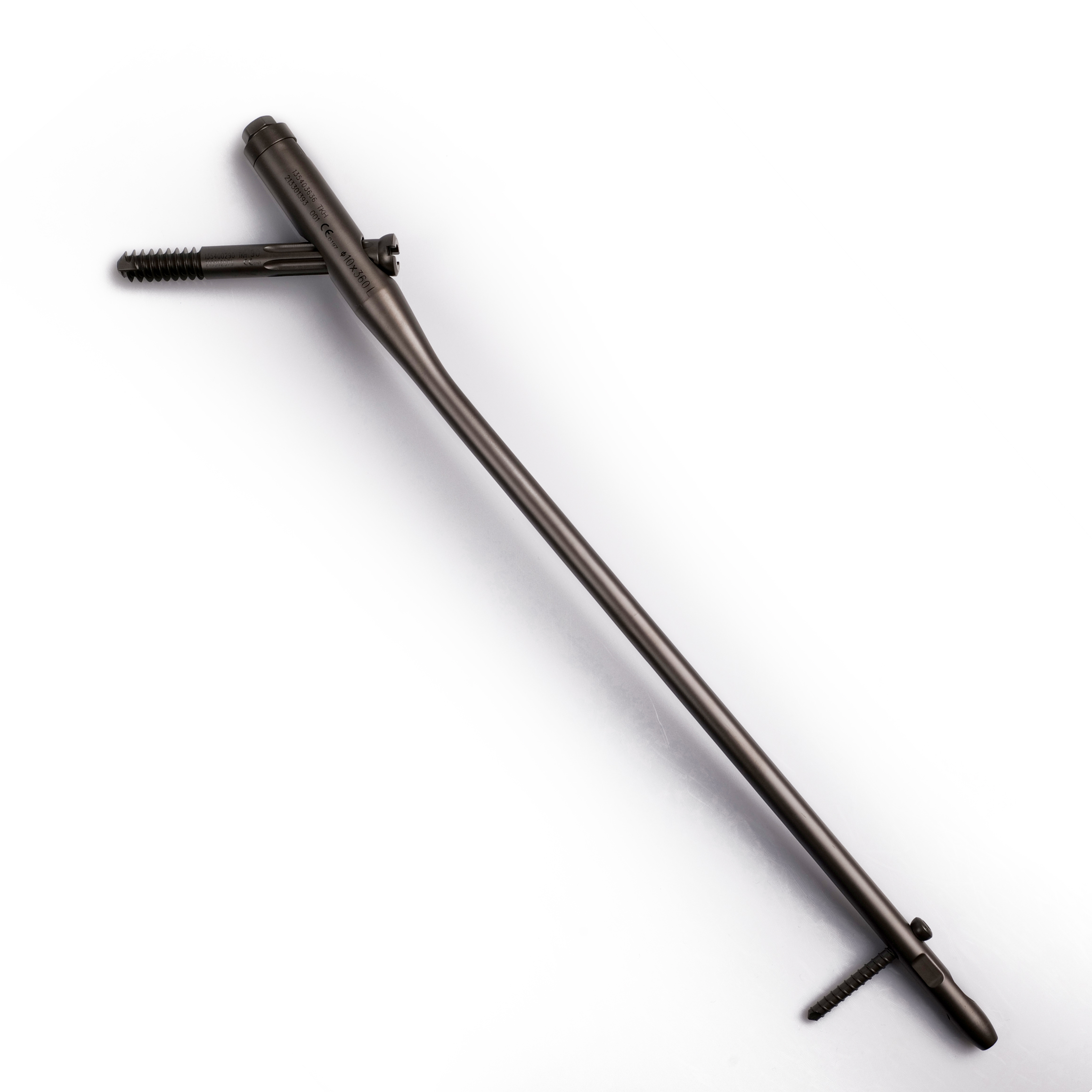
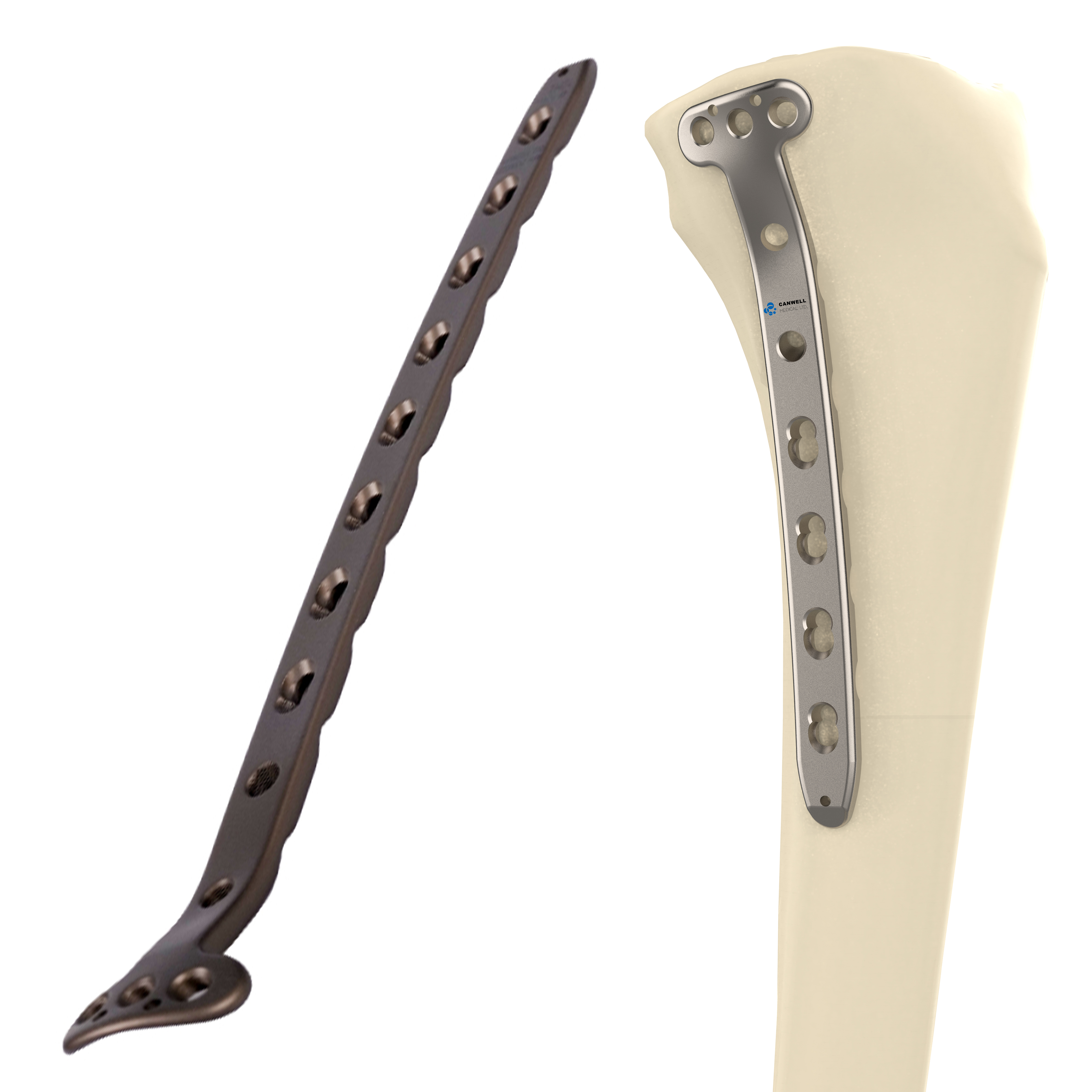
During the Mediterranean summer peak, traffic and watersport accidents increase acute high-energy polytrauma. Surgeons routinely deploy 3.5mm/5.0mm lateral tibial locking plates and PFNA femoral interlocking nails for rapid, rigid stabilization.
Geriatric Fragility Fractures
The aging demographic in Southern Albania presents frequent proximal femur neck fractures and distal radius osteoporotic injuries. Headless cannulated compression screws provide stable cross-pinning without tissue devitalization.
Foot & Ankle Reconstructive Surgery
Hallux valgus corrections, subtalar arthrodesis, and malleolar avulsion repairs at Spitali Rajonal i Vlorës utilize self-drilling, self-tapping cannulated lag screws for predictable interfragmentary closure.
4. Supply Chain Logistics: From Our Cleanrooms to Port of Durrës & Vlorë
Procuring hospital-ready orthopedic devices across borders requires absolute documentation traceability. As an experienced exporter backed by SGS onsite verification, our direct logistics pipeline integrates complete technical dossiers for Albania's National Agency for Medicines and Medical Devices (AKBPM – Agjencia Kombëtare e Barnave dhe Pajisjeve Mjekësore). Every batch dispatched carries:
- CE Marking Certificate: Validated compliance under EU Medical Device Directive 93/42/EEC and transitioning MDR 2017/745 standards.
- Material Heat Traceability: Mill test certificates documenting chemical breakdown and mechanical elongation for every titanium lot.
- Aseptic Cleanroom Packaging: Double-barrier Tyvek blister packaging with gamma/EtO sterilization indicator dots for immediate operating room readiness.
- Multimodal Shipping Routes: Direct sea-freight container options via Mediterranean shipping lines arriving at Port of Durrës or Vlorë Port, alongside expedited express air cargo for emergency consignment replenishment.
End-to-End In-House Manufacturing Capabilities
Zero critical subcontracting. All mechanical cutting, 5-axis CNC machining, ultrasonic washing, anodizing, and non-destructive penetrant testing occur within our 29,523 m² certified complex.
5-Axis Swiss CNC Machining
Ultra-precise thread pitch tolerances within ±0.005mm, ensuring that cannulated conduits and reverse-cutting flutes maintain surgical sharpness and uniform torque transfer.
Electrolytic Type II Anodization
Color-coded anodic oxidation facilitates instant diameter identification in low-light surgical theaters while hardening surface topography against galling and friction fatigue.
Non-Destructive Testing (NDT)
Every single manufactured batch undergoes fluorescent penetrant inspection to guarantee zero microscopic microcracks, porosity voids, or surface metallurgical irregularities.
Frequently Asked Questions: Sourcing Implants for Vlorë
Technical, regulatory, and commercial clarifications for regional hospital procurement committees and orthopedic distributors.