Featured Critical Care & Hospital Beds for Australian Healthcare Tenders
Explore our ISO 13485 certified critical care platforms, bariatric-capable ICU beds, and high-dependency ward systems manufactured with advanced motor hydraulics, radiolucent backrests, and intuitive central braking systems.
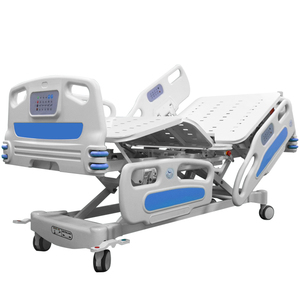
Longermay Factory Electric Medical Hospital Bed
- High-durability linear actuators (LINAK/L&K options)
- Integrated nurse control box & lockout switches
- Trendelenburg & Reverse Trendelenburg modes
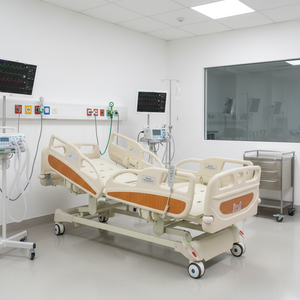
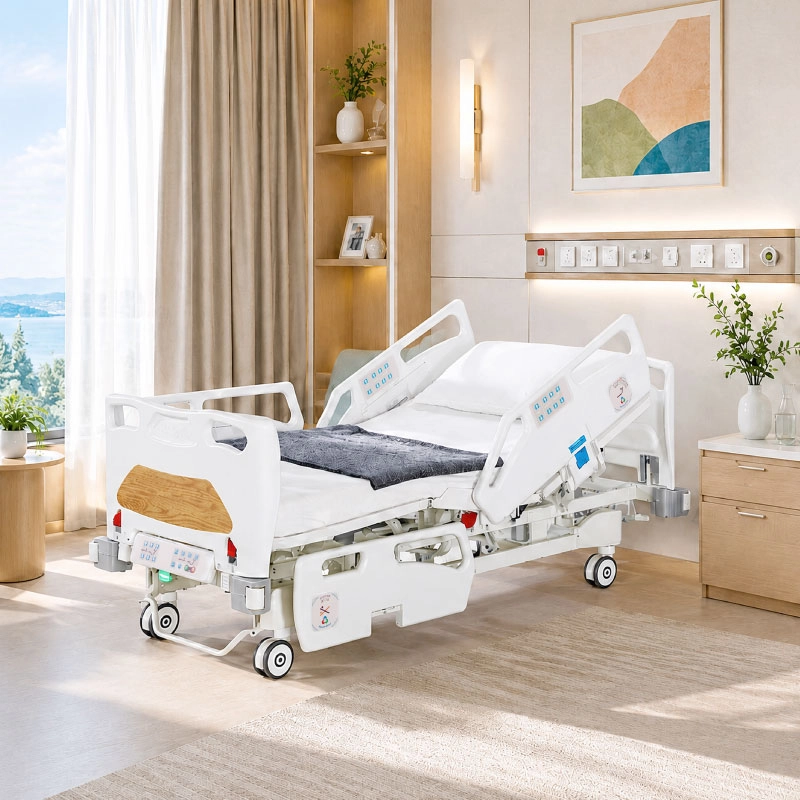
Multi-Function 3/5/7 Powered Electric Hospital ICU Bed
- Auto-chair position for pulmonary rehabilitation
- Radiolucent backrest with X-ray cassette holder
- Dual-sided CPR quick release lever mechanism
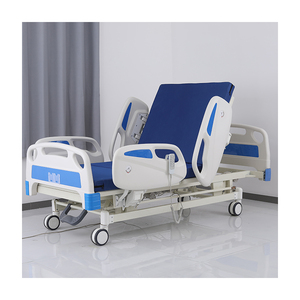
CH-C8 Stainless Steel Class II Medical ICU & Ward Bed
- Reinforced double-shaking structural chassis
- Seamless anti-microbial head/foot boards
- Central braking system with 125mm castors
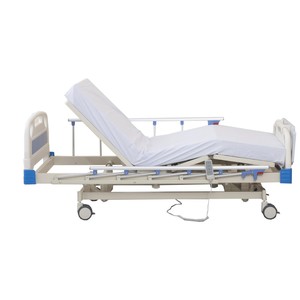
GRACEMED 3-Function Electronic Medical ICU Ward Bed
- CE Certified L&K ultra-quiet motor system
- Ergonomic 4-piece tuck-away ABS side rails
- Backup battery for uninterrupted ICU operation
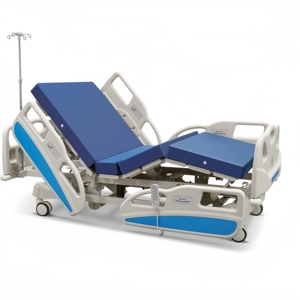
Cama Clinica 5-Function ICU Electric Bed with Pressure Mattress
- Integrated digital weighing scale (precision accuracy)
- Dynamic pressure ulcer prevention mattress deck
- Safe working load (SWL) up to 250kg - 300kg
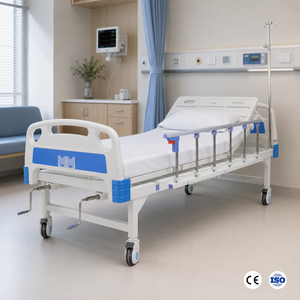
OEM Custom 2-Function Manual Medical Bed for Step-Down Care
- Foldaway mechanical crank mechanism
- Anti-collision corner bumpers & protective wall rollers
- High-grade powder-coated steel frame architecture
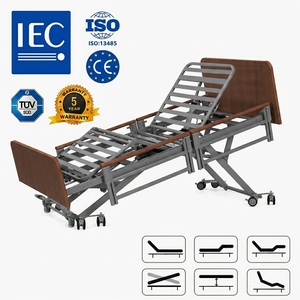
IEC 60601 Certified Electric Home Care & Sub-Acute Bed
- Ultra-low height profile for safe patient egress
- Full wood-grain or ABS aesthetic customization
- 5-Year OEM structural frame warranty
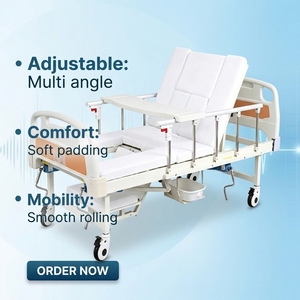
Hospital-Grade Multifunctional Steel Nursing Bed
- Rigid cold-rolled steel mattress platform
- Heavy-duty drop-down aluminum safety side rails
- Dual IV pole sockets & drainage bag hooks
Critical Care ICU Bed Procurement in Australia: Navigating TGA Compliance, AS/NZS Standards & Clinical Ergonomics
Australia’s healthcare infrastructure—spanning State Health Departments such as NSW Health, Victorian Department of Health, and Queensland Health, alongside massive private health operators like Ramsay Health Care and Healthscope—operates under some of the world's most stringent medical device regulatory frameworks. Intensive Care Units (ICUs) demand specialized equipment capable of maintaining physiological stability, facilitating rapid clinical intervention, preventing pressure injuries, and providing seamless integration with electronic medical records (EMR).
For hospital procurement officers, biomedical engineers, and clinical nurse consultants across Sydney, Melbourne, Brisbane, Perth, and regional healthcare hubs, sourcing **Critical Care ICU Beds directly from certified manufacturers** requires evaluating total cost of ownership (TCO), Therapeutic Goods Administration (TGA) entry compliance, AS/NZS IEC 60601-2-52 safety parameters, and supply chain continuity.
Information Gain Key Insight: Unlike standard ward beds, a true critical care ICU platform must maintain structural rigidity under dynamic loads up to 300kg, provide zero-clearance lateral tilt for pulmonary therapy, feature radiolucent mattress decks for mobile X-ray/C-arm imaging without patient movement, and incorporate dual-sided mechanical CPR release levers that operate instantly during cardiac arrest emergencies.
Regulatory Architectural Framework: TGA Registration & AS/NZS Standard Compliance
All medical devices imported into or distributed within Australia must comply with the Therapeutic Goods Act 1989 and be included on the Australian Register of Therapeutic Goods (ARTG). Critical care beds are categorized under Class I or Class IIa medical devices depending on integrated electronic measuring systems (such as load-cell weighing systems). Manufacturer compliance with ISO 13485:2016 Quality Management System standards is mandatory for OEM/ODM factory partners.
From an electrical and mechanical safety standpoint, beds supplied to Australian hospitals must strictly conform to AS/NZS IEC 60601.2.52:2016 (Particular requirements for basic safety and essential performance of medical beds). Key engineering criteria under this standard include:
- Entrapment Prevention Mechanics: Precise dimensional tolerances between side rails, headboards, and mattress platforms to eliminate neck, torso, and limb entrapment hazards (zone 1 through zone 7 testing).
- Electrical Safety & EMC (AS/NZS IEC 60601.1.2): Electromagnetic compatibility ensuring high-frequency surgical equipment, ventilators, and telemetry monitors do not cause electrical interference or unexpected bed movement. Hospital grade 240V 50Hz insulated power supplies with RCM mark readiness.
- Ingress Protection Rating: IPX4 minimum liquid splash protection, with critical electronic control boxes rated up to IPX6 to withstand rigorous hospital terminal disinfection and washdown protocols.
Localized Application Scenarios Across Australian Healthcare Facilities
From tertiary trauma care centers in metropolitan capital cities to remote clinics managed by regional Local Health Districts (LHDs), ICU beds must adapt to vastly different operational realities.
Level 3 Tertiary ICU & Trauma Units
In major public hospitals (e.g., Royal Prince Alfred, Royal Melbourne, Royal Brisbane & Women's), beds require multi-axis articulation including Auto-Chair, Trendelenburg/Reverse Trendelenburg (-12° to +12°), and integrated continuous weighing scales (OIML certified) allowing nurses to record weight changes without disturbing intubated patients.
High Dependency & Post-Surgical Recovery (HDU)
Private surgical facilities require rapid bedside manipulation, smooth height elevation ranges (380mm to 800mm) to reduce nurse back strain (OH&S compliance), and seamless side rail drop-down action for zero-gap patient transfers using sliding boards or hoist lifts.
Regional & Outback Healthcare Networks
Facilities across Outback Queensland, Northern Territory, and regional WA demand ultra-reliable power backup systems (integrated 24V DC battery units capable of performing 50+ full positioning cycles during power outages) and heavy-duty 150mm central locking castors suitable for aeromedical transfer prep.
Sub-Acute Rehabilitation & Bariatric Care
Addressing Australia's rising bariatric healthcare needs, customizable bed frame width extensions (expanding from 900mm to 1050mm/1200mm) with structural safe working loads exceeding 300kg ensure patient comfort while maintaining complete stability during lateral tilt maneuvers.
Industry Trends Reshaping Australian ICU Bed Procurement
1. Integration of Smart Telemetry & Nurse Call Interfaces: Modern Australian ICUs are rapidly moving away from isolated equipment towards connected digital ecosystems. Advanced ICU beds now feature open RJ45/Wi-Fi telemetry output ports to relay bed rail safety status, brake lock warnings, patient exit alarms, and real-time scale measurements directly into hospital EMR systems (such as Epic, Cerner, or Orion Health).
2. Pressure Injury Prevention (PIP) Focus: Hospital-acquired pressure injuries (HAPIs) represent a major clinical and financial burden for Australian health services. High-end ICU beds incorporate auto-regressive backrest expansion technology—where the backrest moves backward during elevation to reduce sheer force on the sacrum—working in tandem with dynamic alternating pressure mattresses.
3. Ergonomic Safety & Occupational Health and Safety (OH&S): Musculoskeletal injuries among nurses and carers remain a top workers' compensation driver in Australian hospitals. Beds featuring one-touch Auto-Chair positioning, motorized drive assist options, and fifth-wheel steering drastically reduce physical exertion during patient positioning and intra-hospital transport.
Why Direct Sourcing from Joson-Care Delivers Competitive Advantage
Combining over 25 years of specialized medical bed manufacturing, ISO 13485 production management, and Taiwan Excellence award-winning innovation to supply healthcare partners worldwide.
-
01
30+ QC Inspections & 15 Structural Performance Tests
Every critical care bed undergoes static loading, dynamic fatigue testing (over 10,000 cycles), motor thermal protection checks, and 100% electrical safety isolation testing prior to export packing.
-
02
Certified Global Compliance (ISO 13485, CE, FDA, MDR)
Full technical documentation packages (including risk management files ISO 14971 and clinical evaluation reports) ready to support Australian distributors with TGA registration dossiers.
-
03
Flexible OEM/ODM Customization for Tender Specs
Customizable options for voltage compatibility (240V 50Hz AU standard), specific actuator brands (LINAK, Dewert, L&K), custom color accents, nurse control panel interfaces, and hospital logo branding.
-
04
Streamlined Logistics to Major Australian Ports
Established containerized shipping routes into Sydney (Port Botany), Melbourne, Brisbane, Fremantle (Perth), and Adelaide with reinforced export wood-crate packaging ensuring zero-defect arrival.

Frequently Asked Questions for Australian Hospital Buyers & Biomedical Engineers
Addressing key technical, regulatory, and logistics queries related to sourcing ICU beds for Australian medical centers.
Q1: How do Joson-Care ICU beds assist Australian importers with TGA registration?
We supply a complete technical file compiled under ISO 13485 standards, including CE declaration of conformity, IEC 60601-1 and IEC 60601-2-52 safety test certificates from accredited labs, EMC compliance reports, and ISO 14971 risk analysis. This allows Australian medical device sponsors to easily submit and list the products on the Australian Register of Therapeutic Goods (ARTG).
Q2: Are the electric motors and plugs compatible with Australia's 240V 50Hz electrical grid?
Yes. All electrical control boxes and actuators are factory-configured for 220-240V 50Hz operation and fitted with standard Australian Type I 3-pin insulated power plugs conforming to AS/NZS 3112. Systems include battery backup functions ensuring continuous operation during power disruptions.
Q3: What is the typical production lead time and ocean transit time to Australia?
Standard factory manufacturing lead times are 30 to 45 days depending on tender customization. Ocean freight from our factory to major ports such as Sydney, Melbourne, or Brisbane typically takes 14 to 21 days, enabling fast inventory replenishment for distributors and hospital projects.
Q4: Can these ICU beds integrate with Australian nurse call systems?
Yes. Our advanced ICU models can be factory-equipped with auxiliary output interfaces (such as dry-contact relay ports or multi-pin connectors) designed to connect directly into standard Australian nurse call systems (e.g., Rauland, Smartlink, Sedco), triggering automatic alerts for bed-exit or power disconnect events.
Q5: How are spare parts, biomedical maintenance, and warranties managed?
We offer up to 5-year structural frame warranties and 2 to 3-year warranties on motor actuators and electronic control units. We provide modular, quick-connect replacement parts along with complete service manuals, circuit diagrams, and technical training to support local biomedical engineering teams.
Q6: Do your critical care beds support pressure injury management for bedridden patients?
Absolutely. Our beds feature auto-regression backrest mechanisms that automatically slide backwards as the backrest raises, reducing sacral friction and shearing forces. Furthermore, the mattress platform is compatible with all standard therapeutic alternating pressure air mattresses used in Australian ICUs.
Partner with a Trusted ICU Bed Factory for the Australia Market
Whether you are preparing a major hospital tender, equipping a private surgical facility, or expanding your medical distribution portfolio in Australia, our technical engineering team is ready to assist you with tailored quotes, spec sheets, and catalog downloads.