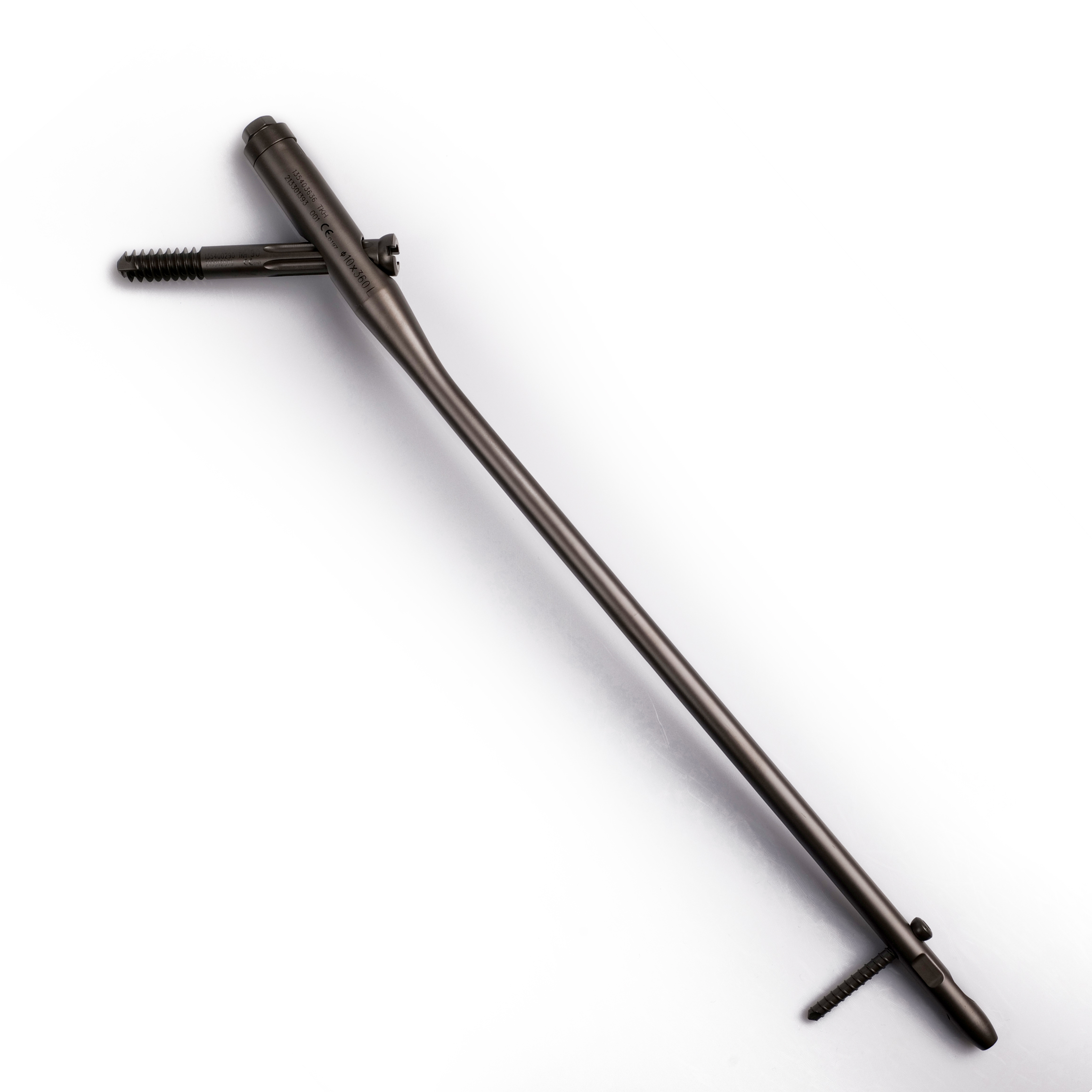
Comprehensive Arthroscopic & Trauma Portfolio
Precision Orthopedic Implants & Surgical Instrumentation
Rigidly inspected in accordance with CE MDR & ISO 13485 technical files, engineered to integrate seamlessly into sterile operating suites serving Nampo and regional hospital systems.
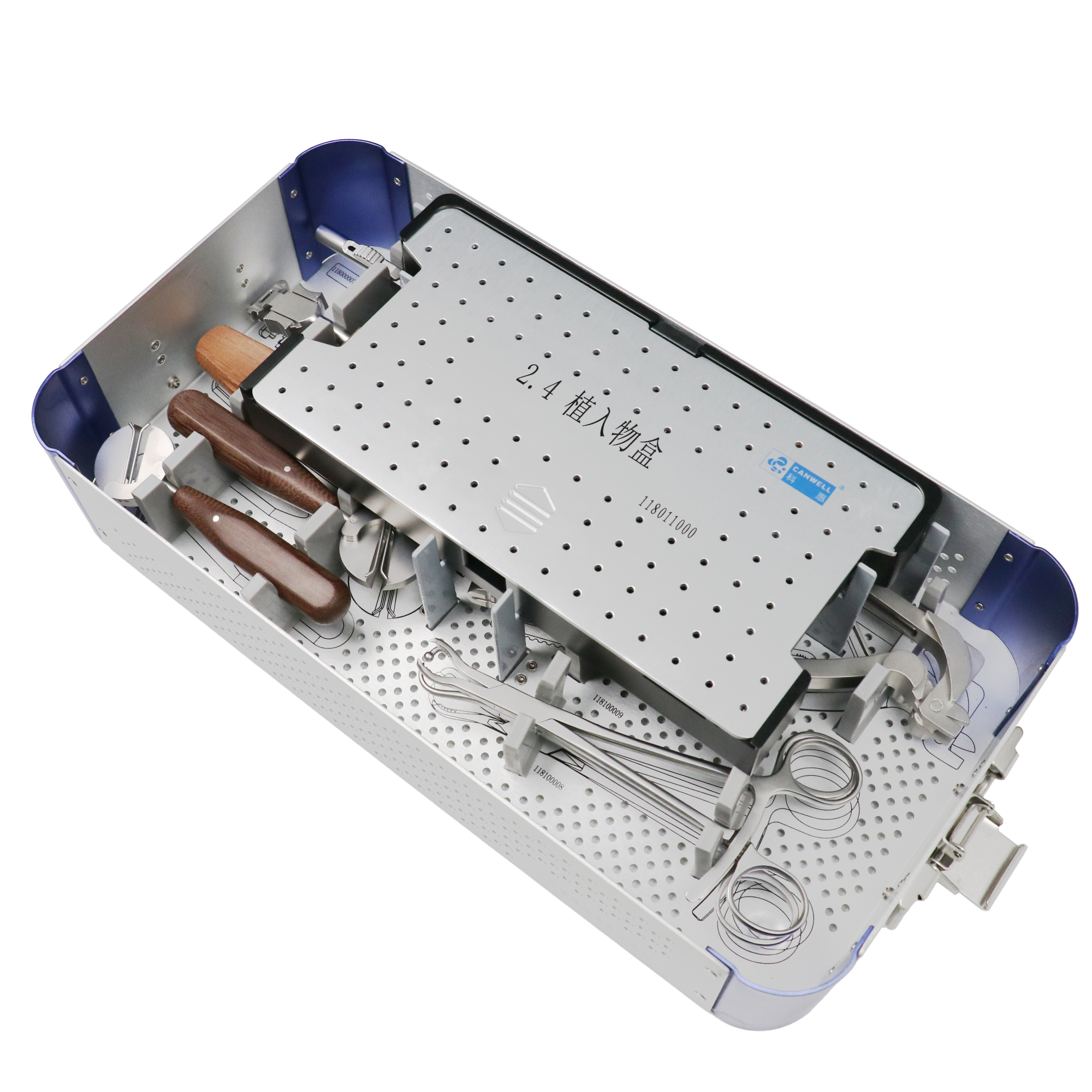
CANWELL Oral and Maxillofacial Surgery Instruments Set Cranium Bone Screwdriver Kit
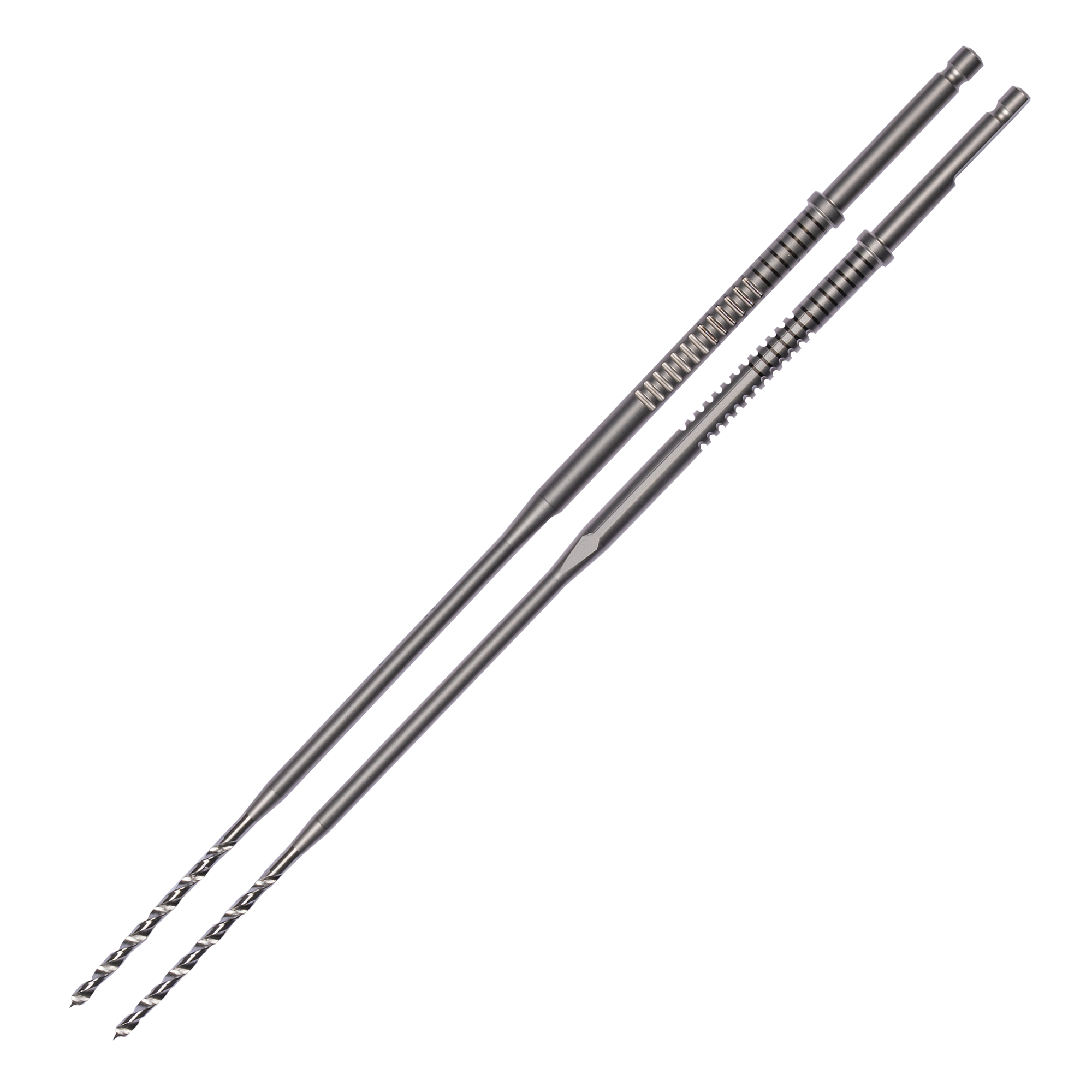
CANWELL Bone Drill Bit Bone Flexible Surgical System Soft AO Normal Quick Coupling
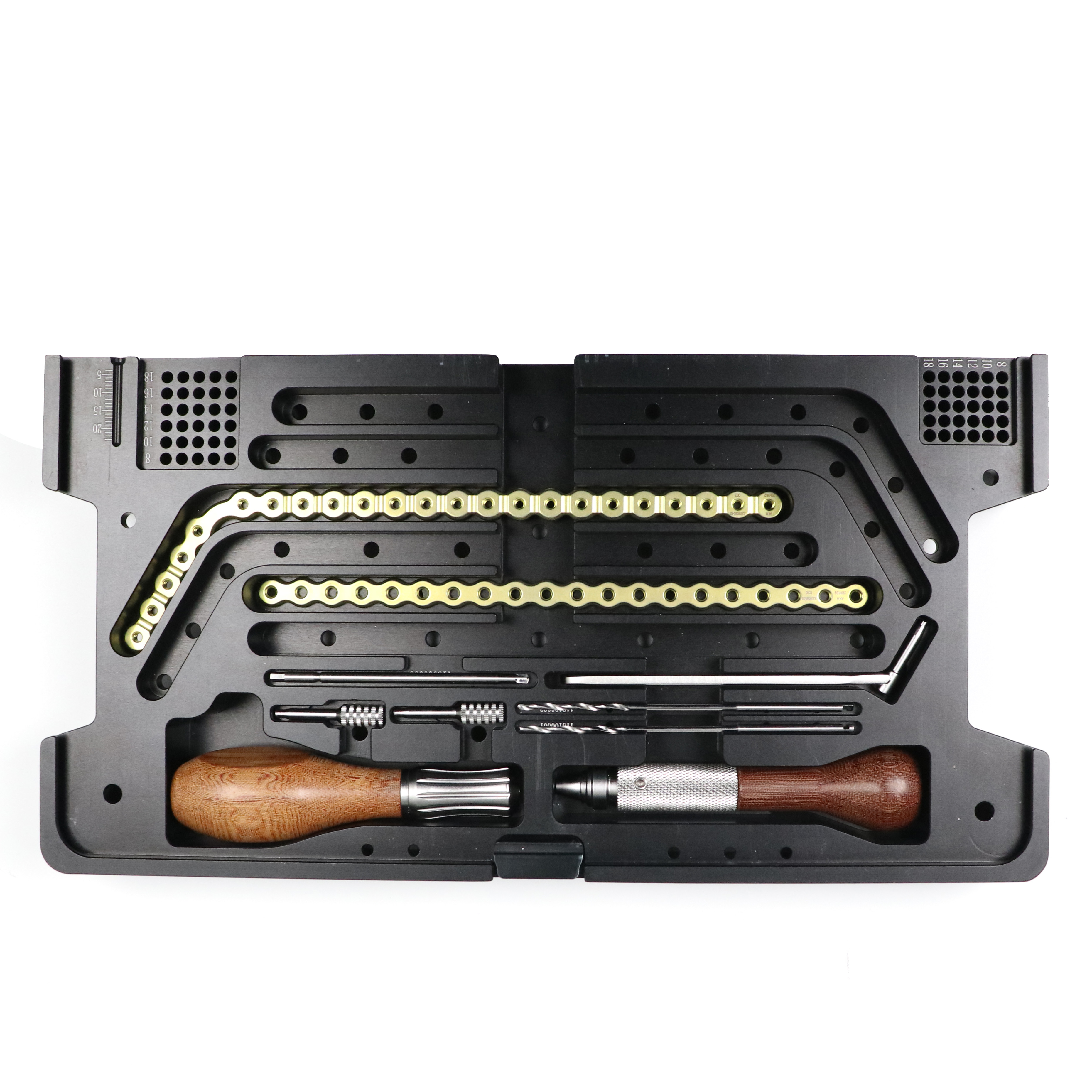
CANWELL Maxillofacial Surgery Instrument Set Maxillofacial Drill Bone Fixation Kit
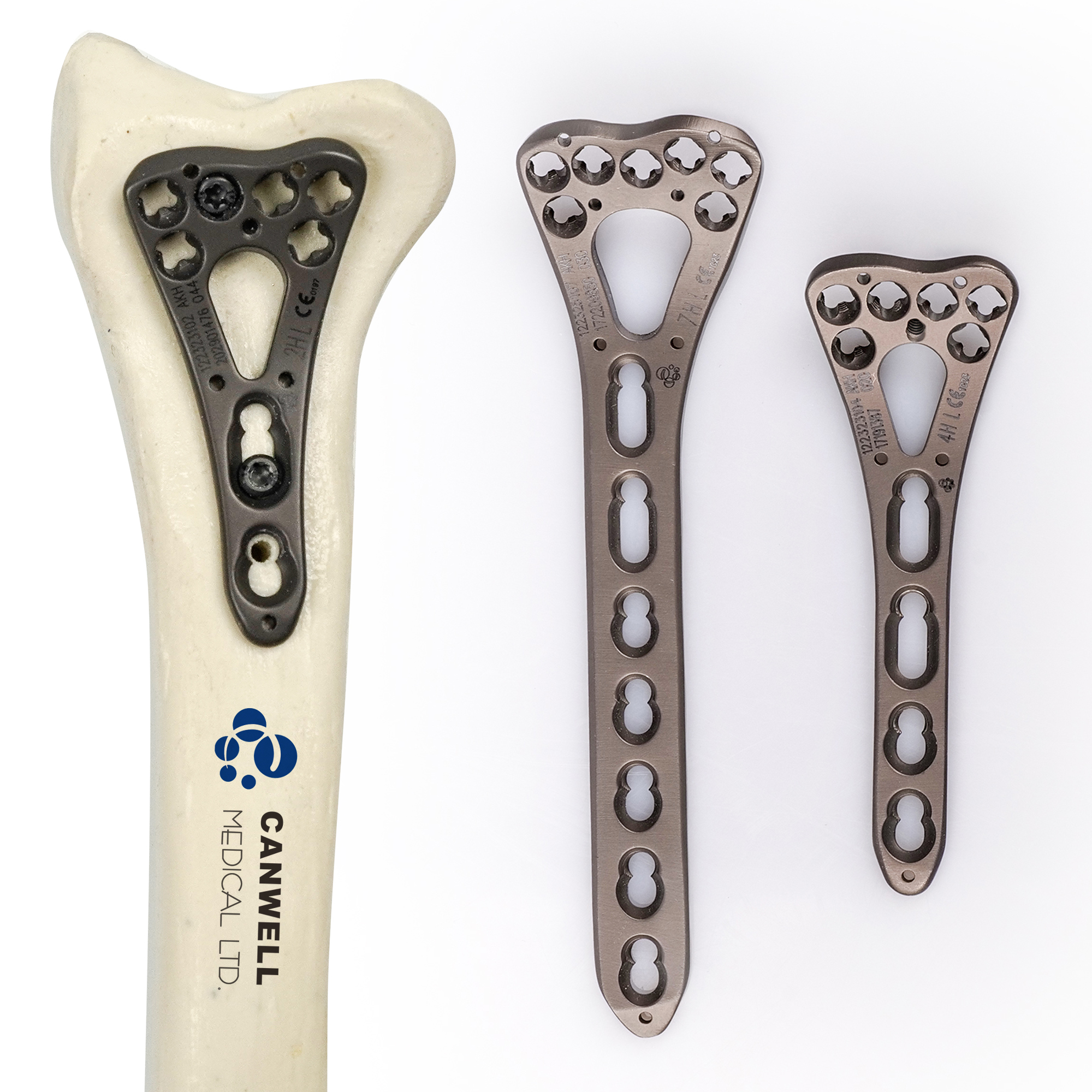
CANWELL 2.4 2.7mm VA Titanium Distal Palmar Radius Locking Plate Volar Wrist Orthopedic
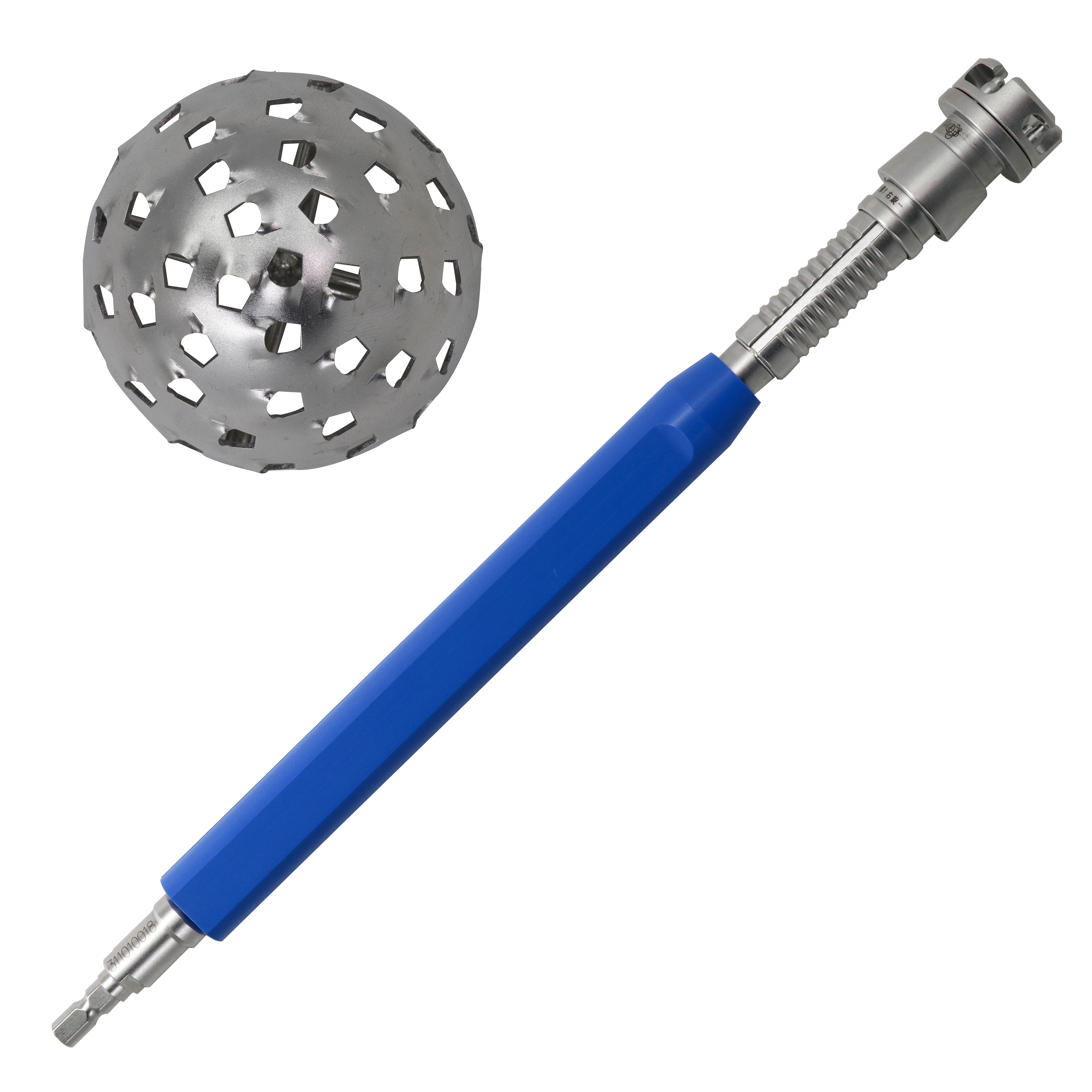
CANWELL Acetabular Reamers High Precision Hip Instrument Set Arthroplasty Tools
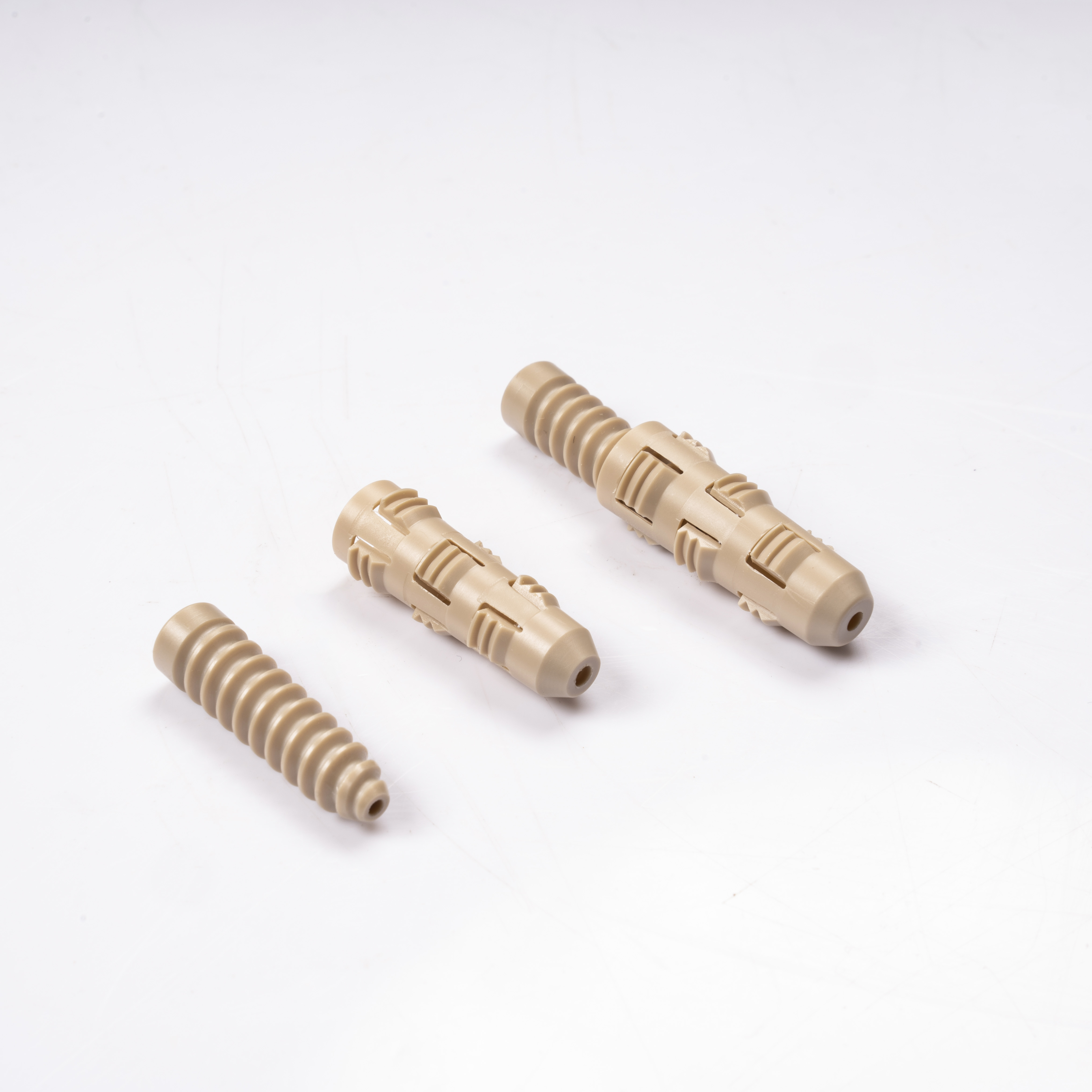
CANWELL Sports Medicine ACL PCL Arthroscopy Surgery PEEK Interference Screw
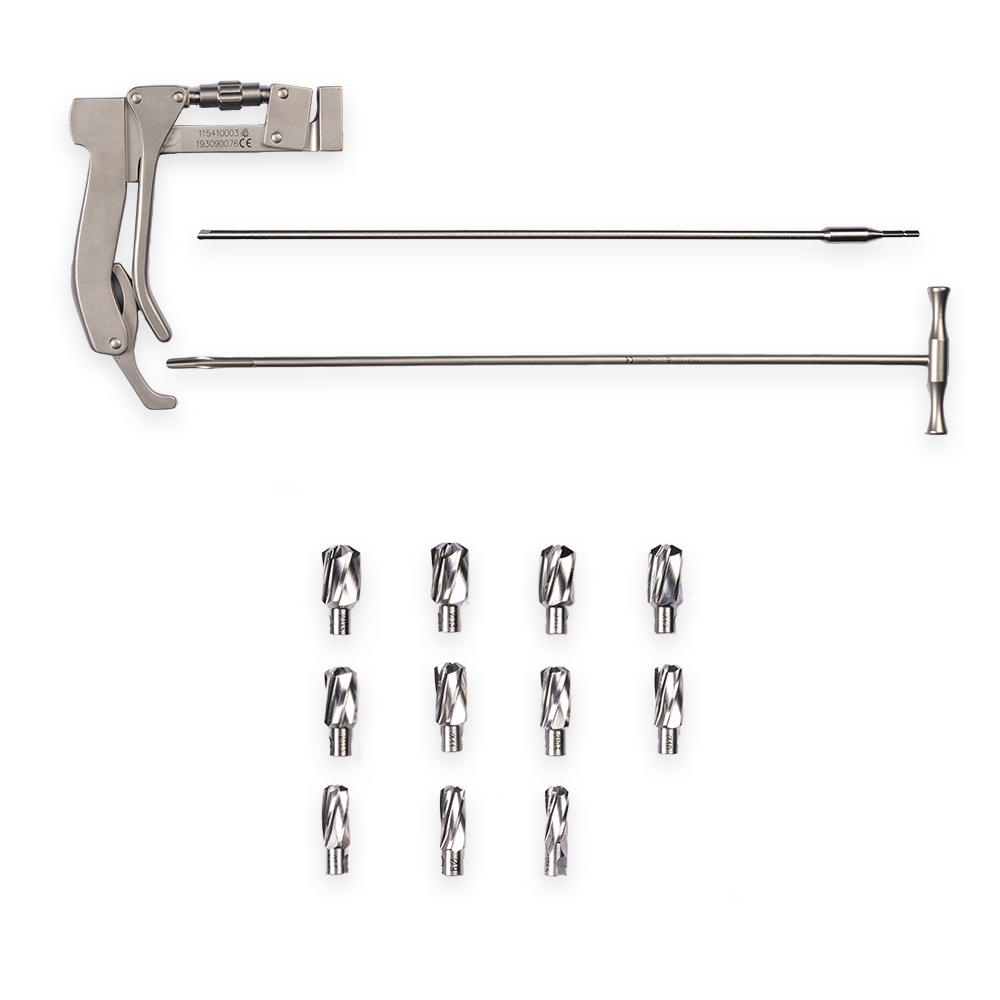
CANWELL Orthopedic Flexible Reamer Set for Intramedullary Nail Surgery OEM Supplier
22+
Years Manufacturing Experience
632
Specialized Production Staff
29,523m²
Certified Facility Floorspace
100%
Batch Traceability & OQC Inspection
Technical Whitepaper & Clinical Analysis
Structural Biomechanics in Arthroscopic Meniscal Repair
Navigating the engineering tolerances of curved-needle geometry, suture tensile dynamics, and tissue preservation in inside-out and all-inside repair modalities.
The meniscus plays an indispensable mechanical role in load distribution, shock absorption, and joint stabilization within the human knee. Clinical data confirms that even partial meniscectomy dramatically elevates peak contact stresses across the tibial plateau, precipitating rapid articular cartilage wear and secondary osteoarthritis. Consequently, modern sports medicine paradigms prioritize preservation through arthroscopic suture repair. For surgical teams serving Nampo and surrounding health networks, achieving repeatable anatomical restoration demands suture needles manufactured to rigorous metallurgical, geometry, and tensile specifications.
Inside-out and outside-in repair procedures require needles engineered from high-tensile 300-series medical stainless steel or proprietary austenitic alloys. The micro-structural requirements are exact: the suture needle must maintain sufficient flexural rigidity to penetrate dense fibrocartilaginous zones without plastic deformation or shaft fracture, while offering enough elastic resilience to traverse pre-bent protective cannulas without binding or metal fatigue.
Key Engineering Benchmark: Needle tip geometry plays a decisive role in chondral safety. Custom-tapered cut points combined with slim transition profiles ensure minimal puncture cross-sections, lowering entry resistance through tissue while preventing meniscal matrix tearing during circumferential stitch compression.
At Zhejiang INAR Medical Co., Ltd., our OEM manufacturing program integrates ultra-precision CNC grinding and micro-swaging techniques. The mechanical interface where the suture strand joins the proximal needle shaft is precision-crimped under closed-loop automated controls. This swaged joint design achieves a seamless, low-drag transition profile, eliminating tissue drag and micro-fragment avulsion during high-tension pulling across vascular and avascular zones.
Furthermore, when pre-loaded with ultra-high molecular weight polyethylene (UHMWPE) non-absorbable braided sutures, the needle-suture unit sustains high pull-out forces exceeding ASTM F2118 cyclic fatigue criteria. Suture surface lubricity and braid coherence preserve cellular architecture within the red-red and red-white peripheral vascular junctions, creating the stable mechanical bed necessary for sustained biological healing.
Biocompatible Metallurgy
Machined from surgical-grade stainless alloys offering elevated yield strength, corrosion resistance, and verified biocompatibility conforming to ISO 10993 standards.
Micro-Curved Ergonomics
Accurately calibrated curvatures (straight, gentle curve, and sharp reverse curve) engineered to clear posterior horn contours through tight arthroscopic portals safely.
Swaged Needle-Suture Bond
Zero-snag crimped junction connecting UHMWPE sutures with consistent break-point resistance, avoiding mechanical stripping during intra-articular retrieval.
Localized Clinical Deployment
Clinical Application Scenarios Serving Nampo Medical Facilities
Empowering orthopedists, regional surgery centers, and trauma wings with dependable, reproducible sports medicine tooling.
Nampo's strategic role as a prominent maritime, logistical, and industrial center shapes a distinctive local clinical demographic. The incidence of complex soft-tissue knee trauma spans across heavy industrial workers, maritime logistics personnel, and an expanding population participating in competitive and recreational athletics. In this demanding environment, surgical departments must address acute meniscus tears alongside chronic degenerative lesions complicated by ligamentous instability.
Specific operational scenarios in clinical centers serving Nampo illustrate the necessity of versatile suture needle designs:
Industrial Trauma & Bucket-Handle Reductions
High-energy knee twists common in shipyards and logistics hubs frequently result in extensive bucket-handle tears. Inside-out suture needles provide the structural length and directional control required to anchor displaced fragments accurately back to the capsule.
Posterior Horn Root Fixation
Accessing the posterior horn of the medial meniscus represents a challenging narrow field bordered closely by the popliteal neurovascular bundle. Micro-curved needles guided via protective cannula guides mitigate penetration hazards behind the capsule.
Combined ACL & Meniscal Reconstruction
Concomitant anterior cruciate ligament (ACL) tears demand streamlined intra-operative transitions. Our sports medicine suite links suture needles directly with PEEK and PLGA interference fixation screws for consolidated procedural efficiency.
Regional Market Dynamics
Localized Development & Procurement Trends
Analyzing supply chain decentralization, cost containment initiatives, and the transition toward turnkey OEM partnerships.
Orthopedic device procurement strategies across regional healthcare hubs serving Nampo are experiencing significant structural evolutions. Historically reliant on high-cost multinational commercial brands, procurement directors and hospital materials supervisors are recalibrating inventory pipelines toward directly verifiable OEM manufacturers who provide rigorous regulatory documentation, uncompromised metallurgy, and cost predictability.
Three dominant structural vectors define the current market landscape:
1. Shift Toward Joint Preservation: With clinical consensus highlighting the lifelong systemic costs of accelerated degenerative arthritis resulting from total meniscectomy, public health directives advocate for aggressive preservation. This policy has spurred a direct surge in procedural volume for arthroscopic meniscus suture repairs, amplifying the demand for sterile double-armed needle packs.
2. Rationalization of Device Expenditures: Hospitals must reconcile advanced surgical delivery with stringent national and institutional budget guidelines. Sourcing directly from certified Tier-1 manufacturers like INAR Medical eliminates redundant intermediary markups while maintaining full adherence to international mechanical performance tolerances.
3. Demand for Integrated Surgical Systems: Tendering authorities and clinical department heads express a definitive preference for cross-compatible orthopedic kits. Providing suture needles, cannulated guide tubes, depth-calibrated drill bits, and interference screws from a single production home reduces technical disparities and streamlines operating room logistical cycles.
Factory Rigor
State-of-the-Art Processing & Quality Control Lab
Every medical device is machined, polished, ultrasonically cleaned, and packaged inside our verified 29,523 m² facility.

Precision CNC Micro-Machining
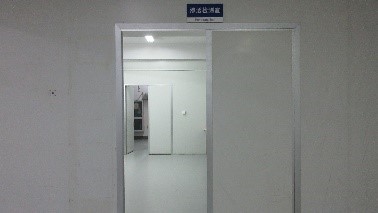
Non-Destructive Penetrant Testing
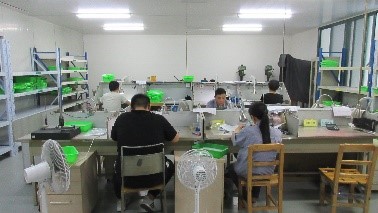
100% Outgoing Quality Control
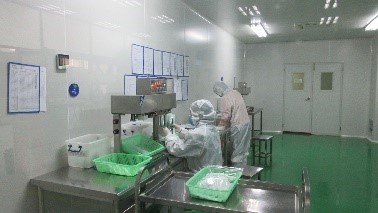
Class 100,000 Aseptic Packaging
Enterprise Authority
Why Global Importers & Procurement Teams Rely on INAR
With over two decades of technical dedication, INAR delivers institutional stability, audit compliance, and engineering mastery.
SGS-Assessed & CE Verified
Our production facilities maintain continuous onsite supplier assessment verification by SGS Group, with trauma, spine, and sports medicine implant series approved under CE MDR and 93/42/EEC directives.
Full OEM/ODM Versatility
From custom shaft sweep radii and custom needle chord lengths to custom-branded sterile blister packs and laser marking, we fulfill specific contract manufacturing engineering orders precisely.
Traceable Closed-Loop Supply
Raw bar stock certificates, ultrasonic cleaning, multi-tier penetrant inspections, and internal laboratory fatigue testing guarantee that every product shipped meets uncompromising standards.
Procurement Clarity
Frequently Asked Questions by Local Purchasing Teams
Essential technical, regulatory, and shipping information for procurement officers sourcing for Nampo regional requirements.
What needle curve profiles and suture specifications can be manufactured under OEM contracts? +
We manufacture a comprehensive array of geometry configurations, including straight, gentle upward curve, aggressive upward curve, and reverse-curved double-armed needles. Sutures are typically ultra-high molecular weight polyethylene (UHMWPE) braided lines in USP #0 or #2-0 configurations, with customizable colors (white/blue/green striped) for rapid intra-articular strand identification.
How do you guarantee needle ductile integrity and prevent breakage inside narrow portals? +
Every production batch undergoes strict metallurgical tensile testing, bending resistance verification, and hardness testing in our physical testing center. Needle shafts are engineered to flex within defined elastic limits to negotiate curved delivery cannulae without experiencing metallurgical notch brittleness or sudden plastic fracture.
What regulatory documentation is provided for medical importation into Nampo-bound hubs? +
All shipments are accompanied by comprehensive technical dossiers, including Certificates of Analysis (CoA), material mill test reports, CE Declarations of Conformity, ISO 13485 certification records, and sterilization validation reports (for pre-sterilized formats). These dossiers provide seamless support for customs clearance and institutional device registry filings.
What are the minimum order quantities (MOQ) and production lead times for customized devices? +
For standard catalog items, orders can typically be dispatched from inventory reserves within 7–14 days. For customized OEM production runs involving specialized radii, custom laser marking, or tailored packaging envelopes, initial prototype batches require approximately 3 to 4 weeks upon drawing sign-off, with scaled manufacturing following predictable delivery schedules.
Can sterile blister packaging with custom multilingual hospital labeling be accommodated? +
Yes. Our Class 100,000 cleanroom packaging facility accommodates full private-label OEM requests. We supply medical-grade Tyvek blister packs configured with custom barcodes, UDI tracking indicators, localized language inserts, and sterile barrier protection certified to maintain sterility over a multi-year shelf life.
Advance Your Meniscal Repair Program with INAR Medical
Connect with our technical engineering and international export team to review technical drawings, request evaluation samples, or receive a tailored tender quotation.