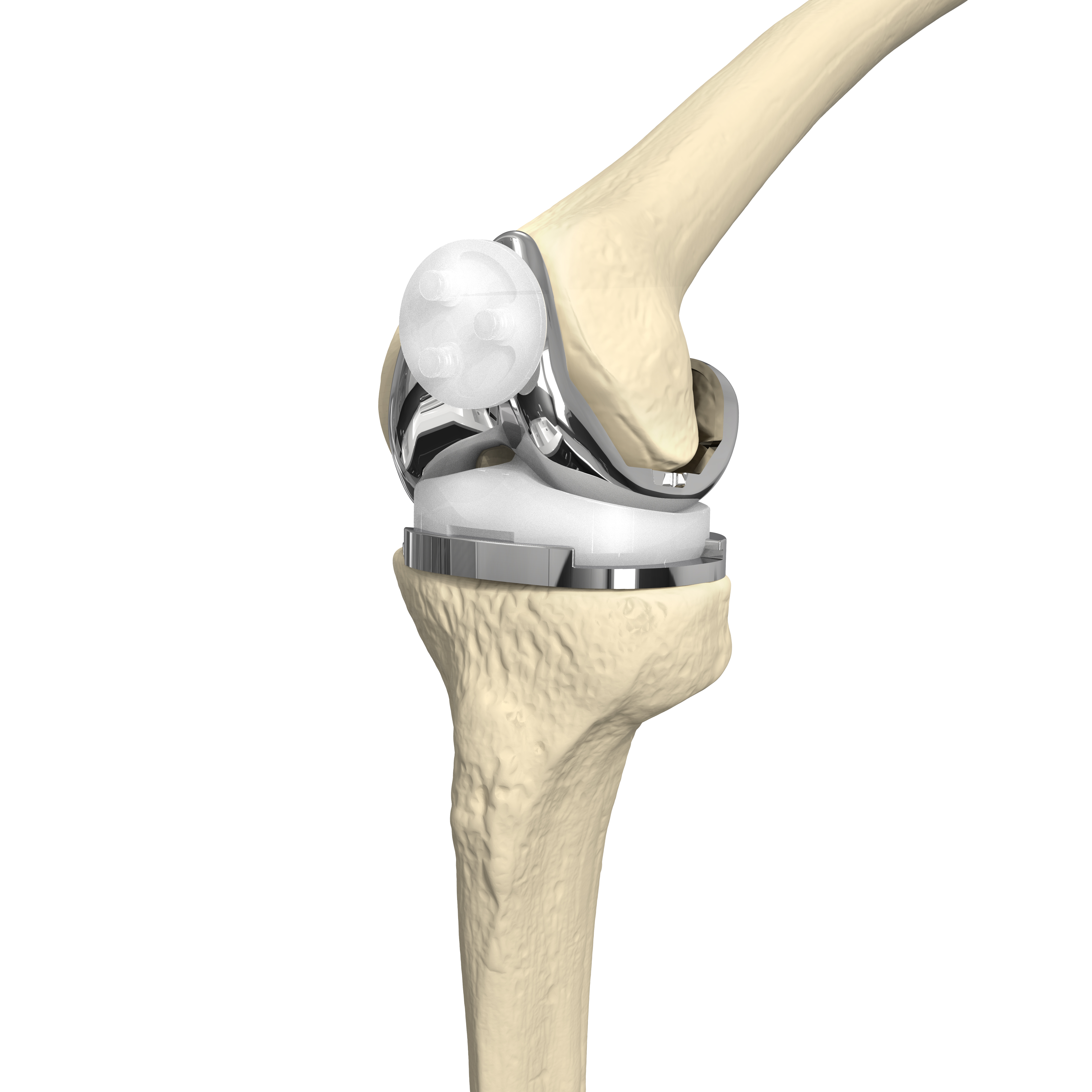
Arthroplasty Joint
The clinical demand for specialized minimally invasive arthroscopic devices has accelerated across the Western Balkans. As Durrës continues its ascension as the primary maritime logistics hub of Albania and a major regional center for private surgical clinics and public regional hospitals, institutional buyers demand more than off-the-shelf instrumentation. They require micro-machined precision, puncture-resistant quad-lip elastomeric seals, fluid dynamics optimization to mitigate tissue extravasation, and uncompromising international regulatory clearances.
Direct factory-manufactured implants and arthroscopic assemblies engineered for trauma centers, sports medicine practices, and multinational hospital distributors.
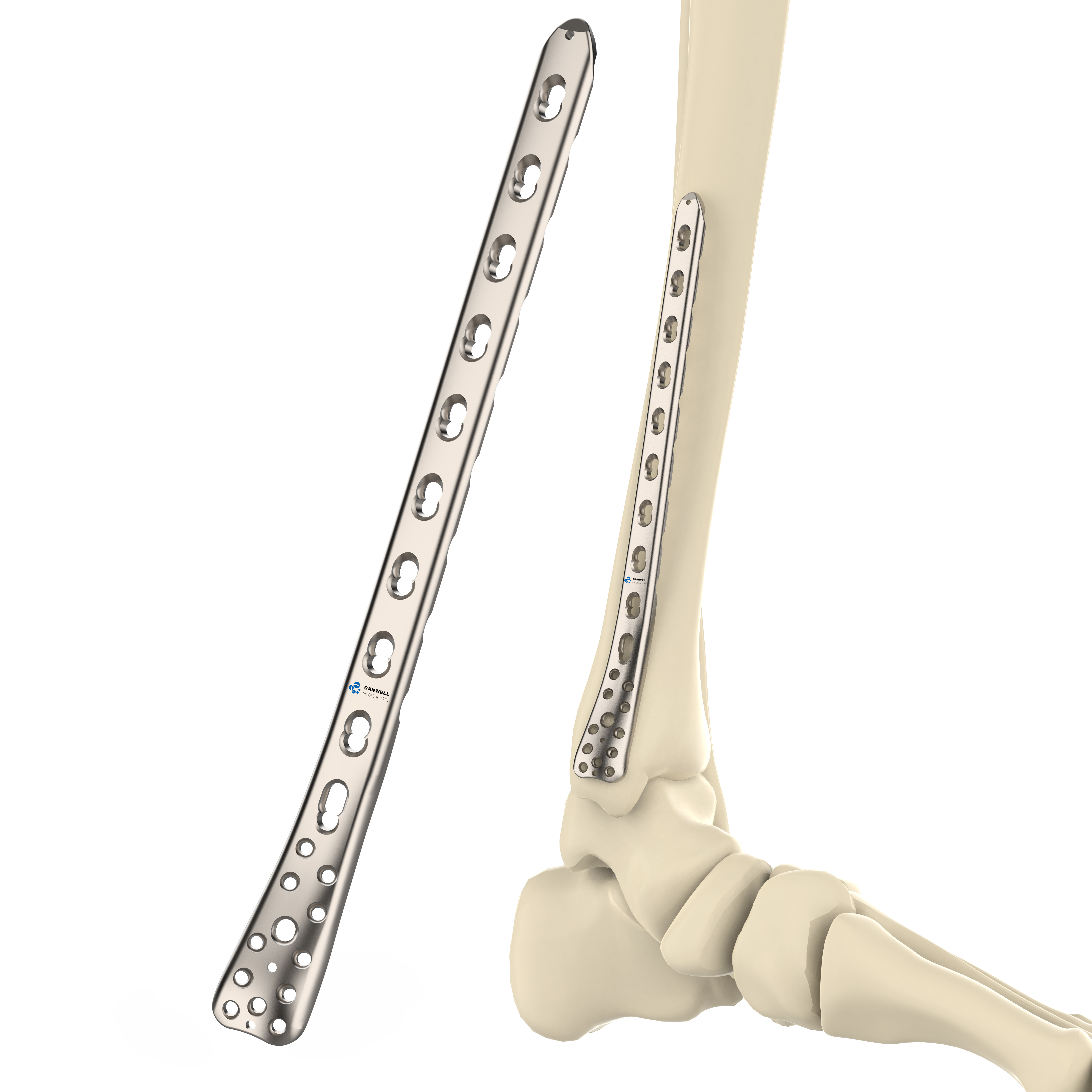
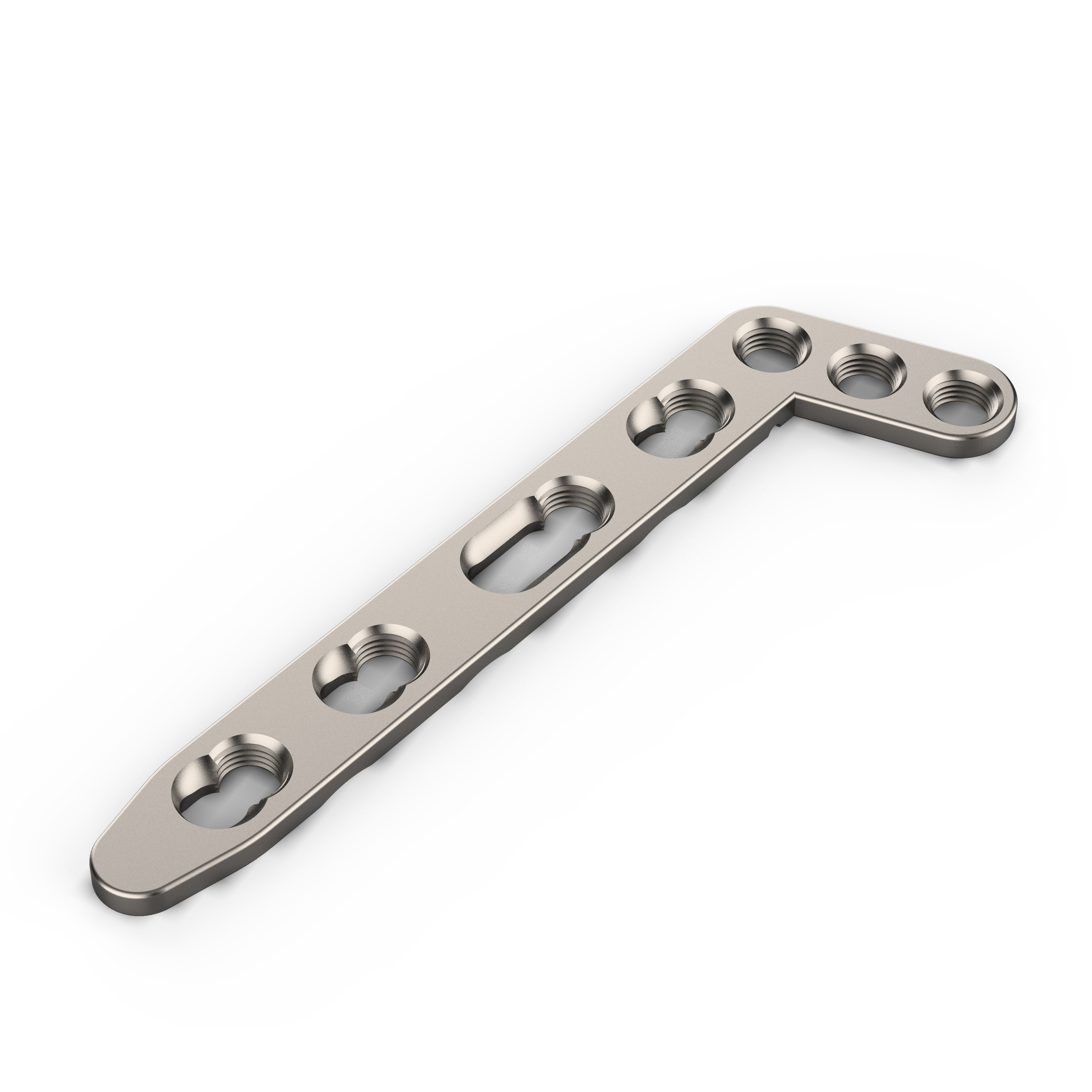
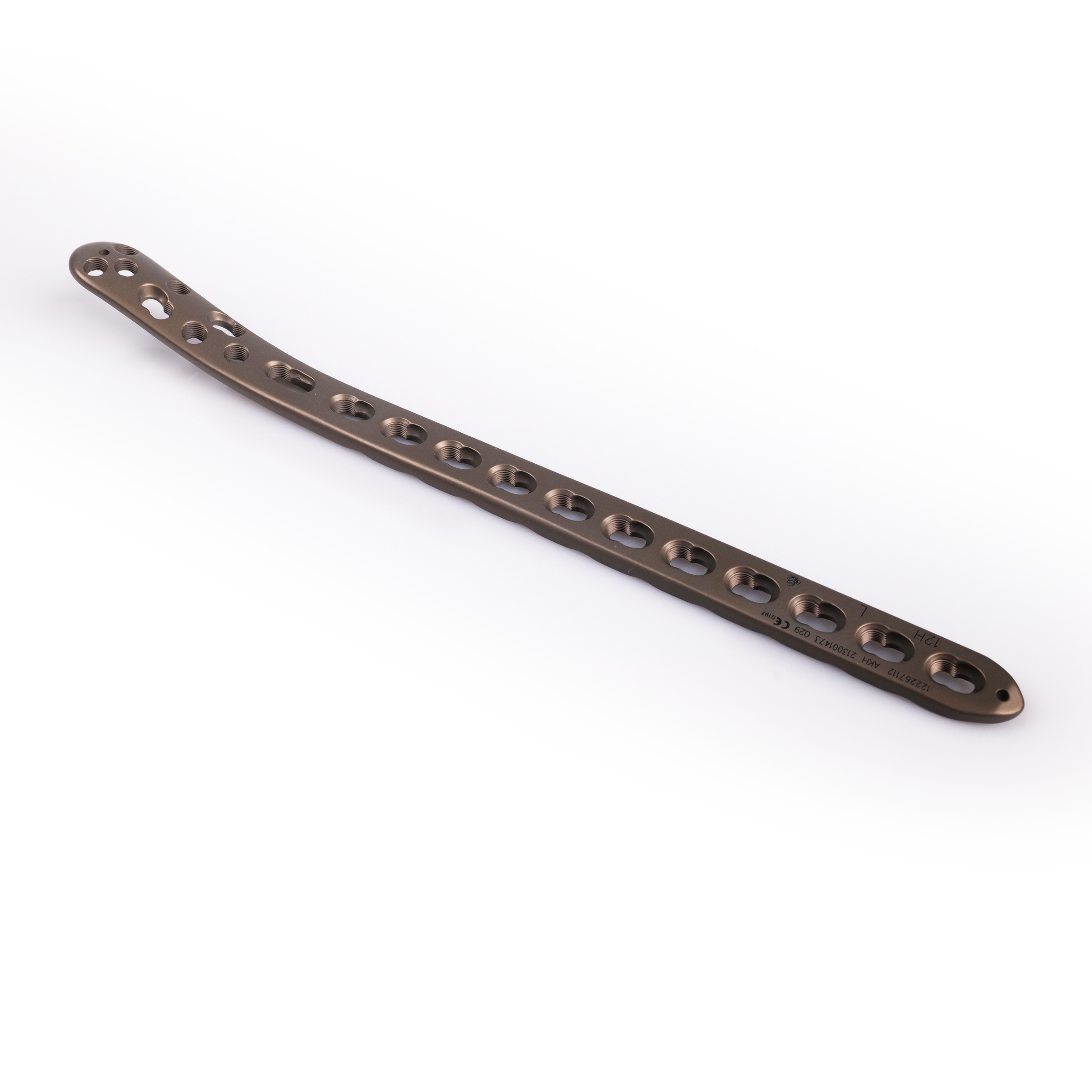
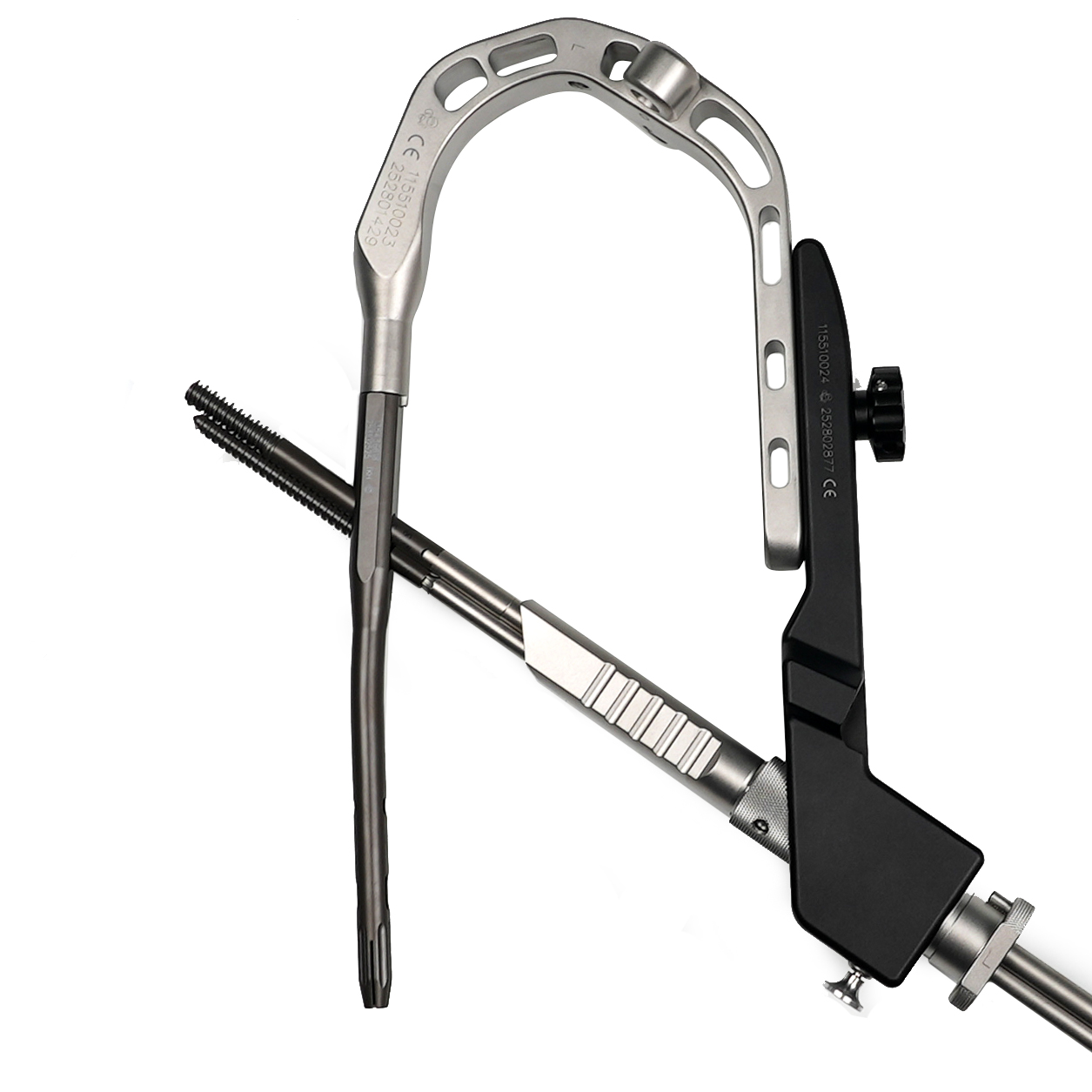
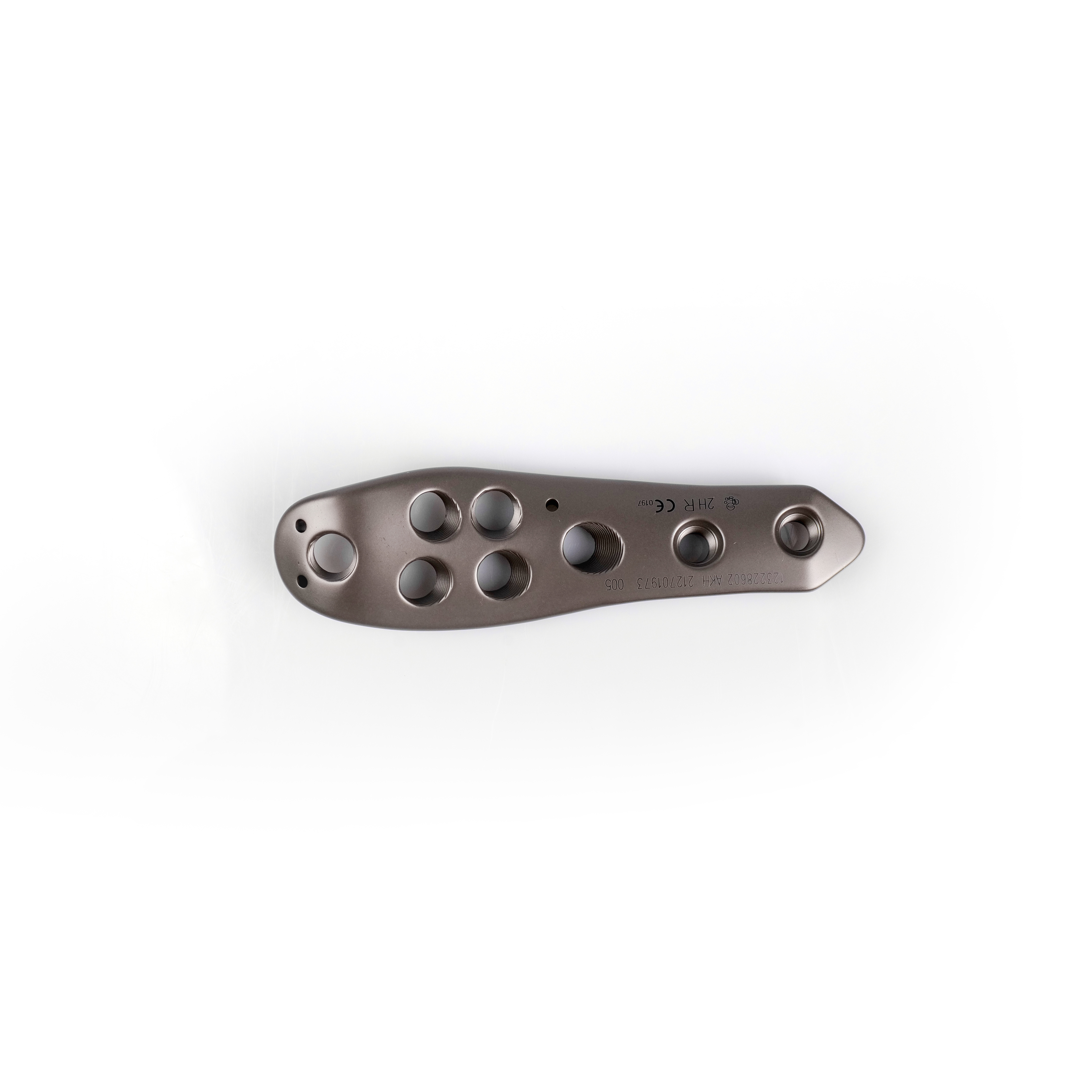
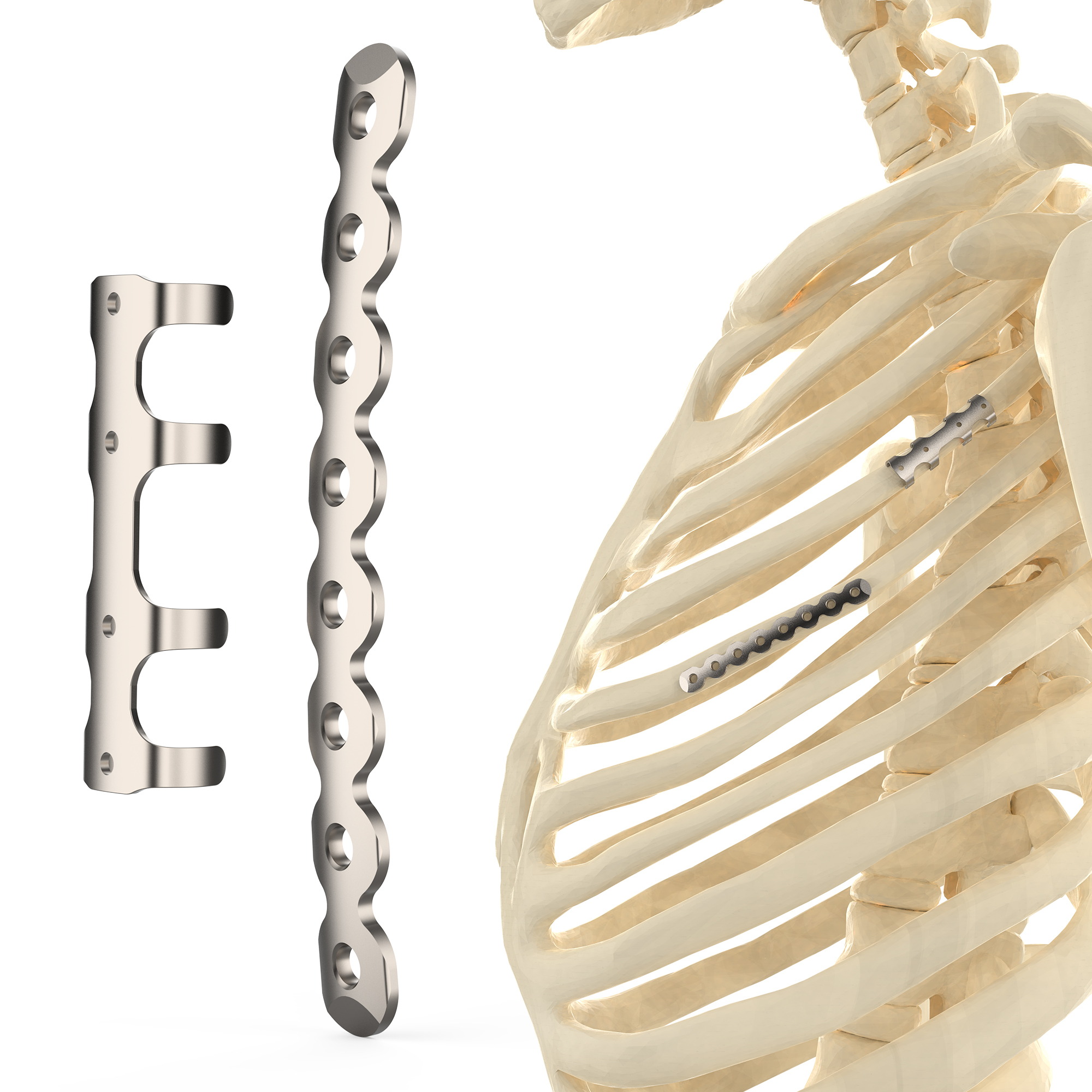
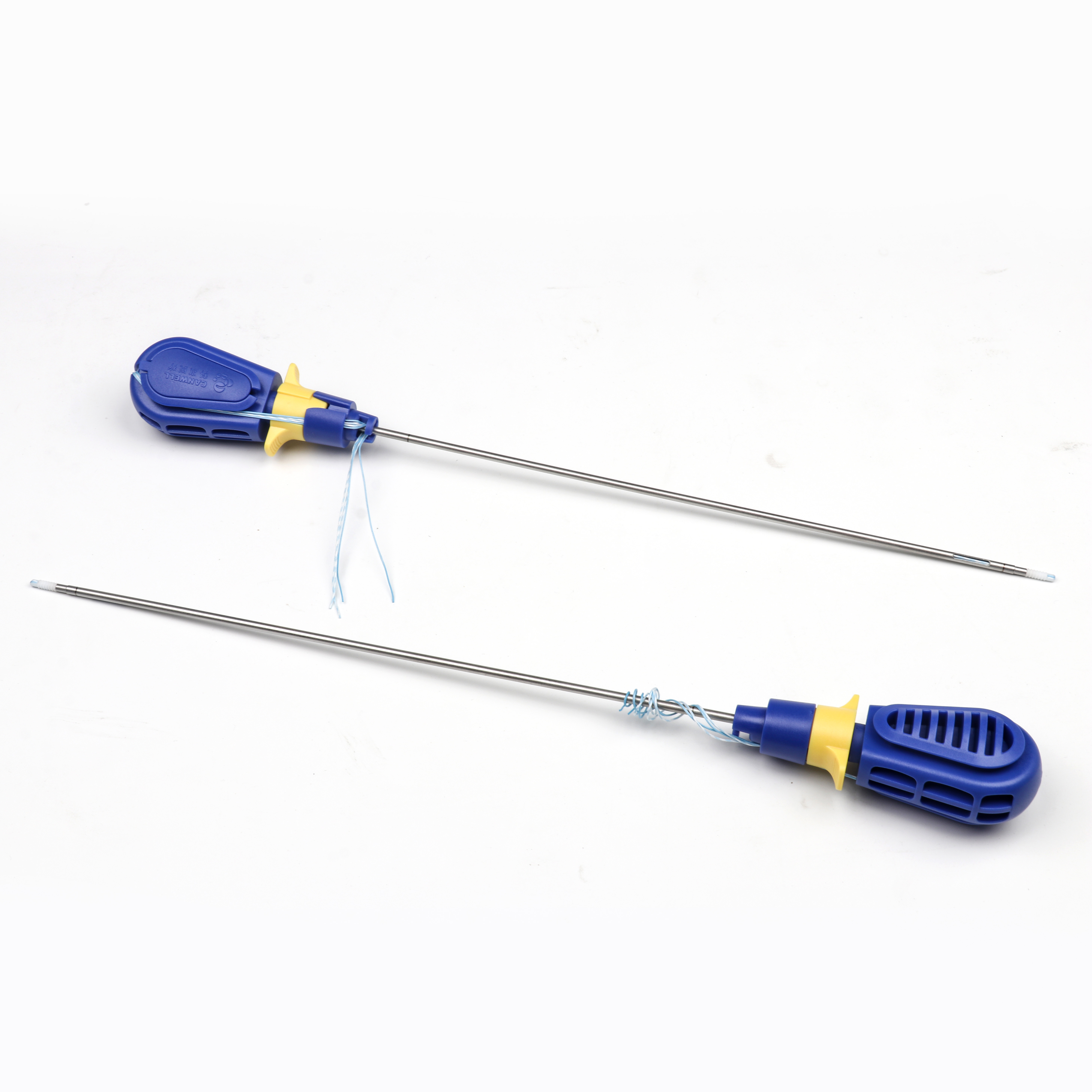
Navigating narrow joint cavities—such as the subacromial space, glenohumeral capsule, radiocarpal compartment, and femorotibial joint—requires specialized cannulas that safeguard periarticular soft tissue while providing maximum endoscopic visualization and irrigation control.
OEM cannulas engineered with fine continuous ribs or distal threaded outer walls anchor securely across varying tissue thicknesses, preventing intraoperative portal extrusion during active burring and high-flow shaver suction in complex shoulder or knee reconstructions.
Manufactured using medical-grade tear-resistant liquid silicone (LSR), our integrated dual-dam seals maintain leak-free joint distension up to 150 mmHg. They accommodate instrument diameter variations from 2.7mm to 8.5mm without fluid squirts or pressure collapse.
Dual 360-degree rotating luer stopcocks optimize dynamic turbulent washouts. The high-lumen internal geometry minimizes hydraulic friction drop, clearing bone debris, thermal smoke, and intra-articular micro-hemorrhage efficiently during electrocautery RF ablation.
The medical geography of Durrës presents specific operational environments where high-performance arthroscopy cannulas, knotless suture anchors, and trauma fixation assemblies are actively procured.
With Durrës, Tirana, and surrounding coastal districts serving active athletic leagues and watersports corridors, specialized surgical suites treat acute ACL/PCL tears, labral pathologies, and meniscal root disruptions using 5.5mm and 7.0mm threaded clear cannulas paired with bioabsorbable interference implants.
Regional public institutions managing high-velocity fracture cases and polytrauma benefit from combined arthroscopically assisted reduction and internal fixation (ARIF). Here, cannula systems enable intra-articular visual confirmation of tibial plateau and distal radius articular step-offs without massive arthrotomy.
To reduce inpatient overhead and patient recovery turnaround in the growing medical tourism sector along the Adriatic coast, private surgical theaters utilize disposable, pre-sterilized cannula kits. This workflow streamlines turnaround times between subacromial decompression and rotator cuff repair cases.
Economic convergence with the European Union and structural overhauls in Balkan healthcare systems are fundamentally redefining distributor-manufacturer partnerships.
Albania's National Agency for Medicines and Medical Devices (AKBPM) continues harmonizing guidelines with EU MDR (Regulation 2017/745). Importers in Durrës actively divest from uncertified sources, migrating to audited factories possessing accredited Technical Documentation and Notified Body approvals.
Expanding port infrastructure in Durrës creates a centralized maritime logistics hub for medical device transshipment into Kosovo, North Macedonia, and Montenegro. Bulk containerized OEM deliveries of implants and single-use arthroscopy packs clear duty barriers rapidly through bonded maritime corridors.
Surgical teams increasingly push back against generic bulk parts. Procurement specialists require pre-packaged, procedure-specific procedure sets—grouping cannulated obturators, inflow sleeves, radiofrequency wands, and high-tensile suture passers into tailored sterile blister trays.
Established Balkan distributors are migrating from reselling tier-one Western brands with razor-thin margins toward building proprietary, private-label equity. Factory-direct OEM contracts enable distributors to laser-mark their regional corporate branding directly on precision-machined stainless steel instruments.
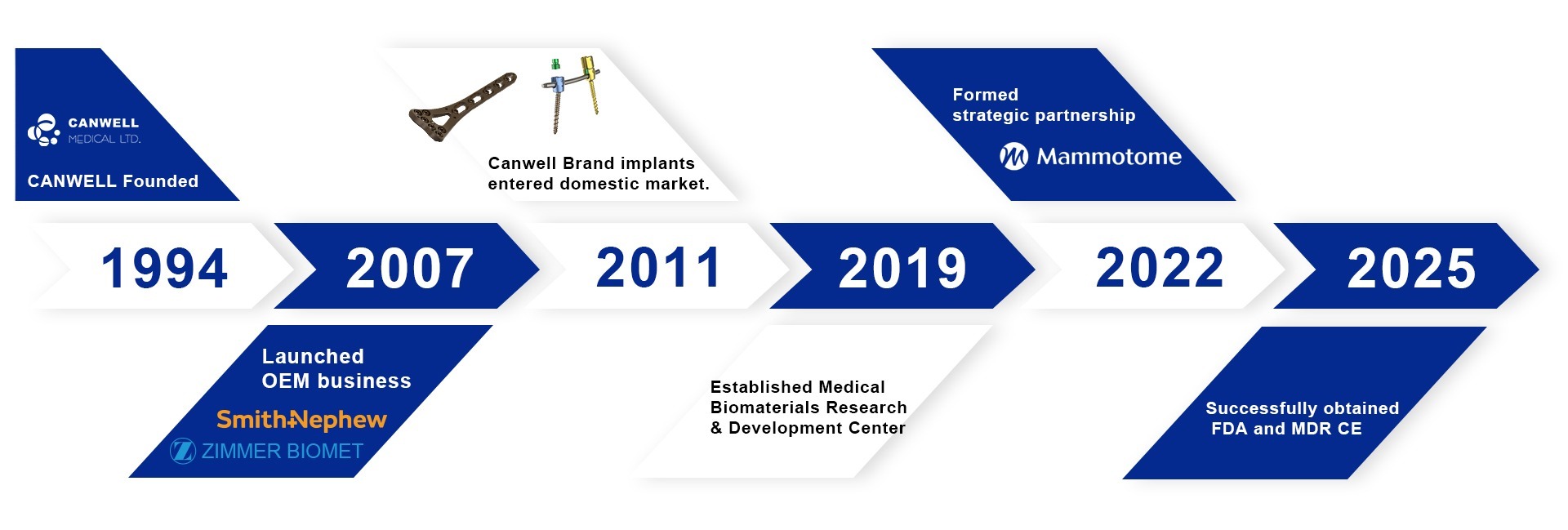
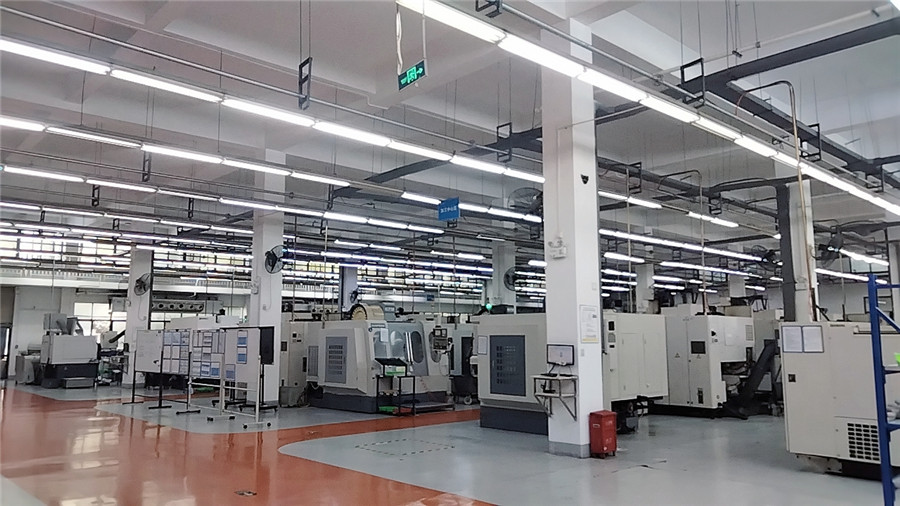
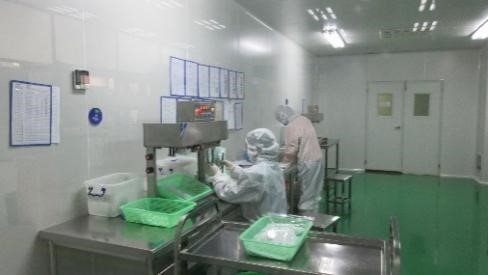
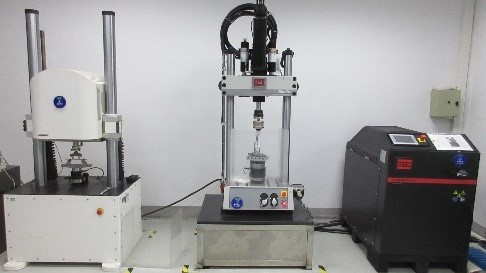
Operating an extensive 29,523 m² production facility verified onsite by SGS Group, Zhejiang INAR Medical Co., Ltd. deploys 632 technical specialists across longitudinal Swiss-type CNC lathing, precision five-axis milling centers, ultrasonic multi-stage passivation, and ISO Class cleanrooms.
From technical CAD drawing sign-off to compliant container arrival at the Port of Durrës, our structured OEM engineering protocol minimizes risk and ensures full technical dossier compliance.
Biomedical engineers evaluate tender specifications, 2D/3D component CAD models, and biocompatibility criteria to confirm exact tooling tolerances.
High-precision micro-machining of obturator components and optical-grade injection molding of transparent cannula tubes and elastomer seals.
Prototypes undergo burst-pressure verification, instrument friction resistance cycles, and fluidic vortex tests in our accredited testing lab.
Finished cannulas, valved caps, and trocars are ultrasonically washed, inspected under optical comparators, and heat-sealed in an ISO Class aseptic packing room.
Complete regulatory dossiers, certificates of origin, biocompatibility test results, and MDR declarations of conformity accompany bonded ocean/air shipments.
Objective, data-driven answers to technical, commercial, and regulatory inquiries commonly posed by regional importers, surgical department heads, and hospital supply officers.
Whether you are responding to clinical public tenders in Durrës, expanding your private distribution portfolio across Albania, or building an OEM private brand for sports medicine across the Mediterranean, our engineering staff is available to discuss custom specifications, physical samples, and comprehensive regulatory files.