Precision Orthopedic Implants & Surgical Instrumentation
Supplying clinical-grade traumatology systems, flexible reaming suites, and advanced arthroscopic implants optimized for regional healthcare providers and international medical procurement.
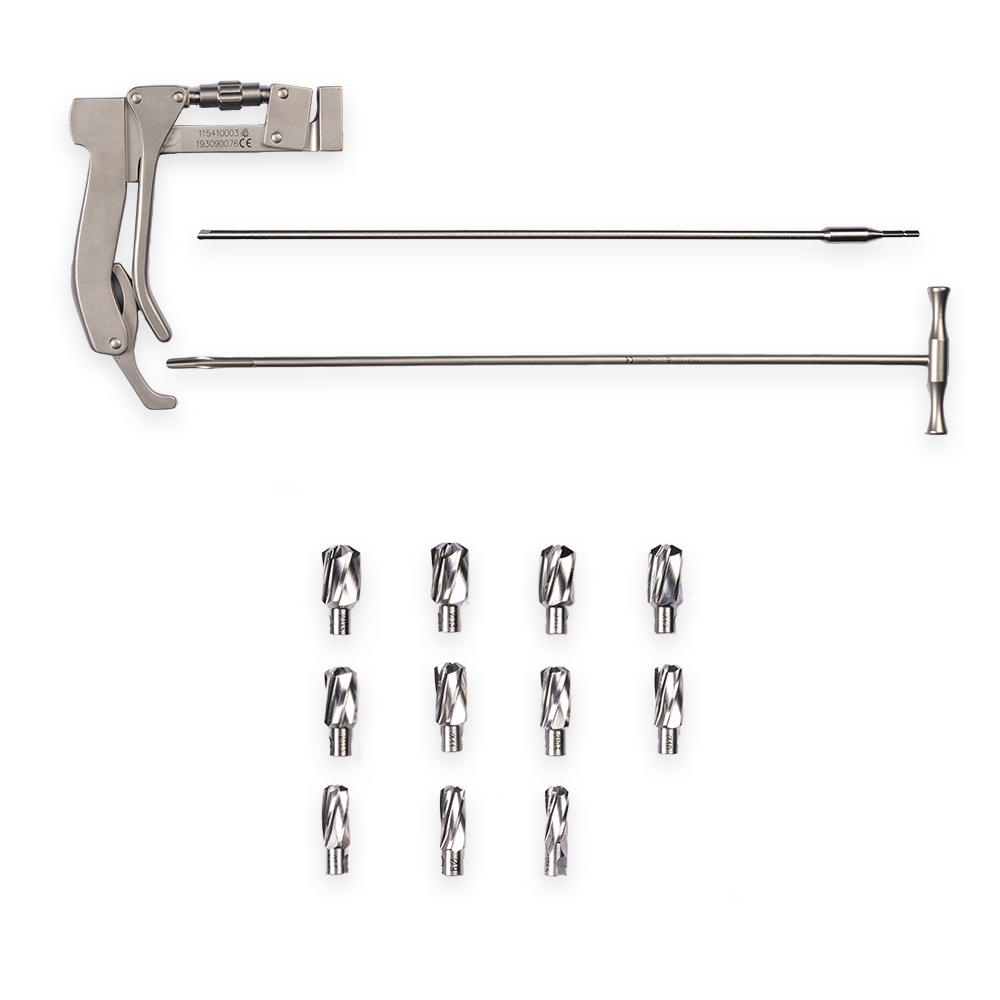
CANWELL Orthopedic Flexible Reamer Set for Intramedullary Nail Surgery
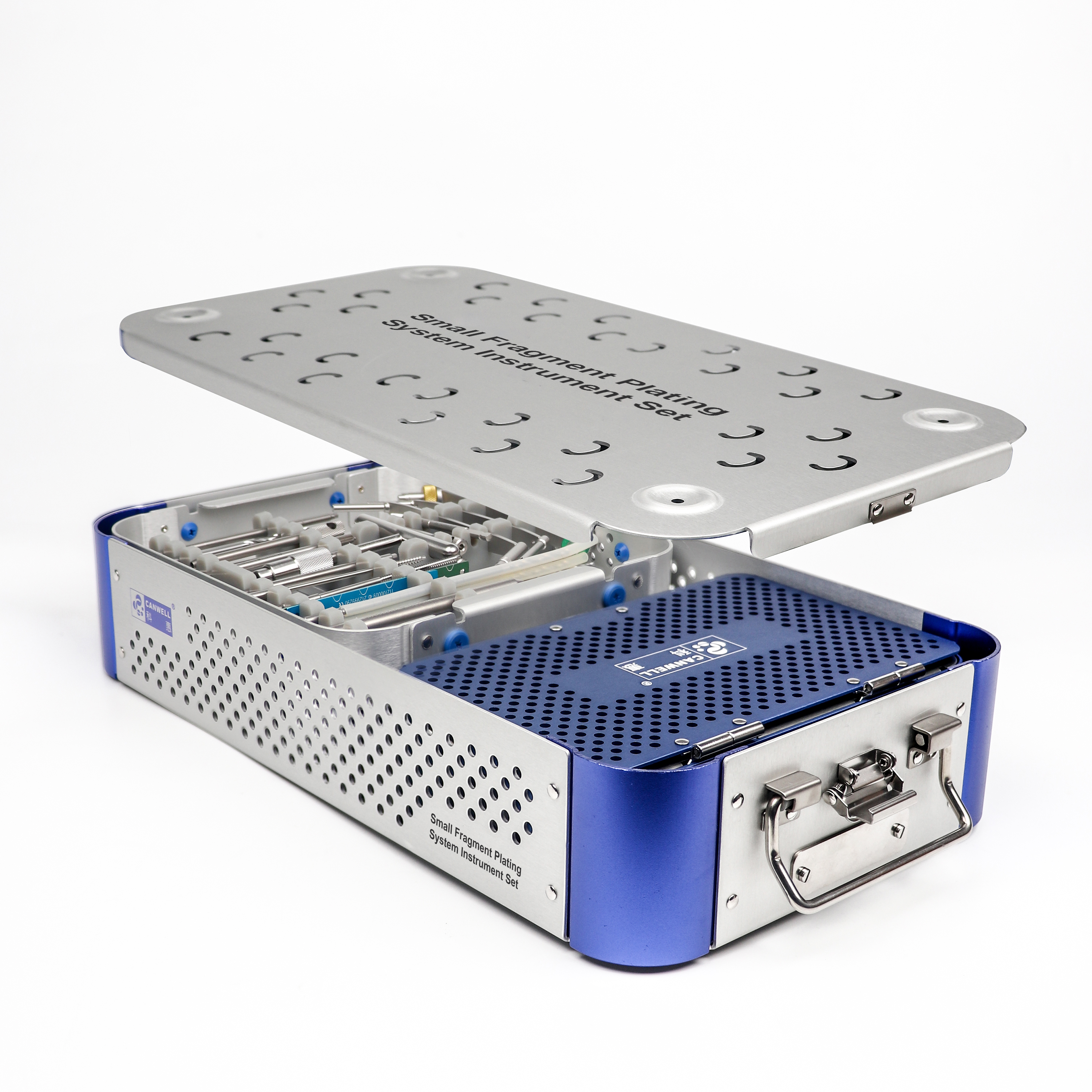
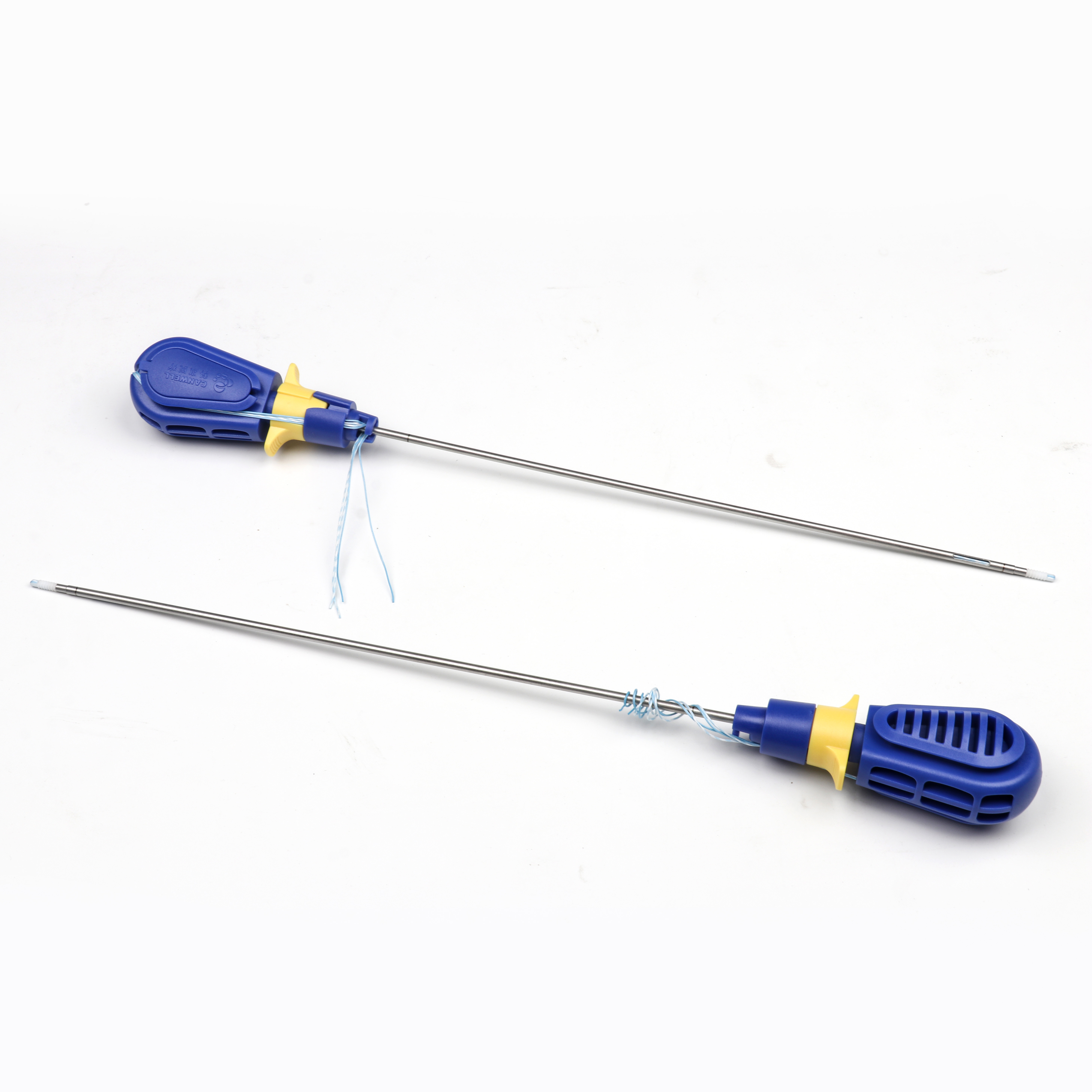
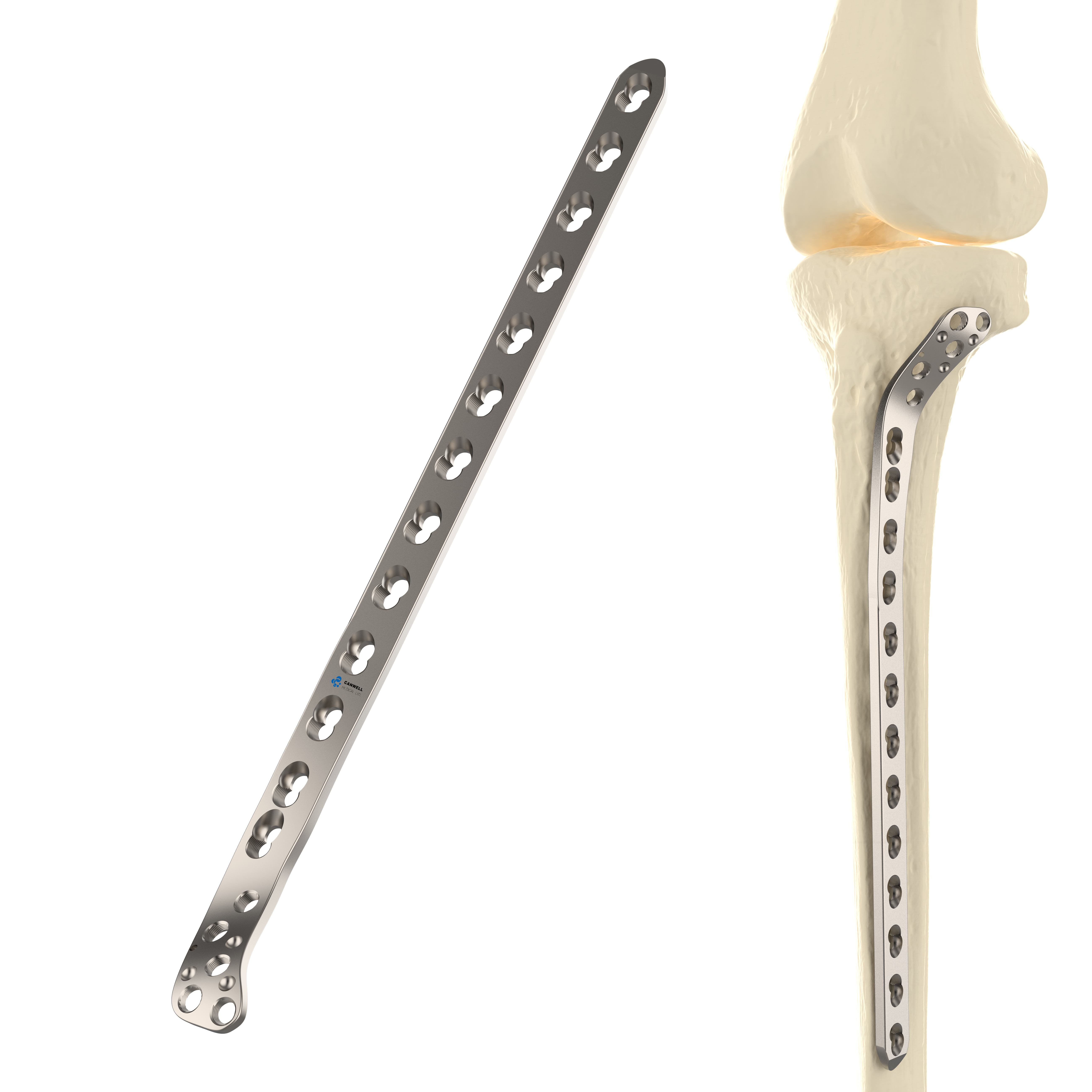
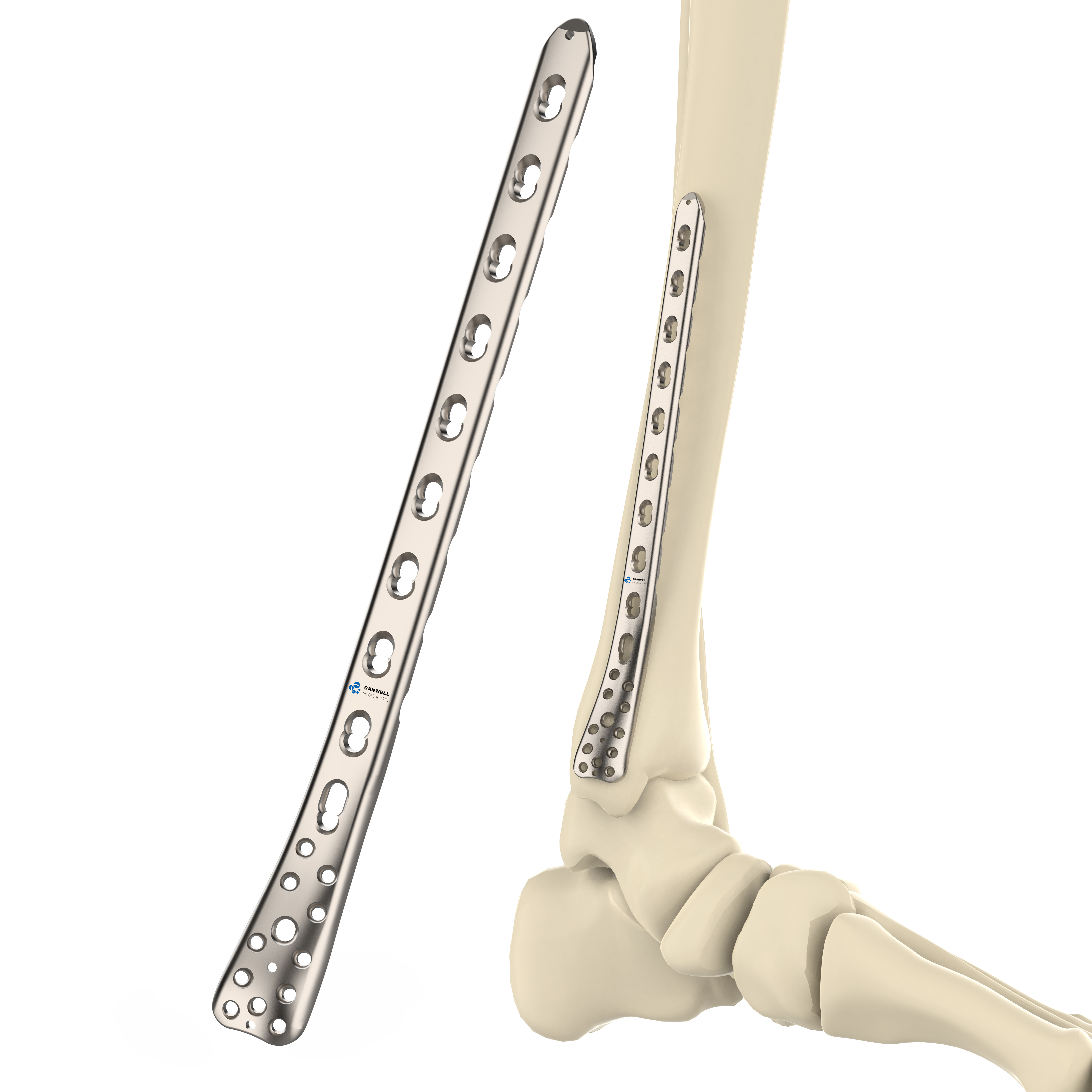
Biomechanical Engineering of Custom Distal Radius Plating Systems
Distal radius fractures (DRFs) remain among the most frequent traumatic presentations managed by orthopedic trauma teams globally, accounting for nearly 18% of all adult fractures. In complex regional trauma networks such as the Herzegovina-Neretva Canton centered around Mostar, managing intra-articular multi-fragmentary comminutions (AO/OTA Type 23-B and 23-C) demands an unprecedented level of implant design fidelity. As a dedicated OEM/ODM manufacturer holding deep production expertise, our custom distal radius volar locking plates are engineered to overcome the classic biomechanical challenges of secondary displacement, soft tissue irritation, and tendon friction.
1. Watershed Line Ergonomics & FPL Tendon Preservation
One of the principal clinical concerns following open reduction and internal fixation (ORIF) with volar locking plates is attritional wear and secondary rupture of the Flexor Pollicis Longus (FPL) tendon. The so-called "watershed line"—the most distal transverse margin of the volar radius where the joint capsule attaches—represents a strict surgical boundary. Implants fabricated beyond or elevated off this anatomy dramatically elevate contact pressures against the flexor sheath.
Our custom OEM Distal Radius Volar Plates feature an ultra-thin distal taper (down to 1.5mm profilometry) with fully radiused, electropolished borders. By mimicking the subtle pronation of the distal articular facet and the physiological volar concavity, our implants sit anatomically flush against the sub-watershed region. This design effectively mitigates tendon impingement without sacrificing the structural thickness required along the intermediate and radial columns to withstand axial and torsional loading during postoperative rehabilitation.
2. Variable-Angle Multi-Directional Locking Architecture
Fixed-angle locking designs, while historically reliable for standard extra-articular patterns, introduce severe constraints when buttressing distinct comminuted fragments, particularly the volar lunate facet, dorsal rim fragments, and radial styloid split fractures. Our variable-angle (VA) locking technology integrates a proprietary 4-column thread interface within the plate eyelets, permitting dynamic screw trajectory angulation up to ±15° in all directions (30° continuous conical envelopment).
This allows traumatologists operating at clinical centers in Mostar to direct 2.4mm or 2.7mm locking screws precisely under fluoroscopic visual guidance directly into dense subchondral bone raftings, capturing small osteochondral fragments without crossing intra-articular lines or colliding with converging trajectories. Machined exclusively from certified Ti6Al4V ELI (ASTM F136 / ISO 5832-3) or commercially pure Grade 4 Titanium, the internal thread geometry prevents cross-threading even under acute angled engagement.
3. Biocompatibility, Metallurgical Integrity, and Surface Finishing
Implant longevity and soft tissue integration are deeply tied to metallurgical purity. Across our 29,523 m² manufacturing complex, raw titanium bar stock undergoes longitudinal ultrasonic cutting, high-speed 5-axis CNC contour milling, micro-abrasive glass bead deburring, and specialized Type II anodization. This electrochemical finishing creates an inert, uniform titanium oxide barrier that dramatically minimizes cold-welding between the locking screw head and plate hole while preventing microscopic metal particulate shedding.
Clinical & Traumatology Deployment Scenarios in Mostar
Mostar serves as the paramount healthcare anchor for the Herzegovina-Neretva Canton (HNK/HNC), western Herzegovina, and portions of central Bosnia. The region possesses distinct demographic, epidemiological, and infrastructural realities that shape trauma procurement requirements.
High-Velocity Corridor Polytrauma
The M17 highway traversing Mostar towards the Adriatic coast experiences dense international and freight transit, yielding severe high-energy vehicular and industrial collisions. Traumatology suites at SKB Mostar frequently manage complex high-grade AO Type 23-C3 injuries requiring robust dual-column distal radius reconstruction plates that integrate seamlessly with external fixators or spanning bridge plates.
Adventure & Alpine Recreation Fractures
Herzegovina's rugged mountainous terrain—encompassing Mount Velež, Prenj, and the Neretva river basin—attracts intensive hiking, rock climbing, and adventure tourism. Falls onto outstretched hands (FOOSH mechanism) on hard limestone result in severely displaced, dorsally comminuted Colles' and Smith's fractures among younger active cohorts, necessitating anatomical volar buttressing to restore radial inclination and length.
Geriatric Fragility Wrist Traumas
With an aging domestic population across Mostar's urban districts and suburban communes, osteoporotic fragility wrist fractures are surging. Poor trabecular bone density demands fixed-angle locked constructs with multi-planar subchondral peg placement to avert post-reduction collapse, articular step-off, and malunion that severely impair independence in elderly patients.
By working directly with an OEM primary manufacturer, distributors supplying public tenders for the Sveučilišna klinička bolnica Mostar (Bijeli Brijeg) and the Kantonalna bolnica "Dr. Safet Mujić" can deliver fully customized surgical trays, tailored screw length assortments, and optimized plate anatomies aligned precisely with local clinical preferences.
Regulatory Framework & Procurement Trends in Bosnia & Herzegovina
Sourcing orthopedic implants for Bosnia and Herzegovina (BiH) is governed by rigorous legal and technical frameworks designed to assure clinical safety and financial transparency across the Federation of Bosnia and Herzegovina (FBiH) and Republika Srpska (RS).
1. ALMBiH Regulatory Alignment & European CE Conformity
All medical devices entering Mostar must receive marketing authorization from the Agency for Medicinal Products and Medical Devices of Bosnia and Herzegovina (Agencija za lijekove i medicinska sredstva Bosne i Hercegovine - ALMBiH). ALMBiH mandates stringent compliance with European standards, recognizing CE certification under the EU Medical Device Directive (MDD 93/42/EEC) and the new Medical Device Regulation (EU MDR 2017/745).
Our manufacturing facilities operate under comprehensive ISO 13485:2016 quality management frameworks verified by international notified bodies including SGS. We provide complete Technical Documentation Dossiers—encompassing biocompatibility testing (ISO 10993), static and dynamic fatigue validation (ASTM F382), packaging aging studies, and sterilization validation (ISO 11137)—enabling our local distribution partners in Mostar to clear ALMBiH device registrations without administrative delays.
2. Transition to Public Tender Centralization & Shift from External Fixation
Under the Law on Public Procurement of Bosnia and Herzegovina (Zakon o javnim nabavkama BiH), healthcare institutions execute multi-year framework agreements for orthopedic consumables. Historically, cost constraints frequently dictated non-operative casting or basic Kirschner-wire pin stabilization for wrist trauma. However, clinical health economics evaluations across cantonal health insurance funds (Zavod zdravstvenog osiguranja HNŽ/HNK) have accelerated a decisive shift toward primary anatomic internal fixation.
Primary anatomic plating dramatically curtails prolonged immobilization, minimizes complex regional pain syndrome (CRPS), eliminates repeat clinic visits for revision reduction, and enables early functional return to work. Hospital procurement committees now prioritize suppliers offering comprehensive systems: ergonomic color-coded caddies, radiolucent carbon-fiber targeting arms, universal quick-release screwdrivers, and verified supply continuity.
Why Partner with Us: 22+ Years of Verified OEM Manufacturing
As a seasoned medical device manufacturer, Zhejiang INAR Medical Co., Ltd. bridges the gap between state-of-the-art precision engineering and competitive export economics. Our facilities represent an integrated center of excellence serving implant distributors and hospital suppliers worldwide.
SGS Onsite Verified Facility
Our production premises span 29,523 square meters and have been verified through thorough onsite supplier assessments by the SGS Group. We operate over 60 multi-axis CNC Swiss-type lathes, machining centers, and automated ultrasonic washing lines under one roof.
End-to-End 13-Step In-House QC
From metallurgical bar inspection, longitudinal cutting, and 5-axis contouring to micro-glass sandblasting, fluorescent penetrant crack testing, automated color anodizing, and Class 100,000 aseptic cleanroom packaging, no safety-critical process is outsourced.
Full OEM/ODM Private Labeling
We tailor implant laser markings, graphic layout prints on sterilization trays, custom screw-head drive styles (Star drive / Torx / Hex), and bespoke anatomical plate bends matched to specialized clinical demographics or distributor branding specifications.
Frequently Asked Questions for Medical Procurement in Mostar
Essential guidance for healthcare procurement officers, private medical wholesalers, and tender distributors in the Herzegovina-Neretva Canton.