Featured Trauma & Sports Medicine Solutions for Cambodian Healthcare
Precision-machined from certified medical-grade titanium alloy (Ti-6Al-4V ELI) and bioabsorbable polymers under strict ISO 13485 standards.
Cambodia's Orthopaedic Trauma Landscape: Epidemiology, Clinical Demand & Anatomical Alignment
The Kingdom of Cambodia’s healthcare infrastructure is progressing at an accelerated pace, catalyzed by rapid urbanization, substantial industrialization along transport arteries connecting Phnom Penh to Sihanoukville and Siem Reap, and expanding nationwide healthcare access. However, this growth coincides with substantial clinical challenges in musculoskeletal trauma surgery. Epidemiological registries in Southeast Asia reveal that Road Traffic Accidents (RTAs)—particularly two-wheeler and commercial transport incidents—represent over 65% of acute orthopaedic admissions in referral tertiary facilities like Preah Ket Mealea Hospital, Calmette Hospital, and provincial referral hospitals in Battambang and Siem Reap.
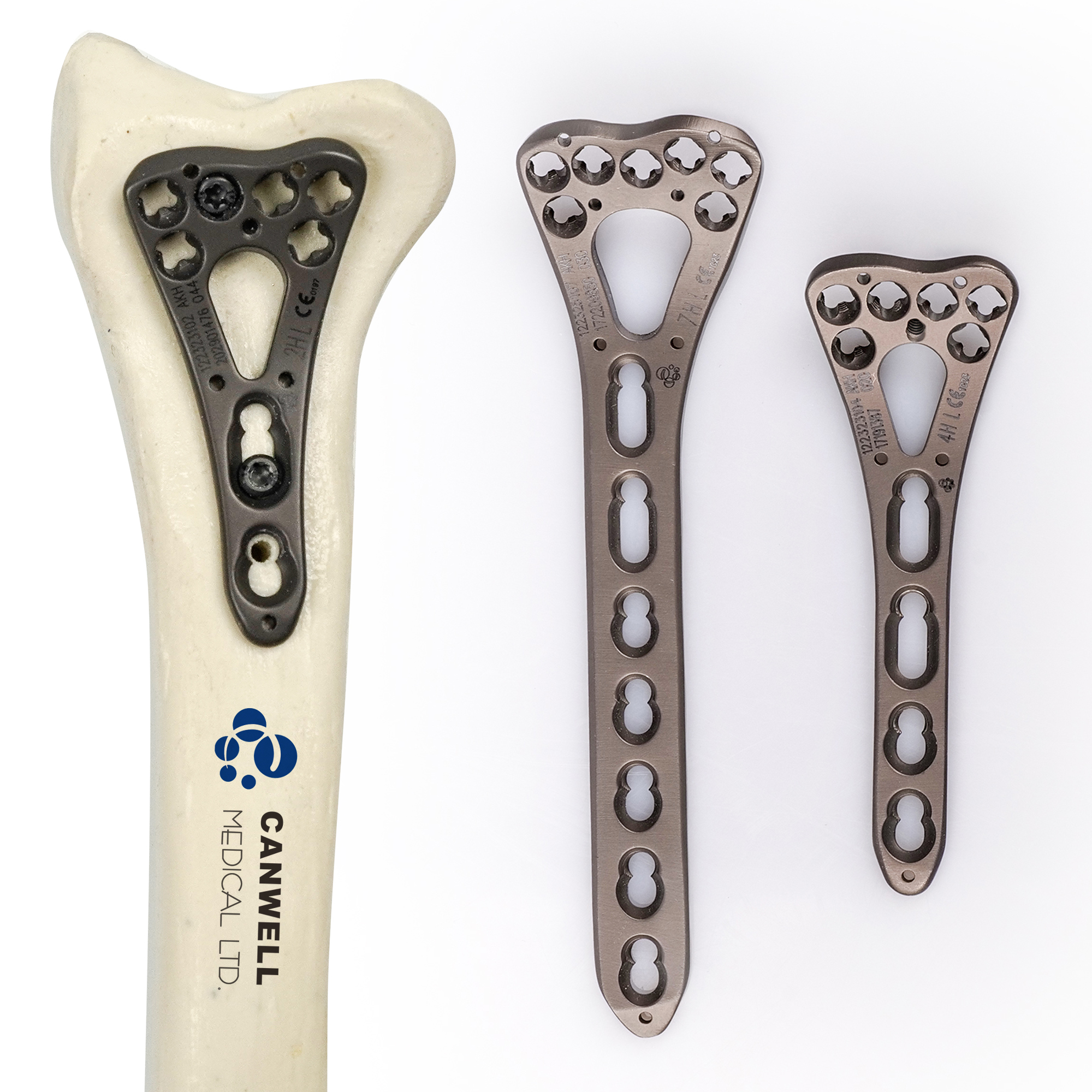
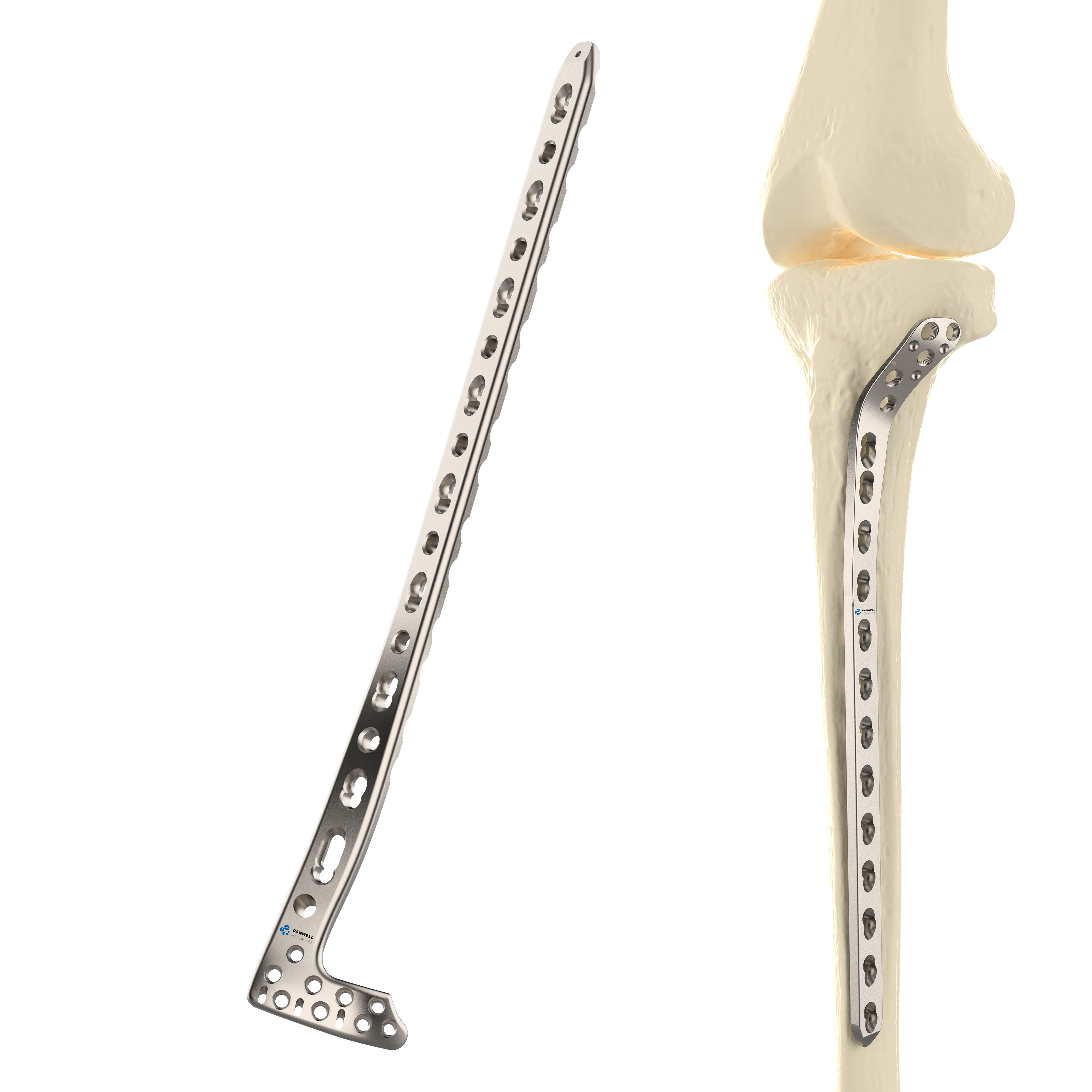
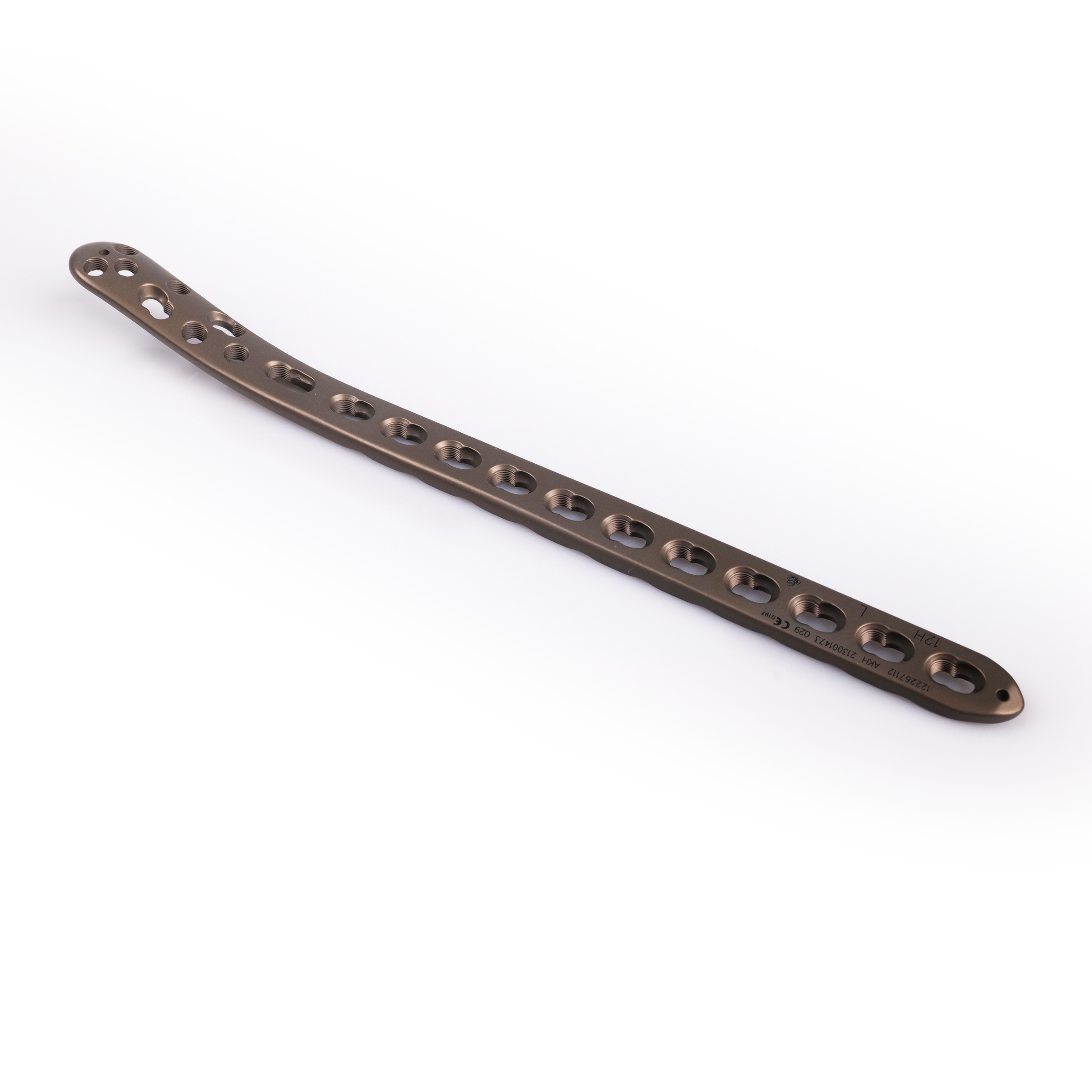
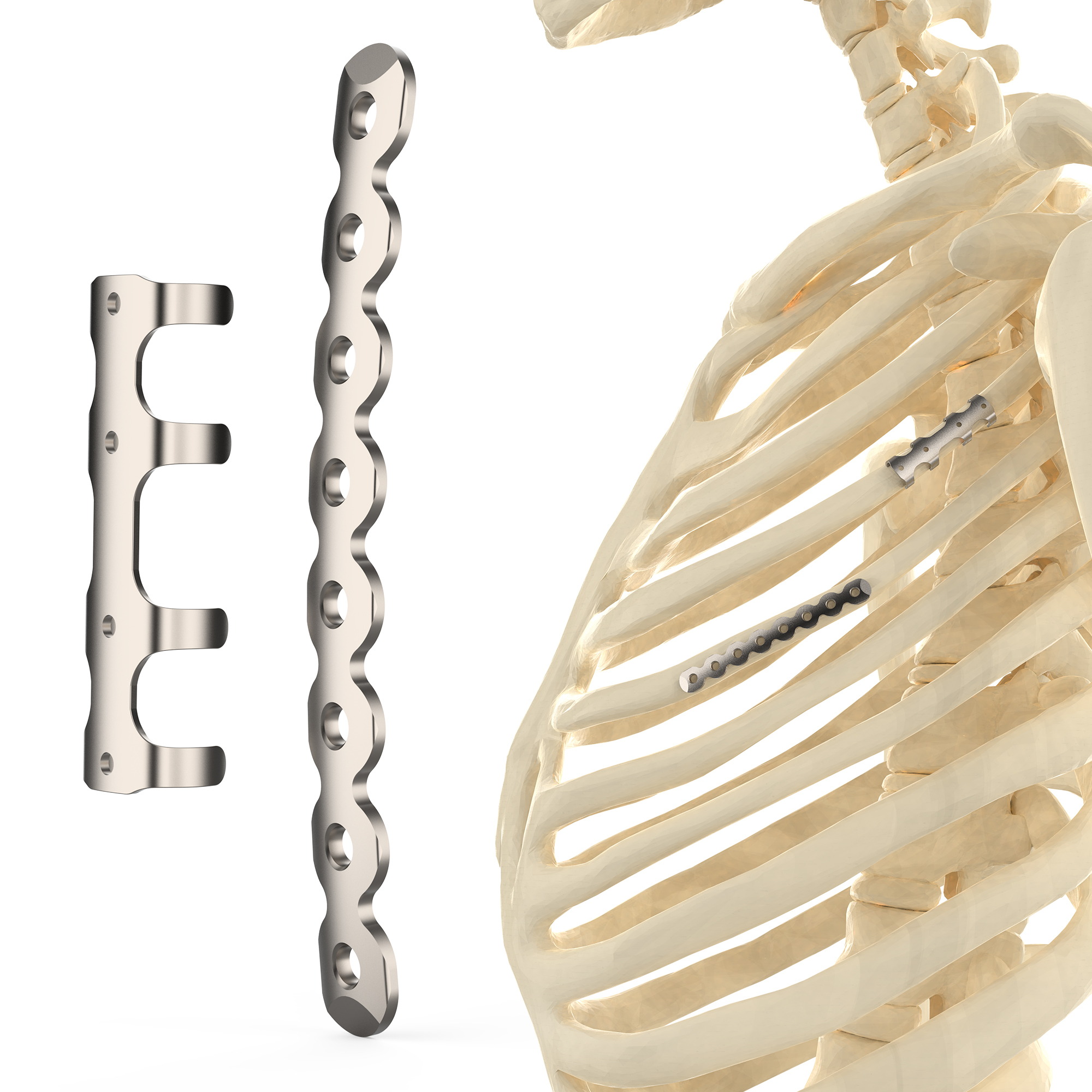
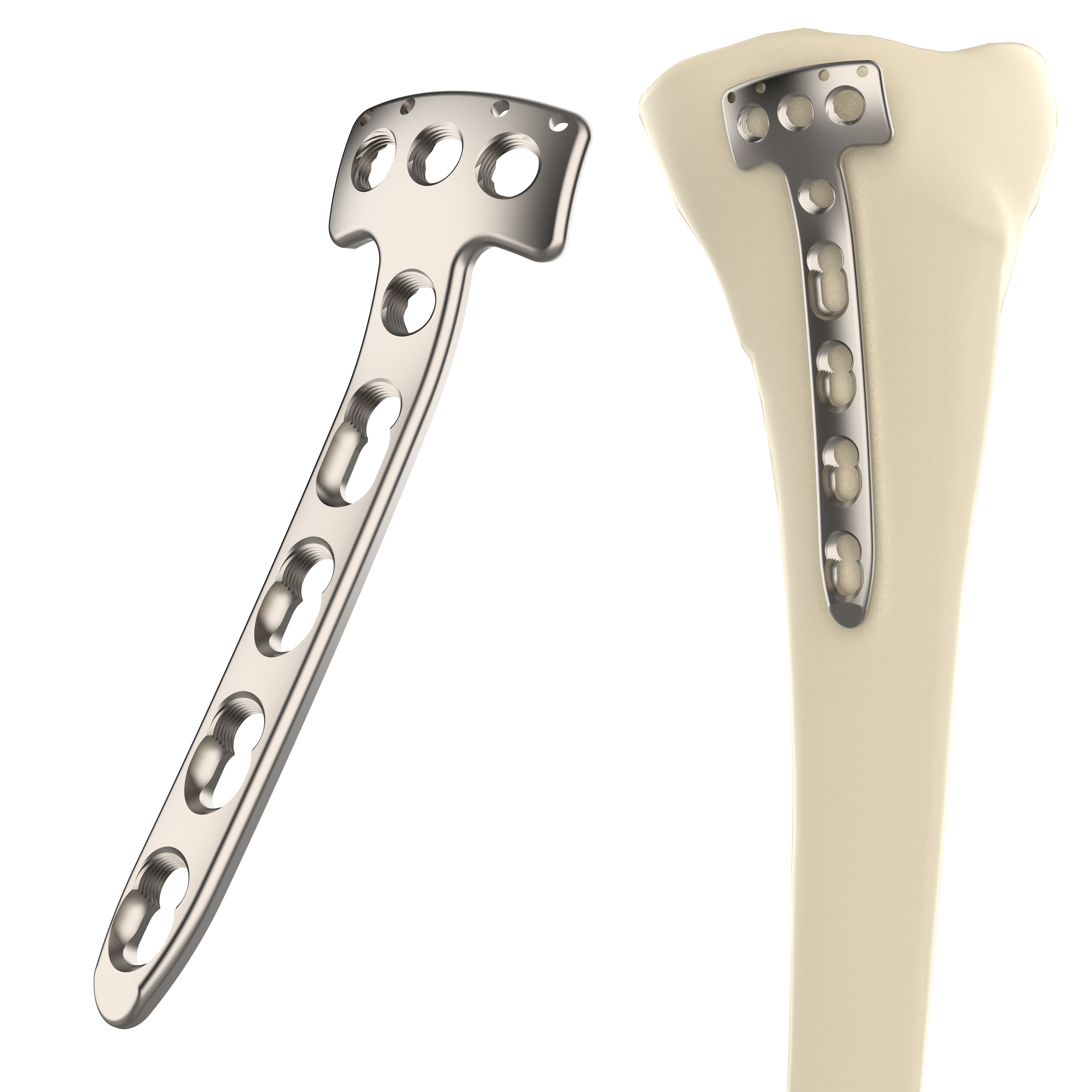
These high-energy impacts consistently produce comminuted, complex fractures requiring advanced internal fixation devices. The mechanical failure rates associated with traditional, non-locking compression plates have propelled Cambodian orthopaedic surgeons toward anatomically contoured Variable-Angle (VA) locking compression solutions. In high-energy poly-trauma cases, metaphyseal fractures of the proximal and distal tibia, alongside bicondylar tibial plateau fractures, necessitate angular-stable implants that effectively bridge comminuted segments without compromising periosteal vascularization.
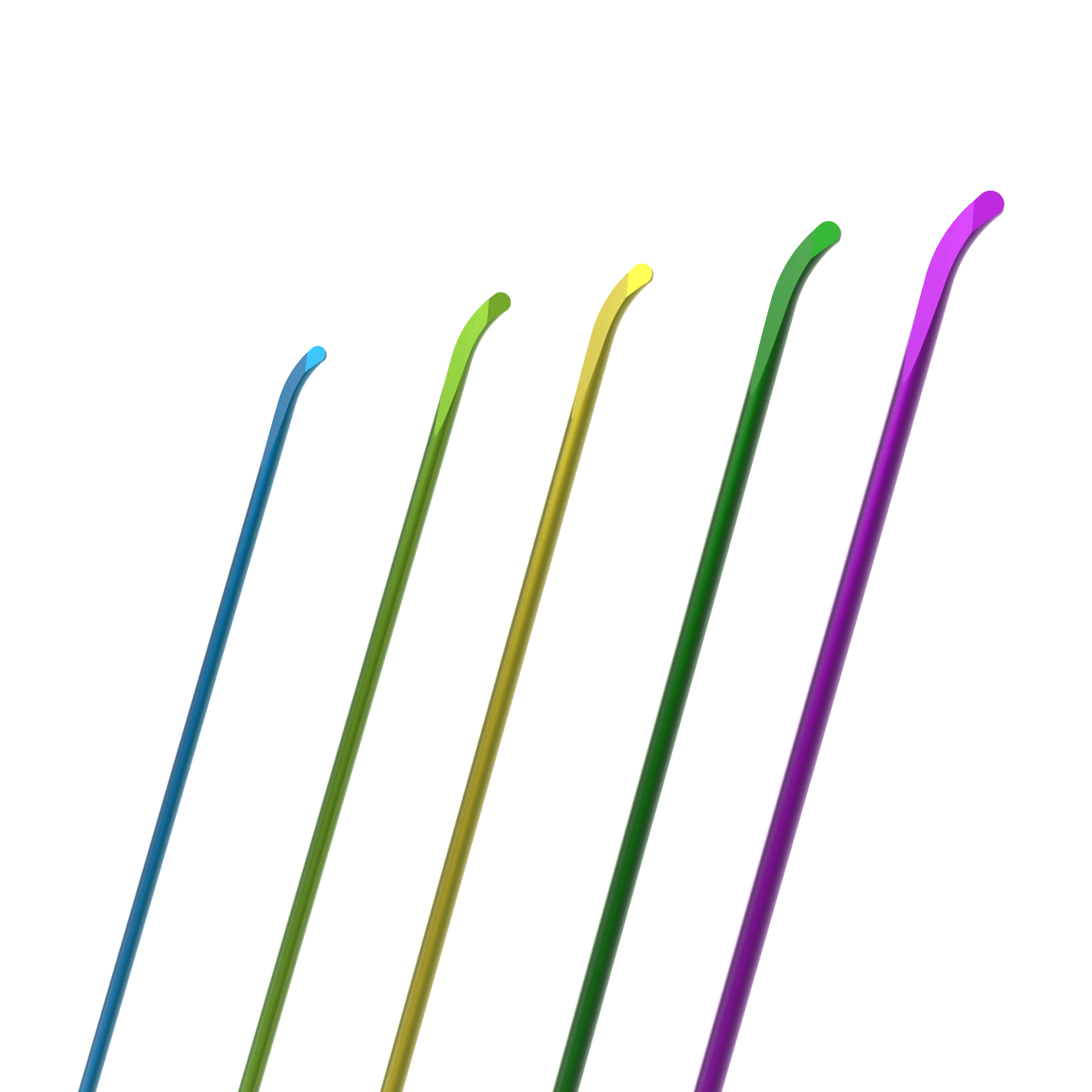
Simultaneously, specialized demographics require dedicated trauma strategies. Pediatric femoral and tibial fractures—often caused by everyday rural and recreational mishaps—demand minimally invasive intervention that respects open epiphyseal growth plates. Flexible Titanium Elastic Nails (TEN) have emerged as the standard of care across Cambodian pediatric orthopaedics, facilitating rapid union via symmetrical dynamic splinting while reducing hospitalization burdens on regional centers.
Climatic Biocompatibility
Cambodia’s tropical, high-humidity environment necessitates superior post-surgical corrosion resistance. Our implants undergo specialized Type II anodization and multi-stage ultrasonic passivation to guarantee absolute electro-chemical inertness in vivo.
Cambodian MoH Compliance
Navigating the Department of Drugs and Food (DDF) under the Cambodian Ministry of Health demands rigorous documentation. We provide complete dossiers: CE marking (MDR / 93/42/EEC), ISO 13485 certification, and full metallurgical traceability.
Rising Sports Medicine Demand
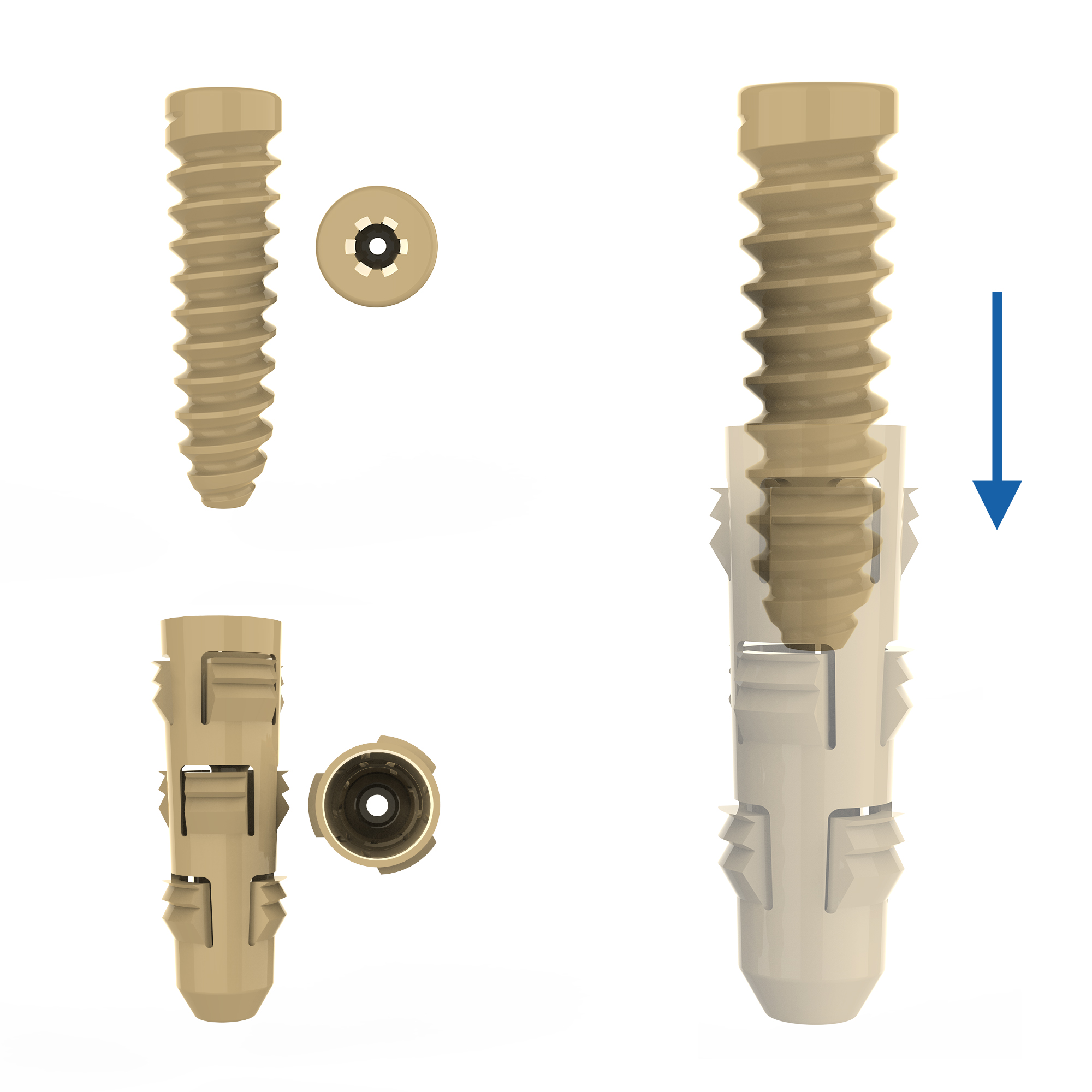
With youth demographic expansion and domestic league athletic sports surging nationwide, injuries involving the Anterior Cruciate Ligament (ACL) and Posterior Cruciate Ligament (PCL) are increasing. Our biocompatible PEEK interference screws deliver dependable ligament graft stability.
Market Growth Trends & Strategic Procurement Shifts in Cambodia
The procurement framework in Cambodia’s orthopaedic sector is transitioning from opportunistic spot purchases to structured institutional supply chains. Several market dynamics underline this shift:
- Expansion of Private Hospital Infrastructure: Phnom Penh is witnessing substantial foreign and domestic healthcare investment, creating modern surgical suites requiring international-grade surgical instruments alongside reliable implants.
- NSSF (National Social Security Fund) Coverage Expansion: Wider public insurance coverage for occupational accidents has dramatically increased surgical throughput for complex limb reconstructions in provincial state hospitals.
- Transition from Reseller Trading to Direct OEM Partnerships: Cambodian medical importers are actively mitigating third-party markups by sourcing directly from verified Chinese manufacturers possessing vertical manufacturing capabilities, proprietary testing laboratories, and custom branding support.
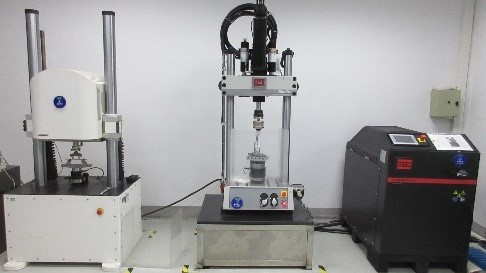
State-of-the-Art Production & Mechanical Validation
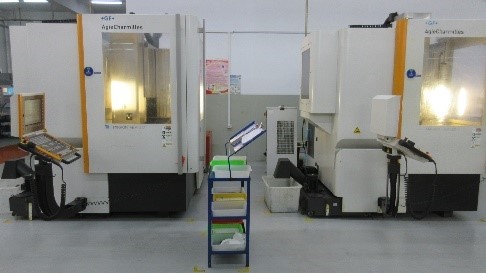
All implants are machined from premium certified titanium and medical PEEK within our 29,523 m² facility, passing through certified 13-stage production routing.
SGS Onsite-Assessed Infrastructure
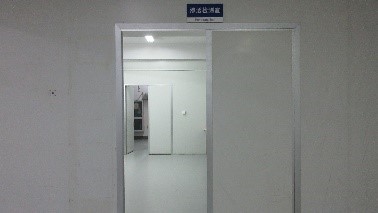
Our complete facility—spanning raw material longitudinal cutting lathes, CNC mills, cleanroom class 100,000 aseptic packing lines, and testing equipment—is independently validated onsite by SGS Group.
Comprehensive OEM/ODM Engineering
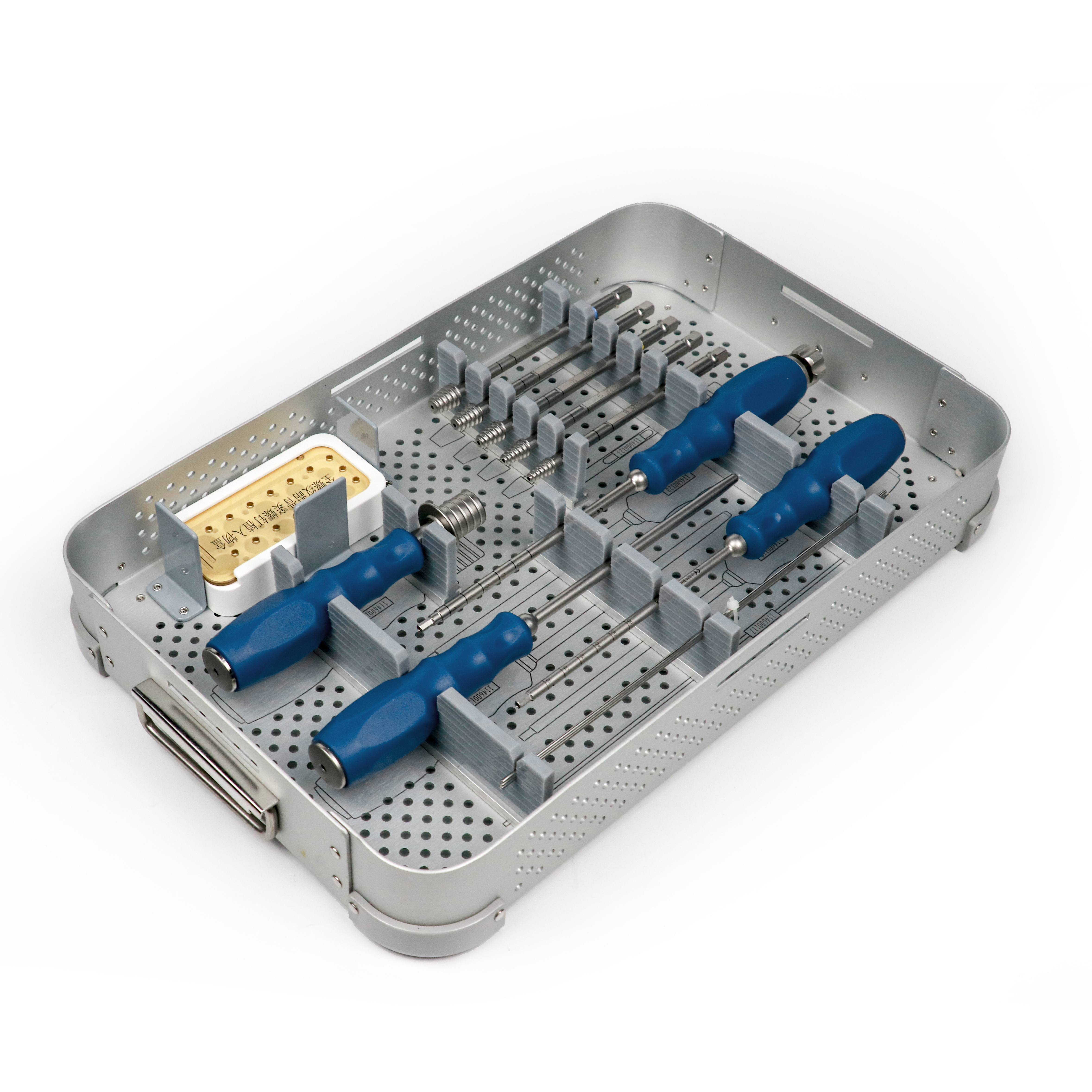
Full customization: custom screw hole angles, customized laser etching with hospital or distributor branding, anodized color customization, and custom autoclavable sterilization trays built to tender specs.
Rigorous Batch Traceability
Each batch of medical implants is mapped from metallurgical heat numbers to ultrasonic washing, surface passivation, bioburden verification, and outbound quality inspection records.
Frequently Asked Questions by Cambodian Importers & Hospitals
Clear, definitive answers regarding regulatory clearance, customs logistics, shipping routes, and OEM agreements.
Partner with a Certified Orthopaedic OEM/ODM Manufacturer
Connect directly with our biomedical engineering and export regulatory team. Request complete surgical technique guides, clinical dossiers, product samples, or wholesale quotation pricing tailored for the Cambodian market.